
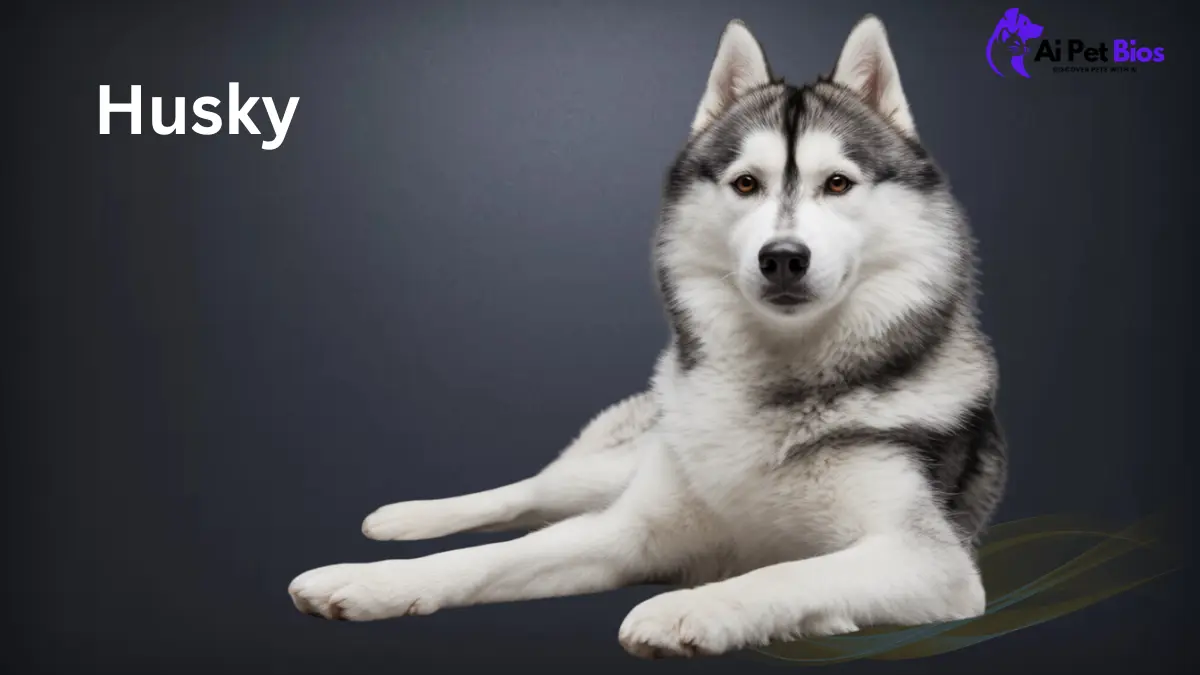
What Is a Husky?
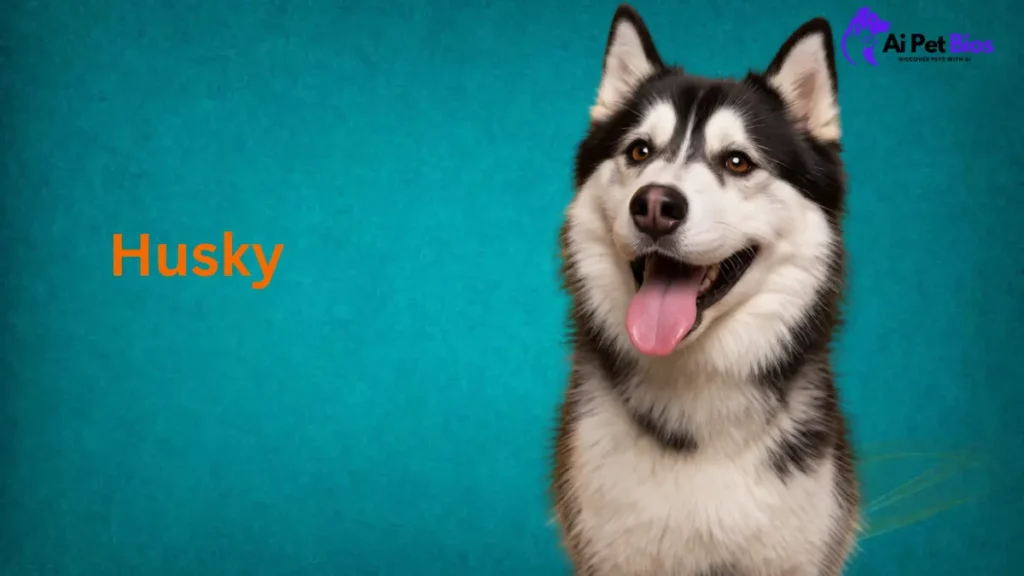
Imagine a Husky Dog that was born to run 100 miles through frozen tundra, guided only by instinct and loyalty. That is the Husky — a breed forged by centuries of Arctic survival. With their striking blue or multicolored eyes, wolf-like appearance, and boundless energy, it is easy to see why millions of owners worldwide fall in love at first sight. But beauty is only the beginning of this breed’s story.
Quick Answer: A Husky is a medium-sized working dog originally bred by the Chukchi people of Siberia for sled pulling and companionship in extreme cold. Known for their remarkable endurance, friendly temperament, and thick double coat, they are intelligent, high-energy dogs that require experienced, active owners. According to the AKC, the Siberian Husky ranks #19 in popularity in the United States.
Quick Breed Facts
| Attribute | Details |
| Breed Name | Siberian Husky (commonly known as Husky) |
| Origin | Siberia, Russia — developed by the Chukchi people, 3,000+ years ago |
| AKC Classification | Working Group — Recognized 1930 |
| Size | Male: 45–60 lbs, 21–23.5 in | Female: 35–50 lbs, 20–22 in |
| Lifespan | 12–15 years |
| Coat Type | Thick double coat — dense undercoat, straight outer coat |
| Colors | Black & white, gray & white, red & white, sable, agouti, pure white |
| Temperament | Friendly, outgoing, mischievous, loyal, energetic |
| Energy Level | Very High |
| Best For | Active owners, experienced handlers, outdoor enthusiasts |
| AKC Popularity | #19 Overall |
Want to read more dog blogs? Dachshund Dog
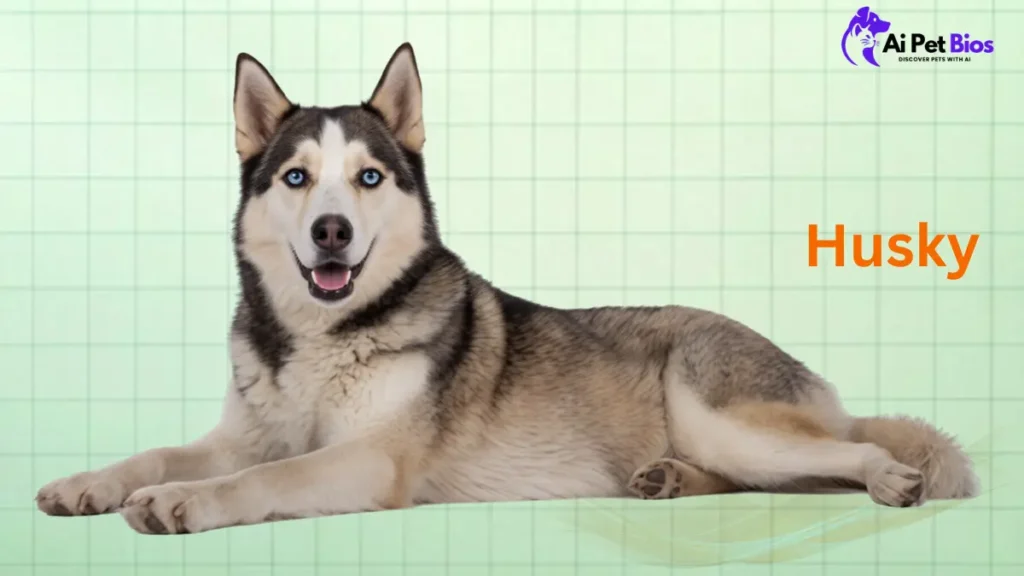
Origin & Breed Development
Original Purpose & Heritage
H was developed over thousands of years by the Chukchi people of northeastern Siberia — one of the most isolated and extreme environments on Earth. These dogs were not simply working animals; they lived inside family shelters, slept with children for warmth, and were integral to Chukchi survival. The breed was selectively developed for three specific traits: endurance over long distances, efficiency on minimal food, and a gentle, cooperative temperament suited to pack and family life.
Breed Evolution & The Serum Run
The breed gained international recognition in 1925 during the famous Nome Serum Run, when a relay of sled dog teams — led most famously by a Husky named Balto — delivered life-saving diphtheria antitoxin across 674 miles of frozen Alaskan terrain in just five and a half days. This event cemented the breed’s reputation for endurance, intelligence, and loyalty under pressure.
AKC Recognition & Modern Development
The American Kennel Club recognized the Siberian Husky in 1930. Since then, the breed has transitioned primarily from working sled dog to companion animal, though competitive sled racing remains an active sport. Today’s dogs retain all the drive, endurance, and independence of its ancestors — traits that owners must understand and manage from day one.
Physical Traits: Appearance, Size & Coat
Height & Weight Standards
| Aspect | Male Husky | Female Husky |
| Height | 21–23.5 inches at shoulder | 20–22 inches at shoulder |
| Weight | 45–60 lbs | 35–50 lbs |
| Build | Athletic, lean, well-muscled | Slightly lighter, equally athletic |
| Coat Length | Medium — dense double layer | Medium — dense double layer |
| Shedding Level | Very High (blows coat 2x yearly) | Very High (blows coat 2x yearly) |
The double coat is one of this breed’s most remarkable features — a dense, soft undercoat paired with a straight, smooth outer coat that provides insulation in temperatures as low as -60°F (-51°C). This coat sheds moderately year-round and heavily twice a year during seasonal coat blows, requiring consistent grooming to manage.
Color Variations & Eye Colors
| Color / Pattern | Description | Eye Color Possibilities |
| Black & White | Most common — high contrast markings | Blue, brown, or bi-color |
| Gray & White | Silver to charcoal gray with white markings | Blue, brown, or parti-color |
| Red & White | Warm copper-red to light orange tones | Amber, blue, or bi-color |
| Agouti | Wolf-like banded hairs — striking wild appearance | Usually blue or bi-color |
| Pure White | All white — no other markings | Blue, brown, or parti-color |
| Sable & White | Black-tipped hairs over brown base | Brown, blue, or bi-color |
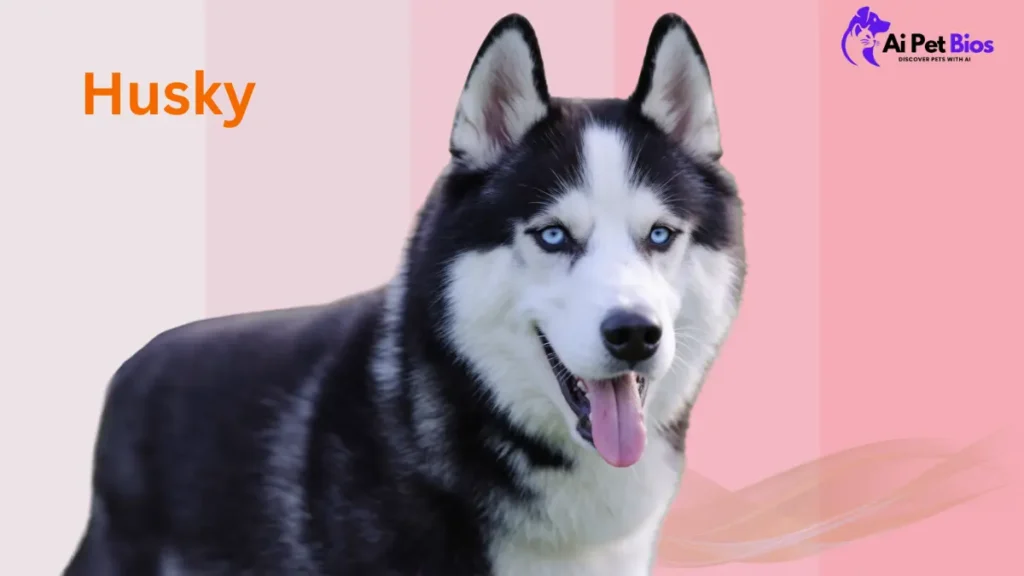
One of the breed’s most distinctive features is the prevalence of blue eyes — or heterochromia (one blue, one brown eye), which occurs frequently in this breed and is considered a standard trait rather than a fault. The AKC accepts all eye color combinations in the Husky breed standard.
Personality & Temperament & Behavioral Traits
Often described as the extrovert of the dog world — outgoing, playful, and almost universally friendly with people. Unlike many working breeds, this is not a natural guard dog; they are far more likely to greet a stranger with enthusiasm than suspicion. What they lack in watchdog ability, they more than compensate for in personality, loyalty, and sheer entertainment value.
| Trait | Rating (1–5) | Description |
| Affection with Family | 5/5 | Deeply loyal and affectionate; thrives on human closeness |
| Good with Children | 4/5 | Playful and gentle; best with older children due to high energy |
| Good with Other Dogs | 4/5 | Pack-oriented; generally excellent with other dogs |
| Good with Strangers | 5/5 | Friendly and welcoming; not a reliable guard dog |
| Intelligence | 4/5 | Highly intelligent; ranked among top working breeds by AKC |
| Energy Level | 5/5 | Extremely high — needs 2+ hours of vigorous exercise daily |
| Barking Level | 3/5 | Rarely barks; communicates through distinctive howling |
| Independence | 5/5 | Very independent — selective about obeying commands |
One behavioral trait that consistently surprises new owners is the breed’s famous independence. Bred to make autonomous decisions on a sled trail without handler input, they apply that same self-directed thinking to everyday life. They understand commands — they simply choose when to comply. This is not stubbornness in the traditional sense; it is instinct, and it requires a patient, consistent approach to training.
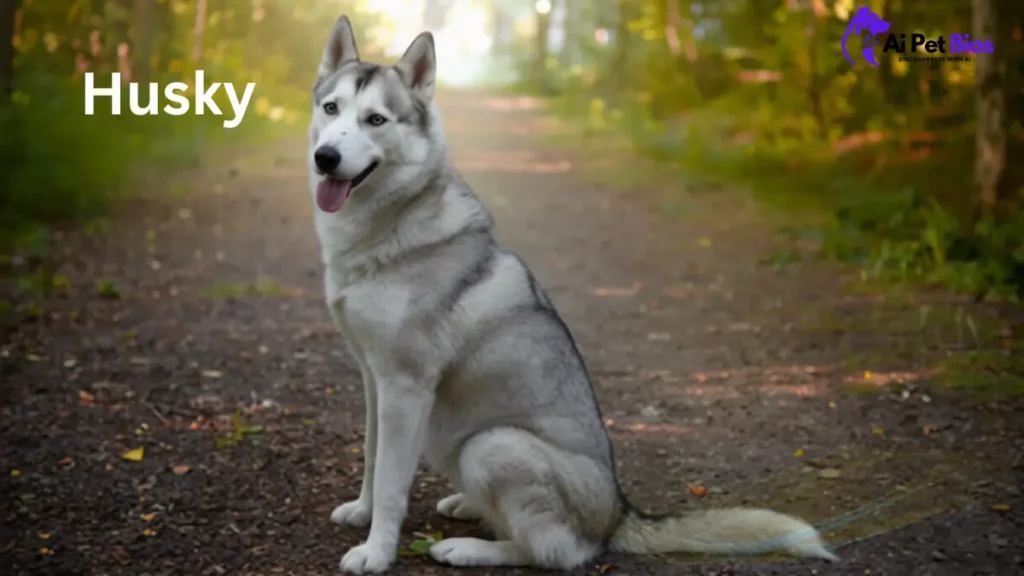
Health: Common Issues, Lifespan & Prevention
According to the Siberian Husky Club of America (SHCA), the breed is generally healthy and robust, with a lifespan of 12–15 years. However, like all purebreds, Huskies carry specific genetic predispositions that owners and breeders should screen for proactively.
| Condition | Prevalence | Symptoms | Prevention |
| Hip Dysplasia | Moderate (~8%) | Limping, stiffness, reduced activity | OFA hip screening; maintain healthy weight |
| Hereditary Cataracts | High (breed-specific) | Cloudy lens, impaired vision, eye rubbing | Annual CAER eye exam; DNA testing pre-breeding |
| Progressive Retinal Atrophy (PRA) | Moderate | Night blindness, dilated pupils, vision loss | Annual ophthalmologist exam; PRCD-PRA DNA test |
| Hypothyroidism | Moderate | Weight gain, lethargy, coat thinning, skin issues | Annual thyroid panel; lifelong medication if diagnosed |
| Zinc-Responsive Dermatosis | Breed-specific | Crusty, scaly skin around nose/eyes | Zinc supplementation; breed-specific diet |
| Follicular Dysplasia | Moderate | Patchy hair loss, coat discoloration | Dermatologist evaluation; nutritional support |
| Bloat (GDV) | Low–Moderate | Distended abdomen, retching, restlessness | Avoid post-meal exercise; slow feeder bowls |
Recommended Health Screenings (SHCA/OFA)
- OFA Hip Evaluation
- CAER Ophthalmologist Evaluation (annual — hereditary cataracts are breed-specific)
- PRCD-PRA DNA Test
- Thyroid Evaluation (OFA)
- Cardiac Evaluation (OFA)
Grooming & Care: Complete Maintenance Guide
The coat is self-cleaning to a remarkable degree — they rarely develop a dog odor and do not require frequent bathing. However, their heavy shedding is non-negotiable, and owners who are not prepared for hair on every surface will be caught off guard. During seasonal coat blows in spring and fall, daily brushing for several weeks is essential.
| Task | Frequency | Tools | Notes |
| Brushing | 2–3x per week (daily during shedding season) | Undercoat rake, slicker brush | Never shave the double coat — it insulates against heat AND cold |
| Bathing | Every 6–8 weeks (or as needed) | Gentle dog shampoo | Thorough drying essential — dense coat retains moisture |
| Ear Cleaning | Monthly | Vet-approved ear cleaner, cotton balls | Check for redness or odor; erect ears are less prone to infection |
| Nail Trimming | Every 3–4 weeks | Dog nail clippers or grinder | Active dogs may wear nails naturally on hard surfaces |
| Dental Brushing | 3–5x per week | Dog toothbrush, enzymatic toothpaste | Start young; this breed can be resistant to handling |
| Eye Check | Weekly | Damp cloth | Watch for cloudiness — hereditary cataracts are a known concern |
A critical grooming note: never shave the double coat. Many owners mistakenly believe shaving helps the dog stay cool in summer. In fact, the double coat acts as thermal regulation in both directions — insulating against cold and providing a barrier against heat and UV rays. Shaving disrupts this system and can cause permanent coat damage.
Exercise Needs: Activity Guide & Mental Stimulation
Built to run up to 150 miles per day in sled racing conditions, this breed has exercise requirements that surpass almost every other companion breed. A 20-minute walk twice a day will not be sufficient — this breed needs vigorous, sustained physical activity. Under-exercised dogs of this breed are the leading source of owner complaints: escaping, destructive behavior, and relentless howling are all symptoms of an unmet exercise need.
| Life Stage | Daily Exercise | Activity Type | Notes |
| Puppy (0–12 mo) | 30–45 min (split sessions) | Short walks, play, socialization | Avoid high-impact running — joints still developing |
| Adult (1–7 yrs) | 2+ hours | Running, hiking, cycling, sledding, agility | Off-leash only in fully secured areas — recall is unreliable |
| Senior (7+ yrs) | 45–60 min | Leash walks, light play, swimming | Watch for joint stiffness; reduce intensity gradually |
Mental Stimulation & Enrichment
- Puzzle feeders and interactive food-dispensing toys
- Nose-work and scent training games
- Agility and obedience sport training
- Canicross (running with your dog attached via harness)
- Structured hiking on varied terrain — new scents satisfy the working dog brain
Diet: Nutrition, Feeding & Weight Management
Husky Dog breed has a unique metabolic efficiency — a trait developed over centuries of thriving on minimal calories in extreme conditions. According to research published in veterinary nutrition journals, Huskies can adapt their metabolic rate during sustained exercise in ways that differ significantly from other breeds. This means they can thrive on less food than their size and energy level might suggest, but it also means overfeeding is a real risk.
| Life Stage | Meals/Day | Daily Calories | Key Nutritional Focus |
| Puppy (0–12 mo) | 3–4 | 900–1,400 kcal | High protein; DHA for brain; controlled calcium for bone growth |
| Adult (active) | 2 | 1,100–1,700 kcal | High protein (28%+); moderate fat; joint-supporting supplements |
| Adult (less active) | 2 | 900–1,300 kcal | Controlled fat; weight monitoring; omega-3 for coat health |
| Senior (7+ yrs) | 2 | 800–1,100 kcal | Reduced calories; glucosamine; omega-3 for joints and cognition |
Foods to avoid: Grapes, raisins, chocolate, xylitol, onions, garlic, macadamia nuts, alcohol, and cooked bones. These are toxic to dogs and can be life-threatening. Additionally, avoid overfeeding even high-quality food — Huskies are efficient metabolizers and can gain weight quickly when inactive.
Training: Tips, Techniques & Behavioral Guide
Trainability & Intelligence
This Husky breed is highly intelligent but famously independent. According to Stanley Coren’s canine intelligence rankings, Siberian Huskies rank #45 in obedience intelligence — not because they cannot learn, but because they choose when to apply what they know. They were bred to think for themselves on sled trails, and that autonomous instinct is deeply embedded. Training requires consistency, patience, and high-value rewards.
| Age | Focus | Key Skills | Duration |
| 8–12 weeks | Foundation & bonding | Name recognition, sit, come, crate training, handling | 4 weeks |
| 12–16 weeks | Basic obedience | Stay, down, leave it, loose-leash introduction | 4 weeks |
| 4–6 months | Socialization | Dogs, children, strangers, traffic, new environments | Ongoing |
| 6–12 months | Impulse control | Recall reinforcement, place command, controlled greetings | 6 months |
| 1 year+ | Sport & enrichment | Agility, canicross, scent work, advanced tricks | Ongoing |
Common Behavioral Issues & Solutions
| Issue | Cause | Solution |
| Escaping / Fence-breaking | High prey drive; boredom; explorer instinct | 6-foot minimum fencing; dig guards; supervised yard time only |
| Destructive Chewing | Under-stimulation; separation anxiety | 2+ hours of exercise before alone-time; durable chew toys |
| Howling | Communication; boredom; response to sounds | Address root cause (exercise, enrichment); desensitization training |
| Selective Recall | Independent instinct; distraction | Long-line training; never off-leash in unsecured areas |
| Pulling on Leash | High drive; forward momentum instinct | No-pull harness; consistent stop-and-go training from puppyhood |
Is This Breed Right for You? Suitability Assessment
Husky one of the most beautiful and charismatic breeds in the world — and also one of the most frequently surrendered to shelters. The gap between expectation and reality is significant. Before committing, honest self-assessment is essential.
| Factor | Rating | Notes |
| Family Dogs | 4/5 | Loving and gentle; best with older children due to high energy |
| First-Time Owners | 2/5 | Not recommended — independence and energy require experience |
| Apartment Living | 1/5 | Poor choice — needs space, outdoor access, and vigorous exercise |
| Allergy-Sensitive Homes | 1/5 | Heavy shedder; not hypoallergenic |
| Active Individuals | 5/5 | The ideal match — runners, hikers, cyclists, outdoor enthusiasts |
| Seniors | 2/5 | Exercise demands make this breed challenging for less active owners |
| Homes with Other Dogs | 4/5 | Pack-oriented; generally excellent with other dogs |
| Expense | First Year | Annual (Ongoing) |
| Puppy / Purchase | $600–$1,500 | — |
| Veterinary Care | $500–$1,200 (vaccines, spay/neuter) | $300–$600 |
| Food | $500–$900 | $500–$900 |
| Grooming (professional) | $300–$700 (2–3 visits) | $300–$700 |
| Training Classes | $200–$500 | $100–$300 |
| Supplies & Toys | $200–$400 | $100–$250 |
| TOTAL ESTIMATE | $2,300–$5,200 | $1,300–$2,750 |
vs. Similar Breeds: Key Differences
| Trait | Husky | Alaskan Malamute | Samoyed | German Shepherd |
| Size | Medium (35–60 lbs) | Large (75–100 lbs) | Medium (35–65 lbs) | Large (50–90 lbs) |
| Energy Level | Extremely High | High | High | Very High |
| Shedding | Very Heavy | Very Heavy | Heavy | Heavy |
| Trainability | Moderate (independent) | Moderate (stubborn) | Moderate | Excellent |
| Guard Dog | Poor (too friendly) | Moderate | Poor | Excellent |
| Apartment Living | Poor | Poor | Fair | Fair |
| Avg. Lifespan | 12–15 years | 10–14 years | 12–14 years | 9–13 years |
| Avg. Cost | $600–$1,500 | $1,000–$2,200 | $600–$1,500 | $500–$1,500 |
Husky vs. Alaskan Malamute: Both are Arctic working breeds, but the Malamute is significantly larger and built for hauling heavy loads rather than speed. It is faster and more agile; the Malamute is stronger and more powerful. Both require experienced owners and extensive exercise.
vs. Samoyed: Both are friendly, high-energy Nordic breeds with heavy coats. The Samoyed is slightly more trainable and better known for its permanent smile and gentle nature. It tends to have more drive and prey instinct. Both are poor choices for allergy-sensitive households.
Frequently Asked Questions
Is a Husky a good family dog?
Yes — with the right family. This breed is affectionate, playful, and gentle, making it an excellent companion for active families with older children. Their high energy can overwhelm toddlers, and their independent nature requires experienced handling. For families who can meet their significant exercise needs, few breeds offer the same combination of loyalty and personality.
Are Huskies smart dogs?
This breed is highly intelligent, but their intelligence is applied selectively. According to Stanley Coren’s rankings, they place #45 in obedience intelligence — not due to limited capability, but due to independence. They excel at problem-solving, escape artistry, and reading their owners. This intelligence requires consistent mental enrichment to prevent boredom-related behavioral issues.
What is the Husky lifespan?
These dogs typically live 12–15 years — above average for a medium-to-large breed. According to the Siberian Husky Club of America, the breed is generally robust. Longevity is most influenced by weight management, regular exercise, routine veterinary care, and early genetic health screening for hereditary conditions including cataracts and hip dysplasia.
Does a Husky shed heavily?
Significantly. This breed has a thick double coat that sheds moderately year-round and heavily during two seasonal coat blows — typically in spring and fall. During these periods, daily brushing is essential. This breed is among the highest-shedding dogs available and is a poor choice for allergy-sensitive households or owners who prefer a low-maintenance coat.
What are common Husky health problems?
The most significant health concerns include hereditary cataracts (a breed-specific condition), hip dysplasia, Progressive Retinal Atrophy (PRA), hypothyroidism, and zinc-responsive dermatosis. According to the Siberian Husky Club of America, annual CAER eye exams are strongly recommended for all breeding dogs. Always request OFA hip, thyroid, and CAER eye clearances from any breeder.
How much does a Husky cost?
From a reputable AKC-registered breeder, expect $600–$1,500 in the USA. Show-quality or champion-line dogs can reach $2,500+. In the UK, budget £800–£1,500 from health-tested breeders. Annual ownership costs — including food, grooming, vet care, and supplies — typically run $1,300–$2,750. Adoption through the Siberian Husky Club of America Rescue costs $150–$400.
Is a Husky suitable for apartment living?
Not ideally. They need extensive space, outdoor access, and 2+ hours of vigorous daily exercise. While not impossible with extraordinary commitment, apartment living is a poor match for this breed. Insufficient exercise leads directly to destructive behavior, howling, and escape attempts. A home with a securely fenced yard and proximity to trails or parks is strongly preferred.
Husky vs. Alaskan Malamute: what’s the difference?
The key difference is size and purpose. It was bred for speed and endurance over long distances; the Alaskan Malamute was bred for strength and hauling heavy freight. Malamutes are significantly larger (75–100 lbs vs. 35–60 lbs), slower, and even more stubborn. Both require experienced owners, but this breed is the more versatile companion breed of the two.
Finding a Puppy: Pricing, Breeders & Adoption Options
The breed’s striking appearance makes it a frequent target of irresponsible breeding. Blue-eyed, wolf-like puppies are in high demand, and unscrupulous breeders exploit that demand with dogs that lack proper health testing or socialization. Taking time to verify a breeder’s credentials protects both your family and the breed.
| Green Flag | Red Flag |
| AKC-registered; SHCA member breeder | No registration; no breed club affiliation |
| OFA hip, thyroid, CAER eye clearances provided | Only offers ‘vet checked’ without formal OFA/CAER testing |
| Puppies raised indoors; socialized from birth | Multiple breeds always available; puppies housed in kennels |
| Clear health contract with return policy | Pressure to decide quickly; no written health guarantee |
| Transparent about working or show line history | Extremely low prices — significantly below market average |
| Asks about your lifestyle, home, and experience | Happy to sell to anyone without screening questions |
For rescue adoption, the Siberian Husky Club of America operates a dedicated rescue network at shca.org. Regional organizations such as Husky Haven also list dogs across all ages and regions. Given the breed’s high surrender rate, adoption is strongly encouraged for owners who have experience with the breed.
Final Thoughts: Is This Breed Right for You?
For the right owner, this is one of the most rewarding breeds imaginable — loyal, beautiful, endlessly entertaining, and built for adventure. If you are an active person who wants a dog that can match your outdoor lifestyle step for step, this breed will exceed every expectation.
If you are drawn primarily to the appearance — the blue eyes, the wolf-like face, the stunning coat — take a step back and assess the commitment honestly. These dogs demand 2+ hours of exercise daily, produces mountains of shed hair, escapes from inadequately secured yards, and will test your patience with its independent spirit. None of that is a flaw; it is the breed doing exactly what it was built to do.
Ready to take the next step? Research breeders through the Siberian Husky Club of America at shca.org, explore rescue adoption through their national network, and request full OFA hip, thyroid, and CAER eye health documentation before making any commitment.
About the Author
Dr. Lena Voronova | Certified Canine Behaviorist, Arctic Breed Specialist
Dr. Lena Voronova has dedicated 14 years to studying arctic and working dog breeds, consulting for sled dog organizations across North America and Northern Europe. She holds advanced certification in canine behavior consulting and small animal nutrition. Her breed-specific guidance has helped thousands of owners build healthier, more fulfilling relationships with their dogs.
Verified by: Siberian Husky Club of America Breed Health Committee | Reviewed by: Dr. Erik Svensson, DVM, Nordic Breeds Specialist
Medical Disclaimer:
This article is for informational purposes only and does not constitute professional veterinary advice. Always consult a licensed veterinarian regarding your dog’s health, medical conditions, or dietary needs. Individual animals may vary from breed generalizations described here. Neither the author nor this publication assumes liability for actions taken based on this content.
Courtesy: AnimalWised

Want Popular On Google? | Lust Quality Backlinks That Force-fed
I’m an SEO Expert, Guest Posting Specialist, and Web Developer helping websites increase rankings, traffic, and authority using clean, white-hat strategies 🚀
I focus on high-authority guest posts, safe backlinks, SEO-optimized content, and technically sound websites—so your site doesn’t just rank, it stays ranked.
What I help you with:
✅ SEO (On-page, Off-page & Technical)
✅ Guest Posts on Real, Relevant Sites
✅ High-Quality Link Building
✅ Keyword Research & Content Strategy
✅ SEO-Friendly Website Development
📈 No spam. No shortcuts. Only results.
👉 Need backlinks that actually work?
📩 Let’s connect: https://wa.me/+923006932631
1 thought on “Husky Dog: Viral Complete Guide To Care & Photos”
Comments are closed.