
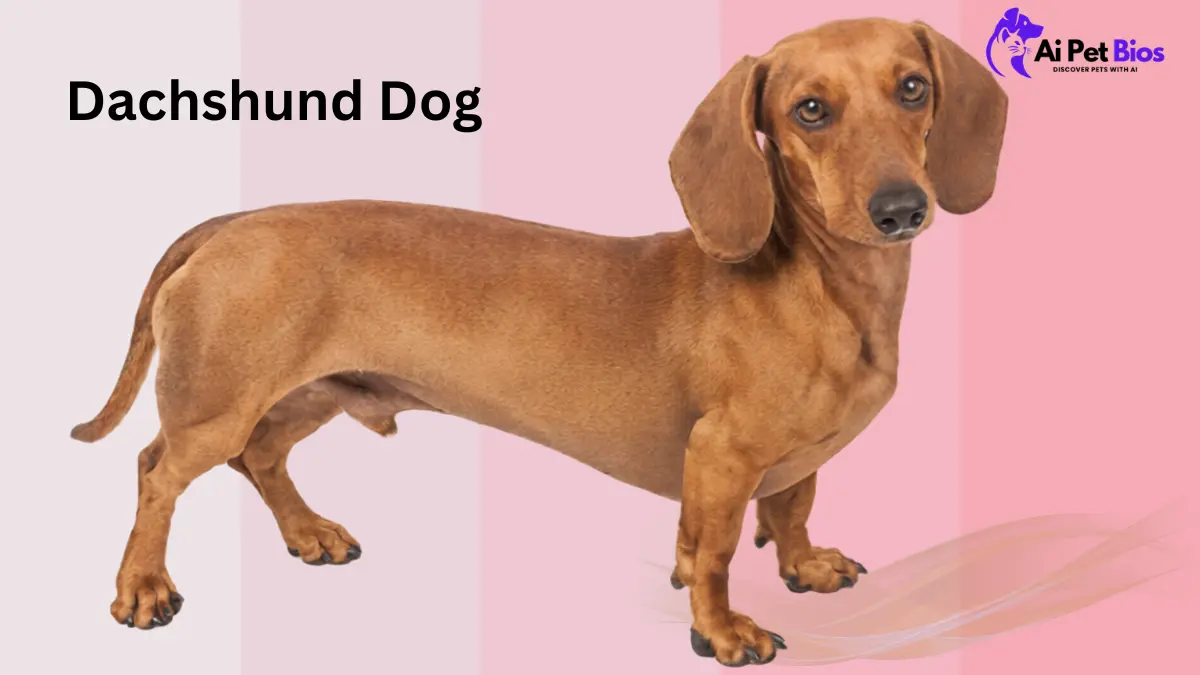
The Dachshund dog is one of the most instantly recognizable breeds in the world. With their long, low-slung body, oversized personality, and fierce loyalty, these compact dogs have captivated owners for centuries. Available in two sizes and three coat types, they adapt surprisingly well to city apartments or suburban homes. Do not let the small package fool you—this is a bold, tenacious breed with a personality far bigger than its frame.
A Dachshund dog is a small-to-medium scent hound originally bred in Germany to hunt badgers underground. Known for their elongated body, keen nose, and fearless temperament, they are courageous, affectionate, and deeply devoted to their families. They rank #10 in AKC popularity due to their adaptable size, big personality, and long lifespan of 12–16 years.
Quick Facts Table
| Attribute | Details | |
| Breed Name | Dachshund Dog (also known as Dackel or Teckel) | |
| Origin | Germany, 15th–17th century | |
| AKC Classification | Hound Group — Recognized 1885 | |
| Size | Standard: 16–32 lbs | Miniature: under 11 lbs |
| Lifespan | 12–16 years | |
| Coat Type | Smooth, Wirehaired, or Longhaired | |
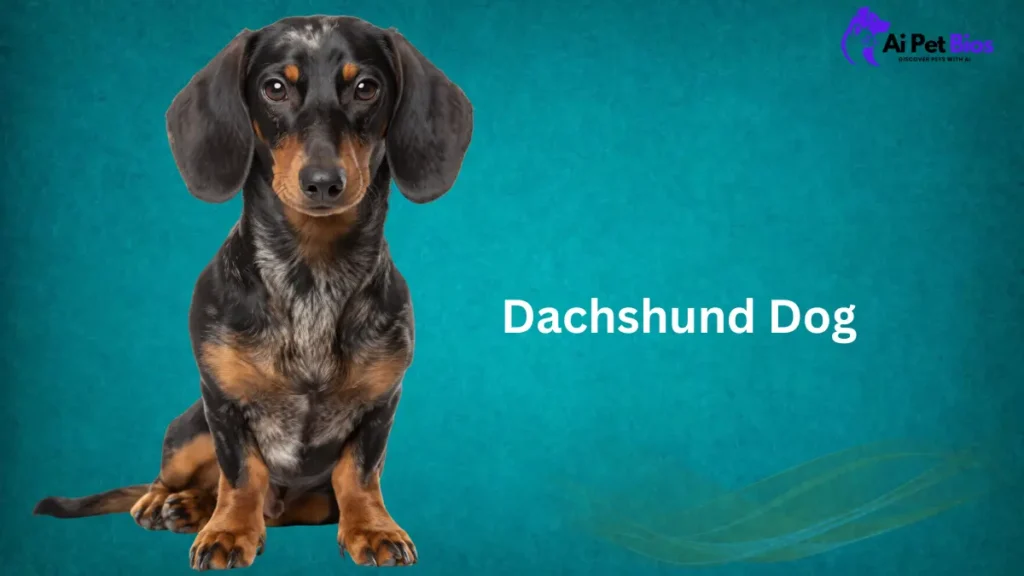
| Colors | Red, black & tan, chocolate & tan, dapple, piebald, cream | |
| Temperament | Curious, lively, devoted, stubborn, courageous | |
| Energy Level | Moderate–High | |
| Best For | Families (older children), singles, seniors, apartments | |
| AKC Popularity | #10 Overall |
Want to read more about dogs? Beagle Dog
Origin & History
Where the Breed Comes From
This breed was developed in Germany as early as the 15th century, purpose-bred to hunt badgers—the name literally translates to “badger dog” (Dachs = badger, Hund = dog). Their elongated body allowed them to enter underground burrows, while their powerful chest and loud bay helped them corner prey and alert hunters above ground. Miniature varieties were later bred to hunt rabbits.
The Role of German Forestry
By the 18th century, Dachshund dogs had become essential tools for German foresters and gamekeepers. These men needed a dog that could track wounded game, follow a cold scent for hours, and fearlessly enter dens to dispatch predators. The breed’s courage and independence were forged in these harsh, high-stakes environments. A forester who owned a reliable Dachshund dog could protect his livelihood from badgers, foxes, and even wild boar.
From Royal Courts to American Homes
By the 19th century, the breed had become a favorite of German royalty, most notably Kaiser Wilhelm II, who owned several and was known to favor them over all other breeds. He famously said that a good Dachshund was worth more than a regiment of cavalry.
The Dachshund dog arrived in the United States in the late 1800s and was officially recognized by the AKC in 1885. During World War I, anti‑German sentiment caused a sharp decline in popularity, and the breed was often ridiculed in political cartoons. Remarkably, the Dachshund rebounded in the 1920s and has held a top‑ten AKC ranking for decades. Today, three coat varieties — Smooth, Wirehaired, and Longhaired — are recognized, each with the same iconic silhouette and spirited character.
Physical Characteristics
| Aspect | Standard | Miniature |
| Weight | 16–32 lbs | Under 11 lbs |
| Height | 8–9 inches | 5–6 inches |
| Shedding | Moderate | Moderate |
The breed’s defining physical feature is its long spine relative to leg length — a genetic trait called chondrodystrophy. This creates the unmistakable low-rider profile but also creates real vulnerability to spinal injury.
| Coat Type | Texture | Grooming Need |
| Smooth | Short, dense, shiny | Minimal — weekly wipe-down |
| Wirehaired | Rough outer, soft undercoat | Hand-stripping every 3–4 months |
| Longhaired | Silky, flowing with feathering | Brushing 3–4x per week |
Personality & Temperament
Do not mistake this breed’s small size for a timid disposition. Built to face badgers underground—alone—the fearless spirit of the Dachshund dog is fully intact. They are devoted to their families to the point of possessiveness, deeply curious, and often clownish. Their independence and stubborn streak mean they are not the most compliant breed, but owners who embrace this quality find it endlessly charming.
| Trait | Rating (1–5) | Description |
| Affection with Family | 5/5 | Intensely loyal; loves lap time |
| Good with Children | 3/5 | Better with older children |
| Good with Other Dogs | 3/5 | Bold with larger breeds |
| Good with Strangers | 2/5 | Suspicious; good watchdog |
| Intelligence | 4/5 | Sharp and cunning |
| Energy Level | 3/5 | Needs 45–60 min daily |
| Barking Level | 5/5 | Very vocal; deep bark |
| Stubbornness | 5/5 | Strong-willed |
The “Dachshund Stare”
One of the breed’s most endearing — and sometimes unnerving — traits is the famous “Dachshund dog stare.” When they want something (a treat, a walk, your seat on the couch), they will fix you with an intense, unwavering gaze that can feel almost human. Owners learn to read this stare quickly, as it is often the first signal before a low, demanding bark.

Dachshund Health: Key Issues & Lifespan
The Dachshund dog enjoys one of the longest lifespans at 12–16 years. However, their unique body structure creates specific vulnerabilities — particularly to spinal issues.
| Condition | Prevalence | Symptoms | Prevention |
| Intervertebral Disc Disease (IVDD) | Very High (~25%) | Back pain, hind limb weakness, paralysis | Ramps; no jumping; healthy weight |
| Obesity | Very High | Weight gain, reduced mobility | Strict portions; daily exercise |
| Progressive Retinal Atrophy | Moderate | Night blindness, vision loss | Annual eye exams; DNA testing |
| Dental Disease | Very High | Tartar, gum disease, tooth loss | Daily brushing; professional cleanings |
| Cushing’s Disease | Moderate (older dogs) | Pot-bellied look, excessive thirst/urination | Annual bloodwork after age 6 |
| Lafora Disease | Moderate (Wirehaired) | Muscle jerks, seizures, vision issues | DNA test available; avoid breeding affected dogs |
IVDD: The #1 Priority for Every Owner
Approximately 1 in 4 Dachshund dogs will experience some degree of IVDD. Prevention centers on three pillars:
- Keep the dog at a healthy weight
- Use ramps instead of stairs and furniture
- Choose a harness over a neck collar to reduce cervical disc stress
Early signs of IVDD every owner should know: reluctance to jump, crying out when picked up, a tucked belly, hunched back, or hind legs that seem to “knuckle under.” If you notice any of these, seek veterinary attention immediately — early treatment dramatically improves outcomes.
Recommended Health Screenings
- OFA Cardiac Evaluation
- CAER Ophthalmologist Evaluation (annual)
- PRA-prcd DNA Test
- Lafora Disease DNA Test (Wirehaired variety)
- OFA Thyroid Evaluation
Grooming & Care
Grooming varies by coat type. Always use a harness rather than a neck collar to reduce spinal stress — a simple but critical habit for every Dachshund owner.
| Task | Frequency | Notes |
| Brushing | Weekly (Smooth) / 3–4x (Long) | Rubber mitt for smooth; pin brush for longhaired |
| Bathing | Every 4–8 weeks | Gentle shampoo; dry ears thoroughly |
| Ear Cleaning | Monthly | Floppy ears trap moisture; use vet‑approved cleaner |
| Nail Trimming | Every 3–4 weeks | Long nails increase spinal pressure |
| Dental Brushing | Daily or 3–5x per week | Critical for small breeds |
Wirehaired Coat Care
Wirehaired Dachshund dogs require a specialized grooming technique called hand‑stripping. Unlike clipping, which softens the coat, hand‑stripping pulls out dead hairs by the root, preserving the harsh, water‑repellent texture. This should be done by an experienced groomer every 3–4 months. Expect to pay $60–$100 per session.
Senior Dachshund Care (10+ years)
As Dachshunds age, their needs change. Transition to a senior diet with reduced calories and added joint supplements (glucosamine, chondroitin, omega‑3s). Add non‑slip rugs on hardwood floors to prevent falls. Elevate food and water bowls to reduce neck strain. Increase veterinary visits to twice per year for bloodwork and dental monitoring.
Exercise & Nutrition
Daily Activity Requirements
Despite short legs, Dachshund dogs have real stamina. They need 45–60 minutes of daily exercise. Two moderate walks per day, combined with indoor play and nose‑work, typically meet their needs. Avoid high jumps, rough play on slippery surfaces, and repetitive stair climbing.
| Life Stage | Daily Exercise | Best Activities |
| Puppy (0–12 mo) | 20–30 min (split) | Short walks, gentle play |
| Adult (1–7 yrs) | 45–60 min | Leash walks, nose‑work, fetch |
| Senior (7+ yrs) | 20–30 min | Slow sniff walks, light play |
Feeding Guide
Weight management is critical. Every extra pound adds stress to an already vulnerable spine. Measure every meal and treat calories as part of the daily total. Use a slow‑feeder bowl to prevent gulping and reduce bloat risk.
| Life Stage | Meals/Day | Daily Calories | Key Focus |
| Puppy | 3–4 | 400–600 kcal | Controlled calcium |
| Adult (Standard) | 2 | 600–900 kcal | High protein; low fat |
| Adult (Miniature) | 2 | 300–500 kcal | Strict portions |
| Senior | 2 | 450–700 kcal | Reduced calories; omega‑3s |
Foods to Avoid
Never feed your Dachshund: chocolate, grapes, raisins, onions, garlic, xylitol, macadamia nuts, avocado, or fatty table scraps. These are toxic or can cause pancreatitis. Also avoid cooked bones, which can splinter and cause internal injuries.

Training Your Dachshund
Training this breed requires patience, consistency, and high‑value treats. They were bred to make independent decisions underground without handler guidance — that instinct runs deep. Short, upbeat sessions of 5–10 minutes work far better than long drills.
Golden rule: Positive reinforcement is the only reliable approach. Corrections cause shutdown and stubbornness. The Dachshund dog knows what you want — it is simply deciding whether compliance is worth its while.
Housetraining: The Real Challenge
New owners often underestimate how long housetraining takes with this breed. Small bladders combined with stubborn independence mean accidents are common for the first 4–6 months. The most effective method: strict crate schedule, take the puppy out every 2 hours (and immediately after eating, sleeping, or playing), and reward every success with a high‑value treat. Never rub their nose in accidents — it only creates fear and hiding behavior.
Socialization: Critical Before 16 Weeks
Because Dachshund dogs are naturally wary of strangers, early and ongoing socialization is essential. Before 16 weeks of age, expose your puppy to: men with beards, children, people in hats, vacuum cleaners, car rides, vet visits, and other friendly dogs. A well‑socialized Dachshund is confident and less likely to become reactive.
| Issue | Cause | Solution |
| Excessive Barking | Alertness; boredom; anxiety | Exercise before alone‑time; ‘quiet’ command |
| Housetraining Difficulty | Small bladder; independence | Strict crate schedule; patience (4–6 months) |
| Furniture Jumping | Habit; seeking elevation | Block access; install ramps |
| Selective Recall | Prey drive; scent distraction | High‑value treat training |
| Leash Reactivity | Wariness of strangers | Counter‑conditioning; distance training |
Pros & Cons at a Glance
| Pros | Cons |
| Unmatched loyalty and devotion | Very high IVDD risk (1 in 4) |
| Perfect size for any home (Standard or Miniature) | Stubborn and challenging to train |
| Long lifespan (12–16 years) | Excessive barking (very vocal) |
| Low grooming cost (Smooth variety) | Housetraining can take months |
| Excellent natural watchdog | Not ideal with toddlers |
| Adaptable to apartments or houses | Prone to obesity |
Is a Dachshund Dog Right for You?
| Factor | Rating | Notes |
| Family Dogs | Good | Best with older children |
| First-Time Owners | Good | Stubbornness requires patience |
| Apartment Living | Excellent | Compact; manage barking |
| Seniors | Excellent | Devoted lap companion |
| Active Individuals | Good | Enjoys walks; not for runners |
Cost of Ownership
| Expense | First Year | Annual |
| Puppy / Purchase | $500–$2,000 | — |
| Vet Care | $400–$1,000 | $300–$500 |
| Food | $250–$500 | $250–$500 |
| Grooming | $100–$600 | $100–$600 |
| Ramps + Training | $300–$700 | $100–$200 |
| TOTAL | $1,550–$4,800 | $750–$1,800 |
International Pricing: UK £800–£2,000 | Australia $1,000–$2,500 AUD | Canada $900–$2,200 CAD
Dachshund Dog vs. Similar Breeds
| Trait | Dachshund | Basset Hound | Corgi |
| Size | 16–32 lbs (Std) | 40–65 lbs | 25–30 lbs |
| Energy | Moderate–High | Low–Moderate | High |
| Trainability | Moderate | Moderate | High |
| Barking | Very High | High | Moderate |
| IVDD Risk | Very High | High | Moderate |
| Lifespan | 12–16 years | 10–12 years | 12–15 years |
Dachshund vs. Basset Hound: Which Is Better?
Choose the Dachshund if you want a compact, energetic companion suited to smaller spaces and daily walks. Choose the Basset Hound for a calmer, lower‑energy household dog that is content with shorter outings. Both are stubborn, vocal scent hounds with spinal vulnerability, but the Dachshund’s smaller size and longer lifespan give it a practical edge for most modern households.
8 Fun Facts About Dachshunds
- They have the loudest bark for their size. A Dachshund’s deep, resonant bay can sound like a dog twice their size — a trait bred to alert hunters above ground.
- Queen Victoria was a fan. The British monarch owned several Dachshund dogs and helped popularize the breed in England during the 19th century.
- The first Olympic mascot was a Dachshund. “Waldi” was the official mascot of the 1972 Munich Summer Games, chosen to represent athleticism and resilience.
- They appear in 20+ Hollywood films. From The Ugly Dachshund (1966) to The Secret Life of Pets, Dachshunds have been stealing scenes for decades.
- A Dachshund named “Scooter” lived to 20 years old. Proper care, weight management, and good genetics can push lifespan well beyond the average.
- They have three distinct personalities by coat type. Smooths are often the most mischievous, Wirehairs are the most terrier‑like and playful, and Longhairs are typically the calmest and most reserved.
- The breed has its own museum. The Dachshund Museum in Passau, Germany, celebrates the breed with art, artifacts, and a café shaped like a Dachshund dog.
- They are excellent earthdog competitors. Modern Dachshunds can compete in AKC Earthdog trials, where they navigate underground tunnels to locate caged rats (no harm to animals).
Frequently Asked Questions
Is a Dachshund dog good with children?
Yes, with older children who understand gentle handling. Toddlers who squeeze or startle the dog can trigger defensive snapping. With proper socialization and respectful interaction, they make devoted family companions.
Is a Dachshund dog hard to train?
Not impossible — independently motivated. They learn quickly when properly incentivized, but stubbornness means they weigh compliance against reward. Short sessions, high‑value treats, and consistent positive reinforcement are the winning formula.
How long does a Dachshund dog live?
Typically 12–16 years — one of the longest lifespans in the canine world. Longevity is most influenced by weight management, spinal health, and routine veterinary care. Lean dogs live longer.
Do Dachshund dogs shed a lot?
Moderately, depending on coat type. Smooth‑coated varieties shed year‑round. Wirehaired dogs shed minimally. Longhaired dogs shed moderately. None are hypoallergenic.
How much does a Dachshund dog cost?
From a reputable AKC breeder, expect $500–$2,000 in the USA. Show‑quality dogs reach $3,000+. UK: £800–£2,000. Annual costs run $750–$1,800. Rescue adoption costs $150–$400.
Can a Dachshund dog live in an apartment?
Yes — one of the better breeds for apartments. Their compact size and moderate exercise needs suit smaller spaces well. The primary challenge is barking, which requires proactive training.
What is the biggest health risk for this breed?
Intervertebral Disc Disease (IVDD) — approximately 1 in 4 will experience it. Prevention: healthy weight, ramps instead of stairs, no high jumps, always use a harness over a collar.
Dachshund vs. Basset Hound: which is better?
Choose Dachshund dog for a compact, energetic companion suited to smaller spaces. Choose Basset Hound for a calmer, lower‑energy household dog. Both are stubborn, vocal scent hounds with spinal vulnerability.
Finding a Reputable Breeder
| ✅ Green Flag | ❌ Red Flag |
| AKC‑registered; Dachshund Club member | No registration |
| OFA cardiac, PRA, Lafora clearances | Only “vet checked” |
| Puppies raised indoors; socialized | Outdoor kennels; minimal contact |
| Clear contract; discusses IVDD | Dismisses IVDD concerns |
| Screens buyers | Sells to anyone |
Questions to Ask Any Breeder:
- “Have the parents been OFA‑tested for cardiac health?”
- “Do you have PRA and Lafora DNA test results?”
- “How do you prevent IVDD in your breeding program?”
- “Can I meet the mother and see where puppies are raised?”
- “Do you take dogs back at any point if an owner cannot keep them?”
Rescue: Dachshund Club of America (dachshundclubofamerica.org) | Dachshund Rescue of North America
Final Verdict: Should You Get a Dachshund?
For the right owner, the Dachshund dog is one of the most rewarding companions you can choose. Fiercely loyal, genuinely funny, adaptable to most living situations, and capable of living 15+ years — the case for this breed is compelling.
Go in informed: the stubbornness, the barking, the IVDD risk, and the housetraining challenge are real. But owners who prepare properly — with ramps, patience, and a solid training plan — consistently report that this breed becomes the most characterful, devoted dog they have ever owned.
Ready to take the next step? Research breeders at dachshund dog clubofamerica.org, explore rescue options, and always request full OFA, PRA, and Lafora health documentation before committing.
About the Author
Dr. Karen Hoffmann | Veterinary Canine Behaviorist, Small Breed Specialist
Dr. Karen Hoffmann has spent 16+ years working with small and low‑rider breeds, with a particular focus on spinal health, behavior modification, and owner education. She holds board certification in veterinary canine behavior and advanced training in small breed nutrition. Her practical, breed‑specific approach has helped thousands of owners build happier, healthier lives with their dogs.
Verified by: Dachshund Club of America Breed Health Committee | Reviewed by: Dr. Thomas Bauer, DVM, Orthopedic Specialist
Medical Disclaimer
This article is for informational purposes only and does not constitute professional veterinary advice. Always consult a licensed veterinarian regarding your dog’s health. Indiv
Courtesy: Animal Digest

Want Popular On Google? | Lust Quality Backlinks That Force-fed
I’m an SEO Expert, Guest Posting Specialist, and Web Developer helping websites increase rankings, traffic, and authority using clean, white-hat strategies 🚀
I focus on high-authority guest posts, safe backlinks, SEO-optimized content, and technically sound websites—so your site doesn’t just rank, it stays ranked.
What I help you with:
✅ SEO (On-page, Off-page & Technical)
✅ Guest Posts on Real, Relevant Sites
✅ High-Quality Link Building
✅ Keyword Research & Content Strategy
✅ SEO-Friendly Website Development
📈 No spam. No shortcuts. Only results.
👉 Need backlinks that actually work?
📩 Let’s connect: https://wa.me/+923006932631
1 thought on “8 Reasons to Love Your Dachshund Dog: Health & Care Guide”
Comments are closed.