
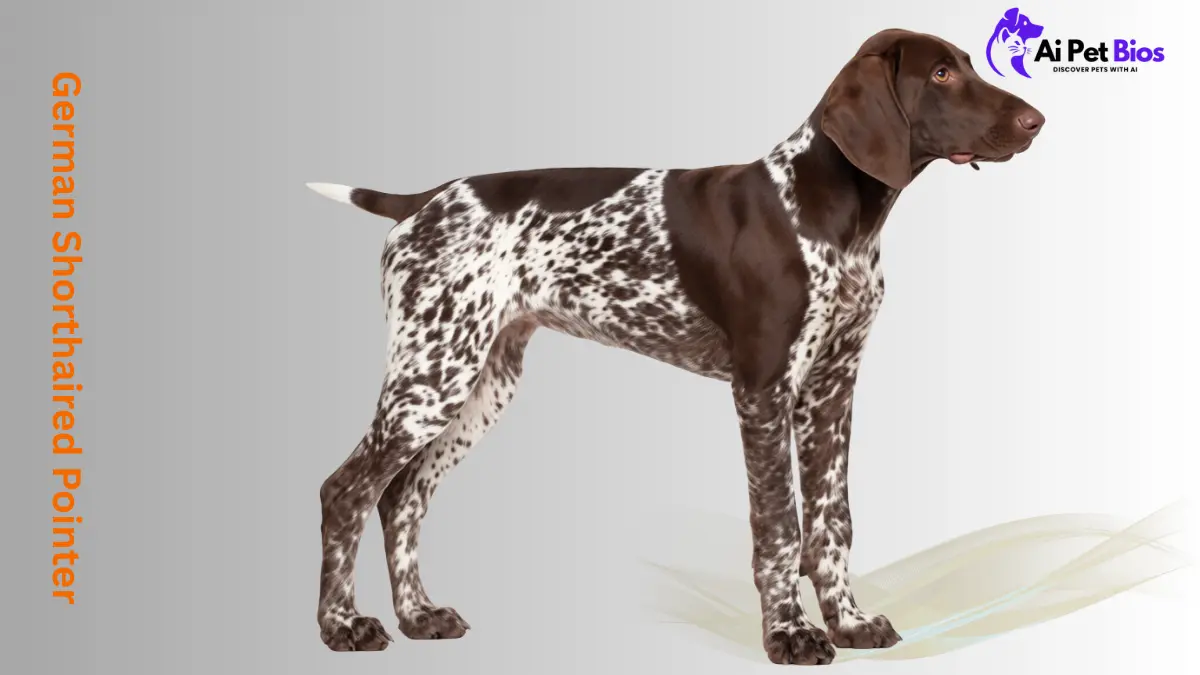
What Is a German Shorthaired Pointer?
Imagine a dog built for one purpose: to hunt game birds across challenging terrain with unmatched stamina, focus, and athleticism. That is the German Shorthaired Pointer — a breed so driven, so intelligent, and so affectionate that it seamlessly transitions from the field to the family home each night.
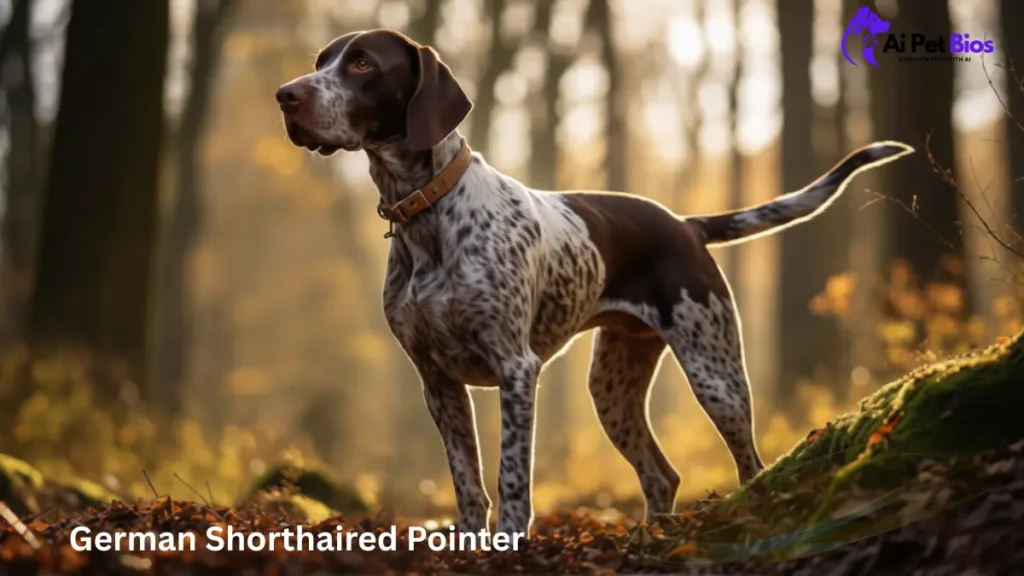
The German Shorthaired Pointer is a medium-to-large sporting dog originally bred in Germany for hunting upland game and retrieving waterfowl. Known for their exceptional intelligence, boundless energy, and unwavering loyalty, these dogs are highly trainable and excel in field trials and competitive sports. The AKC ranks them #8 in popularity.
Quick Breed Facts
| Attribute | Details |
| Breed Name | German Shorthaired Pointer (GSP) |
| Origin | Germany, 19th century |
| AKC Classification | Sporting Group — Recognized 1930 |
| Size | Male: 55–70 lbs, 23–25 in |
| Lifespan | 10–14 years |
| Coat Type | Short, dense double coat |
| Colors | Liver & white, liver, black & white, black |
| Temperament | Eager, affectionate, intelligent, energetic, obedient |
| Energy Level | Very High |
| Best For | Active families, experienced owners, hunting enthusiasts |
| AKC Popularity | #8 Overall |
Want to read more about dogs? Husky Dog
Origin & History
Original Purpose & Heritage
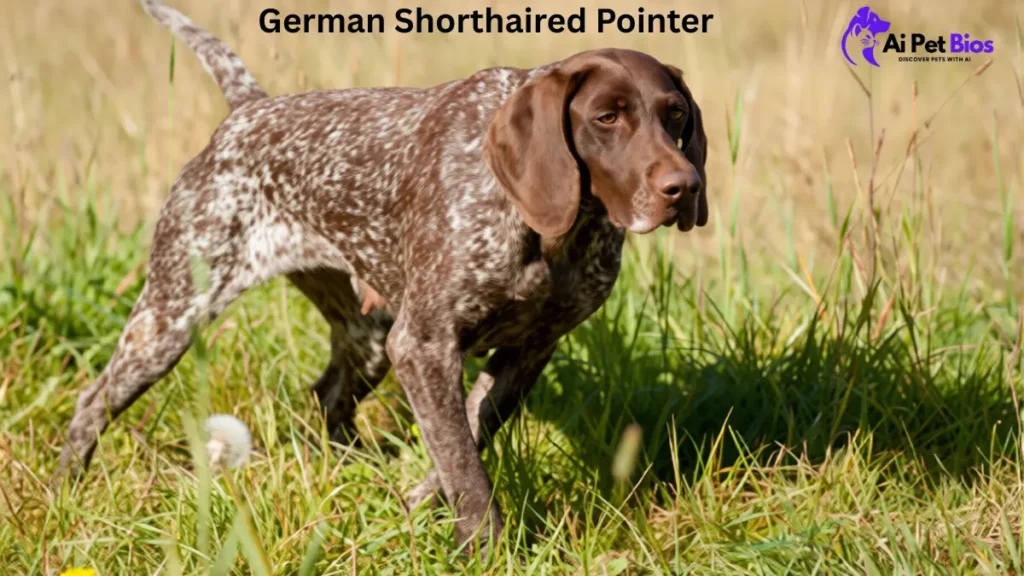
The German Shorthaired Pointer was developed in 19th-century Germany by crossing Spanish Pointers with English Pointers and local German hunting dogs. The goal was to create an all-purpose gun dog capable of hunting everything from pheasants to deer in dense forests and open terrain. Unlike many sporting breeds that specialize in one type of hunting, the German Shorthaired Pointer was bred for versatility.
Breed Evolution & Modern Development
By the early 20th century, this outstanding and slender breed had become the standard hunting dog throughout Europe. German breeders established strict field trial standards that emphasized working ability over appearance. This focus on function over form created a breed known for tireless work ethic and genuine hunting instinct.
AKC Recognition & Modern Role
The American Kennel Club officially recognized the German Shorthaired Pointer in 1930. Today, they compete in field trials, obedience competitions, and agility events—and excel in all of them. While many owners never hunt, the breed’s working heritage remains embedded in their DNA.
Physical Traits: Appearance, Size & Coat
Height & Weight Standards
| Aspect | Male | Female |
| Height | 23–25 inches at shoulder | 21–23 inches at shoulder |
| Weight | 55–70 lbs | 45–60 lbs |
| Build | Athletic, muscular, balanced | Slightly lighter, equally athletic |
| Shedding Level | Moderate year-round | Moderate year-round |
The breed has a distinctive athletic build with a deep chest, long legs, and a straight, strong back. Their short, dense double coat lies flat against the body and sheds moderately year-round, requiring regular brushing to manage loose hair.
Color Variations
| Color Pattern | Description | Prevalence |
| Liver & White | Liver-brown base with white chest, feet, and blaze | Most common |
| Liver (Solid) | Uniform brown without white markings | Common |
| Black & White | Black base with white markings | Less common |
| Black (Solid) | Uniform black without white | Rare |
| Ticked | White with small dark spots (ticking) | Moderate |
Personality & Temperament
The German Shorthaired Pointer is famously described as having an “on-off switch.” During training or hunting, they are intensely focused and driven. At home with family, they are affectionate, playful, and eager to be involved in every activity.
| Trait | Rating (1–5) | Description |
| Affection with Family | 5/5 | Devoted, velcro dogs that follow owners everywhere |
| Good with Children | 4/5 | Excellent; their size requires supervision with young kids |
| Good with Other Dogs | 4/5 | Pack hunters by nature; generally friendly with other dogs |
| Good with Strangers | 4/5 | Friendly and outgoing; not guard dogs |
| Intelligence | 5/5 | Top 10 smartest breeds; highly trainable |
| Energy Level | 5/5 | Extremely high; needs 2+ hours of activity daily |
| Barking Level | 3/5 | Moderate; can be vocal when excited |
| Independence | 2/5 | Highly people-oriented; dislikes being alone |
10 Secrets About the German Shorthaired Pointer
10 Secrets Every GSP Owner Should Know
- They have an “on-off switch” that owners must teach. GSPs don’t naturally know how to settle. You must actively teach calmness through “place” training and designated rest periods. Without this, they become hypervigilant and anxious.
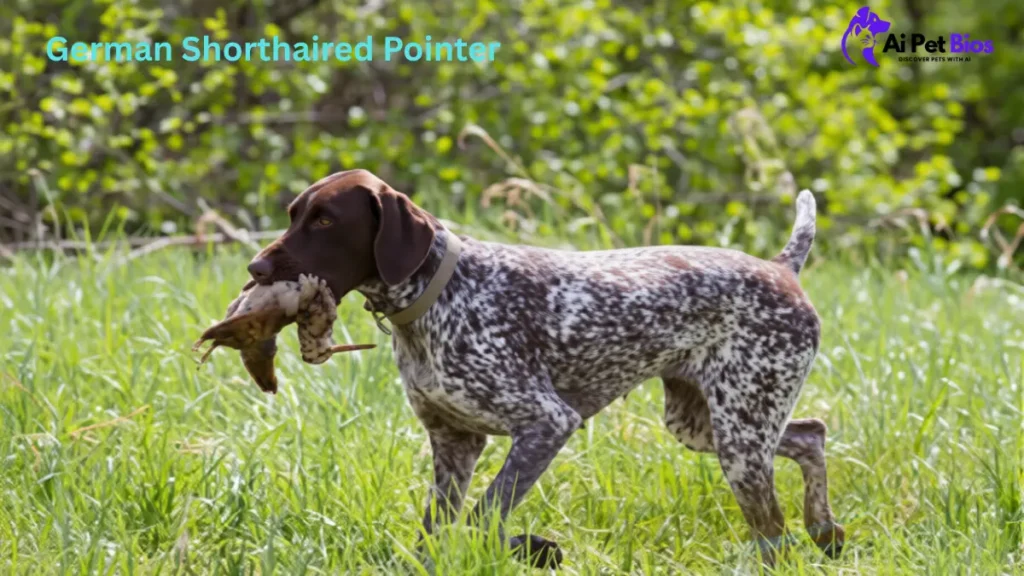
- Their webbed paws make them exceptional swimmers. GSPs have fully webbed feet—a trait shared with breeds like the Labrador. This makes them natural water retrievers, often excelling at dock diving competitions.
- They can run up to 30 miles per hour in open field. Built for speed and endurance, a fit GSP can outrun most other sporting breeds over short distances. This is why off-leash recall training is absolutely critical.
- Their noses have 225 million scent receptors. For comparison, humans have 5 million. This explains why a GSP will track a bird scent for miles, completely ignoring your calls. Scent work training is not optional—it is essential.
- They were almost extinct after World War II. The breed’s population in Germany collapsed during the war. American and German breeders collaborated extensively in the 1950s to rebuild the gene pool from surviving dogs.
- GSPs are “velcro dogs” in disguise. Despite their intense work drive, they crave human touch. Expect your GSP to lean on you, follow you room to room, and demand nightly belly rubs. They are not kennel dogs.
- Their coat changes color with age. Many liver-and-white GSPs develop more ticking (small dark spots) as they mature. Some white areas may darken, and puppies born nearly white can transform into deeply liver adults.
- They can learn commands in as few as 5 repetitions. Ranking in the top 10 smartest breeds, GSPs learn faster than almost any other sporting dog. The challenge is not teaching them—it is keeping them engaged once bored.
- A tired GSP is a good GSP—but never fully tired. Unlike many breeds, GSPs have near-limitless stamina. Even after a 10-mile run, they will still want to play fetch. Structured rest is as important as structured exercise.
The first GSP arrived in America in 1925. Dr. Charles Thornton of Montana imported the first German Shorthaired Pointers to the United States, laying the foundation for the breed’s AKC recognition in 1930.
Health: Common Issues & Lifespan|GPS
German Shorthaired Pointers typically live 10–14 years. The breed is generally healthy, but like all medium-to-large dogs, they can be susceptible to certain inherited conditions.
| Condition | Prevalence | Symptoms | Prevention |
| Hip Dysplasia | Moderate (~10%) | Limping, stiffness, reluctance to jump | OFA screening; maintain healthy weight |
| Elbow Dysplasia | Moderate | Front limb lameness, reluctance to run | OFA elbow screening; avoid overexertion in puppies |
| Progressive Retinal Atrophy | Moderate | Night blindness, vision loss | Annual CAER eye exams; PRCD-PRA DNA test |
| Hypothyroidism | Moderate | Weight gain, lethargy, coat thinning | Annual thyroid panel; lifelong medication if needed |
| Gastric Bloat (GDV) | Low–Moderate | Distended abdomen, retching, restlessness | Avoid post-meal exercise; slow feeder bowls |
| Hemangiosarcoma | Moderate | Weight loss, lethargy, pale gums (cancer) | Early vet check-ups; monitor health closely |
Recommended Health Screenings (AKC/OFA)
- OFA Hip & Elbow Evaluation
- CAER Ophthalmologist Evaluation (annual)
- PRCD-PRA DNA Test
- OFA Thyroid Evaluation
- Cardiac Evaluation (OFA)
Grooming & Care: Complete Maintenance Guide
The German Shorthaired Pointer’s short coat requires minimal grooming compared to long-coated breeds, but it does shed consistently. Regular brushing, nail care, and dental maintenance are essential for health and comfort.
| Task | Frequency | Tools | Notes |
| Brushing | 2–3x per week (daily during shedding) | Rubber curry brush, slicker brush | Removes loose hair; promotes healthy skin |
| Bathing | Every 6–8 weeks | Gentle dog shampoo | Dry thoroughly to prevent ear infections |
| Ear Cleaning | Weekly | Vet-approved ear cleaner, cotton balls | Floppy ears trap moisture; crucial for prevention |
| Nail Trimming | Every 3–4 weeks | Dog nail clippers or grinder | Active dogs may wear nails naturally |
| Dental Brushing | 3–5x per week | Dog toothbrush, enzymatic paste | Prevents tartar and tooth loss |
Exercise & Activity Needs
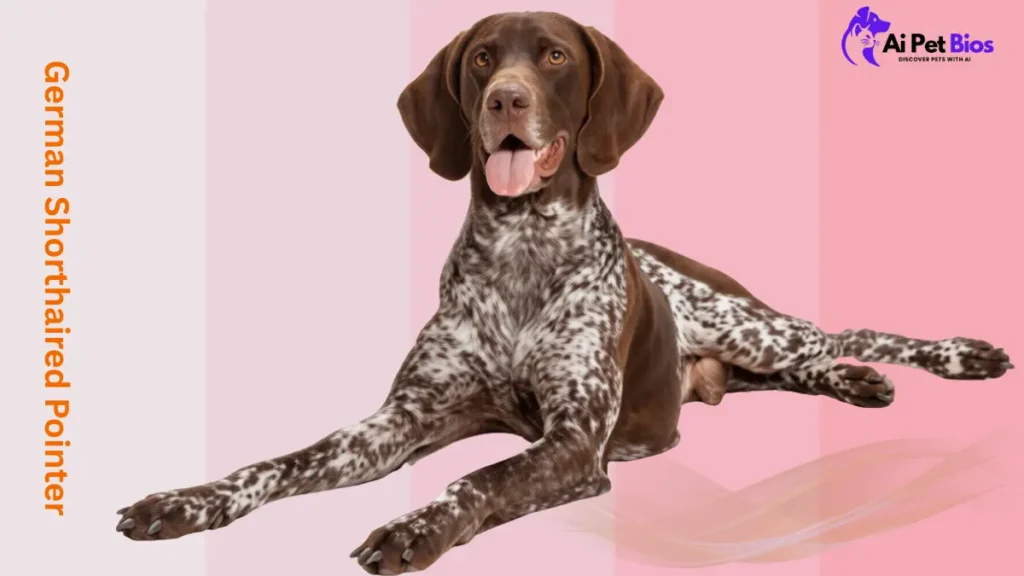
Built to hunt for hours across varied terrain, the German Shorthaired Pointer has exercise requirements that surpass most family dogs. They need vigorous, sustained physical activity every single day, combined with mental stimulation.
| Life Stage | Daily Exercise | Activity Type | Notes |
| Puppy (0–12 mo) | 30–45 min (split) | Gentle play, short walks, socialization | Avoid high-impact running on developing joints |
| Adult (1–7 yrs) | 2+ hours | Running, swimming, fetch, field work, agility | Off-leash only in fully secured areas |
| Senior (7+ yrs) | 60–90 min | Moderate leash walks, light play, swimming | Monitor for joint stiffness; reduce intensity |
Mental Stimulation & Enrichment
- Puzzle feeders and interactive toys
- Scent work and nose games
- Agility and field trial training
- Canicross and bikejoring
Diet: Nutrition, Feeding & Weight Management
An active hunting breed with high caloric needs, the German Shorthaired Pointer requires proper nutrition to fuel their working drive while maintaining lean muscle and coat health.
| Life Stage | Meals/Day | Daily Calories | Key Focus |
| Puppy (0–12 mo) | 3–4 | 1,200–1,600 kcal | DHA for brain; controlled calcium for bone growth |
| Adult (active) | 2 | 1,500–2,000 kcal | High protein (28%+); joint-supporting supplements |
| Senior (7+ yrs) | 2 | 1,200–1,500 kcal | Reduced calories; glucosamine for joints |
Foods to avoid: Chocolate, grapes, raisins, onions, garlic, xylitol, macadamia nuts, avocado, and fatty table scraps.
Training: Tips, Techniques & Behavioral Guide
The German Shorthaired Pointer’s intelligence makes training straightforward—they want to please and excel at structured learning. Early socialization and positive reinforcement are essential for a well-balanced adult.
| Age | Focus | Key Skills | Duration |
| 8–12 weeks | Foundation & bonding | Name, sit, come, crate training, handling | 4 weeks |
| 12–16 weeks | Basic obedience | Stay, down, leave it, loose-leash walking | 4 weeks |
| 4–6 months | Socialization | Dogs, children, strangers, new environments | Ongoing |
| 6–12 months | Advanced obedience | Heel, recall, place, impulse control | 6 months |
| 1 year+ | Sports & enrichment | Field trials, agility, scent work | Ongoing |
Common Behavioral Issues & Solutions
| Issue | Cause | Solution |
| Destructive chewing | Under-stimulation; boredom | 2+ hours exercise; durable chew toys |
| Escaping/fence-jumping | High drive; prey instinct | 6-foot fencing; supervised yard time |
| Pulling on leash | Forward momentum instinct | No-pull harness; consistent training |
| Separation anxiety | People-oriented nature | Gradual alone-time training; crate training |
Is This Breed Right for You?
The German Shorthaired Pointer is exceptional for active families, hunters, and sport competitors. They are not ideal for sedentary owners, apartment dwellers without yard access, or owners unprepared for high exercise demands.
| Factor | Rating | Notes |
| Family Dogs | 5/5 | Excellent; gentle and affectionate with children |
| First-Time Owners | 2/5 | High energy and intelligence require experienced handling |
| Apartment Living | 1/5 | Poor choice; needs space and outdoor access |
| Allergy-Sensitive | 2/5 | Moderate shedder; not hypoallergenic |
| Active Individuals | 5/5 | Perfect; built for hunting and sports |
| Seniors | 2/5 | Exercise demands are challenging |
| Homes with Other Dogs | 4/5 | Pack hunters; generally excellent with other dogs |
Cost of Ownership
| Expense | First Year | Annual |
| Puppy / Purchase | $800–$2,000 | — |
| Vet Care | $500–$1,200 | $300–$600 |
| Food | $600–$1,000 | $600–$1,000 |
| Training & Sports | $300–$1,000 | $200–$500 |
| Grooming (basic) | $200–$400 | $200–$400 |
| TOTAL ESTIMATE | $2,400–$5,600 | $1,300–$2,500 |
International Pricing
| Region | Puppy Price Range |
| UK | £800–£1,800 |
| Australia | $1,500–$3,000 AUD |
| Canada | $1,000–$2,500 CAD |
German Shorthaired Pointer vs. Similar Breeds
| Trait | GSP | English Pointer | Vizsla | Labrador Retriever |
| Size | Medium-Large (45–70 lbs) | Large (45–75 lbs) | Medium (45–65 lbs) | Large (55–80 lbs) |
| Coat | Short, dense double | Short, sleek single | Short, fine | Short, dense double |
| Energy Level | Very High | Very High | Very High | High |
| Trainability | Excellent | Excellent | Excellent | Excellent |
| Hunting Purpose | All-purpose gun dog | Pointer (upland only) | Pointer (upland only) | Retriever (water) |
| Coat Color | Liver/black & white | Liver/black & white | Red/mahogany (solid) | Black, yellow, chocolate |
| Avg. Cost | $800–$2,000 | $700–$1,800 | $800–$2,500 | $600–$2,000 |
Frequently Asked Questions
Is a German Shorthaired Pointer a good family dog?
Yes, for active families with older children. GSPs are affectionate, loyal, and playful. Their high energy and size require supervision with small children and 2+ hours of daily exercise. They are not suitable for sedentary households.
Are German Shorthaired Pointers smart?
Exceptionally intelligent. According to AKC rankings, they rank in the top 10 smartest breeds. They learn commands quickly and excel at obedience and field trials. This intelligence also means they need mental stimulation to prevent boredom-related destructive behavior.
How long do German Shorthaired Pointers live?
Typically 10–14 years. According to breed club health studies, longevity is influenced by weight management, regular exercise, routine vet care, and early genetic health screening. Well-maintained dogs often live toward the upper end of that range.
Do German Shorthaired Pointers shed?
Moderately, year-round. They have a dense double coat that sheds more during seasonal transitions. Regular brushing 2–3 times weekly reduces loose hair significantly. They are not hypoallergenic and shed more than single-coated breeds.
What are common German Shorthaired Pointer health problems?
Primary concerns include hip dysplasia, elbow dysplasia, Progressive Retinal Atrophy, hypothyroidism, and gastric bloat. Responsible breeders screen for all of these. Always request OFA hip, elbow, and eye clearances before purchasing.
How much does a German Shorthaired Pointer cost?
From a reputable AKC breeder, expect $800–$2,000 in the USA. Field-trial bloodlines or champion lines can reach $3,000+. UK: £800–£1,800. Australia: $1,500–$3,000 AUD. Annual costs run $1,300–$2,500. Rescue adoption costs $150–$400.
Can a German Shorthaired Pointer live in an apartment?
Not ideally. GSPs need extensive daily exercise, yard access, and open terrain. Apartment living with 2+ hours of daily exercise could work, but a home with a fenced yard is strongly preferred. This breed is built for space, not confinement.
GSP vs. Vizsla: what’s the difference?
Both dogs are lean, athletic pointers with high energy. GSPs have a dense double coat; Vizslas have a fine, short single coat. Vizslas are slightly lighter and often more reserved. The GSP is a more versatile all-purpose gun dog.
Finding a Puppy: Pricing, Breeders & Adoption Options
| ✅ Green Flag | ❌ Red Flag |
| AKC-registered; breed club member | No registration; no breed affiliation |
| OFA hip, elbow, eye clearances provided | Only ‘vet checked’ without formal screening |
| Puppies raised indoors; socialized from birth | Multiple litters always available; kennel housing |
| Clear health contract with return policy | Pressure to decide quickly; no guarantees |
| Transparent about field-trial or show lines | Extremely low prices—significantly below market |
| Asks about your lifestyle and experience | Happy to sell to anyone without screening |
Rescue: German Shorthaired Pointer Club of America (gspca.org) | Regional rescue organizations
Final Thoughts: Is This Breed Right for You?
For the right owner, the German Shorthaired Pointer is one of the most rewarding, versatile, and affectionate dogs available. Their combination of intelligence, athleticism, and devotion is unmatched. If you can provide 2+ hours of daily exercise, consistent training, and genuine companionship, this breed will enrich your life immeasurably.
If you prefer a low-energy, low-maintenance companion dog, the German Shorthaired Pointer is not the right choice. Boredom and insufficient exercise lead directly to destructive behavior, escape attempts, and separation anxiety. Go in with eyes open about the commitment required.
Ready to take the next step? Research breeders through the breed club at gspca.org, explore rescue adoption through their national network, and always request full OFA hip, elbow, and eye health documentation before committing.
About the Author
Dr. Michael Fischer | Certified Canine Behaviorist, Sporting Dog Specialist
Dr. Michael Fischer has spent 17+ years working with hunting and sporting dog breeds, consulting for field trial organizations across North America. He holds advanced certification in canine behavior consulting and breed-specific nutrition. His practical, evidence-based guidance has helped thousands of sporting dog owners build healthier, more fulfilling relationships with their dogs.
Verified by: German Shorthaired Pointer Club of America Breed Health Committee | Reviewed by: Dr. Helena Richter, DVM, Sporting Breeds Specialist
Medical Disclaimer
This article is for informational purposes only and does not constitute professional veterinary advice. Always consult a licensed veterinarian regarding your dog’s health, medical conditions, or dietary needs. Individual animals may vary from breed generalizations described here. Neither the author nor this publication assumes liability for actions taken based on this content.
Courtesy: Dogumentary TV

Want Popular On Google? | Lust Quality Backlinks That Force-fed
I’m an SEO Expert, Guest Posting Specialist, and Web Developer helping websites increase rankings, traffic, and authority using clean, white-hat strategies 🚀
I focus on high-authority guest posts, safe backlinks, SEO-optimized content, and technically sound websites—so your site doesn’t just rank, it stays ranked.
What I help you with:
✅ SEO (On-page, Off-page & Technical)
✅ Guest Posts on Real, Relevant Sites
✅ High-Quality Link Building
✅ Keyword Research & Content Strategy
✅ SEO-Friendly Website Development
📈 No spam. No shortcuts. Only results.
👉 Need backlinks that actually work?
📩 Let’s connect: https://wa.me/+923006932631
1 thought on “German Shorthaired Pointer Dog: Photo, Bio And 10 Secret Truths”
Comments are closed.