
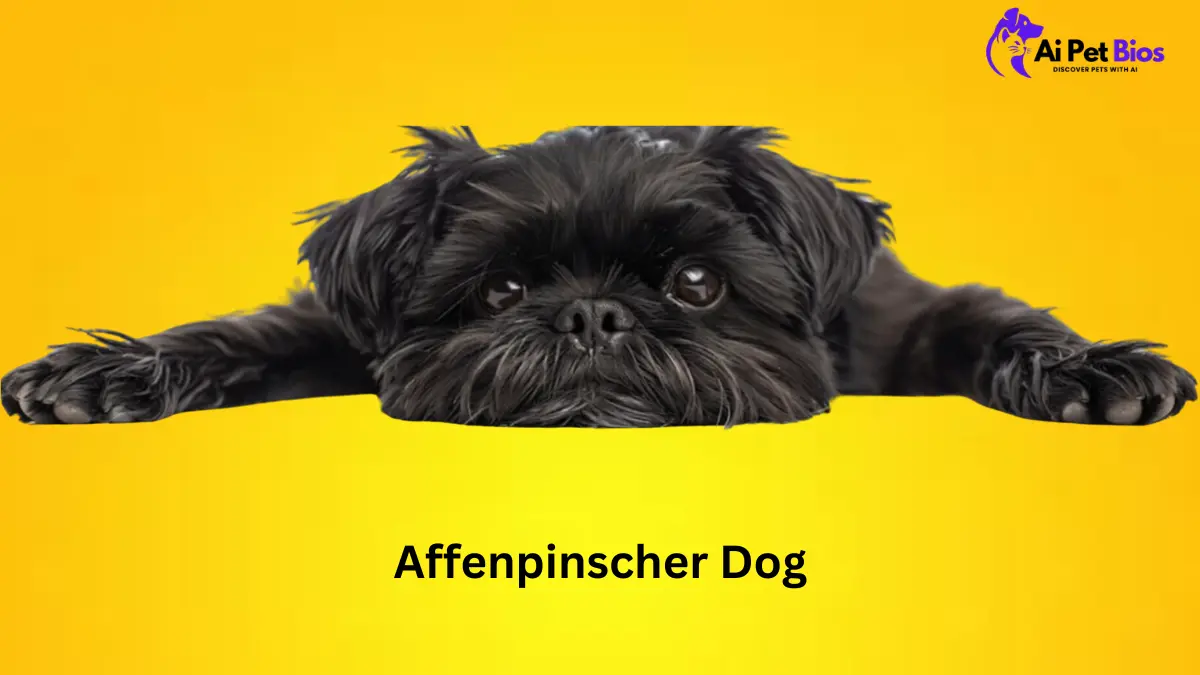
What is an Affenpinscher?
If you’ve ever wanted a dog with the personality of a comedian and the confidence of a lion, the Affenpinscher might be your perfect match. Often called the “Monkey Dog” for its distinctly primate-like facial features, this small but spirited breed has charmed Europeans for centuries before winning hearts worldwide.
The Affenpinscher is a compact toy breed originating in Germany, recognized for its wiry coat, bushy eyebrows, and bold, curious temperament. Weighing between 7 and 10 pounds, this breed carries enormous personality in a tiny frame. Despite its small size, it is fearless, alert, and highly entertaining — a true big dog in a small dog’s body.
This guide covers everything prospective and current Affenpinscher owners need to know: history, temperament, health, grooming, training, and much more.
Quick Facts: Affenpinscher at a Glance
| Attribute | Details |
| Origin | Germany, 17th century |
| AKC Classification | Toy Group, recognized 1936 |
| Size | 7–10 lbs / 9–11.5 inches tall |
| Lifespan | 12–15 years |
| Coat Type | Dense, harsh, wiry double coat |
| Colors | Black, gray, silver, red, black & tan, belge |
| Temperament | Loyal, curious, stubborn, playful, fearless |
| Energy Level | Moderate |
| Best For | Experienced owners, adults, apartment living |
| AKC Popularity | Among the rarer breeds (near the bottom of registrations) |
Meet Your Match: Discover dog & cat breed history and essential care guides. Read about the Shih Tzu Dog
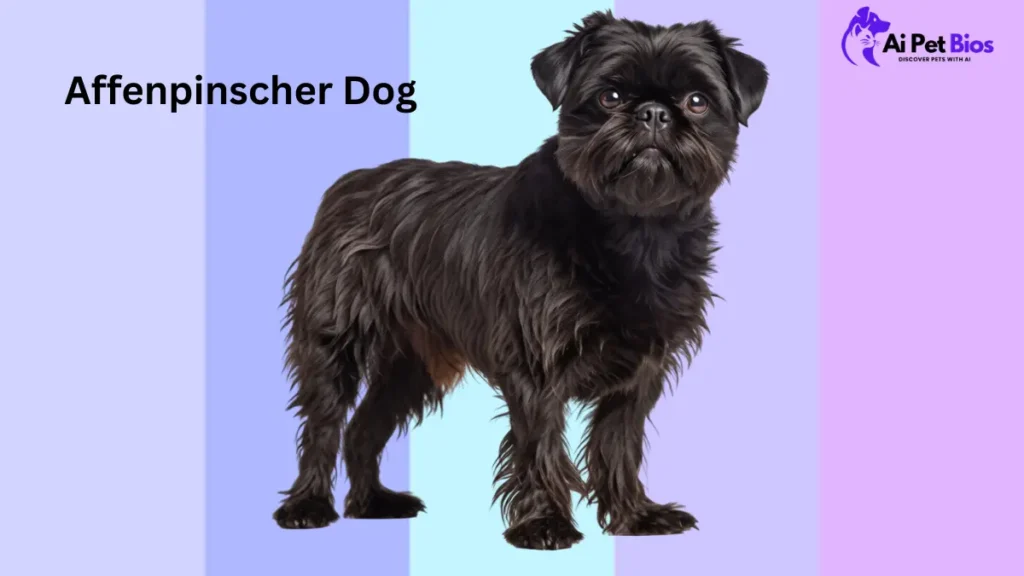
Affenpinscher History: Origin & Breed Development
Original Purpose & Heritage The Affenpinscher’s roots trace back to 17th-century Germany, where it originally served as a ratter — a small working dog tasked with eliminating rodents from kitchens, stables, and granaries. Early Affenpinschers were slightly larger than today’s standard, bred purely for function rather than appearance.
The German word Affe means “monkey,” a direct reference to the breed’s distinctive flat face, wide-set dark eyes, and protruding lower jaw — features that give it an unmistakably simian expression that fanciers find endearing.
Breed Evolution & Modern Development Over the 18th and 19th centuries, German and Belgian breeders refined the Affenpinscher specifically for companionship, reducing its size and enhancing its distinctive facial features. It became a fashionable household pet among European nobility and the emerging middle class. The breed also contributed genetically to other small breeds, including the Brussels Griffon and the Miniature Schnauzer.
AKC/FCI Recognition & Standardization The Affenpinscher was officially recognized by the American Kennel Club in 1936, placing it in the Toy Group. The Fédération Cynologique Internationale (FCI) classifies it under Group 2 (Pinscher and Schnauzer type dogs). Today, the breed is maintained by the Affenpinscher Club of America, which upholds the official AKC breed standard.
Affenpinscher Physical Traits: Appearance, Size & Coat
Height & Weight Standards The Affenpinscher is a small, square-bodied dog with a sturdy, compact build.
| Measurement | Male | Female |
| Height | 9–11.5 inches | 9–11 inches |
| Weight | 7–10 lbs | 7–10 lbs |
| Build | Square, compact | Square, compact |
Coat Type, Length & Texture The Affenpinscher’s coat is one of its most defining characteristics. It is dense, harsh, and wiry — described by the AKC standard as “neat but shaggy.” The body coat is about 1 inch long, with longer furnishings around the face, creating its signature monkey-like mane.
Coat care essentials:
| Task | Frequency | Tools |
| Brushing | 2–3 times/week | Slicker brush, metal comb |
| Hand-stripping (ideal) | Every 4–8 weeks (rolling schedule) | Stripping knife or fingers |
| Clipping (pet trim) | Every 6–8 weeks | Clippers (softens coat over time) |
| Bathing | Every 4–6 weeks | Mild dog shampoo |
| Professional grooming | Every 6–8 weeks | As needed |
Important: The wiry coat does not shed much, but it mats easily if neglected. For a correct harsh texture, hand-stripping should be done on a rolling basis — pulling out dead hairs regularly rather than waiting 3–6 months. Many pet owners opt to clip the coat short, which is fine but permanently softens the texture and may increase matting close to the skin.
Color Variations & Markings Accepted AKC colors include black, gray, silver, red, belge (mixed black and reddish-brown), and black and tan. Black is the most common color, though some dogs may have a sprinkling of white or silver hairs within the darker coat.
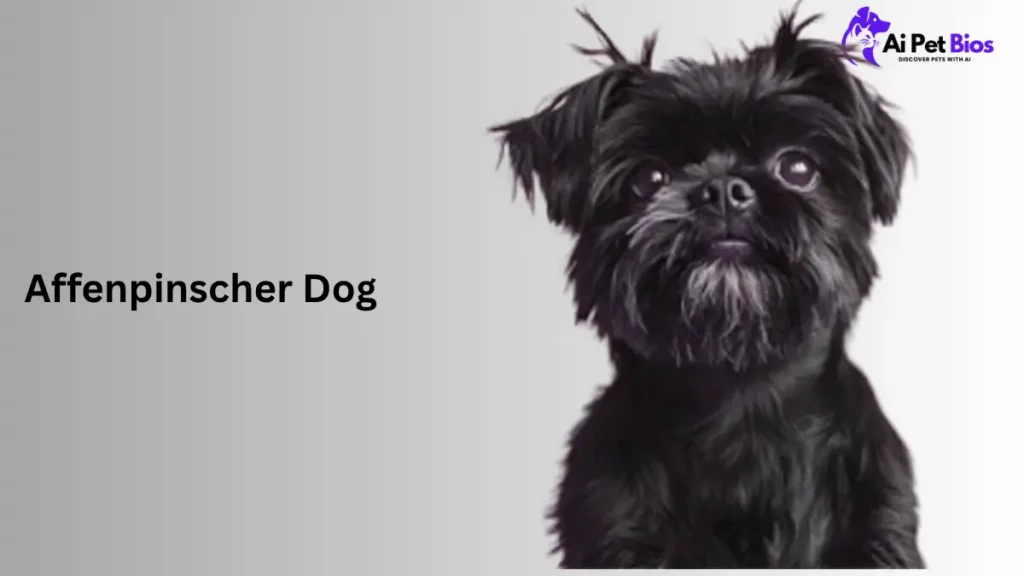
Distinctive Physical Features The Affenpinscher’s most recognizable trait is its monkey-like face: a domed forehead, large round dark eyes, a short pushed-in muzzle, and an undershot jaw. Ears can be cropped (where legal) or left natural in a small, pointed, semi-erect position. The tail is typically docked in countries where permitted, or carried high naturally.
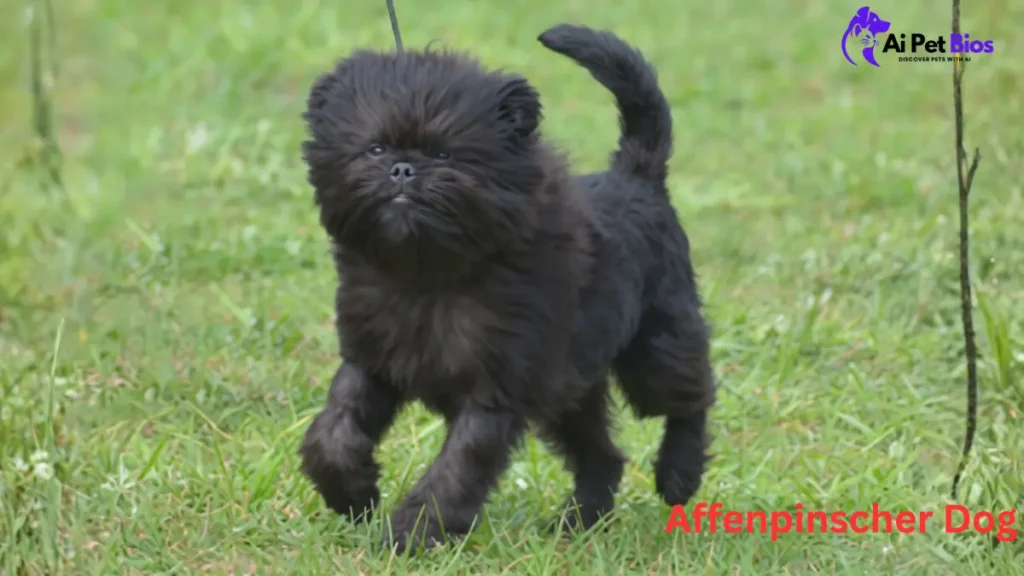
Affenpinscher Personality: Temperament & Behavioral Traits
The Affenpinscher offers one of the most distinctive personalities in the toy group — a blend of terrier-like tenacity, clown-like playfulness, and fierce loyalty.
Affection & Loyalty Affenpinschers form intense bonds with their primary owners. According to the Affenpinscher Club of America, the breed is known for devotion and a desire to be close to its human family at all times. They thrive on attention and do poorly when left alone for long periods.
Sociability with Children, Other Dogs & Strangers The Affenpinscher is best suited to homes with older children (10+). Its small size makes it vulnerable to rough handling, and it will not hesitate to snap or growl if it feels threatened. With other dogs, it generally coexists well when properly socialized from puppyhood, but it can be territorial with other small pets — particularly rodents — due to its ratting heritage. With strangers, it tends to be reserved initially but warms up with time.
Intelligence & Trainability The Affenpinscher is intelligent but notoriously independent. It learns quickly but often decides whether a command is worth following — a classic terrier trait. Consistent, reward-based training yields the best results.
| Trait | Rating | Description |
| Affection with Family | 5/5 | Deeply devoted and loyal |
| Good with Children | 2/5 | Better with older children only |
| Good with Other Dogs | 3/5 | Manageable with early socialization |
| Friendliness with Strangers | 2/5 | Reserved, territorial initially |
| Intelligence | 4/5 | Smart but strong-willed |
| Energy Level | 3/5 | Moderate — enjoys daily short activity |
| Barking Level | 4/5 | Tends to be vocal and alert |
| Independence | 4/5 | Stubborn, self-directed thinker |
Unique Behavioral Characteristics The Affenpinscher has a fearless streak disproportionate to its size. It will confront dogs and situations far larger than itself without hesitation. This courage can be charming but requires careful management in off-leash environments or around larger, unpredictable dogs.
Affenpinscher Health: Common Issues, Lifespan & Prevention
Lifespan & Life Expectancy The Affenpinscher has a typical lifespan of 12–15 years, which is excellent for a small breed. With proper preventive care, many individuals live beyond 14 years.
Common Health Problems While generally a healthy breed, the Affenpinscher is predisposed to several conditions. Responsible breeders screen for these issues, and owners should be aware of them.
| Condition | Prevalence | Symptoms | Prevention/Monitoring |
| Patellar Luxation | Common in toy breeds | Skipping gait, lameness | Weight management; OFA patella evaluation |
| Dental Disease | Extremely high; 80%+ by age 3 | Bad breath, tooth loss, gum infection | Daily brushing, professional dental cleanings |
| Eye Conditions (cataracts, corneal ulcers) | Moderate | Cloudy eyes, squinting, vision loss | Annual CAER eye exam; protect protruding eyes |
| Mitral Valve Disease | Moderate in later years (8+) | Coughing, fatigue, reduced stamina | Annual cardiac exam after age 5 |
| Brachycephalic Airway Concerns | Mild to moderate | Snoring, heat sensitivity, labored breathing in extreme heat | Avoid overheating, monitor during exercise |
Note: Hip dysplasia is occasionally reported but is not a major concern in this breed; OFA’s tiny sample pool makes prevalence estimates unreliable. Focus orthopedic screening on patellas.
Recommended Health Tests (Based on AKC & Parent Club Guidelines)
- Patella evaluation (OFA)
- Cardiac exam (OFA) — baseline as adult, then annually in seniors
- Ophthalmologist evaluation (CAER) — annually
- Hip evaluation — optional, not routinely necessary
Medical Disclaimer: This article is for informational purposes only. Consult a licensed veterinarian for diagnosis and treatment of any health concerns. Never replace professional veterinary advice with online information.
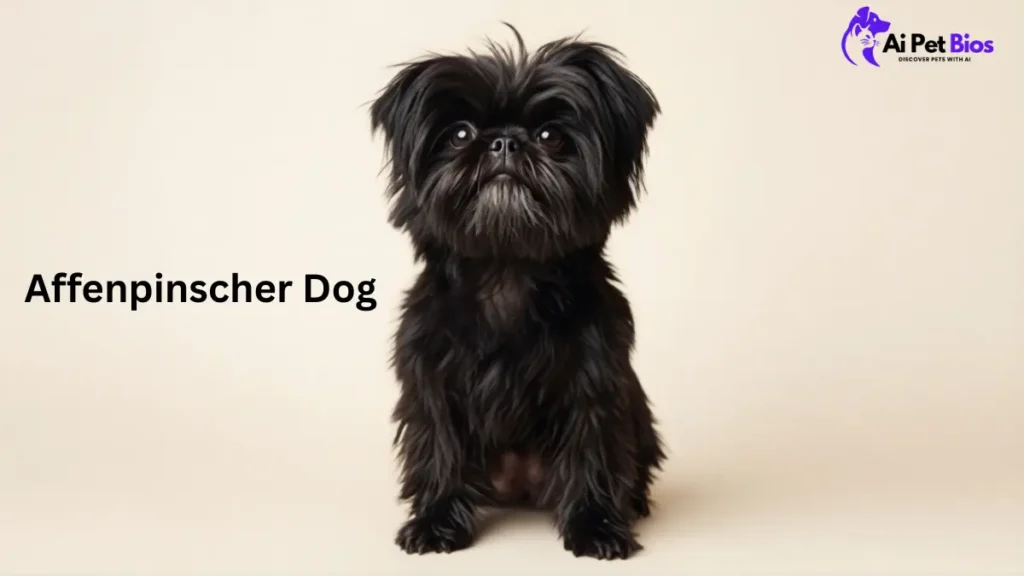
Affenpinscher Grooming & Care: Complete Maintenance Guide
Coat Care & Shedding Management The Affenpinscher is a low-to-moderate shedder. Its wiry coat does not shed as heavily as smooth-coated breeds but requires regular maintenance to prevent matting.
The ideal grooming method for preserving color and texture is hand-stripping on a rolling basis (pulling dead hairs every few weeks). Pet owners who choose clipping will find the coat becomes softer and may mat more easily.
| Task | Frequency | Tools / Notes |
| Brushing | 2–3x/week | Slicker brush, metal comb — prevents mats |
| Bathing | Every 4–6 weeks | Gentle wiry-coat shampoo; avoid over-bathing |
| Ear Cleaning | Weekly | Veterinary ear solution |
| Nail Trimming | Every 3–4 weeks | Scissor or guillotine clippers |
| Dental Brushing | Daily | Dog toothbrush + toothpaste — critical for small breeds |
| Eye Cleaning | As needed | Damp cloth to remove tear staining; avoid irritation |
| Professional Grooming | Every 6–8 weeks | Hand-strip or clip |
Small breeds like the Affenpinscher are highly prone to dental disease. According to the American Veterinary Dental College, over 80% of dogs show signs of periodontal disease by age 3. Daily tooth brushing is one of the most effective preventive measures.
Affenpinscher Exercise Needs: Activity Guide & Mental Stimulation
Daily Exercise Requirements Despite its compact size, the Affenpinscher has a moderate energy level and needs consistent daily activity. It is not a couch dog, but it also does not need marathon exercise sessions.
| Life Stage | Daily Exercise | Activity Type | Notes |
| Puppy (0–12 mo) | 20–30 min (split sessions) | Short play, leash walks | Avoid high-impact jumping; protect joints |
| Adult (1–7 yrs) | 30–45 min | Walks, indoor play, puzzle toys, short training | Mental enrichment is essential |
| Senior (7+ yrs) | 20–30 min | Gentle walks, calm play | Watch for joint discomfort; adjust as needed |
Mental Stimulation & Enrichment The Affenpinscher’s intelligence means mental exercise is just as important as physical. Puzzle toys, scent games, and short training sessions prevent destructive behavior and boredom. Signs of under-stimulation include excessive barking, chewing, and hyperactivity indoors.
Affenpinscher Diet: Nutrition, Feeding & Weight Management
Nutritional Requirements Choose a high-quality small-breed formula with around 25% protein and 12–15% fat. Small breeds have faster metabolisms than large breeds, but overfeeding is a fast path to obesity, which worsens orthopedic and respiratory issues.
| Life Stage | Meals/Day | Daily Calories (approximate) | Portion Size (dry) |
| Puppy (under 12 mo) | 3–4 | 250–350 kcal | ¼–⅓ cup |
| Adult (1–7 yrs) | 2 | 200–300 kcal | ¼–⅓ cup |
| Senior (7+ yrs) | 2 | 180–280 kcal | ¼ cup or less |
Important: These are starting points. Actual needs depend on age, metabolism, and activity. Use body condition scoring — you should easily feel the ribs with a light fat covering. Adjust portions accordingly and consult your veterinarian.
Foods to Avoid Never feed your Affenpinscher: chocolate, grapes, raisins, onions, garlic, xylitol, macadamia nuts, or alcohol. These are toxic to dogs and can cause serious illness or death.
Affenpinscher Training: Tips, Techniques & Behavioral Guide
Trainability & Intelligence The Affenpinscher is intelligent but ranks among the more stubborn toy breeds to train. It responds best to short, upbeat sessions with high-value rewards (small treats, a favorite toy). Harsh corrections or repetitive drilling will cause it to shut down or become more defiant. Think less “obedience drill” and more “fun game of trade.”
| Age | Focus | Key Skills |
| 8–12 weeks | Foundation | House training, crate training, sit, attention name |
| 12–16 weeks | Basic obedience | Come, down, leave it, start leash walking |
| 4–6 months | Socialization | Exposure to people, dogs, environments |
| 6–12 months | Advanced & impulse control | Leash manners, stay, polite greeting, tackling selective hearing |
Common Behavioral Issues & Solutions
- Excessive barking: Teach a “quiet” cue using positive reinforcement. Never yell — it sounds like you’re joining in.
- Stubbornness: Keep sessions to 5–10 minutes. End on a success, even a very small one.
- Resource guarding: Address early by trading items for high-value treats. If it escalates, consult a professional positive-reinforcement trainer.
- Leash pulling: Use a harness to protect the trachea; a collar can put pressure on the delicate throat of a small, flat-faced dog.
Is an Affenpinscher Right for You? Suitability Assessment
| Factor | Rating | Notes |
| Family with Young Children | 2/5 | Better with older kids |
| First-Time Owners | 2/5 | Stubborn, can be challenging to train |
| Apartment Living | 5/5 | Thrives in smaller spaces if exercised |
| Seniors/Low-Activity Owners | 4/5 | Moderate short walks, good companion |
| Active Individuals | 3/5 | Up for walks but not a jogging partner |
| Time Commitment (attention) | Moderate | Prone to separation anxiety if left alone too long |
| Grooming Time | Moderate-high | Regular brushing plus professional visits |
Cost of Ownership (Estimated USA Ranges)
| Expense | First Year | Annual Ongoing |
| Puppy/Purchase (reputable breeder) | $1,500–$3,500 | — |
| Veterinary Care (wellness, meds) | $400–$700 | $300–$500 |
| Food (high-quality small breed) | $300–$400 | $300–$400 |
| Grooming (professional + supplies) | $400–$600 | $400–$600 |
| Training, supplies, misc. | $300–$500 | $150–$300 |
| TOTAL | $2,900–$5,700 | $1,150–$1,800 |
When This Breed Is NOT a Good Fit The Affenpinscher is not ideal for homes with very young children, owners who work long hours away, or those seeking a highly obedient, easy-to-train companion. Its vocal nature also makes it a less suitable choice for noise-sensitive living environments.
Affenpinscher vs. Similar Breeds: Key Differences
| Trait | Affenpinscher | Brussels Griffon | Miniature Schnauzer |
| Weight | 7–10 lbs | 7–12 lbs | 11–20 lbs |
| Coat | Wiry, harsh double coat | Rough (wiry) or smooth | Hard, wiry double coat |
| Temperament | Stubborn, comedic, fearless | Slightly more velcro & affectionate | Alert, trainable, spirited |
| Trainability | Challenging, independent | Moderate, people-pleasing streak | High, thrives on learning |
| Family fit | Older kids, quiet homes | Older kids, devoted families | Good with respectful kids |
| Health priorities | Patellas, teeth, eyes | BOAS, eye issues | Pancreatitis, bladder stones |
Frequently Asked Questions
Is an Affenpinscher a good family dog?
It can be a wonderful family companion for calm households with older children. Its small size and low tolerance for rough handling make it unsuitable for toddlers.
Are Affenpinschers smart dogs?
Yes, they are intelligent and quick to learn — but they pair that intelligence with a strong independent streak. Owners often describe training as more of a negotiation than a command.
How long do Affenpinschers live?
The typical lifespan is 12 to 15 years, with many reaching their mid-teens when given good dental care, weight management, and regular vet checkups.
Do Affenpinschers shed a lot?
No, they are low-to-moderate shedders. Their wiry coat tends to trap dead hair, so regular brushing is needed to remove it and prevent matting.
What are the most common health problems?
Patellar luxation, dental disease, certain eye conditions (cataracts, ulcers), and mitral valve heart disease in older dogs are the main concerns. Severe airway problems are not universal but can occur in extreme heat.
How much does an Affenpinscher cost?
A well-bred puppy from health-tested parents typically costs $1,500–$3,500. Adoption fees through rescue groups are usually $200–$500.
Can Affenpinschers live in apartments?
Absolutely. Their size, moderate exercise needs, and adaptability make them excellent apartment dogs—providing the barking is managed with consistent training.
Affenpinscher vs. Brussels Griffon: What’s the difference?
Both share similar facial features and a playful nature. The Affenpinscher tends to be more stubborn and independent, while the Griffon is often described as a bit more eager to please. Coat-wise, both can have a wiry coat, though the Griffon also appears in a smooth variety.
Affenpinscher Puppies: Pricing, Breeders & Adoption Options
Finding Reputable Breeders Source your puppy from a breeder affiliated with the Affenpinscher Club of America or recognized by the AKC Breeder of Merit program. Reputable breeders provide health clearances for patellas and eyes, a written contract, lifetime guidance, and references.
Breeder Checklist & Red Flags
| Green Flag | Red Flag |
| AKC-registered litter | No registration papers or reluctance to show parents |
| Health testing results (OFA patellas, CAER eyes) | Claims “vet checked” but no documented screenings |
| Clear written contract with health guarantee | Vague or verbal-only terms |
| Keeps puppies until at least 10–12 weeks | Releases puppies at 6–7 weeks |
| Reasonable price ($1,500–$3,500) | Extremely low price (under $800) or heavily pressured sale |
| Welcomes an in-person or video visit of where puppies are raised | Refuses to show kennel/home environment |
Rescue & Adoption Options The Affenpinscher Rescue organization, affiliated with the parent club, places retired show dogs and surrendered pets in vetted homes. Adoption fees generally range from $200 to $500 and include spay/neuter, vaccinations, and a health screening. Adult adoption can be an excellent path for first-time Affenpinscher owners, offering a known temperament and often some foundational training.
Final Thoughts
The Affenpinscher is not for everyone — and that’s precisely what makes it so special. This breed demands an owner who appreciates its independence, laughs at its clownish antics, and respects its bold personality. In return, it offers unwavering loyalty, endless entertainment, and a companionship that few breeds can match.
If you have a calm household, older children, or no children; enjoy a dog with personality; and are patient enough to work through its stubborn moments, the Affenpinscher may be one of the most rewarding breeds you’ll ever own.
Before committing, visit a reputable breeder, spend time with the breed, and explore adoption options through the Affenpinscher Club of America. A well-matched owner and an Affenpinscher make a lifelong team.
Sources & Further Reading:
- Affenpinscher Club of America (www.affenpinscher.org)
- American Kennel Club Breed Standard – Affenpinscher
- OFA Canine Health Information Center (www.ofa.org)
Medical Disclaimer: This guide is for informational purposes only and does not constitute professional veterinary advice. Always consult a licensed veterinarian regarding your dog’s health, medical conditions, or care. Individual dogs may vary significantly from breed generalizations.
Courtesy: AIPETBIOS

Want Popular On Google? | Lust Quality Backlinks That Force-fed
I’m an SEO Expert, Guest Posting Specialist, and Web Developer helping websites increase rankings, traffic, and authority using clean, white-hat strategies 🚀
I focus on high-authority guest posts, safe backlinks, SEO-optimized content, and technically sound websites—so your site doesn’t just rank, it stays ranked.
What I help you with:
✅ SEO (On-page, Off-page & Technical)
✅ Guest Posts on Real, Relevant Sites
✅ High-Quality Link Building
✅ Keyword Research & Content Strategy
✅ SEO-Friendly Website Development
📈 No spam. No shortcuts. Only results.
👉 Need backlinks that actually work?
📩 Let’s connect: https://wa.me/+923006932631