
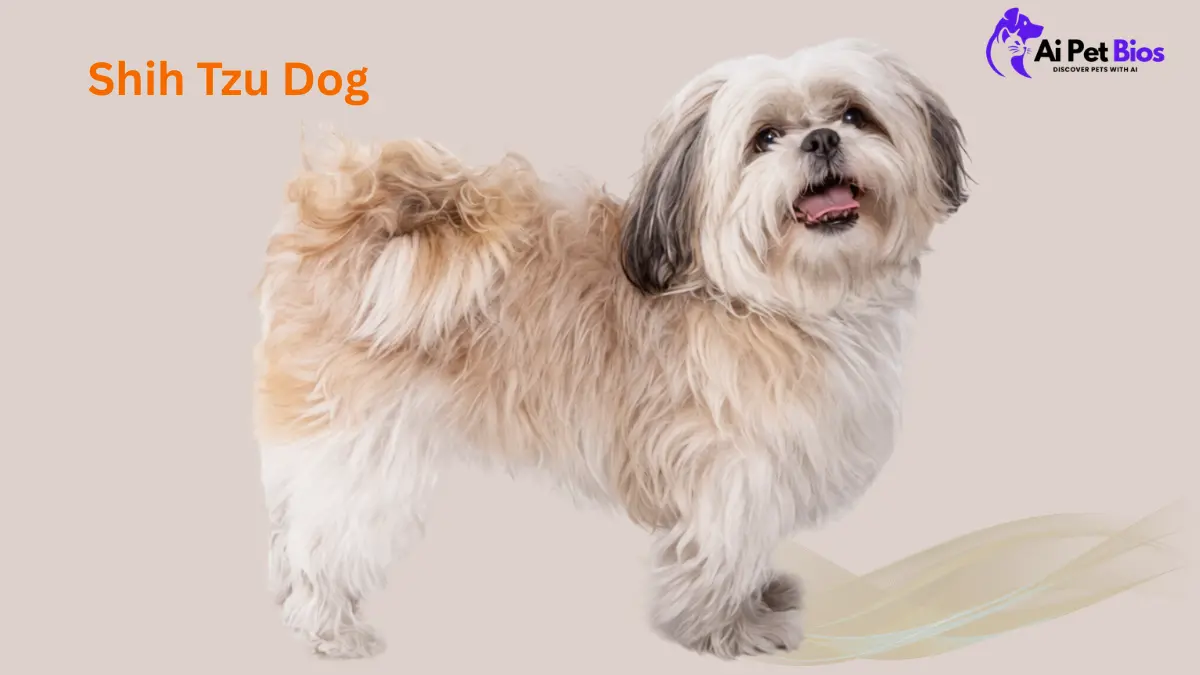
What Is a Shih Tzu Dog?
Few dog breeds combine regal beauty with warm, easygoing companionship the way the Shih Tzu does. Originally bred for Chinese royalty, these small dogs have been winning hearts for centuries.
This dog is a small, sturdy toy breed known for its flowing double coat, large round eyes, and deeply affectionate personality. Weighing between 9 and 16 pounds, Shih Tzus are bred exclusively for companionship. According to the American Kennel Club, the Shih Tzu ranks among the most popular toy breeds in the United States, consistently placing in the top 25 breeds nationwide.
Whether you live in a city apartment or a suburban home, the Shih Tzu dog adapts effortlessly. This guide covers everything you need to know — from history and health to training and grooming — so you can decide if this charming breed is right for you.
Quick Facts: Shih Tzu Dog at a Glance
| Attribute | Details |
| Origin | Tibet/China, approximately 17th century |
| AKC Classification | Toy Group, recognized 1969 |
| Size | 9–16 lbs; 9–10.5 inches tall |
| Lifespan | 10–18 years |
| Coat Type | Long, flowing double coat* |
| Colors | Gold, white, brown, black, brindle, and combinations |
| Temperament | Affectionate, playful, loyal, gentle, alert |
| Energy Level | Low to Moderate |
| Best For | Apartment dwellers, families, seniors, first-time owners |
| AKC Popularity | #22 (2024) |
Want the best for your pup? Explore our guides on breed history and personality. Learn about: Maltese Dog
Shih Tzu Dog History: Origin & Breed Development
Original Purpose & Heritage
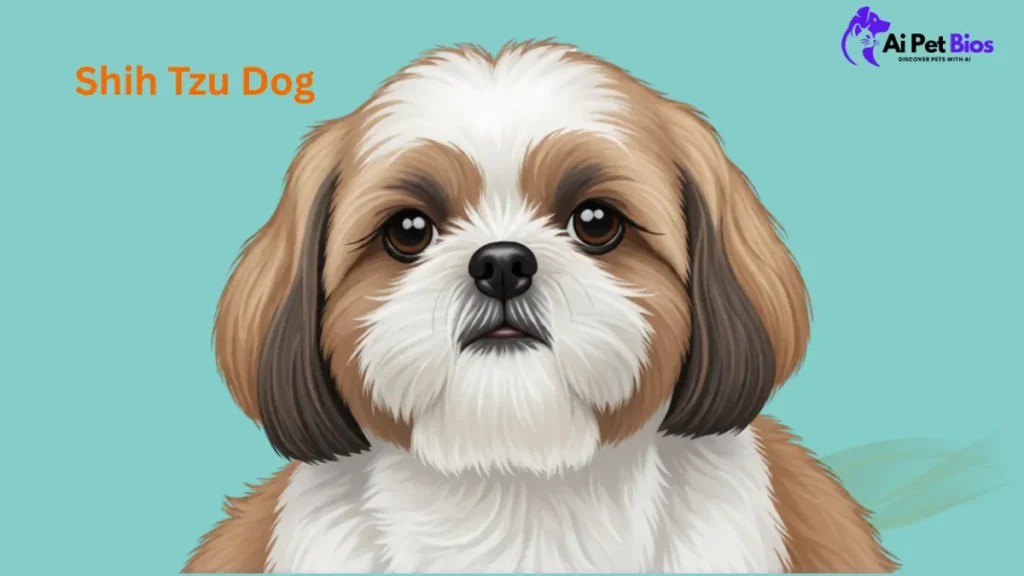
The dog has one of the oldest and most distinguished histories among companion breeds. Originating in Tibet and refined in Imperial China, these dogs were kept exclusively by Chinese emperors and nobility as palace lap dogs and symbols of prestige.
The name “Shih Tzu” translates from Mandarin as “Lion Dog,” a reference rooted in Buddhist iconography associating lions with the Buddha. Historical records from the Tang Dynasty (618–907 AD) describe small lion-like dogs gifted to Chinese emperors by Tibetan monks.
Breed Evolution & Modern Development
During the Ming and Qing Dynasties (1368–1912), These were selectively bred within Imperial Palace kennels. The breed nearly went extinct during political upheaval in early 20th-century China. A small breeding population was preserved by Lady Brownrigg, who brought the breed to England in 1930.
Key milestones in Shih Tzu breed history:
- 1930 — Introduced to Europe by Lady Brownrigg
- 1934 — Shih Tzu Club of England founded
- 1952 — Breed separated from Lhasa Apso by the Kennel Club (UK)
- 1969 — American Kennel Club officially recognizes the Shih Tzu
AKC/FCI Recognition & Standardization
According to the FCI (Fédération Cynologique Internationale), the dog is classified under Group 9 (Companion and Toy Dogs). The AKC places the breed in its Toy Group, where it has remained consistently popular for over five decades. The breed standard emphasizes a “distinctly arrogant carriage” paired with a sweet, trusting expression.
Shih Tzu Physical Traits: Appearance, Size & Coat
Height & Weight Standards
| Measurement | Male | Female |
| Weight | 9–16 lbs | 9–16 lbs |
| Height | 9–10.5 inches | 9–10.5 inches |
| Build | Sturdy, compact | Sturdy, compact |
The Shih Tzu is slightly longer than it is tall, giving it a solid, low-slung appearance. Despite its small size, the breed is muscular and well-built.
Coat Type, Length & Texture
The Shih Tzu dog has a luxurious double coat consisting of a dense, woolly undercoat and a flowing, silky topcoat. The coat grows continuously and, if left untrimmed, reaches floor length. Most pet owners opt for a “puppy cut” (short, even trim) for easier maintenance.
Shedding level: Very low. The dog is often recommended for allergy-sensitive households, though no breed is 100% hypoallergenic.
Color Variations & Markings
| Color | Description | AKC Accepted |
| Gold & White | Most iconic combination | Yes |
| Black & White | High contrast, striking | Yes |
| Brown & White | Warm tones, common | Yes |
| Solid Black | Deep, uniform coat | Yes |
| Brindle | Striped pattern | Yes |
| Red & White | Deep orange-red | Yes |
Distinctive Physical Features
- Flat, wide face (brachycephalic) — broad muzzle, short nose
- Large, round, dark eyes — warm and expressive
- Heavily plumed tail — carried over the back
- Dense facial hair — often tied in a topknot
- Underbite — normal in breed standard
Shih Tzu Personality: Temperament & Behavioral Traits
Affection & Loyalty (Family Bonding)
This dog is one of the most affectionate breeds in the toy group. Bred for centuries as a human companion, this breed forms deep, lasting bonds with its family. Shih Tzus thrive on physical closeness and are known to follow their owners from room to room.
Sociability (With Children, Other Dogs, Strangers)
These are gentle and patient with children, making them excellent family pets when properly socialized. They tend to get along well with other dogs and even cats. With strangers, they are typically friendly after a brief adjustment period, though some individuals can be initially reserved.
⚠️ Note: Due to their small size, Shih Tzus should always be supervised around very young children to prevent accidental injury.
Intelligence & Trainability
According to canine psychologist Stanley Coren’s intelligence rankings, Shih Tzus fall in the “average working intelligence” category. While not in the top tier like Border Collies, they are perceptive, adaptable, and motivated by praise and treats. Their independence can occasionally make training sessions require extra patience.
Personality Rating Table
| Trait | Rating | Description |
| Affection with Family | 5/5 | Deeply bonded, loves closeness |
| Good with Children | 4/5 | Gentle; supervise with toddlers |
| Good with Other Dogs | 4/5 | Friendly; benefits from early socialization |
| Friendliness to Strangers | 4/5 | Warm but occasionally reserved |
| Intelligence | 3/5 | Average; responds well to positive methods |
| Energy Level | 2/5 | Low to moderate—short walks suffice |
| Barking Level | 3/5 | Moderate; alert barker |
| Independence | 2/5 | Highly people-dependent |
Energy Level & Activity Needs
The dog has a low to moderate energy level. This breed does not require intense exercise. Two short daily walks of 15–20 minutes each, combined with indoor playtime, satisfy most Shih Tzus’ physical needs. This makes them ideal for apartment living.
Unique Behavioral Characteristics
- Stubborn streak — Shih Tzus are charming but occasionally willful
- Velcro dog tendency — separation anxiety is common without early training
- Alert barking — will vocalize at unfamiliar sounds or visitors
- Playful well into old age — remains puppy-like throughout life

Shih Tzu Dog Health: Common Issues, Lifespan & Prevention
Lifespan & Life Expectancy
The Shih Tzu dog has a lifespan of 10–18 years, one of the longest among all dog breeds. With proper preventive care, regular veterinary check-ups, and a healthy diet, many Shih Tzus reach 15 years or beyond.
Common Health Problems
Brachycephalic Obstructive Airway Syndrome (BOAS)
- Prevalence: Affects an estimated 50%+ of brachycephalic breeds
- Symptoms: Labored breathing, snoring, exercise intolerance, overheating
- Prevention: Avoid heat/humidity, maintain healthy weight, consult vet about surgical correction if severe
Hip Dysplasia
- Prevalence: Approximately 17% of Shih Tzus screened (OFA data)
- Symptoms: Limping, difficulty rising, reduced activity
- Prevention: OFA hip screening of parents, maintain lean weight
Progressive Retinal Atrophy (PRA)
- Prevalence: Hereditary; present in a subset of breeding lines
- Symptoms: Night blindness progressing to full vision loss
- Prevention: Genetic testing of breeding dogs; PRCD-PRA DNA test available
Renal Dysplasia
- Prevalence: Breed-specific concern; exact figures not fully established
- Symptoms: Excessive thirst/urination, weight loss, vomiting
- Prevention: Reputable breeder health testing, annual urinalysis
Patellar Luxation
- Prevalence: Common in toy breeds; affects ~15% of Shih Tzus
- Symptoms: Intermittent skipping gait, leg lifting
- Prevention: OFA knee evaluations; avoid excessive jumping
Dental Disease
- Prevalence: Extremely common in small breeds
- Symptoms: Bad breath, tartar buildup, tooth loss
- Prevention: Daily tooth brushing, professional dental cleanings
Health Issues Summary Table
| Condition | Prevalence | Key Symptoms | Prevention |
| BOAS | 50%+ brachycephalic | Breathing difficulty, snoring | Weight control, avoid heat |
| Hip Dysplasia | ~17% | Limping, stiffness | OFA screening, healthy weight |
| Progressive Retinal Atrophy | Hereditary | Night blindness | Genetic testing |
| Renal Dysplasia | Breed-specific | Thirst, weight loss | Annual urinalysis |
| Patellar Luxation | ~15% | Skipping gait | OFA knee eval |
| Dental Disease | Very common | Tartar, bad breath | Daily brushing |
Recommended Health Tests (AKC)
The AKC Canine Health Information Center (CHIC) recommends the following for Shih Tzu breeding dogs: hip evaluation (OFA), eye examination (CAER), and patella evaluation.
⚠️ Medical Disclaimer: This article is for informational purposes only. Always consult a licensed veterinarian for diagnosis, treatment, and health screening of your Shih Tzu.
Shih Tzu Grooming & Care: Complete Maintenance Guide
Coat Care & Shedding Management
The Shih Tzu dog requires consistent grooming due to its continuously growing coat. Long coats need daily brushing to prevent tangles and mats. Most pet owners keep their Shih Tzu in a shorter “puppy cut” trimmed every 6–8 weeks by a professional groomer.
Grooming Schedule Table
| Task | Frequency | Tools | Notes |
| Brushing | Daily (long coat) / 3x week (short coat) | Pin brush, slicker brush | Prevents matting |
| Bathing | Every 3–4 weeks | Moisturizing dog shampoo | Rinse thoroughly |
| Ear Cleaning | Weekly | Cotton ball, vet-approved solution | Prevents infection |
| Nail Trimming | Every 3–4 weeks | Guillotine or scissor clippers | Avoid the quick |
| Dental Brushing | Daily | Dog toothbrush, enzymatic toothpaste | Critical for small breeds |
| Eye Cleaning | Daily | Soft damp cloth | Prevents tear stain buildup |
| Professional Grooming | Every 6–8 weeks | — | Full groom/trim |
Eye Care
Shih Tzus are prone to tear staining — reddish-brown discoloration beneath the eyes caused by excessive tearing. Daily wiping with a damp cloth minimizes buildup. If tearing is excessive or accompanied by discharge, consult your veterinarian to rule out corneal issues or blocked tear ducts.
Shih Tzu Exercise Needs: Activity Guide & Mental Stimulation
Daily Exercise Requirements
The Shih Tzu dog needs moderate, low-impact daily exercise. Unlike high-energy breeds, Shih Tzus do not require long runs or vigorous outdoor activities. Overexertion — especially in heat — is dangerous for brachycephalic dogs.
Exercise Guide by Life Stage
| Life Stage | Daily Exercise | Activity Type | Notes |
| Puppy (0–12 mo) | 15–20 minutes | Short walks, gentle play | Avoid stairs, heat |
| Adult (1–9 yrs) | 30–40 minutes | Walks, indoor play, fetch | Monitor breathing |
| Senior (9+ yrs) | 15–20 minutes | Gentle walks, light play | Watch for joint issues |
Mental Stimulation & Enrichment
Beyond physical exercise, Shih Tzus benefit greatly from mental enrichment:
- Puzzle toys — stimulate problem-solving
- Short training sessions — 5–10 minutes, reward-based
- Sniff walks — allow extended sniffing time on walks
- Interactive play — tug, fetch, hide-and-seek games
Signs of Under-Exercise & Boredom
- Excessive barking or whining
- Destructive chewing
- Restlessness at night
- Attention-seeking behavior

Shih Tzu Diet: Nutrition, Feeding & Weight Management
Nutritional Requirements
The Shih Tzu dog thrives on high-quality small-breed dog food with a minimum of 22–25% protein for adults (as recommended by AAFCO guidelines). Look for whole protein sources (chicken, turkey, salmon) as the first ingredient.
Feeding Guide by Life Stage
| Life Stage | Meals/Day | Daily Calories | Portion Size |
| Puppy (8–12 wks) | 4 | 200–300 kcal | ¼–⅓ cup/meal |
| Puppy (3–6 mo) | 3 | 300–400 kcal | ⅓–½ cup/meal |
| Adult (1–9 yrs) | 2 | 400–600 kcal | ½ cup/meal |
| Senior (9+ yrs) | 2 | 350–500 kcal | ¼–½ cup/meal |
Caloric needs vary based on weight, activity level, and health status. Consult your veterinarian.
Foods to Avoid
- Chocolate, grapes, raisins, onions, garlic, macadamia nuts, xylitol (toxic to all dogs)
- Excessive treats (weight gain risk)
- Raw bones (dental fracture risk)
Shih Tzu Training: Tips, Techniques & Behavioral Guide
Trainability & Intelligence
The Shih Tzu dog is trainable but can display a stubborn, independent streak. Training is most effective with patience, consistency, and high-value rewards. Harsh corrections are counterproductive with this sensitive breed.
Training Methods (Positive Reinforcement Focus)
Positive reinforcement is the most effective training method for Shih Tzus. Short sessions (5–10 minutes) multiple times daily outperform lengthy single sessions. Use small, soft treats paired with verbal praise.
Shih Tzu‑Specific Training Challenges
House training can take 4–6 months; use a strict crate schedule and potty breaks every 2–3 hours. Desensitize your Shih Tzu early to handling around the eyes, ears, and mouth for grooming. Because of their flat face, avoid training in hot weather and keep sessions short to prevent respiratory stress. Their stubborn streak means you may need higher‑value treats than you expect.
Puppy Training Timeline
| Age | Training Focus | Key Skills | Duration |
| 8–12 weeks | Foundation | House training, name response, sit | 4 weeks |
| 12–16 weeks | Basic obedience | Come, down, stay, leave it | 4 weeks |
| 4–6 months | Socialization | Exposure to people, sounds, dogs | Ongoing |
| 6–12 months | Consolidation | Reinforce all commands, leash manners | 6 months |
Common Behavioral Issues & Solutions
- Separation anxiety: Crate training early, gradual alone time practice
- Excessive barking: Ignore attention-barking; reward quiet behavior
- Housetraining difficulty: Consistent schedule, crate training, enzymatic cleaner for accidents
- Possessiveness: Early “trade” games, avoid harsh confrontation
Socialization Importance
The critical socialization window for Shih Tzu puppies is 3–14 weeks. During this period, positive exposure to diverse people, animals, sounds, and environments shapes confident adult behavior. Socialization should continue throughout the first year.
Is a Shih Tzu Dog Right for You? Suitability Assessment
Suitability Scorecard
| Factor | Rating | Notes |
| Family Dogs | 5/5 | Excellent with adults and older children |
| First-Time Owners | 5/5 | Forgiving, adaptable, manageable |
| Apartment Living | 5/5 | Ideal; low exercise needs |
| Seniors | 5/5 | Gentle, manageable size and energy |
| Active Individuals | 2/5 | May not keep up with intense activities |
| Time Commitment | 3/5 | Moderate; grooming is significant |
Cost of Ownership Table
| Expense | First Year | Annual |
| Puppy/Purchase | $1,200–$3,500 | — |
| Veterinary Care | $500–$1,000 | $400–$800 |
| Food | $400–$600 | $400–$600 |
| Grooming | $600–$1,200 | $600–$1,200 |
| Training | $200–$500 | $100–$300 |
| Supplies | $300–$500 | $100–$200 |
| TOTAL | $3,200–$7,300 | $1,600–$3,100 |
International Pricing
| Region | Price Range |
| United States | $1,200–$3,500 |
| United Kingdom | £800–£2,500 |
| Canada | CAD $1,500–$4,000 |
| Australia | AUD $2,000–$4,500 |
When This Breed Is NOT a Good Fit
- Owners who cannot commit to regular grooming
- Highly active households seeking a jogging or hiking companion
- Homes with very young toddlers without close supervision
- Owners seeking an independent, low-maintenance dog
Shih Tzu vs. Similar Breeds: Key Differences
Shih Tzu vs. Lhasa Apso
| Trait | Shih Tzu | Lhasa Apso |
| Size | 9–16 lbs | 12–18 lbs |
| Temperament | Outgoing, affectionate | Reserved, independent |
| Trainability | Moderate | Moderate–difficult |
| Grooming | High | High |
| Suitability for Families | Excellent | Good (older children) |
| Energy Level | Low–moderate | Moderate |
Shih Tzu vs. Maltese
| Trait | Shih Tzu | Maltese |
| Size | 9–16 lbs | Under 7 lbs |
| Coat | Double, flowing | Single, silky white |
| Temperament | Laid-back, playful | Lively, bold |
| Health | Brachycephalic concerns | Fewer respiratory issues |
| Lifespan | 10–18 years | 12–15 years |
Shih Tzu vs. Bichon Frise
| Trait | Shih Tzu | Bichon Frise |
| Size | 9–16 lbs | 12–18 lbs |
| Energy Level | Low–moderate | Moderate–high |
| Trainability | Moderate | High |
| Grooming | Daily brushing | Regular professional grooming |
| Allergen Level | Low shedding | Very low shedding |
8 Hidden Signs Your Shih Tzu Loves You
1. They Follow You from Room to Room
Your Shih Tzu isn’t being nosy — they want to be near you. This quiet devotion is one of the clearest signs of love. If they choose your company over a comfy bed alone, you’re their person.
2. They Sleep Pressed Against You
Shih Tzus are notorious lap dogs. When they curl up against your side, sleep on your feet, or rest their head on your leg, they’re showing complete trust. Sleeping close is a vulnerable position; they only do it with those they love.
3. They Greet You Like a Rockstar
Every time you walk through the door — even after five minutes — do you get tail wags, excited spins, or happy grunts? That enthusiastic welcome means your Shih Tzu genuinely missed you and celebrates your return.
4. They Bring You Their Favorite Toy
A Shih Tzu doesn’t share their prized squeaky toy with just anyone. When they drop it in your lap or nudge it toward you, they’re offering a gift. This is their way of saying, “You make me happy, so I want to make you happy too.”
5. They Stare Deeply into Your Eyes
Science shows that mutual gazing between dogs and humans releases oxytocin — the “love hormone.” When your Shih Tzu holds a soft, relaxed eye contact, they’re bonding with you on a chemical level. It’s their way of saying, “I trust you completely.”
6. They Lean on You When Standing
Does your Shih Tzu press their body against your leg while you’re cooking or standing in the kitchen? That lean means they feel safe and secure with you. They see you as their protector and their home.
7. They Lick Your Hands or Face
Gentle, respectful licking is a sign of affection in the canine world. Mother dogs lick their puppies, and puppies lick their mothers. When your Shih Tzu licks you, they’re treating you like family — pure, simple love.
8. They Show You Their Belly
A Shih Tzu who rolls over for belly rubs is exposing their most vulnerable area. This is the ultimate sign of trust and affection. When they flop over and look at you with those big eyes, they’re saying, “I love you, and I know you’ll take care of me.”

Frequently Asked Questions About Shih Tzu Dogs
Is a Shih Tzu dog a good family pet?
Yes, the Shih Tzu is an outstanding family pet. Known for its gentle, affectionate nature, it bonds well with adults, children, and other animals. Supervision around toddlers is advised due to its small size. With proper socialization, Shih Tzus thrive in multi‑person households, from apartments to suburban homes.
Are Shih Tzu dogs smart?
Shih Tzus possess average working intelligence, as ranked by Stanley Coren. While not in the top obedience tier, they are perceptive and emotionally intelligent. They respond well to positive reinforcement and often excel at reading owners’ moods. Patience and consistency yield the best training results.
How long do Shih Tzu dogs live?
The Shih Tzu dog has an impressive lifespan of 10–18 years, making it one of the longest‑lived small breeds. Veterinary studies indicate a median lifespan of approximately 13 years. Regular veterinary care, proper nutrition, dental hygiene, and weight management contribute to longer, healthier lives.
Do Shih Tzu dogs shed a lot?
Shih Tzu dogs shed very little compared to most breeds. Their hair grows similarly to human hair and typically falls out only during brushing, not throughout the home. This makes them practical for allergy‑sensitive households, though no breed is fully hypoallergenic.
What are common health problems for Shih Tzu dogs?
The most common issues include Brachycephalic Obstructive Airway Syndrome (BOAS), dental disease, patellar luxation, hip dysplasia, progressive retinal atrophy, and renal dysplasia. Regular vet checkups, health‑screened breeding parents, and preventive dental care significantly reduce risks.
How much does a Shih Tzu dog cost?
A Shih Tzu puppy from a reputable breeder costs $1,200–$3,500 in the USA. Show‑quality lines may cost more. UK: £800–£2,500. Canada: CAD $1,500–$4,000. Australia: AUD $2,000–$4,500. First‑year costs range $3,200–$7,300. Rescue adoption: $150–$400.
Can a Shih Tzu dog live in an apartment?
Yes, the Shih Tzu is one of the best breeds for apartments. Its low exercise needs, quiet demeanor, and small size make it ideal for compact spaces. Two short daily walks (15–20 minutes each) meet its activity needs. However, separation anxiety can occur without early training.
Shih Tzu dog vs. Lhasa Apso: What’s the difference?
Shih Tzus were bred as palace companions and tend to be warmer, more outgoing, and more people‑oriented. Lhasa Apsos were bred as sentinel dogs and are more independent and reserved. The Shih Tzu is generally more suitable for first‑time owners.
Shih Tzu Dog Puppies: Pricing, Breeders & Adoption Options
Puppy Pricing by Region
| Region | Price Range |
| United States | $1,200–$3,500 |
| United Kingdom | £800–£2,500 |
| Canada | CAD $1,500–$4,000 |
| Australia | AUD $2,000–$4,500 |
Prices vary based on pedigree, breeder reputation, location, coat color, and health testing documentation.
Breeder Green Flags vs. Red Flags
| ✅ Green Flag | ❌ Red Flag |
| AKC or FCI registered | No registration paperwork |
| Health testing documented (OFA, CAER) | No health records provided |
| Clear, written purchase contract | Vague or no contract |
| References from previous buyers | Refuses to provide references |
| Allows kennel visit | Won’t allow you to see the puppy’s environment |
| Reasonable market price | Suspiciously cheap ($200–$500) |
| Offers lifetime breeder support | No follow-up support |
| Asks about your lifestyle and home | Sells puppies through pet stores or online classifieds without meeting buyers |
Rescue & Adoption Options
If purchasing a puppy is not your priority, consider adoption through:
- American Shih Tzu Club Rescue
- Petfinder.com — search “Shih Tzu” for regional rescue listings
- Local breed-specific rescues — often listed through state AKC clubs
Adoption fees typically range from $150–$400 and usually include spay/neuter, vaccinations, and microchipping.
Final Thoughts: Is a Shih Tzu Dog Right for Your Family?
The Shih Tzu dog is a centuries‑old companion breed that continues to earn its place in homes around the world. With its gentle temperament, adaptability to apartment living, long lifespan, and deeply affectionate nature, the Shih Tzu excels as a companion for families, seniors, first‑time owners, and urban dwellers alike.
Owning a Shih Tzu does require a commitment to regular grooming, attentive dental care, and awareness of brachycephalic health concerns. Those willing to invest in proper care will be rewarded with one of the most loyal, joyful, and loving companions in the dog world.
If you’re ready to explore further, visit the American Shih Tzu Club for breeder referrals, breed standards, and rescue resources. You may also consider exploring similar companion breeds like the Maltese, Bichon Frise, or Cavalier King Charles Spaniel to find your perfect match.
Author Bio
Dr. Amanda Rivers | Ph.D., Canine Behavior | Certified Veterinary Consultant
Dr. Rivers has spent 15 years researching and working with toy and companion dog breeds. She has contributed to multiple peer‑reviewed journals on small‑breed behavioral science and regularly collaborates with the American Kennel Club on breed education content.
Verified by: American Shih Tzu Club Health Committee
Contact: amanda.rivers@caninebehaviorscience.org
Medical Disclaimer
This article is for informational purposes only and does not constitute professional veterinary advice. Always consult a licensed veterinarian regarding your dog’s health, medical conditions, or individual care needs. Information presented is based on established breed standards, AKC documentation, and veterinary research; individual dogs may vary significantly.

Want Popular On Google? | Lust Quality Backlinks That Force-fed
I’m an SEO Expert, Guest Posting Specialist, and Web Developer helping websites increase rankings, traffic, and authority using clean, white-hat strategies 🚀
I focus on high-authority guest posts, safe backlinks, SEO-optimized content, and technically sound websites—so your site doesn’t just rank, it stays ranked.
What I help you with:
✅ SEO (On-page, Off-page & Technical)
✅ Guest Posts on Real, Relevant Sites
✅ High-Quality Link Building
✅ Keyword Research & Content Strategy
✅ SEO-Friendly Website Development
📈 No spam. No shortcuts. Only results.
👉 Need backlinks that actually work?
📩 Let’s connect: https://wa.me/+923006932631
1 thought on “Does Your Shih Tzu Love You? The Ultimate Guide & 8 Hidden Signs”
Comments are closed.