

The Labrador Retriever isn’t just America’s #1 dog breed—it’s the world’s most trusted working companion. From therapy dogs to search and rescue heroes, Labs have earned their place in millions of homes. But beyond the popularity lies a complex, energetic dog that requires specific care, training, and understanding. This guide covers everything you need to know.
What is a Labrador Retriever?
The Labrador Retriever is a large, athletic sporting dog originally bred to retrieve fishing nets and waterfowl. Known for its friendly, outgoing nature and high trainability, it ranks as the most popular breed in the United States, excelling as a family pet, service dog, and hunting companion.
Quick Facts Table
| Attribute | Details |
| Origin | Newfoundland, Canada |
| AKC Classification | Sporting Group |
| Size | Large (55–80 lbs) |
| Height | 21.5–24.5 inches |
| Lifespan | 10–12 years |
| Coat Type | Double‑layered, short |
| Colors | Black, Yellow, Chocolate |
| Temperament | Friendly, outgoing, even‑tempered |
| Energy Level | High |
| Best For | Families, first‑time owners, active individuals |
Related Blogs

Breed Origin & History
Labrador Retrievers originated in Newfoundland, Canada (not Labrador). Originally called St. John’s water dogs, they were bred by fishermen to retrieve nets and fish from the icy Atlantic. Their short, water‑repellent double coat and webbed paws made them ideal swimmers. Fishermen also valued their gentle mouths—they could carry eggs without breaking them—a trait that later made them exceptional hunting retrievers.
In the early 1800s, English nobles imported these dogs and refined the breed for upland hunting. The Labrador Retriever was standardized by the British Kennel Club in 1903, and the American Kennel Club (AKC) recognized it in 1917. During both World Wars, Labs served as messenger dogs and mine detectors. Since 1991, the Lab has held the title of America’s most popular dog breed, prized for its versatility in hunting, service work, and family life.
Did you know? The first dog to be featured on the cover of Life magazine was a black Labrador Retriever named “Blind” in 1938.
Physical Appearance & Characteristics
Why Labrador Retrievers Dominate as America’s Favorite Breed The Labrador Retriever’s enduring popularity isn’t accidental. Unlike many breeds that excel in only one area—beauty, brains, or brawn—Labs deliver all three without extreme trade‑offs.
They are affectionate without being clingy, energetic without being neurotic, and intelligent without being manipulative. This balance makes them remarkably adaptable. A well‑trained Lab can spend a quiet morning napping at your feet, then enthusiastically join an afternoon hike, then gently cuddle with a child in the evening. Few breeds transition so seamlessly between roles: family companion, hunting partner, service dog, and competitive athlete.
Labrador Retriever’s forgiving nature also benefits first‑time owners. Make a training mistake? The Lab won’t hold a grudge. Forget a brushing session? The coat still looks decent. This resilience, combined with their genuine love for human interaction, explains why Labs have held the #1 AKC ranking for over three decades.
They aren’t the flashiest or rarest breed, but they are arguably the most reliable—a dog that fits real life, not just a show ring ideal.
This everyman appeal, paired with their unmistakable enthusiasm for everything from fetch to sofa snuggles, makes the Labrador less a purebred showpiece and more a genuine partner in daily adventures—big or small.
That quiet consistency, more than any flashy trait, is why families return to Labs generation after generation.
Size & weight:
Males stand 22.5–24.5 inches and weigh 65–80 lbs; females are 21.5–23.5 inches and 55–70 lbs.
Coat & colors:
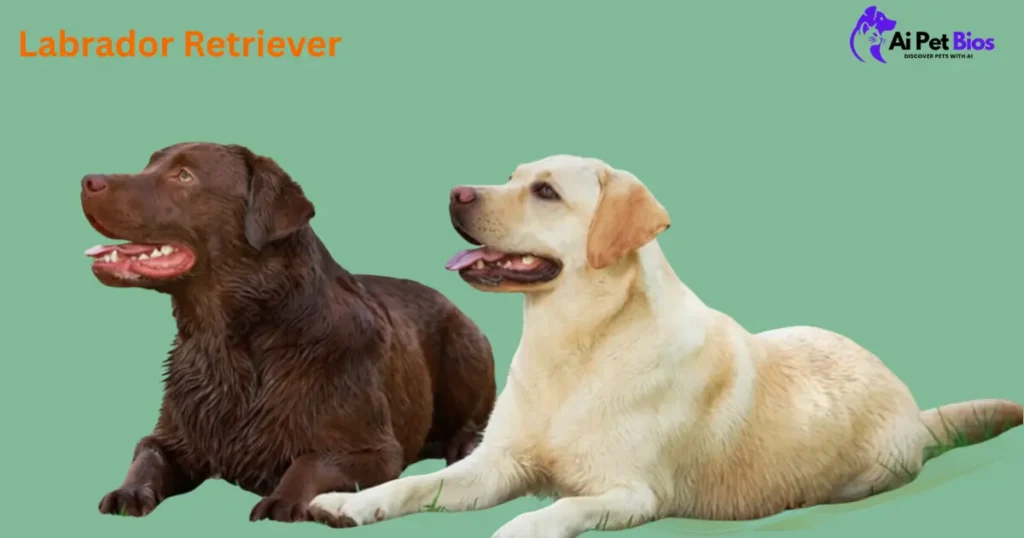
The double coat is short, dense, and water‑resistant. Labs come in three standard colors: black (most common), yellow (cream to fox‑red), and chocolate (increasingly popular). A rare “dudley nose” (pink pigment) occurs but is not preferred for show. Yellow Labs often change shade as they mature—puppies may lighten or darken significantly.
Distinctive features:
The otter tail (thick at the base, tapering) acts as a rudder in water. Webbed paws aid swimming. The broad head with a friendly expression completes the breed’s iconic look.
Shedding:
Labs shed heavily year‑round, with intense “coat blows” in spring and fall.

Personality & Temperament
Are Labs good family dogs?
Yes, Labrador Retrievers are excellent family dogs. They are affectionate, patient, and gentle with children, highly social with other dogs, and friendly toward strangers. Their intelligence (ranked 7th among all breeds) makes them highly trainable. The main drawback is their high energy—they need 1–2 hours of daily exercise to stay well‑behaved.
Beyond their playful exterior, Labs possess an intuitive emotional intelligence that surprises many first-time owners. They seem to know when you’ve had a rough day—offering a gentle nudge or resting their head on your lap without demanding attention.
This empathetic side, combined with their natural patience, makes them exceptional therapy dogs. Hospitals, nursing homes, and schools regularly employ Labs to comfort those in distress. Their ability to read human emotions stems from centuries of close cooperation with people.
A Labrador Retriever doesn’t just live in your home; it tunes into your mood, your routines, and your unspoken needs—a quality that transforms a pet into a true family member.
Personality ratings:
| Trait | Rating | Notes |
| Affection with Family | 5/5 | Extremely devoted |
| Good with Children | 5/5 | Excellent, patient |
| Good with Other Dogs | 5/5 | Highly social |
| Strangers | 5/5 | Friendly, not protective |
| Intelligence | 5/5 | 7th smartest breed |
| Trainability | 5/5 | Highly responsive |
| Energy Level | 4/5 | Needs 1–2 hrs/day |
| Independence | 2/5 | “Velcro dogs” |
Labs are known as “velcro dogs” —they follow you from room to room. They have a natural soft mouth (bred to retrieve game without damage) and love to carry objects—shoes, toys, even TV remotes. Their playful, goofy nature makes them a joy, but they can become destructive if bored.
Common myths debunked:
Yellow Labs are not calmer than blacks; color does not affect temperament. Chocolate Labs are not “more hyper”—any perceived difference is due to breeding practices, not color genetics.
Health & Lifespan
How long do Labs live?
Labrador Retrievers typically live 10–12 years. Some reach 14–15 years with excellent care. Lifespan is influenced by genetics, diet, exercise, and preventive health care. Large breed size generally correlates with shorter lifespan, but Labs are healthier than many other large dogs.
Common health problems:
| Condition | Prevalence | Symptoms | Prevention |
| Hip Dysplasia | 12–15% | Limping, stiffness, pain | OFA/PennHIP screening, weight control |
| Elbow Dysplasia | 8–10% | Front limb lameness | Screening, controlled growth |
| Ear Infections | Very common | Head shaking, odor, scratching | Weekly ear cleaning |
| Obesity | 25–30% | Excess weight, lethargy | Portion control, daily exercise |
| Exercise‑Induced Collapse | Rare | Collapse after intense exercise | Genetic testing, activity limits |
| Progressive Retinal Atrophy | 5–8% | Night blindness, vision loss | Eye certification (CERF) |
Preventive care tips:
Maintain lean body condition—visible waist and palpable ribs. Feed a large‑breed puppy formula to slow growth and reduce dysplasia risk. Clean ears weekly with a drying solution. Annual vet exams should include bloodwork and dental checks.
Senior care (7+ years):
Transition to a joint‑support diet with glucosamine and omega‑3s. Add ramps for furniture access. Monitor for stiffness after rest; early arthritis management improves quality of life. Twice‑yearly vet visits are recommended.
Care & Grooming
Grooming needs:
Brush 2–3 times weekly (daily during shedding) with a slicker brush and undercoat rake. Bathe every 6–8 weeks using a dog‑specific shampoo. Clean ears weekly with a vet‑approved solution to prevent infections. Trim nails every 4–6 weeks—overgrown nails cause splayed feet and joint pain. Brush teeth daily or at least 3–4 times per week to avoid periodontal disease.
Shedding management:
Labs shed heavily year‑round. De‑shedding tools (e.g., Furminator) and frequent vacuuming are necessary. If you or family members have allergies, a Lab may not be ideal.
Seasonal coat blows:
In spring and fall, Labs lose their undercoat in clumps. Daily brushing during these 2–3 week periods dramatically reduces loose hair.
Exercise & Activity Needs
How much exercise does a Lab need?
Labrador Retrievers need 1–2 hours of daily exercise. They excel at swimming, fetching, hiking, and dog sports like agility and dock diving. Mental stimulation (puzzle toys, training sessions) is equally important. Without enough activity, Labs become bored, leading to chewing, digging, and counter surfing.
Exercise by life stage:
| Life Stage | Daily Exercise | Activities |
| Puppy (0–12 mo) | 5 min/month of age, 2x/day | Gentle play, short walks; avoid jumping |
| Adult (1–7 yrs) | 1–2 hours | Swimming, fetch, hiking, sports |
| Senior (7+ yrs) | 30–60 min | Moderate walks, swimming (low impact) |
Mental enrichment:
Puzzle feeders, scent work, obedience training, and interactive toys prevent boredom. Hide treats around the house for a “find it” game. A tired Lab is a well‑behaved Lab.
Swimming safety:
Labrador Retriever love water, but never throw a toy into deep water repeatedly—it can cause water intoxication and exhaustion. Provide rest breaks and fresh drinking water.

Nutrition & Diet
Feeding guide:
Feed adult Labs twice daily. Portion size depends on activity, but typical guidelines:
| Life Stage | Meals/Day | Daily Calories | Portion Size |
| Puppy (8 wks–4 mo) | 4 | 600–800 | 1–2 cups |
| Puppy (4–12 mo) | 3 | 800–1,200 | 2–3 cups |
| Adult (1–7 yrs) | 2 | 1,000–1,400 | 2.5–3 cups |
| Senior (7+ yrs) | 2 | 800–1,200 | 2–2.5 cups |
Nutritional requirements:
High‑quality dog food with 18–25% protein, 5–10% fat, and balanced calcium/phosphorus for joint health. Avoid free‑feeding; Labs are prone to obesity, which worsens hip dysplasia and arthritis.
Foods to avoid:
Chocolate, grapes, raisins, onions, garlic, xylitol, and fatty table scraps. These are toxic or cause pancreatitis.
Weight management:
Use a measuring cup—not a scoop. Treats should make up no more than 10% of daily calories. Weekly weigh‑ins help catch creeping obesity.
Training & Behavior
Trainability:
Labrador Retriever rank 7th in canine intelligence. They respond best to positive reinforcement (treats, praise, play). Harsh corrections damage trust.
Puppy training timeline:
- 8–12 weeks: House training, crate training, basic commands (sit, stay, come).
- 12–16 weeks: Socialization with people, dogs, environments. “Leave it” and “drop it.”
- 4–6 months: Leash manners, recall, impulse control.
- 6–12 months: Advanced retrieving, service dog foundations, agility.
Essential commands every Lab should know:
| Command | Purpose | Training Tip |
| “Leave it” | Prevents eating dangerous objects | Start with treat in closed fist |
| “Drop it” | Releases toys or stolen items | Trade for a higher‑value treat |
| “Recall” | Safety in off‑leash areas | Use high‑value rewards, never punish |
| “Settle” | Calms overexcitement | Reward four paws on floor |
Common behavior issues & solutions:
| Issue | Cause | Solution |
| Jumping | Excitement, attention‑seeking | Ignore jumping; reward four paws on floor |
| Mouthing/Chewing | Teething, boredom | Provide chew toys; increase exercise |
| Counter surfing | Food motivation | Manage access; teach “leave it” |
| Separation anxiety | Attachment, lack of independence | Gradual departures, crate training, exercise before leaving |
Socialization is critical:
Between 8–16 weeks. Expose your Lab to different people, dogs, sounds, and surfaces to build confidence. A well‑socialized Lab is less likely to develop fear‑based aggression.
Is a Labrador Retriever Right for You?
Ideal owner profile: Active individuals or families with a fenced yard. First‑time owners do well with Labs because they are forgiving and eager to please. They need 2+ hours of daily interaction (exercise, training, play).
When Labs are NOT a good fit:
- Apartment living without access to outdoor space
- Sedentary lifestyle or long work hours (10+ hours away daily)
- People who dislike shedding, drool, or exuberant greetings
- Those unwilling to invest in training and vet care
Cost of ownership (first year):
$2,900–$6,200, including puppy price ($800–$2,000), vet care ($500–$1,000), food ($600–$1,200), training ($200–$500), supplies ($300–$500), grooming ($200–$400), and pet insurance ($300–$600). Annual recurring costs: $1,600–$3,300.
Labrador vs. Golden Retriever (Key Differences)
| Trait | Labrador | Golden Retriever |
| Coat | Short, double | Long, feathered |
| Shedding | Heavy | Very heavy |
| Temperament | Slightly more independent | More eager‑to‑please |
| Intelligence rank | 7th | 4th |
| Energy level | High (1–2 hrs) | High (1–2 hrs) |
| Health concerns | Hip/elbow dysplasia, EIC | Hip dysplasia, cancer risk |
| Grooming effort | Moderate | High (frequent brushing) |
Choose a Labrador Retriever if you prefer a shorter coat and slightly lower grooming needs. Choose a Golden if you want a softer‑mouthed, more overtly affectionate dog.
5 Fun Facts About Labrador Retrievers
- They have an “otter tail” that acts as a powerful rudder—no other breed has exactly this tail shape.
- A Lab named “Endal” was the most decorated service dog in history, able to use an ATM and operate a wheelchair.
- They can retrieve over 200 items in a single day—their endurance is legendary among hunters.
- Three U.S. presidents (Bill Clinton, George H.W. Bush, and George W. Bush) owned Labs.
- Their sense of smell is so acute that they are the preferred breed for detecting illegal wildlife trafficking at airports.
Frequently Asked Questions
Is a Labrador Retriever a good family dog?
Yes, Labs are excellent family dogs. They are patient with children, friendly with strangers, and get along with other pets. Their only downside is high energy—they need daily vigorous exercise to prevent destructive behavior.
Are Labrador Retrievers smart dogs?
Yes, Labs rank 7th in canine intelligence. They learn commands quickly, excel in obedience, and are widely used as service, therapy, and search and rescue dogs. They thrive on mental challenges.
How long do Labrador Retrievers live?
Labradors typically live 10–12 years. With excellent care—quality diet, regular vet checkups, weight management, and appropriate exercise—some reach 14–15 years.
Do Labrador Retrievers shed a lot?
Yes, Labs shed heavily year‑round. They have a double coat that sheds continuously, with heavier seasonal “blowing” in spring and fall. Daily brushing during shedding seasons helps manage loose hair.
What are common Labrador Retriever health problems?
Most common are hip dysplasia, elbow dysplasia, ear infections, obesity, and progressive retinal atrophy. Some lines carry exercise‑induced collapse (EIC). Responsible breeders screen for these conditions.
How much does a Labrador Retriever cost?
A Lab puppy from a reputable breeder costs $800–$2,000. Adoption from a rescue costs $50–$300. Annual expenses (food, vet, supplies) run $1,600–$3,300.
Can Labrador Retrievers live in apartments?
Technically yes, but not ideal. Labs are large, energetic dogs needing 1–2 hours of daily exercise. Apartments without a yard require committed owners who provide sufficient outdoor activity. Otherwise, boredom leads to destructive behavior.
Pricing & Finding a Labrador Puppy
Price ranges: USA $800–$2,000 (pet quality); show lines or rare colors $2,500+. UK £600–£1,500.
Reputable breeder red flags:
- No health testing documentation (OFA, PennHIP, CERF)
- Puppies always available (ethical breeders have waitlists)
- Suspiciously low prices ($500 or less)
- Won’t allow facility visits or video calls
- Multiple litters year‑round (puppy mill indicator)
Ethical breeder checklist:
✅ AKC registration,
✅ health clearances,
✅ written contract with health guarantee,
✅ references,
✅ lifetime support.
Rescue & adoption:
Labrador‑specific rescues (e.g., Lab Rescue of the [Region]) and general shelters often have Labs or Lab mixes. Adoption fees $50–$300, often including initial vet care.
Conclusion
The Labrador Retriever remains America’s #1 dog breed for good reason: a friendly, trainable, and devoted companion that fits active families and first‑time owners alike. However, Labs demand time, space, and commitment—1–2 hours of daily exercise, regular grooming, consistent training, and significant financial investment ($1,600–$3,300/year).
If you can meet those needs, you will be rewarded with a loyal, goofy, hard‑working best friend for 10–12 wonderful years. If you prefer a low‑energy or low‑shedding dog, consider other breeds.
Ready to welcome a Lab? Start with the AKC breeder referral list, visit local Labrador clubs, or contact a breed‑specific rescue. Always verify health clearances and meet the parents before committing.
Disclaimer
This article is for informational purposes only and does not constitute veterinary advice. Always consult a licensed veterinarian for medical concerns, vaccinations, or emergency care. Breeder recommendations and pricing are subject to change; independent verification is essential.
Courtesy: Will Atherton Canine Show

Want Popular On Google? | Lust Quality Backlinks That Force-fed
I’m an SEO Expert, Guest Posting Specialist, and Web Developer helping websites increase rankings, traffic, and authority using clean, white-hat strategies 🚀
I focus on high-authority guest posts, safe backlinks, SEO-optimized content, and technically sound websites—so your site doesn’t just rank, it stays ranked.
What I help you with:
✅ SEO (On-page, Off-page & Technical)
✅ Guest Posts on Real, Relevant Sites
✅ High-Quality Link Building
✅ Keyword Research & Content Strategy
✅ SEO-Friendly Website Development
📈 No spam. No shortcuts. Only results.
👉 Need backlinks that actually work?
📩 Let’s connect: https://wa.me/+923006932631
1 thought on “Labrador Retriever: 2026 Complete Guide to Personality, Health & Care”
Comments are closed.