
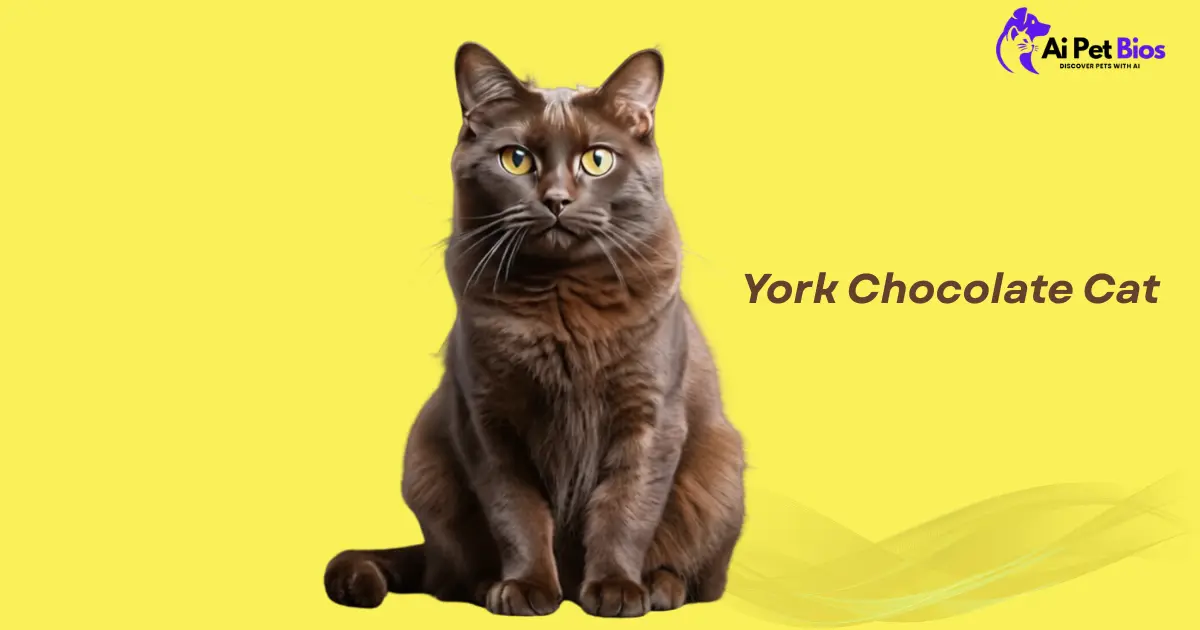
Few cat breeds come with a story as unexpected as the York Chocolate. In the early 1980s, a farm cat in upstate New York gave birth to a litter of brown kittens unlike any seen before—they were large, had semi‑long, silky chocolate coats, and displayed an almost dog‑like devotion to humans. That accidental litter became the foundation of a breed now recognized by TICA and a handful of international registries.
Today, the York Chocolate remains exceptionally rare, with fewer than a few hundred individuals worldwide. If you’re drawn to a cat that combines striking good looks with a laid‑back, affectionate personality, this guide will walk you through everything: origin, temperament, health, grooming, and the practical realities of bringing one home.
Quick Facts Table
| Attribute | Details |
| Origin | United States (New York, 1980s) |
| Recognition | TICA (experimental/advanced status), Rare & Exotic Feline Registry |
| Coat | Semi‑long, silky, no undercoat; chocolate, lilac, cinnamon, and related shades |
| Size | Medium‑large; males 10–15 lbs, females 7–11 lbs |
| Temperament | Affectionate, intelligent, moderately active, people‑oriented |
| Lifespan | 12–15 years |
| Best For | Families, singles, first‑time owners who can provide daily interaction |
Looking for other rare breeds?
Explore our guides on the Burmilla, the Tiffanie, and the Sokoke.
Foundational Definition – What Is a York Chocolate Cat?
The York Chocolate is a rare, medium‑large domestic cat breed developed in the 1980s from a spontaneous chocolate‑colored farm cat in New York. It is distinguished by its warm brown coat, silky semi‑longhair texture, and a friendly, adaptable temperament. Unlike many breeds derived from wild hybrids, the York Chocolate is entirely domestic, known for its loyalty and gentle nature.
Origin & History – A Farm Cat’s Legacy
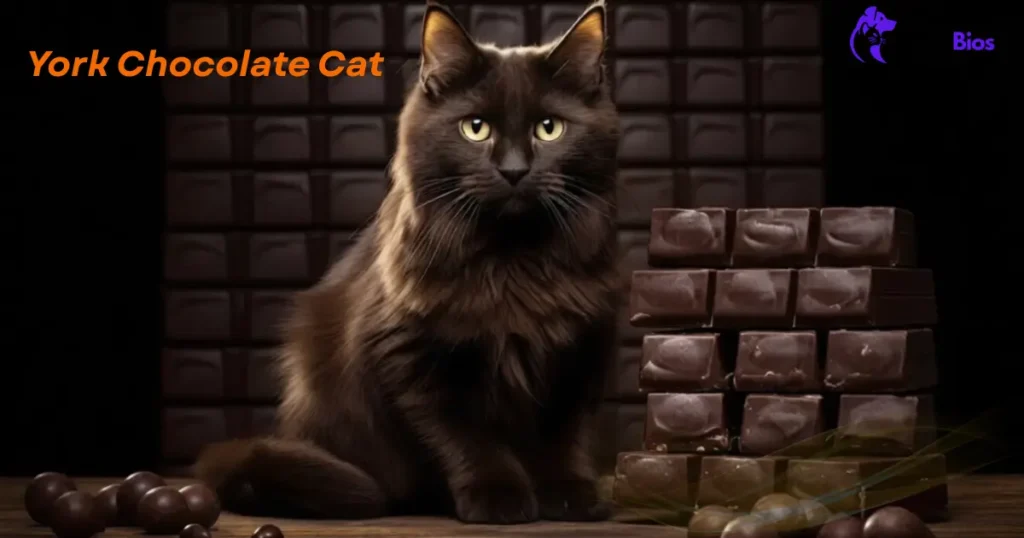
The breed’s origin story begins with a black and white barn cat named “Blacky” who belonged to Janet Chiefari in rural New York. In 1983, Blacky produced a litter that included two unusual chocolate‑colored kittens. Chiefari named them “Mink” and “Onyx,” and became fascinated by their distinctive coloring, long coat, and calm disposition.
Over the next several years, Chiefari selectively bred these chocolate cats to maintain the type. She incorporated outcrosses to domestic shorthairs and longhairs that carried the recessive brown (chocolate) gene, ensuring genetic diversity while preserving the unique look. By the early 1990s, she had established a consistent line and named the breed “York Chocolate” after her home state.
The breed gained recognition from the United Feline Organization (UFO) and later the International Cat Association (TICA) in the experimental category. Today, while still rare, York Chocolates have a dedicated following among enthusiasts who prize their rich color, silky coat, and affectionate nature.
Appearance & Coat Colors
Color Variations
The signature color is a warm, deep chocolate brown. However, the breed also appears in lilac (a soft lavender‑gray), cinnamon, and fawn. All colors may be solid, or they may show subtle tabby markings. The breed standard emphasizes rich, warm tones without a gray or blue cast.
Coat & Body
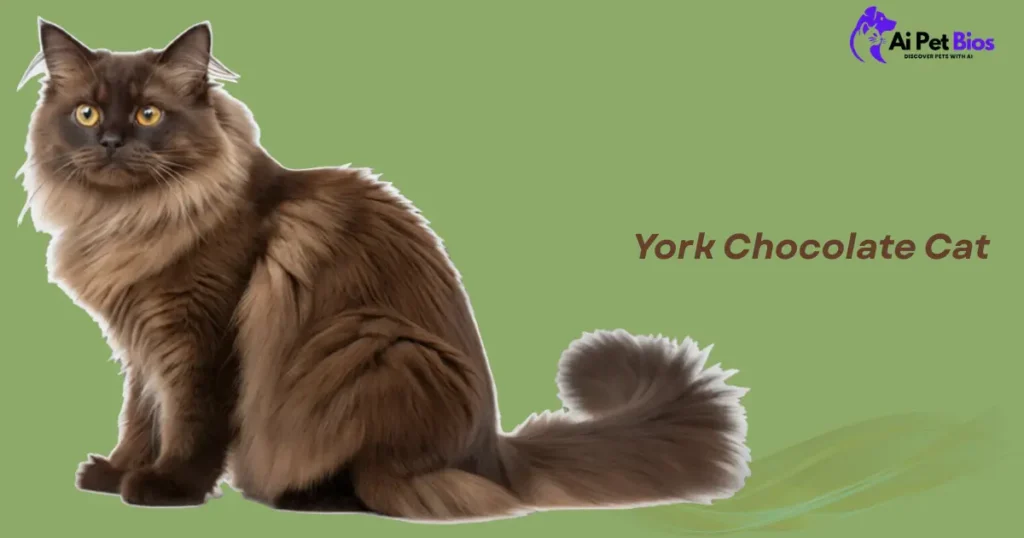
The coat is semi‑long, silky, and lacks a woolly undercoat, which means it sheds less than many longhaired breeds and rarely mats. A full ruff around the neck and a plumed tail complete the elegant look.
The body is muscular and medium‑large, with males often reaching 12–15 pounds. They have a broad chest, strong legs, and a slightly rounded head with large, expressive eyes that range from gold to green.
Personality & Temperament
If you want a cat that treats you like family—literally following you from the kitchen to the bedroom—the York Chocolate fits. They are often described as “velcro cats” for their tendency to stay close to their people.
Affection & Loyalty
York Chocolates form deep bonds with their human companions. They greet visitors with curiosity rather than fear, and they usually adapt well to homes with children and other pets. Unlike some one‑person breeds, they tend to be friendly with the whole family while choosing a favorite for nighttime cuddles.
Intelligence & Trainability
These cats are bright and enjoy interactive play, puzzle toys, and even leash training. Many owners report their York Chocolate learns to fetch, open cabinet doors, or navigate agility courses. Their intelligence makes them easy to train with positive reinforcement.
Activity Level
Moderate. They enjoy a good play session but are not hyperactive. A few 15‑minute interactive play periods each day, plus access to climbing structures, keep them satisfied.
Health & Lifespan
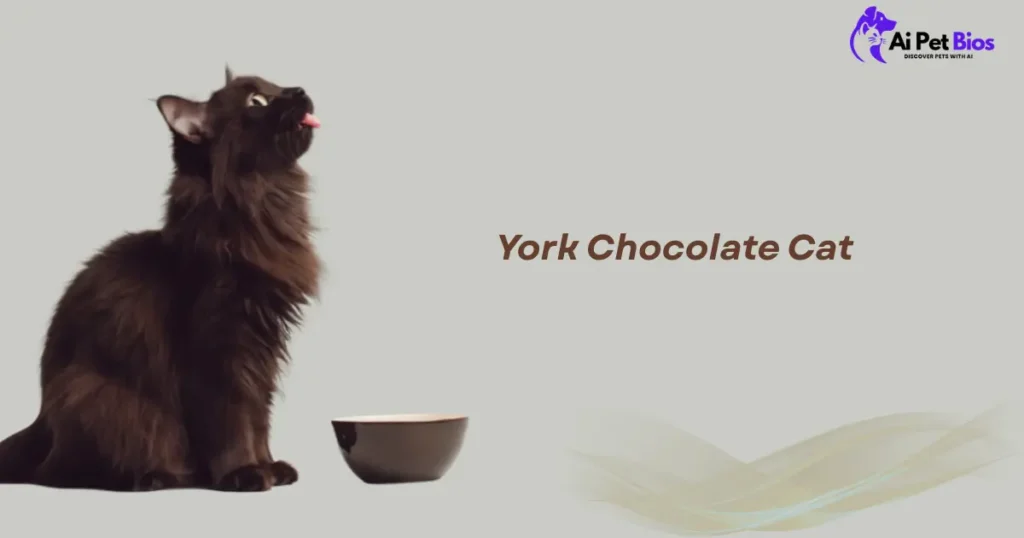
The York Chocolate lifespan typically ranges from 12 to 15 years, with many living into their late teens under proper care. Because the breed was developed from a diverse domestic population, it benefits from a relatively broad gene pool.
Common Health Considerations
There are no known breed‑specific hereditary diseases, but responsible breeders screen for:
- Hypertrophic cardiomyopathy (HCM) – a common heart condition in cats. Annual echocardiograms for breeding cats are recommended.
- Dental issues – like many cats, they can develop periodontal disease; regular dental care is essential.
- Obesity – given their moderate activity level, portion control and measured feeding are important.
Regular veterinary checkups, a high‑quality diet, and weight management help ensure a long, healthy life.
Care & Maintenance
Grooming
Despite the luxurious coat, grooming is surprisingly low‑maintenance. A weekly brushing removes loose hair and distributes oils, keeping the coat glossy. During seasonal shedding, increase brushing to twice a week. Their silky texture resists matting, but pay attention to the ruff and belly.
Diet & Nutrition
Feed a high‑protein diet—wet food, raw, or a premium dry food—to maintain lean muscle and coat condition. Avoid free‑feeding; measure meals to prevent obesity.
Environment
York Chocolates thrive with vertical space: cat trees, shelves, and window perches. They enjoy watching birds and outdoor activities safely on a harness or in a catio. Mental enrichment is as important as physical exercise; rotate toys and use puzzle feeders.
Pricing & Finding a Breeder
Because the York Chocolate is rare, acquiring one requires patience, research, and a significant investment.
Cost Overview
- York Chocolate cat price in the USA: typically $1,200 – $2,500 for a pet‑quality kitten.
- Show‑quality or rare colors may be $3,000 or more.
- In the UK and other regions, prices are similar but availability is extremely limited; import may be necessary.
Finding Ethical Breeders
Because the breed is uncommon, many “York Chocolate” listings online are scams or mislabeled domestic cats. Use these criteria:
- Registry membership: Look for breeders listed with TICA or the Rare & Exotic Feline Registry.
- Health testing: Breeders should screen for HCM and provide documentation.
- Waitlists: Expect to wait 6–18 months for a kitten.
- Contracts: Reputable breeders include health guarantees and spay/neuter clauses.
Adoption
Occasionally, York Chocolates appear in breed‑specific rescues. Contact organizations like the Purebred Cat Rescue or inquire with breeders about retired adults.
Comparisons with Similar Breeds
York Chocolate vs. Havana Brown
Both share chocolate coloring, but the Havana Brown is a shorthaired, sleek cat with a narrower head and a more active, sometimes demanding personality. York Chocolates are larger, have a semi‑long coat, and tend to be calmer.
York Chocolate vs. Burmese
Burmese cats are muscular and also come in rich brown (sable) but have a short, close‑lying coat and a more extroverted, high‑energy nature. York Chocolates are similarly people‑oriented but less vocal and more relaxed.
York Chocolate vs. Maine Coon
Maine Coons are significantly larger, have a water‑repellent double coat, and often possess a more independent streak. York Chocolates are medium‑large, easier to groom, and typically more “dog‑like” in their desire to stay near their owner.
Pros & Cons
| Pros | Cons |
| Affectionate, loyal “velcro” personality | Extremely rare—long waiting lists |
| Minimal shedding, easy‑care semi‑long coat | Higher purchase price ($1,200–$3,000) |
| Good with children, other pets, and strangers | Needs daily interaction; not for absentee owners |
| Intelligent and trainable (leash, tricks) | Limited breeder network; potential travel required |
| Generally healthy with diverse gene pool | No single registry standard—variability in type |
Is This Breed Right for You?
The York Chocolate is an excellent choice for:
- Families with children who want a gentle, playful companion.
- Singles or couples who enjoy an interactive, devoted cat.
- First‑time owners seeking a forgiving, adaptable breed.
- People who work from home or have a schedule that allows daily interaction.
It may not be ideal if:
- You travel frequently or are away 10+ hours daily.
- You prefer an independent, aloof cat.
- You have a limited budget for purchase and ongoing care.
- You need a cat immediately (waitlists are standard).
Frequently Asked Questions
What is a York Chocolate cat?
A York Chocolate is a rare domestic cat breed developed in New York in the 1980s. It has a rich chocolate coat, a semi‑long silky texture, and a devoted, friendly personality.
How much does a York Chocolate cat cost?
Expect to pay $1,200–$2,500 in the USA for a pet‑quality kitten. Show‑quality or rare colors may be higher. Prices reflect rarity, health testing, and breeder expertise.
Are York Chocolate cats hypoallergenic?
No cat is truly hypoallergenic, but York Chocolates produce less Fel d 1 than some breeds and shed minimally due to their single coat. Individual allergy responses vary.
Do York Chocolate cats have health problems?
They are generally healthy. Ethical breeders screen for hypertrophic cardiomyopathy (HCM). As with any cat, regular vet care, dental hygiene, and weight management are important.
How long do York Chocolate cats live?
Lifespan is typically 12–15 years, with many reaching 16 or more with excellent care.
Where can I find a York Chocolate kitten?
Start with TICA’s breeder directory or the Rare & Exotic Feline Registry. Be prepared for a waitlist and thoroughly vet breeders for health testing and transparency.
Conclusion
The York Chocolate cat is a rare gem in the feline world—a breed born from a chance farm‑cat litter that evolved into a devoted, beautiful companion. Its warm chocolate coat, silky texture, and people‑focused personality make it a joy for owners who value interaction and loyalty.
If you’re ready to invest the time to find a reputable breeder and offer daily companionship, the York Chocolate can reward you with a bond that rivals any canine’s devotion. Start your journey by connecting with TICA‑registered breeders, prepare a cat‑friendly home with vertical space, and look forward to years of gentle companionship.
Disclaimer
This article is for informational purposes only and does not substitute for professional veterinary advice. Always consult a licensed veterinarian regarding the health of your cat. Breeder listings and prices are subject to change; verify credentials independently.
Courtesy: aipetbios

Want Popular On Google? | Lust Quality Backlinks That Force-fed
I’m an SEO Expert, Guest Posting Specialist, and Web Developer helping websites increase rankings, traffic, and authority using clean, white-hat strategies 🚀
I focus on high-authority guest posts, safe backlinks, SEO-optimized content, and technically sound websites—so your site doesn’t just rank, it stays ranked.
What I help you with:
✅ SEO (On-page, Off-page & Technical)
✅ Guest Posts on Real, Relevant Sites
✅ High-Quality Link Building
✅ Keyword Research & Content Strategy
✅ SEO-Friendly Website Development
📈 No spam. No shortcuts. Only results.
👉 Need backlinks that actually work?
📩 Let’s connect: https://wa.me/+923006932631
1 thought on “York Chocolate Cat: Complete Guide to This Rare, Velvet‑Coat Breed”
Comments are closed.