
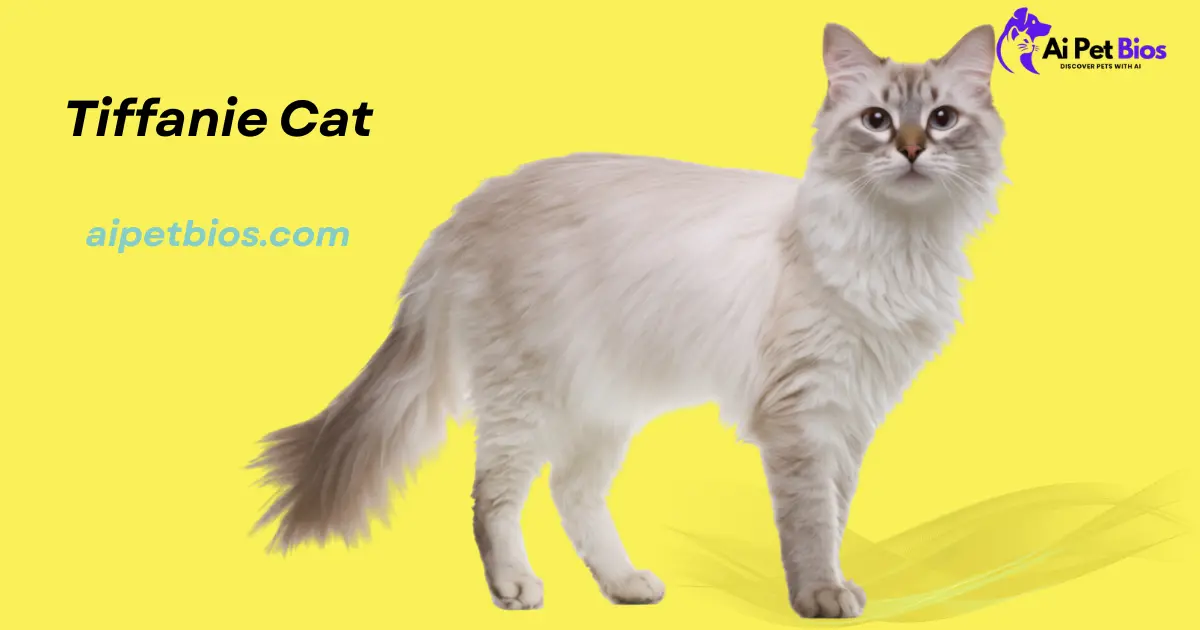
Imagine a cat that combines the sleek elegance of a Burmese with a flowing, silky coat that feels like liquid silk. That is the tiffanie cat—a breed so rare that even many devoted cat enthusiasts have never met one in person. Developed from a happy accident in the United Kingdom, the Tiffanie is often called the “longhaired Burmese” for its similar structure and affectionate nature, but with a plush, shimmering coat that sets it apart.
If you are drawn to cats that are both stunning and deeply bonded to their humans, the Tiffanie might be your perfect match. In this complete guide, we’ll explore everything: its fascinating origin, personality, care needs, health considerations, and—importantly—how much a tiffanie cat price typically runs in the USA and UK. By the end, you’ll know whether this elegant breed belongs in your home.
Quick Facts Table
| Attribute | Details |
| Origin | United Kingdom (1980s) |
| Recognition | GCCF, TICA, FIFe (varies) |
| Coat Type | Semi‑longhair, silky, no undercoat |
| Size | Medium; 6–12 pounds |
| Lifespan | 12–16 years |
| Temperament | Affectionate, intelligent, social |
| Activity Level | Moderate |
| Best For | Families, singles, first‑time owners |
Origin & Background – How the Tiffanie Cat Came to Be
The story of the Tiffanie begins in the 1980s in the United Kingdom, where breeders were working with the asian semi longhair cat—a broader group that includes breeds like the Burmilla and Asian Shorthair. A spontaneous genetic variation produced a longhaired kitten in a litter of Burmese crosses. Instead of being viewed as a flaw, breeders recognized the potential for a new variety: a cat with the Burmese’s solid, muscular body and affectionate nature, but adorned with a stunning medium‑length coat.
Over the next decade, careful breeding programs refined the type, ensuring the coat remained silky and lacking the dense undercoat that causes heavy shedding. In the UK, the Governing Council of the Cat Fancy (GCCF) recognized the Tiffanie as a distinct breed, though internationally it is sometimes still grouped under the Asian Semi‑Longhair umbrella. Today, the tiffanie cat breed remains one of the rarest in the world, cherished by those lucky enough to share their lives with one.
Core Characteristics & Appearance
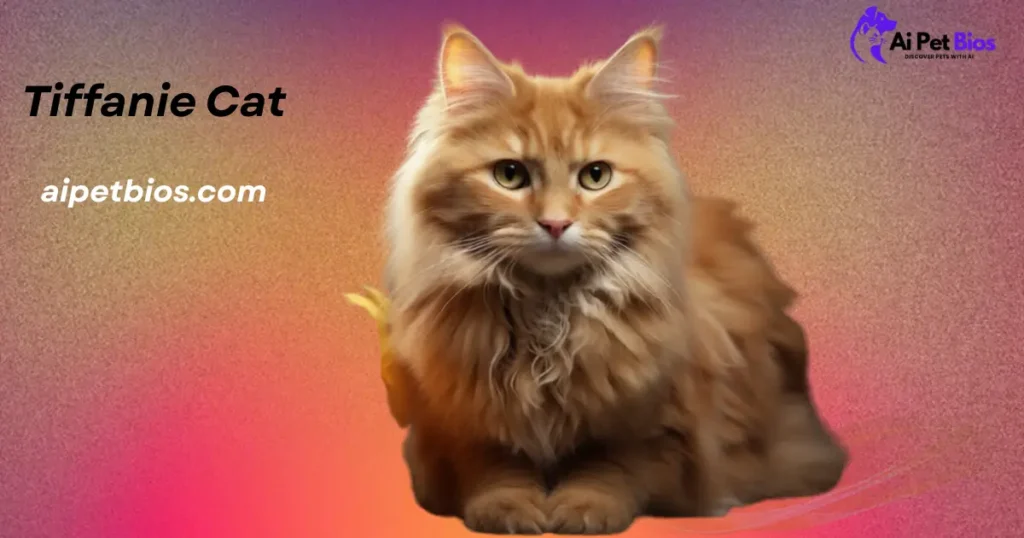
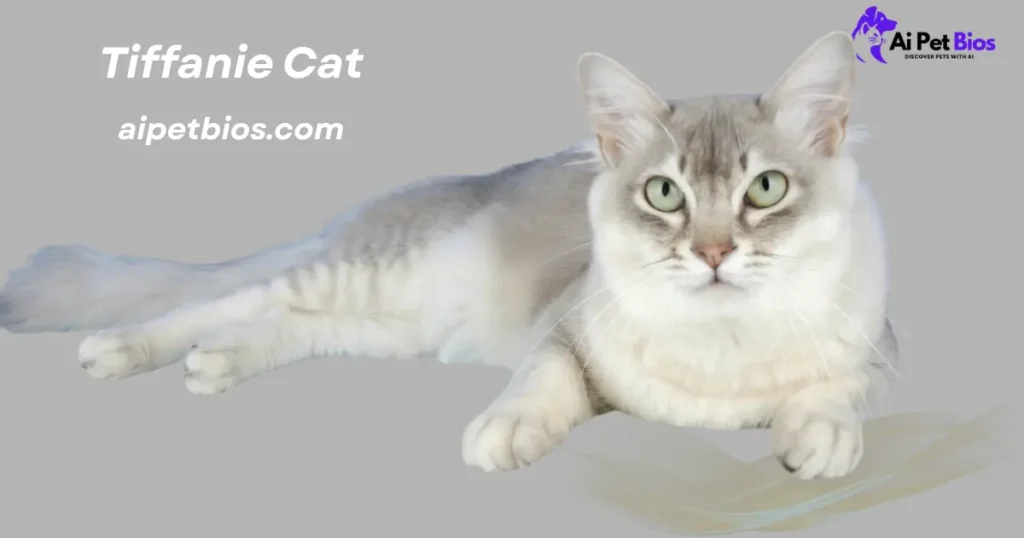
The Tiffanie is a study in understated elegance. Its medium‑sized, muscular body—inherited from its Burmese ancestors—is covered in a coat that defies expectations. Unlike many longhaired cats, the Tiffanie’s fur is single‑layered, meaning it lacks a woolly undercoat. This results in a tiffanie cat that sheds minimally and rarely mats, making grooming surprisingly easy.
Size and Build
The tiffanie cat size is medium, with males typically weighing 8–12 pounds and females 6–9 pounds. They are well‑muscled without being bulky, and their rounded chest and strong legs give them a grounded, powerful stance.
Coat Colors
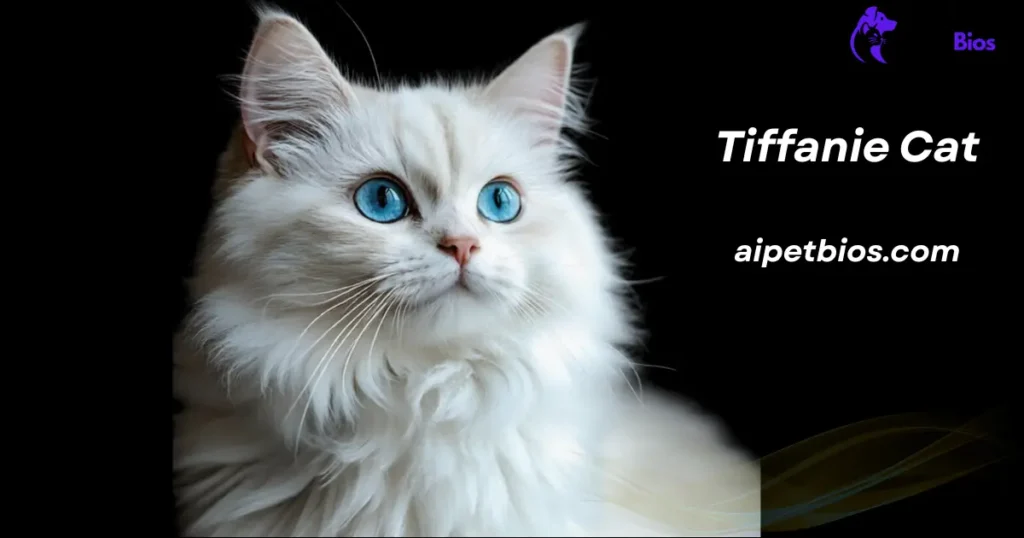
Tiffanie cat colors span a beautiful range, from solid shades to subtle smoke patterns. The most common and sought‑after is the tiffanie cat black, a deep, glossy ebony that shimmers in sunlight. Other recognized colors include blue, chocolate, lilac, cream, and—more rarely—the striking tiffanie cat white. Each coat carries a silvery “glow” due to the lack of undercoat, giving the breed its trademark sheen.
Personality & Temperament
If you value a cat that follows you from room to room, curls up beside you at night, and greets you at the door, the Tiffanie will exceed your expectations. This breed is known for its intense loyalty and affection, often forming an especially strong bond with one primary person while still being friendly to the whole family.
Are Tiffanie Cats Vocal?
Are tiffanie cats vocal? The answer is yes, but not in an overwhelming way. They possess a soft, melodic voice—a gentler version of the Siamese or Burmese vocalization. They will “talk” to you when they want attention, food, or simply to share their day. It is a conversational style, not a demanding yowl, making them delightful companions for those who enjoy an interactive cat.
Intelligence and Training
The tiffanie cat intelligence is high; they are quick learners who enjoy puzzle toys, clicker training, and even walking on a leash. Their curiosity means they thrive in environments where they can explore safely. Tiffanie cat training can include tricks like fetch, sit, and high‑five—activities that strengthen your bond while keeping them mentally stimulated.
Behavior with Children and Families
When considering is tiffanie cat good for families, the answer is a resounding yes. These cats are patient and gentle, making them excellent with children who understand respectful pet interaction. Tiffanie cat with children experiences consistently show that they will tolerate gentle handling and often become a child’s devoted guardian.
Health & Lifespan
The tiffanie cat lifespan averages 12–16 years, with many living well into their late teens under proper care. As a relatively healthy breed, they benefit from the genetic diversity introduced during their development. However, responsible owners should be aware of potential tiffanie cat health problems.
Common Health Concerns
What are common health problems for tiffanie cats? The most notable is tiffanie cat genetic health related to their Burmese heritage. Some lines may carry a predisposition to:
- Craniofacial defect (very rare in well‑bred cats)
- Hypokalemic myopathy (periodic weakness)
- Progressive retinal atrophy (PRA)
Reputable breeders screen for these conditions, and tiffanie cat screening through DNA tests is standard in ethical programs.
Additionally, because of their brachycephalic (short‑faced) structure, they can be prone to dental crowding and should receive regular dental care. How long do tiffanie cats live depends heavily on preventive care: annual vet visits, quality nutrition, and maintaining a healthy weight.
Care & Maintenance
Owning a Tiffanie is less labor‑intensive than many longhaired breeds, but consistent care is essential to keep them thriving.
Grooming
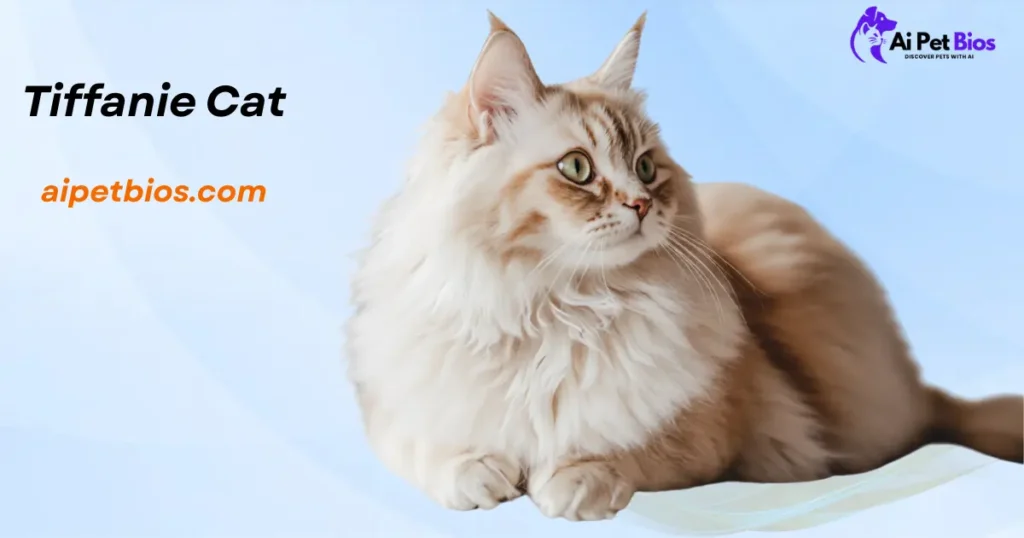
Tiffanie cat grooming is refreshingly simple. Their single‑layer coat requires brushing once or twice a week to remove loose hairs and distribute natural oils. During seasonal sheds, a stainless steel comb will help maintain that glossy sheen. Because the coat does not mat easily, many owners find grooming a quick, bonding ritual rather than a chore.
Diet and Nutrition
A tiffanie cat diet should emphasize high‑quality protein—whether from premium wet food, raw, or a balanced combination. These cats are muscular and benefit from a diet that supports lean body mass. Avoid free‑feeding; instead, measure meals to prevent obesity, which can exacerbate joint and heart issues.
Exercise Needs
Tiffanie cat exercise needs are moderate. They enjoy interactive play sessions with wand toys, chasing balls, and climbing cat trees. About 20–30 minutes of active play daily is enough to keep them fit and mentally content. They also appreciate puzzle feeders that engage their problem‑solving skills.
Living Space
The tiffanie cat care regimen is flexible: they adapt well to apartments or houses, as long as they have vertical space and human interaction. They are indoor cats by nature—safe from predators and traffic—and do not require outdoor access if given enough enrichment inside.
Creating an Enriched Environment
A well‑adjusted Tiffanie is one whose environment stimulates both body and mind. Because these cats are naturally curious and intelligent, a static home with only a few toys will leave them under‑stimulated. Tiffanie cat care therefore includes investing in vertical space: floor‑to‑ceiling cat trees, wall shelves, and window perches give your cat a sense of territory and a safe vantage point. Puzzle feeders are another excellent tool—they turn mealtime into a mental challenge that satisfies the breed’s problem‑solving instincts.
Interactive play sessions should mimic hunting: use wand toys with feathers or fabric strips that dart and hide, encouraging your Tiffanie to stalk, pounce, and “capture.” Rotate toys weekly to maintain novelty; a toy left out too long loses its appeal. Many owners also find success with clicker training, teaching their Tiffanie to perform simple tricks or navigate agility courses. This engagement not only strengthens your bond but also helps prevent boredom‑related behaviors such as excessive grooming or nighttime restlessness.
If your lifestyle allows, consider building or purchasing a secure outdoor enclosure (“catio”). Tiffanies adore watching birds and feeling fresh air, and a catio provides mental enrichment without the risks of free roaming. A well‑enriched home results in a confident, content cat—and a more harmonious household.
Multiple scratching posts placed strategically around the home—vertical and horizontal options—further satisfy their natural marking instincts while protecting your furniture.
Pricing & Where to Buy
Because the Tiffanie is a rare breed, finding a kitten requires patience, research, and a willingness to invest. Below we break down costs and how to locate ethical breeders.
Tiffanie Cat Price Overview
The tiffanie cat price usa typically ranges from $1,500 to $3,500 for a pet‑quality kitten. Show‑quality or rare colors can command $4,000 or more. In the UK, tiffanie cat price uk is similar: £1,200 to £3,000, with variations based on lineage and breeder reputation.
How much do tiffanie cats cost overall? Beyond the purchase price, first‑year expenses (veterinary care, supplies, food) add $500–$1,000. Annual maintenance runs $300–$600.
Finding a Kitten
Tiffanie cat for sale listings should always be approached with caution. Ethical breeders rarely advertise on classified sites; instead, they maintain waiting lists and interview potential owners.
- Tiffanie cat breeders usa are few—concentrated on the East and West Coasts. Check with TICA or CFA breeder directories.
- Tiffanie cat breeders uk are more established due to the breed’s origin. The GCCF provides a list of registered breeders.
- Tiffanie kittens for sale uk often have waiting lists of six months to a year.
- Tiffanie cat for sale usa situations are similar; expect to travel or arrange shipping from a reputable breeder.
How to Identify Legitimate Tiffanie Cat Breeders
When searching for a legitimate tiffanie breeders, look for:
- Transparency about health testing (DNA, echocardiograms for HCM)
- A clean, home‑based environment
- Willingness to show you parent cats
- Contracts that include health guarantees and spay/neuter requirements
Where to find tiffanie cat resources: The Asian Cat Association (UK) and TICA breeder listings are excellent starting points. Avoid any seller who offers multiple breeds, has kittens available immediately, or refuses to share health documentation.
Adoption Alternative
Although rare, tiffanie cat adoption is possible through breed‑specific rescues. Keep an eye on organizations like the Burmese Cat Rescue or Asian Group Cat Society for occasional adults needing homes.
Comparisons with Similar Breeds
Understanding how the Tiffanie stacks up against other popular breeds can help you decide if it’s the right fit.
Tiffanie vs Bengal
Tiffanie vs bengal highlights a stark contrast. Bengals are high‑energy, wild‑looking hybrids with spotted coats and a demanding need for stimulation. Tiffanies are calmer, more lap‑oriented, and require less intense exercise. If you want a cat that will entertain itself with acrobatics, choose a Bengal; if you prefer a loyal companion that will curl up beside you, the Tiffanie is the winner.
Tiffanie vs Birman
Tiffanie vs birman shows similarities in coat length and affection, but Birmans have distinct white gloves and a more laid‑back, almost placid personality. Tiffanies are more interactive and vocal, often described as “dog‑like” in their devotion.
Tiffanie vs Ragdoll
Tiffanie vs ragdoll—both are semi‑longhaired, but Ragdolls are larger, floppy when held, and tend to be more relaxed. Tiffanies are more agile and retain a playful spark into adulthood. Ragdolls often have a thicker undercoat requiring more grooming; Tiffanies’ single coat is easier to maintain.
Tiffanie vs Siamese
Tiffanie cat vs siamese comparisons often come up because of vocal tendencies and body type. Siamese are extremely vocal, slender, and can be demanding. Tiffanies share the conversational nature but are more moderate in voice and have a sturdier, rounded build.
Pros & Cons at a Glance
| Pros | Cons |
| Affectionate, loyal, forms deep bonds | Rare—long waiting lists |
| Minimal shedding, easy‑care coat | Higher purchase price ($1,500–$4,000) |
| Intelligent and trainable | Needs daily interaction; not for constant solo time |
| Good with children and other pets | Some genetic health risks require screening |
| Adaptable to apartments | Limited breeder availability in many regions |
Is This Breed Right for You?
Is tiffanie cat good for families with children? Absolutely, provided children are taught gentle handling. Their patience and tolerance make them a wonderful addition to a home with respectful kids.
For first‑time owners, the Tiffanie is an excellent choice. They are forgiving of minor mistakes, easy to groom, and responsive to training. However, be prepared to invest time in daily play and companionship—this is not a cat that thrives on neglect.
If you travel frequently or work extremely long hours, consider adopting a pair of Tiffanies or ensuring you have a pet sitter who can provide interaction. Their social nature means they can develop separation anxiety if left alone too often.
Frequently Asked Questions (Tiffanie Cat)
How much do Tiffanie cats cost?
How much do tiffanie cats cost depends on location, breeder reputation, and lineage. In the USA, expect $1,500–$3,500 for a pet‑quality kitten; in the UK, £1,200–£3,000. Show‑quality or rare colors can cost significantly more, and first‑year expenses add $500–$1,000.
What breed of cat is a Tiffanie?
What breed of cat is a tiffanie? The Tiffanie is a distinct breed developed in the UK from Burmese and Asian Shorthair lines. It is recognized by the GCCF and considered part of the Asian group; internationally, it may be called the Asian Semi‑Longhair.
Are Tiffanie cats rare?
Are tiffanie cats rare? Yes, extremely rare. Worldwide, there are only a few hundred new registrations annually. This rarity contributes to long waiting lists and higher prices. Finding a tiffanie kitten often requires contacting breeders months in advance.
Are Tiffanie cats vocal?
Are tiffanie cats vocal in a way that might disturb neighbors? No. They have a soft, melodic voice and use it to communicate, not to demand. Owners describe their vocalizations as pleasant “chirps” and gentle meows, making them ideal for apartment living.
What are common health problems for Tiffanie cats?
What are common health problems for tiffanie cats include craniofacial defects (rare), hypokalemic myopathy, and progressive retinal atrophy. Reputable breeders screen for these using DNA tests. Dental crowding is also common due to their brachycephalic facial structure, so regular dental care is important.
Conclusion
The tiffanie cat is a hidden gem in the feline world—a breed that combines stunning beauty , elegance and loyaylity with a heart full of devotion. Whether you are drawn to their silky coat, their playful intelligence, or their gentle companionship, owning one is a privilege that comes with responsibility. They require a dedicated owner who values interaction, health screening, and ethical sourcing. For those who embrace the commitment, the reward is a bond unlike any other—a quiet, loyal presence that enriches every day.
If you are ready to invest in a rare, affectionate companion that will greet you at the door and share your quiet moments, the Tiffanie may well be your perfect match. Start your journey by connecting with a reputable breeder, prepare your home for a loyal friend, and look forward to years of joyful companionship.
Disclaimer
This article is for informational purposes only and does not replace professional veterinary or breeder advice. Always consult a licensed veterinarian for health concerns and verify breeder credentials before purchasing. Prices and availability vary by region and are subject to change.
Courtesy: Nala & Toto – All About Dogs & Cats
[instant_emoji_reactions]

Want Popular On Google? | Lust Quality Backlinks That Force-fed
I’m an SEO Expert, Guest Posting Specialist, and Web Developer helping websites increase rankings, traffic, and authority using clean, white-hat strategies 🚀
I focus on high-authority guest posts, safe backlinks, SEO-optimized content, and technically sound websites—so your site doesn’t just rank, it stays ranked.
What I help you with:
✅ SEO (On-page, Off-page & Technical)
✅ Guest Posts on Real, Relevant Sites
✅ High-Quality Link Building
✅ Keyword Research & Content Strategy
✅ SEO-Friendly Website Development
📈 No spam. No shortcuts. Only results.
👉 Need backlinks that actually work?
📩 Let’s connect: https://wa.me/+923006932631
1 thought on “Tiffanie Cat: Complete Guide to This Rare Semi‑Longhair Beauty 2026”
Comments are closed.