
Introduction
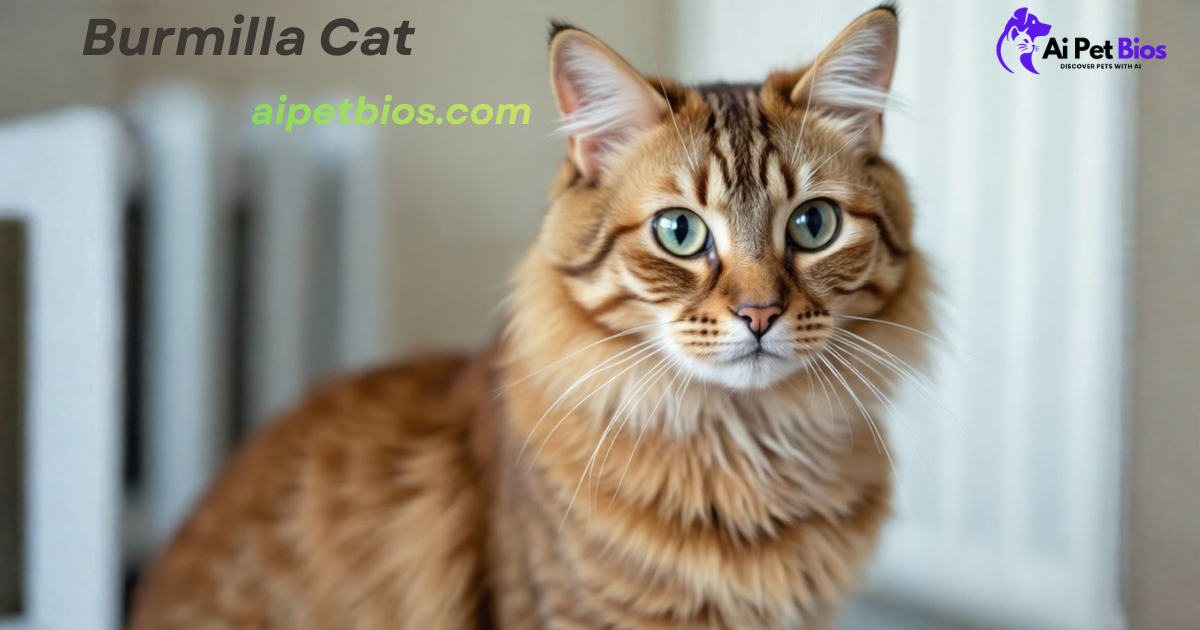
Burmilla cats represent one of the most elegant and underrated feline breeds in the world. Accidentally created in 1981 when a Chinchilla Persian escaped and mated with a Burmese cat, These have since captivated cat enthusiasts globally with their striking appearance, charming personality, and adaptable nature.
If you’re considering bringing one of these sophisticated felines into your home, this comprehensive guide covers everything you need to know—from their unique physical traits to health considerations, dietary needs, adoption options, and whether they’re the perfect fit for your lifestyle.
Quick Facts Table: Burmilla Cat Overview
| Characteristic | Details |
| Origin | United Kingdom (1981) |
| Size | Small to Medium (6–10 lbs) |
| Coat Type | Short, dense, ticked |
| Primary Colors | Silver, cream, champagne, chocolate |
| Eye Color | Large, green or yellow-green |
| Lifespan | 10–18 years |
| Temperament | Affectionate, intelligent, playful |
| Activity Level | Moderate to high |
| Grooming Needs | Minimal to moderate |
| Hypoallergenic | Partial (lower shedding) |
| Average Cost | $600–$2,000 USD |
| Best For | Families, singles, apartment living |
14 Essential Facts About Burmilla Cats
Fact 1: The Accidental Origin Story
Burmilla cats have a unique origin that sets them apart from most deliberately bred feline varieties. In 1981, a Chinchilla Persian cat named Sanquist accidentally escaped her home in the United Kingdom and mated with a Burmese tom named Fabulo.
This unexpected union produced kittens with remarkable features: the striking, shimmering appearance of the Chinchilla Persian combined with the elegant structure and social personality of the Burmese breed.
A visionary breeder named Baroness Miranda von Kirchberg recognized the exceptional qualities of these accidental offspring and began a deliberate breeding program to establish the cat as a distinct, recognized breed. The name itself is a portmanteau of “Burmese” and “Chinchilla,” perfectly reflecting the breed’s dual ancestry.
By the mid-1980s, the breed gained recognition from British cat associations, and it has since expanded globally, earning recognition from major feline organizations including The International Cat Association (TICA) and various European breeding councils. Unlike some modern breeds created through selective breeding for extreme traits, Burmilla cat maintain a healthy genetic foundation thanks to their natural, unplanned origin.
Fact 2: Understanding Burmilla Cat Size and Weight Requirements
Burmilla cats are medium-sized felines with a refined, muscular build that reflects both their Burmese and Chinchilla ancestry. Most Burmilla cat individuals weigh between 6 and 10 pounds, with males typically larger than females.
Their bodies are elegant and streamlined, featuring a gentle slope from the shoulder to the hip. This athletic frame allows cats to move with grace and agility, making them entertaining to watch and capable climbers.
| Life Stage | Weight Range | Development Notes |
| Kittens (0–3 months) | 1–3 lbs | Rapid growth, playful exploration |
| Juveniles (3–12 months) | 4–8 lbs | Growth continues, personality develops |
| Young Adults (1–3 years) | 6–10 lbs | Full size achieved, peak athleticism |
| Mature Adults (3–8 years) | 6–10 lbs | Stable weight, reduced activity |
| Senior (8+ years) | 5–9 lbs | Possible slight weight loss, slower metabolism |
Burmilla cat size and weight typically stabilize by the first year of life, though some individuals may continue developing until age 2. Maintaining a healthy weight is essential for preventing obesity-related health issues common in sedentary cats.
Fact 3: The Distinctive Burmilla Colors and Coat Patterns
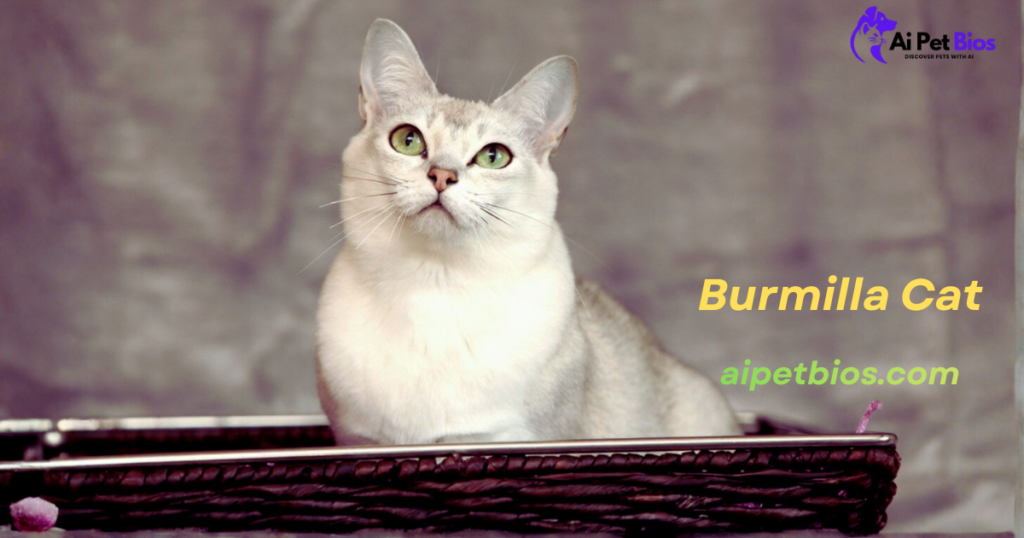
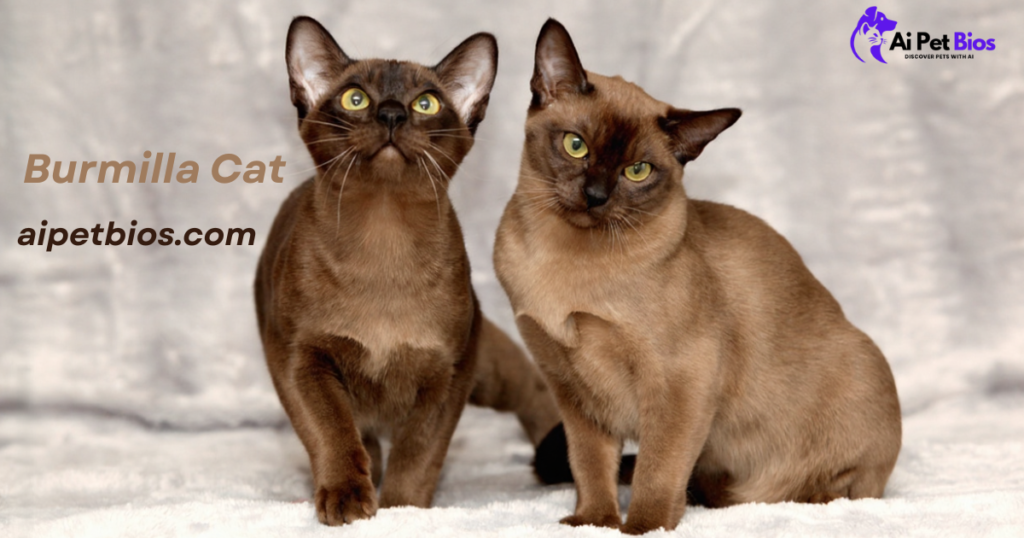
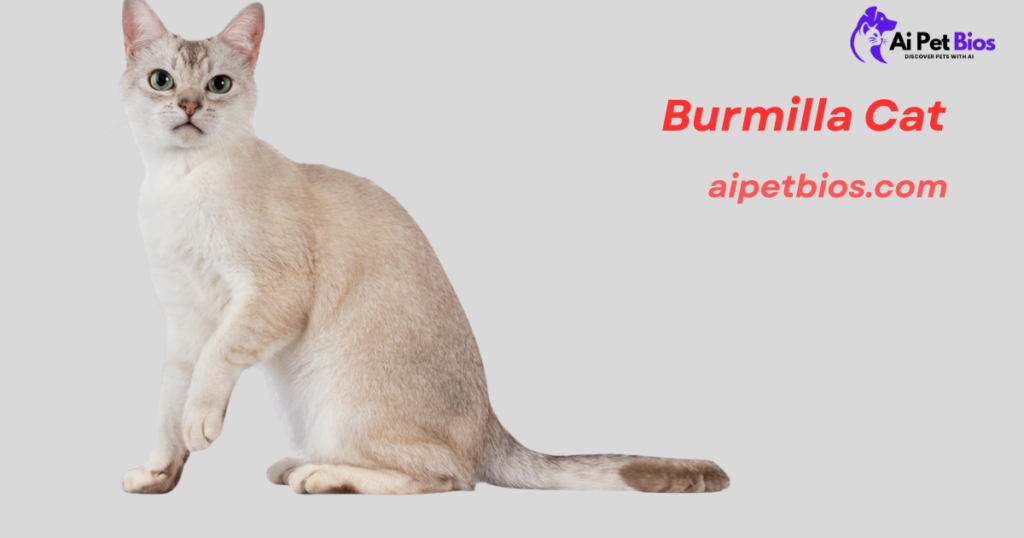
The most recognizable feature of a Burmilla cat is their stunning ticked coat pattern, which creates a shimmering, subtly striped appearance that catches light beautifully.
The ticking effect occurs when each hair is banded with color, creating a luminous, almost frosted aesthetic. This distinctive coat gives cats their iconic “golden british shorthair” appearance that many admirers find irresistible.
Burmilla colors and coat patterns typically include:
- Silver (the most common and iconic coloration)
- Cream (soft, warm tones)
- Champagne (delicate golden-brown)
- Chocolate (rich, warm brown)
- Blue (cool gray tones)
- Red (warm russet shades)
The Silver Shaded Burmilla cat represents the most iconic and recognized coloration, featuring a white undercoat with black tipping that creates the signature shimmering appearance—this coloration is the breed standard and most commonly seen in show rings. Each color variation maintains the distinctive ticked pattern that defines the breed.
Fact 4: Striking Eye Features and Eye Color Change
One of the most captivating features of Burmilla is their large, expressive eyes that convey intelligence and curiosity. Most cats display green or yellow-green eye coloring, though Burmilla cat eye color change from kitten to adulthood is completely normal and expected.
Kittens are typically born with blue eyes that gradually shift to their permanent green or yellow-green coloration as they mature, usually completing this transition by 12 weeks of age.
The eyes are set wide apart and positioned slightly upward, giving cats an alert, intelligent expression that perfectly reflects their inquisitive and observant nature. This distinctive facial structure differs notably from both their Burmese and Chinchilla ancestors, creating a unique appearance that’s immediately recognizable to breed enthusiasts.
Fact 5: The Wonderful Burmilla Cat Personality Traits
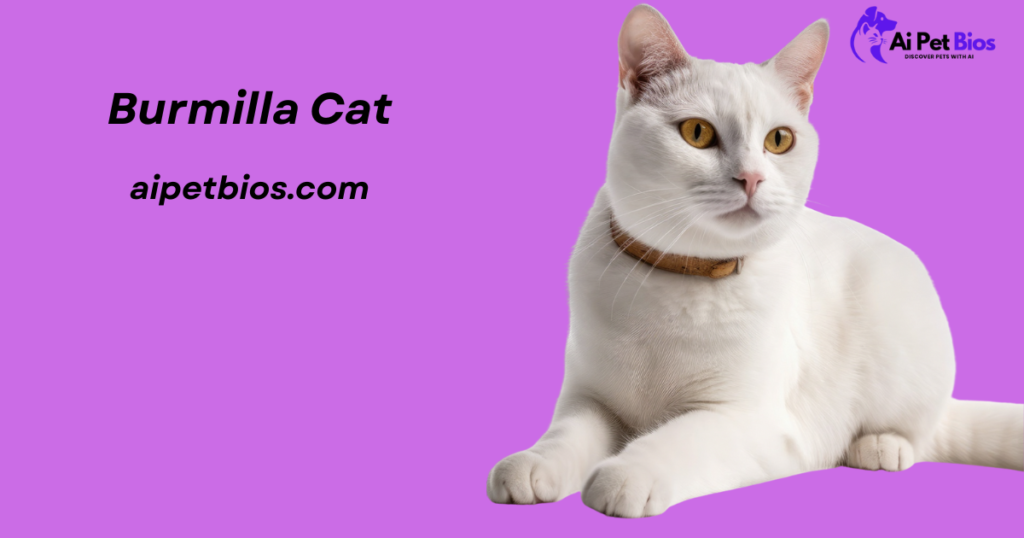
Burmilla personality is one of the breed’s most appealing and celebrated characteristics. These felines are genuinely affectionate and bond deeply with their human family members. Unlike some cat breeds that prefer independence, Burmilla actively seek human interaction and enjoy being involved in household activities.
Most Burmilla cats will greet you at the door, sit on your lap while you work, and follow you from room to room. This devotion doesn’t translate to neediness, however— cats are comfortable entertaining themselves during work hours and adapt well to various living situations.
They are communicative, inheriting some vocal tendencies from their Burmese ancestry, and will “talk” to their owners using a range of chirps, trills, and meows to express themselves. Most owners find this trait endearing rather than excessive, as the vocalizations feel conversational rather than demanding.
Fact 6: Intelligence and Trainability Make Burmilla Cats Exceptional Learners
These are remarkably intelligent and demonstrate problem-solving abilities that rival many dog breeds. They can be trained to perform commands, walk on harnesses, retrieve toys, and even use the toilet.
Their sharp minds require mental stimulation to prevent boredom-related behavioral issues, making them ideal for owners who enjoy interactive engagement with their pets.
Environmental enrichment with puzzle feeders, interactive toys, and rotating toy selections keeps Burmilla mentally engaged. Many respond enthusiastically to clicker training and positive reinforcement-based methods.
Early harness and lead training is possible with these adaptable felines, allowing them to safely explore outdoor environments under supervision.
Fact 7: Moderate to High Activity Level and Playfulness
These cats maintain a moderate to high activity level throughout their lives, making them ideal for owners who enjoy interactive play and engagement. Burmilla will enthusiastically engage with wand toys, laser pointers, and balls, often initiating play sessions themselves.
Unlike some sedentary cat breeds, it appreciate owners who dedicate time to active play and provide climbing structures or cat trees.
Daily play sessions lasting 15–30 minutes help maintain their physical health, mental stimulation, and behavioral well-being. Without adequate enrichment and interaction, These may become destructive or develop unwanted behavioral patterns.
Their active nature makes them excellent companions for families with children or multi-pet households.
Fact 8: Social Compatibility with Other Pets and Family Members
Burmilla cats generally get along exceptionally well with other cats, dogs, and respectful children, making them suitable for multi-pet households and family environments.
Their social nature is a defining characteristic that distinguishes them from more aloof feline breeds. Early socialization ensures they develop positive relationships with other animals and people, establishing a foundation for harmonious household dynamics.
Unlike territorial cat breeds, Burmilla cats often enjoy companionship and may become lonely if left alone for extended periods. This social compatibility makes them excellent choices for families seeking a feline that actively participates in household life and bonds with multiple family members.
Fact 9: Grooming and Maintenance Requirements for Burmilla Cats
Despite their luxurious appearance,these require minimal grooming compared to long-haired breeds. Their short, dense coat benefits from weekly brushing to remove loose hair and minimize shedding, keeping your home cleaner and reducing allergen distribution.
During seasonal shedding periods, increase brushing frequency to twice weekly.
Beyond coat care, Burmilla cats need regular nail trimming every 2–3 weeks, weekly ear checks for wax buildup or infection signs, and gentle eye care when tear matter accumulates. Dental health is crucial—implement professional cleanings and, ideally, daily tooth brushing with feline-specific toothpaste.
Most cats rarely require bathing, as they’re fastidious self-groomers. Bathe only when necessary using lukewarm water and cat-specific shampoo. This moderate grooming requirement makes Burmilla significantly easier to maintain than longhaired breeds.
Fact 10: Nutrition and Diet: Optimal Feeding for Burmilla Cats
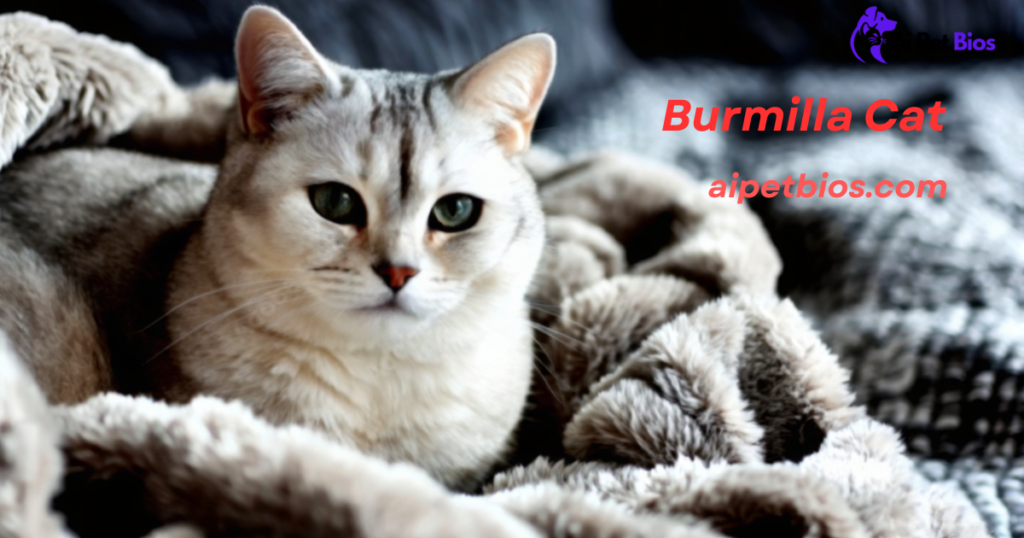
Burmilla cats require a high-quality, protein-rich diet to maintain their muscular physique and energy levels. Cats are obligate carnivores, requiring animal-derived proteins to thrive. Look for commercial cat foods where meat, fish, or poultry appears as the primary ingredient, with minimum 30% protein content.
Most adult Burmilla cats thrive on two meals daily, with portion sizes typically ranging from 1/4 to 1/2 cup per meal of quality dry food. Canned or wet food can supplement dry kibble and increases hydration.
Essential nutrients include taurine (found naturally in animal proteins), adequate moisture to support kidney and urinary health, and modest fiber for proper digestion. Ensure fresh water is always available—some Burmilla cats prefer running water from fountains, which encourages adequate hydration and supports urinary system health.
Obesity is preventable through portion control and regular exercise. Maintaining a healthy weight extends lifespan and prevents joint problems common in overweight cats. Some Burmilla cats may have sensitivities to specific ingredients—if your cat experiences digestive upset, consult your veterinarian about elimination diets or prescription formulas.
Fact 11: Common Health Concerns and Burmilla Cat Health Issues
Burmilla cats are generally healthy due to their natural origin and diverse genetic background. However, responsible breeders screen for potential genetic conditions inherited from their Burmese and Chinchilla ancestry.
Common Health Conditions to Monitor:
- Hypertrophic Cardiomyopathy (HCM): A heart condition that may cause symptoms including rapid breathing, lethargy, or fainting. When to call your vet: If your cat shows difficulty breathing, unusual fatigue, or collapses.
- Polycystic Kidney Disease (PKD): Rare but possible; watch for excessive thirst, frequent urination, or weight loss.
- Craniofacial Defects: Rare congenital issues—reputable breeders screen extensively for these.
Health Monitoring Checklist:
- Excessive thirst or urination (kidney concern)
- Changes in appetite or unexplained weight loss
- Respiratory difficulties or labored breathing
- Unusual lethargy or behavioral changes
- Dental disease signs (bad breath, difficulty eating)
- Eye discharge or squinting
Regular veterinary check-ups every 6–12 months, vaccination protocols, and parasite prevention are essential for maintaining optimal health. Early intervention prevents minor issues from becoming serious health concerns.
While Burmilla cats don’t carry the extreme health risks of some heavily inbred breeds, responsible ownership includes regular health screening and preventive veterinary care.
➡️ Schedule your Burmilla cat’s wellness exam today with a feline-experienced veterinarian.
Fact 12: Burmilla Cat Lifespan and Longevity Expectations
The Burmilla cat lifespan typically ranges from 10 to 18 years, with proper care supporting longevity at the higher end of this range. This extended lifespan reflects the breed’s relatively healthy genetic foundation and adaptation to domestic living.
Regular veterinary care, appropriate nutrition, mental stimulation, and a stress-free environment all contribute significantly to a long, healthy life.
Many Burmilla cats remain active and playful well into their senior years, making them ideal long-term companions. When you adopt a Burmilla cat, you’re committing to 10–18 years of companionship, which is an important consideration for prospective owners. This longevity makes the initial investment in a quality Burmilla cat worthwhile for those seeking a lifelong feline companion.
Fact 13: Cost Considerations and Finding Best Burmilla Cat Breeders
How much do Burmilla cats cost? Burmilla cat prices typically range from $600 to $2,000 USD, depending on breeder reputation, pedigree quality, and geographic location. Show-quality Burmilla cats command premium prices, while pet-quality individuals cost less. This pricing reflects the breed’s rarity, health testing investments, and breeder expertise.
When searching for Burmilla kittens for sale, prioritize best Burmilla cat breeders registered with legitimate cat associations (TICA, GCCF, FIFe). Reputable breeders provide health certifications, offer kitten guarantees, share detailed family medical histories, and support lifelong adoption relationships.
Red Flags When Choosing a Breeder—What to Watch Out For:
❌ No health certifications (HCM screening, genetic testing unavailable)
❌ Multiple litters available constantly (sign of kitten mill)
❌ Unwillingness to provide references from previous adopters
❌ No contract or adoption agreement (legitimate breeders always have written terms)
❌ Shipping kittens immediately without requiring in-person visits
❌ Cheap pricing significantly below breed standard ($300–$400 is a red flag)
❌ No questions asked about your home/lifestyle (responsible breeders screen owners)
❌ Sickly or lethargic kittens without veterinary health records
❌ Inability to discuss breed health issues honestly
❌ No lifetime support promise or return-to-breeder guarantee
✅ What Reputable Breeders Provide:
✅ Complete health screening results (HCM echocardiogram, genetic testing)
✅ Vaccination and deworming records
✅ Written contract guaranteeing health
✅ Kitten socialization documentation
✅ Lifetime breeder support and return policy
✅ Clear communication about breed challenges
✅ References from previous adopters
✅ In-home visits or video consultations
Never purchase from backyard breeders or kitten mills; legitimate breeders justify their pricing through rigorous health testing, proper socialization, and lifetime support.
➡️ Connect with verified Burmilla cat breeders in your region through breed registries.
Fact 14: Determining If a Burmilla Cat Is Right for Your Home
Are Burmilla cats cuddly? Yes, Burmilla cats are notably cuddly and affectionate companions. They actively seek physical contact through lap-sitting, head-bumping, and rubbing against owners.
Most Burmilla cats enjoy being held and petted, making them excellent for families seeking interactive, loving feline relationships. Their cuddly nature makes them ideal lap cats for people who work from home or have flexible schedules.
Are Burmilla cats rare? Burmilla cats are considered moderately rare outside their native United Kingdom. While increasingly available through registered breeders globally, they’re not as common as domestic shorthairs or mainstream breeds.
This rarity contributes to their elevated pricing and underscores the importance of working with established, reputable breeding programs to ensure breed authenticity and health standards.
Is a Burmilla cat right for me? Burmilla cats thrive with owners who enjoy interactive, affectionate companionship, have time for daily play and mental stimulation, appreciate a talkative, social personality, prefer moderate grooming requirements, and are committed to long-term pet ownership.
They may not be ideal if you work extensive hours without enrichment resources, prefer independent cats, are sensitive to vocalization, have limited budgets, suffer from severe allergies, or lack patience for training.
A Day in the Life: Understanding Burmilla Cat Lifestyle Compatibility
Morning Routine (6–9 AM)
Your Burmilla cat likely wakes with you, greeting you with chirps and head bumps. These affectionate felines want breakfast together and enjoy your morning attention before you leave. Expect 10–15 minutes of interactive interaction for optimal behavioral health.
Morning essentials:
- Fresh water and breakfast (portion: 1/4 cup dry food)
- 5–10 minute play session with interactive toy
- Window perch access for bird watching
Daytime Hours (9 AM–5 PM)
While Burmilla cats are independent enough to manage alone during work hours, they thrive with enrichment. Without proper stimulation, Burmilla cat behavior problems emerge, including destructive behaviors, excessive vocalization, or litter box issues.
Recommended daytime enrichment:
- Puzzle feeder or treat-dispensing toy (engages problem-solving)
- Window access for natural stimulation
- Cat trees or vertical climbing spaces
- Automatic toy (rotating laser, moving balls)
- Cat TV or bird videos (many enjoy this)
Evening Routine (5–10 PM)
Your Burmilla cat likely waits for your return, seeking immediate attention. This is prime play time—dedicates 20–30 minutes to interactive engagement with wand toys, chase games, or fetch.
Evening essentials:
- 20–30 minute active play session
- Dinner (portion: 1/4 cup dry food)
- Grooming/cuddle time
- Training practice (5–10 minutes clicker training)
Nighttime (10 PM+)
Burmilla cats are typically active at dusk/dawn but adjust to human schedules. Provide puzzle feeders or automated toys to occupy nocturnal energy bursts.
Lifestyle Compatibility Reality Check:
- Full-time workers (40+ hours/week): Manageable IF you provide enrichment, but difficult without. Consider pet sitters or interactive feeders.
- Work-from-home professionals: Ideal scenario for Burmilla cats—they enjoy your presence.
- Multi-pet households: Generally excellent; Burmilla cats thrive with companionship.
- Single owners: Fine, but be prepared for attention-seeking behaviors if alone 8+ hours daily.
Training and Behavioral Solutions: Managing Burmilla Cat Behavior Problems
Common Burmilla Cat Behavior Problems & Solutions
Problem 1: Excessive Vocalization
Why it happens: Burmilla cats communicate naturally and may vocalize more when lonely or bored.
Step-by-step solution:
- Increase daytime enrichment (puzzle feeders, interactive toys)
- Establish communication patterns (respond to quiet meows; ignore excessive noise)
- Play therapy (20–30 min daily) to tire them before your evening absence
- Create routine schedules so your cat knows when to expect interaction
- Consult your vet to rule out medical issues causing vocalization
Problem 2: Destructive Scratching or Clawing
Why it happens: Burmilla cats are athletic and need appropriate scratching outlets.
Step-by-step solution:
- Provide multiple scratching posts in different locations (vertical, horizontal, angled)
- Use catnip or silver vine to attract them to appropriate posts
- Reward scratching proper surfaces with treats and praise
- Redirect behavior when they scratch furniture (redirect to post, reward)
- Trim nails every 2–3 weeks to reduce damage
Problem 3: Excessive Jumping on Counters/Tables
Why it happens: Burmilla cats are intelligent climbers seeking elevated views and stimulation.
Step-by-step solution:
- Provide legitimate high perches (cat trees, wall-mounted shelves)
- Remove temptations from counters (secure food, remove interesting items)
- Use deterrents (double-sided tape, aluminum foil, motion-sensor sprays)
- Reward alternative behavior (reward using cat trees)
- Increase vertical enrichment so high spaces become appealing cat zones
Problem 4: Litter Box Issues
Why it happens: Medical problems, box cleanliness, location changes, or stress.
Step-by-step solution:
- Schedule vet check (rule out UTIs, digestive issues)
- Provide multiple boxes (one per cat + one extra, different locations)
- Scoop daily and completely change litter every 7–10 days
- Use unscented litter (some Burmilla cats prefer this)
- Avoid moving box locations suddenly (cats prefer consistency)
Problem 5: Aggression or Overly Rough Play
Why it happens: Insufficient play outlets, lack of boundaries, or redirected play aggression.
Step-by-step solution:
- Increase appropriate play outlets (wand toys, interactive games—30 min daily)
- Establish boundaries (don’t play with hands; use toys only)
- Use “time-out” techniques (calmly separate from interaction when too rough)
- Provide scratching outlets for aggressive energy
- Consult behaviorist if aggression is severe or unprovoked
Burmilla Cat Adoption Options: How to Find Your Perfect Match
Option 1: Reputable Breeders (Most Common)
Pros:
- Health certifications guaranteed
- Known genetics and lineage
- Kittens socialized from birth
- Breeder support throughout cat’s life
Cons:
- Higher cost ($600–$2,000)
- Waiting lists common
- Must verify credentials carefully
How to find: Search TICA, GCCF, or FIFe registries for Burmilla cat for sale near me results.
Option 2: Cat Rescue & Shelters (Adult Adoption)
Pros:
- Lower cost ($50–$300)
- Adult personality already established
- Save a life; reduce shelter burden
- Often include medical history
Cons:
- Limited Burmilla cats availability (breed is less common in rescues)
- Adult Burmilla cat adoption requires learning cat’s history
- May need behavioral adjustment time
How to find: Search local shelters, breed-specific rescues, and Petfinder.com using filters for Burmilla or similar breeds.
Option 3: Breed-Specific Rescue Organizations
Specialty rescues exist for Burmilla cats and similar breeds. These organizations specialize in rehoming adult Burmilla cat adoption and matching owners with the right fit.
Benefits:
- Expert breed knowledge from rescue staff
- Detailed behavioral assessments
- Ongoing support after adoption
How to find: Contact breed clubs, national cat associations, or search “Burmilla cat rescue” + your location.
Breed Comparisons: How Burmilla Cats Differ from Similar Breeds
Burmilla vs. Burmese Cat Detailed Comparison
| Feature | Burmilla Cat | Burmese Cat |
| Coat Length | Short, ticked | Short, glossy |
| Eye Color | Green/yellow-green | Orange-gold |
| Head Shape | Moderate, balanced | Round, compact |
| Body Type | Refined, elegant | Stockier, muscular |
| Personality | Social, playful, less vocal | Social, demanding, very vocal |
| Coat Maintenance | Minimal (weekly brush) | Minimal (weekly brush) |
| Activity Level | Moderate-high | High |
| Cost | $600–$2,000 | $400–$1,200 |
Burmilla vs. Chinchilla Persian Detailed Comparison
| Feature | Burmilla Cat | Chinchilla Persian |
| Coat Length | Short, ticked | Long, luxurious |
| Grooming Needs | Minimal | Extensive (daily) |
| Activity Level | Moderate-high | Low, sedentary |
| Personality | Affectionate, playful | Calm, aloof |
| Apartment Suitability | Excellent | Good |
| Exercise Needs | High | Low |
| Cost | $600–$2,000 | $1,000–$3,000 |
| Health Concerns | Few breed-specific | Respiratory, eye issues |
Burmilla Longhair vs. Shorthair Detailed Comparison
The Burmilla Longhair vs. Shorthair distinction reflects coat length variations within the breed family. Longhair Burmilla cats (often called “Tiffanie cat breed” in breed registries) require more frequent grooming (3–4 times weekly) but maintain the same wonderful personality and health profiles. Shorthair varieties dominate the breed standard and are more commonly available.
European Burmilla vs. American Burmilla Key Differences
European Burmilla vs. American Burmilla differences are subtle but notable. European lines tend toward a more refined, elegant appearance emphasizing the Asian aesthetic and finer bone structure, while American lines may show slightly stockier builds reflecting stronger Burmese influence.
Both possess the characteristic wonderful personality and coat patterns that define Burmilla cats, and both are equally affectionate and intelligent.
Burmilla vs. Bengal Cat Comparison
Many shoppers compare Burmilla vs. Bengal cat options. Bengals are larger (8–17 lbs), significantly more expensive ($1,000–$5,000), extremely athletic, and require expert handling. Burmilla cats are smaller, more affordable, and easier for first-time exotic cat owners. Bengals have wild ancestry; Burmilla cats are fully domesticated.
Pros and Cons: Burmilla Cat Pros and Cons Comprehensive Analysis
Pros: Why Burmilla Cats Excel as Companions
✅ Affectionate and loyal: Form strong, lasting bonds with owners
✅ Intelligent and trainable: Can learn commands, perform tricks, and adapt to harness walking
✅ Striking appearance: Unique ticked coat pattern appeals to aesthetic-minded cat lovers
✅ Moderate grooming needs: Far less maintenance than longhaired breeds
✅ Adaptable: Thrive in apartments, houses, and various living environments
✅ Generally healthy: Few breed-specific genetic issues due to diverse ancestry
✅ Social: Get along well with other cats, dogs, and respectful children
✅ Longevity: 10–18 year lifespan with proper care ensures extended companionship
✅ Playfulness: Maintain engaging, entertaining personalities throughout life
Cons: Challenges to Consider
❌ Attention-seeking: May become destructive or vocal if under-stimulated
❌ Moderate activity level: Require regular interactive play and mental enrichment
❌ Initial cost: Higher purchase price ($600–$2,000) than common domestic cats
❌ Breeder availability: Not widely available in all regions
❌ Partial allergen reduction only: Still produce Fel d 1 protein
❌ Social needs: Not ideal for owners working long hours without enrichment plans
❌ Training requirements: Need behavioral guidance and positive reinforcement
Are Burmilla Cats Hypoallergenic?
Many potential owners ask: Are Burmilla cats hypoallergenic? The answer is nuanced. No cat breed is truly hypoallergenic, as all cats produce Fel d 1 protein found in saliva, skin, and urine. However, Burmilla cats shed less than many other breeds due to their short coat, which may reduce allergen spread in the home.
Individuals with mild to moderate allergies may experience fewer symptoms around Burmilla cats compared to longhaired or heavy-shedding breeds. Those with severe cat allergies should spend significant time with the breed before committing to adoption, as individual reactions vary considerably. Regular grooming, air filtration, and frequent household cleaning can further minimize allergen presence in homes with Burmilla cats.
FAQ: Common Questions About Burmilla Cats
Are Burmilla cats cuddly?
Yes, Burmilla cats are notably cuddly and affectionate companions. They actively seek physical contact through lap-sitting, head-bumping, and rubbing against owners.
Most Burmilla cats enjoy being held and petted, making them excellent for families seeking interactive, loving feline relationships. Their cuddly nature makes them ideal lap cats for people who work from home or have flexible schedules.
Are Burmilla cats rare?
Burmilla cats are considered moderately rare outside their native United Kingdom. While increasingly available through registered breeders globally, they’re not as common as domestic shorthairs or mainstream breeds. This rarity contributes to their elevated pricing and underscores the importance of working with established, reputable breeding programs to ensure breed authenticity and health standards.
What is the personality of a Burmilla cat?
The personality of a Burmilla cat combines the best traits of their Burmese and Chinchilla ancestry. Burmilla cats are intelligent, affectionate, playful, and deeply social.
They bond intensely with owners, enjoy interactive play, and communicate vocally. Unlike aloof breeds, Burmilla cats actively participate in household life and genuinely thrive on human interaction and companionship.
How much do Burmilla cats cost?
Burmilla cat prices typically range from $600 to $2,000 USD, depending on breeder reputation, pedigree quality, geographic location, and whether the cat is show-quality or pet-quality. Show-quality Burmilla cats command premium prices reflecting champion lineage and superior breed standard adherence.
Pet-quality individuals cost less while maintaining all the wonderful personality traits that define the breed. Additional costs include food ($10–$30/month), veterinary care ($200–$500/year), toys, and grooming supplies.
Burmilla Cat Personality Deep Dive: What Makes Them Unique
Affectionate and Social Nature
Beyond the essential facts, understanding the nuanced aspects of Burmilla cat personality helps you fully appreciate what living with one entails. These felines form genuine emotional bonds with their human family, actively participating in household activities rather than observing from a distance. Unlike aloof breeds, Burmilla cats want to be where you are.
Vocal Communication
The vocalizations of Burmilla cats represent a form of conversation rather than demands. They’ll announce arrivals, discuss dinner plans, and comment on daily activities in their charming voice. Most owners find this endearing personalization creates a richer, more interactive relationship.
Play and Interaction
Burmilla cats maintain kitten-like playfulness throughout adulthood. Interactive wand toys, feather toys, and laser pointers provide excellent engagement opportunities. Creating dedicated play sessions strengthens your bond while supporting their physical and mental health.
Conclusion: Making Your Burmilla Cat Decision
Burmilla cats represent a remarkable blend of beauty, intelligence, and affection that appeals to diverse cat lovers worldwide. Whether you’re drawn to their striking ticked coat, engaging personality, or adaptability to various living situations, understanding the breed’s 14 essential characteristics ensures an informed adoption decision.
These elegant felines offer companionship without requiring the extensive grooming demands of long-haired breeds, intelligence that rivals many dog breeds, and a devotion that transforms households into loving, interactive family units. The Burmilla cat is not simply a pet—it’s a cherished family member capable of enriching your life for 10–18 wonderful years.
Before bringing a Burmilla cat home, ensure you’re prepared for their social needs, activity level, and the financial commitment of premium breed ownership. Connect with established breeders registered with legitimate cat associations, ask detailed health questions, and perhaps spend time with the breed before committing. For those willing to invest in proper care and enrichment, Burmilla cats reward their owners with unmeasured love, entertainment, and companionship that make the initial investment worthwhile.
Disclaimer
This article provides informational content about Burmilla cats and is not a substitute for professional veterinary advice. Always consult qualified veterinarians regarding health concerns, nutrition, breeding decisions, and medical treatments. Individual cats vary in health status, personality, and needs—customize care approaches accordingly based on your specific cat’s requirements and veterinary guidance.
The information presented reflects current breed standards and best practices. Burmilla cat care guidelines may evolve as veterinary science advances—stay informed through reputable sources and your veterinary team.
Ready to Welcome a Burmilla Cat into Your Home?
Your Burmilla cat journey starts here. Based on your lifestyle and readiness assessment, take these next steps:
✅ If You’re Ready to Adopt:
Option A: Find a Reputable Breeder
- 🔍 Search TICA-registered Burmilla cat breeders – Filter by location and health certifications
- 📧 Email 3–5 breeders and ask about:
- Current or upcoming Burmilla kittens for sale
- Health screening results (HCM testing)
- References from previous adopters
- Return-to-breeder guarantee
- 📅 Schedule video consultations before committing
- ✍️ Review and sign adoption contracts carefully
Option B: Adopt an Adult Burmilla Cat**
- 🏥 Contact local cat rescues and shelters
- 🔗 Search specialized rescue organizations for adult Burmilla cat adoption
- 📋 Ask rescue staff about behavioral history and compatibility
- 💰 Budget $50–$300 for adult Burmilla cat adoption fees
⚠️ If You’re Still Deciding:
Prepare Your Home First:
- ✅ Invest in multiple cat trees, scratching posts, and enrichment toys
- ✅ Set up litter boxes in quiet, accessible locations
- ✅ Schedule wellness exam with feline veterinarian
- ✅ Research quality cat food brands (high protein, meat-based)
- ✅ Assess your daily schedule—can you commit 30+ min daily to play/interaction?
Take This Assessment:
- Do you work less than 40 hours/week? ✅ Good fit
- Can you afford $600–$2,000 upfront + $200–$500/year vet? ✅ Good fit
- Do you want an affectionate, interactive cat? ✅ Excellent fit
- Are you patient with training and behavioral management? ✅ Excellent fit
If you answered yes to most, a Burmilla cat is perfect for you.
🚨 If You’re Not Ready Yet:
Build Your Knowledge:
- 📚 Read breed-specific books and articles
- 💬 Join online Burmilla cat communities (Facebook groups, forums)
- 🎥 Watch behavior and care videos
- 🤝 Connect with current Burmilla cat owners for real-world insights
- 📋 Create a 6–12 month plan to prepare your home and schedule
📞 Need Expert Guidance?
Consult Professionals:
- 🏥 Feline Veterinarian: Schedule a consultation about Burmilla cat specific health needs
- 🎓 Animal Behaviorist: Discuss enrichment strategies and behavioral expectations
- 👥 Breed Club Representatives: Connect through national cat associations (TICA, GCCF, FIFe)

Want Popular On Google? | Lust Quality Backlinks That Force-fed
I’m an SEO Expert, Guest Posting Specialist, and Web Developer helping websites increase rankings, traffic, and authority using clean, white-hat strategies 🚀
I focus on high-authority guest posts, safe backlinks, SEO-optimized content, and technically sound websites—so your site doesn’t just rank, it stays ranked.
What I help you with:
✅ SEO (On-page, Off-page & Technical)
✅ Guest Posts on Real, Relevant Sites
✅ High-Quality Link Building
✅ Keyword Research & Content Strategy
✅ SEO-Friendly Website Development
📈 No spam. No shortcuts. Only results.
👉 Need backlinks that actually work?
📩 Let’s connect: https://wa.me/+923006932631
2 thoughts on “Burmilla Cat Complete Guide | 14 New Lurking Truths”
Comments are closed.