
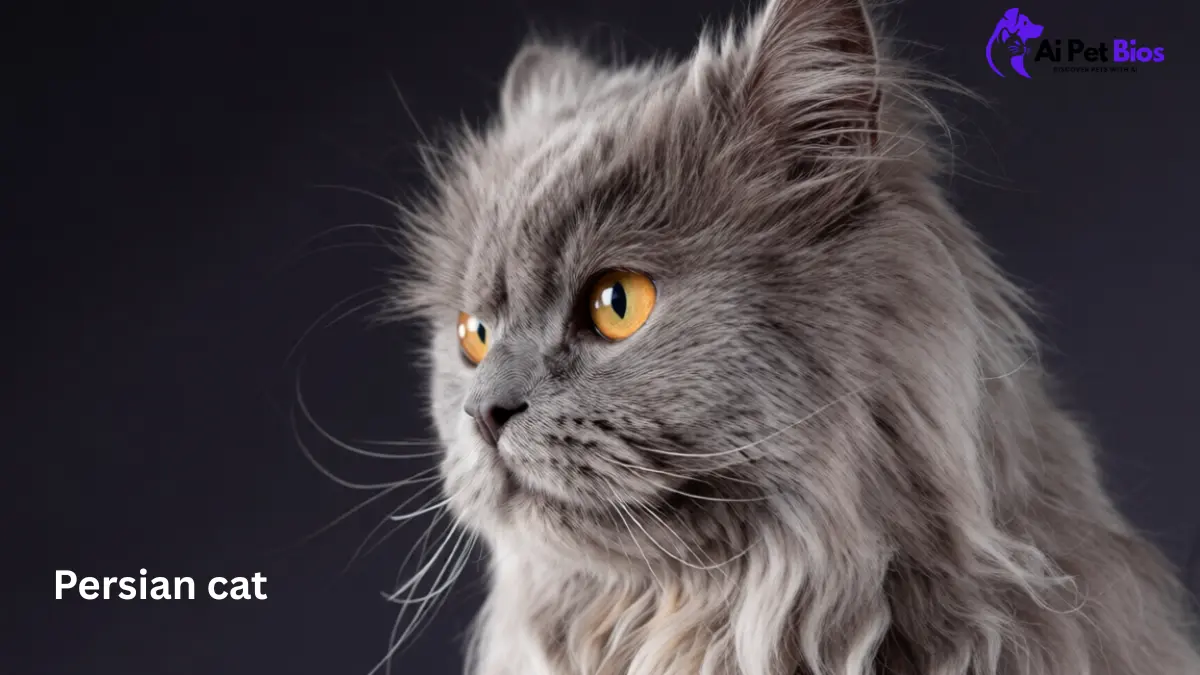
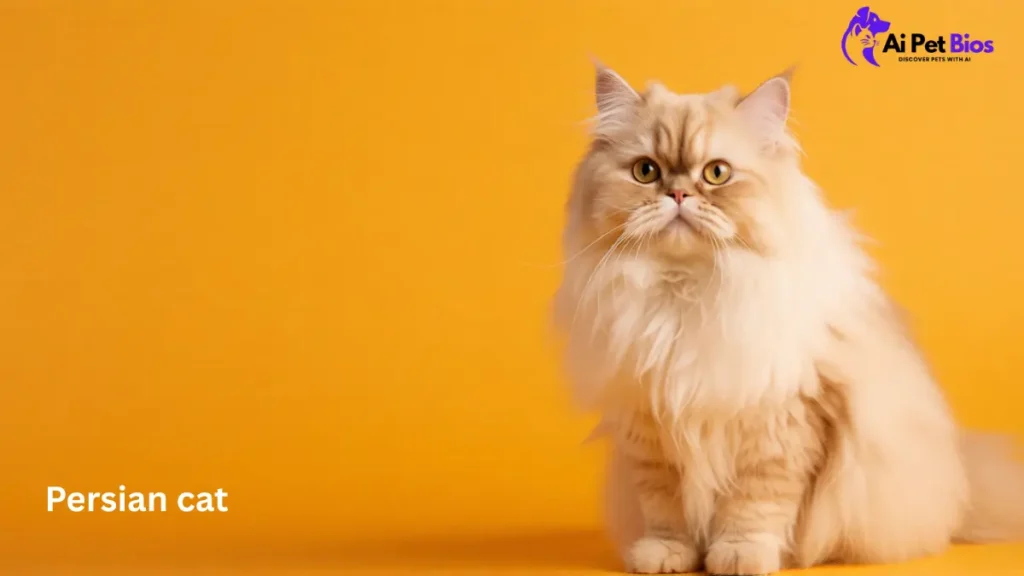
With its luxurious coat, round face, and gentle eyes, the Persian cat has been a symbol of feline elegance for centuries. But behind that glamorous appearance lies a calm, affectionate companion with very specific needs-daily grooming, careful health monitoring, and a peaceful home. Whether you’re drawn to a white Persian, a dramatic black Persian cat, or a shimmering chinchilla Persian cat, this guide covers everything you need to know about Persian cat personality, Persian cat health issues, Persian cat food, and the truth behind trendy labels like teacup Persian cat and short-haired Persian cat.
Quick Facts
| Attribute | Details |
| Origin | Persia (Iran), popularized in Europe 1600s |
| CFA Recognition | Championship Class since 1871 |
| Weight | 7–12 lbs (3.2–5.4 kg) |
| Lifespan | 12–17 years |
| Coat | Long, dense, silky double coat |
| Colors | 80+ combinations |
| Temperament | Gentle, quiet, calm, affectionate |
| Energy Level | Very low |
| Best For | Quiet homes, adults, seniors, apartments |
Want to read more about cats? Read this article now: York Chocolate Cat
Popular Coat Colors & Patterns
While Persians come in over 80 color divisions, a few are especially sought after:
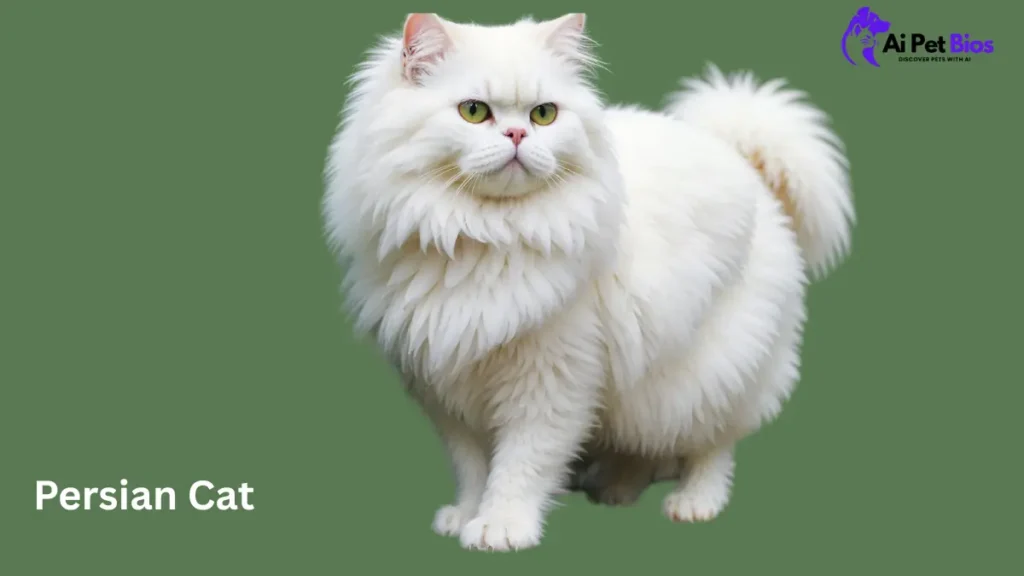
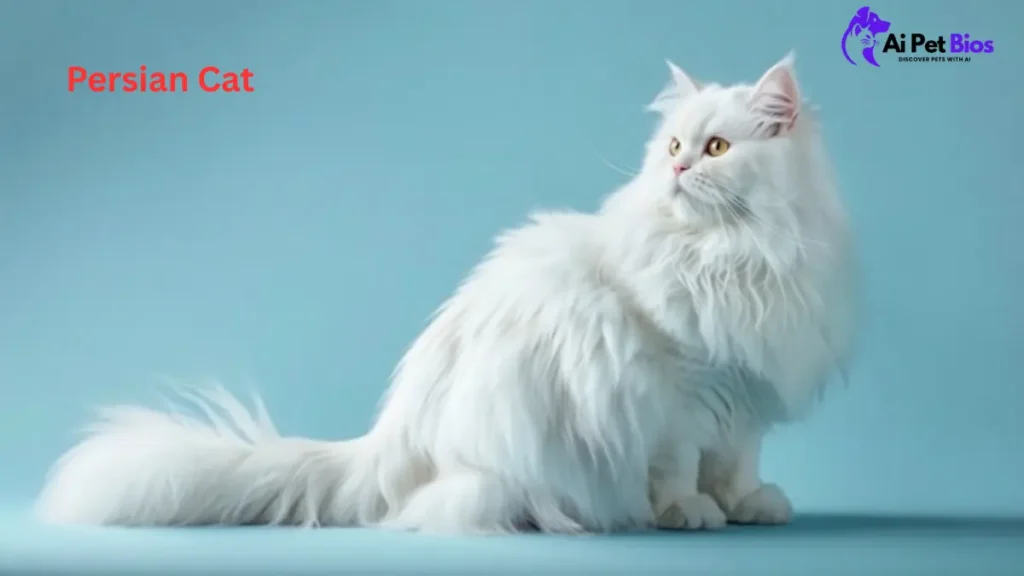
- White Persian cat-Pure white coat, deep blue or copper eyes. Stunning but prone to tear stains.
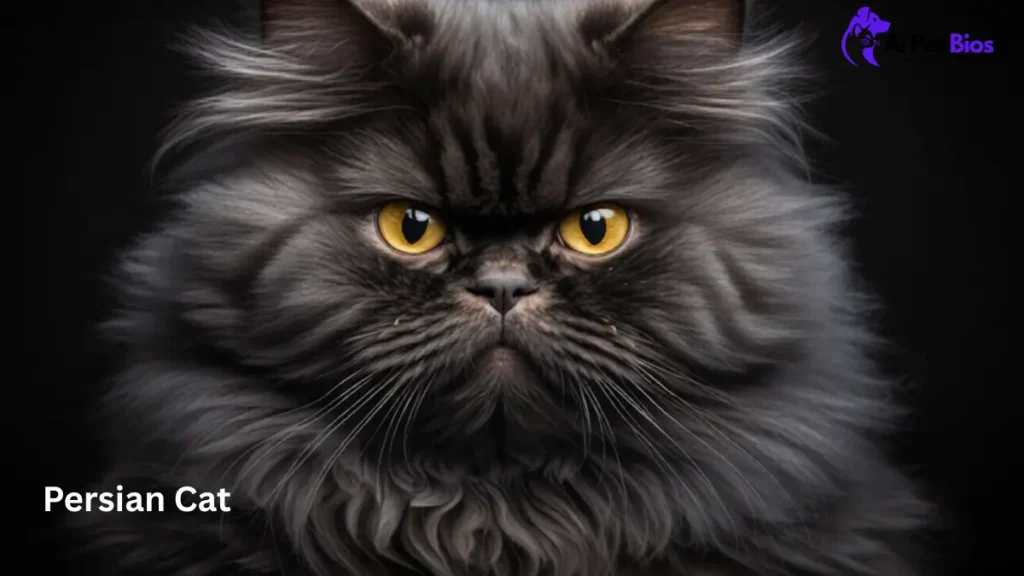
- Black Persian cat – Solid black, copper-eyed. A dramatic, glossy look that requires frequent grooming to avoid dust showing.
- Blue Persian cat – Dilute gray-blue, copper eyes. One of the classic and most recognized colors.
- Chinchilla Persian cat – White undercoat with delicate black tipping, giving a shimmering silver appearance. Green or blue-green eyes.
- Tortoiseshell Persian cat – Patchy blend of black, red, and cream. Often female; each pattern is unique.
A note on “teacup Persian cat”: This is a marketing term, not a recognized breed size. Runts or undernourished kittens may be sold under this label, often with health issues. Reputable breeders do not breed for “teacup” sizes.
Is there a short-haired Persian cat? No. The Persian is a long-haired breed. The short-haired version with similar features is the Exotic Shorthair, a separate breed with a plush, dense coat.
Persian Cat Personality
These are serene, undemanding companions. They bond deeply with their people and show affection through quiet closeness rather than constant activity. They dislike loud environments and rough handling, making them best for calm households with older children. With strangers, they are reserved. They are not vocal and rarely demand attention noisily.
- Affectionate with family – High, but on their own terms
- Good with kids – Older, gentle children only
- Energy – Very low; short daily play sessions are enough
- Independence – Low; they prefer company and can develop separation anxiety
Persian Cat Health Issues
Persians have a long lifespan of 12–17 years, but their flat face (brachycephaly) brings specific concerns:
| Condition | What to Know |
| Polycystic Kidney Disease (PKD) | Genetic but preventable via DNA testing. Ask for PKD1 negative test results from both parents. |
| Brachycephalic Airway Issues | Noisy breathing, snoring, heat sensitivity. Keep them cool and avoid overexertion. |
| Hypertrophic Cardiomyopathy (HCM) | Heart muscle thickening. Annual echocardiogram recommended from age 1–2. |
| Eye Problems | Tear overflow causes staining; daily cleaning is required. Prominent eyes are prone to ulcers. |
| Dental Malocclusion | Misaligned teeth from a flat face-regular dental check-ups are essential. |
A well-bred Persian from health-tested lines largely avoids severe PKD and breathing problems.
Grooming: Non-Negotiable Daily Care
The long, dense coat mats painfully within days without daily combing. This breed is high-maintenance — not for anyone unwilling to groom daily or pay a professional regularly.
| Task | Frequency |
| Brushing/combing | Daily (wide-tooth metal comb + slicker) |
| Eye area cleaning | Daily (damp cloth to remove stains) |
| Bathing | Every 4–6 weeks (blow-dry fully) |
| Nail trimming | Every 2–3 weeks |
| Dental brushing | 2–3 times per week |
| Professional grooming | Every 6–8 weeks if you can’t maintain at home |
Persian Cat Food
Persians gain weight easily due to their sedentary nature. Feed measured portions of high-protein wet food to support hydration and ease chewing with their flat jaws. If feeding dry, choose large, flat kibble designed for brachycephalic cats. Avoid free-feeding; obesity worsens breathing and joint issues.
- Adult daily calories: roughly 200–250 kcal, adjusted to body condition.
- Toxic foods: onions, garlic, grapes, raisins, chocolate, xylitol, alcohol.
Training & Behavior
Persians aren’t trick performers. They respond to gentle, positive reinforcement. Keep sessions short (3–5 minutes) and never raise your voice. They learn routines and litter box use easily. Scratching posts, puzzle feeders, and window perches provide adequate enrichment.
Is a Persian Right for You?
Best for: calm homes, seniors, apartment dwellers, and owners who love quiet companionship and can commit to daily grooming and health monitoring.
Not ideal for: busy families with toddlers, frequent travelers, or anyone wanting a low-maintenance pet.
Cost Overview (USA)
| Expense | First Year | Annual Ongoing |
| Kitten (reputable breeder) | $1,200–$2,500 | — |
| Veterinary care | $400–$700 | $300–$500 |
| Food (wet + dry) | $600–$1,000 | $600–$1,000 |
| Professional grooming | $400–$800 | $400–$800 |
| Supplies & litter | $200–$300 | $200–$300 |
| Total | $2,800–$5,300 | $1,500–$2,600 |
Rescue adoption fees typically range from $75–$200.
Breeder Red Flags
- No documented PKD DNA test for parents
- Won’t allow a visit (or video tour) of the cattery
- Releases kittens before 12 weeks
- Sells “teacup” or miniature Persians at a premium
- Unusually low price (under $800)
Final Thought:
Whether you’re drawn to the classic blue Persian cat, the shimmer of a chinchilla Persian cat, or the striking look of a black Persian , the breed’s calm The Persian cat’s personality is what truly wins hearts. Just remember: the long coat and specific cat health issues require a serious commitment. Get that right, and you’ll have a loving, serene companion for over a decade.
Medical Disclaimer: This guide is informational. Always consult your veterinarian for your cat’s specific health needs.

Want Popular On Google? | Lust Quality Backlinks That Force-fed
I’m an SEO Expert, Guest Posting Specialist, and Web Developer helping websites increase rankings, traffic, and authority using clean, white-hat strategies 🚀
I focus on high-authority guest posts, safe backlinks, SEO-optimized content, and technically sound websites—so your site doesn’t just rank, it stays ranked.
What I help you with:
✅ SEO (On-page, Off-page & Technical)
✅ Guest Posts on Real, Relevant Sites
✅ High-Quality Link Building
✅ Keyword Research & Content Strategy
✅ SEO-Friendly Website Development
📈 No spam. No shortcuts. Only results.
👉 Need backlinks that actually work?
📩 Let’s connect: https://wa.me/+923006932631
Such a lovely and calming read. I really liked how simply and clearly you explained the Persian cat’s nature, care, and grooming. It genuinely shows how much love and patience this breed needs. Beautifully written and very helpful for cat lovers
THANK YOU FOR LIKING THE CONTENT
“The part about is so true. I’ve spent hundreds on toys, but my cat still prefers the cardboard box they came in.”
Thank you!