
Introduction
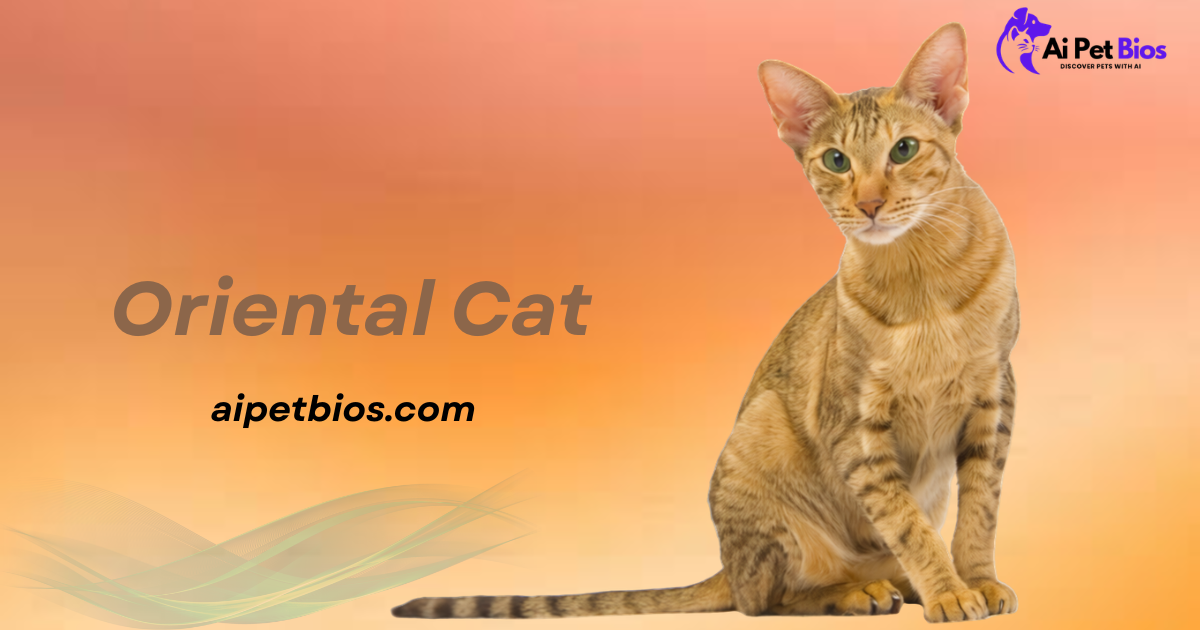
The Oriental cat is one of the most distinctive and elegant domestic cat breeds in existence. With their striking appearance—characterized by impossibly large ears, slender frame, and intelligent gaze—these felines look like they’ve stepped straight out of ancient Egyptian art. Yet despite their glamorous aesthetic, Oriental Shorthair cats are modern pets with genuine personality and devotion.
Imagine a cat that follows you from room to room, engages in constant conversation through melodious meows, and treats you like a best friend rather than a servant. That’s the Oriental Shorthair experience. These cats are not content to observe life from a distance—they actively participate in every moment of your day, demanding attention, affection, and engagement.
If you’ve encountered an Oriental Shorthair and wondered about their unique appearance and chatty nature, or if you’re considering adopting one, this comprehensive guide covers everything you need to know about this remarkable breed.
Quick Facts about Oriental Shorthair Cats
| Characteristic | Details |
| Official Breed Name | Oriental Shorthair |
| Long-haired Variant | Oriental Longhair |
| Origin | United States/United Kingdom (1950s) |
| Parent Breeds | Siamese (primary ancestry) |
| Weight Range | 6–10 lbs |
| Height | 8–10 inches at shoulders |
| Body Type | Slender, elegant, tubular |
| Head Shape | Wedge-shaped, large ears |
| Distinctive Trait | Extremely large, bat-like ears |
| Temperament | Vocal, affectionate, intelligent |
| Energy Level | High |
| Lifespan | 12–17 years |
| Grooming Needs | Minimal (short coat) |
| Good with Children | Excellent (when socialized) |
| Good with Dogs | Generally excellent |
| Recognized by | CFA, TICA, FIFé |
15 Fascinating Facts About Oriental Shorthair Cats
- Oriental cat pronunciation: “Or-ee-EN-tal” – named for their Eastern heritage and elegant appearance.
- Large ear anatomy: Their oriental cat big ears are literally enormous compared to head size – sometimes 4+ inches long, creating their signature look.
- Descended from Siamese: Developed in the 1950s by breeders seeking to create new colors while maintaining Siamese temperament and elegance.
- Not limited to one color: Oriental Shorthair colors include over 300 recognized color combinations – from Black Oriental Shorthair to Orange Oriental Shorthair, plus every variation imaginable.
- Vocal communicators: Do Oriental Shorthair cats meow a lot? Yes – they’re famous for constant, melodious vocalization, essentially having conversations with their owners.
- Svelte build: Oriental Shorthair size is surprisingly small and delicate – weighing only 6–10 pounds despite appearing taller due to their lean frame.
- Long lifespan: What is the lifespan of an Oriental Shorthair cat? Typically 12–17 years, with proper care extending well into their senior years.
- Exceptional friendliness: Are Oriental Shorthair cats friendly? Remarkably so – they’re among the friendliest cat breeds, rivaling some dog breeds in loyalty.
- Not naturally aggressive: Are Oriental Shorthair cats aggressive? Not inherently – they’re gentle creatures, though individual temperament varies with socialization.
- Long-haired variant exists: The Oriental Longhair cat is identical genetically, just with longer, silkier coat requiring more grooming.
- Complex breeding history: Oriental Shorthair cat breed development involved crossing Siamese with other breeds, creating the distinctive Oriental cat breed we know today.
- Premium pricing: Are Oriental Shorthair cats expensive? Yes – Oriental Shorthair price USA typically ranges $600–$1,500, making them moderately expensive compared to domestic shorthairs.
- Family-compatible: Are Oriental Shorthair cats good with children? Excellent when properly socialized – their patience and playfulness align well with respectful child interaction.
- Dog-friendly: Are Oriental Shorthair cats good with dogs? Generally yes – they often view dogs as playmates and integrate into multi-pet households smoothly.
- Rarity factor: How rare are Oriental Shorthair cats? Increasingly available through responsible breeders, though less common than mainstream breeds in typical pet populations.
The Origin Story: How the Oriental Shorthair Was Created
TheOriental cat breed has an interesting origin rooted in the 1950s cat fancy movement. After the Siamese breed became wildly popular in the West, breeders sought to expand the gene pool while maintaining the beloved Siamese temperament and body structure.
During the 1950s and 1960s, primarily in the United States and United Kingdom, breeders began crossing Siamese cats with other shorthaired breeds to create new colors while preserving the distinctive Siamese personality and elegant build. The result was the Oriental Shorthair—essentially a Siamese cat in every color of the rainbow.
The breed gained recognition from major cat associations: The Cat Fanciers’ Association (CFA) officially recognized Orientals in 1974. Today, both the short-haired and long-haired variants are recognized by major organizations including TICA and FIFé, cementing their status as legitimate, established domestic breeds.
What makes the Oriental cat particularly special is that breeders didn’t compromise on temperament during this color expansion. The result maintains the Siamese devotion to humans, vocal nature, and intelligence—just with vastly expanded color options.
Physical Characteristics: What Makes Them Unmistakable
The Signature Large Ears
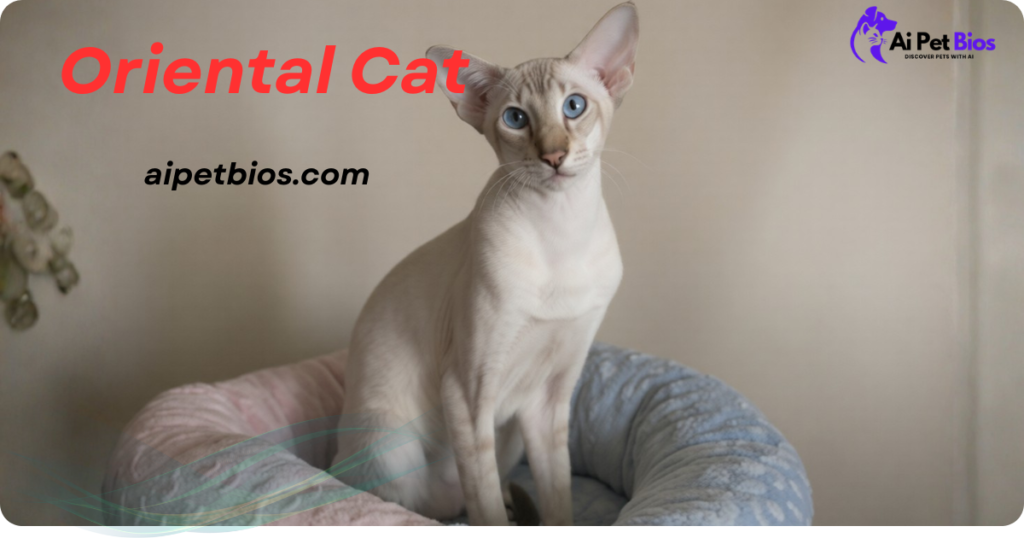
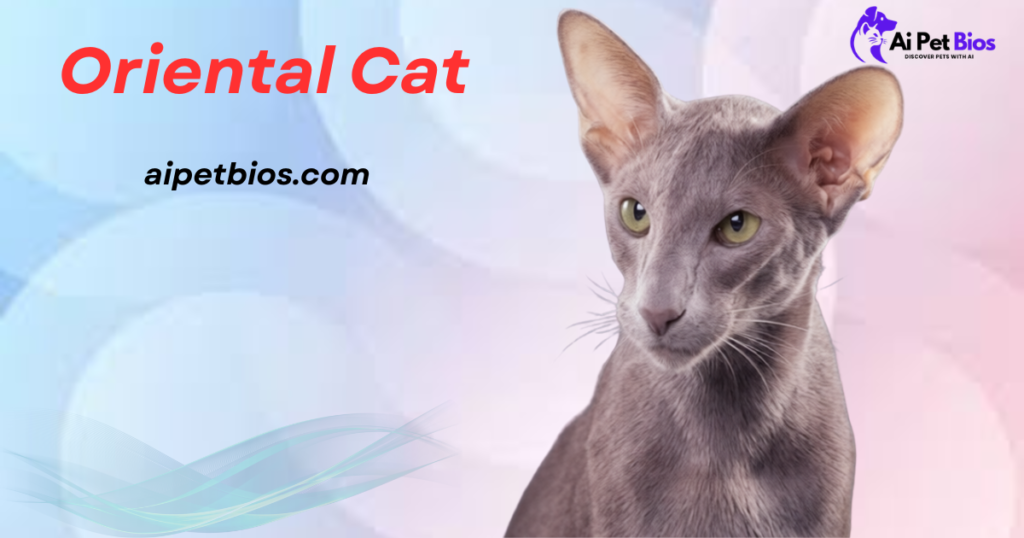
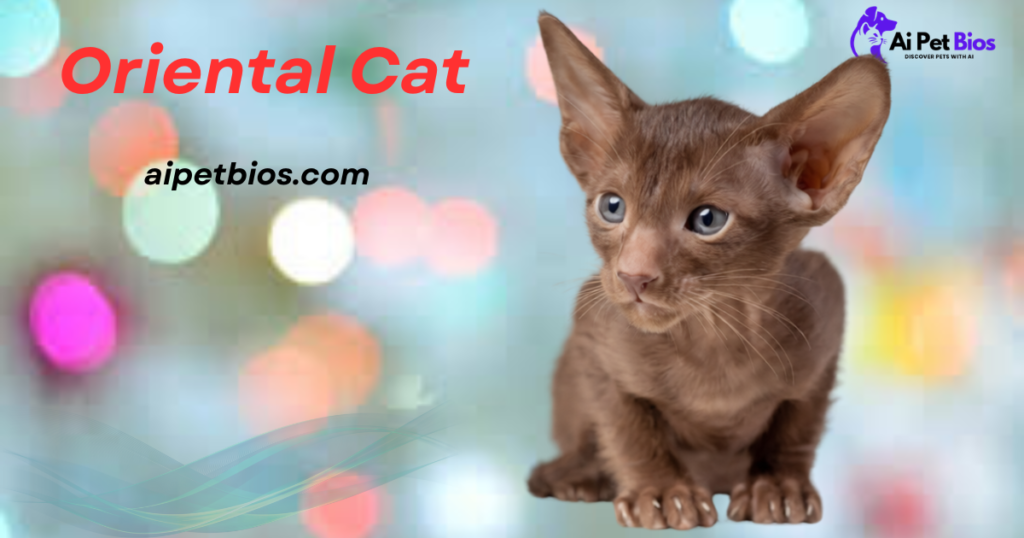
The most immediately striking feature of an Oriental is their enormous ears. These oriental cat big ears aren’t an exaggeration—they’re genuinely massive, often measuring 4+ inches long and positioned to the sides of their head. These ears serve both aesthetic and functional purposes, providing exceptional hearing and creating their distinctive “bat-like” appearance.
The ears are thin, translucent skin stretched over cartilage, allowing blood vessels to be visible. This ear structure reflects their Siamese ancestry but taken to a more extreme degree. Combined with their wedge-shaped head, the ears create an unmistakably elegant silhouette.
Body Structure
Oriental Shorthair size is deceptively small—weighing only 6–10 pounds, they’re among the smallest domestic cat breeds. However, their slender, tubular body structure makes them appear taller and more substantial than their actual weight suggests.
The body is long and lean, with fine-boned structure. Their legs are long and slender, ending in small, delicate paws. The tail is whip-like and elegant, often carried high. This overall build creates an impression of grace and elegance.
Head and Facial Features
The head is distinctive wedge-shaped, with a prominent muzzle and almond-shaped eyes. Eye colors vary based on coat color but are often green, blue, or amber. The profile is straight, and the overall facial expression conveys intelligence and alertness.
Coat Characteristics
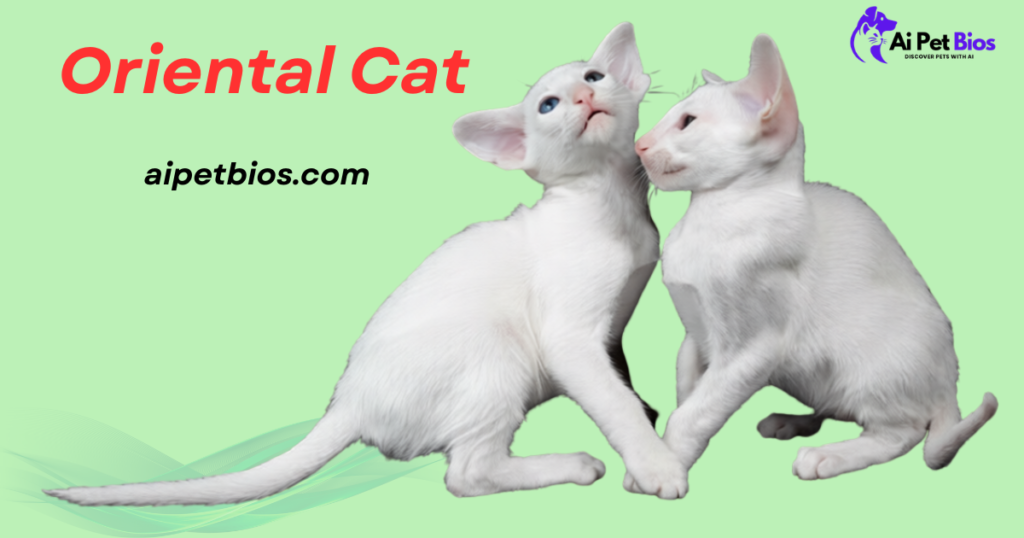
The Oriental Shorthair has a short, sleek coat lying close to the body. Despite being short-haired, the coat has a distinctive satin-like quality and sheen. Oriental Shorthair colors are exceptionally diverse:
- Black Oriental Shorthair – Jet black with intense color saturation
- Orange Oriental Shorthair – Warm apricot to deep orange tones
- Blue, Chocolate, Cinnamon, Fawn – Various warm and cool tones
- Tabby patterns – Striped, spotted, or ticked variations
- Color-pointed – Like Siamese, with darker points
- Tortoiseshell, Calico, and rare combinations – Nearly 300 recognized colors
There’s also the Oriental Longhair cat, genetically identical but with longer, silkier coat requiring more grooming.
Personality and Temperament: Understanding the Oriental Nature
Exceptional Friendliness and Devotion
Are Oriental cats friendly? Absolutely – they’re among the friendliest cat breeds. These cats form intense bonds with their owners and actively seek companionship throughout the day. Unlike aloof cat breeds, Orientals view humans as companions rather than servants.
They’ll follow you from room to room, sit on your lap during work, and greet you enthusiastically when you return home. Many owners report their Orientals acting more like dogs than cats in their devotion and attention-seeking behavior.
The Vocal Nature
Do Oriental Shorthair cats meow a lot? Yes—significantly more than average cats. Inherited from their Siamese ancestry, Orientals are renowned for constant vocalization. They meow, chirp, and trill throughout the day, essentially having conversations with their owners.
This chattiness isn’t random noise—it’s deliberate communication. Your Oriental will vocalize to:
- Greet you when you arrive home
- Demand attention or playtime
- Express opinions about food timing
- Communicate affection
- Announce important discoveries
For people who appreciate feline conversation, this is delightful. For those seeking quiet companions, this trait may be challenging.
Intelligence and Engagement
Orientals rank among the most intelligent cat breeds. They:
- Solve problems creatively
- Learn commands and respond to training
- Understand routines and anticipate events
- Play fetch and enjoy interactive games
- Demonstrate genuine curiosity about household activities
This intelligence requires mental stimulation. Boredom can lead to destructive behaviors, so interactive toys, puzzle feeders, and consistent engagement are essential.
Are Oriental Shorthair cats good with children?
Excellent companions for families. Their tolerance for handling, combined with playful nature, makes them patient with respectful child interaction. However, their small size (6–10 pounds) means supervision with very young children is important.
Are Oriental Shorthair cats good with dogs?
Generally yes. Their confident personality and lack of typical cat fear responses often lead to excellent dog-cat cohabitation. Many Orientals actually prefer living with dogs, viewing them as playmates and social partners rather than threats.
Aggression Concerns
Are Oriental Shorthair cats aggressive? Not inherently. They’re gentle creatures by nature. However, individual temperament depends on:
- Early socialization and handling
- Personality variations
- Environmental stressors
- Interactions with other animals
Properly socialized Orientals rarely display aggression—their gentle nature is one of their defining characteristics.
Oriental Shorthair Price and Purchasing Guide
How Much Does an Oriental cat Cost?
Oriental cat price USA varies based on multiple factors:
Typical Price Ranges:
- Pet-quality kittens: $600–$1,200
- Show-quality: $1,200–$1,800+
- Breeding-rights: $1,500–$2,500+
Are Oriental cat expensive? Moderately so. They cost more than domestic shorthairs but less than some exotic breeds. The price reflects:
- Breeder reputation and credentials
- Kitten quality (pet vs. show)
- Color rarity (rare colors command premiums)
- Health screening and testing
- Pedigree and lineage
Finding Reputable Breeders
Oriental Shorthair breeders USA vary greatly in quality. CFA registered Oriental cat breeder and TICA registered Oriental Shorthair breeder credentials indicate accountability and breed standard compliance.
When searching for Oriental cat kittens for sale near me or Oriental cat kittens for sale USA:
- Verify registration status
- Request health screening documentation
- Check references from previous buyers
- Examine written contracts with health guarantees
- Ensure facility visits are permitted
Adoption Option
Oriental cat for adoption USA exist through breed-specific rescues and general shelters. Adoption provides a valuable alternative to purchasing from breeders, offering mature cats in need of homes.
Annual Care Costs
Beyond purchase price, budget:
- Food: $300–$500 (quality nutrition for active cats)
- Veterinary: $400–$700 (annual checkups, preventative care)
- Supplies: $150–$250 (litter, toys, enrichment)
- Grooming: $50–$100 (minimal for short coat)
- Pet insurance (optional): $100–$250
Total annual estimate: $1,000–$1,800
Care Requirements: Maintaining Oriental Health
Grooming and Coat Maintenance
Despite their elegant appearance, Oriental cat grooming needs are minimal:
- Weekly brushing (maintains shine, reduces shedding)
- Nail trimming every 2–3 weeks
- Ear cleaning weekly (large ears accumulate debris)
- Dental care 3–4 times weekly (prevents gingivitis)
- Eye cleaning as needed (minimal tearing)
The short, sleek coat doesn’t mat and sheds moderately. Weekly maintenance prevents excessive hair around the home.
Oriental cat diet requirements
Orientals require high-quality, protein-rich diets:
- Minimum 30% protein content
- Quality meat sources as primary ingredients
- Portion control (despite small size, can develop obesity)
- Fresh water constantly available
- Species-appropriate (meat-based, minimal carbohydrates)
Oriental Shorthair diet requirements should emphasize:
- Named meat proteins (chicken, turkey, fish)
- Minimal fillers and grains
- Essential amino acids, particularly taurine
- Appropriate caloric intake for activity level (they’re active)
Exercise and Mental Engagement
Orientals have high energy and intelligence, requiring:
- Interactive play: 30–45 minutes daily
- Climbing structures and perches
- Puzzle toys and enrichment feeders
- Leash walking or harness exploration (many enjoy)
- Toy rotation to prevent boredom
- Interactive human engagement (they crave attention)
Boredom leads to destructive behavior and excessive vocalization.
Health Considerations
Oriental cat health problems
While generally healthy when responsibly bred, Do Oriental cat have health issues? Yes—potential concerns include:
Common Health Concerns:
- Hereditary conditions: Some lines carry genetic predispositions
- Heart conditions: HCM screening recommended
- Liver amyloidosis: Rare but documented in the breed
- Dental disease: Prevention through regular care important
- Eye problems: Occasional issues in certain lines
Health Screening
Responsible breeders conduct:
- Genetic testing panels
- Heart (HCM) screening
- Eye examinations
- Health certifications
Regular veterinary care, consistent nutrition, and mental stimulation support long-term health.
Oriental cat vs. Similar Breeds: Comparison
Oriental Shorthair vs. Siamese
| Feature | Oriental Shorthair | Siamese |
| Color Variety | 300+ recognized colors | Limited (pointed only) |
| Temperament | Identical (equally vocal, devoted) | Identical |
| Ear Size | Extremely large | Large, but proportionally smaller |
| Body Structure | Identical slender build | Identical |
| Origin | 1950s (color expansion) | 1800s Thailand |
| Price | $600–$1,500 | Similar range |
Key difference: Orientals are essentially Siamese in all available colors.
Oriental cat vs. Abyssinian
| Feature | Oriental Shorthair | Abyssinian |
| Activity Level | High | Very high |
| Vocalization | Constant, melodious | Quieter, more independent |
| Affection | Highly devoted | More independent |
| Intelligence | Exceptional | Very high |
| Build | Sleek, tubular | Athletic, muscular |
| Price | $600–$1,500 | $800–$1,200 |
Pros and Cons: Is an Oriental Right for You?
Advantages
✓ Exceptionally friendly and affectionate
✓ Stunning appearance and elegance
✓ Highly intelligent and trainable
✓ Good with children and dogs
✓ Minimal grooming needs
✓ Engaging personality
✓ 12–17 year lifespan
✓ Moderate price range
Disadvantages
✗ Extremely vocal (constant meowing)
✗ Demand constant attention and interaction
✗ Cannot tolerate being alone for extended periods
✗ Require significant mental stimulation
✗ Can become destructive if bored
✗ Not ideal for quiet households
✗ High energy requiring daily engagement
✗ Fragile size (6–10 lbs) vulnerable to injury
Decision Checklist: Is an Oriental cat Right for You?
Ask yourself honestly:
- ✅ Do you enjoy vocal, communicative pets?
- ✅ Can you provide 30–45 minutes daily active engagement?
- ✅ Are you home reasonably often (they struggle alone)?
- ✅ Do you want an affectionate, attention-seeking companion?
- ✅ Can you handle a chatty cat that “talks” constantly?
- ✅ Do you have the budget for $1,000–$1,800 annual care?
- ✅ Are you prepared for 12–17 years of devotion?
Best suited for:
- Active families wanting interactive cats
- Multi-pet households (especially with dogs)
- People who appreciate feline communication
- Those seeking a devoted companion
- Individuals with time for engagement
Less ideal for:
- Quiet household preferences
- Busy professionals with limited availability
- Those wanting independent cats
- People sensitive to noise
- Budget-conscious adopters
- Apartment dwellers sensitive to vocalization
Frequently Asked Questions: Oriental cat
How much does an Oriental cat cost in the USA?
Pet-quality Oriental Shorthair kittens typically cost $600–$1,200 from reputable breeders. Show-quality cats range from $1,200–$1,800+. Prices vary by coat color (rare colors command premiums), breeder reputation, and health screening. Always verify CFA or TICA registration before purchase.
Are Oriental Shorthair cats friendly and good with families?
Exceptionally so—they’re among the friendliest cat breeds, forming intense bonds with owners and tolerating children well when properly socialized. Their patience and intelligence make them excellent family companions. However, their small size (6–10 pounds) requires supervision with very young children.
Do Oriental cat meow a lot?
Yes, significantly. They’re famous for constant, melodious vocalization inherited from their Siamese ancestry. They meow to greet you, demand attention, communicate needs, and express affection. For some, this chattiness is charming; for others seeking quiet companions, it’s a significant challenge.
What health problems do Oriental cat have?
While generally healthy when responsibly bred, potential issues include hereditary conditions in some lines, HCM (heart) concerns requiring screening, liver amyloidosis (rare), dental disease, and occasional eye problems. Responsible breeders conduct genetic screening to minimize these risks.
What is the lifespan of an Oriental cat?
Typically 12–17 years with proper care, some living into their late teens. According to CFA breed standards, longevity depends on genetics, veterinary care quality, nutrition, mental stimulation, and environmental factors. Regular health screening and preventative care extend lifespans significantly.
Best Nutrition for Oriental cat
Since Orientals are active and intelligent, high-quality nutrition matters:
Top-Rated Options:
- Royal Canin Feline Health Nutrition – Breed-specific formulation
- Hill’s Science Diet Indoor – Controlled portions, quality protein
- Purina Pro Plan Focus – High protein, veterinarian-recommended
- Wellness CORE Grain-Free – Premium protein sources
- Taste of the Wild – Natural ingredients, high protein
Feed appropriate portions based on individual metabolism and activity level.
Best Pet Insurance for Oriental cat (USA)
Given potential for breed-specific health concerns, insurance provides valuable protection:
| Provider | Cost | Best For |
| Petplan | $30–$55/month | Breed-specific issues |
| Trupanion | $35–$60/month | Quick claim processing |
| Nationwide | $25–$50/month | Large vet network |
Monthly premiums typically offset costs of unexpected health issues.
Breeder Selection Guide
Red Flags to Avoid
❌ Unwillingness to provide health screening
❌ Multiple simultaneous litters (overbreeding)
❌ Extremely low pricing
❌ No written contracts
❌ Pressure to purchase quickly
Green Flags to Seek
✅ CFA/TICA registration verification
✅ Health testing documentation
✅ References from previous buyers
✅ Written contracts with guarantees
✅ Facility visits permitted
✅ Post-adoption support
Essential Breeder Questions
- “May I see health screening results?”
- “What health guarantee do you offer?”
- “Can I visit your facility?”
- “May I speak with previous buyers?”
- “What are your breeding ethics?”
- “Do you require spaying/neutering?”
- “What happens if I can’t keep this cat?”
- “What nutrition do you recommend?”
Conclusion: Making Your Oriental Decision
The Oriental Shorthair is an exceptional companion for the right household. These elegant, vocal, affectionate cats bring genuine personality and engagement to daily life. Their intelligence, beauty, and devotion create meaningful human-cat relationships unlike most other breeds.
If you want a cat that literally talks back—one that follows you like a devoted shadow, greets you with enthusiasm, and participates in every moment of your day—the Oriental Shorthair may be your perfect match. They don’t just share your space; they share your life, demanding genuine connection and returning profound affection.
Remember:
- They require genuine time investment (not low-maintenance)
- Vocalization is a defining characteristic (not a flaw)
- They thrive with engagement and attention
- Health screening from reputable breeders is essential
- 12–17 years represents a long-term commitment
For active households valuing interactive, devoted, vocal companions, an Oriental Shorthair could be transformative. For those seeking independent or quiet cats, other breeds better suit your needs.
This breed isn’t for everyone—but for the right person, they’re absolutely unforgettable.
Disclaimer
This article provides informational content about Oriental Shorthair cats. It is not intended as veterinary, medical, or breeding advice. Always consult qualified veterinarians for health concerns and conduct thorough breeder research before committing. Prices and availability vary by location. Individual temperament and health vary regardless of breed.
Courtesy: CATS NOW

Want Popular On Google? | Lust Quality Backlinks That Force-fed
I’m an SEO Expert, Guest Posting Specialist, and Web Developer helping websites increase rankings, traffic, and authority using clean, white-hat strategies 🚀
I focus on high-authority guest posts, safe backlinks, SEO-optimized content, and technically sound websites—so your site doesn’t just rank, it stays ranked.
What I help you with:
✅ SEO (On-page, Off-page & Technical)
✅ Guest Posts on Real, Relevant Sites
✅ High-Quality Link Building
✅ Keyword Research & Content Strategy
✅ SEO-Friendly Website Development
📈 No spam. No shortcuts. Only results.
👉 Need backlinks that actually work?
📩 Let’s connect: https://wa.me/+923006932631