
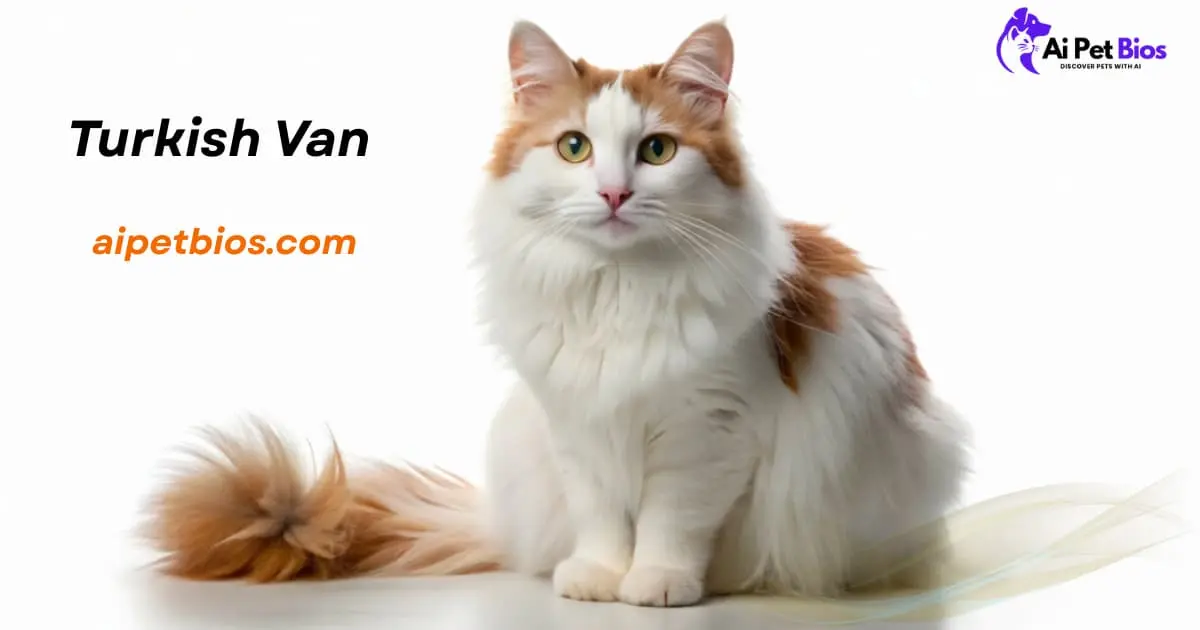
Imagine a cat that not only tolerates water but actively seeks it out—splashing in puddles, joining you in the shower, or even swimming in a backyard pool. That’s the Turkish Van cat, a breed as unique in behavior as it is in appearance. With a distinct “van pattern” (color confined to the head and tail) and a famously athletic, loyal temperament, this ancient natural breed has captured the hearts of cat enthusiasts worldwide.
But owning a Turkish Van is not like owning a typical lap cat. These felines are intelligent, energetic, and often described as “dog‑like” in their devotion. In this guide, we’ll cover everything from their fascinating origins and personality traits to practical details like Turkish Van cat cost in the USA and UK, health considerations, and how to find reputable breeders. Whether you’re researching for adoption or simply curious about this swimming marvel, you’ll find the answers here.
9 Essential Facts About the Turkish Van Cat
- They Are One of the Oldest Natural Breeds
The Turkish Van cat originated centuries ago in the Lake Van region of Turkey, developing naturally without human intervention. This ancient lineage gives them robust health and a hardy constitution. - They Are Known as the “Swimming Cat”
Unlike almost any other domestic cat, Turkish Vans love water. Turkish Van cat swimming is not a myth—they possess a water‑resistant coat and often paddle in pools, bathtubs, or even join their owners in the shower. - Their Coat Has No Undercoat
The breed’s semi‑long, cashmere‑like texture repels water and rarely mats. This unique feature makes grooming surprisingly simple: a weekly brush is usually sufficient. - The “Mark of Allah” Is a Traditional Folklore
In Turkey, the two thumbprint‑shaped markings on the back of a Van’s head are called the “Mark of Allah” —a blessing for the cat’s loyalty. Many purebred Vans display this distinctive pattern. - They Are Not Prone to Deafness
A common myth is that Turkish Vans are often deaf. While all‑white cats with blue eyes can have a higher risk of congenital deafness, the Turkish Van Cat (typically with colored head markings) does not carry this predisposition. Responsible breeders BAER‑test white Vankedisi lines. - They Have a Dog‑Like Personality
Turkish Vans bond intensely with their humans, follow them from room to room, greet them at the door, and even play fetch. They are loyal, active, and thrive on interaction—much like a canine companion. - The Van Pattern Is Unique to the Breed
The breed’s signature look is the van pattern: color appears only on the head and tail, while the rest of the body is pure white. Recognized colors include red, cream, black, blue, and tortoiseshell. - They Are Considered Rare Worldwide
How rare is a Turkish Van? Outside of Turkey, the breed ranks among the least registered purebreds with organizations like the CFA. Finding a reputable breeder often involves waiting lists and travel. - They Are Not Lap Cats—But They Are Loyal
Are they friendly, clingy, or do they like to cuddle? Turkish Van Cat show affection on their own terms. They prefer being near you rather than on your lap, expressing love through head bumps, chirps, and constant companionship.
Quick Facts Table
| Attribute | Details |
| Origin | Lake Van region, Turkey |
| Recognition | TICA, CFA, FIFe (fully recognized) |
| Size | Medium–large; 10–20 pounds (males larger) |
| Lifespan | 12–17 years |
| Coat | Semi‑long, water‑resistant, no undercoat |
| Pattern | Van pattern: color only on head and tail |
| Personality | Active, intelligent, loyal, playful |
| Water affinity | High—known as the “swimming cat” |
| Best for | Active families, experienced owners, homes with space |
| Price range (USA) | $800 – $2,000 (pet quality); up to $3,000+ for show/rare lines |
| Price range (UK) | £600 – £1,800 |
Origin & Background – The Ancient Swimming Cat
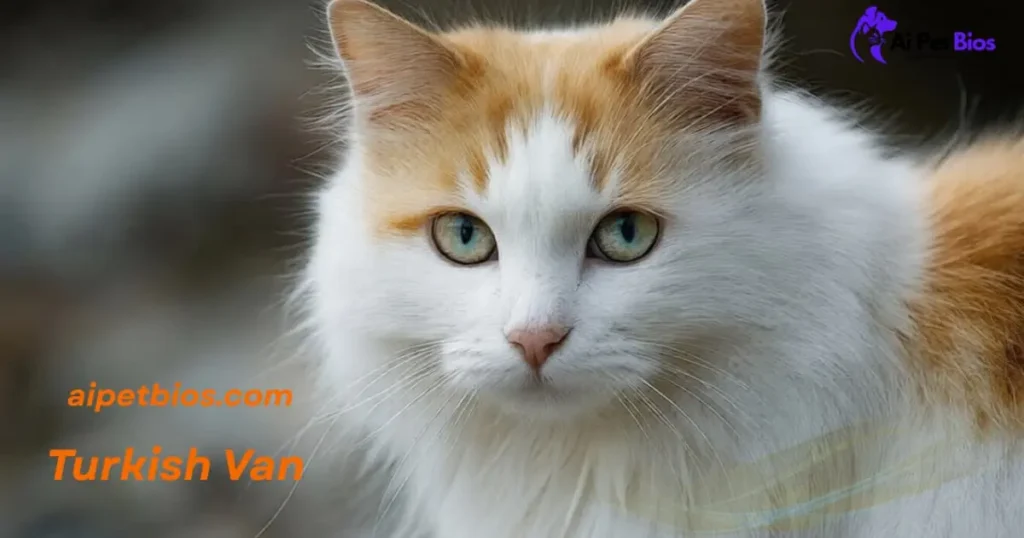
The Turkish Van cat is one of the oldest natural cat breeds, hailing from the rugged Lake Van region in eastern Turkey. Unlike many modern breeds that were created through selective breeding, the Van developed naturally over centuries, adapted to the harsh climate and mountainous terrain. Their semi‑long, water‑repellent coat and muscular build allowed them to survive cold winters and even thrive in water—a trait that earned them the nickname “swimming cats.”
European travelers first brought these cats to the West in the 1950s. British photographers Laura Lushington and Sonia Halliday were given two Van kittens while traveling in Turkey; they were so struck by the cats’ unusual love for swimming and their loyal, intelligent nature that they began breeding them upon returning to the UK. By 1969, the breed was recognized by the Governing Council of the Cat Fancy (GCCF) under the name “Turkish Van cat.”
Today, the Turkish Van remains relatively rare outside its homeland, cherished for its distinctive van pattern and engaging personality. The breed is also deeply connected to Turkish culture—the city of Van even features a statue of a Van cat and a dedicated breeding program to preserve the native population.
Core Characteristics & Physical Appearance
The Turkish Van is a medium‑to‑large cat with a robust, muscular frame. Males typically weigh 12–20 pounds, while females range from 8–14 pounds. Their bodies are long and powerful, with broad shoulders and strong legs built for jumping and climbing—and swimming.
Coat & Pattern
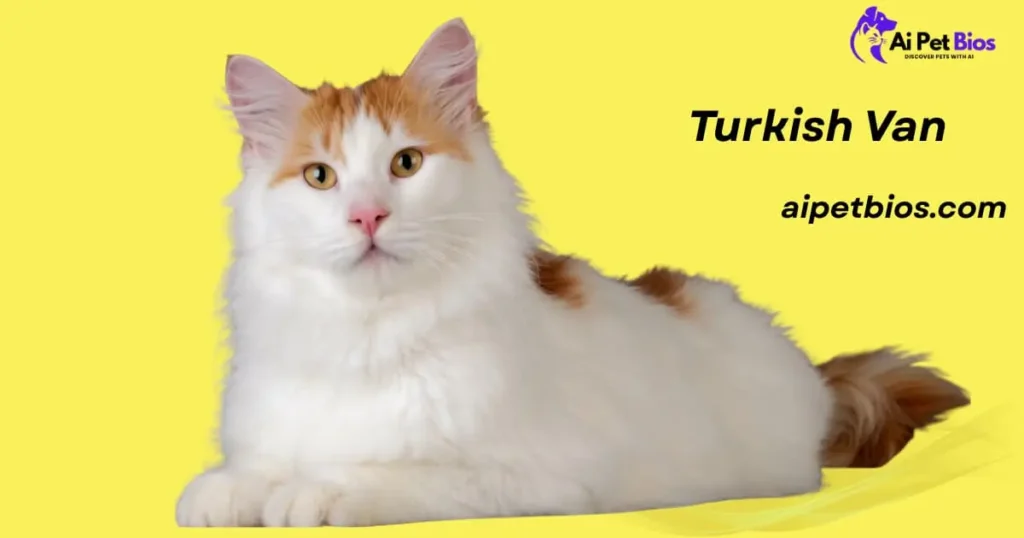
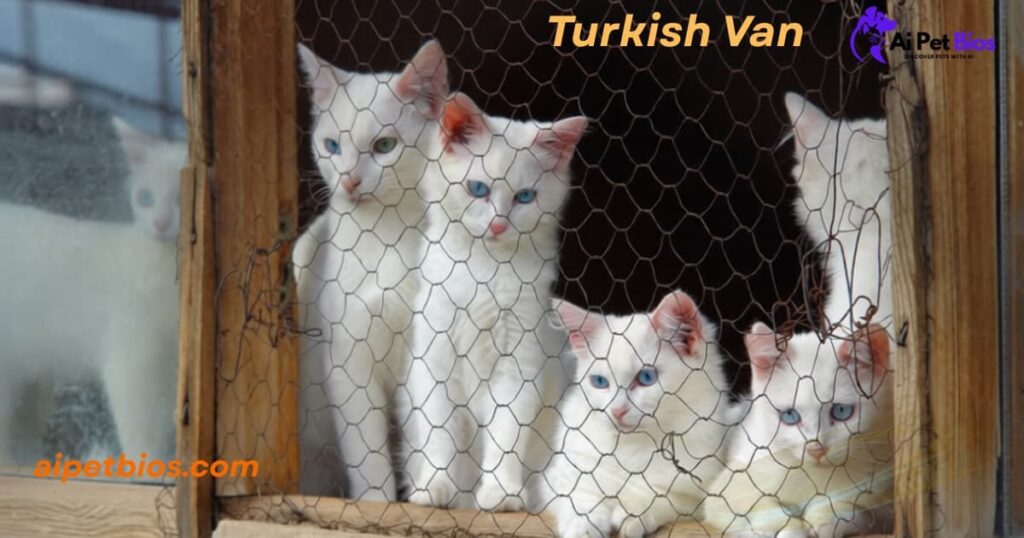
The most defining physical trait is the van pattern: color is limited to the head (often around the ears) and the tail, while the rest of the body is pure white. Accepted colors include red, cream, black, blue, and tortoiseshell. The Turkish Van coat is unique: it has no undercoat, making it water‑resistant and surprisingly easy to groom despite its semi‑long length. It dries quickly after a swim—a practical adaptation to their aquatic lifestyle.
Head & Eyes
The head is a broad wedge with a gently rounded contour. Ears are large, set high, and tufted. Eyes are striking: typically amber, blue, or odd‑eyed (one amber, one blue). The folklore surrounding the “Mark of Allah”—two distinct thumbprint‑shaped markings on the back of the head—adds to the breed’s mystique; in Turkish tradition, these marks are said to be a blessing from Allah for the cat’s loyalty.
Physical Variants
- Black and white Turkish Van: A classic combination where the head markings are black.
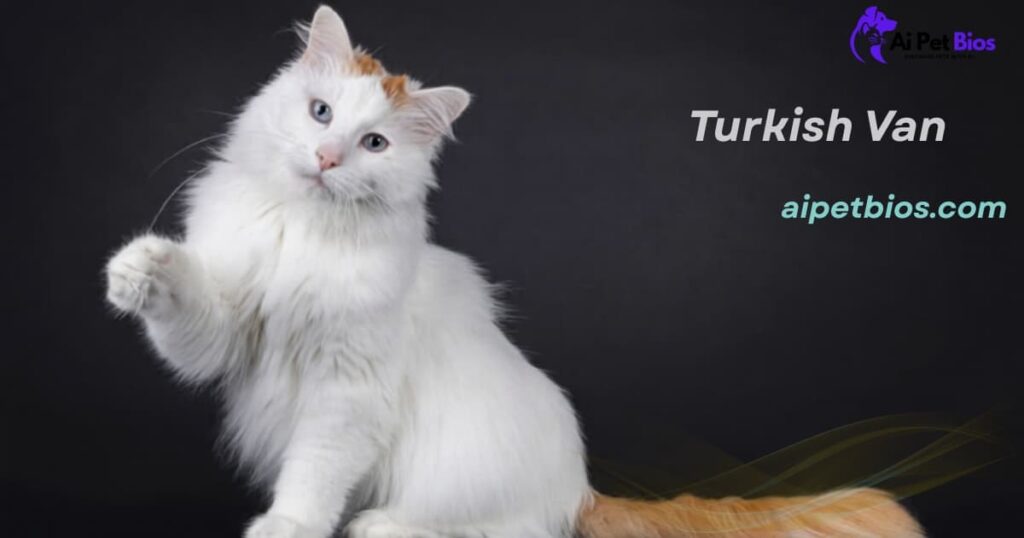
- All‑white Van (Vankedisi): In Turkey, pure white Van cats with no color markings are called “Vankedisi” (though they are not considered a separate breed). They may have blue, amber, or odd eyes; deafness can occur in all‑white cats with blue eyes, but responsible breeders screen for this.
Personality & Temperament
If you’re looking for a sedentary lap cat, the Turkish Van cat is not for you. These cats are active, intelligent, and possess what many owners describe as a “dog‑like” personality. They form strong bonds with their humans, often following them from room to room, greeting them at the door, and even learning to play fetch.
The Swimming Cat
The breed’s most famous trait is its love of water. Turkish Van cat swimming is not a myth—many will happily paddle in ponds, bathtubs, or even water bowls. Their water‑resistant coat and natural curiosity drive this behavior. Owners often report their Vans trying to join them in the shower or “fishing” in the toilet. If you have a pool or pond, you’ll need to supervise—they can be excellent swimmers but still require safety.
Are Turkish Van Cats Friendly?
Yes, but on their terms. They are affectionate and loyal to their family, yet they can be reserved with strangers. They are generally good with children who respect their energy levels and with other pets, especially if introduced early. However, they often prefer being the “king or queen” of the household and may not tolerate being ignored.
Do They Like to Cuddle?
Are they friendly, clingy, or do they like to cuddle? Turkish Vans are typically not “clingy” cats. They prefer being near you rather than on your lap. They show affection through head bumps, chirps, and following you around. Cuddles are usually brief and on their own terms.
Is a Turkish Van an Indoor Cat?
While they adapt well to indoor life, their high energy demands enrichment: cat trees, interactive toys, and puzzle feeders. Some owners provide secure outdoor enclosures (“catios”) or harness‑train their Vans for supervised exploration. They are not suited to be left alone for long hours.
Cost & Investment – Turkish Van Cat Price
The Turkish Van cat cost varies significantly based on location, lineage, and quality.
| Region | Pet Quality | Show/Breeding Quality |
| USA | $800 – $2,000 | $2,500 – $3,500+ |
| UK | £600 – £1,800 | £2,000 – £3,000+ |
Factors influencing price:
- Breeder reputation: Ethical breeders perform health screenings (HCM, hip dysplasia, deafness testing in whites) and socialize kittens.
- Rarity: The breed is considered rare; waiting lists are common.
- Physical traits: Odd‑eyed, high‑contrast patterns, or Vankedisi may command higher prices.
Turkish Van kittens for sale should always come with health guarantees, registration papers (TICA, CFA, or GCCF), and a contract. In the USA, Turkish Van cat breeders USA can be found via breed club directories; in the UK, the Turkish Van Cat Club and GCCF list reputable breeders.
Adoption alternative: Occasionally, Turkish Vans appear in rescue organizations. Search for Turkish Van cats for adoption UK or USA via breed‑specific rescues. Adoption fees typically range $150–$400.
Care & Maintenance
Grooming
Despite their semi‑long coat, Turkish Van Cats are low‑maintenance. Because they lack an undercoat, they rarely mat. Weekly brushing removes loose hair and distributes oils. During seasonal shedding, a metal comb can help. Nail trimming, ear cleaning, and dental care should be part of the routine.
Diet & Exercise
These athletic cats require high‑quality protein (wet or raw diets are popular among breeders). Provide at least 20–30 minutes of active play daily—more if they don’t have outdoor access. Puzzle toys, feather wands, and even supervised water play satisfy their physical and mental needs.
Their intelligence makes them highly trainable. Many Turkish Vans learn to walk on a harness, respond to clicker training, and even master complex puzzle toys. Investing in interactive feeders and regular training sessions not only satisfies their mental needs but also strengthens the bond between you and your swimming companion.
Health Considerations
The breed is generally healthy, but responsible breeders screen for:
- Hypertrophic cardiomyopathy (HCM): annual echocardiograms.
- Deafness: in all‑white Vankedisi with blue eyes; BAER testing is recommended.
- Hip dysplasia: uncommon but can occur.
Routine veterinary care, vaccinations, and parasite prevention are essential.
Common Concerns & Misconceptions
Are Turkish Van Cats Deaf?
There’s a persistent myth that Turkish Vans are prone to deafness. While all‑white cats with blue eyes have a higher genetic predisposition to congenital deafness, the Turkish Van is not inherently deaf. The all‑white Vankedisi may carry this risk, but ethical breeders test hearing. Colored‑pattern Vans have no elevated deafness risk.
How Rare Is a Turkish Van?
How rare is a Turkish Van? They are considered a rare breed globally. The Cat Fanciers’ Association (CFA) ranks them among the least registered purebreds. Outside Turkey, finding a reputable breeder often requires patience and travel.
How Do I Know if My Cat Is a Turkish Van or a Mix?
How can I tell if my cat is a Turkish Van or a Mix? The van pattern (color only on head and tail) appears in random‑bred cats, but purebred Turkish Vans have additional traits: a water‑resistant coat, athletic build, and specific head shape. A DNA test or pedigree verification from a breeder is the only certain way.
Comparison: Turkish Van vs. Turkish Angora
One of the most common comparisons is Turkish Van vs. Turkish Angora. Both originate from Turkey, but they are distinct breeds.
| Feature | Turkish Van | Turkish Angora |
| Size | Larger, muscular (10–20 lbs) | Smaller, delicate (5–10 lbs) |
| Coat | Semi‑long, water‑resistant, no undercoat | Fine, silky, full undercoat |
| Pattern | Van pattern (color only on head/tail) | Any color; often pure white |
| Water affinity | High (“swimming cat”) | Low to moderate |
| Personality | Active, dog‑like, independent | Affectionate, playful, more “lap‑oriented” |
| Recognition | TICA, CFA, GCCF | TICA, CFA, GCCF |
If you’re researching Turkish Van vs. Turkish Angora, consider your lifestyle: Vans need more space and activity; Angoras are slightly more adaptable to small apartments.
Turkish Van vs. Domestic Shorthair / Tabby
A domestic shorthair with a van pattern may resemble a purebred Van but lacks the breed’s specific conformation, coat texture, and water‑love. For those wondering how do I know if my cat is a Turkish Van, a visual match isn’t enough—pedigree or DNA testing is required.
Pros & Cons Table
| Pros | Cons |
| Striking, unique appearance | High energy; needs daily exercise |
| Loyal, dog‑like personality | Can be reserved with strangers |
| Intelligent and trainable | Not a “lap cat”; independent |
| Water‑resistant coat, minimal matting | Rare; long waiting lists for kittens |
| Generally healthy | May be destructive if bored or left alone |
| Fascinating swimming trait | Requires enrichment; not for sedentary owners |
Is This Right for You?
The Turkish Van cat is ideal for experienced owners or active families who:
- Have space for vertical climbing and play.
- Can dedicate daily interactive playtime.
- Appreciate an independent, intelligent companion rather than a constant lap cat.
- Are willing to invest time in enrichment (puzzle toys, harness training, even supervised water play).
It is not suitable for:
- First‑time cat owners who prefer low‑maintenance pets.
- Those away from home 10+ hours daily.
- People seeking a quiet, sedentary cat.
If you’re ready to welcome an adventurous, loyal, and conversation‑starting feline, the Turkish Van can be a wonderful match.
Frequently Asked Questions [Turkish Van cat]
Are Turkish Van cats rare?
Yes, they are considered a rare breed outside their native Turkey. In the USA and UK, only a few hundred purebred kittens are registered annually. This rarity contributes to higher prices and waiting lists.
Do Turkish Van cats really like to swim?
Absolutely. Turkish Van cat swimming is a hallmark trait. Their water‑resistant coat and natural curiosity drive them to play in water, join showers, or even swim in pools. Always supervise water access for safety.
Are Turkish Van cats deaf?
No, not typically. Deafness can occur in all‑white Vankedisi with blue eyes, but responsible breeders test hearing. Colored‑pattern Vans have no increased deafness risk.
Do they make good pets for families?
Yes, for active families. They bond closely with all members, are playful, and can coexist with cat‑friendly dogs. They do best with children who understand respectful handling.
How can I tell if my cat is a Turkish Van or a Mix?
Look for the van pattern (color only on head and tail), water‑resistant coat, and athletic build. However, only pedigree documentation or DNA testing can confirm purebred status.
Conclusion
The Turkish Van cat is a breed unlike any other—a living piece of Turkish heritage wrapped in a water‑loving, fiercely loyal package. Whether you’re drawn by their unique swimming ability, their striking van pattern, or their dog‑like devotion, they offer a rewarding experience for the right owner.
If you’re considering adding one to your family, start by connecting with reputable Turkish Van cat breeders USA or UK through breed clubs. Prepare your home with enrichment, and be ready for an active, intelligent companion who will keep you entertained for years.
Disclaimer
This article is for informational purposes only and does not constitute veterinary or professional advice. Always consult a licensed veterinarian for medical concerns and verify breeder credentials through recognized registries. Prices and availability vary by location and time.
Courtesy: Cats Learning Center
[instant_emoji_reactions]

Want Popular On Google? | Lust Quality Backlinks That Force-fed
I’m an SEO Expert, Guest Posting Specialist, and Web Developer helping websites increase rankings, traffic, and authority using clean, white-hat strategies 🚀
I focus on high-authority guest posts, safe backlinks, SEO-optimized content, and technically sound websites—so your site doesn’t just rank, it stays ranked.
What I help you with:
✅ SEO (On-page, Off-page & Technical)
✅ Guest Posts on Real, Relevant Sites
✅ High-Quality Link Building
✅ Keyword Research & Content Strategy
✅ SEO-Friendly Website Development
📈 No spam. No shortcuts. Only results.
👉 Need backlinks that actually work?
📩 Let’s connect: https://wa.me/+923006932631
1 thought on “Turkish Van Cat: 9 Surprising Truths About the Controversial Swimming Breed”
Comments are closed.