
Introduction
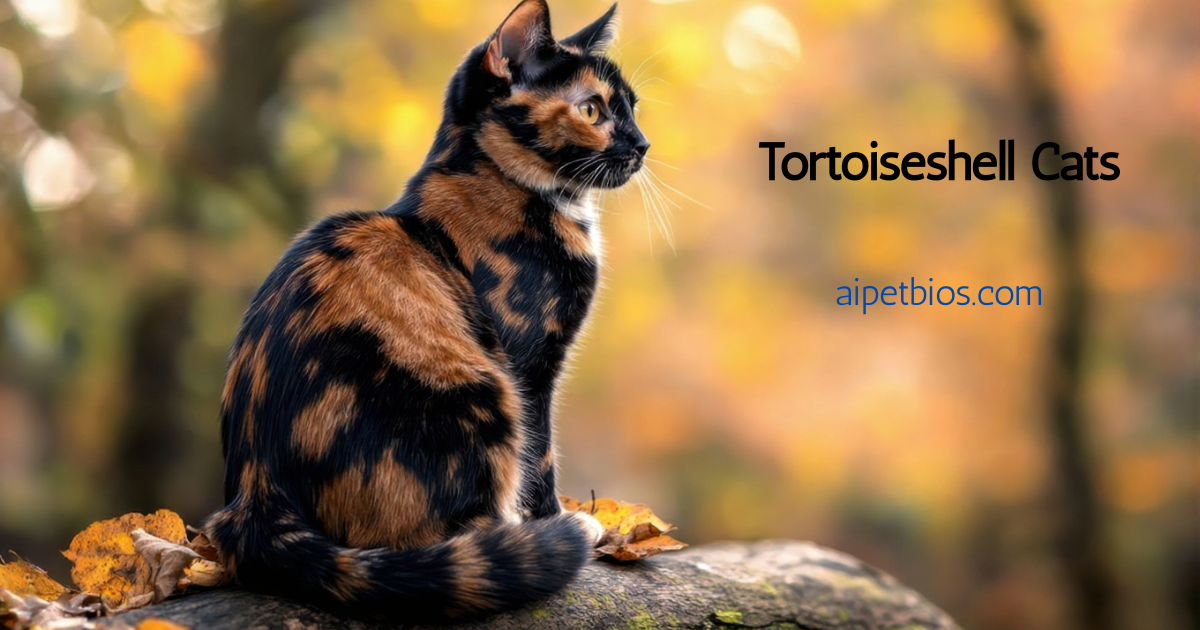
The tortoiseshell cat stands as one of the most distinctive and beloved feline companions in the world. These striking cats captivate cat enthusiasts with their mesmerizing patchwork coats featuring warm orange, deep brown, and cool black hues. The term “tortoiseshell cat” refers not to a specific breed but rather a unique coat pattern that appears across multiple cat breeds, making them truly special in the feline kingdom.
What makes tortoiseshell cats particularly fascinating is their almost mythical reputation. Often called “money cats” in Japanese culture, these felines are believed to bring good fortune and prosperity to their owners. Beyond cultural significance, the genetics behind their coloring reveal an incredible biological story.
Most tortoiseshell cats are female due to the complex X-chromosome genetics required for this distinctive appearance. The rare male tortoiseshell cat possesses an extra chromosome, typically associated with Klinefelter syndrome, making them extraordinary examples of feline genetics.
Quick Facts Table
| Characteristic | Details |
| Coat Pattern | Tortoiseshell, Calico, Dilute Tortoiseshell, Brindled |
| Primary Color Combination | Orange, black, cream, red, brown |
| Gender Distribution | 99.9% female; males rare (Klinefelter syndrome) |
| Lifespan | 12–18 years with proper care |
| Personality Trait | “Tortitude” – spirited, feisty, independent |
| Cultural Significance | Money Cat (Japanese tradition) |
| Compatible Breeds | Maine Coon, British Shorthair, Persian, Bengal |
| Shedding Level | Moderate to high |
| Grooming Needs | 2–3 times weekly brushing recommended |
Origin and History of Tortoiseshell Cats
The tortoiseshell cat possesses a fascinating historical narrative intertwined with genetics, culture, and feline evolution. Unlike some cat breeds with documented breeding programs, the tortoiseshell cat pattern has appeared naturally across cat populations for centuries.
The coloring emerges through X-linked genetic traits that create the distinctive multi-colored coat. Historical records suggest that tortoiseshell cats appeared in Egypt, the Mediterranean region, and eventually became celebrated across Asia. Japanese folklore particularly embraced the tortoiseshell cat, developing the “maneki-neko” or beckoning cat tradition. These iconic figurines, often featuring tortoiseshell coloring, became symbols of good luck and prosperity—particularly in business establishments.
The rarity of male tortoiseshell cats stems from fundamental genetics. Females possess two X chromosomes (XX), allowing them to express both orange and non-orange color genes simultaneously. Males typically carry one X chromosome (XY), producing only one color. The rare male tortoiseshell cat requires Klinefelter syndrome (XXY chromosomes), making such males extraordinarily uncommon and often sterile.
During the Victorian era, tortoiseshell cats gained prominence in European culture as prized companions. Breeders recognized the beauty of these naturally occurring patterns and began intentionally breeding cats to enhance tortoiseshell characteristics. This practice continued, establishing tortoiseshell patterns across numerous cat breeds we recognize today.
Physical Characteristics of Tortoiseshell Cats
Coat Patterns and Coloration
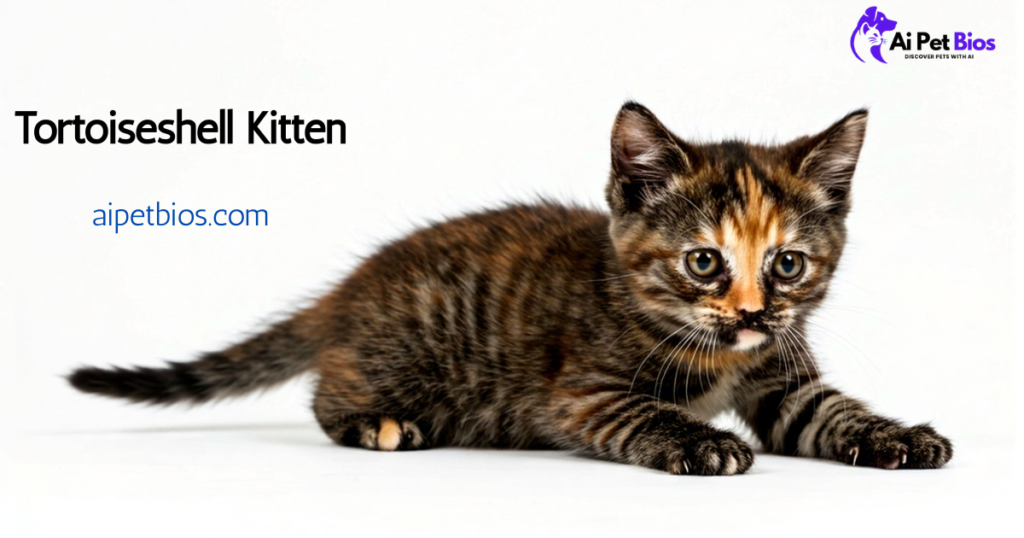
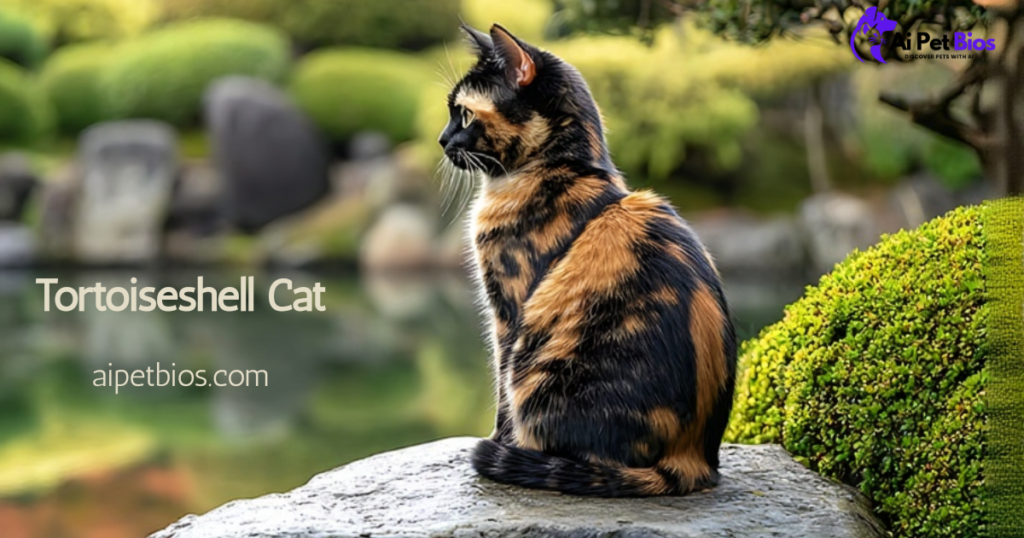
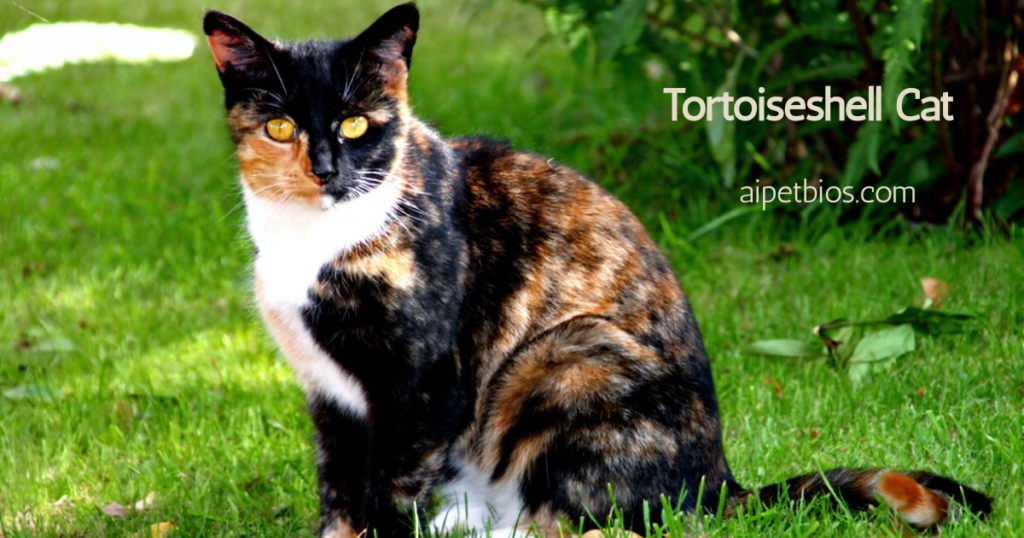
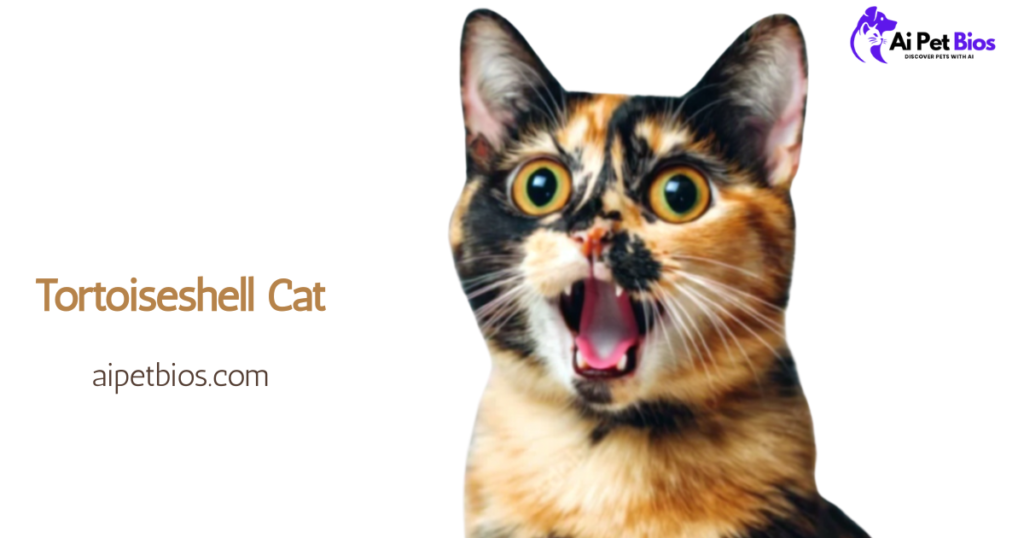
Tortoiseshell cats display remarkable visual diversity within their distinctive coat pattern family. The traditional tortoiseshell cat features clearly defined patches of red and black (or orange and brown), creating a striking mosaic effect. These patches typically measure from nickel to quarter-sized areas across the body, though size variation occurs naturally.
Dilute Tortoiseshell represents a lighter variation where genetics produces cream and gray coloring instead of bold orange and black. This softer palette creates an equally stunning appearance that appeals to many cat lovers. Dilute tortoiseshell cats often possess a more muted, sophisticated aesthetic compared to their darker counterparts.
Mosaic vs. Brindled Patterns further distinguish tortoiseshell variations. Mosaic patterns feature well-defined color blocks arranged distinctly across the coat. Brindled patterns show more interspersed colors, creating a more blended appearance. Some tortoiseshell cats display patchy combinations that don’t fit neatly into either category, contributing to their unique individualism.
Body Structure
Tortoiseshell cats demonstrate diverse physical builds depending on their breed heritage. A tortoiseshell cat might inherit the muscular frame of a Bengal, the stocky build of a British Shorthair, or the long, elegant body of a Maine Coon. Body size, ear shape, face structure, and tail characteristics depend entirely on the underlying breed genetics.
Despite breed variations, most tortoiseshell cats display medium to large proportions. Their eyes often appear round and expressive, ranging from amber and copper to green and gold hues. Whiskers remain prominent, and their paws typically show the characteristic cushioned pads found across all domestic cats.
Understanding “Tortitude”: Personality and Temperament
The Legend of Tortitude
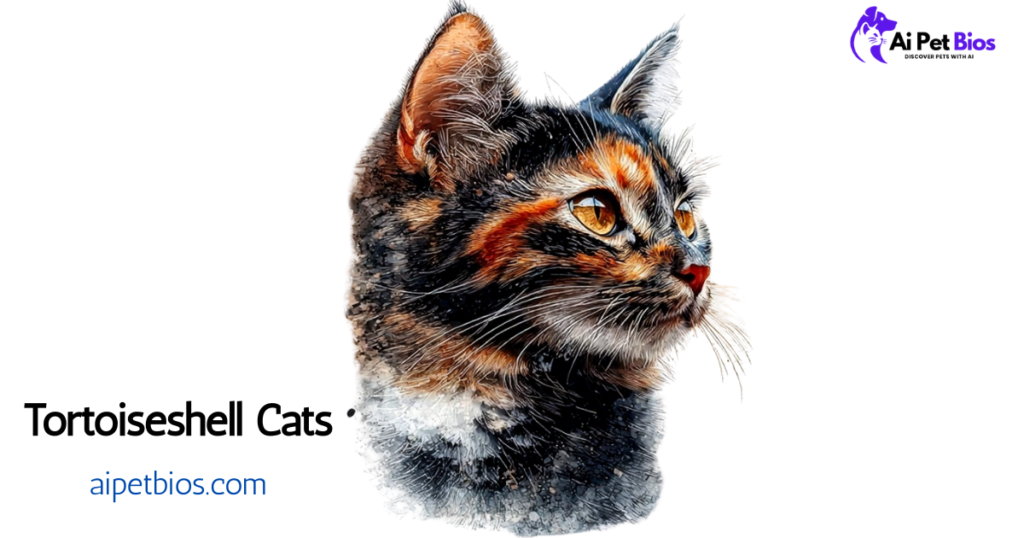
The tortoiseshell cat personality has earned a reputation so distinctive it earned its own name: “tortitude.” This term describes the spirited, feisty, and occasionally cantankerous temperament commonly observed in tortoiseshell and calico cats. Cat behaviorists and veterinarians have noted behavioral patterns in tortoiseshell cats that suggest genetic influences on personality.
Personality Traits
Tortoiseshell cats typically exhibit strong-willed personalities. They often display independence coupled with surprising affection toward their chosen humans. Unlike some cat breeds that offer unconditional friendliness, a tortoiseshell cat reserves love selectively, bonding deeply with specific individuals while maintaining cool distance from others.
These cats demonstrate high energy levels and demand mental stimulation. A tortoiseshell cat loves interactive play, puzzle toys, and environmental enrichment. They require consistent engagement to prevent boredom-related behavioral issues.
Territorial instincts run strong in tortoiseshell cats. They establish clear boundaries within their home environment and defend their preferred spaces fiercely. When meeting new pets or people, tortoiseshell cats approach introductions cautiously rather than enthusiastically.
Vocalization and Communication
Tortoiseshell cats express themselves through frequent vocalization. They chirp, meow, and trill to communicate needs and emotions. This chattiness makes them engaging companions for owners who appreciate feline conversation.
Diet and Feeding Guide for Tortoiseshell Cats
Nutritional Requirements
A tortoiseshell cat requires the same balanced nutrition as any domestic feline. Cats are obligate carnivores, meaning their bodies demand meat-based proteins for optimal health. High-quality commercial cat food formulated for adult cats provides necessary amino acids, including the critical taurine.
Feeding Schedules
Most adult tortoiseshell cats thrive on two meals daily. Portion sizes depend on individual metabolism, activity level, and body weight. A typical adult cat requires 200–300 calories daily, though this varies significantly based on size and lifestyle.
Consult your veterinarian to establish appropriate portion sizes for your specific tortoiseshell cat. Overweight cats face increased risks for diabetes, joint problems, and heart disease.
Special Dietary Considerations
Some tortoiseshell cats may inherit breed-specific dietary sensitivities. If your tortoiseshell cat experiences digestive upset, allergic reactions, or skin issues, discuss food adjustments with your veterinary team. Limited ingredient diets sometimes resolve these concerns.
Always ensure fresh, clean water remains available. Some cats prefer running water from fountains, which encourages adequate hydration throughout the day.
Grooming and Maintenance for Tortoiseshell Cats
Coat Care Requirements
Tortoiseshell cats with longer hair require regular grooming to prevent matting and tangling. Brush your tortoiseshell cat 2–3 times weekly using a slicker brush or metal comb. This routine removes loose hair, distributes natural oils, and allows you to inspect skin for abnormalities.
Short-haired tortoiseshell cats benefit from weekly brushing to reduce shedding and maintain coat health. Regular grooming sessions provide bonding opportunities and allow early detection of skin conditions.
Nail Trimming
Trim your tortoiseshell cat’s nails every 2–3 weeks using appropriate cat nail clippers. Long nails can cause discomfort and lead to improper claw retraction. Provide scratching posts to help your tortoiseshell cat maintain natural nail health between trimming sessions.
Ear and Eye Care
Check your tortoiseshell cat’s ears weekly for excessive wax, debris, or redness. Clean ears gently with a damp cloth when needed. Regular eye inspections ensure clear, bright eyes free from discharge or irritation.
Dental Hygiene
Dental health significantly impacts overall feline wellness. Brush your tortoiseshell cat’s teeth several times weekly using cat-specific toothpaste. Annual professional dental cleanings help prevent serious oral disease.
Common Health Concerns in Tortoiseshell Cats
Klinefelter Syndrome in Male Tortoiseshell Cats
The rare male tortoiseshell cat typically exhibits Klinefelter syndrome, characterized by XXY chromosomes instead of the standard XY pattern. While Klinefelter syndrome in cats isn’t an illness, these males often experience sterility and may face reproductive complications if breeding is attempted.
Male tortoiseshell cats with Klinefelter syndrome generally live normal, healthy lives with proper care. They don’t require special medical treatment beyond standard veterinary wellness protocols.
Breed-Specific Health Concerns
Tortoiseshell cats inherit potential health conditions from their breed heritage. A tortoiseshell cat descended from Maine Coons might face hip dysplasia risks, while Persian-descended tortoiseshell cats could experience respiratory challenges. Research your tortoiseshell cat’s specific breed background to understand relevant health considerations.
Common Issues Across Tortoiseshell Cats
Obesity, diabetes, hyperthyroidism, and kidney disease affect tortoiseshell cats at similar rates to other domestic cat populations. Early detection through regular veterinary examinations significantly improves treatment outcomes.
Regular wellness checks, vaccinations, and preventive care represent the best approaches to maintaining long-term health in tortoiseshell cats.
Training and Care Tips for Tortoiseshell Cats
Establishing Routines
Tortoiseshell cats respond well to consistent daily routines. Establish regular feeding times, play sessions, and quiet periods. This predictability reduces stress and behavioral problems.
Litter Box Management
Provide multiple litter boxes—ideally one per cat plus one additional box. Place boxes in quiet, accessible locations away from food and water. Scoop daily and change litter regularly. A well-maintained litter box prevents inappropriate elimination behaviors in even the most stubborn tortoiseshell cat.
Environmental Enrichment
A tortoiseshell cat requires extensive environmental stimulation. Provide climbing structures, window perches for bird watching, puzzle feeders, and interactive toys. Rotate toys weekly to maintain novelty and engagement.
Positive Reinforcement Training
While cats don’t train like dogs, you can shape behaviors using positive reinforcement. Reward desired behaviors with treats, praise, and affection. Redirect unwanted behaviors without punishment—punitive approaches damage the bond with your tortoiseshell cat.
Socialization
Expose your tortoiseshell cat to various people, environments, and experiences during early life. Early socialization reduces fear and anxiety in unfamiliar situations, though remember that tortoiseshell cats remain naturally cautious creatures.
Pros and Cons of Tortoiseshell Cat Ownership
Advantages
✅ Unique Appearance: Tortoiseshell cats possess stunning, one-of-a-kind coat patterns that turn heads and spark conversations.
✅ Distinctive Personality: The tortitude personality offers engaging, spirited companionship that keeps life interesting.
✅ Cultural Significance: Owning a tortoiseshell cat connects you to centuries of tradition, particularly the money cat symbolism.
✅ Breed Variety: Tortoiseshell patterns appear across numerous breeds, allowing selection based on desired size, temperament, and coat length.
✅ Longevity: With proper care, tortoiseshell cats typically enjoy 12–18 year lifespans, providing long-term companionship.
Disadvantages
❌ Strong-Willed Nature: Tortoiseshell cats resist certain behaviors and demand respect for their boundaries, challenging some owners.
❌ Selective Affection: These cats bond deeply with specific people but remain aloof toward others, limiting their appeal as universal family pets.
❌ High Energy Requirements: Tortoiseshell cats demand significant daily mental and physical stimulation or develop behavioral issues.
❌ Grooming Commitment: Many tortoiseshell cats require regular brushing, representing a genuine time commitment.
❌ Genetic Health Concerns: Breed-specific health issues may require expensive veterinary care throughout the cat’s life.
Is a Tortoiseshell Cat Right for You?
Ideal Owner Profile
A tortoiseshell cat thrives with experienced cat owners who appreciate strong personalities. You should enjoy interactive play, environmental enrichment planning, and patient bonding. Respect for feline autonomy and boundaries defines successful tortoiseshell cat ownership.
Living Situation Considerations
Tortoiseshell cats adapt to various living situations but require adequate space for climbing, scratching, and hiding. Apartment living works fine with appropriate vertical space and enrichment. They tolerate both solo living and multi-cat households, though compatibility depends on individual personality.
Time and Financial Commitment
Budget for regular veterinary care, quality nutrition, grooming supplies, and environmental enrichment. Daily play sessions, grooming, and interaction represent necessary time investments. If your schedule doesn’t permit this commitment, consider whether a tortoiseshell cat fits your lifestyle.
Family Considerations
Tortoiseshell cats can live successfully with respectful families who understand feline body language. They require children who interact gently without forcing interaction. Supervise young children around tortoiseshell cats to ensure safe, positive relationships.
Frequently Asked Questions
Q1: Why Are Most Tortoiseshell Cats Female?
A: Tortoiseshell cat coloring requires expression of both orange and non-orange color genes simultaneously. Females possess two X chromosomes (XX), allowing this dual expression. Males typically carry one X chromosome (XY), producing only one color. The rare male tortoiseshell cat requires XXY chromosomes (Klinefelter syndrome), making males exceptionally uncommon.
Q2: What Does “Tortitude” Mean in Tortoiseshell Cats?
A: “Tortitude” describes the spirited, feisty personality commonly observed in tortoiseshell and calico cats. These cats display strong-willed independence, selective affection, and demanding temperaments. They require patient owners who respect their boundaries while appreciating their distinctive personalities.
Q3: Are Male Tortoiseshell Cats Sterile?
A: Most male tortoiseshell cats with Klinefelter syndrome experience sterility, though some retain limited fertility. Klinefelter syndrome in cats isn’t an illness but rather a chromosomal variation. These males typically live normal, healthy lives without special medical treatment.
Q4: What Tortoiseshell Cat Breeds Exist?
A: Tortoiseshell patterns appear across numerous breeds including Maine Coons, British Shorthairs, Persians, Bengals, and many others. The tortoiseshell pattern itself isn’t breed-specific but rather a coat color variation found in multiple breeds.
Q5: Why Are Tortoiseshell Cats Called “Money Cats”?
A: Japanese tradition associates tortoiseshell cats with the legendary “maneki-neko” or beckoning cat. These symbolic figurines, often depicting tortoiseshell coloring, represent good fortune and prosperity, particularly in business settings. The tradition has spread globally, making tortoiseshell cats culturally significant symbols of luck.
Conclusion and Internal Linking Opportunities
Tortoiseshell cats represent truly exceptional feline companions, combining striking visual appeal with distinctive, engaging personalities. Their unique genetics, rich cultural heritage, and spirited temperament make them beloved by cat enthusiasts worldwide. Whether drawn to the money cat tradition, fascinated by the rarity of male tortoiseshell cats, or simply captivated by their mesmerizing coat patterns, tortoiseshell cat ownership offers rewarding experiences.
Understanding the genetics behind tortoiseshell coloring, the meaning of tortitude, and the specific care requirements ensures successful companionship. With proper nutrition, regular grooming, environmental enrichment, and veterinary care, your tortoiseshell cat will thrive as a cherished family member.
Disclaimer This article provides informational content for educational purposes only and does not constitute veterinary medical advice. Consult qualified veterinarians for health concerns, medical diagnoses, treatment recommendations, or dietary guidance. Individual tortoiseshell cats display unique characteristics, and professional veterinary assessment ensures appropriate personalized care. Always prioritize your specific cat’s health and wellbeing through professional veterinary partnerships.

Want Popular On Google? | Lust Quality Backlinks That Force-fed
I’m an SEO Expert, Guest Posting Specialist, and Web Developer helping websites increase rankings, traffic, and authority using clean, white-hat strategies 🚀
I focus on high-authority guest posts, safe backlinks, SEO-optimized content, and technically sound websites—so your site doesn’t just rank, it stays ranked.
What I help you with:
✅ SEO (On-page, Off-page & Technical)
✅ Guest Posts on Real, Relevant Sites
✅ High-Quality Link Building
✅ Keyword Research & Content Strategy
✅ SEO-Friendly Website Development
📈 No spam. No shortcuts. Only results.
👉 Need backlinks that actually work?
📩 Let’s connect: https://wa.me/+923006932631
“Is tarah ke articles se pet owners ko bohot faida hota hai.”