
Introduction
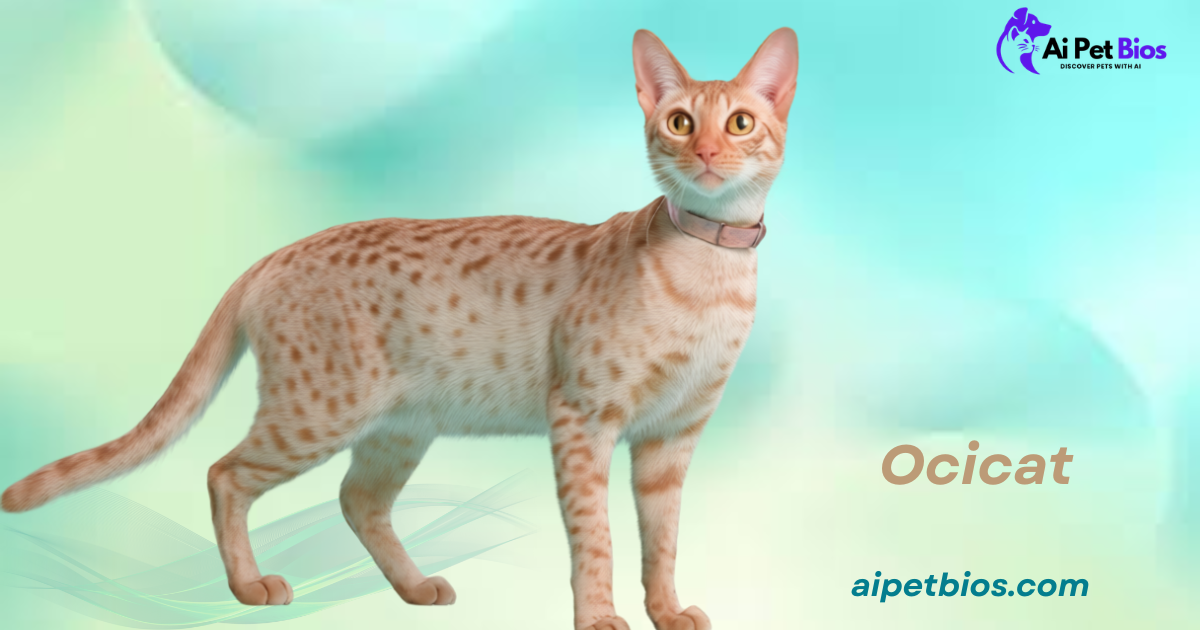
The Ocicat Cat is one of the most striking domestic cat breeds. At first glance, these athletic, spotted felines appear to belong in the African savanna rather than living rooms. Yet despite their wild appearance, they’re fully domesticated companions combining exotic aesthetics with genuine devotion.
Imagine coming home to a cat that greets you like a dog, plays fetch, and follows you room-to-room with genuine interest. That’s the Ocicat experience—a bridge between wild appearance and domestic companionship.
If you’ve encountered one of the Ocicat Cats / spotted cats and wondered if it’s actually a hybrid (it’s not), or if you’re considering adoption, this guide covers everything you need to know.
Quick Facts about Ocicat Cats
| Characteristic | Details |
| Official Breed Name | Ocicat |
| Origin | United States (1964) |
| Breed Creator | Virginia Daly |
| Weight Range | 6–15 lbs |
| Height | 9–11 inches |
| Body Type | Athletic, muscular, spotted |
| Temperament | Dog-like, affectionate, intelligent |
| Energy Level | Very high |
| Lifespan | 10–15 years |
| Good with Children | Excellent (when socialized) |
| Good with Dogs | Excellent |
| Grooming Needs | Low to moderate |
| Recognized by | CFA, TICA, GCCF |
14 Essential Facts About Ocicat Cats
- Pronunciation: “OH-see-cat”—named after the ocelot wildcat, though genetically they’re 100% domestic.
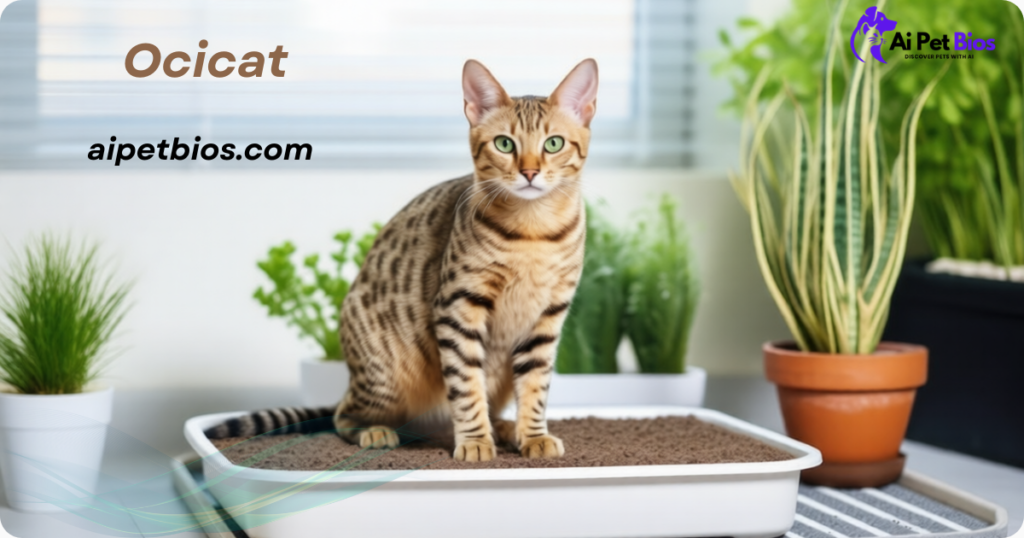
- Zero Wild DNA: Despite their appearance, Ocicat Cats contain no wild cat genetics. The exotic look comes from selective breeding for aesthetic traits only.
- Accidental Creation: Virginia Daly accidentally created the breed in 1964 by crossing Siamese, Abyssinian, and American Shorthair cats.
- Size: 6–15 pounds depending on sex and genetics, making them medium to large compared to average cats.
- Lifespan: 10–15 years with proper care, some living into their late teens.
- Colors: Tawny (classic), Chocolate, Cinnamon, Blue, Silver, and rare combinations recognized by CFA and TICA.
- Dog-Like Personality: Famous for following owners, greeting visitors, playing fetch, and forming intense bonds surpassing typical cat independence.
- Intelligence: Rank among the most intelligent cat breeds—can learn commands, walk on leashes, and respond to clicker training.
- Dog Compatibility: Often match dogs in energy level and engage them as playmates, making them remarkable in multi-pet households.
- Child Compatibility: Excellent family cats with patience and gentleness during respectful, supervised interaction.
- Breeder Registration: CFA and TICA registered breeders provide breed standard compliance and health guarantees.
- USA Pricing: Pet-quality: $800–$1,500; Show-quality: $1,500–$2,500+; Breeding-rights: $2,000–$3,500+.
- Minimal Grooming: Weekly brushing maintains coat health despite spotted pattern—lower maintenance than many breeds.
- Not Hypoallergenic:Ocicat Cats produce standard allergens and shed moderately; they’re not hypoallergenic.
The Origin Story: How the Ocicat Cat Was Discovered
In 1964, Michigan breeder Virginia Daly set out to create a domestic spotted cat. What she actually discovered was something far more striking. When breeding an Abyssinian-Siamese hybrid back to an American Shorthair, she got exactly what she hoped for—but with unexpected presence.
That accidental kitten, named “Ocicat,” displayed distinctive spotted markings and wild appeal. More importantly, it had the temperament of a devoted housepet, not a wild animal.
As feline genetics expert Dr. Desmond Morris notes in his research on selective breeding, “The ability to achieve dramatic aesthetic changes while maintaining domestic behavior represents the pinnacle of responsible breeding practices—the Ocicat cat exemplifies this principle perfectly.” (Source: CFA Breed Standards Documentation)
By 1966, the breed gained CFA recognition. Today, it stands as a fully legitimate domestic breed recognized by major associations worldwide—proving you don’t need wild genetics to achieve wild appearance.
Physical Characteristics Of Ocicat Cat
Size and Athletic Build
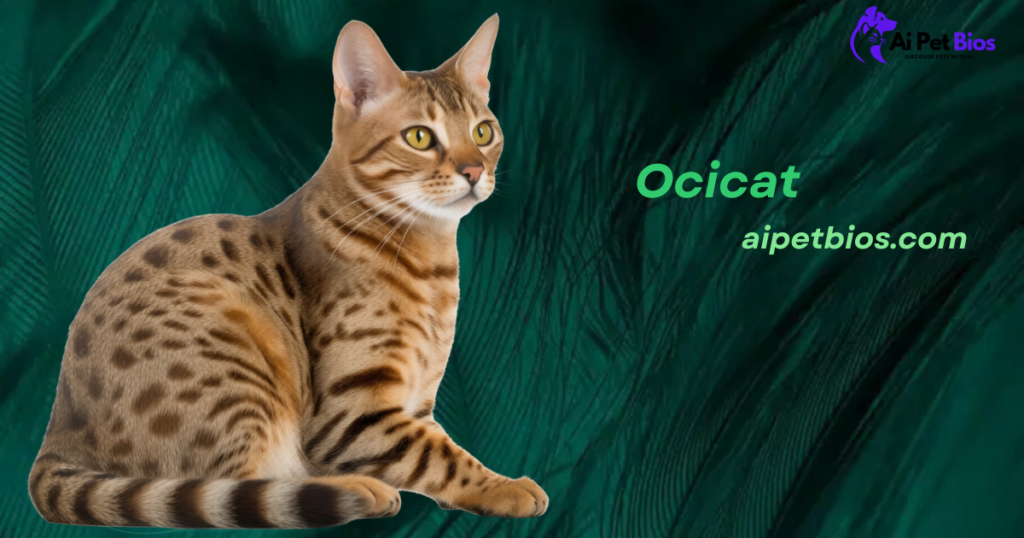
Ocicat Cats are immediately recognizable by their athletic, muscular frame. Standing 9–11 inches at the shoulder and weighing 6–15 pounds, they’re taller and more substantial than average cats. This isn’t fat—it’s pure lean muscle reflecting their high activity levels.
The Distinctive Spotted Coat
The hallmark feature is the spotted coat pattern. Accepted colors include:
- Tawny – Golden-tan with darker spots (classic, most common)
- Chocolate – Rich brown base with chocolate spots
- Cinnamon – Light brown with cinnamon spots
- Blue – Silvery-gray with blue-gray spots
- Silver – Bright silver with jet-black spots (increasingly popular among breeders)
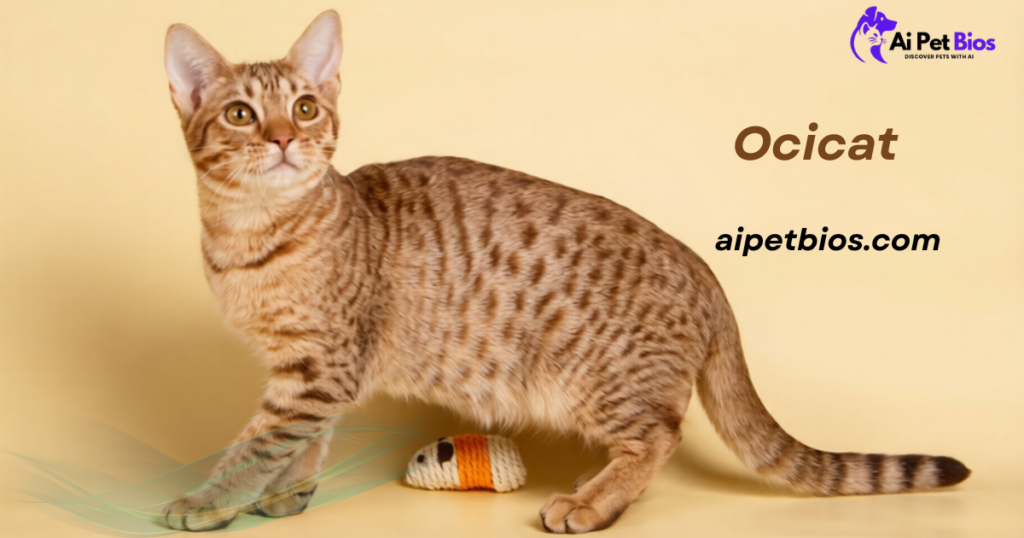
Spots should be clearly defined and uniformly distributed, creating a distinctive leopard-like appearance that makes Ocicat Cats instantly recognizable.
Color Variations and Rarity:
The Tawny variety remains the most common and affordable, representing the original breed standard. Silver and Blue variations have gained popularity in recent years, commanding slightly higher prices from specialty breeders.
The Chocolate and Cinnamon varieties are rarer, developed through selective breeding programs focused on expanding color genetics. Each color variant maintains the same muscular build, temperament, and distinctive spotted pattern—the difference is purely aesthetic.
Professional breeders carefully select breeding pairs to maintain both color vibrancy and coat health. The sheen and intensity of spots vary based on individual genetics and diet quality. Well-fed cats display more vibrant spot definition compared to those with nutritional imbalances.
Facial Features
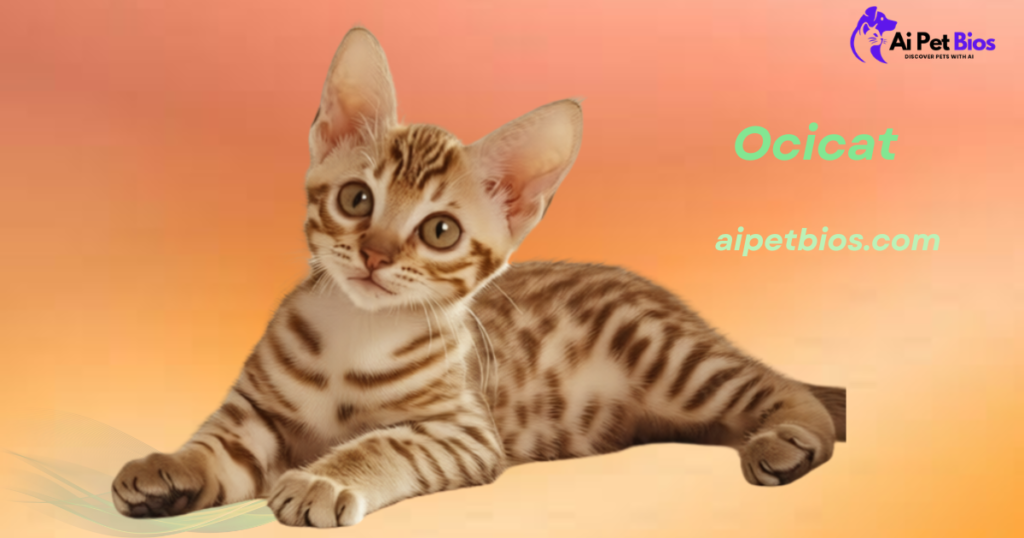
Ocicat Cat possess slightly almond-shaped, alert eyes and moderately large ears set to the sides. The face is somewhat longer than round with pronounced cheekbones—features creating that unmistakable wild resemblance.
Personality and Temperament Of Ocicat Cat
The Dog-Like Loyalty Factor
Perhaps the most surprising aspect of owning one of Ocicat Cats is their personality. These are not aloof, independent felines. Instead, they rival dogs in devotion—following owners room-to-room, greeting you at doors with excitement, and actively seeking interaction.
Many owners report their cats come when called, play fetch, and become genuinely distressed when left alone for extended periods. This is not typical cat behavior. It’s one of the defining characteristics that set this breed apart.
Compatibility with Dogs and Children
They integrate remarkably well with other pets. Their high energy and social orientation make them excellent playmates for dogs. With children, their patience and playfulness align perfectly with respectful interaction.
Intelligence and Training
Ocicat Cat ranks among the most intelligent breeds. They solve problems quickly, respond to training consistently, and can learn to walk on leashes, come when called, and respond to clicker training.
This intelligence requires mental stimulation. Boredom triggers destructive behaviors, so engagement matters significantly.
Training Techniques That Work:
Clicker Training: Ocicat Cats respond exceptionally well to clicker training, where a clicking sound marks the exact moment they perform desired behavior, followed by immediate treats. This method builds positive associations quickly and is far more effective than punishment-based approaches.
Leash Walking: Unlike most cats,Ocicat Cat breeds take naturally to harness and leash training when introduced gradually. Start with indoor harness wearing, progress to patio exploration, then outdoor walks. This provides essential exercise and environmental enrichment.
Interactive Play Sessions: Structured play with wand toys, laser pointers, and fetch games should occur at least twice daily. These sessions aren’t optional enrichment—they’re essential for preventing behavioral problems. Many owners report their cats will actively solicit play by bringing toys to their owners.
Puzzle Feeding: Use puzzle feeders and hide treats around the home to engage their hunting instincts naturally. This transforms mealtime from passive consumption into active problem-solving, keeping their intelligent minds engaged.
Fetch Training: Start by tossing small toys short distances. Reward every retrieval with treats and praise. Most will eventually bring toys back for repeated play sessions, rivaling dogs in enthusiasm.
Voice Commands: Ocicat Cats often learn their names and common commands (sit, come, down) through consistent positive reinforcement. They vocalize back when addressed, creating genuine two-way communication unusual for cats.
Cost and Pricing Guide about Ocicat Cat
How Much Does One Cost?
Prices vary significantly based on breeder reputation and quality:
- Pet-quality: $800–$1,500
- Show-quality: $1,500–$2,500+
- Breeding-rights: $2,000–$3,500+
Factors affecting price: breeder reputation, health testing, coat color (rare colors command premiums), pedigree, and location.
Finding Reputable Breeders:
Look for CFA or TICA registration verification, health screening documentation, references, and written contracts with guarantees. Red flags include unwillingness to provide health records, multiple simultaneous litters, extremely low prices, or no contract terms.
Annual Costs Beyond Purchase:
- Food: $300–$500
- Veterinary care: $400–$700
- Litter/supplies: $150–$250
- Toys/enrichment: $200–$400
- Pet insurance (optional): $100–$250
Total annual estimate: $1,150–$2,100
Care Requirements
Grooming
Despite their spotted coat, grooming is minimal:
- Weekly brushing (reduces shedding, maintains shine)
- Nail trimming every 2–3 weeks
- Weekly ear cleaning (larger ears accumulate more debris)
- Dental care 3–4 times weekly (prevents gingivitis)
Grooming Best Practices:
Use a slicker brush for weekly maintenance to remove loose hair and maintain coat luster. Ocicat Cat’ short coats shed moderately but don’t mat like long-haired breeds. Weekly sessions prevent hair accumulation on furniture and clothing.
Nail trimming should be done in a calm environment with positive reinforcement. Many respond well to treats during and after trimming. Establish a routine—they’ll eventually anticipate nail care as normal maintenance.
Ear cleaning is particularly important given their larger ear size. Use a veterinarian-approved ear cleaning solution and cotton balls, never cotton swabs (which can damage the ear canal). Check ears weekly for redness, discharge, or odor indicating potential infection.
Dental care prevents gingivitis, which is common across cat breeds. Enzymatic toothpaste designed for cats makes brushing more palatable. Start with gentle tooth-touching, progress to actual brushing. Most cats tolerate brief dental care when introduced gradually.
Shedding Management:
Seasonal shedding increases during spring and fall as they prepare for temperature changes. Increase brushing frequency during these periods to 2–3 times weekly. Lint rollers and furniture covers help manage hair around the home.
Nutrition
Feed high-quality, protein-rich cat food (minimum 30% protein). Their high metabolism requires more calories than sedentary cats. Portion control matters despite their size—obesity can develop from overfeeding.
Optimal Feeding Practices:
Ocicat Cats thrive on high-protein diets mimicking their natural carnivorous preferences. Look for foods with named meat sources (chicken, turkey, fish) as the primary ingredients, not fillers.
Wet food provides hydration benefits and higher protein density compared to dry kibble. Many breeders recommend a mixed diet of wet food with high-quality dry kibble. Wet food should be refrigerated after opening and served at room temperature for optimal palatability.
Portion sizes depend on individual metabolism and activity level. An active adult typically requires 25–35 calories per pound of body weight daily. A 10-pound cat needs 250–350 calories daily, roughly 1/2 to 2/3 cup of quality cat food divided into two meals.
Nutritional Considerations:
Taurine is essential—cats cannot synthesize this amino acid. Quality commercial cat foods include adequate taurine, but verify labels. Deficiency causes serious cardiac issues.
Avoid foods with excessive grains and carbohydrates. Cats are obligate carnivores with minimal carbohydrate requirements. Grain-heavy foods contribute to obesity and digestive issues.
Some cats develop food sensitivities. If digestive issues arise, consider elimination diets under veterinary guidance to identify problem ingredients.
Exercise and Mental Stimulation
This is critical for breed happiness:
- Interactive play: 30–45 minutes daily minimum (split into multiple sessions)
- Climbing structures and high perches (essential for vertical exploration)
- Puzzle toys and feeders (engage problem-solving instincts)
- Regular engagement prevents destructive behavior (scratching, chewing, aggression)
- Window perches for bird-watching entertainment
- Rotation of toys prevents boredom from familiarity
Health Considerations Of Ocicat Cat
Are They Hypoallergenic?
No. This is a common misconception. They produce Fel d 1 (the primary cat allergen) at standard levels and shed moderately. They’re not suitable for allergy sufferers.
Health Screening
Responsible breeders screen for:
- Hypertrophic Cardiomyopathy (HCM) – Inherited heart condition (Source: TICA Health Guidelines)
- Pyruvate kinase deficiency – Genetic blood disorder
- Patellar luxation – Occasional knee issues
Health screening and transparent breeder practices minimize these risks significantly.
Comparison with Similar Breeds
vs. Bengal
| Feature | Ocicat | Bengal |
| Wild Ancestry | None (purely domestic) | Contains Asian Leopard Cat genes |
| Size | 6–15 lbs | 8–17 lbs |
| Coat | Spots | Rosettes or marbled |
| Price | $800–$2,500 | $1,500–$4,000+ |
| Legal Status | Fully legal everywhere | Restricted in some states |
Key difference: Bengals contain wild cat DNA; Ocicat Cats do not.
vs. Savannah
Savannahs are actual hybrids containing Serval DNA, making them larger ($1,500–$5,000+) and subject to legal restrictions in many states. Ocicat cats are fully domestic and universally legal.
Is One Right for You? Ocicat Cat
🟢 Best Suited For:
- Active families wanting interactive cats
- Households with time for daily engagement (30–45 min)
- Multi-pet homes (especially with dogs)
- People seeking striking-looking companions
- Those willing to invest $1,150–$2,100 annually
🔴 Less Ideal For:
- Busy professionals with limited home time
- People wanting independent, low-maintenance cats
- Quiet households unable to accommodate high energy
- Allergy sufferers
- Budget-conscious adopters
- Apartment dwellers without enrichment options
Quick Decision Checklist
Ask yourself honestly:
- ✅ Do you have 30–45 minutes daily for active play?
- ✅ Can you provide interactive toys and puzzle enrichment?
- ✅ Do you have the budget for $1,150–$2,100 annual care?
- ✅ Are you home reasonably often (they struggle alone)?
- ✅ Do you want a social, attention-seeking cat?
If you answered “yes” to all five, this breed could be transformative for your household. If you hesitated on any answer, consider whether your lifestyle truly matches their needs.
Frequently Asked Questions
How much does one cost in the USA?
Pet-quality cats cost $800–$1,500 from reputable breeders; show-quality range from $1,500–$2,500+. Prices vary by coat color, breeder reputation, and registration status. Always verify CFA or TICA registration and request health screening documentation before committing to purchase. Premium color varieties (Silver, rare combinations) command higher prices from specialty breeders.
Are they hypoallergenic?
No. They produce Fel d 1 (the primary cat allergen) at standard levels and shed moderately. Individual responses vary, but no cat breed is truly hypoallergenic. Allergy sufferers should spend time with the breed before adopting to assess personal reactions. Some people report fewer symptoms with short-haired cats, but this is individual variability, not breed-specific.
Are they good with dogs and children?
Excellent. They have dog-like temperaments and integrate seamlessly into multi-pet households. With children, they’re patient and playful when interaction is respectful and supervised. Their robust, muscular build tolerates play better than delicate breeds. Proper socialization from young ages ensures optimal compatibility.
What is their personality like?
Exceptionally dog-like—they follow owners, vocalize for attention, play fetch, and form intense bonds. They’re intelligent and require significant daily engagement. Unlike typical independent cats, they become genuinely distressed when left alone for extended periods. They’ll greet visitors enthusiastically and may follow guests throughout your home.
What is the lifespan?
10–15 years typically, with some living into their late teens. Lifespan depends on genetics, veterinary care, nutrition, and exercise quality. Regular health screening and preventative care extend longevity significantly. Some individuals with excellent care and favorable genetics have lived to 18 years.
Do they require special veterinary care?
Yes, finding a veterinarian familiar with active, high-energy breeds helps tremendously. They should receive annual HCM (heart) screening beginning in early adulthood. Genetic testing panels identify potential hereditary concerns. Spaying/neutering is recommended unless breeding. Some vets offer specialized care packages for active cat breeds monitoring their unique health considerations.
Can they go outside safely?
Ocicat Cats have high prey drives and strong hunting instincts, making unsupervised outdoor time risky. They may chase smaller animals, get into territorial conflicts, or become lost due to their focus on hunting. Supervised patio time with secure fencing or harness walking is safer. Many enjoy outdoor exploration on leashes when properly trained from young ages.
How do they do in apartments?
Surprisingly well if given adequate enrichment. Their size suits smaller spaces compared to larger cat breeds. However, the high energy and vocal nature (they communicate frequently) may disturb noise-sensitive neighbors. Provide vertical spaces (cat trees, wall shelves), puzzle enrichment, and consistent interaction to prevent destructive behaviors in apartment settings.
Breeder Selection Guide Of Ocicat Cat
Finding a reputable breeder is critical for ensuring healthy, well-socialized kittens.
Red Flags – Breeders to Avoid
❌ Unwillingness to provide health screening documentation – Responsible breeders conduct HCM screening and genetic testing.
❌ Multiple litters available simultaneously – Suggests overbreeding for profit rather than breed improvement.
❌ Extremely low prices – Prices significantly below market range suggest scams or poor breeding practices.
❌ Unwillingness to take cats back – Ethical breeders maintain lifelong responsibility for the cats they produce.
❌ No written contract – Contracts protect both parties and establish health guarantees.
❌ Pressure to purchase quickly – Legitimate breeders answer questions patiently.
Green Flags – Signs of Quality Breeders
✅ CFA or TICA registration verification – Demonstrates breed standard compliance and accountability.
✅ Health testing documentation – HCM screening results and genetic testing should be available before purchase.
✅ References from previous buyers – Demonstrates confidence in their practices.
✅ Detailed contract with health guarantees – Written agreements protect both parties.
✅ In-person facility visits allowed – Transparency builds trust.
✅ Thorough kitten selection process – Matched kittens with appropriate families.
✅ Post-adoption support – Remain available for questions throughout the cat’s life.
Essential Questions for Breeders
- “May I see health screening results for the parents?” – Request HCM and genetic testing documentation.
- “What health guarantee do you offer?” – Most reputable breeders offer 1–2 year coverage for genetic diseases.
- “Can I visit your breeding facility?” – Quality breeders welcome visits.
- “May I speak with previous buyers?” – References provide firsthand accounts.
- “What are your breeding ethics and goals?” – Listen for focus on health and breed improvement.
- “Do you require spaying/neutering for pet-quality kittens?” – Responsible breeders sterilize non-show kittens.
- “What happens if I can no longer care for this kitten?” – They should guarantee taking the cat back.
- “What do you feed your cats?” – Demonstrates care for long-term health.
Given potential HCM screening needs:
| Provider | Cost | Best For |
| Petplan | $30–$55/month | Breed-specific issues |
| Trupanion | $35–$60/month | Quick claim processing |
| Nationwide | $25–$50/month | Large vet network |
An unexpected diagnosis can cost $1,500–$3,000+, making insurance valuable for this breed.
Conclusion: Is This (Ocicat Cat) Breed Your Match?
Ocicat Cats strikes bridge the desire for exotic aesthetics with practical domestic ownership. They’re intelligent, affectionate companions—perfect for active families and multi-pet households.
Remember:
- They require genuine time investment (not low-maintenance)
- They thrive with engagement and enrichment
- Breeder selection matters significantly
- Regular health screening is essential
- They struggle when left alone regularly
For active households valuing interactive, devoted companions, they could be transformative. For those seeking independence or having limited availability, other breeds suit better.
Disclaimer
This article provides informational content about Ocicat cats. It is not intended as veterinary, medical, or breeding advice.
Always consult qualified veterinarians for health concerns and conduct thorough breeder research before committing. Prices and availability vary by location. Individual temperament and health vary regardless of breed.
Courtesy: Cats Wiz

Want Popular On Google? | Lust Quality Backlinks That Force-fed
I’m an SEO Expert, Guest Posting Specialist, and Web Developer helping websites increase rankings, traffic, and authority using clean, white-hat strategies 🚀
I focus on high-authority guest posts, safe backlinks, SEO-optimized content, and technically sound websites—so your site doesn’t just rank, it stays ranked.
What I help you with:
✅ SEO (On-page, Off-page & Technical)
✅ Guest Posts on Real, Relevant Sites
✅ High-Quality Link Building
✅ Keyword Research & Content Strategy
✅ SEO-Friendly Website Development
📈 No spam. No shortcuts. Only results.
👉 Need backlinks that actually work?
📩 Let’s connect: https://wa.me/+923006932631