
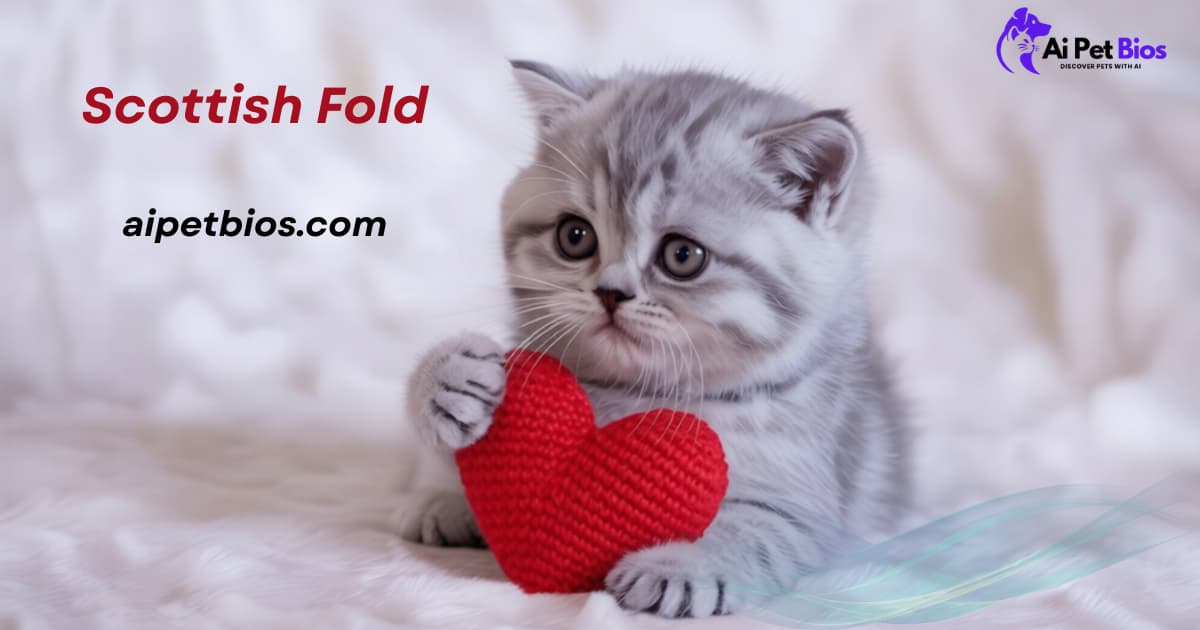
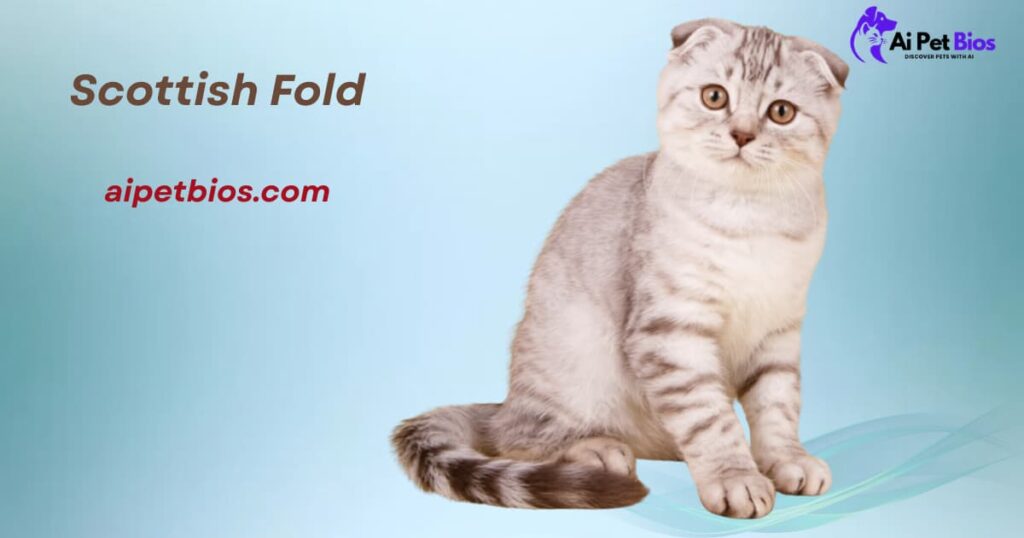
The Scottish Fold stands as one of the most visually distinctive cat breeds in the world, recognizable instantly by their signature folded ears that create an owl-like appearance. Originating from Scotland in the 1960s, the Scottish Fold cat has captivated cat enthusiasts globally with their endearing physical characteristics and gentle temperament.
However, prospective owners must understand that this breed comes with significant health considerations alongside their charming appearance.
This comprehensive guide provides honest, balanced information about the Scottish Fold kitten and adult cats, including both their wonderful qualities and the serious health concerns potential owners must consider.
Whether you’re researching these cats for adoption, exploring Scottish Fold cats for adoption, or simply wanting to understand this distinctive breed better, you’ll find detailed, evidence-based information throughout this article.
Quick Facts About Scottish Fold Cats
| Characteristic | Details |
| Breed Origin | Scotland (1960s) |
| Size | Medium; 8–10 inches tall |
| Weight Range | Females 6–9 pounds; Males 9–13 pounds |
| Lifespan | 11–15 years (varies) |
| Distinctive Feature | Folded ears (forward-bending) |
| Coat Type | Short or long; variety of colors |
| Eye Shape | Round, large, expressive |
| Temperament | Gentle, adaptable, affectionate |
| Activity Level | Moderate; enjoys play and rest |
| Grooming Needs | Moderate for short coat; high for long coat |
| Family Suitability | Good with gentle families |
| Health Concerns | Significant ear and bone issues |
| Vocalization | Quiet; soft meows |
| Special Trait | Unique folded ear structure |
13 Essential Facts About Scottish Fold Cats
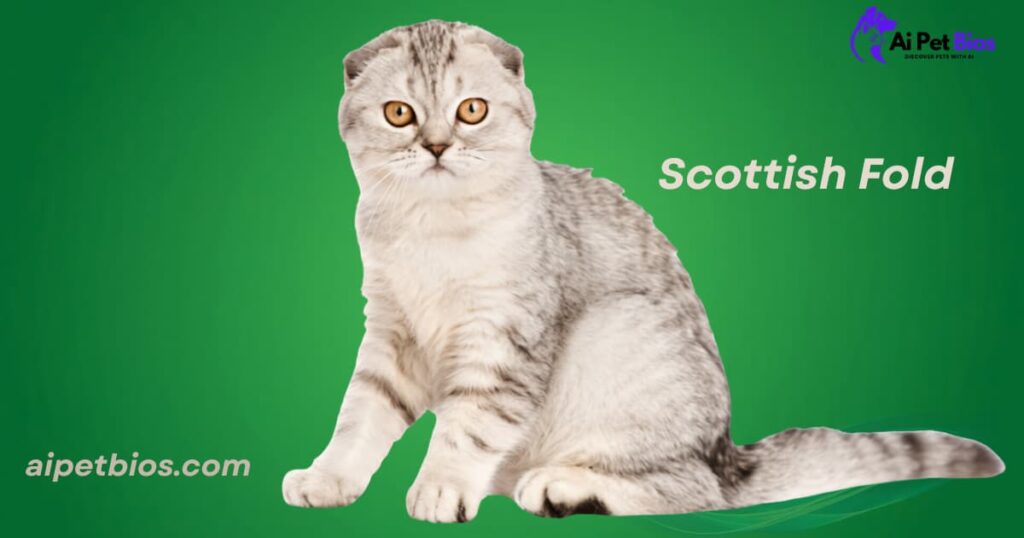
- Signature Folded Ears – Their forward-bending ears create their distinctive appearance, but this genetic trait carries serious health implications requiring careful consideration
- Genetic Mutation Origin – The fold results from a natural genetic mutation discovered in wild cats in Scotland, now intentionally bred into this recognized breed
- Temperament Balance – They combine gentleness with moderate playfulness, making them adaptable to various living situations and family structures
- Eye-Catching Expression – Their large, round eyes combined with folded ears create an endearing “owl-like” facial expression that contributes to their popularity
- Moderate Energy Level – Unlike hyperactive breeds, Scottish Folds enjoy interactive play but equally appreciate quiet rest periods
- Coat Variety – Both short-haired and long-haired varieties exist within the breed, offering aesthetic options for different preferences
- Color Diversity – They come in virtually all colors and patterns, including Scottish Fold orange, white, black, tabby, and calico varieties
- Quiet Nature – They’re generally quiet cats, communicating through soft meows and body language rather than excessive vocalization
- Adaptable Personalities – They adjust well to different environments, from apartments to houses, with various family dynamics
- Sociable Disposition – They generally enjoy human companionship and handle reasonable amounts of attention comfortably
- Longevity Potential – With careful health management, many live 11–15 years, though health issues may impact lifespan
- Mixed Breeding Possibilities – Breeders create crosses like Scottish Fold munchkin (short legs), Scottish Fold ragdoll mix, and other Scottish Fold cross varieties
- Controversial Status – Many veterinary organizations express ethical concerns about breeding these cats due to genetic health issues, with some regions considering or implementing restrictions
Origin and History: Understanding the Scottish Fold
The Scottish Fold cat breed began with a single cat named Susie discovered on a Scottish farm in 1961. This ordinary tabby possessed an extraordinary characteristic—ears that folded forward rather than standing upright. When Susie reproduced, her offspring inherited this distinctive trait, sparking interest among Scottish cat breeders.
The breed’s official development began in the 1960s when breeders recognized the breeding potential of this genetic mutation. Through selective breeding, they established the Scottish Fold as a recognized breed, although development occurred gradually due to early skepticism and health concerns.
Early breeding involved crossing Scottish Folds with British Shorthairs and other breeds to broaden the genetic pool and improve health outcomes. This practice continues today, with many breeders still outcrossing to non-fold cats to reduce health problems associated with the fold gene.
The breed gained international recognition gradually, with the Feline Fancy establishing breed standards by the 1970s. Today, major cat associations recognize Scottish Folds, though some express reservations about the breed due to documented health concerns.
Core Characteristics and Physical Features
The Distinctive Folded Ears
The most defining characteristic is the fold itself—ears bent forward and downward, creating the distinctive appearance. This unusual structure results from a cartilage abnormality (osteochondrodysplasia) that affects ear cartilage and, importantly, other skeletal structures throughout the body.
The fold varies in intensity—some cats show tight, complete folds while others display looser folds. Cats without the fold gene, called “straights,” may appear within litters and are equally healthy (often healthier).
Coat Characteristics
Scottish Fold cats come in both short-haired and long-haired varieties. Short-coated individuals have dense, plush fur requiring weekly grooming. Long-haired varieties need more frequent brushing (several times weekly) to prevent matting.
Colors and patterns span the full spectrum—Scottish Fold orange, white, blue, black, red, cream, and virtually every combination appears within the breed.
Size and Build
These medium-sized cats typically weigh 6–9 pounds for females and 9–13 pounds for males. They possess rounded, sturdy builds with proportionate legs and bodies. Their physical structure influences their movement—they’re somewhat less agile than other breeds due to skeletal variations.
Other Physical Traits
Beyond their ears, Scottish Folds feature large, round eyes (often described as owl-like) in various colors. Their round head shape, combined with full cheeks, contributes to their appealing expression. Their tails are medium-length and flexible, often carried upright.
Personality and Temperament: Understanding Scottish Folds
Gentle and Adaptable Nature
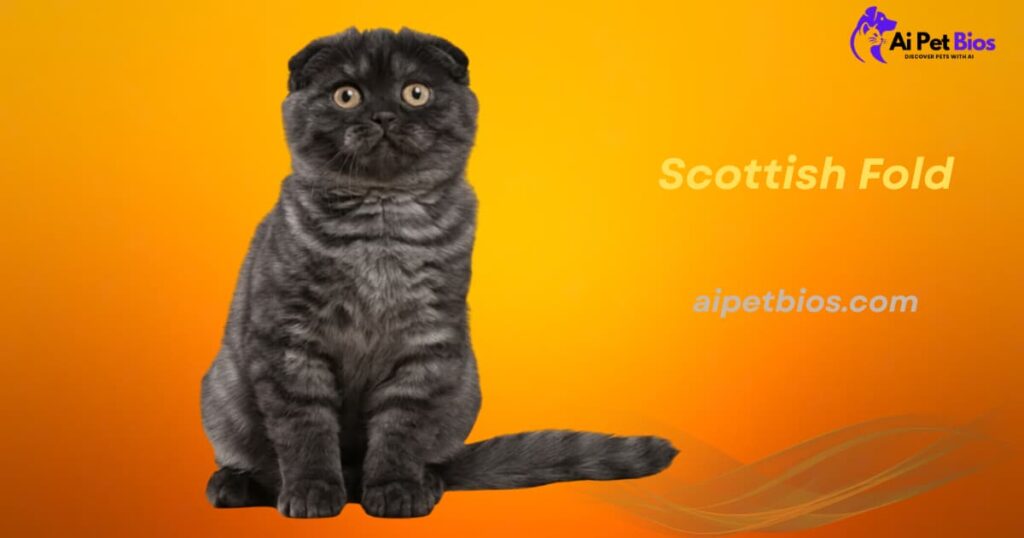
The Scottish Fold cat personality emphasizes gentleness and adaptability. They’re generally calm cats, comfortable in stable home environments and tolerating reasonable human interaction without excessive neediness. They adapt well to various living situations—apartments, houses, families, or individuals.
Moderate Social Needs
These cats enjoy human companionship without demanding constant attention. They often follow their owners around, settle nearby during work or relaxation, and participate in household activities without being intrusive. They’re neither overly aloof nor excessively demanding.
Intelligence and Curiosity
Scottish Folds demonstrate good intelligence, quickly understanding household patterns and routines. They respond well to positive reinforcement training and often learn their names, understand commands, and participate in interactive play with genuine enthusiasm.
Quiet Communication
They’re remarkably quiet cats, preferring soft meows and body language to extensive vocalization. This makes them suitable for apartment living and households where noise minimization matters.
Compatibility with Families
Are Scottish Fold cats good family pets? With appropriate family dynamics, yes—they tolerate gentle handling and respectful interaction. However, they require calm environments and may experience stress in chaotic households. Young children require supervision to ensure gentle, respectful interaction.
Health Considerations: Critical Information
The Central Health Concern: Osteochondrodysplasia
The fold gene that creates their signature ears doesn’t affect only ear cartilage—it causes a systemic skeletal disorder called osteochondrodysplasia. This affects cartilage and bone development throughout the body, potentially causing progressive degenerative issues.
Scottish Fold cat health issues Include:
1. Degenerative Joint Disease (Arthritis):
- Develops progressively throughout their lives
- Causes pain, reduced mobility, and decreased quality of life
- Often becomes visible in middle age but begins developing earlier
- Severity varies dramatically between individuals
2. Ear Infections:
- The folded ear structure traps moisture and debris
- Creates ideal environments for bacterial and yeast infections
- Requires regular ear cleaning and monitoring
- Some cats experience chronic, recurring infections
3. Ear Mites:
- The ear structure makes infestation more common
- Causes persistent itching and potential hearing damage
- Requires vigilant monitoring and treatment
4. Hearing Problems:
- Some cats develop hearing loss
- Usually age-related but can develop earlier in heavily folded-ear individuals
5. Spinal Issues:
- Vertebral malformations can occur
- May cause pain, mobility issues, or neurological problems
Breeding Considerations
Responsible breeders address health concerns by:
- Breeding only cats with mild ear folds (not tight folds)
- Outcrossing regularly to non-fold cats
- Conducting genetic testing when available
- Being transparent about health risks
- Screening breeding animals for arthritis and spinal issues
Many veterinary organizations, including the International Society of Feline Medicine, express concerns about the ethics of breeding Scottish Folds. Some regions are considering or have implemented regulations restricting breeding practices.
Scottish Fold lifespan
With proper care and management, many Scottish Folds live 11–15 years. However, health issues may impact quality of life and lifespan, particularly in cats with tight ear folds or those inheriting more severe skeletal variations.
Care and Maintenance: Practical Guidelines
Grooming Requirements
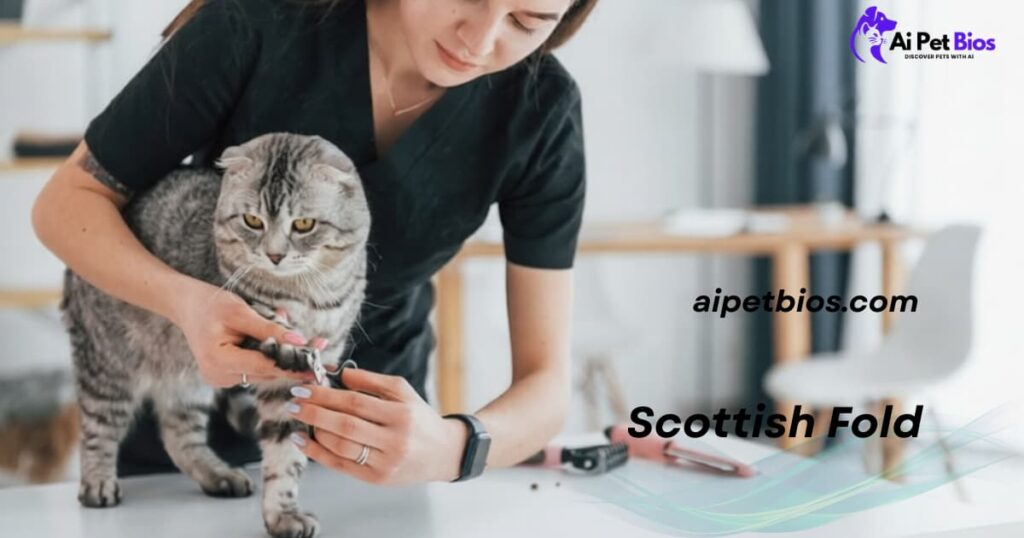
Short-haired Scottish Fold cats need weekly brushing with a soft brush to maintain coat health and reduce shedding. Long-haired varieties require brushing several times weekly to prevent matting and tangles.
Ear care is critical—clean ears weekly with veterinary-approved solutions to prevent infections. Monitor ears constantly for signs of infection (redness, discharge, odor).
Nutrition and Feeding
High-quality cat food supporting joint health is particularly important. Foods containing glucosamine and omega-3 fatty acids may help support joint health. Portion control prevents obesity, which exacerbates joint problems.
Exercise and Environmental Enrichment
Moderate play and exercise support overall health. However, avoid excessive jumping or strenuous activity that stresses joints. Provide lower perches and comfortable resting areas rather than tall climbing structures.
Veterinary Care
Do Scottish Fold cats require a lot of care? Yes—they require attentive veterinary oversight. Regular checkups focusing on joint health, ear conditions, and spinal issues are essential. X-rays may help monitor developing arthritis early.
Pain management and joint supplements become increasingly important as they age. Work with veterinarians experienced with breed-specific health issues.
Cost and Investment: Scottish Fold Pricing
Initial Purchase Price
Scottish Fold cat price ranges widely based on breeder reputation, health testing, and kitten quality. Scottish Fold cat average price typically falls between $800–$2,000 from reputable breeders. Some breeders charge $2,000–$4,000+ for show-quality cats or those with exceptional pedigrees.
Scottish Fold cat price USA varies by region, with major metropolitan areas and competitive markets commanding higher prices. Scottish Fold price reflects breeder investment in health testing, genetic screening, and ethical breeding practices.
Buying Considerations
Scottish Fold cat for sale options should come from reputable breeders conducting health testing and transparency about potential genetic issues. Responsible breeders:
- Provide health guarantees
- Conduct genetic testing
- Outcross regularly to non-fold cats
- Are transparent about health risks
- Offer ongoing support
Avoid purchasing from breeders promoting extremely tight folds, claiming health issues don’t exist, or refusing to discuss genetic concerns.
Adoption Options
Scottish Fold kittens for sale from breeders offers no advantage over Scottish Fold cats for adoption through rescue organizations. Many Scottish Folds end up in rescue due to health issues or owners unprepared for care requirements.
Scottish Fold cats for adoption through rescues offer the advantage of helping animals in need while potentially reducing costs (typically $50–$300). Rescue cats often have known personality traits and health backgrounds.
Scottish Fold cats near me can be found through:
- Local rescue organizations
- Breed-specific rescues
- Online adoption platforms
- Shelters
Ongoing Expenses
Beyond purchase, budget for:
- Food: $30–$60 monthly
- Veterinary care: $400–$800+ annually (more than average cats due to health concerns)
- Ear care: $20–$50 monthly
- Joint supplements: $20–$40 monthly
- Medications: Variable, potentially substantial
- Grooming: $50–$100 monthly (professional grooming if long-haired)
Total annual costs often reach $1,500–$2,500+ beyond initial purchase price.
Comparison Section: Scottish Fold vs. Similar Breeds
Scottish Fold vs. Russian Blue
| Feature | Scottish Fold | Russian Blue |
| Ears | Folded forward | Normal, upright |
| Health Concerns | Significant genetic issues | Generally robust |
| Coat | Short or long | Short, dense |
| Personality | Calm, adaptable | Quiet, reserved |
| Cost | $800–$2,000+ | $600–$1,200 |
| Lifespan | 11–15 years | 15–20 years |
Scottish Fold munchkin
This cross combines Scottish Fold ears with Munchkin short legs (another genetic modification). Scottish Fold munchkin cats face compounded health issues from both genes, raising significant ethical concerns. Many veterinarians discourage this cross.
Scottish Fold ragdoll mix
Scottish Fold ragdoll mix breeding attempts to combine gentle personalities with Ragdoll appearance. However, genetic health risks from the fold gene remain.
Scottish Fold cross
Various Scottish Fold cross combinations exist, attempting to mitigate health issues by introducing non-fold genetics. These crosses offer potentially improved health outcomes compared to pure-bred Scottish Folds.
Pros and Cons: Balanced Evaluation
Advantages
✓ Distinctive, appealing appearance
✓ Gentle, adaptable temperament
✓ Quiet nature suitable for apartments
✓ Moderate care requirements (basic grooming)
✓ Available in diverse colors and patterns
✓ Good with respectful families
✓ Moderate energy level
Disadvantages
✗ Significant, progressive health issues
✗ Expensive veterinary care requirements
✗ Ear infections requiring regular attention
✗ Developing arthritis common in middle age
✗ Shorter lifespan than many breeds
✗ High ethical concerns from veterinary organizations
✗ Breeding practices increasingly controversial
✗ Rescue cats often have unmanaged health issues
✗ Higher costs than similar breeds
✗ Some regions restricting or banning breeding
“Is This Right for You?” Decision Framework
Scottish Folds Suit You If:
✓ You accept and can manage chronic health issues
✓ You budget substantially for veterinary care
✓ You can provide pain management and quality of life support
✓ You appreciate their distinctive appearance
✓ You want a calm, moderate-activity companion
✓ You commit to regular ear care and monitoring
✓ You support ethical breeding practices
✓ You prefer rescue adoption when possible
Seriously Reconsider If:
✗ You expect a healthy, low-maintenance cat
✗ You have budget constraints limiting veterinary care
✗ You’re uncomfortable with genetic health issues
✗ You’re unwilling to support ethical breeding standards
✗ You want a long-lived companion (compared to healthier breeds)
✗ You cannot commit to intensive health management
✗ You want a cat without significant ethical concerns
Frequently Asked Questions: Scottish Fold Cats
Why are Scottish Fold cats banned?
Why are Scottish Fold cats banned in some regions? Several jurisdictions restrict or ban Scottish Fold breeding due to documented health concerns and ethical issues. Countries like Australia and Switzerland have restrictions.
Where are Scottish Fold cats banned varies—some places regulate breeding while others restrict importation. The primary concern is osteochondrodysplasia and resulting animal suffering.
How much does a Scottish Fold cat cost in the USA?
How much does a Scottish Fold cat cost in the USA? Typically $800–$2,000 from reputable breeders, with premium cats reaching $3,000–$4,000. Rescue adoption costs $50–$300.
Why are Scottish Fold cats banned in some places?
Why are Scottish Fold cats banned in some places? Veterinary organizations and animal welfare advocates express concerns about the breed’s genetic health issues. The fold gene causes systemic skeletal problems leading to chronic pain and reduced quality of life. Some regions view breeding these cats as unethical, justifying restrictions.
What health problems do Scottish Fold cats have?
What health problems do Scottish Fold cats have? Primary concerns include osteochondrodysplasia (affecting joints, spine, cartilage throughout the body), degenerative joint disease/arthritis, ear infections, ear mites, hearing loss, and spinal malformations. Severity varies dramatically between individuals.
Are Scottish Fold cats good family pets?
Are Scottish Fold cats good family pets? They can be good companions for calm, experienced families prepared to manage health issues. However, they’re not ideal for families seeking a healthy, low-maintenance cat. Children require supervision ensuring gentle, respectful handling.
Do Scottish Fold cats require a lot of care?
Do Scottish Fold cats require a lot of care? Yes—beyond typical cat care, they require regular ear cleaning, constant health monitoring, veterinary oversight for arthritis management, pain medication potentially, and dietary support for joint health. This exceeds care requirements for typical cat breeds.
What is a Scottish Fold cat?
The Scottish Fold is a domestic cat breed distinguished by forward-folding ears resulting from a genetic mutation affecting cartilage throughout the body. While visually distinctive, this gene causes significant health concerns including degenerative joint disease and ear infections.
Conclusion: Making an Informed Decision
The Scottish Fold cat presents a genuine ethical dilemma in modern cat breeding. Their striking appearance and gentle temperament appeal to many potential owners, but the genetic health issues are undeniable and significant. Prospective owners must thoroughly understand what they’re committing to before acquiring one of these cats.
If you decide to acquire a Scottish Fold, prioritize adoption from rescue organizations over purchasing from breeders. This supports animal welfare by finding homes for cats already needing care, rather than encouraging continued breeding of genetically compromised cats.
If you purchase from breeders, ensure they prioritize health through genetic testing, ethical outcrossing practices, and transparency about potential issues. Avoid breeders promoting extremely tight folds or minimizing health concerns.
Consider healthier alternative breeds offering similar gentle temperaments without the genetic complications—Russian Blues, British Shorthairs, or ragdolls provide comparable companionship with fewer health concerns.
Explore breed-specific rescues: Scottish Fold rescue organizations exist in many regions, offering opportunities to provide homes for cats needing support.
Disclaimer
This article provides informational content about Scottish Fold cats, including documented health concerns. It is not intended as veterinary advice. Scottish Fold cats are prone to significant genetic health issues, including progressive degenerative joint disease.
Prospective owners should thoroughly research these health concerns, consult with veterinarians experienced with the breed, and carefully consider whether they can provide appropriate medical care and quality of life support. Many veterinary organizations express concerns about the ethics of breeding Scottish Fold cats. This article reflects current scientific understanding of the breed’s health status based on veterinary research and breed club information.
Courtesy: Animal Verse

Want Popular On Google? | Lust Quality Backlinks That Force-fed
I’m an SEO Expert, Guest Posting Specialist, and Web Developer helping websites increase rankings, traffic, and authority using clean, white-hat strategies 🚀
I focus on high-authority guest posts, safe backlinks, SEO-optimized content, and technically sound websites—so your site doesn’t just rank, it stays ranked.
What I help you with:
✅ SEO (On-page, Off-page & Technical)
✅ Guest Posts on Real, Relevant Sites
✅ High-Quality Link Building
✅ Keyword Research & Content Strategy
✅ SEO-Friendly Website Development
📈 No spam. No shortcuts. Only results.
👉 Need backlinks that actually work?
📩 Let’s connect: https://wa.me/+923006932631
1 thought on “Scottish Fold Cat: 13 Essential Facts About This Distinctive Breed”
Comments are closed.