
Introduction
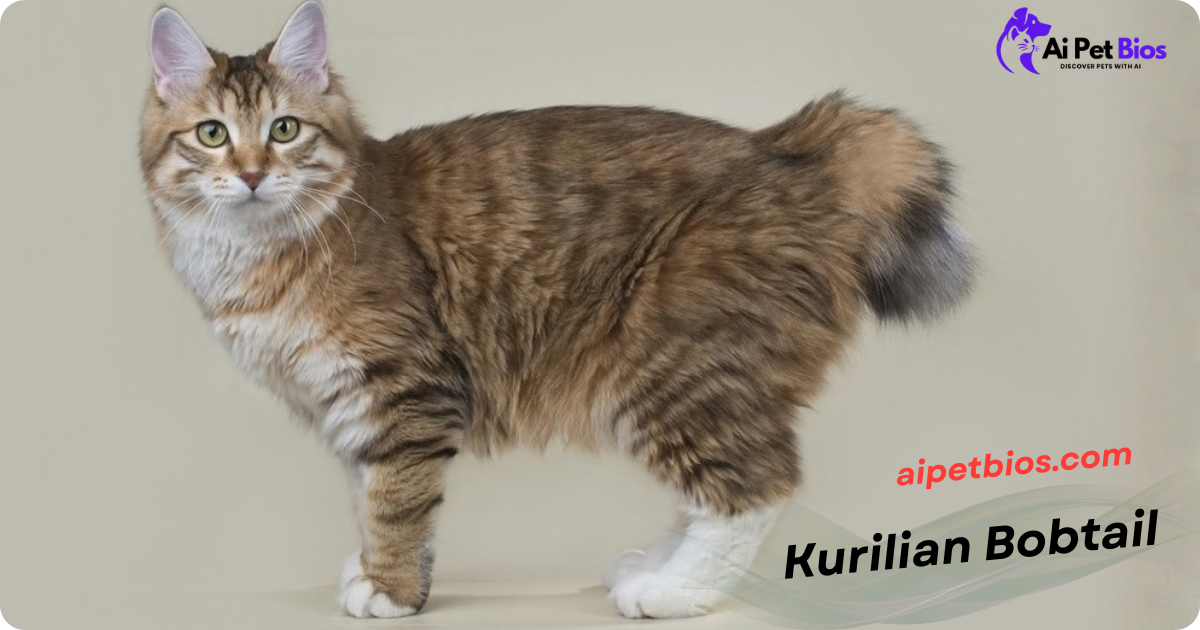
The Kurilian Bobtail is a naturally occurring cat breed that originated on the Kuril Islands, a remote volcanic archipelago stretching between Russia and Japan. Unlike many breeds developed through deliberate human selection, this cat’s defining feature — its short, pom-pom-like tail — is the result of a spontaneous genetic mutation that evolved over centuries in near-total isolation.
What makes the Kurilian Bobtail particularly compelling is the combination of a rugged, wild appearance with a genuinely affectionate, adaptable personality. These are not fragile, high-maintenance cats. They are sturdy, intelligent, and naturally curious animals that tend to form strong bonds with their families without becoming overly dependent.
For U.S.-based cat owners interested in a distinctive, naturally healthy breed with a rich history and a balanced temperament, the Kurilian Bobtail is well worth understanding in depth.
Breed Overview (Quick Facts)
| Feature | Details |
| Origin | Kuril Islands (Russia/Japan border region) |
| Size | Medium to large |
| Weight | 8–15 lbs (males typically larger) |
| Lifespan | 15–20 years |
| Coat Type | Semi-longhair or shorthair; dense double coat |
| Temperament | Affectionate, intelligent, playful, calm |
| Energy Level | Moderate to high |
| Shedding Level | Moderate (heavier seasonally) |
| Hypoallergenic | No — produces Fel d 1 protein like most cats |
| Average Price in USA | $700 – $3,000+ depending on lineage and coat |
History and Origin
The Kurilian Bobtail’s story begins in one of the world’s most geographically isolated regions. The Kuril Islands form a chain of volcanic islands stretching roughly 750 miles between Russia’s Kamchatka Peninsula and the northern tip of Japan’s Hokkaido Island. Cats arrived on these islands centuries ago — likely aboard fishing and trading vessels — and developed in near-complete isolation from mainland cat populations.
Over generations, the naturally occurring bobbed tail became a fixed trait within the island’s cat population. This mutation is distinct from the gene responsible for the Manx’s taillessness, making the Kurilian Bobtail genetically unique rather than a variant of other bobtailed breeds.
The cats remained largely unknown to the wider world until the late 20th century, when Russian cat fanciers began documenting and selectively breeding them. Recognition followed within Russian and European registries before the breed gradually gained international attention.
Recognition Status
The International Cat Association (TICA) accepted the Kurilian Bobtail for championship competition, granting it full recognition status. This is significant for U.S.-based owners because TICA is one of the largest and most respected cat registries globally.
The Cat Fanciers’ Association (CFA) does not currently recognize the Kurilian Bobtail for championship status. Prospective owners should verify current registry standings, as recognition statuses can change over time.
Outside the United States, the breed is well-established in Russia and parts of Europe, where it has a longer history of formal breeding programs and documented pedigree lines.
Appearance and Physical Characteristics
At first glance, the Kurilian Bobtail has a presence that reads as slightly wild. The overall impression is of a powerful, well-balanced cat — substantial without being bulky, athletic without appearing fragile.
Body Type
The body is medium to large, with a broad chest, strong bone structure, and well-developed musculature. The back has a characteristic arch, with hindquarters slightly higher than the shoulders, giving the cat a naturally poised, alert stance. This is not a sleek, fine-boned cat — it carries genuine physical substance.
The Tail
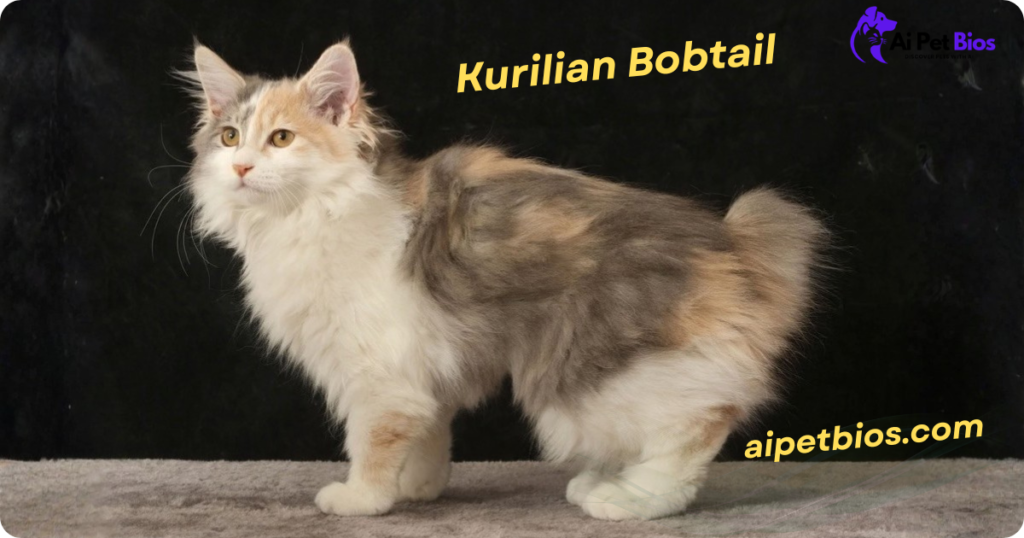
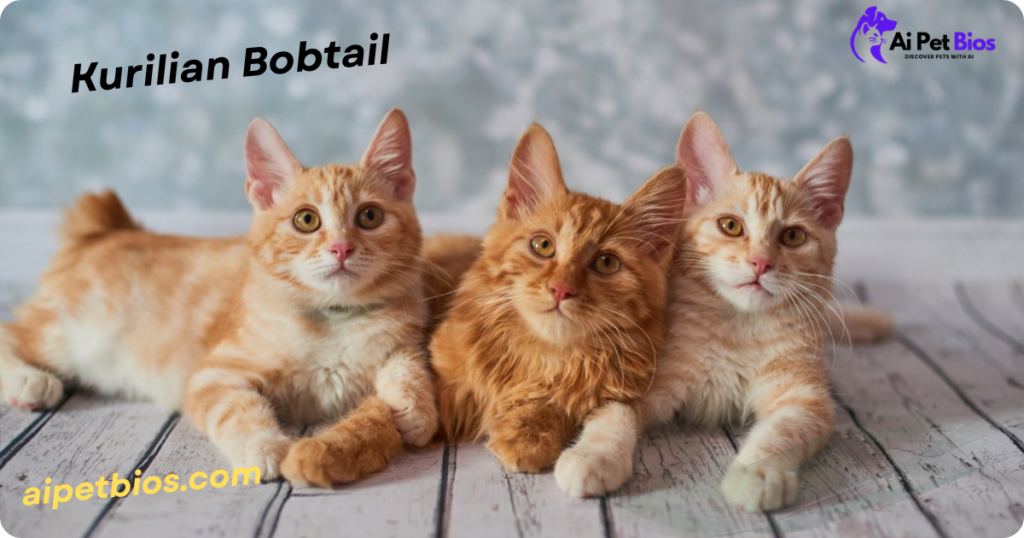
The tail is the breed’s most immediately recognizable feature. Each Kurilian Bobtail has a unique tail configuration — no two are exactly alike. The tail ranges from 2 to 8 vertebrae in length and may be straight, curved, angled, or a combination of bends, giving it the appearance of a small, expressive pom-pom.
Coat Variations
- Shorthair: A dense, plush double coat that lies close to the body with a texture that resists matting
- Semi-longhair: A slightly longer, flowing coat with a well-developed ruff around the neck, tufted ears, and feathering on the tail and hindquarters
Colors and Patterns
- Tabby (classic, mackerel, spotted, ticked)
- Solid colors (black, white, blue, red)
- Bi-color and tri-color combinations
- Tortoiseshell and calico patterns
Note: Colorpoint, chocolate, lilac, and cinnamon are generally not recognized in the breed standard.
Eyes and Distinguishing Traits
Eye color typically corresponds with coat color and may range from gold and yellow to green and blue. The eyes are large, slightly oval, and set at a gentle slant, contributing to the breed’s alert, thoughtful expression. Rounded, medium-sized ears with slight tufting and a broad, rounded head complete the overall look.
Personality and Temperament
The Kurilian Bobtail is one of those breeds that tends to exceed the expectations of new owners. The robust, somewhat wild exterior conceals a genuinely warm, socially engaged personality.
With Families
These cats integrate naturally into family life. They are affectionate without being clingy, playful without being destructive, and calm enough to handle the natural noise and movement of an active household. They tend to be even-tempered and adaptable, adjusting reasonably well to changes in routine or environment once they feel secure.
With Children
Kurilian Bobtails generally do well with respectful children. They are sturdy enough to handle gentle interaction and patient enough not to react aggressively when approached. As with any cat, teaching children appropriate interaction from an early age produces the best outcomes.
With Dogs and Other Cats
The breed’s island origins meant living in community with other animals, and this social adaptability has carried through into domestic settings. Most Kurilian Bobtails coexist comfortably with well-mannered dogs and other cats, particularly when introductions are handled gradually and thoughtfully.
Intelligence and Activity Level
These are notably intelligent cats. They observe their environment carefully, solve problems with persistence, and pick up routines quickly. Interactive toys, puzzle feeders, and games that simulate hunting behavior keep them mentally engaged. Energy level is moderate to high, particularly in younger cats.
Vocal Tendencies
The Kurilian Bobtail is not a loudly vocal breed. They communicate through softer chirps, trills, and occasional meows rather than persistent, demanding vocalizations. Many owners describe their communication style as expressive but not intrusive.
Health and Lifespan
One of the most frequently noted qualities of the Kurilian Bobtail is its reputation for robust natural health. Centuries of life in a challenging island environment, with no deliberate human manipulation of the gene pool until relatively recently, appears to have produced a cat with a strong constitution.
Average Lifespan
Well-cared-for Kurilian Bobtails commonly live 15 to 20 years, which is notably longer than many pedigree breeds. This longevity is generally attributed to the breed’s natural genetic diversity and relatively limited history of inbreeding.
Veterinary Perspective: Cats with naturally evolved traits — rather than those produced through intensive selective breeding — often present with fewer congenital health issues over time. The Kurilian Bobtail’s island origins, relative genetic diversity, and late entry into formal breeding programs are factors that veterinarians generally view as favorable indicators of long-term health resilience. Always request documented health history from any breeder, regardless of a breed’s general reputation.
— Guidance aligned with American Association of Feline Practitioners (AAFP) standards
Health Considerations
No breed-specific hereditary diseases have been definitively documented in the Kurilian Bobtail at the same prevalence seen in some other pedigree breeds. The bobbed tail gene in this breed is distinct from the Manx gene, which is associated with serious spinal abnormalities (Manx syndrome). Kurilian Bobtails do not carry the Manx gene and do not display the spinal complications associated with it.
Veterinary Recommendations
- Annual wellness exams for adult cats
- Bi-annual checkups for cats over 10 years of age
- Dental cleanings as recommended by your veterinarian
- Spay/neuter for pet-quality cats, which also reduces certain health risks
- Keep vaccinations current per your veterinarian’s protocol
Grooming and Care Requirements
The Kurilian Bobtail’s grooming needs are moderate and manageable for most owners, regardless of coat type.
Brushing Frequency
- Shorthair: Weekly brushing is generally sufficient to manage shedding and maintain coat condition
- Semi-longhair: Two to three sessions per week helps prevent tangles, particularly during spring and fall shedding seasons
Additional Grooming Needs
- Nail trimming: Every 2–3 weeks, or as needed
- Ear cleaning: Monthly inspection and gentle cleaning with a veterinarian-approved solution
- Dental care: Daily tooth brushing is ideal; routine veterinary cleanings recommended
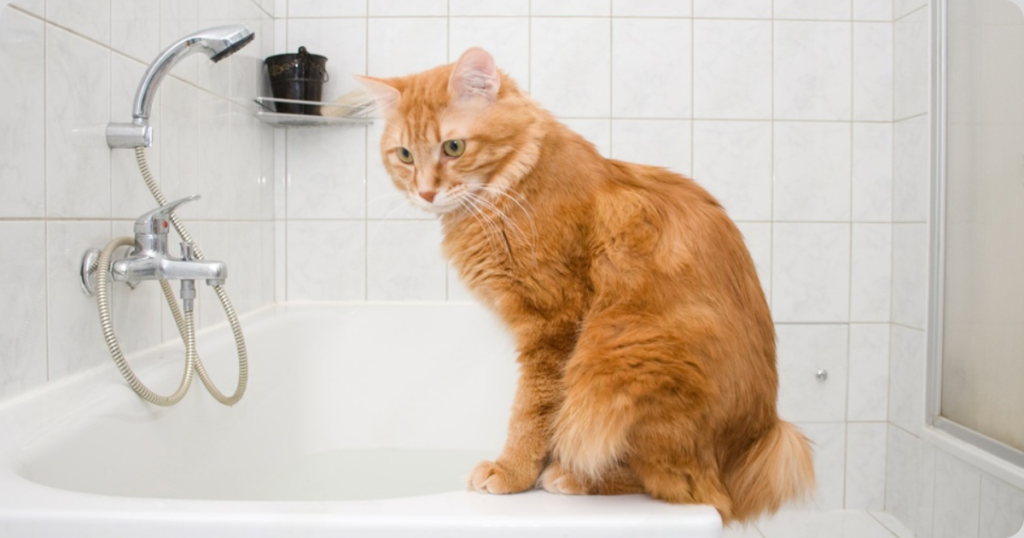
- Bathing: Occasional baths may be warranted but are not required on a regular schedule
Exercise and Enrichment Ideas
- Tall cat trees and wall-mounted climbing shelves
- Interactive wand toys and puzzle feeders
- Regular play sessions with their owners (15–20 minutes, twice daily)
- Window perches or safe outdoor catios for environmental stimulation
Diet and Nutrition
Like all domestic cats, the Kurilian Bobtail is an obligate carnivore — meaning protein from animal sources is not optional but biologically essential. A nutritionally complete, animal-protein-based diet supports muscle mass, coat condition, immune function, and long-term health.
General Feeding Guidelines
- Prioritize foods where a named animal protein (chicken, turkey, salmon, beef) appears as the first ingredient
- A combination of wet and dry food provides both nutritional variety and hydration support
- Wet food in particular helps ensure adequate daily fluid intake, as cats have a naturally low thirst drive
- Avoid foods where the primary ingredients are corn, wheat, or grain fillers with minimal protein content
Weight Management
The Kurilian Bobtail’s sturdy, muscular build can make early weight gain easy to overlook. Monitor body condition regularly — you should be able to feel the ribs without pressing hard, but they should not be visible. Measured, portioned feeding is more effective than free-feeding for maintaining a healthy weight over time.
How Much Does a Kurilian Bobtail Cost in the USA?
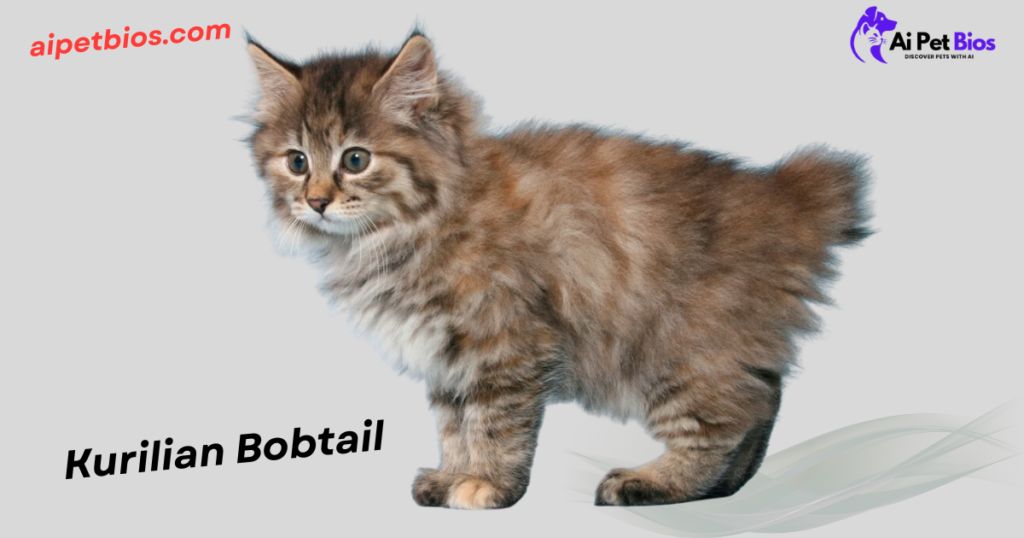
The Kurilian Bobtail remains a relatively rare breed in the United States, and that rarity is reflected in its pricing. Locating a reputable breeder within the country requires patience and research.
Typical Kitten Price Range
| Category | Estimated Price Range |
| Pet-quality kitten (U.S. breeder) | $700 – $1,500 |
| Show or breed-quality kitten | $1,500 – $3,000+ |
| Import from Europe or Russia | $2,500 – $5,000+ (including transport & documentation) |
What Affects Price
- Pedigree and lineage — kittens from champion lines command higher prices
- Coat type — semi-longhair kittens may be priced differently than shorthairs
- Eye color and markings — certain combinations may carry higher demand
- Breeder location — U.S.-based pricing differs from European imports
- Health testing and documentation — reputable breeders invest in TICA registration and health screening
First-Year Estimated Costs
| Expense | Estimated Cost |
| Spay/neuter surgery | $200 – $500 |
| Initial vet exams & vaccinations | $200 – $400 |
| Supplies (carrier, litter box, toys, bedding) | $200 – $400 |
| Food (annual) | $400 – $800 |
| Litter (annual) | $150 – $300 |
| First-year total (beyond purchase price) | ~$1,200 – $2,500 |
After the first year, ongoing annual costs typically settle into $800 – $1,500, covering routine veterinary care, food, litter, and supplies. Unexpected veterinary costs or dental cleanings may add to this in any given year.
Kurilian Bobtail vs. Similar Breeds
Not sure how the Kurilian Bobtail stacks up against other bobtailed or similarly built cats? Here’s a direct, honest comparison.
| Feature | Kurilian Bobtail | Japanese Bobtail | Manx | American Bobtail |
| Tail Origin | Natural (Russia) | Natural (Japan) | Natural (Isle of Man) | Natural (USA) |
| Tail Gene Risk | None documented | None documented | Spinal risk (Manx syndrome) | None documented |
| Body Type | Muscular, substantial | Elegant, fine-boned | Rounded, stocky | Medium, athletic |
| Coat Options | Short or semi-long | Short or long | Short or long | Short or long |
| Temperament | Calm, affectionate | Vocal, active | Gentle, dog-like | Laid-back, adaptable |
| Lifespan | 15–20 years | 15–18 years | 14–18 years | 13–15 years |
| USA Availability | Rare | Moderate | Moderate | Moderate |
| TICA Recognized | Yes | Yes | Yes | Yes |
Key takeaway: The Kurilian Bobtail’s primary advantage over the Manx is the absence of genetic spinal risk. Compared to the Japanese Bobtail, it offers a sturdier build and longer documented lifespan. For buyers drawn to the bobtailed look but wanting the most naturally robust option, the Kurilian Bobtail makes a compelling case.
Is the Kurilian Bobtail Right for You?
Ideal Owner Profile
The Kurilian Bobtail tends to thrive with owners who:
- Spend a reasonable amount of time at home
- Enjoy an interactive, engaged relationship with their cat
- Can provide consistent enrichment and play
- Are patient with the process of finding a reputable breeder
- Are prepared for a long-term commitment — potentially 15–20 years
Pros
- Naturally robust health and impressive longevity
- Adaptable to families, children, and other pets
- Moderate grooming needs (particularly shorthair variety)
- Balanced temperament — active but not hyperactive
- Genuinely affectionate without being overly dependent
- Unique, striking appearance with no two tails alike
Considerations
- Rare in the USA — finding a reputable breeder requires significant research and waitlist patience
- Higher purchase price than more common breeds, particularly for imports
- Needs consistent mental and physical stimulation — not suited to sedentary households
- Dense coat sheds seasonally and requires regular maintenance
Frequently Asked Questions
How much does a Kurilian Bobtail cost in the USA?
Pet-quality kittens from U.S.-based breeders typically range from $700 to $1,500. Show-quality kittens and those imported from European or Russian breeding programs can cost $2,500 to $5,000 or more when transport and documentation are included. First-year ownership costs beyond the purchase price generally run $1,200–$2,500.
Are Kurilian Bobtail cats rare in the United States?
Yes. The breed is well-established in Russia and parts of Europe but remains uncommon in the U.S. market. The number of domestic breeders is limited, and prospective owners should expect a waiting period and may need to consider working with breeders in other states or importing from abroad.
Are Kurilian Bobtail cats hypoallergenic?
No. Like virtually all domestic cats, they produce the Fel d 1 protein — the primary allergen that triggers reactions in people with cat allergies. No cat breed is entirely free of allergens, though individual reactions vary. Spending time with the breed before committing is advisable for allergy-sensitive individuals.
Are Kurilian Bobtail cats good family pets?
Generally, yes. Their sturdy build, patient temperament, and adaptability make them well-suited to family life. They tend to do well with respectful children, coexist with dogs and other cats when properly introduced, and form genuine bonds with multiple family members rather than attaching exclusively to one person.
How long do Kurilian Bobtail cats live?
With proper care, a typical lifespan of 15 to 20 years is well-documented. This longevity is commonly attributed to the breed’s natural genetic diversity and its relatively limited history of intensive selective breeding — a meaningful advantage over many purpose-bred pedigree cats.
Are Kurilian Bobtail cats related to Manx cats?
No. While both breeds are bobtailed, the genetic mutation responsible for the Kurilian Bobtail’s short tail is entirely distinct from the Manx gene. The Manx gene is associated with potential spinal complications (Manx syndrome); the Kurilian Bobtail gene carries no such risk. The two breeds developed independently in entirely different parts of the world.
Do Kurilian Bobtail cats do well as indoor cats?
Yes, with appropriate enrichment. The breed adapts well to indoor living when provided with sufficient vertical space, interactive play, and mental stimulation. Some owners provide supervised outdoor access through catios or leash training, which can supplement indoor enrichment effectively.
Conclusion
The Kurilian Bobtail is a breed that earns genuine respect from those who take the time to understand it. Its natural origins, robust health, distinctive appearance, and well-balanced personality make it a compelling choice for U.S. cat owners willing to invest the research and patience that a rare breed requires.
This is not a breed to pursue impulsively. Finding a reputable, TICA-registered breeder, preparing for realistic costs, and committing to the enriched environment this intelligent cat needs are all part of responsible ownership. For the right household, however, the Kurilian Bobtail is a deeply rewarding companion — and with a lifespan that can exceed two decades, a long-term relationship worth building thoughtfully.
Keep Exploring
If the Kurilian Bobtail caught your interest, these related guides may help you make a fully informed decision:
- Thinking about a bobtailed breed? → Japanese Bobtail: Complete Breed Guide
- Concerned about genetic health? → How to Vet a Cat Breeder: 10 Questions to Ask Before You Buy
- Comparing energy levels? → High-Energy Cat Breeds vs. Calm Cat Breeds: Which Fits Your Home?
- Budget planning? → True Cost of Cat Ownership in the USA: First-Year Breakdown
Disclaimer
This article is intended for general informational and educational purposes only. Pricing figures are approximate and subject to change based on breeder, geography, and market conditions. Health information does not constitute veterinary advice — always consult a licensed veterinarian for guidance specific to your pet’s needs. The author has no financial relationship with any specific breeder or brand unless explicitly stated.
Courtesy: Animal Verse

Want Popular On Google? | Lust Quality Backlinks That Force-fed
I’m an SEO Expert, Guest Posting Specialist, and Web Developer helping websites increase rankings, traffic, and authority using clean, white-hat strategies 🚀
I focus on high-authority guest posts, safe backlinks, SEO-optimized content, and technically sound websites—so your site doesn’t just rank, it stays ranked.
What I help you with:
✅ SEO (On-page, Off-page & Technical)
✅ Guest Posts on Real, Relevant Sites
✅ High-Quality Link Building
✅ Keyword Research & Content Strategy
✅ SEO-Friendly Website Development
📈 No spam. No shortcuts. Only results.
👉 Need backlinks that actually work?
📩 Let’s connect: https://wa.me/+923006932631
1 thought on “Revealing Kurilian Bobtail Cat: Fresh On The Mind | 2026”
Comments are closed.