
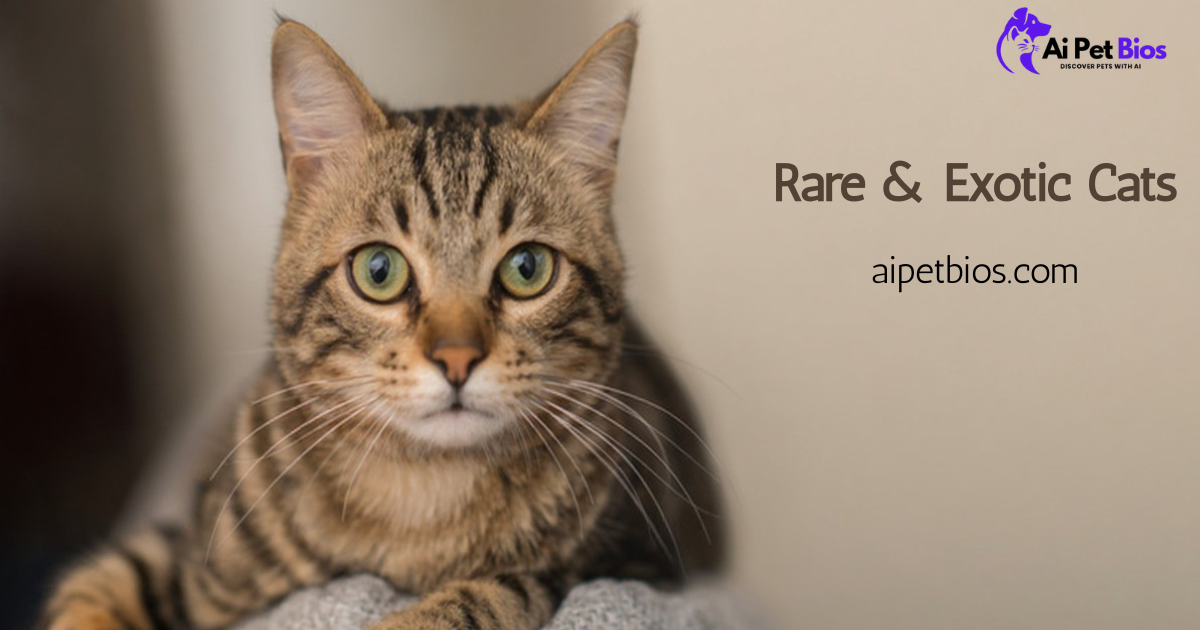
Rare and exotic cat breeds offer a breathtaking spectrum of companionship, ranging from the hairless mystery of the Sphynx to the majestic, forest-dwelling Norwegian Forest Cat. Whether you are looking for a “puppy-cat” that follows you from room to room or a regal independent thinker, the diversity of the feline world ensures there is a perfect match for every lifestyle.
In this comprehensive guide, we explore the unique histories, temperaments, and stunning aesthetics of the 32 most fascinating rare and exotic cat breeds across the globe, specifically covering the lineages from N to Y.
Understanding the World of Purebred and Rare Felines
Choosing a companion from the many rare and exotic cat breeds available today requires more than just picking a pretty face. It involves understanding the genetic heritage, grooming needs, and energy levels of these animals. From the ancient natural breeds of Russia and Turkey to modern “designer” rare and exotic cat breeds like the Toyger, each cat brings a specific “vibe” and ancestral history into your home.
Genetic diversity is the hallmark of these animals, with some being “landrace” breeds (developed naturally) and others being “pedigree” (carefully selected by humans).
N to O: The Mystical and the Massive
Napoleon (Minuet)
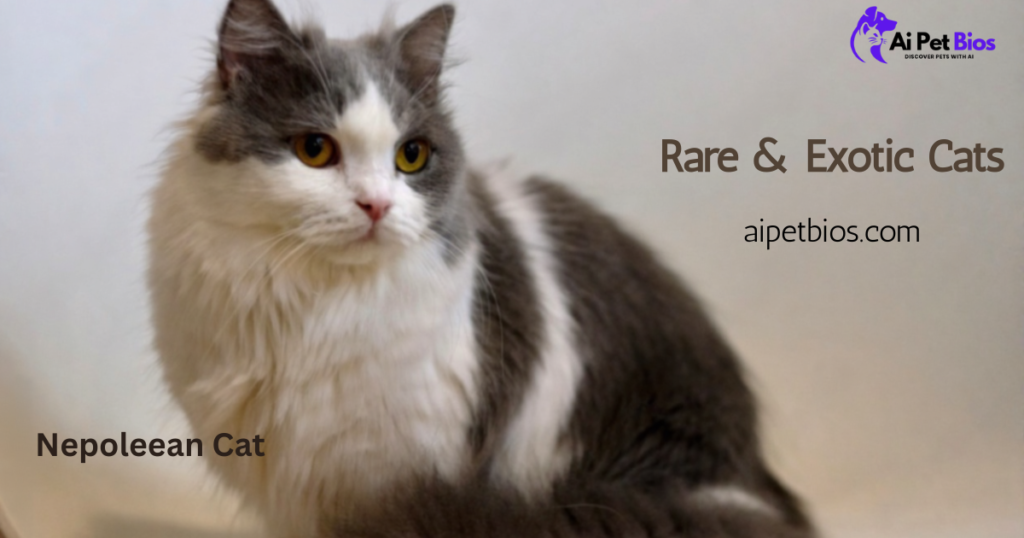
Officially called the Minuet, this breed was created by crossing Munchkins with Persian-type cats. The goal was to produce a short-legged cat with a round, doll-like face. They come in both short-legged and standard varieties. Minuets have large eyes and plush coats in virtually all colors. They are sweet-tempered and more active than Persians but calmer than many other short-legged rare and exotic cat breeds. They thrive on human companionship and are known for their “puppy-like” curiosity.
Nebelung
Meaning “creature of the mist” in German, this rare and exotic cat breed is essentially a longhaired version of the Russian Blue. They possess a silky, medium-length blue-gray coat with silver-tipped hairs that shimmer in the light, creating an ethereal appearance. Nebelungs are graceful and bond intensely with family but are often shy with strangers, preferring a quiet, routine-based environment. They are highly intelligent and can be taught tricks, though they usually prefer private play.
Norwegian Forest Cat
These are ancient forest-dwellers from Norway, possibly kept by Vikings and celebrated in Norse mythology as “Skogkatts.” Known as “gentle giants,” they have a thick, water-resistant double coat and a full ruff designed for sub-zero temperatures. They are excellent climbers with strong claws and sturdy builds. While affectionate, they are independent and prefer sitting beside you rather than on your lap, maintaining a regal and calm presence.
Ocicat
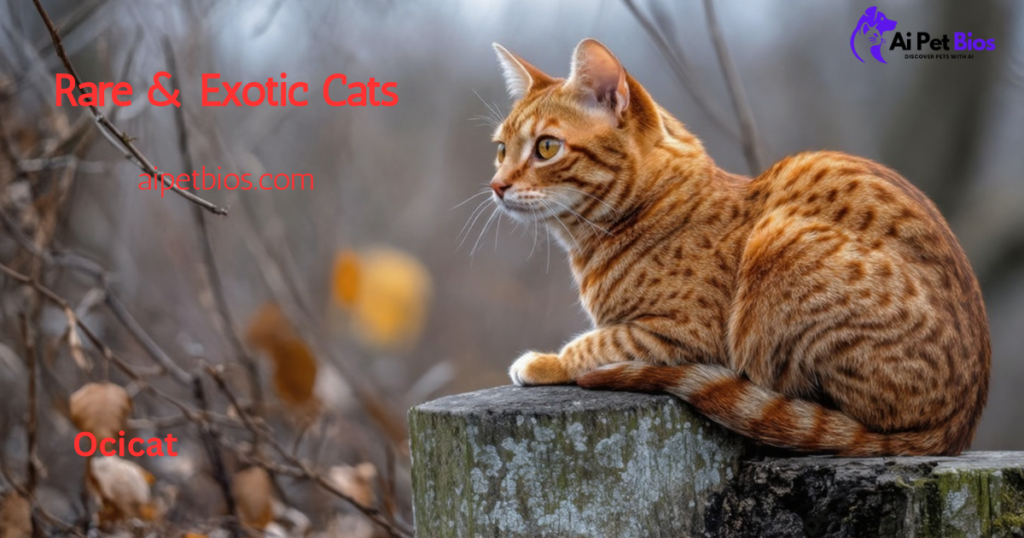
Created entirely from domestic breeds (Siamese, Abyssinian, and American Shorthair), the Ocicat looks like a wild ocelot but is 100% domestic. They have distinctive thumb-print shaped spots and dog-like personalities. They are highly social, can learn to fetch, walk on leashes, and greet visitors at the door. They are athletic and surprisingly heavy for their size, requiring plenty of interactive play.
Oriental
Developed from Siamese cats, Orientals have sleek, tubular bodies, large “bat-like” ears, and almond-shaped eyes. They come in over 300 color combinations, making them one of the most visually diverse rare and exotic cat breeds. Personality-wise, they are vocal, demanding, and highly intelligent, forming intense bonds with their owners. They do not tolerate being left alone and are best suited for homes where someone is always present.
P to R: Iconic Favorites and Rare Gems
The mid-section of our exploration into rare and exotic cat breeds features some of the most popular cats globally alongside mysterious island landraces.
Persian
The king of long-haired breeds, known for its sweet, pansy-like face. Known for their flat faces (brachycephalic) and luxurious double coats, Persians require daily grooming to prevent matting. They are quiet, gentle, and enjoy lounging, making them the perfect indoor-only pet. They are not known for jumping or climbing, preferring the safety of a sofa or a warm rug.
Peterbald
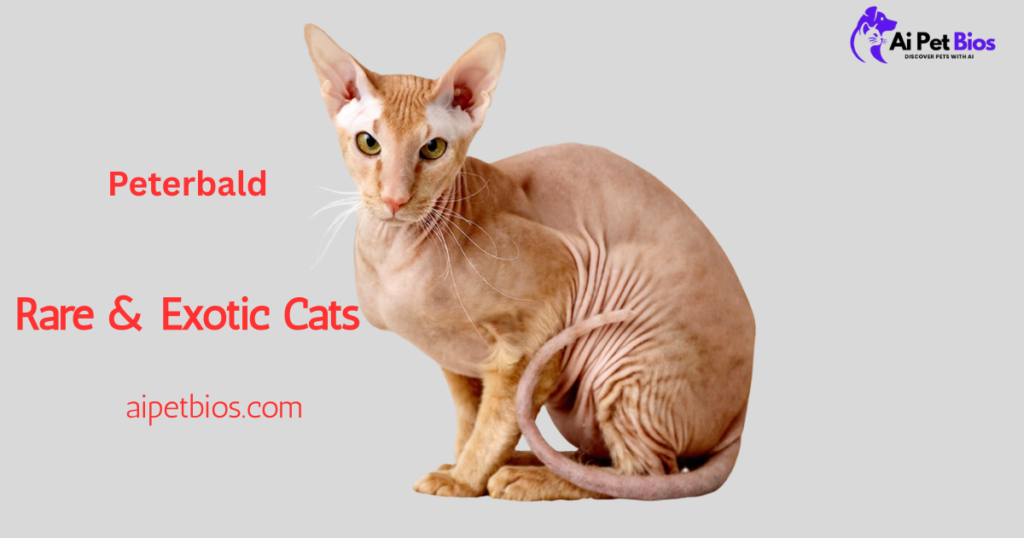
A Russian hairless breed created by crossing the Don Sphynx with Orientals. They range from totally bald to having a suede-like “brush” coat. They are elegant, svelte, and extremely loyal to their families. Because they lack fur, they seek out warm spots and require regular baths to manage skin oils, making them a high-maintenance but highly rewarding rare and exotic cat breed.
Pixie-Bob
Developed to resemble a North American Bobcat, though they have no wild DNA. They often have bobbed tails and many are polydactyl (extra toes). Despite their rugged look, they are gentle and bond strongly with their families, often following them like dogs. They are known for their unique “chirping” communication rather than standard meowing.
Raas
A naturally occurring breed from Raas Island, Indonesia. These are muscular cats with strong hunting instincts and a high degree of survival intelligence. They are rare outside their homeland and represent a hardy, independent lineage developed through natural selection. They are often wary of strangers but fiercely loyal to their owners.
Ragamuffin
Developed from Ragdoll lines with the addition of other long-haired breeds to diversify the gene pool. These are large, heavy cats with plush coats that come in all patterns. They are known for being extremely docile and patient—the ultimate “teddy bear” cat that is famous for its sweet expression and substantial size.
Ragdoll
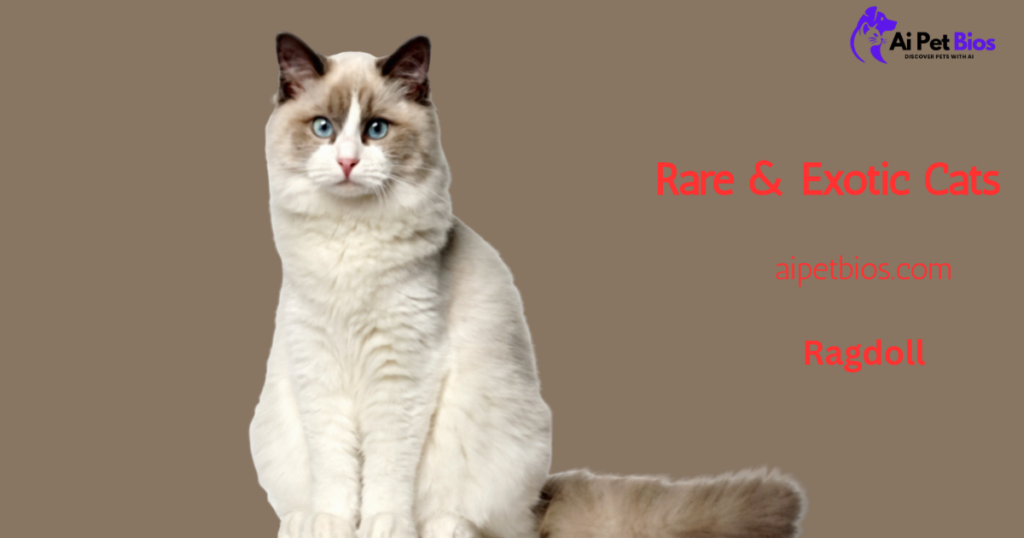
One of the largest domestic breeds, named for their habit of going limp when held. Ragdolls are “puppy-cats” that follow owners from room to room. They are colorpoint cats with brilliant blue eyes and semi-long, rabbit-like fur. They are incredibly trusting and lack the defensive instincts of other cats, so they must be kept strictly indoors.
Russian Blue
Believed to have originated in the port of Arkhangelsk, Russia. They have a dense, plush double coat that stands out from the body at a 45-degree angle. They are quiet, intelligent, and very shy with strangers, often choosing one specific family member as their “soulmate.” They are known for their vivid green eyes and “smiling” mouth.
S to T: The Superstars and Athletic Marvels
The “S” category contains the most diverse group of rare and exotic cat breeds, ranging from curly-coated wonders to wild hybrids.
Savannah
A hybrid of the domestic cat and the African Serval. These are large, exotic-looking cats with long legs, large ears, and hooded eyes. They are highly active, love water, and require significant space. They are capable of jumping 8 feet in the air and require an owner who can provide extensive environmental enrichment.
Scottish Fold
Easily recognized by their ears that fold forward and down due to a genetic mutation. They have a sweet, owl-like appearance and a calm disposition. They are famous for their “Buddha” sitting position and their adaptable, mellow nature.
Scottish Straight
The straight-eared siblings of the Fold. They are essential for healthy breeding programs to avoid skeletal issues associated with the fold gene. They share the same sweet, affectionate temperament and rounded features, making them excellent family pets among rare and exotic cat breeds.
Selkirk Rex
Unlike other Rex cats, the Selkirk has a thick, woolly coat with all three hair types curled. They are substantial, muscular cats with a very laid-back, patient personality. They are often referred to as “the cat in sheep’s clothing” and require regular brushing to manage their dense curls.
Siamese
One of the oldest breeds in the world, originating from Thailand (formerly Siam). They are legendary for their vocal nature and sleek colorpoint patterns. They are demanding of attention and very intelligent, often learning to open doors or cabinets.
Siberian
A natural breed from Russia with a thick, water-resistant triple coat designed to withstand harsh winters. They are powerful jumpers and are often better tolerated by some allergy sufferers because they produce less Fel d 1 protein in their saliva. They are slow-maturing, taking up to 5 years to reach full size.
Singapura
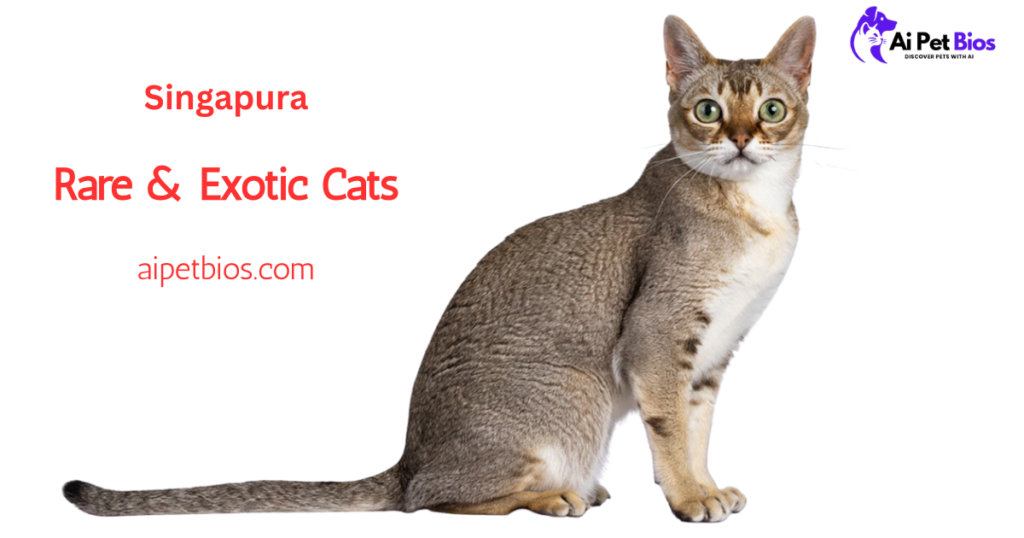
The smallest recognized breed, typically weighing between 4 and 8 pounds. They have a ticked sepia-toned coat and large, expressive eyes. They remain kitten-like their entire lives, always seeking out the highest point in a room to observe their surroundings.
Snowshoe
A cross of Siamese and American Shorthair. They have blue eyes and white “boots” on all four paws, along with an inverted ‘V’ marking on their face. They are social, vocal, and often enjoy playing in water, inheriting the best traits from both parent breeds among rare and exotic cat breeds.
Sokoke
One of the rarest breeds, originating from the Sokoke forest in Kenya. They have a “wood-grain” tabby pattern and are very athletic forest cats. They are known for their “talking” and their high level of activity, requiring plenty of space to climb.
Somali
Essentially a long-haired Abyssinian. They have a full ruff and a bushy, fox-like tail. They are high-energy explorers that treat every day as an adventure, using their paws like hands to investigate every corner of the house.
Sphynx
The most famous hairless breed among rare and exotic cat breeds. Though they look bald, they have a fine downy fuzz that feels like a warm peach. They are extremely extroverted and seek constant human contact to stay warm, often described as “part monkey, part dog, and part cat.”
Thai
The “traditional” style of Siamese. They have a rounder, apple-shaped head compared to the modern wedge-shaped Siamese. They represent the original look of the cats imported from Thailand in the late 19th century and are known for being exceptionally loyal.
Tiffanie
The longhaired variety of the Burmilla. They have a silky coat and a balanced personality—playful but not hyperactive. They are known for their striking green eyes outlined in dark pigment, making them look like they are wearing eyeliner.
Tonkinese
A blend of Siamese and Burmese. They are famous for their aqua eyes and “mink” coat patterns. They are very social and hate being alone, often engaging in “door greeting” and following their owners like shadows.
Toybob
A miniature breed from Russia with a naturally bobbed tail. Adults weigh only 3-5 pounds but are muscular and healthy. They are gentle, quiet companions that love to sit on laps.
Toyger
Bred specifically to look like a tiny tiger with vertical orange and black stripes. They have a confident, laid-back personality and are highly intelligent, often taking well to leash training and complex tricks.
Turkish Angora
An ancient breed with a single, flowing coat. They are assertive, intelligent, and often like to be the “alpha” in the house. They are known for their graceful movements and their ability to solve problems to get what they want.
Turkish Van
Known as the “Swimming Cat” from the Lake Van region. They have a unique water-resistant coat and a distinctive pattern where color is only on the head and tail. They are energetic and genuinely enjoy swimming and playing in water.
U to Y: Unique Discoveries in the Feline World
As we conclude our list of rare and exotic cat breeds, we find futuristic looks and rich chocolate tones that define the rarity of the feline world.
Ukrainian Levkoy
A rare breed with folded ears and hairless skin. They are muscular and have a very distinctive, angular contoured head with large, almond-shaped eyes. They are incredibly people-oriented and thrive on affection.
York Chocolate
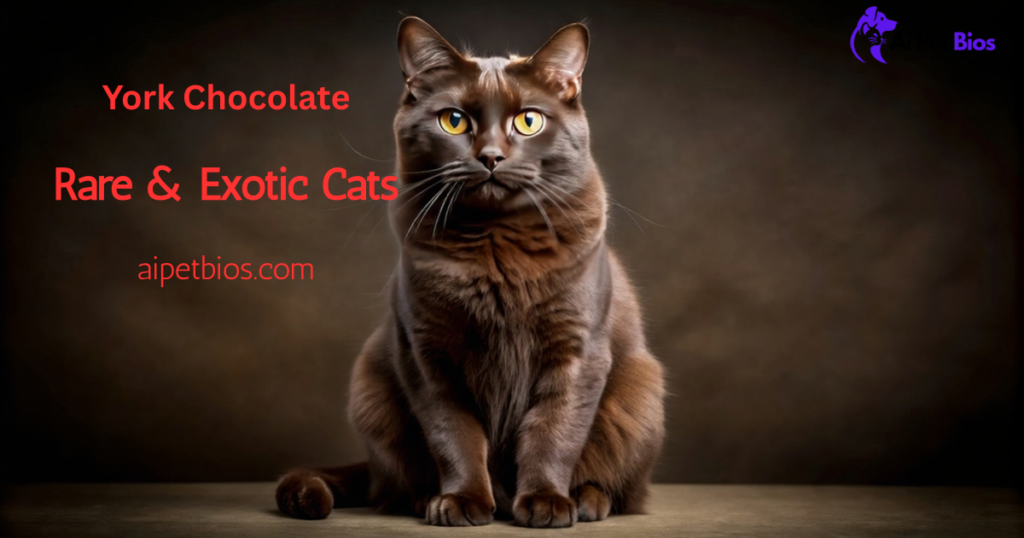
A breed developed from farm cats in New York in the 1980s. They have a semi-long, fluffy coat in a rich chocolate or lilac color. They are energetic, friendly, even-tempered, and very adaptable to family life among rare and exotic cat breeds.
Advanced Insights: Health, Diet, and Longevity
When considering rare and exotic cat breeds, it is essential to look beyond aesthetics and into the physiological needs of these animals. Each breed has unique metabolic and biological requirements that influence their lifespan and quality of life.
Genetic Health and Screening
Purebred cats often carry specific genetic predispositions. For example, the Scottish Fold carries a gene that affects cartilage, which requires careful monitoring of joint health. Persians and Exotics are prone to Polycystic Kidney Disease (PKD), while the Maine Coon and Ragdoll should be screened for Hypertrophic Cardiomyopathy (HCM). Ethical breeders prioritize these tests to ensure that the global population of these rare and exotic cat breeds remains healthy and vibrant.
Tailored Nutrition for Specific Energy Profiles
The dietary needs of rare and exotic cat breeds vary significantly based on their build and activity level:
- High-Energy Hybrids: Breeds like the Savannah and Ocicat benefit from high-protein diets that support their lean muscle mass and intense play styles.
- Low-Energy Loungers: The Persian and Ragamuffin require calorie-controlled diets to prevent obesity, as they are less likely to burn off excess energy through active play.
- Skin Health: Hairless rare and exotic cat breeds like the Sphynx have higher metabolisms to maintain body heat and often require more frequent, calorie-dense meals compared to their coated counterparts.
Environmental Enrichment for Active Rare and Exotic Cat Breeds
If you choose one of the more active rare and exotic cat breeds, your home environment must adapt. High-energy cats like the Savannah are known to be “vertical” cats. Without tall cat trees, they may take to climbing your curtains.
The Social Dynamics of Multi-Cat Households
When mixing different rare and exotic cat breeds, personality matching is key. A calm Persian might be stressed by a vocal Siamese. However, a Ragdoll and a Siberian often get along perfectly due to their similar “gentle giant” temperaments.
The Importance of Ethical Breeding
As the demand for rare and exotic cat breeds grows, so does the responsibility of the owner. Breeds with specific traits—like the folded ears of the Scottish Fold—require breeders who prioritize health over aesthetics. Always ensure your breeder screens for heart and kidney issues.
Feline Ethology: Understanding Their Needs
The study of rare and exotic cat breeds is incomplete without understanding their behavioral ethology. Cats are crepuscular hunters, meaning they are most active at dawn and dusk. For breeds like the Somali or Siberian, this instinct is very strong. Providing enrichment that mimics the hunt—such as wand toys or hidden treats—is vital for their mental well-being.
Frequently Asked Questions: Rare and Exotic Cat Breeds (N to Y)
1. Which cat breeds in the N–Y range are best for first-time owners?
For beginners, the Ragdoll and Russian Blue are highly recommended. Ragdolls are famous for their docile, “go with the flow” nature, while the Russian Blue is independent enough to handle a work schedule but affectionate once you’re home. The Scottish Fold is also a great choice due to its sweet and adaptable temperament.
2. Are any of these rare and exotic cat breeds truly “hypoallergenic”?
While no cat is 100% hypoallergenic, the Siberian, Russian Blue, and Sphynx are often better for allergy sufferers. The Siberian produces less of the Fel d 1 protein (the primary allergen), while the Russian Blue’s dense coat traps allergens. The Sphynx lacks fur to shed, though they still produce dander on their skin.
3. How much work is required to care for a hairless breed like the Sphynx or Peterbald?
Hairless breeds are actually high-maintenance. Because they lack fur to absorb body oils, they require weekly baths to prevent skin irritation and acne. You must also clean their ears frequently, as they lack ear hair to filter out dirt. Additionally, they need sweaters in winter and sun protection in summer.
4. Which breeds are the most vocal or “talkative”?
If you want a cat that talks back, the Siamese and Oriental are the champions. They are legendary for their loud, raspy meows and will “comment” on everything you do. The Tonkinese and Thai are also quite vocal, inheriting this trait from their Siamese ancestors among rare and exotic cat breeds.
5. Can exotic hybrids like the Savannah be kept as normal house pets?
Yes, but they require significantly more mental and physical stimulation. A Savannah or Ocicat needs vertical space (tall cat trees) and interactive play to prevent boredom, which can lead to destructive behavior. It is also important to check local laws, as some regions have restrictions on hybrid breeds among rare and exotic cat breeds.
6. Why do some breeds, like the Scottish Fold, have specific health concerns?
Certain aesthetic traits are linked to genetic mutations. In Scottish Folds, the gene that folds the ears also affects cartilage throughout the body, which can lead to joint issues. Similarly, flat-faced breeds like the Persian may face respiratory or tear-duct challenges. This is why choosing an ethical breeder who performs genetic testing is crucial.
7. Do “Gentle Giants” like the Norwegian Forest Cat get along with dogs?
Generally, yes. Large, sturdy breeds like the Norwegian Forest Cat, Siberian, and Ragamuffin are known for their confident and calm demeanors. They aren’t easily intimidated by dogs and often form strong bonds with them, provided they are introduced slowly and among rare and exotic cat breeds.
Final Thoughts on Global Felines
The journey through rare and exotic cat breeds shows us that the domestic cat is a masterpiece of evolution. From the tiny Toybob to the massive Norwegian Forest Cat, these animals offer us a unique window into different cultures and climates. Whether you are captivated by the shimmering coat of the Nebelung or the tiger-like stripes of the Toyger, bringing one of these rare and exotic cat breeds into your home is a commitment to preserving feline history.

Want Popular On Google? | Lust Quality Backlinks That Force-fed
I’m an SEO Expert, Guest Posting Specialist, and Web Developer helping websites increase rankings, traffic, and authority using clean, white-hat strategies 🚀
I focus on high-authority guest posts, safe backlinks, SEO-optimized content, and technically sound websites—so your site doesn’t just rank, it stays ranked.
What I help you with:
✅ SEO (On-page, Off-page & Technical)
✅ Guest Posts on Real, Relevant Sites
✅ High-Quality Link Building
✅ Keyword Research & Content Strategy
✅ SEO-Friendly Website Development
📈 No spam. No shortcuts. Only results.
👉 Need backlinks that actually work?
📩 Let’s connect: https://wa.me/+923006932631
“I really enjoyed reading this—cats are truly amazing animals.”