
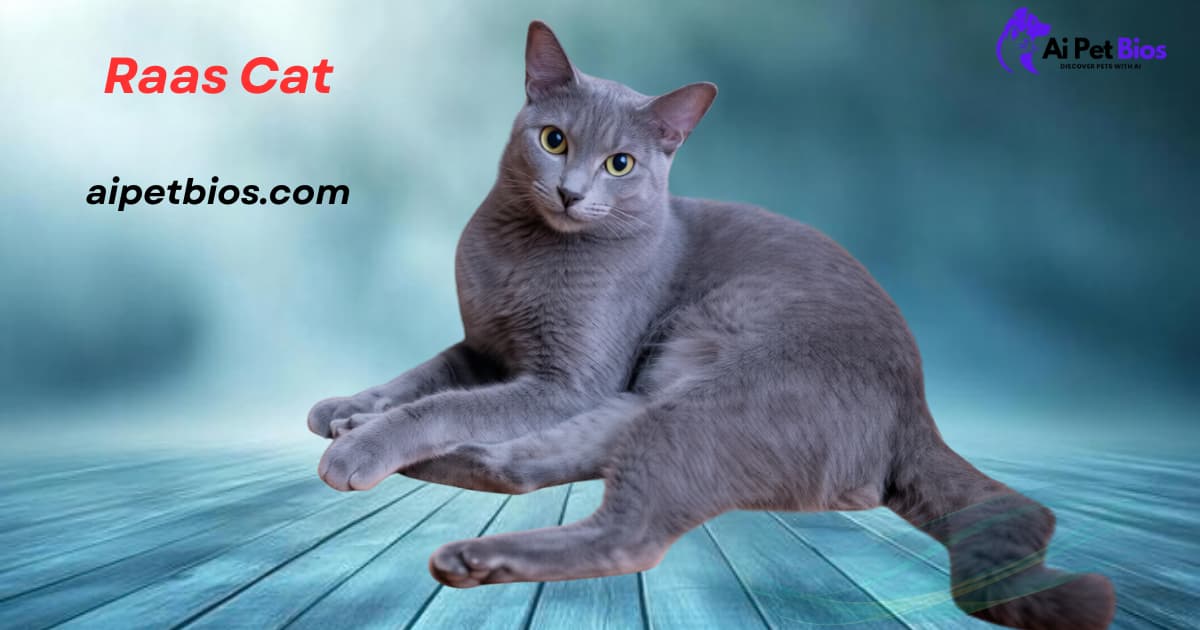
The Raas cat represents one of Asia’s most understated yet fascinating feline breeds, originating from the diverse ecosystems of Southeast Asia. With their striking appearance, gentle demeanor, and exceptional adaptability, these remarkable cats have remained relatively unknown outside their native regions, making them a true hidden gem for discerning cat enthusiasts worldwide.
The Raas cat breed carries centuries of heritage within their lineage, shaped by the natural environments and cultural traditions of their homeland. Unlike widely popularized breeds, the Raas offers something genuinely unique—a combination of wild aesthetic appeal with thoroughly domesticated temperament.
This guide explores the essential characteristics, care requirements, and fascinating history of this remarkable breed for anyone considering or curious about these extraordinary companions.
Quick Facts About Raas Cats
| Characteristic | Details |
| Breed Name | Raas Cat |
| Origin | Southeast Asia (Thailand, Malaysia regions) |
| Size Classification | Medium-sized feline |
| Weight Range | 5–8 pounds typical |
| Height | 8–10 inches at shoulder |
| Lifespan | 12–18 years with proper care |
| Coat Type | Short, dense, glossy |
| Distinctive Feature | Curved tail, muscular build |
| Eye Color | Amber to golden |
| Temperament | Gentle, intelligent, curious |
| Activity Level | Moderate; balanced energy |
| Grooming Needs | Minimal; weekly brushing |
| Family Suitability | Good with respectful families |
| Health Status | Generally robust breed |
| Rarity | Extremely rare outside Asia |
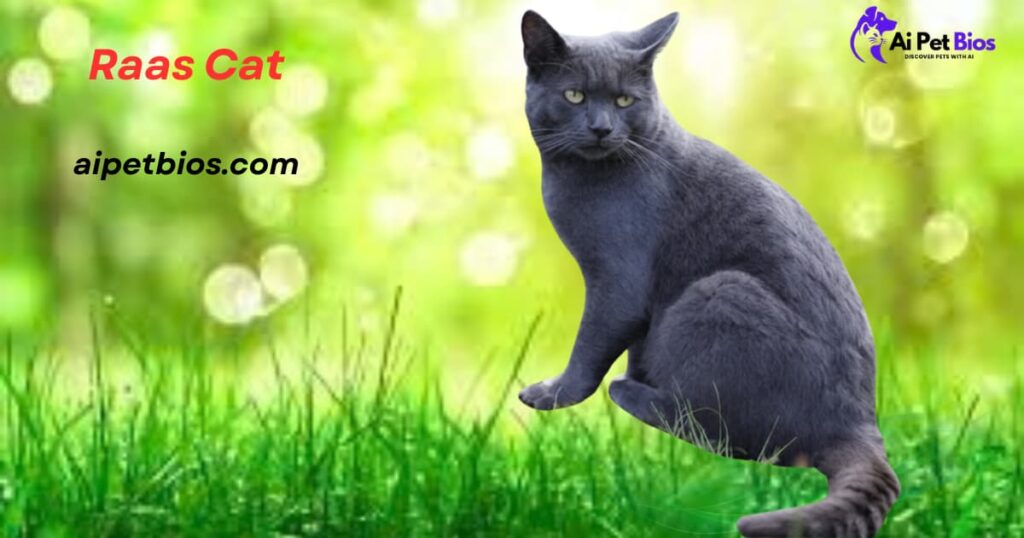
12 Essential Traits That Define the Raas Cat
- Distinctive Curved Tail – The Raas cat tail is their signature feature, naturally curving upward or looping, creating an elegant silhouette unique among domestic felines
- Compact Yet Muscular Build – Despite their modest size, Raas possess surprising strength and musculature, making them agile and capable
- Glossy, Short Coat – Their sleek fur lies close to the body with a natural shine that requires minimal maintenance
- Intelligent and Observant – These cats demonstrate remarkable intelligence, quickly understanding their environment and human patterns
- Gentle Temperament – Their naturally calm demeanor makes them excellent companions for peaceful households
- Excellent Hunters – Despite their gentle nature, Raas retain strong hunting instincts and excel at pest control
- Social but Independent – They enjoy human companionship while maintaining healthy independence and personal boundaries
- Adaptable to Various Climates – Their Southeast Asian heritage grants them natural adaptation to warm environments
- Vocal Communication – They engage in moderate vocalization with soft, melodic meows expressing their needs and emotions
- Strong Bonding Ability – Raas form meaningful connections with their chosen humans, displaying loyalty throughout their lives
- Outdoor Adaptability – While suited to indoor living, they retain strong instincts for outdoor exploration and hunting
- Long Lifespan – With proper care, these cats typically live 12–18 years, providing extended companionship and family memories
Origin and History: Understanding Raas Cat Heritage
The Raas cat origin traces back to the tropical regions of Southeast Asia, particularly in areas spanning modern-day Thailand, Malaysia, and neighboring territories. Unlike European or American cat breeds developed through formal breeding programs, the Raas cat breed evolved naturally within the native ecosystem, shaped by generations of adaptation to their specific environment.
Historical records suggest that Raas ancestry intertwines with various Southeast Asian feline populations, developing distinctive characteristics through natural selection. The breed’s name itself reflects their regional heritage, with “Raas” referring to their unique curled tail characteristic—a feature that became increasingly pronounced through generations.
Traditional cultures within Southeast Asia valued these cats for practical reasons: their exceptional hunting abilities controlled rodent populations, while their gentle temperament made them suitable household companions. Unlike selective breeding programs in the West, Raas developed through natural cohabitation between humans and these indigenous felines, creating a remarkably well-balanced breed.
The relatively recent international recognition of the Raas contrasts sharply with their long history in Asian communities. Only within the last few decades have Western cat enthusiasts and breeders begun recognizing and documenting this remarkable breed. This late discovery has contributed to their continued rarity outside Asia, where they remain relatively common in their native regions.
Modern efforts to preserve and promote the Raas cat breed internationally face challenges due to their limited recognition by major cat associations and the geographic distance from Western breeding communities. However, dedicated Asian breeders continue maintaining breed standards and educating global audiences about these exceptional felines.
Core Characteristics and Physical Features
Distinctive Physical Appearance
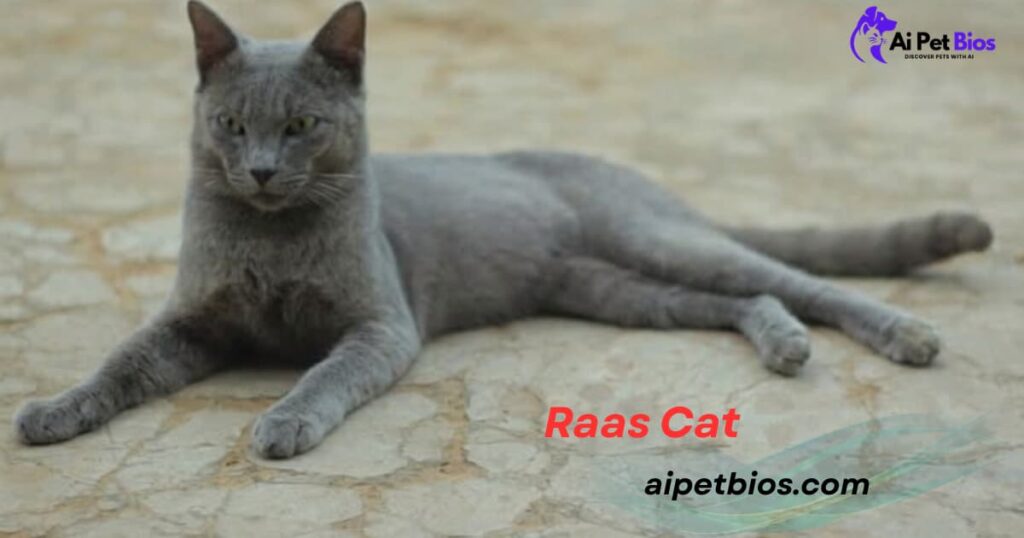
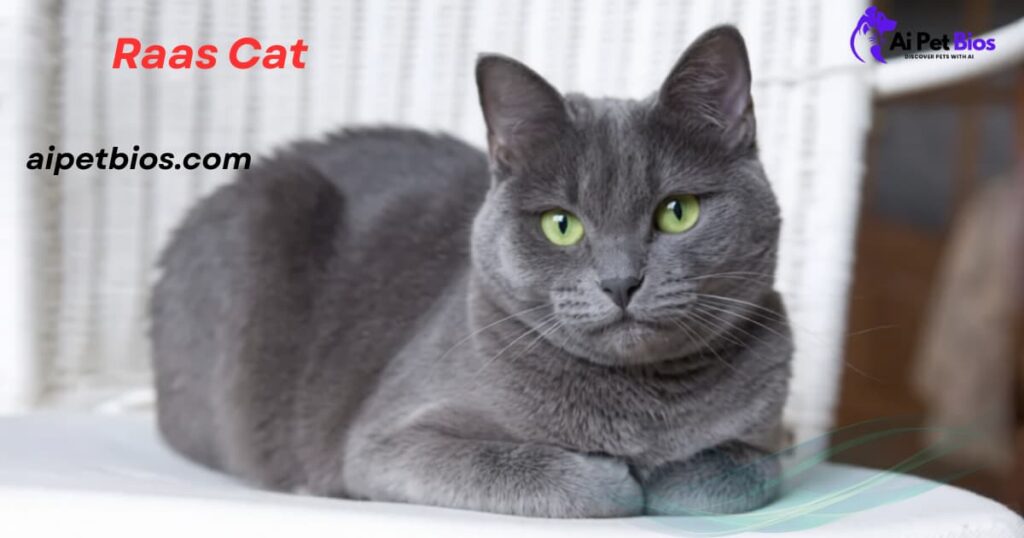
The Raas cat appearance is immediately striking, combining elegance with practical functionality. Their body structure reflects their Southeast Asian heritage, featuring a medium frame with well-developed musculature. Males typically weigh 6–8 pounds, while females average 5–7 pounds, making them moderately-sized cats suitable for apartment or house living.
Their Raas cat size provides an interesting middle ground—substantial enough to handle themselves confidently, yet compact enough to navigate typical living spaces without overwhelming their environment. This balanced proportioning contributes to their popularity as household companions.
The Signature Curved Tail
Perhaps the Raas cat tail’s most distinctive feature is its natural curve or loop, which extends gracefully upward. This is not an abnormality or defect but rather a breed standard characteristic developed through generations of natural selection. The tail provides balance during movement, aids in communication, and creates their visually recognizable silhouette.
The curl intensity varies among individuals—some display pronounced loops, while others show gentle curves. This variation adds to the breed’s visual interest and makes each Raas distinctly individual in appearance.
Coat and Color
The Raas features a short, dense double coat that lies smooth against their body, creating a sleek appearance enhanced by a natural glossy sheen. Their coat texture feels soft yet resilient, providing protection against their native warm, humid climate while requiring minimal grooming maintenance.
Color variations typically include warm tones—browns, tabbies, and solid colors predominate within the breed. Their amber to golden eyes contrast beautifully with their coat, creating striking facial expression and contributing to their overall elegant appearance.
Personality and Temperament: Understanding Raas Cats
What Is a Raas Cat Temperamentally?
What is a Raas cat personality-wise? These are remarkable animals combining intelligence with gentle disposition. The Raas cat temperament reflects their evolutionary development as both hunters and household companions, balancing natural predatory instincts with genuine affection for human companions.
They demonstrate remarkable observation skills, carefully studying their environment and human family members to understand patterns, routines, and preferences. This intelligence translates into quick learning—they readily understand household rules, recognize individual family members, and adapt their behavior accordingly.
Social and Behavioral Characteristics
Raas cat behavior includes moderate vocalization with soft, melodic meows. Unlike some Asian breeds known for excessive meowing, Raas communicate deliberately, using vocalizations purposefully to express needs or emotions rather than engaging in constant chatter.
The Raas cat personality balances social affection with healthy independence. They enjoy human companionship, particularly interactive play and gentle handling, yet they respect personal space and don’t demand constant attention. This makes them suitable for working individuals or families with busy schedules.
Hunting and Activity Instincts
Despite their gentle nature, Raas individuals retain strong hunting instincts developed through countless generations in their native ecosystem. They excel at pest control, demonstrating focused predatory behavior toward rodents and insects. This characteristic makes them valuable in rural or agricultural settings while requiring enrichment and appropriate outlets in urban environments.
Their moderate activity level means they enjoy interactive play sessions but equally appreciate quiet rest periods. They adapt well to indoor living when provided appropriate enrichment, climbing structures, and interactive toys.
Are Raas Cats Friendly Pets?
Are Raas cats friendly pets? Absolutely—their temperament makes them excellent companions for respectful families. They’re particularly suited for households where gentle handling is practiced and interactions are calm and predictable. Are Raas cats playful? Yes, they demonstrate good play drive, enjoying interactive toys and human engagement while maintaining an overall gentle demeanor.
Cost and Investment: Raas Cat Pricing
How Much Does a Raas Cat Cost?
How much does a Raas cat cost? The Raas cat price varies significantly based on several factors, with rarity being the primary driver. Due to their limited availability outside Asia and minimal international breeding programs, these cats command premium pricing compared to common domestic breeds.
Raas cat price typically ranges from $800–$2,000 for responsibly-bred individuals from established breeders. The variation reflects differences in breeder credentials, kitten quality, genetic testing, and geographic location. Kittens from championship bloodlines or with documented pedigrees command higher prices.
Regional Pricing and Availability
Finding Raas cat for sale options outside Asia presents challenges. The limited international breeding community means potential owners may need to source kittens from specialized breeders or import them from their native regions. Raas kittens for sale availability remains extremely limited in Western markets, contributing to their higher pricing.
Transportation and import costs add substantially to acquisition prices when sourcing internationally. Prospective owners should budget $200–$500 for shipping and importation fees beyond the base kitten price.
Ongoing Care Investment
Beyond initial purchase, Raas ownership involves typical ongoing expenses:
- Food: $25–$40 monthly for quality nutrition
- Grooming supplies: $10–$15 monthly (minimal requirements)
- Veterinary care: $200–$400 annually
- Toys and enrichment: $20–$40 monthly
- Optional pet insurance: $10–$20 monthly
Total annual expenses typically range $600–$1,200 beyond the initial purchase price, making Raas ownership a moderate long-term investment.
Care and Maintenance: Practical Guidelines
Grooming and Coat Care
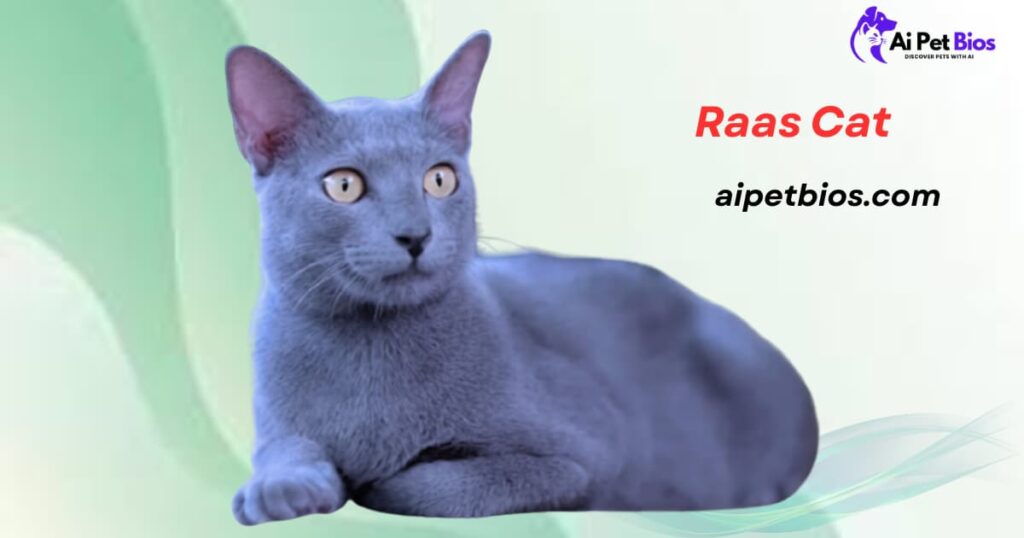
The Raas cat requires minimal grooming despite their glossy appearance. Weekly brushing with a soft-bristled brush maintains coat health and removes loose fur, preventing matting and keeping their natural shine vibrant.
Occasional baths—perhaps 2–3 times annually—help maintain their coat condition, though they typically groom themselves effectively. Nail trimming every 2–3 weeks prevents overgrowth, and ear cleaning during regular grooming sessions ensures ear health.
Nutrition and Feeding
Raas cats thrive on high-quality, protein-rich cat food appropriate to their life stage. Their Southeast Asian heritage suggests comfort with warm-climate foods and outdoor-sourced proteins. Quality commercial cat foods or appropriately-prepared raw diets work well for this breed.
Portion control remains important—these cats have moderate appetite and tendency toward weight gain if overfed. Spreading meals across two daily feedings helps maintain stable energy and supports digestive health.
Environmental Requirements
The Raas cat adapts well to indoor living when their environment provides appropriate enrichment. Climbing structures, window perches for environmental observation, and interactive toys support their moderate activity needs and intelligent minds.
Their Southeast Asian heritage suggests comfort with warm environments—they appreciate warm sleeping areas and may struggle in extremely cold climates. Temperature maintenance around 70–80°F supports their comfort and health.
Veterinary Care
Regular veterinary checkups—ideally annually—help catch health concerns early. Due to their rarity, finding veterinarians familiar with Asian breeds may require research, though Raas cats respond well to standard feline medical care.
Genetic testing, when available, helps identify any inherited conditions and supports responsible breeding decisions. Spay/neuter surgery, routine vaccinations, and dental care maintain long-term health and support their extended lifespan.
Health Considerations and Common Concerns
General Health Status
The Raas cat generally enjoys robust health, benefiting from their genetic diversity and natural evolutionary development. Unlike some selectively-bred Western breeds prone to specific health conditions, Raas cats have relatively few breed-specific concerns.
Their extended lifespan—typically 12–18 years—reflects their overall health potential when provided appropriate care and nutrition. Responsible breeders prioritize health testing and genetic diversity to maintain breed vigor.
Potential Health Considerations
While generally healthy, awareness of potential concerns includes:
- Obesity: Their moderate appetite can become problematic with overfeeding
- Dental disease: Common in cats; preventative care crucial
- Parasites: Especially relevant given their outdoor hunting inclinations
- Genetic conditions: Minimal prevalence but responsible breeders screen for potential issues
Preventative Care Emphasis
Maintaining optimal health involves:
- Consistent, high-quality nutrition
- Regular veterinary oversight
- Preventative parasite control
- Dental care and monitoring
- Appropriate weight management
- Mental enrichment and appropriate activity
Comparison Section: Raas Cats and Similar Breeds
Raas vs. Busok Cat
The Busok cat, another Southeast Asian breed, shares geographic heritage with the Raas. However, they differ significantly in appearance and temperament. Busok cats typically feature longer coats and more vocal personalities, while Raas cats emphasize short coats and quieter communication.
Raas vs. Suphalak Cat
The Suphalak cat, a Thai breed, shares some personality traits with Raas cats but differs in appearance. Suphalaks emphasize unique coat colors and metallic sheen, while Raas cats focus on their distinctive curved tail and balanced temperament.
Raas vs. Madurese Cat
Madurese cat breeds from Indonesian regions share similar evolutionary pressures with Raas cats, resulting in comparable sizes and temperaments. However, breeding standards and recognized characteristics differ significantly between these distinct regional breeds.
Raas vs. Persian Cat
Unlike the long-haired, high-maintenance Persian cat, Raas cats require minimal grooming. Persians emphasize visual drama through abundant coat and facial structure, while Raas cats balance practical simplicity with natural elegance. Personality-wise, Persians tend toward calm passivity, while Raas cats maintain more active engagement.
Raas vs. Tabby Cat
Tabby cat patterns describe coat markings found across various breeds rather than representing a distinct breed. Raas cats may display tabby patterns, but tabby refers to appearance rather than breed identity, temperament, or specific characteristics.
Pros and Cons: Evaluating Raas Cat Ownership
Advantages
✓ Remarkable intelligence and trainability
✓ Gentle, non-aggressive temperament
✓ Minimal grooming requirements
✓ Extended lifespan (12–18 years)
✓ Excellent hunters for pest control
✓ Balanced energy level
✓ Adapt well to various living situations
✓ Distinctive, elegant appearance
✓ Strong bonding with chosen humans
✓ Generally robust health
Disadvantages
✗ Extremely rare outside Asia
✗ Higher purchase price than common breeds
✗ Limited international breeding programs
✗ May require international sourcing
✗ Unfamiliar to most Western veterinarians
✗ Require knowledgeable, dedicated owners
✗ Limited breed-specific resources
✗ Can develop anxiety if inadequately stimulated
✗ Hunting instincts may conflict with small pets
✗ Long lifespan requires extended commitment
“Is This Right for You?” Decision Framework
The Raas Cat Suits You If:
✓ You appreciate rare, lesser-known breeds
✓ You can provide calm, stable environments
✓ You’re willing to invest in international sourcing
✓ You value intelligence and gentle temperament
✓ You enjoy interactive but not demanding companions
✓ You have patience for behavioral nuance
✓ You’re committed to extended companionship (12–18 years)
✓ You want unique elegance without high-maintenance grooming
Reconsider If:
✗ You require easily available, readily-sourced cats
✗ You prefer highly vocal, attention-demanding breeds
✗ You have unrealistic budgets for premium pricing
✗ You expect immediate veterinary expertise availability
✗ You want low-commitment short-term companions
✗ You’re uncomfortable with breed rarity and limited resources
✗ You have households with small pets vulnerable to predation
Frequently Asked Questions: Raas Cats
What are the characteristics of a Raas cat?
What are the characteristics of a Raas cat? Raas cats feature distinctive curved tails, short glossy coats, medium size (5–8 pounds), intelligent temperament, gentle disposition, excellent hunting abilities, and moderate vocalization. They’re remarkably adaptable yet maintain strong personality and independence balanced with genuine affection for chosen humans.
Are Raas cats playful?
Are Raas cats playful? Yes—they demonstrate good play drive and enjoy interactive toys, hunting-simulation games, and human engagement. Their moderate activity level means they balance playtime with rest periods, making them suitable for various living situations and owner activity levels.
Are Raas cats friendly pets?
Are Raas cats friendly pets? Absolutely. Their gentle temperament, intelligence, and capacity for bonding make them excellent pets for respectful families. They’re particularly suited for households practicing gentle handling and calm interactions. They form meaningful connections with chosen humans while maintaining healthy independence.
How long do Raas cats live?
How long do Raas cats live? Raas cats typically live 12–18 years with proper care, with some individuals reaching their early twenties. This extended lifespan reflects their genetic health and responsiveness to appropriate nutrition and veterinary care.
How much does a Raas cat cost?
How much does a Raas cat cost? Raas cats typically cost $800–$2,000 from established breeders, with variation based on breeder credentials, kitten quality, and geographic location. International sourcing may add $200–$500 for transportation and importation fees.
What characteristics of a Raas cat make them unique?
What characteristics of a Raas cat make them unique? Their signature curved tail, genuine intelligence, balanced temperament combining gentleness with predatory capability, minimal grooming requirements, and Southeast Asian heritage distinguish them from Western breeds. Their rarity and natural evolutionary development rather than selective breeding programs create remarkable individuals.
Conclusion: Embracing the Raas Cat Experience
The Raas cat represents a genuine opportunity to experience a remarkable feline breed combining natural elegance with refined temperament. Their extraordinary rarity, coupled with their exceptional characteristics, makes them truly special companions for dedicated, knowledgeable owners.
Whether you’re drawn to their distinctive curved tails, their intelligent demeanor, their gentle yet capable nature, or their fascinating Southeast Asian heritage, Raas cats offer something genuinely unique. These cats challenge stereotypes about what domestic feline companions can be—proving that sophistication, intelligence, and affection need not come from Western breeding programs.
For those willing to invest time, resources, and genuine dedication to sourcing and properly caring for these remarkable animals, the Raas cat offers a companionship experience unlike more common breeds. Their extended lifespan ensures years of meaningful connection, while their balanced personality makes them suitable for various living situations and owner types.
Exploring resources about Asian cat breeds, connecting with specialist breeders, and understanding Raas cat characteristics thoroughly before committing ensures successful ownership. This investment in knowledge and preparation creates the foundation for truly rewarding human-feline relationships that last their entire remarkable lifespan.
Disclaimer
This article provides informational content about Raas cats for educational purposes. It is not intended as veterinary, medical, or breeding advice. Always consult qualified veterinarians for health concerns, breeding questions, or breed-specific medical issues. Prices and availability vary by location and time; no endorsements of specific breeders are implied. Individual cat personalities vary regardless of breed characteristics. Always prioritize animal welfare and ethical breeding practices when acquiring any pet.
Courtesy: Animal Verse

Want Popular On Google? | Lust Quality Backlinks That Force-fed
I’m an SEO Expert, Guest Posting Specialist, and Web Developer helping websites increase rankings, traffic, and authority using clean, white-hat strategies 🚀
I focus on high-authority guest posts, safe backlinks, SEO-optimized content, and technically sound websites—so your site doesn’t just rank, it stays ranked.
What I help you with:
✅ SEO (On-page, Off-page & Technical)
✅ Guest Posts on Real, Relevant Sites
✅ High-Quality Link Building
✅ Keyword Research & Content Strategy
✅ SEO-Friendly Website Development
📈 No spam. No shortcuts. Only results.
👉 Need backlinks that actually work?
📩 Let’s connect: https://wa.me/+923006932631
1 thought on “Raas Cat: 12 Essential Traits of This Rare Asian Feline”
Comments are closed.