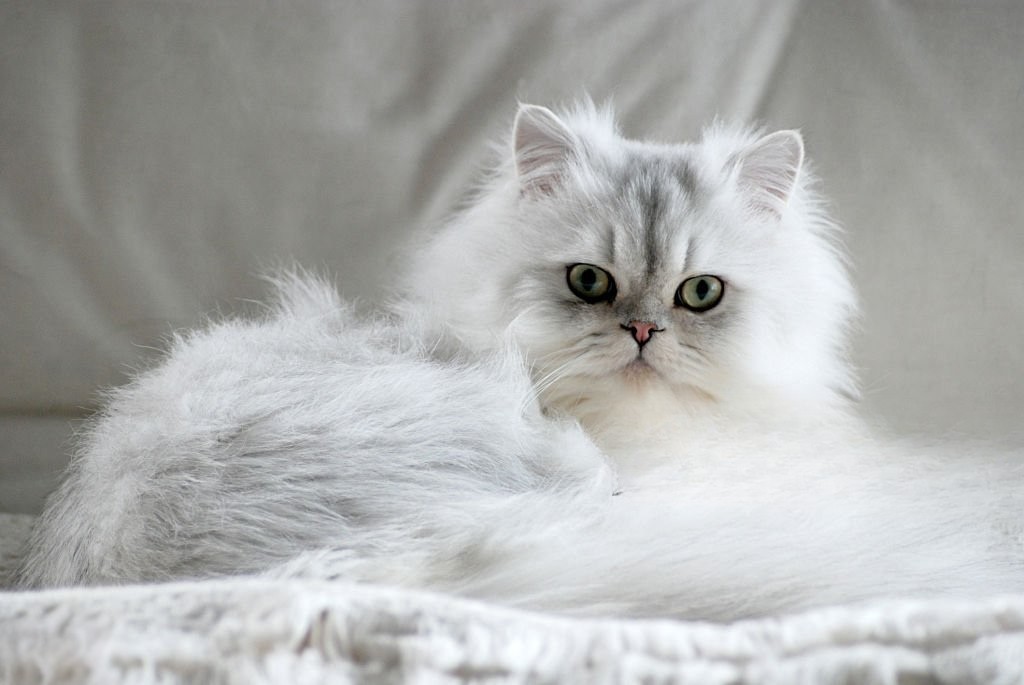
The Persian Cat: An Elegant Legacy of Grace and Serenity
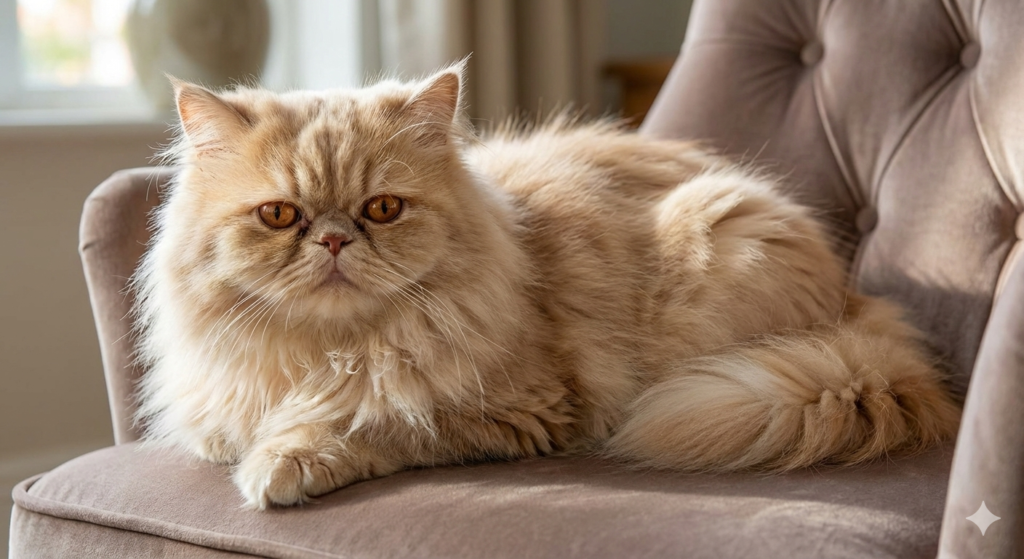
The Persian cat stands as the undisputed aristocrat of the feline world. Known for its luxurious flowing coat, sweet expression, and dignified temperament, this breed has remained one of the most popular worldwide for centuries. For your readers at AI Pet Bios, this comprehensive profile explores the intricate details of the Persian cat—from its striking physical characteristics to its quiet daily rhythms and the eventual sunset of its life.
A Regal Appearance: The Aesthetic Masterpiece
The Persian cat is instantly recognizable, yet it possesses a physical complexity that goes beyond just “long hair.” Their build is “cobby”—a term used by breeders to describe a short, stocky body with heavy bone structure and deep chest.
- The Face of an Angel: There are two primary facial varieties. The “Doll Face” (Traditional) retains a more natural muzzle and a slight break at the nose, reminiscent of the original Persian ancestors. The “Peke-Face” (Ultra-Typing) features an extremely flat profile where the nose is nearly level with the eyes, a trait often seen in show-quality cats.
- The Eyes: Large, round, and set wide apart, their eyes are their most expressive feature. Depending on the coat color, eyes can range from brilliant copper and deep blue to striking odd-eyed combinations.
- The Coat: This is the breed’s crowning glory. The Persian possesses a thick, double coat—a soft undercoat and a long, silky outer coat. They come in a kaleidoscope of colors including solids (white, black, blue), silver and gold (the famous Chinchilla), smoke, tabby, and calico.
- Distinct Features: Their ears are small, tufted, and set low on the head, while their tail is short and carried in a “plume” style, mirroring the elegance of a Victorian fan.
Temperament and Social Contacts: The Gentle Companion
Unlike the high-energy Bengal or the vocal Siamese, the Persian is the epitome of “furniture with fur.” They are serene, peaceful, and thrive in predictable environments.
- Human Interaction: Persians are deeply affectionate but selective. They do not demand attention with loud meows; instead, they communicate through soft chirps and by following their favorite human from room to room. They prefer to sit beside you rather than on you, though many enjoy a warm lap.
- Social Circle: They generally coexist peacefully with other pets, provided those pets are not overly boisterous. A Persian may find a high-energy dog or a chaotic household stressful. They are “ground-dwelling” cats; while others might climb to the top of a refrigerator, a Persian is content on the sofa.
- Child Compatibility: They are excellent for families with gentle children but may retreat if handled roughly. They value their dignity and will seek out a quiet corner if the “social contact” becomes too loud or unpredictable.
Daily Habits: The Royal Routine
The life of a Persian cat is one of measured activity and meticulous maintenance. Because they are an indoor-only breed, their daily habits revolve around the home’s interior.
- The Sleeping Giant: Persians can spend up to 16–20 hours a day sleeping. They are masters of the nap, often choosing sun-drenched spots on a rug or the softest pillow in the house.
- Grooming Rituals: This is the most significant part of their day. Because their fur is so long, it cannot be maintained by the cat alone. A daily habit for a Persian owner must involve 15–20 minutes of combing to prevent painful mats. They also require “face washing,” as their large eyes often tear, leading to staining on their light-colored fur.
- Feeding Habits: Due to their flat faces (brachycephalic), Persians often struggle with deep bowls. They prefer shallow, wide dishes or “whisker-friendly” plates. Their diet should be high-quality and calorie-controlled, as their sedentary lifestyle makes them prone to obesity.
- Burst of “Zoomies”: While mostly sedentary, Persians have short bursts of kitten-like playfulness. They enjoy batting at a feather wand or chasing a slow-moving toy for a few minutes before returning to their resting state.
Age and Development: The Stages of Life
A Persian’s life is a journey of evolving needs and deepening bonds.
- Kittenhood (0–12 Months): Persian kittens are surprisingly playful and energetic compared to adults. This is the critical window for social bonding and “desensitization”—getting them used to the brushes, combs, and baths they will need for the rest of their lives.
- Adulthood (1–10 Years): This is the prime of their life. Their coat reaches its full, majestic length, and their personality settles into a calm, predictable rhythm.
- Senior Years (11+ Years): As they age, Persians become even less active. They may develop arthritis in their heavy bones and require softer bedding and easier access to litter boxes (lower entry points).
Health, Longevity, and the End of Life
The average lifespan of a Persian cat ranges from 12 to 17 years, though many reach their late teens with excellent care. However, their unique physiology brings specific health challenges.
- Common Health Issues:
- Polycystic Kidney Disease (PKD): A hereditary condition where cysts form on the kidneys. Reputable breeders now test for this to ensure it isn’t passed down.
- Hypertrophic Cardiomyopathy (HCM): A thickening of the heart walls.
- Respiratory Issues: Due to their flat faces, they can struggle with heat and heavy breathing during exertion.
- The Dying Process (Death): As Persians reach the end of their lives, kidney failure is the most common cause of natural death. Owners will notice a decrease in appetite, weight loss, and increased lethargy. Because Persians are so stoic, they often hide their pain, making regular veterinary checkups essential in their final years.
- Passing with Dignity: Many owners choose palliative care to manage comfort. When the time comes, a peaceful passing is often facilitated by a veterinarian to ensure the “aristocrat of cats” departs this world with the same dignity it maintained throughout its life.
Why the Persian Endures
The Persian cat is not just a pet; it is a lifestyle. It requires a dedicated owner who views grooming as a bonding ritual rather than a chore. In return, the Persian offers a level of companionship that is steady, quiet, and profoundly beautiful. For those seeking a soul who will share a quiet afternoon with grace and silence, there is no breed more fitting.