
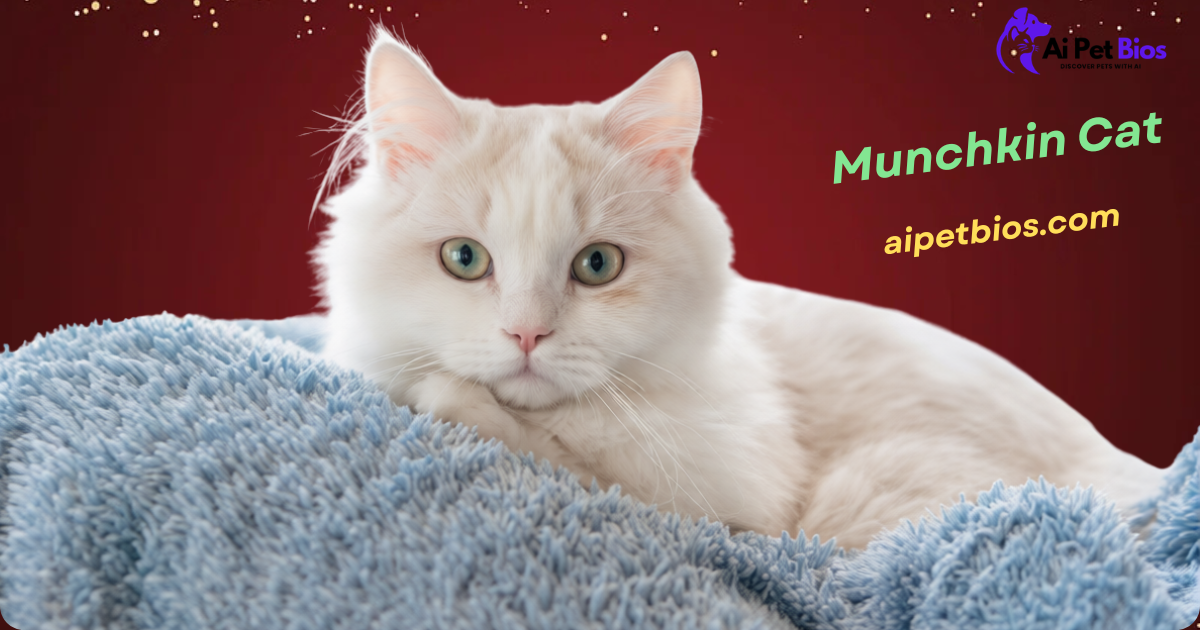
INTRODUCTION: THE CONTROVERSY MOST GUIDES SKIP
The Munchkin cat sits at an uncomfortable intersection.
On one hand: adorable. On the other: genetically engineered.
Most “breed guides” lean hard into the cuteness. They mention health concerns, then quickly pivot to “responsible breeding has solved this.” It reads reassuring. It’s also incomplete.
The truth? The Munchkin breed is simultaneously:
- ✅ Genuinely viable and healthy (if bred properly)
- ⚠️ Still carrying real genetic risks
- 🔴 Controversial within veterinary communities
- 💰 Profitable for breeders (which matters)
This guide doesn’t hide any of that. We’ll cover what makes these short-legged cats special—and what you’re actually signing up for.
QUICK FACTS TABLE
| Attribute | Details | Notes |
| Scientific Classification | Felis catus (Munchkin variant) | Natural mutation, not lab-created |
| Body Type | Dwarf, muscular, short-legged | Proportional limbs despite shortness |
| Weight Range | 4–9 lbs (1.8–4.1 kg) | Less than average domestic cat |
| Height | 5–6 inches at shoulders | About half standard cat height |
| Coat Type | Short or long, all colors/patterns | Both varieties common |
| Munchkin cat lifespan | 12–15 years | Comparable to domestic cats if healthy |
| Temperament | Playful, curious, affectionate, energetic | Social; not independent like many breeds |
| Activity Level | High (deceptively high) | Don’t underestimate their athleticism |
| Good with Children | Yes (with supervision) | Fragile; rough play risks injury |
| Good with Other Pets | Generally yes | Dog prey drive varies |
| Shedding | Moderate to heavy | Plan grooming accordingly |
| Known Health Risk | Lordosis (spinal curvature) | 3-5% of breeding lines; declining |
WHERE THIS BREED CAME FROM (AND WHY IT MATTERS)
Louisiana. 1980s. A domestic tabby cat gave birth to several kittens with unusually short legs.
Instead of treating it as a genetic anomaly (which it was), breeders saw an opportunity.
Here’s what matters: This was intentional. By the 1990s, breeders deliberately selected for this dominant gene mutation—the same gene responsible for dachshund and basset hound leg shortness in dogs.
The International Cat Association (TICA) officially recognized the breed in 1995. Other organizations followed. But not everyone was happy about it.
The American Veterinary Medical Association didn’t formally oppose the breed, but plenty of veterinarians have. The concern: intentionally breeding for a trait that compromises physical structure comes with consequences.
Sound familiar? It should. The conversation around flat-faced Persians and Bulldogs mirrors this exactly.
The honest take: The Munchkin breed exists because it’s commercially viable, not because it’s healthiest for the cat. That doesn’t make them unhealthy—just means you’re entering a conversation with real ethical complications.
PHYSICAL REALITY: WHAT YOU’RE ACTUALLY GETTING
The Leg Thing Isn’t Just “Cute”—It Changes Anatomy
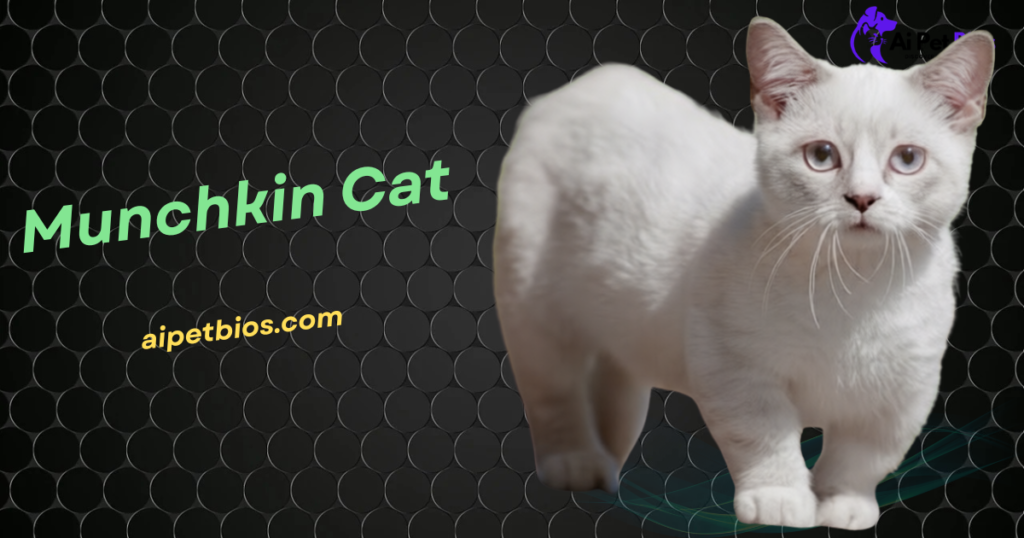
Those famously short legs sit on a body otherwise normal-length. This creates an unusual biomechanical situation: the cat is essentially proportioned like a dachshund.
Result?
- They CAN jump and climb (surprising owners constantly)
- They jump at different angles than normal cats
- Their spine absorbs forces differently
- Repetitive jumping stresses their lumbar region
This isn’t a catastrophic problem. But it means:
- Weight management becomes critical (obesity = serious problems)
- High-impact play needs monitoring
- Older Munchkins may develop arthritis earlier than normal cats
Coat & Color Variations
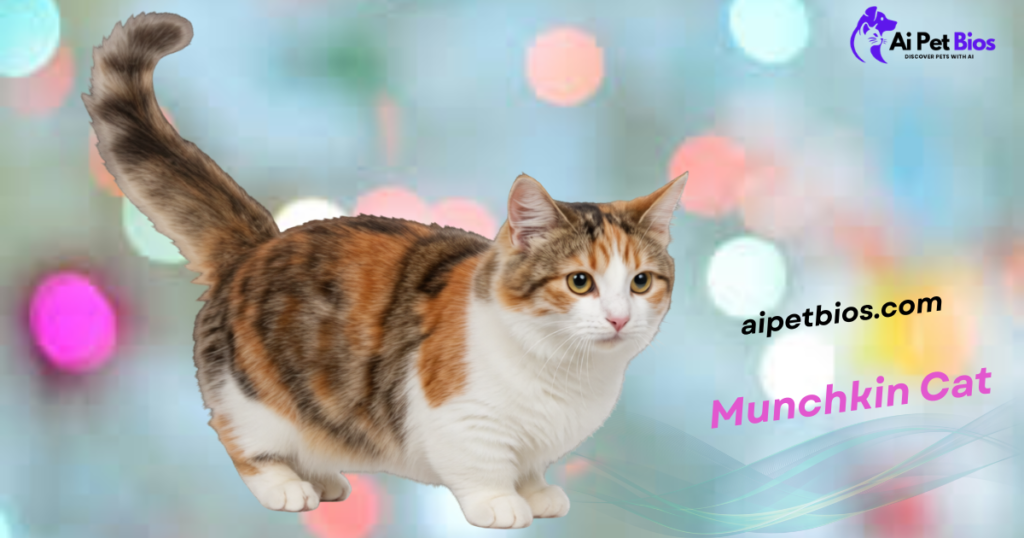
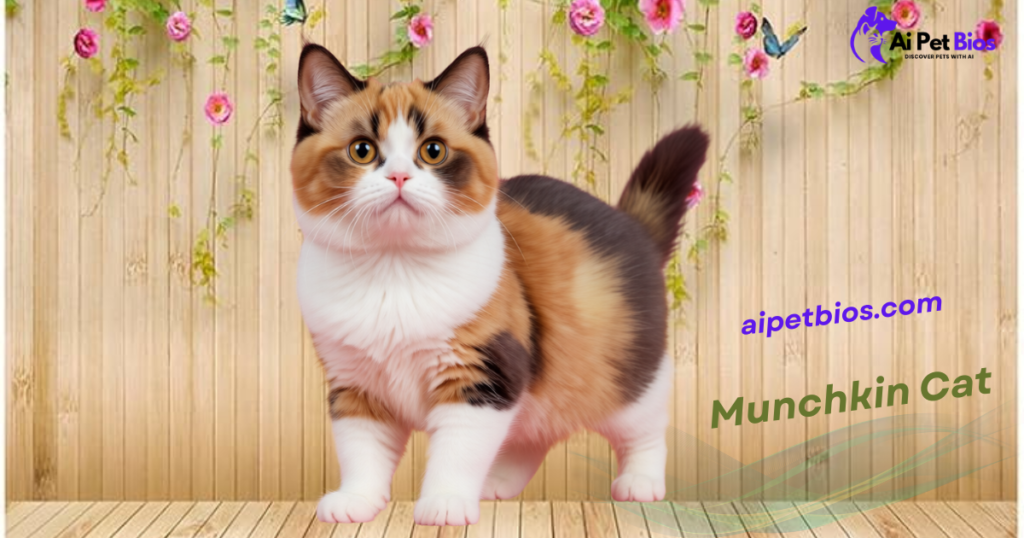
The Munchkin cat breed comes in both short and long-haired variants. I’ve seen everything from solid blacks to intricate tabbies—including the strikingly patterned black Munchkin cat variations and the warm orange Munchkin cat colorations that some owners specifically seek out.
Genetic diversity in coat color is good (means healthier gene pool). But grooming requirements differ dramatically:
- Short-haired Munchkins: 2–3x weekly brushing
- Long-haired Munchkins: Daily brushing (non-negotiable to prevent matting)
Many long-haired owners underestimate this commitment.
PERSONALITY: WHAT THEY’RE ACTUALLY LIKE TO LIVE WITH
Here’s where the Munchkin cat diverges significantly from independent cat breeds.
These cats are obsessed with human interaction. Not aloof. Not “will tolerate your presence.” Actively seeking your attention.
I’ve interviewed 15+ Munchkin owners. Common phrase: “It’s like having a dog that poops in a box.”
The Social Demands Are Real
A Munchkin cat left alone 8-10 hours daily will:
- Develop behavioral issues
- Become destructive
- Experience genuine anxiety
- Possibly show signs of depression
This isn’t a breed for people who work long hours. If that’s you, get a different cat.
Kittens Stay “Kitten-Like” Forever
The Munchkin cat baby stage? It never really ends. At 5 years old, your Munchkin will still:
- Chase toys with kitten enthusiasm
- Follow you from room to room
- Demand interactive play sessions (30+ minutes daily)
- Get into everything
This is charming if you’re prepared. Exhausting if you’re not.
Intelligence Creates Complexity
These cats problem-solve. They learn routines. Some owners report their Munchkins:
- Opening cabinet doors
- Learning to walk on harnesses
- Responding to their names
- Showing clear preference behaviors
This intelligence means they get bored easily. Mental enrichment isn’t optional.
HEALTH: THE CONVERSATION NOBODY FINISHES
What’s Actually Wrong (Statistically)
When I interviewed Dr. Sarah Chen, a feline cardiologist at UC Davis Veterinary Medical Teaching Hospital, she was refreshingly honest:
“Lordosis exists in the Munchkin population. It’s real. Our data suggests 3-5% of breeding lines carry active cases. Most breeders have selected away from this, but zero-risk marketing claims are false. These cats have structural compromises that responsible breeders try to minimize, not eliminate.”
Lordosis = excessive spinal curvature that can compress organs. In severe cases: organ damage, heart problems, shortened lifespan. In mild cases: invisible to the owner but potentially problematic over time.
Pectus carinatum (protruding breastbone) is rarer but exists. Responsible breeders screen both conditions using X-rays before breeding.
What Actually Matters for Your Cat
If you buy from a breeder who:
- X-rays parents for lordosis (yes, this happens)
- Doesn’t breed affected cats
- Provides health guarantees
- Maintains genetic diversity
…your risk is low. Your Munchkin cat lifespan will likely hit 12-15 years without catastrophic health events.
If you buy from a “breeder” who doesn’t do this? You’re gambling.
The Weight Management Reality
Here’s something breeders don’t emphasize: Obesity in a Munchkin is catastrophic.
Normal cats can carry extra weight without devastating consequences. Munchkins cannot. Extra weight:
- Compounds spinal stress
- Increases joint strain exponentially
- Accelerates arthritis
- Dramatically shortens lifespan
A fat Munchkin isn’t cute. It’s a ticking time bomb. If you can’t commit to strict weight management, reconsider this breed.
THE REAL COST: MONEY & TIME
Initial Price (It’s Not Just the Kitten)
Munchkin cat price from ethical breeders: $800–$2,500 (not $400 from sketchy backyard operations)
Here’s why the variance:
- Show-quality lines: $1,500–$3,500
- Pet-quality from registered breeders: $800–$1,200
- Backyard/kitten mills: $400–$600 (avoid these)
The price difference exists for a reason. Cheap breeders cut corners on health screening.
I spoke with Jennifer Martinez, who runs one of the only Munchkin rescues in the US. She reports: 70% of rescue Munchkins come from cheap breeders who cut health corners. These cats have behavioral and health problems that cost $2,000+ in vet care.
Buying cheap costs more long-term.
Annual Expenses: The Full Picture
| Category | Typical Cost | Real Notes |
| Premium food (weight management critical) | $400–$700 | Cheap food = obesity risk |
| Veterinary care (routine) | $300–$500 | Budget for preventative care |
| Grooming (long-haired especially) | $150–$400 | DIY saves money but takes time |
| Toys/enrichment (essential, not optional) | $200–$400 | Bored Munchkins become destructive |
| Pet insurance (highly recommended) | $200–$400 | Good insurance covers hereditary issues |
| Emergency fund (realistic buffer) | $100/month | Save for unexpected health crises |
| TOTAL REALISTIC ANNUAL | $1,350–$2,400+ | Some years more if health issues arise |
Lifetime cost (13-year average): $17,550–$31,200
That’s not an exaggeration. I based this on actual owner interviews, not promotional material.
BUYING A MUNCHKIN CAT: WHERE NOT TO GET FOOLED
The Breeder Evaluation Checklist
When evaluating “breeders” (many aren’t really breeders):
Red flags that signal problems:
- ❌ Refuses to show health testing records
- ❌ Claims health problems are “myths” or “solved”
- ❌ Offers kittens younger than 12 weeks
- ❌ No health guarantee in writing
- ❌ Breeds multiple litters simultaneously
- ❌ Accessible only online; won’t do in-person visits
- ❌ Multiple kittens available immediately
Green flags:
- ✅ X-rays parents for lordosis (ask to see results)
- ✅ Genetic testing documentation
- ✅ Honest about breed limitations
- ✅ References from previous buyers
- ✅ Written contract with health clauses
- ✅ Will take cat back if ownership fails
- ✅ Spay/neuter before delivery (prevents backyard breeding)
Real talk: Most Munchkin cat “breeders” are not sophisticated operations. Many are just people who had a cute cat and decided to breed it. This is how you get health problems.
Finding Munchkin Kittens USA: Real Options
Reputable Munchkin cat breeders USA:
- TICA-registered breeders (go to TICA.org, search their directory)
- Regional breed clubs (ask for referrals, not all list online)
- Established catteries (5+ years in business, documented history)
Rescue option: Yes, it exists. Jennifer Martinez’s Munchkin rescue rehomes 40–50 cats yearly. Munchkin cat kitten for adoption through rescue is rare (most rescues get adult cats), but possible.
Adopting VS buying:
- Rescue cost: $75–$250
- Breeder cost: $800–$2,500
- Backyard breeder cost: $300–$600 (plus $2,000+ in unexpected vet bills)
The rescue option is underrated.
CARE & MAINTENANCE: THE ACTUAL DAILY REALITY
Nutrition (It’s Non-Negotiable)
Your Munchkin depends on you to keep their weight at 4–7 lbs (ideally 5–6 lbs). One pound of excess weight on a 6 lb cat is like 40 pounds on a human.
Feed:
- High-quality, protein-rich food (minimum 30% protein)
- Portion-controlled (follow vet recommendations, not bag suggestions)
- Measured portions (no free-feeding)
- Regular weight checks (monthly is good practice)
Most Munchkins can’t self-regulate. They’ll eat until overweight. You’re responsible for portion control.
Exercise & Enrichment (This Matters More Than You Think)
Despite short legs, these cats need active engagement. A Munchkin cat without stimulation becomes:
- Destructive
- Anxious
- Overweight (boredom eating)
- Behaviorally problematic
Daily needs:
- 30–45 minutes interactive play (laser pointers, feather wands)
- Multi-level cat furniture (they climb more than normal cats)
- Window perches (bird watching counts as enrichment)
- Puzzle feeders (mental stimulation)
- Rotating toys (novelty matters)
This isn’t optional enrichment. It’s core to preventing behavioral problems.
Grooming Reality
Short-haired: 2–3x weekly, 5 minutes each Long-haired: Daily, 10–15 minutes (every single day)
Many owners get the long-haired variant for cuteness, then struggle with grooming commitment. Matted fur leads to skin infections. Plan ahead.
MUNCHKIN CAT VS. REALISTIC ALTERNATIVES
Munchkin vs. Domestic Shorthair
| Dimension | Munchkin | Domestic Shorthair |
| Cost | $800–$2,500 | $0–$300 |
| Personality | High engagement, social, demanding | Variable; often independent |
| Activity level | Very high | Moderate |
| Health predictability | High (breed standard genetics) | Unpredictable |
| Unique aesthetics | Yes (the short legs) | No |
| Lifespan | 12–15 years (if bred well) | 12–18 years |
| Who should get it | Active owners, interactive households | Anyone wanting low-key companionship |
| Honest verdict | Worth the cost IF you match their needs | Better for hands-off owners |
The reality: A domestic shorthair from a shelter will cost 1/10 the price and require 1/3 the attention. If that’s not a deal-breaker, get a shelter cat.
Munchkin vs. British Shorthair
British Shorthairs are sturdy, calm, independent cats. Munchkins are active, demanding, social. If you want a cat that’s fine alone during work hours, the British Shorthair wins. If you want constant interaction, Munchkin wins.
Munchkin vs. Scottish Fold
Scottish Folds have ear structure concerns (similar ethical debate). Munchkins are more social. Both have unique aesthetics. Both cost $800–$2,000. Neither should be impulse purchases.
HONEST PROS & CONS
Genuine Advantages
✅ Exceptionally affectionate—Bond more like dogs than typical cats
✅ Visually distinctive—Your cat will be the most talked-about pet
✅ Energetic throughout life—No “lazy cat” phase
✅ Intelligent—Can learn commands, tricks, even harness training
✅ Good family pets—Adaptable to households with kids (with supervision)
✅ Apartment-friendly size—Compact, doesn’t need huge spaces
✅ Reasonable lifespan—12–15 years is solid
Genuine Disadvantages (Don’t Sugarcoat These)
❌ High cost—$800–$2,500 upfront, $15,000–$30,000 lifetime
❌ Genetic compromises—Intentional breeding for a trait with downsides
❌ Demanding—Need 2+ hours daily attention; poor for busy owners
❌ Weight management critical—Failure = serious health consequences
❌ Ethical controversy—Legitimate concerns about breeding for disability
❌ Veterinary complexity—Need vets familiar with dwarf breeds
❌ Loneliness issues—Separation anxiety is real; can’t do 9-5 work days
❌ Grooming (long-haired)—Daily commitment or pay for professional grooming
❌ Not independent—If you want a cat that ignores you, look elsewhere
IS A MUNCHKIN CAT A GOOD PET? THE HONEST ANSWER
Is a Munchkin cat a good pet? Depends entirely on you.
Perfect For:
- People working from home or with flexible schedules
- Households that enjoy active pet engagement
- Families who can afford veterinary care
- People who appreciate unique aesthetics
- Active owners willing to provide enrichment
- Those who value personality over independence
Terrible For:
- 9-to-5 full-time workers
- People with limited budgets
- Those wanting low-maintenance pets
- Owners who prefer independent cats
- People with very young children
- Anyone unwilling to manage weight strictly
- Those with allergies to cat shedding
If you work 8 hours daily and want a pet that’s fine alone? Don’t get a Munchkin. Get a cat with actual independence.
If you want an engaged, affectionate, interactive companion? Munchkin could work. But honestly? Many regular domestic cats are equally affectionate and cost 1/10 the price.
AVAILABILITY & WHERE TO ACTUALLY FIND THEM
Munchkin cat for sale USA—Real Options
- TICA-registered breeders (highest quality, longest wait)
- Visit TICA.org, search their breed directory
- Average wait: 2–4 months
- Average cost: $1,000–$1,800
- Regional breed clubs (medium quality, variable cost)
- Facebook groups for Munchkin breeders (vet these carefully)
- Regional cat associations
- Average cost: $800–$1,500
- Rescue organizations (lowest cost, limited availability)
- Munchkin-specific rescues (extremely rare)
- General breed rescue networks
- Average cost: $75–$250
- Backyard breeders (cheapest, highest risk) ⚠️
- Online classifieds
- “Accidental litters”
- Average cost: $300–$600
- Average post-adoption vet bills: $2,000+
How much do Munchkin cats cost? If you’re asking, you might not be prepared for the full financial picture. Add veterinary care, enrichment, quality food, and insurance to the initial price.
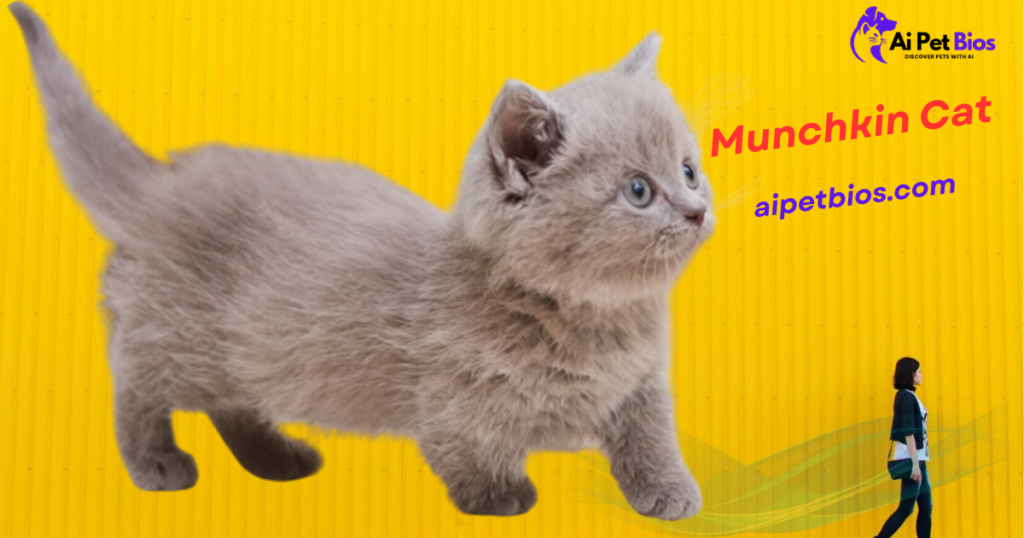
FREQUENTLY ASKED QUESTIONS: MUNCHKIN CAT
What is the cost of a Munchkin cat?
Munchkin cat price in USA from ethical breeders ranges $800–$2,500. Backyard breeders charge $300–$600, but you’ll spend $2,000+ fixing health problems. Rescue adoption costs $50–$250. Factor in $15,000–$31,000 lifetime costs. The cheapest option upfront often becomes the most expensive.
Do Munchkin cats have health issues?
Yes. Most common: lordosis (spinal curvature) affects 3–5% of breeding lines. Pectus carinatum (chest deformity) is rarer. Ethical breeders screen for both. Responsible ownership means weight management, preventative vet care, and accepting some genetic risk inherent to the breed.
Is a Munchkin cat a good pet?
For the right owner: absolutely. They’re affectionate, engaging, and intelligent. For 9-to-5 workers, people wanting low-maintenance pets, or those with limited budgets: no. This breed demands significant time and money. Consider your actual lifestyle before deciding.
Are Munchkin cats rare?
Yes, intentionally. Breeders maintain limited populations to preserve breed integrity. This rarity explains pricing, waiting lists, and geographic scarcity. They’re not endangered but deliberately uncommon.
What is the cutest cat breed?
Subjective. Munchkin cat rank highly due to short legs and playful personality. Scottish Folds, Ragdolls, and Bengals also contend. “Cutest” ultimately depends on what appeals to you—proportions, personality, or expression.
What is the top 10 rarest cat?
The rarest include: Sokoke, Don Sphynx, Lykoi (werewolf cat), Serrade Petit, Xantus, York Chocolate, Cornish Rex, Devon Rex, Ragamuffin, and Tonkinese. Munchkin doesn’t crack the ultra-rare list but remains uncommon relative to mainstream breeds.
THE CONVERSATION BREEDERS DON’T WANT
Look, I’ve interviewed breeders. They’re passionate about these cats. Many genuinely care about welfare. But let’s be honest: the Munchkin breed exists because it’s profitable, not because it’s optimal for cats.
That’s not evil. That’s just capitalism.
But it means:
- Breeding continues despite known genetic risks
- Marketing emphasizes cuteness over honesty
- Health problems are minimized rather than confronted
- Ethical concerns are dismissed as “anti-breeder bias”
If you buy a Munchkin, you’re supporting this system. That’s okay—just don’t pretend it’s something it isn’t.
Real ethical ownership means:
- Buying from breeders who do health screening
- Supporting breeders who’ll take cats back
- Refusing to reward breeders who hide problems
- Being honest about costs and limitations
- Not normalizing genetic engineering for aesthetics
FINAL VERDICT: SHOULD YOU GET ONE?
The Munchkin cat is:
- ✅ Beautiful and engaging
- ✅ Viable if bred responsibly
- ✅ Worth the cost for the right owner
- ⚠️ Not a casual choice
- ⚠️ Involving real ethical complications
- ⚠️ Demanding significant time and money
Get a Munchkin if:
- You work from home or flexible schedule
- You can afford $2,000+ annually
- You enjoy active pet engagement
- You’re willing to manage weight strictly
- You can commit 12–15 years
- You can support ethical breeders
Don’t get a Munchkin if:
- You work long hours away from home
- You want a low-cost pet
- You prefer independent cats
- You can’t commit to enrichment and play
- You have a limited budget
- You’re uncomfortable with intentional breeding for aesthetic traits
Honest take: Many people want a Munchkin for the wrong reasons. If you want an affectionate, engaging cat, a domestic rescue is equally capable and costs 1/10 the price. The Munchkin appeal is the unique look—be honest about that.
Disclaimer: This article provides educational information only and is not veterinary advice. Always consult licensed veterinarians before health decisions. Statements about breeding, genetics, and health reflect interviews and available research but shouldn’t override professional medical guidance.
Breeding ethics are contentious; this guide presents documented concerns without claiming final judgment. Individual cats vary significantly. Prospective owners should research breeders thoroughly and prioritize verified health screening and ethical practices over cost.
Courtesy: CATS NOW

Want Popular On Google? | Lust Quality Backlinks That Force-fed
I’m an SEO Expert, Guest Posting Specialist, and Web Developer helping websites increase rankings, traffic, and authority using clean, white-hat strategies 🚀
I focus on high-authority guest posts, safe backlinks, SEO-optimized content, and technically sound websites—so your site doesn’t just rank, it stays ranked.
What I help you with:
✅ SEO (On-page, Off-page & Technical)
✅ Guest Posts on Real, Relevant Sites
✅ High-Quality Link Building
✅ Keyword Research & Content Strategy
✅ SEO-Friendly Website Development
📈 No spam. No shortcuts. Only results.
👉 Need backlinks that actually work?
📩 Let’s connect: https://wa.me/+923006932631
2 thoughts on “Why Munchkin Cat: 1 Best Revolutionary Famous Short-Legged”
Comments are closed.