
Introduction
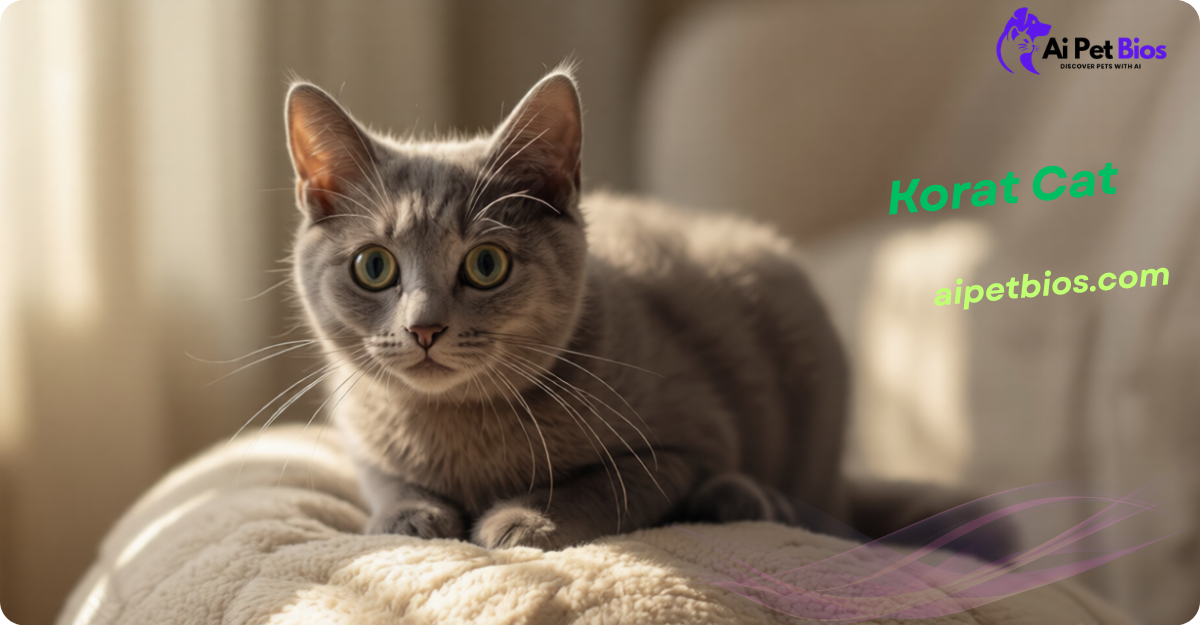
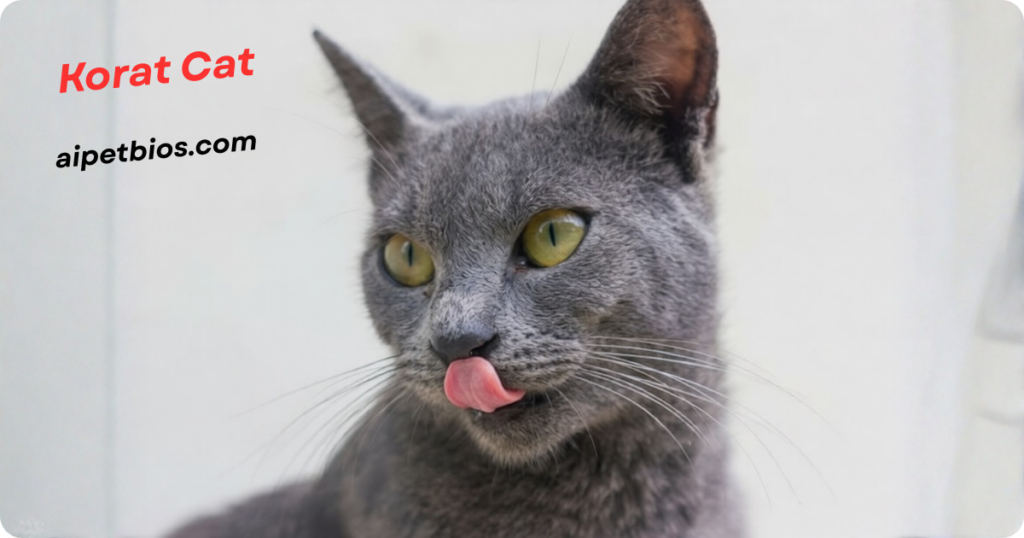
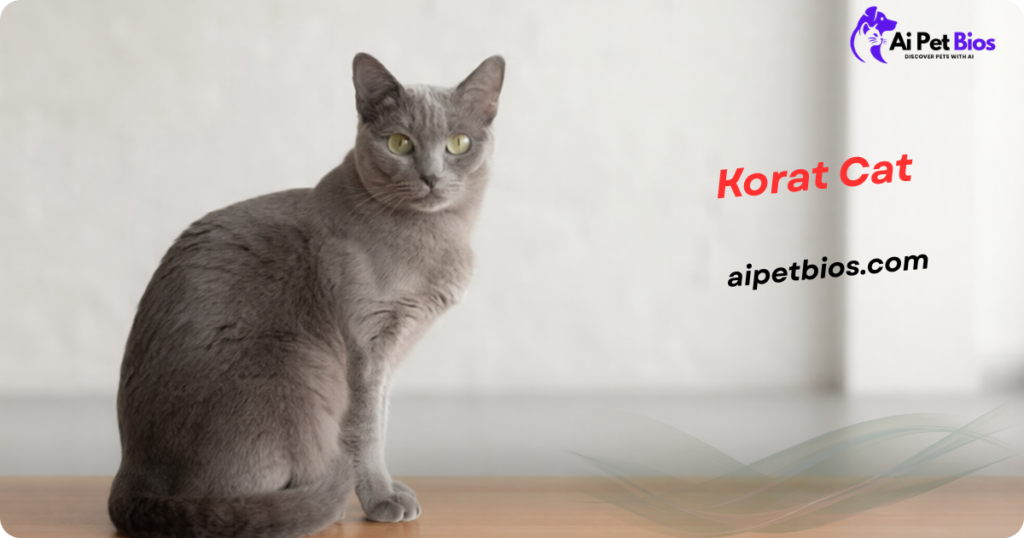
The Korat cat represents one of the world’s most distinctive and rarest cat breeds. Distinguished by its striking silver-blue coat and luminous green eyes, this ancient breed carries a mystical reputation rooted in Thai culture and history. Unlike common domestic cats, the Korat cat forms extraordinarily strong bonds with human companions, often following owners from room to room and demanding substantial interactive engagement.
According to The International Cat Association (TICA) and the Cat Fanciers’ Association (CFA), the Korat cat remains among the least common registered cat breeds. This guide explores seven critical facts that prospective owners must understand before committing to Korat cat ownership—including its ancient origins, exceptional lifespan, financial investment requirements, and unique personality characteristics that distinguish it from other blue-coated breeds.
Quick Facts: Korat Cat Overview
| Attribute | Details |
| Origin | Thailand (documented in ancient manuscripts) |
| Breed Type | Natural breed (non-created) |
| Size | Medium (6–10 pounds) |
| Distinctive Feature | Silver-blue coat; luminous green eyes |
| Lifespan | 15–20 years (typical) |
| Personality | Loyal, vocal, affectionate, dog-like |
| Activity Level | Moderate-high |
| Rarity | Extremely rare; <100 active breeders globally |
| Price Range | $800–$2,500 (reputable breeders) |
| Best For | Devoted owners; interactive households |
CRITICAL FACT #1: Ancient Thai Heritage Documented in Historical Records
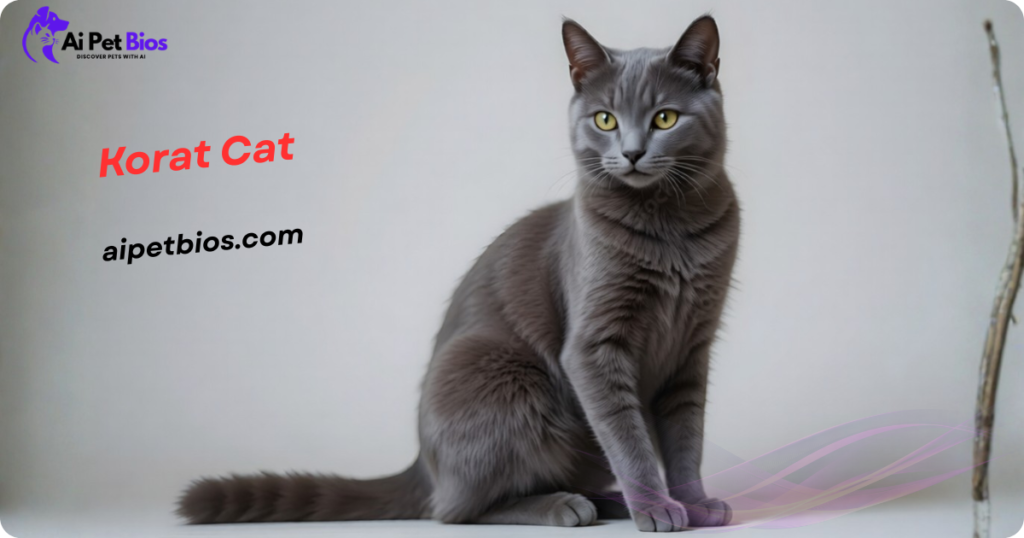
The Korat cat breed boasts one of the oldest documented histories of any cat breed. Unlike many modern cat breeds developed through selective breeding in the last 150 years, Korats emerged naturally in Thailand centuries ago.
Historical Documentation
The breed is referenced in the “Tamra Maew” (Treatise on Cats), a 14th-century Thai manuscript housed in the National Library of Thailand. This ancient text describes cats with characteristics matching modern Korats: silver-blue coats, green eyes, and small-to-medium size. The manuscript’s descriptions suggest the breed has maintained consistent physical traits for over 600 years.
According to Thai cultural records, Korat cat ownership was historically reserved for members of the Thai royal family and respected Buddhist monks. The breed was so valued that presenting a Korat to someone was considered a blessing—a tradition that persists in Thai culture today.
Western Discovery
The Korat cat breed remained primarily within Thailand until the 1960s. The first documented imports to North America occurred in 1959 when American cat enthusiast Jean Johnson brought breeding pairs from Thailand. The Cat Fanciers’ Association recognized the Korat cat as an official breed in 1966, followed by TICA recognition in 1979.
Key Point: This ancient lineage distinguishes Korats from most modern cat breeds, which are primarily human-engineered rather than naturally occurring.
CRITICAL FACT #2: Exceptional Longevity Sets Korats Apart
One of the most significant advantages of Korat cat ownership is the breed’s extended lifespan. Korats typically live 15–20 years, with some individuals reaching their early 20s—longer than the average domestic cat lifespan of 12–15 years.
Why Korats Live Longer
Several factors contribute to the breed’s longevity:
Natural Genetic Health: Because Korats emerged naturally rather than through selective breeding programs, the breed lacks many hereditary conditions that plague other purebred cats. The gene pool remains relatively diverse, reducing the risk of genetic diseases.
Fewer Breed-Specific Conditions: Unlike some breeds predisposed to heart disease, kidney problems, or genetic disorders, Korats have remarkably low rates of breed-specific health issues. This means fewer medical complications in older age.
Robust Constitution: The breed’s natural origin and geographic isolation in Thailand created a hardy, resilient cat type. This genetic resilience translates to better health outcomes throughout the lifespan.
Long-Term Commitment
Extended lifespan means Korat cat ownership is a 15–20 year commitment. Prospective owners should consider:
- Veterinary care needs over extended period
- Potential lifestyle changes over two decades
- Long-term financial responsibility
- Emotional investment in a long-lived companion
This extended commitment period distinguishes Korat ownership from acquiring more short-lived pets.
CRITICAL FACT #3: Extraordinarily Rare—Fewer Than 100 Active Breeders Exist Globally
The Korat cat breed remains extremely rare. While major cat registries recognize the breed, the total population of registered Korats worldwide is remarkably small compared to common breeds like Persians, Siamese, or Maine Coons.
Rarity Statistics
According to TICA breed registration data, Korats represent a tiny fraction of all registered cats. Only approximately 85–100 active Korat cat breeders operate globally, with even fewer in North America. This scarcity creates several practical implications:
Limited Availability: Finding a Korat cat for sale requires extensive research and often involves wait lists of 6–18 months. Unlike popular breeds where kittens are readily available, Korat breeders are selective and maintain small, carefully managed breeding programs.
Geographic Challenges: Most active Korat breeders concentrate in specific regions (California, New York, Illinois, Texas). Prospective owners may need to travel significant distances or arrange shipping to acquire a kitten from a reputable breeder.
Higher Pricing: Limited supply and high demand create premium pricing. Korat cat price reflects the rarity and effort required to maintain the breed.
Quality Control: The scarcity of breeders means fewer opportunities for unethical or irresponsible breeding. However, it also means fewer options if a breeder is unsuitable.
Breed Club Resources
The Korat Breed Club of America maintains breeder listings and provides educational resources for prospective owners. The International Cat Association (TICA) and Cat Fanciers’ Association (CFA) official breed standards help identify reputable breeders versus unqualified sources.
CRITICAL FACT #4: Intense Loyalty and Vocalization Define Personality
The Korat cat personality is fundamentally distinct from typical domestic cats. The breed exhibits characteristics more commonly associated with dog-like devotion than feline independence.
Exceptional Bonding Behavior
Korat cats form unusually strong attachments to their human companions. Unlike cats that maintain emotional distance, Korats typically:
- Follow owners throughout the home consistently
- Seek constant physical proximity and contact
- Become visibly stressed during owner absence
- Greet owners enthusiastically upon return
- Actively participate in household activities
This intensity of bonding means Korat cats require owners who can provide consistent companionship and suffer substantially from prolonged alone time.
The “Korat Meow”: Distinctive Vocalization
The Korat meow is notably different from typical cat vocalizations. Rather than loud, attention-demanding meows, Korats produce soft, melodic, almost conversational sounds. This distinctive vocalization serves as their primary communication method with humans.
Korats appear to develop individual communication patterns with different family members—responding differently to different people and adapting their vocalizations based on context. This interactive communication style contributes to the perception of Korats as highly intelligent and conversational pets.
Intelligence and Trainability
Korat cats demonstrate exceptional problem-solving abilities and learning capacity. Unlike most cats, they respond readily to training commands, can learn to walk on harnesses, and engage with puzzle toys and interactive games. This intelligence requires substantial mental stimulation to prevent boredom-related behavioral issues.
CRITICAL FACT #5: Significant Financial Investment Required
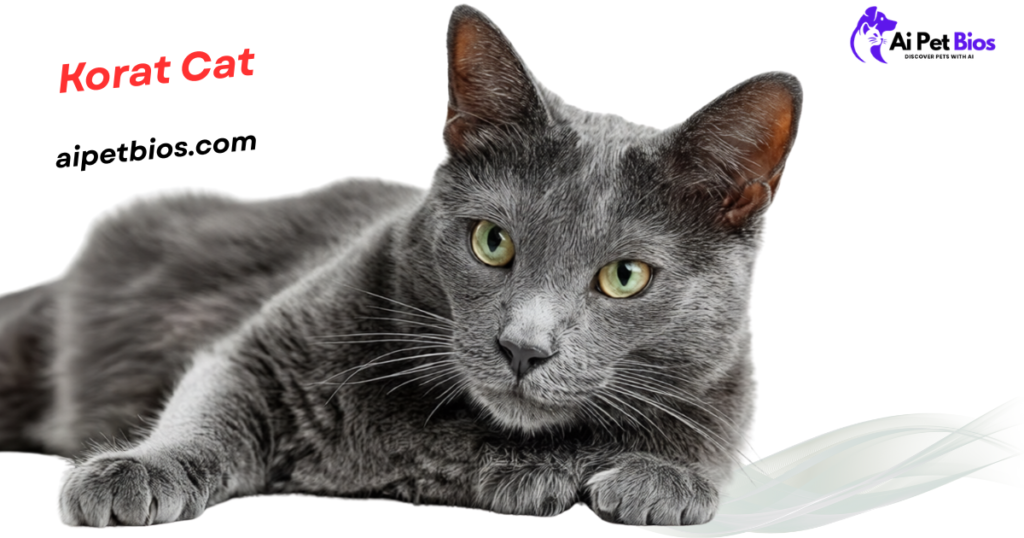
Korat cat ownership involves substantial financial commitment both for acquisition and ongoing care.
Purchase Price: Korat Cat Price USA
How much does a Korat cat cost in the USA? Pricing varies by quality and location:
| Category | Typical Price Range |
| Pet-quality kitten | $800–$1,500 |
| Show-quality kitten | $1,500–$2,500 |
| Premium/championship lines | $2,500–$4,000+ |
| Rescue/adoption | $75–$300 |
Reputable breeders verify their credentials through TICA or CFA registration and typically provide:
- Health screening and genetic testing
- Written health guarantees (typically 1–2 years)
- Socialization and care prior to delivery
- Ongoing breeder support
Geographic variations affect Korat cat price. West Coast pricing typically exceeds Midwest pricing due to higher demand and cost of living.
First-Year Costs
Beyond the purchase price, prospective owners should budget for:
| Expense | Estimated Cost |
| Initial supplies (litter box, toys, carriers) | $200–$500 |
| Veterinary exam and vaccines | $300–$500 |
| Spay/neuter (if not included) | $200–$600 |
| Food and supplies (first year) | $500–$1,000 |
| Emergency vet fund | $500–$1,000 |
| First-year total | $1,700–$3,600 |
Annual Ongoing Costs
After the first year, typical annual expenses include:
- Food and supplies: $400–$600
- Annual veterinary care: $300–$500
- Emergency/preventive fund: $200–$400
- Toys and enrichment: $100–$200
Annual total: $1,000–$1,700
This financial commitment spans the 15–20 year lifespan, representing a substantial long-term investment.
CRITICAL FACT #6: Korat vs. Russian Blue—Common Confusion
The Korat cat and Russian Blue are frequently confused because both breeds feature silver-blue coats and green eyes. However, significant distinctions differentiate these breeds:
Key Differences: Korat Cat vs Russian Blue
| Aspect | Korat Cat | Russian Blue |
| Origin | Thailand (ancient, natural) | Russia (1800s, developed breed) |
| Head Shape | Heart-shaped, distinctive profile | Triangular, wedge-shaped |
| Eye Appearance | Luminous, bright green | Green to yellow-green |
| Coat Texture | Glossy, short, close-lying | Dense, plush, thicker |
| Personality | Intensely vocal, affectionate | Quieter, more reserved |
| Bonding Style | Dog-like devotion, clingy | Independent, selective |
| Trainability | Highly responsive to commands | More aloof, less responsive |
| Typical Price | $800–$2,500 | $600–$2,000 |
How to Distinguish Between Breeds
Head Shape: The most obvious distinction. Korats have distinctive heart-shaped heads with rounded contours. Russian Blues have triangular, wedge-shaped faces with sharper angles.
Eye Quality: Korat eyes are notably luminous and bright green. Russian Blue eyes are lighter green or yellow-green and less prominent.
Personality: Korats are intensely vocal and actively seek human interaction. Russian Blues are quieter and more independent.
Coat Feel: Korat coats are glossy and sleek. Russian Blue coats are denser and plushier.
CRITICAL FACT #7: Not Suitable for Absent Owners—Requires Substantial Engagement
Perhaps the most important consideration for prospective Korat cat owners is the breed’s substantial engagement requirements. This is not a low-maintenance pet suitable for busy owners or those who travel frequently.
Daily Engagement Needs
Korat cats require consistent interactive engagement:
- Interactive play: 30–45 minutes daily (distributed throughout the day)
- Companionship: Significant human interaction and attention
- Mental stimulation: Puzzle toys, training sessions, interactive games
- Proximity seeking: Comfort with cat following owner and seeking constant contact
Unlike independent cat breeds that entertain themselves, Korats actively demand human involvement and become stressed during prolonged alone time.
Unsuitable Situations
Korat cats are poor fits for:
- Owners working 8+ hours daily outside the home
- Frequent travelers who leave cats unattended
- Individuals preferring quiet, independent pets
- Noise-sensitive environments or buildings
- Households with limited time for interaction
- People seeking low-maintenance companions
Ideal Owner Profile
Korat cats thrive with:
- Remote workers or flexible schedules
- Retired individuals or home-based parents
- Active households with regular interaction
- Owners who appreciate vocal, conversational pets
- Individuals comfortable with 15–20 year commitment
- People seeking dog-like cat loyalty
- Households able to provide substantial enrichment
Korat Cat: Personality, Care, and Health Considerations
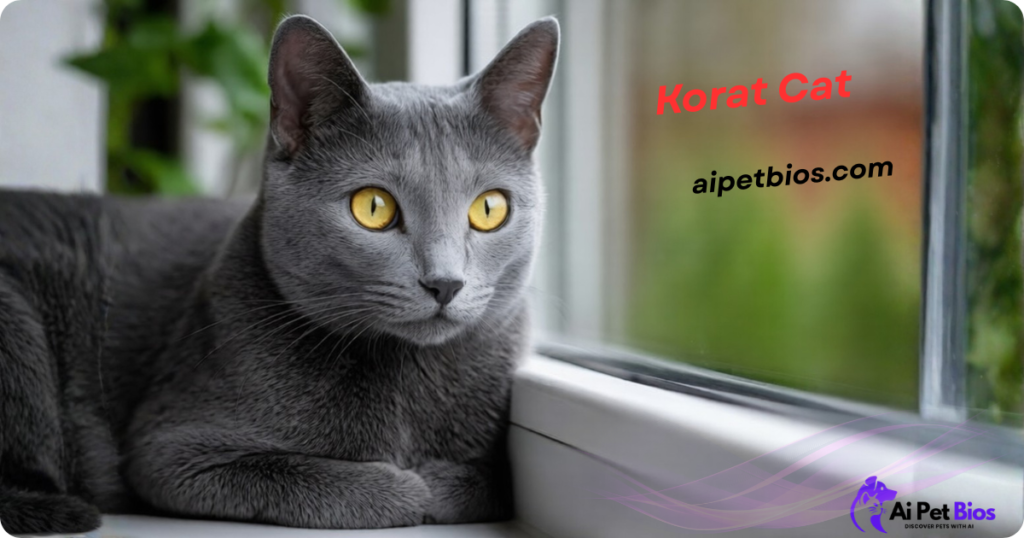
The Korat Personality in Detail
Beyond their exceptional loyalty, Korats exhibit several personality characteristics:
Sensitivity to Environment: Korats are sensitive to household stress and changes. They respond negatively to loud noises, sudden disruptions, or conflict.
Preference for Routine: The breed appears to prefer consistent daily routines. Disruptions to feeding times, play schedules, or household patterns can cause behavioral issues.
Social Nature: Unlike many cats, Korats typically enjoy and seek social interaction with visitors and family members rather than hiding.
Play Preferences: The breed enjoys interactive play with humans more than solo play with toys, though they do engage with puzzle feeders and enrichment toys.
Care Requirements
Grooming: The Korat cat short coat requires minimal grooming. Weekly brushing removes loose hair and maintains coat health. The breed sheds moderately during seasonal shedding periods.
Nutrition: High-quality cat food appropriate for active cats supports optimal health. Korats are not particularly prone to obesity when provided adequate engagement and activity.
Environmental Enrichment: Vertical spaces, window perches, puzzle feeders, and interactive toys provide essential mental stimulation.
Veterinary Care: Annual wellness exams and preventive care maintain health throughout the lifespan.
Common Health Considerations
Genetic Health: The Korat breed maintains relatively good genetic health compared to many purebred cats. No specific breed-predisposed conditions are widely documented.
Heat Sensitivity: The short coat provides minimal insulation, making Korats sensitive to cold temperatures. They prefer warm environments.
Lifespan Expectations: The typical 15–20 year lifespan makes Korats excellent long-term companions for committed owners.
Korat Cat: Pricing, Availability, and Finding Reputable Breeders
Korat Cat for Sale: Where to Find
Reputable Breeders:
- TICA Breeder Directory (www.tica.org/breeders)
- Cat Fanciers’ Association Breeder Referral (www.cfa.org)
- Korat Breed Club of America (breed-specific resources)
Adoption and Rescue:
- All-breed cat rescues
- Breed-specific rescue organizations
- Petfinder.com and Rescue Me! breed listings
Breeder Verification
Before acquiring a Korat kitten, verify:
- TICA or CFA registration and membership
- Health screening practices (genetic testing, health checks)
- References from previous buyers
- Written contracts with health guarantees
- Post-adoption support and availability
- Detailed knowledge of breed standards
Red flags indicating problematic breeders include:
- Inability to provide references
- Unwillingness to discuss health screening
- Pressure to purchase quickly
- No written contract or guarantees
- Multiple litters constantly available
Frequently Asked Questions: Korat Cat
How much does a Korat cat cost in the USA?
Korat cat price USA ranges from $800–$1,500 for pet-quality kittens from reputable TICA/CFA-registered breeders. Show-quality cats typically cost $1,500–$2,500. Premium championship lines reach $2,500–$4,000 or more. Rescue adoption costs $75–$300. First-year total costs (supplies, veterinary, food) typically total $1,700–$3,600.
Are Korat cats rare?
Yes, the Korat cat breed is extremely rare. Fewer than 100 active breeders exist globally, and Korats represent a tiny fraction of all registered cats. This rarity means limited availability, extended wait times (often 6–18 months), and higher pricing compared to common breeds.
What is the personality of a Korat cat?
The Korat cat personality is characterized by exceptional loyalty, dog-like devotion, and distinctive vocalization. Korats form intense bonds with owners, follow them throughout homes, and actively seek constant companionship. They communicate through soft, melodic vocalizations and respond readily to training—more like intelligent dogs than typical cats.
What is the difference between a Korat and a Russian Blue?
Key Korat cat vs Russian Blue differences: Korats have heart-shaped heads; Russian Blues have triangular faces. Korats feature brighter, more luminous green eyes. Korats are intensely vocal and affectionate; Russian Blues are quieter and more independent. Korat coats are glossy; Russian Blue coats are denser and plushier.
Are Korat cats hypoallergenic?
No cat breed is completely hypoallergenic. However, Korats produce somewhat fewer allergens than many breeds and shed minimally. Individual results vary significantly. People with cat allergies should spend time with Korats before committing to ownership.
How much is a Korat cat worth?
Korat cat cost reflects rarity, health screening, and pedigree. Pet-quality kittens represent a $1,000–$2,000 investment; show-quality cats cost $1,500–$2,500+. However, the true value extends beyond purchase price—the exceptional 15–20 year lifespan and dog-like loyalty create substantial long-term value for devoted owners.
Are Korats rare in the US?
Korats are extremely rare in the United States. Limited breeder availability, geographic concentration, and restricted breeding practices keep population numbers low. This rarity makes sourcing from reputable breeders challenging and often involves extended wait times.
Is a Korat Cat Right for You?
Best Suited For:
✅ Remote workers or home-based owners
✅ Retired individuals or stay-at-home parents
✅ Active households with regular interaction
✅ People who appreciate vocal, conversational pets
✅ Owners seeking exceptional loyalty and companionship
✅ Individuals comfortable with 15–20 year commitment
✅ People able to provide substantial enrichment
Poor Fit For:
❌ Owners working 8+ hours daily outside home
❌ Frequent travelers leaving cats unattended
❌ People preferring quiet, independent pets
❌ Noise-sensitive environments
❌ Households with limited time for interaction
❌ Individuals seeking low-maintenance companions
❌ People with tight budget constraints
Conclusion: Understanding Korat Cat Ownership
The Korat cat breed represents an exceptional choice for devoted owners committed to providing substantial engagement and companionship. With documented ancient heritage, exceptional longevity, rare breed status, and unparalleled loyalty, Korats offer a unique companion experience.
However, this breed is not suitable for everyone. Prospective owners must honestly assess whether their lifestyle, schedule, and temperament align with the Korat’s substantial needs for interaction, engagement, and companionship.
The reward for meeting a Korat’s requirements is an incomparable human-animal bond characterized by genuine devotion, interactive engagement, and 15–20 years of exceptional companionship.
Before acquiring a Korat cat, connect with the Korat Breed Club of America, verify breeder credentials through TICA/CFA registration, and speak with current owners about the realistic ownership experience. Take time to determine whether this ancient, loyal, demanding breed aligns with your life and values.
Disclaimer
This article is provided for informational and educational purposes only and does not constitute professional veterinary, medical, or legal advice. Before acquiring any cat, consult qualified veterinarians and breed specialists to address individual health, behavioral, and suitability concerns.
Pricing, availability, and breed characteristics vary by region and change over time. Always source cats from reputable, ethical breeders verified through TICA or CFA registration. The author and publisher assume no responsibility for outcomes resulting from decisions made based on this content.
References & Authoritative Sources
Breed Standards and Official Recognition:
- The International Cat Association (TICA) – Korat Breed Standard
- Cat Fanciers’ Association (CFA) – Korat Official Breed Standard
- Korat Breed Club of America – Official breed club resources
Historical Documentation:
- National Library of Thailand – Tamra Maew (Treatise on Cats), 14th century manuscript
- Thai cultural and historical records regarding royal cat breeds
Veterinary and Health Information:
- American Feline Medical Association – General feline health guidelines
- Cornell Feline Health Center – Academic veterinary resources
For More Information: Prospective owners seeking additional information should consult:
- TICA breeder directory and standards
- CFA official breed documentation
- Korat Breed Club of America for community resources
- Licensed veterinarians experienced with breed characteristics
Courtesy: Facts about Cats

Want Popular On Google? | Lust Quality Backlinks That Force-fed
I’m an SEO Expert, Guest Posting Specialist, and Web Developer helping websites increase rankings, traffic, and authority using clean, white-hat strategies 🚀
I focus on high-authority guest posts, safe backlinks, SEO-optimized content, and technically sound websites—so your site doesn’t just rank, it stays ranked.
What I help you with:
✅ SEO (On-page, Off-page & Technical)
✅ Guest Posts on Real, Relevant Sites
✅ High-Quality Link Building
✅ Keyword Research & Content Strategy
✅ SEO-Friendly Website Development
📈 No spam. No shortcuts. Only results.
👉 Need backlinks that actually work?
📩 Let’s connect: https://wa.me/+923006932631
1 thought on “Korat Cat: 7 Critical Facts | Owner Must Know”
Comments are closed.