
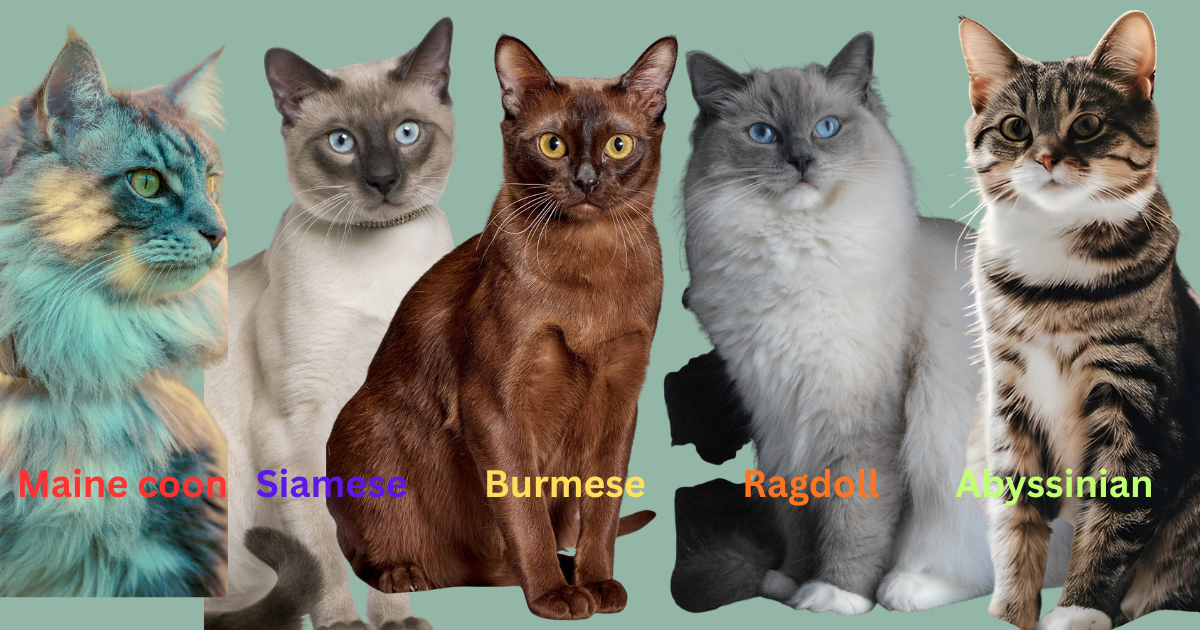
Finding the perfect feline companion for your family means balancing intelligence with temperament. The best intelligent cat breeds for families combine impressive cognitive abilities with patience, gentleness, and adaptability around children. Not every smart breed suits family life-some brilliant cats are too high-energy, anxious, or territorial for households with kids.
This comprehensive guide explores smart cats for families, examining which intelligent cat breeds naturally enjoy children’s company, how to integrate clever cats into family life, and what personality traits make certain brainy breeds better family companions than others. Discover how to choose a cat that will grow with your family, participate in activities, and form lasting bonds with every family member.
Family-Friendly Intelligence: What to Look For
Essential Traits in Family-Smart Cats
The ideal intelligent cat breeds for families possess these characteristics:
Emotional Intelligence: Understanding children’s unpredictable behavior, energy levels, and occasional rough handling without becoming aggressive or fearful.
Patience and Tolerance: Accepting interruptions during naps, handling gentle grabbing, and forgiving children’s learning process about proper pet interaction.
Playful but Gentle: Engaging actively with children without using claws or teeth, even during excited play sessions.
Social Adaptability: Thriving in busy households with noise, activity, and multiple family members rather than requiring quiet solitude.
Moderate Energy: Energetic enough to play with kids but not so hyperactive that they become overwhelming or destructive.
Consistent Temperament: Predictable, steady personality that children can learn to read, rather than unpredictable mood swings.
Top 5 Best Intelligent Cat Breeds for Families

1: Maine Coon – The Gentle Giant Family Favorite
Family Suitability: 10/10
Maine Coons claim the top spot as the best intelligent cat breeds for families due to their unbeatable combination of smarts, gentleness, and patience.
Why They’re Perfect for Families:
Size Advantage: Large size (10-25 lbs) makes them harder for small children to accidentally hurt, reducing injury risk for both kids and cat.
Exceptional Patience: Maine Coons tolerate children’s energy levels better than most breeds, rarely becoming aggressive even when mildly bothered.
Playful Intelligence: Smart enough to play interactive games with older children while remaining gentle with toddlers.
Adaptable Nature: Adjust well to busy, noisy households and enjoy being part of family activities.
Problem-Solving Skills: Learn household routines quickly, understand boundaries, and remember which behaviors are acceptable around children.
Personality Profile:
- Temperament: Gentle, friendly, patient, playful
- Energy Level: Moderate (matches various family activity levels)
- Child Interaction: Excellent with all ages
- Multi-Pet Friendly: Yes, integrates easily
Ideal Family Type: All families, from couples with infants to multi-generational households. Excellent first intelligent cat breeds for families with limited cat experience.
Training with Kids: Maine Coons learn tricks at a comfortable pace, making them perfect for children learning to train pets. They excel at observation-based learning, often mimicking family behaviors.
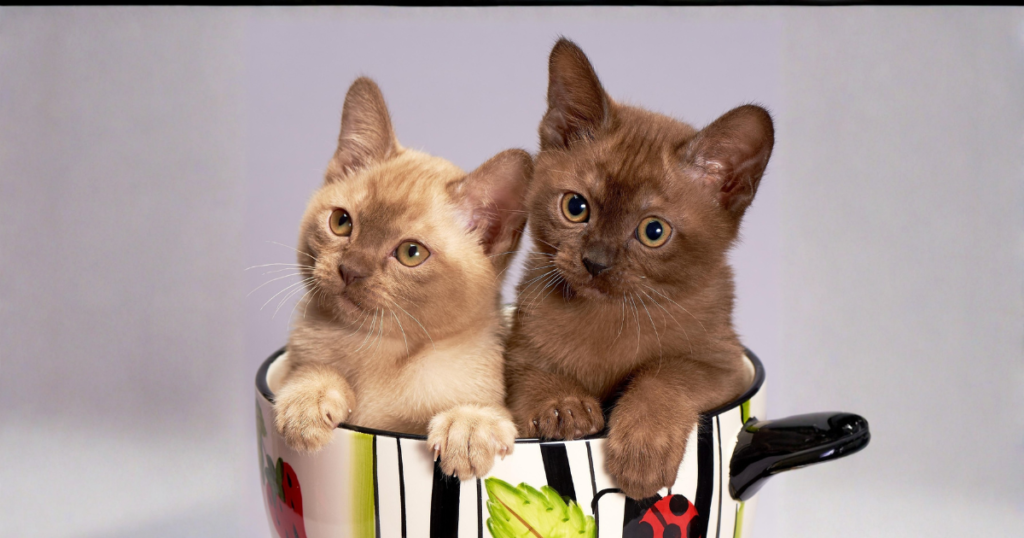
2: Burmese – The Emotional Support Feline
Family Suitability: 9.5/10
Burmese cats rank second through exceptional emotional intelligence that helps them understand and adapt to children’s moods and energy levels.
Why They Excel in Families:
Emotional Perceptiveness: Recognize when children are upset, tired, or overstimulated and adjust their interaction style accordingly.
Affectionate Nature: Seek out cuddles from all family members, including children, without becoming clingy or anxious.
Moderate Energy: Playful enough to entertain kids but calm enough to relax during quiet family time.
Patient Temperament: Forgive children’s training mistakes and rough handling, retreating politely rather than scratching when overwhelmed.
“Dog-Like” Loyalty: Follow family members around, participate in activities, and greet children returning from school.
Personality Profile:
- Temperament: Affectionate, people-oriented, adaptable, empathetic
- Energy Level: Moderate-high (energetic play periods, calm rest periods)
- Child Interaction: Exceptional—actively seeks children’s attention
- Multi-Pet Friendly: Yes, especially with dogs
Ideal Family Type: Families with children ages 5+, households where someone is home frequently, families seeking emotional support cats that bond with everyone.
Teaching Opportunities: Burmese cats’ eagerness to please makes them ideal for teaching children responsible pet training, as they respond well to kids’ training attempts with proper adult supervision.
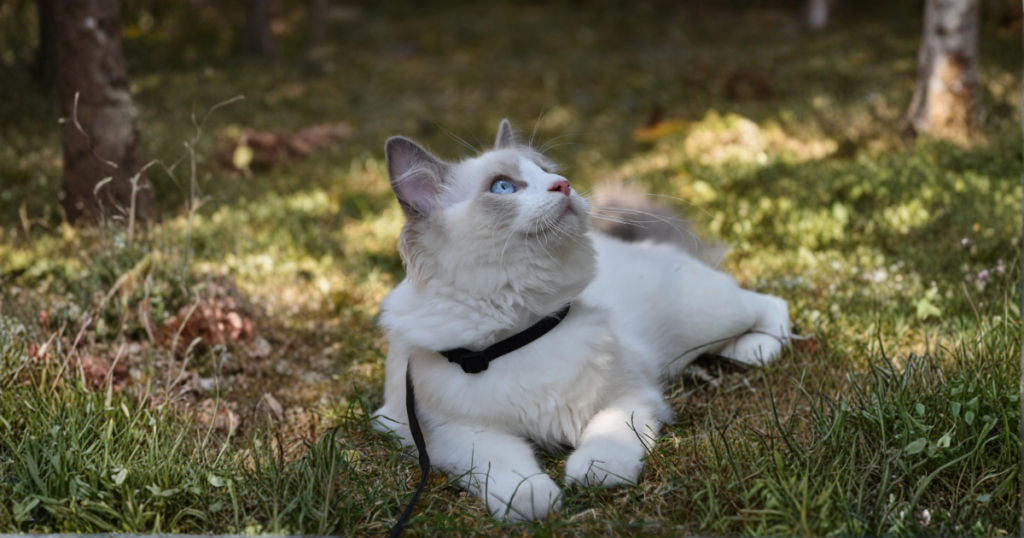
3: Ragdoll – The Patient Companion
Family Suitability: 9/10
While not in the top 10 most intelligent cat breeds, Ragdolls deserve inclusion for balancing moderate intelligence with exceptional family-friendliness.
Why They’re Great Family Cats:
Signature Patience: Famous “floppy” nature means they relax completely in children’s arms, reducing injury risk during handling.
Moderate Intelligence: Smart enough to learn rules and boundaries but not so clever they constantly outsmart child-proof measures.
Gentle Play Style: Rarely extend claws during play, making them safe for interactive games with children of all ages.
Calm Demeanor: Unfazed by household chaos, loud noises, or sudden movements—perfect for active family environments.
Social Intelligence: Understand group dynamics in multi-child households, distributing attention fairly among family members.
Personality Profile:
- Temperament: Docile, affectionate, laid-back, trusting
- Energy Level: Low-moderate (perfect for varied family schedules)
- Child Interaction: Outstanding—tolerates handling exceptionally well
- Multi-Pet Friendly: Yes, peaceful with other animals
Ideal Family Type: Families with young children (toddlers to elementary age), first-time cat-owning families, households seeking calm, manageable intelligent companions.
Child Development: Ragdolls’ patience makes them ideal for teaching young children gentle handling, empathy, and respect for animals.
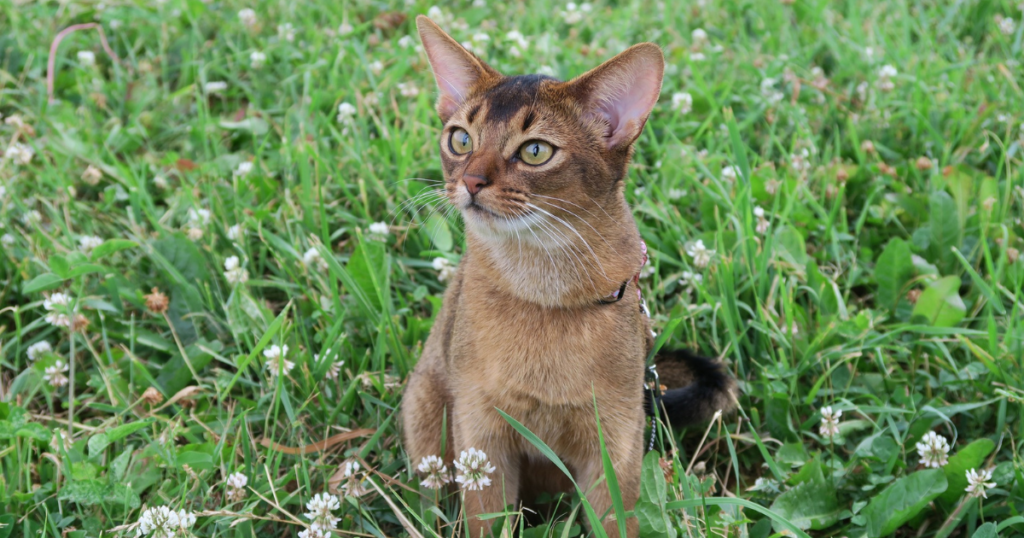
4: Abyssinian – The Active Family Playmate
Family Suitability: 8/10
Abyssinians suit active families with older children who can match their energy and appreciate their playful intelligence.
Why They Work for Active Families:
Exceptional Playfulness: Boundless energy matches active children (ages 8+) perfectly for interactive games, fetch, and chase.
Superior Intelligence: Learn tricks quickly, entertaining children and teaching them about animal cognition.
Athletic Abilities: Impressive climbing and jumping skills fascinate children and encourage active play rather than screen time.
Curiosity: Constant investigation and exploration keeps family life entertaining and teaches children observation skills.
Social Nature: Enjoy being part of family activities rather than hiding, participating in homework time, meal prep, and family game nights.
Personality Profile:
- Temperament: Extroverted, playful, curious, active
- Energy Level: Very high (needs substantial daily play)
- Child Interaction: Best with children 8+ who respect boundaries
- Multi-Pet Friendly: Yes, especially with dogs as playmates
Ideal Family Type: Active families with older children, households with secure outdoor access (catios), families committed to 45-60 minutes daily interactive play.
Considerations: Not ideal for families with toddlers or infants due to high energy. Require extensive environmental enrichment to prevent boredom-related behaviors.
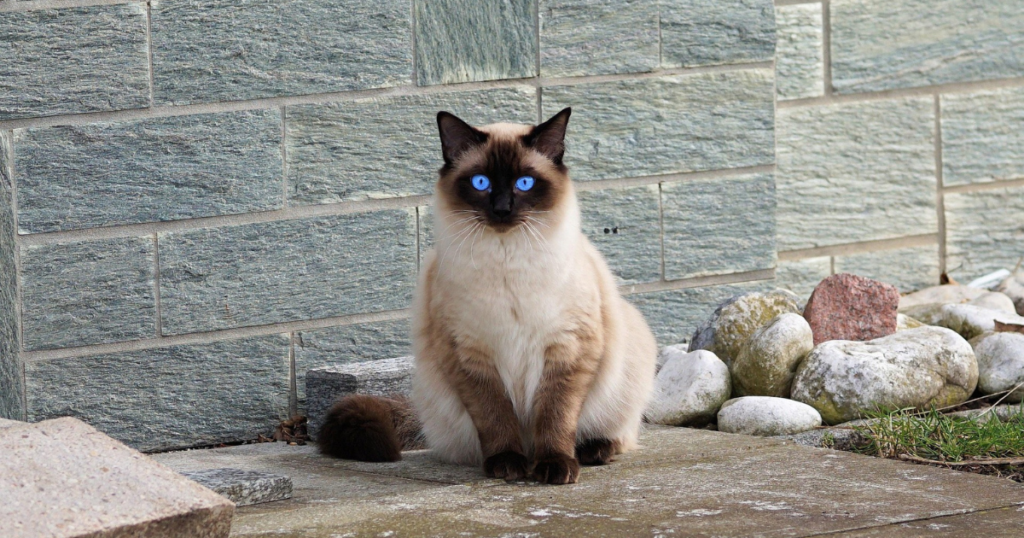
5: Siamese – The Communicative Family Member
Family Suitability: 8.5/10
Siamese cats excel in families that appreciate vocal communication and can provide constant interaction.
Why They Fit Family Life:
Vocal Intelligence: “Tell” family members exactly what they need through varied vocalizations, teaching children about animal communication.
Constant Companionship: Follow family members room-to-room, participating in all activities from homework to dinner preparation.
Social Bonding: Form deep attachments to each family member individually, offering personalized interactions.
Trainability: Learn tricks quickly, making them perfect subjects for children learning pet training skills.
Alert Nature: Notify family of unusual occurrences (doorbell, strangers), providing gentle security awareness.
Personality Profile:
- Temperament: Vocal, social, demanding, affectionate
- Energy Level: High (requires daily engagement)
- Child Interaction: Good with children 6+ who enjoy interaction
- Multi-Pet Friendly: Yes, especially enjoys feline companions
Ideal Family Type: Families home frequently, households that appreciate vocal pets, families with school-aged children who can provide interaction.
Considerations: Noise level may be challenging in apartments. Develops separation anxiety if left alone extensively.
Smart Cat Breeds Personality Traits for Family Life
Understanding Intelligent Cat Personalities
High-Energy Smart Cats (Abyssinians, Bengals, Turkish Angoras):
- Pros: Entertaining, active playmates, teach children about exercise importance
- Cons: Require substantial time investment, can be overwhelming for young children
- Best For: Active families with older children, experienced cat owners
Moderate-Energy Smart Cats (Maine Coons, Burmese, Siamese):
- Pros: Balance activity with calm time, adapt to family schedules
- Cons: Still need regular interaction, can become attention-seeking
- Best For: Most family types, first-time smart cat owners
Low-Energy Smart Cats (Ragdolls, Scottish Folds):
- Pros: Calm, predictable, easy for young children to interact with safely
- Cons: May not engage as actively in games, less impressive cognitive displays
- Best For: Families with young children, calm households, seniors with grandchildren
Social Intelligence vs. Problem-Solving Intelligence
Socially Intelligent cat Breeds (Burmese, Siamese, Sphynx):
- Understand human emotions and social cues
- Adapt behavior based on family member interactions
- Excel at comforting upset children
- Integrate seamlessly into family dynamics
- Best For: Emotional support, teaching empathy
Problem-Solving Intelligent cat Breeds (Abyssinians, Bengals, Maine Coons):
- Figure out puzzles, open doors, access restricted areas
- Learn cause-and-effect relationships quickly
- Demonstrate impressive cognitive abilities
- Provide educational opportunities for children
- Best For: Teaching children about animal intelligence, active problem-solving play
Integrating Smart Cats Into Family Life
Preparing Your Home for Intelligent Cat Breeds
Safety Modifications:
Secure Cabinets: Smart cats open standard cabinets—use child-proof locks (yes, for cats!)
Window Safety: Install secure screens; intelligent cat breeds test boundaries and may escape
Toxic Substance Storage: Place medications, cleaning products, and toxic plants in secured, elevated locations
Small Object Management: Smart cats manipulate small items—keep choking hazards away
Escape-Proof Doors: Intelligent cat breeds learn to open lever-handle doors—consider round knobs or locks
Environmental Enrichment:
Vertical Territory: Install cat trees, wall shelves, and climbing structures in family living spaces
Interactive Toys: Provide puzzle feeders, treat-dispensing toys, and rotating toy selection
Safe Observation Points: Create high perches where cats can watch family activities without being in the middle
Quiet Retreat Spaces: Designate cat-only zones where they can escape overwhelming child energy
Scratching Surfaces: Multiple scratching posts/pads throughout home prevent furniture destruction
Teaching Children to Interact with Smart Cats
Age-Appropriate Guidelines:
Toddlers (2-4 years):
- Always supervise 100% of interactions
- Teach gentle touching (soft paws, no grabbing)
- Explain “kitty says no” signals (tail swishing, ears back)
- Model appropriate interaction constantly
- Keep interactions brief (2-3 minutes)
Young Children (5-8 years):
- Teach respect for cat’s space and belongings
- Explain feeding, water, and litter responsibilities
- Involve in gentle grooming under supervision
- Teach simple training commands kids can use
- Allow participation in play sessions with safe toys
Preteens (9-12 years):
- Assign age-appropriate care responsibilities
- Teach advanced cat body language reading
- Involve in trick training and enrichment activities
- Discuss health signs and when to tell adults
- Foster independence in appropriate cat care
Teens (13+ years):
- Share primary care responsibilities
- Involve in veterinary visits and health decisions
- Teach cost responsibilities (supplies, treats)
- Foster deep training relationships
- Discuss commitment and long-term responsibilities
Creating Training Opportunities for Families
Family Training Sessions:
Benefits for Children:
- Teaches patience and consistency
- Builds confidence through successful training
- Develops empathy and animal understanding
- Creates responsibility and routine
- Provides educational STEM connections (behavior science)
Family Training Activities:
Weekly Trick Training (20 minutes):
- Rotate which family member leads session
- Children take turns giving commands
- Everyone participates in reward delivery
- Celebrate progress together
- Keep record chart children can maintain
Puzzle Solving Together (15 minutes):
- Set up new puzzle feeders
- Family observes cat problem-solving
- Discuss cat’s strategies and intelligence
- Children predict solutions
- Learn about animal cognition
Daily Care Routines (10 minutes):
- Children assist with feeding (supervised)
- Involvement in grooming and nail trimming
- Water bowl filling and cleanliness checks
- Litter box maintenance (age-appropriate)
- Health observation reporting
Best Interactive Play for Intelligent Family Cats
Games That Engage Both Cats and Children
Fetch Variations:
- Basic Fetch: Child throws, cat retrieves, child rewards
- Family Relay: Multiple children position around room, cat fetches to each
- Hide-and-Retrieve: Hide toy, cat finds and brings back
- Skill Level: Best for Abyssinians, Siamese, Maine Coons
Treat Hunt Games:
- Basic Hunt: Hide treats around room, cat searches
- Difficulty Levels: Easy (visible), medium (partially hidden), hard (containers)
- Educational Value: Children learn hiding strategy, cat demonstrates problem-solving
- Skill Level: All intelligent cat breeds
Agility Challenges:
- Household Course: Tunnels, jumps, weave poles from household items
- Timed Runs: Children time cat, celebrate improvements
- Trick Integration: Combine with sit, stay, jump commands
- Skill Level: Best for Abyssinians, Bengals, Cornish Rex
Interactive Wand Toys:
- Safe Supervision: Teach children proper wand toy usage
- Varied Movements: Different children create different prey patterns
- Energy Management: Tiring game before bedtime routine
- Skill Level: All intelligent cat breeds, all ages with supervision
Benefits of Intelligent Cat Breeds for Child Development
Cognitive Development
Problem-Solving Skills: Watching intelligent cats solve puzzles teaches children:
- Persistence through challenges
- Multiple solution strategies
- Trial-and-error learning
- Celebrating incremental progress
Scientific Thinking: Intelligent cat breeds observation encourage:
- Hypothesis formation (“If I move the treat here, will kitty find it?”)
- Experimentation and testing
- Data observation and recording
- Conclusion drawing from evidence
Cause-and-Effect Understanding: Training smart cats demonstrates:
- Actions have consequences
- Consistency produces results
- Timing matters in outcomes
- Behavior modification principles
Emotional Development
Empathy Building: Caring for intelligent, responsive cats teaches:
- Reading non-verbal emotional cues
- Understanding another being’s needs
- Considering perspectives different from own
- Appropriate response to distress
Responsibility Development: Daily cat care fosters:
- Routine maintenance and consistency
- Understanding dependent relationships
- Consequence awareness for neglect
- Pride in successful caretaking
Emotional Regulation: Interacting with calm, intelligent cat breeds help children:
- Practice gentle touch and calm energy
- Learn patience during training
- Manage frustration when training stalls
- Celebrate success appropriately
Social Development
Communication Skills: Smart cats teach children:
- Non-verbal communication importance
- Active listening (to cat vocalizations)
- Adjusting interaction style based on feedback
- Clear, consistent communication
Respect for Boundaries: Intelligent cat breeds clearly communicate limits, teaching:
- Consent and permission importance
- Reading rejection signals respectfully
- Space and autonomy respect
- Consequences of boundary violation
Pros and Cons of Intelligent Family Cats
Advantages
✅ Interactive Entertainment: Provide engaging, screen-free family activities through play and training
✅ Educational Opportunities: Teach children about animal behavior, intelligence, care, and responsibility
✅ Emotional Support: Socially intelligent cat breeds offer comfort and companionship to all family members
✅ Adaptable Companions: Smart cats learn household rules quickly, integrating smoothly into family routines
✅ Long-term Relationships: 12-20 year lifespan allows children to grow alongside pets, building lasting bonds
✅ Multi-Pet Friendly: Most intelligent breeds integrate well with family dogs and other cats
✅ Health Benefits: Caring for cats reduces stress, encourages physical activity, builds immune systems
Challenges
❌ Time Investment: Intelligent cat breeds require 45-90 minutes daily attention—challenging for busy families
❌ Escape Artists: Smart cats open doors, cabinets, windows—requiring additional home security
❌ Training Supervision: Children need adult supervision during training to ensure proper techniques
❌ Initial Costs: Purchase ($500-$2000+), setup ($500-$1000), and ongoing care ($1500-$3000 annually)
❌ Potential Behavioral Issues: Without adequate stimulation, can develop destructive or aggressive behaviors
❌ Not Suitable for Toddlers: High-energy intelligent breeds may overwhelm very young children
❌ Noise Levels: Vocal intelligent cat breeds (Siamese) may be challenging in apartments or quiet households
Choosing the Right Intelligent Breed for Your Family
Family Assessment Questions
Child Ages and Energy:
- Do you have children under 5? (Consider: Maine Coon, Ragdoll, Burmese)
- Are children 6-12 and moderately active? (Consider: Maine Coon, Burmese, Siamese)
- Are children 10+ and very active? (Consider: Abyssinian, Bengal, Turkish Angora)
Time Availability:
- Can family dedicate 60-90 minutes daily? (Any intelligent cat breeds)
- Can family dedicate 30-45 minutes daily? (Maine Coon, Burmese, Ragdoll)
- Can family dedicate less than 30 minutes? (Consider less intelligent cat breeds)
Experience Level:
- First cat? (Start with: Maine Coon, Burmese, Ragdoll)
- Previous cat experience? (Any intelligent cat breeds except Bengals)
- Previous high-energy pet experience? (Any intelligent cat breeds)
Space Considerations:
- House with multiple rooms? (Any intelligent cat breed)
- Apartment with limited space? (Maine Coon, Burmese, Scottish Fold)
- Secure outdoor access available? (Significant advantage for high-energy breeds)
Budget Reality:
- Can afford $3000+ annually? (Any intelligent breed)
- Budget $1500-2500 annually? (Choose moderate-energy breeds)
- Limited budget? (Consider adoption of mixed breeds with intelligence traits)
Frequently Asked Questions
Are intelligent cats good with babies and toddlers?
Intelligent cat breeds for families with babies require careful selection. Maine Coons, Burmese, and Ragdolls handle babies best due to patient temperaments and gentle nature. High-energy intelligent cat breeds (Bengals, Abyssinians) may become stressed by infant crying or toddler unpredictability. Always supervise 100% of interactions between cats and children under 5. Create safe retreat spaces where cats escape overwhelming situations. Introduce gradually, reward calm behavior around babies, and never leave infants alone with any cat regardless of temperament.
What’s the best smart cat breed for first-time family cat owners?
The Maine Coon is the best intelligent cat breed for first-time family owners due to forgiving temperament, moderate energy, gentle nature with children of all ages, and patient learning pace. Burmese cats rank second, offering similar gentleness with slightly higher energy. Both breeds tolerate beginner training mistakes, adapt well to various family activity levels, and rarely display aggression. Avoid high-intensity intelligent cat breeds (Bengals, Abyssinians) until you have experience managing demanding, high-energy cats in family environments.
How do intelligent cats affect children with allergies?
No cat breed is truly hypoallergenic, but intelligent cat breeds with less shedding (Sphynx, Cornish Rex, Balinese) may reduce allergic reactions in mildly allergic children. The Fel d 1 protein in cat saliva, skin, and urine causes allergies, not just fur. Management strategies include: frequent grooming (outside, by non-allergic adult), HEPA air filters, restricted bedroom access, regular home cleaning, and allergy medication as prescribed by doctors. Test family member reactions through extended visits to breed-specific rescues before committing to intelligent cat adoption.
Conclusion
The best intelligent cat breeds for families combine cognitive brilliance with gentle temperaments, creating companions that enrich family life through entertainment, education, and emotional support. From the patient gentleness of Maine Coons to the playful energy of Abyssinians, these smart breeds offer options for every family dynamic.
Choosing the right intelligent cat breeds requires honest assessment of your family’s ages, energy levels, time availability, and experience. The perfect match results in years of interactive companionship, teaching children responsibility, empathy, and respect while providing endless entertainment and unconditional love.
Prepare your home appropriately, teach children proper interaction techniques, involve everyone in care and training, and celebrate the unique bond that forms between clever cats and growing children. The investment in time, money, and energy pays dividends through decades of enriched family life.

Want Popular On Google? | Lust Quality Backlinks That Force-fed
I’m an SEO Expert, Guest Posting Specialist, and Web Developer helping websites increase rankings, traffic, and authority using clean, white-hat strategies 🚀
I focus on high-authority guest posts, safe backlinks, SEO-optimized content, and technically sound websites—so your site doesn’t just rank, it stays ranked.
What I help you with:
✅ SEO (On-page, Off-page & Technical)
✅ Guest Posts on Real, Relevant Sites
✅ High-Quality Link Building
✅ Keyword Research & Content Strategy
✅ SEO-Friendly Website Development
📈 No spam. No shortcuts. Only results.
👉 Need backlinks that actually work?
📩 Let’s connect: https://wa.me/+923006932631
thank you for commenting
“Cats really are more intelligent and emotional than people think.”
“Thanks for sharing such useful and well-researched information about cats.”