
Looming Loyal German Shepherd: See the 10 Essential Rare Facts
Introduction
German Shepherd dogs captivate with their striking appearance and unwavering loyalty, making them one of the world’s most beloved breeds. Often called Alsatians in some regions, these versatile herding dogs originated in Germany and have evolved into trusted companions, protectors, and workers.
If you’re considering adding one to your family, evidence suggests they thrive in active households where their intelligence and energy are channeled positively. However, like any breed, they come with considerations—research indicates that proper socialization reduces potential behavioral issues, while their protective nature suits vigilant owners. This guide explores key aspects to help you decide.
German Shepherds stand out as one of the most iconic dog breeds, blending intelligence, loyalty, and athleticism into a package that’s both awe-inspiring and demanding. Originating as herding dogs in late 19th-century Germany, they’ve become global favorites for families, workers, and enthusiasts alike.
This in-depth exploration covers their history, traits, and care, drawing from expert sources to provide a balanced view. Whether you’re eyeing German Shepherd breeders or curious about German Shepherd puppies, this hybrid listicle-guide format offers practical insights while optimizing for search engines and user engagement.
Quick Facts Table
Optimized for featured snippets, here’s a snapshot of key German Shepherd details:
| Attribute | Details |
| Height | Males: 24-26 inches; Females: 22-24 inches |
| Weight | Males: 65-90 lbs; Females: 50-70 lbs |
| Lifespan | 9-13 years |
| Coat | Double coat; medium-length, dense undercoat |
| Colors | Black and tan, sable, all-black, bi-color |
| Temperament | Loyal, confident, intelligent, protective |
| Exercise Needs | High: 1-2 hours daily |
| Grooming | Moderate: Weekly brushing |
| Trainability | High: Eager to please |
| Family-Friendly | Yes, with socialization |
| Common Health Issues | Hip dysplasia, degenerative myelopathy |
This table summarizes essentials for quick reference, based on breed standards from major kennel clubs.

Origin & History
The German Shepherd’s story begins in 1899 when cavalry captain Max von Stephanitz sought the ultimate herding dog. At a Karlsruhe dog show, he spotted Hektor Linksrhein—a medium-sized, wolf-like herder with exceptional intelligence and drive. Renaming him Horand von Grafrath, von Stephanitz founded the Verein für Deutsche Schäferhunde (Society for German Shepherd Dogs) and registered Horand as the breed’s foundation sire.
Bred from traditional German herding lines, the breed emphasized utility: strength for endurance, agility for terrain navigation, and smarts for independent decision-making. By World War I, their versatility shone in military roles, from messaging to detection. Post-war, anti-German sentiment led to the “Alsatian” name in Britain until 1977.
During World War II, the breed was linked to Nazi Germany, with Adolf Hitler owning several, including Blondi, used in propaganda. Today, they’re the second-most popular breed in the U.S., per AKC rankings, serving in police, search-and-rescue, and as therapy dogs. Their evolution highlights a shift from farm work to multifaceted companionship, though herding instincts persist. Controversies, like show-line back slopes affecting gait, have prompted kennel clubs to retrain judges for better health standards.
Physical Characteristics
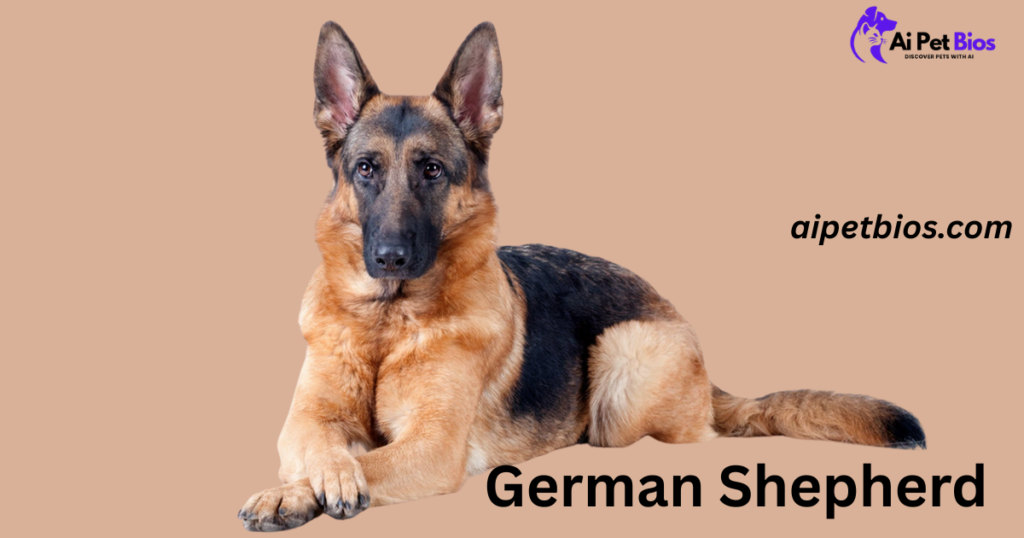
German Shepherds present a picture of balanced power: muscular yet agile, with smooth curves rather than angles. Males reach 24-26 inches at the shoulder, females 22-24 inches, with weights of 65-90 lbs and 50-70 lbs respectively. Their domed forehead, long muzzle, and erect ears contribute to an alert expression, while almond-shaped brown eyes convey intelligence.
The double coat—dense undercoat for insulation, coarser outer guard hairs—comes in colors like black and tan, sable, or solid black. This weather-resistant fur sheds seasonally, requiring management. Their trot is efficient and ground-covering, ideal for work, but straight backs (versus controversial sloped show lines) promote better health.
Variations include long-haired types, though standards favor medium length; long-haired is recessive and accepted in some registries like FCI since 2010. Rarer colors like white, blue, or panda exist but may be faults in shows.
Personality & Temperament
Research suggests German Shepherds embody confidence and courage, making them steadfast guardians without hostility. They’re loyal to family, often bonding closely with one person, yet aloof with strangers—traits honed from herding roots. Intelligent and eager to please, they rank third in trainability, excelling in obedience but needing mental challenges to prevent boredom.
Temperament varies: some are gentle family pets, others high-drive workers. Early socialization mitigates wariness, fostering balanced adults. They’re protective yet playful, with a sense of humor, but can develop anxiety if underserved. Owners note their “velcro” nature—always by your side—balancing independence with devotion. They have a strong prey drive, so supervision around small animals is key.
Diet & Feeding Guide
A balanced diet supports German Shepherds’ active lifestyle. Puppies need three to four meals daily of high-quality, large-breed formula to fuel growth, totaling 1.5-3 cups. Adults thrive on two meals, 3-5 cups, emphasizing protein (18-25%) from sources like beef or chicken, avoiding fillers like soy.
Incorporate joint-supporting supplements like glucosamine, especially given breed predispositions. Fresh water is essential; monitor for bloat by feeding smaller portions. Raw or home-cooked diets can work if balanced, but consult vets. Obesity risks arise from overfeeding, so adjust based on activity—working dogs need more calories. Breed-specific foods, like Royal Canin German Shepherd, address digestive sensitivities.
Grooming & Maintenance
German Shepherds’ double coats demand weekly brushing with a de-shedding tool to control shedding and distribute oils. Baths monthly with gentle shampoo prevent skin issues; more during “coat blows” twice yearly. Nail trims every 4-6 weeks, ear checks weekly, and dental care via brushing or chews.
Maintenance extends to exercise: 1-2 hours daily prevents destructive behaviors. Fenced yards are ideal, but apartments work with commitment. Grooming builds bonds—start puppies early for positive experiences. Clean ears with vet-approved solutions to avoid infections, and monitor for allergies causing itchy skin.
Common Health Concerns (Informational Only)
Evidence leans toward German Shepherds facing orthopedic issues like hip and elbow dysplasia, affecting up to 19% for hips. Degenerative myelopathy, a spinal condition linked to SOD1 gene mutation, emerges later, with genetic testing available; up to 16% homozygous in young dogs. Bloat (GDV) is life-threatening; symptoms include restlessness—seek immediate vet care.
Allergies cause itchy skin or digestive woes; cancers like hemangiosarcoma occur in seniors. Heart conditions, EPI (pancreatic insufficiency affecting 1%), and Von Willebrand disease are noted. Preventive measures: health-tested parents, balanced diet, and annual check-ups. This info is educational; consult vets for advice.

Training & Care Tips
Positive reinforcement suits German Shepherds’ eagerness—use treats and praise for commands like sit or stay. Start socialization at 8 weeks; crate training aids housetraining. Daily mental games prevent reactivity.
Care includes vet visits, vaccinations, and flea prevention. Leash training counters pulling; agility or scent work channels energy. For puppies, frequent meals and play build confidence. From 8-16 weeks, focus on socialization and basic commands; by 3-6 months, introduce obedience classes.
Choosing German Shepherd Breeders
Selecting reputable German Shepherd breeders is crucial for healthy puppies. Look for AKC-registered ones who perform health tests like OFA for hips/elbows and DNA for DM. Visit facilities: clean, spacious environments indicate care. Ethical breeders prioritize temperament, provide guarantees, and match puppies to homes.
Red flags: breeding for rare colors without tests, no parent meetings, or high-volume sales. Contact local clubs for referrals; ask about lineages and socialization. Prices range $1,000-3,000 from quality sources.
German Shepherd Puppies Care Guide
German Shepherd puppies require dedicated care. From 8-12 weeks, socialize with people and sounds; feed 3-4 times daily. Housetraining via crates works quickly. By 3-6 months, increase exercise gently; introduce grooming.
Monitor growth: avoid overexertion to prevent joint issues. Vaccinations and deworming are essential; consult vets for schedules. Puppies cost $2,000-4,000; adoption via rescues is an option.
Breed Variations and Comparisons
Variations include East-European (larger, cold-resistant), King Shepherd (US-bred for health), and White Shepherd (separate breed). Compared to Belgian Malinois, GSDs are stockier with longer fur; Malinois are more intense but similar in roles.
Famous GSDs: Rin Tin Tin (film star), Strongheart (early Hollywood), and service heroes like Lucca (Dickin Medal recipient).
Pros and Cons (Balanced View)
Pros:
- Exceptional loyalty and protection, ideal for families seeking security.
- Highly trainable, excelling in sports and service roles.
- Versatile: Great with kids if socialized, adaptable to various homes.
- Intelligent companions that thrive on interaction.
Cons:
- High shedding and exercise demands can overwhelm busy owners.
- Potential health costs from breed-specific issues.
- Not for novices—require firm, consistent leadership.
- Can develop anxiety without stimulation.
This balanced perspective acknowledges their strengths while noting challenges, per owner experiences.
Is This Right for You?
German Shepherds suit active, experienced owners who can provide structure—think hikers or trainers, not couch potatoes. If you value loyalty but dread shedding, reconsider. Families with kids benefit from their gentleness, but small homes need extra effort. Assess your lifestyle: Ready for daily walks and training? If yes, they’re rewarding; otherwise, explore milder breeds.
Frequently Asked Questions
What should I look for in German Shepherd breeders?
Seek AKC-registered breeders with health-tested parents, like Mittelwest or Von Der Otto, prioritizing temperament and guarantees.
How do I care for German Shepherd puppies?
Provide three meals daily, socialize early, and exercise moderately to build health—consult vets for specifics.
Are German Shepherds good family dogs?
Yes, if trained; they’re protective yet affectionate, but need supervision with toddlers.
What are common mistakes with GSDs?
Under-exercising or skipping training leads to issues—commitment is key.
How much do they cost?
Puppies from reputable breeders range $1,000-3,000, plus ongoing expenses.
Conclusion
German Shepherds offer unmatched companionship for the right owner, blending history’s work ethic with modern loyalty. If this resonates, explore related articles like “Top Training Toys for Dogs” or “Best Foods for Large Breeds” (affiliate: [Amazon links]). For breeders, check internal suggestions like Mittelwest. Always prioritize ethical sources—your GSD journey awaits!
Key Citations:
- American Kennel Club: German Shepherd Dog Breed Information
- Wikipedia: German Shepherd
- PetMD: German Shepherd Dog Breed Health, Care, and Training
- German Shepherd Dog Club of America: Choosing a Puppy
- Mittelwest German Shepherds: How to Select a Breeder
- AKC: Puppy Training Timeline for German Shepherds
- Embarkvet: A Guide to German Shepherds