
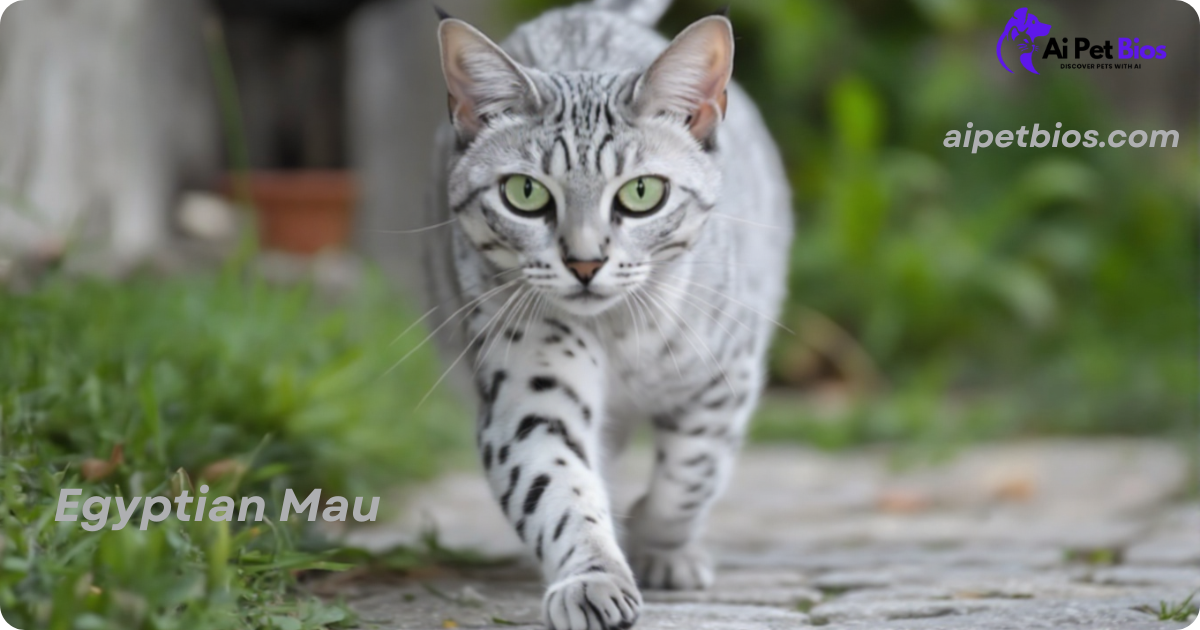
Egyptian Mau Cat – Complete USA Guide
The Egyptian Mau cat is the world’s only naturally spotted domestic cat breed, prized for its extraordinary speed (reaching up to 30 mph), striking green eyes, and loyal personality. With roots tracing back to ancient Egypt, this rare feline stands out among all purebred cats.
If you’re considering an Egyptian Mau cat for sale or simply want to understand what makes this breed so special, this comprehensive guide covers everything you need to know about Egyptian Mau kittens, pricing, temperament, health concerns, and ownership in the USA. From their distinctive spotted coats to their characteristic vocalizations, these remarkable cats offer an experience unlike any other domestic breed available today.
15 Stunning Facts About Egyptian Mau Cats
- Ancient Heritage: Descended from African wild cats, Egyptian Maus have been revered since the time of the Pharaohs over 4,000 years ago.
- The Meaning of “Mau”: The breed’s name comes from the ancient Egyptian word for “cat”.
- Spots Beneath the Fur: Their distinctive spots aren’t just on the coat — they’re also on the skin, a trait shared with wild cats like cheetahs.
- Sacred ‘M’: All Egyptian Maus bear a unique ‘M’ marking on their foreheads, known as the “mark of the scarab”.
- Superior Jumpers: Thanks to their powerful legs, they can jump up to 6 feet vertically from a standing start.
- Primordial Pouch: That loose belly skin isn’t fat — it’s a genetic trait allowing greater flexibility and stride length during high-speed running.
- Winged Appearance: When running at full speed, extra skin between the flank and hind legs creates a “winged” silhouette.
- Musical Voices: Beyond typical meows, they produce unique sounds like chortles, trills, and melodic chirps.
- Water Fascination: Unlike most cats, many Egyptian Maus love water play — splashing, patting, and even swimming.
- Temperature-Sensitive Spots: Their spots change intensity with temperature: darker in cold weather, lighter when warm.
- Height Seekers: They instinctively seek high vantage points and are exceptional climbers.
- Longest Gestation: At 73 days, their pregnancy is longer than any other domestic cat breed.
- Devoted to One: They often form an intense, dog-like bond with one primary person in the household.
- Quick Learners: They master tricks quickly — fetch, leash walking, and even opening doors.
- Egypt’s Living Treasure: Recognized as a national treasure in their country of origin.
Egyptian Mau Cat at a Glance
| Average Weight | Lifespan | Energy Level | Price Range |
| 6–14 lbs | 12–18 years | Very High | $1,200–$2,500+ |
| Compact, muscular | Long-lived | Fastest domestic cat | CFA/TICA recognized |
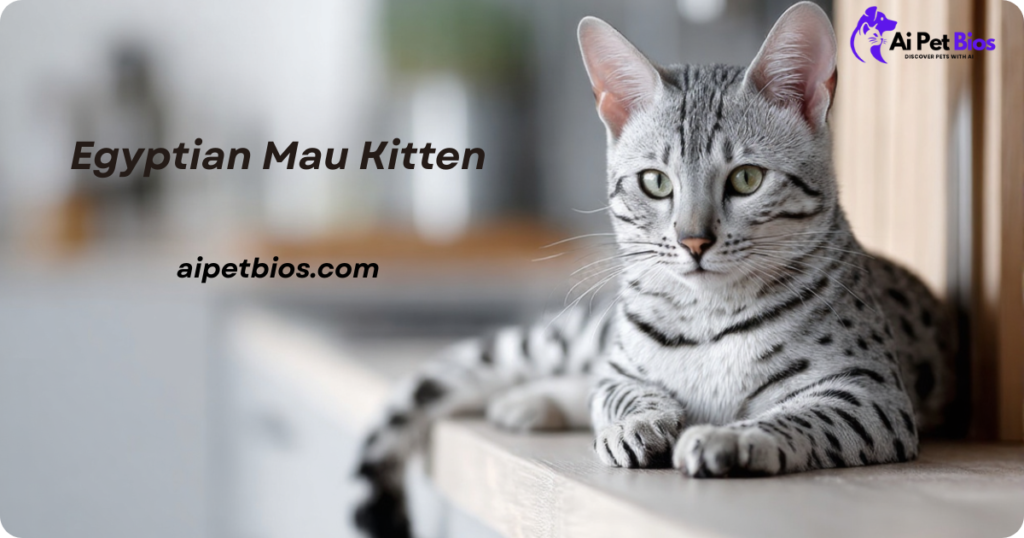
History & Origin of the Egyptian Mau Cat
The Egyptian Mau cat breed is the only naturally spotted domestic cat breed recognized by major cat associations including the CFA (Cat Fanciers’ Association) and TICA (The International Cat Association). Ancient Egyptian wall paintings and artifacts depict spotted cats remarkably similar to today’s Egyptian Mau, suggesting this breed’s connection to ancient Egypt spans thousands of years. The breed was sacred in ancient Egyptian culture, often depicted alongside pharaohs and in religious ceremonies.
Modern Egyptian Mau kittens were developed in the 1950s by a Russian-born Egyptian woman named Nathalie Troubetskoy, who brought naturally spotted cats from Cairo to Italy and then the United States. These spotted domestic cats became the foundation for the purebred Egyptian Mau line. The breed’s development required careful, selective breeding to maintain the distinctive spotted coat pattern while preserving the purebred characteristics and genetic diversity.
According to CFA breed standards, only naturally occurring spotted patterns are acceptable, never striped or swirled markings. Today, why is Egyptian Mau so rare in the USA? The answer lies in selective breeding practices and limited breeder populations outside Egypt, making these cats one of the most exclusive feline breeds available. The breed wasn’t officially recognized by the CFA until 1968, further cementing its status as a carefully preserved ancient breed.
Egyptian Mau Appearance & Physical Traits
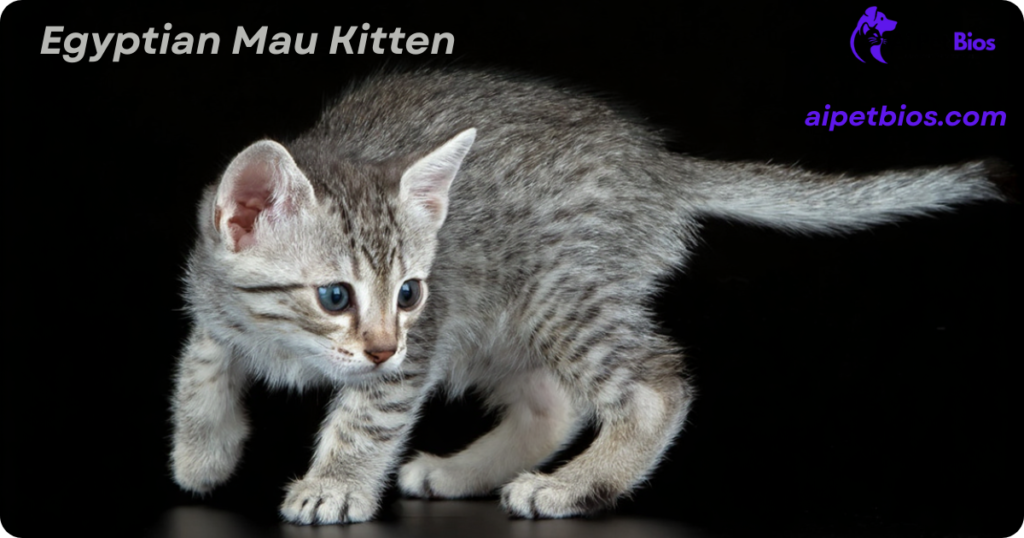
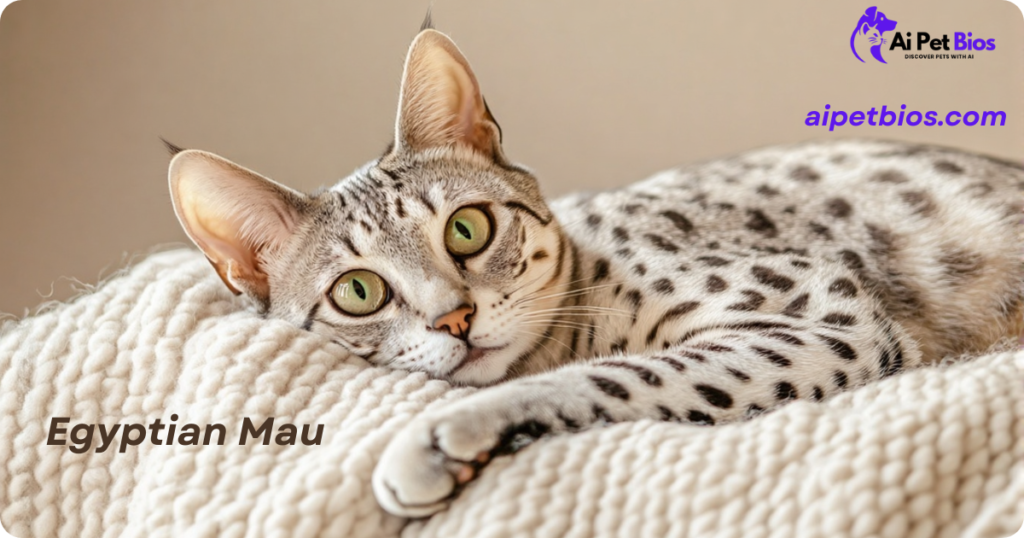
Egyptian Mau cats are visually striking with their characteristic naturally spotted coat pattern, muscular frame, and distinctive facial features. They are one of the smallest purebred cat breeds while maintaining athletic proportions designed for speed and agility.
Egyptian Mau Size & Weight
Egyptian Mau cats are compact and lightweight. Females typically weigh 6–9 pounds, while males range from 8–14 pounds. Despite their small size, these cats possess lean, muscular physiques designed for speed. The breed is recognized as the fastest domestic cat breed, capable of reaching speeds up to 30 mph in short bursts, which requires a strong, well-proportioned body structure. Their medium-length legs and compact body create an elegant, athletic appearance. This combination of small size and athletic ability makes them ideal for apartment living, though their high energy levels require substantial mental and physical stimulation regardless of living space.
Egyptian Mau Colors & Coat Patterns
Egyptian Mau coats display naturally spotted patterns in several CFA-recognized color variations:
- Bronze Egyptian Mau: Rich bronze coat with dark spots, warm tones with distinctive darker spotting
- Silver Egyptian Mau: Light silver base with charcoal spots, elegant and striking appearance
- Smoke Egyptian Mau: Gray coat with darker spots, rare and highly valued variant
- Black Egyptian Mau: Solid black coat with visible spots, rarest color variant commanding premium pricing
All color variants share the breed’s characteristic striking green eyes, which are gooseberry-shaped and positioned at a slight upward angle. These distinctive eye characteristics contribute significantly to their alert, intelligent expression. The eye color ranges from light green to deep green-gold, and they’re notably expressive. The spotted pattern is naturally occurring and never striped or swirled like traditional tabby markings, a distinction that defines breed authenticity.
Lifespan & General Health
Egyptian Mau cats enjoy a lifespan of 12–18 years with proper veterinary care, premium nutrition, and a healthy home environment. This longer lifespan is common among smaller, naturally occurring cat breeds. Regular health screenings and maintaining a balanced diet significantly contribute to their longevity. Many owners report their Egyptian Maus remaining active and playful well into their senior years, a testament to the breed’s robust genetic health compared to designer breeds.
Egyptian Mau Cat Personality & Temperament
Egyptian Mau personality traits set this breed apart from other domestic cats. These felines are known for their intelligence, loyalty, and distinctive vocalizations. Understanding their unique personality helps prospective owners prepare for the distinctive experience of living with an Egyptian Mau.
Personality Traits & Family Interaction
These cats are exceptionally loyal and bond strongly with their chosen family members, exhibiting almost dog-like devotion. Egyptian Mau temperament includes a reserved nature around strangers, though they warm up over time with proper early socialization. They are intelligent problem-solvers who enjoy interactive play and mental stimulation.
The breed exhibits strong preferences for specific family members, often following them from room to room. They excel with children who understand calm, respectful interaction, and many adapt well to multi-cat households when introduced properly. Their independent nature means they require patient, consistent training rather than traditional obedience approaches.
Vocalization & Communication
Yes, Egyptian Maus are highly vocal cats. They communicate through distinctive chirps, trills, and unique vocalizations that are louder and more varied than typical house cats. Many owners report their Egyptian Maus engage in full conversations, especially during playtime or when demanding attention. This vocal nature is integral to the breed’s personality. Some describe the vocalizations as musical and endearing, while others note they can be quite loud when the cat is excited. This breed will let you know exactly what they want throughout the day.
Training & Behavioral Tendencies
Egyptian Maus are intelligent and can be trained effectively using positive reinforcement methods. They respond exceptionally well to clicker training and can learn to walk on harnesses, play fetch, and respond to commands. However, their independent nature means they require patient, consistent training. Many owners successfully train their Egyptian Maus to participate in activities like agility training, showcasing the breed’s remarkable intelligence. They learn quickly but on their own terms, and harsh corrections can damage the trust-based bond essential to the breed.
Egyptian Mau Cat vs Tabby Mix
Many people confuse Egyptian Mau cats with spotted tabby mixes. Understanding the differences is essential for identifying authentic purebred specimens and making informed purchasing decisions when searching for Egyptian Mau kittens for sale.
Key Differences Explained
A tabby mix refers to any domestic cat displaying tabby markings, which can appear in domestic shorthairs or longhairs from mixed genetic backgrounds. An authentic Egyptian Mau cat is a specific purebred with documented pedigree, CFA/TICA recognition, and distinct physical characteristics. Tabby patterns are coat patterns, not breed identifiers.
The key difference lies in the naturally spotted pattern of Egyptian Maus versus the striped, swirled, or blotched patterns found in tabby cats. A spotted tabby is merely a pattern, while Egyptian Mau cat refers to a specific breed with its own unique genetic heritage, temperament characteristics, health considerations, and breed standards.
True Egyptian Maus have symmetrical spots covering the entire body, distinctive ‘M’ markings on the forehead, and a specific body structure that sets them apart from domestic tabbies.
How to Identify an Authentic Egyptian Mau
Key identifying features include: naturally spotted coat (not striped or swirled), gooseberry-shaped green eyes, distinctive facial marking pattern, compact muscular body, characteristic vocalizations, and proper body proportions. DNA testing or pedigree documentation from a certified breeder provides definitive confirmation.
Professional breeders and cat show judges can immediately identify authentic Egyptian Maus by their unique physical characteristics and overall structure. Request pedigree documentation showing CFA or TICA registration from both parents.
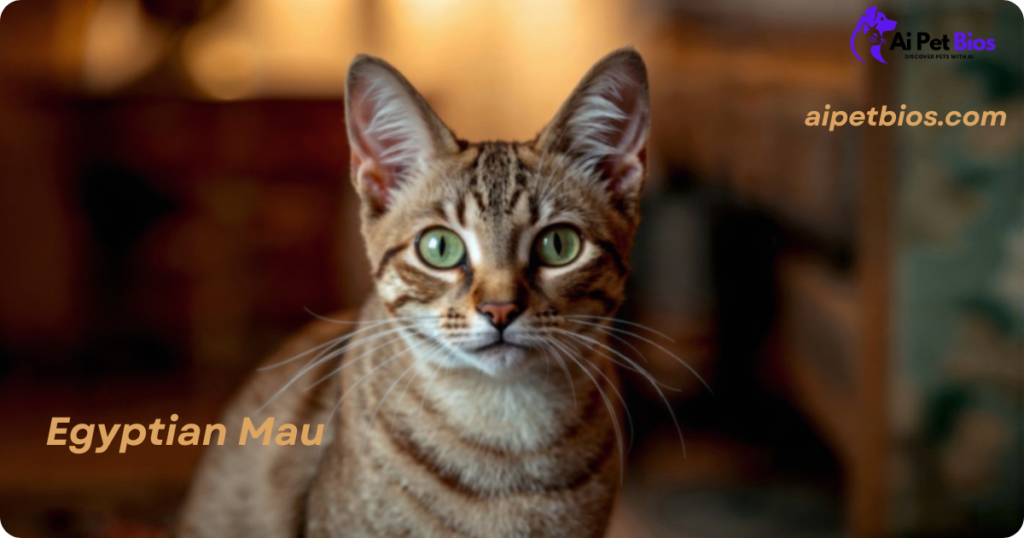
Are Egyptian Mau Cats Rare?
Yes, Egyptian Mau cats are exceptionally rare in the United States and globally. This breed remains one of the most exclusive domestic cats worldwide, with extremely limited breeder populations even in the USA. Are Egyptian Mau cats rare globally? Absolutely—limited breeder populations, strict breeding standards, and high global demand create severe scarcity in the market. This rarity directly impacts Egyptian Mau cat pricing and makes them investment-level pets.
The breed’s rarity status has actually increased over recent years as fewer breeders meet the stringent genetic and health requirements necessary to maintain breed integrity. Finding available Egyptian Mau kittens for sale requires patience, networking, and often joining breed-specific communities to stay informed about litter availability.
Health Concerns & Genetic Testing
While Egyptian Maus are generally healthy naturally occurring breeds, understanding potential genetic health issues is critical for responsible ownership and breeder evaluation.
Common Health Issues in Egyptian Mau Cat
Key health concerns documented in the breed include:
- Hypertrophic Cardiomyopathy (HCM): A heart condition causing thickened heart walls. Regular HCM screening via echocardiogram is essential, particularly before breeding.
- Polycystic Kidney Disease (PKD): Inherited kidney condition. Genetic testing for PKD mutations is recommended and increasingly available.
- Amyloidosis: Protein buildup in organs. Regular veterinary monitoring helps detect this condition early.
- Progressive Retinal Atrophy (PRA): Eye condition leading to blindness. Genetic testing and regular eye examinations by veterinary ophthalmologists recommended.
Reputable breeders conduct comprehensive genetic testing on breeding cats and provide documentation of health screening results. According to CFA breed standards and veterinary genetics research, naturally occurring breeds like Egyptian Maus typically demonstrate superior genetic health compared to designer breeds, with lower incidence of hereditary conditions.
Essential Health Screening & Genetic Testing
Before purchasing an Egyptian Mau kitten, verify that both parents have undergone:
- HCM screening (echocardiogram) – Annual testing recommended
- PKD genetic testing – DNA test confirming non-carrier status
- Eye certification from board-certified veterinary ophthalmologist
- FeLV/FIV testing – Ensures negative status
- Genetic diversity assessment – Documentation of genetic variety in breeding programs
Reputable breeders openly provide health documentation and guarantee health for a specified period (typically 1-2 years). This commitment to genetic health and transparency distinguishes responsible breeders from those operating outside established standards. Ask for written health guarantees covering genetic conditions.
How Much Do Egyptian Mau Cats Cost in the USA?
Egyptian Mau cat pricing reflects the breed’s rarity, genetic testing requirements, and breeding standards. Understanding costs helps potential owners make informed decisions about this significant investment.
Egyptian Mau Kitten Price & Factors
Egyptian Mau kittens for sale typically cost $1,200–$2,500 from reputable USA breeders. Show-quality Egyptian Mau kittens can exceed $3,000. Prices vary based on breeder reputation, bloodline quality, pedigree documentation, health screening completeness, coat color, and whether the kitten is pet or show quality.
Some specialty colors, particularly black Egyptian Maus, may command premium pricing due to their rarity. Reputable breeders invest significantly in health screening, genetic testing, veterinary care, socialization, and proper kitten care, all of which justify higher pricing.
Pricing factors include: breeder experience and championship pedigrees (+$300-$800), complete health documentation (+$200-$400), genetic testing results (+$150-$300), and kitten deposit structures. Legitimate breeders require non-refundable deposits ($200-$500) to secure your kitten and hold your spot on waiting lists.
Complete First-Year & Monthly Ownership Cost Breakdown
| Expense Category | First-Year Cost | Monthly (Ongoing) |
| Kitten Purchase | $1,200–$2,500 | (One-time) |
| Premium Cat Food | $200–$300 | $20–$30 |
| Supplies & Toys | $400–$700 | $30–$50 |
| Veterinary Care | $500–$800 | $50–$100 |
| Pet Insurance* | $400–$600 | $30–$50 |
| TOTAL | $2,700–$4,900+ | $130–$230 |
*Pet insurance recommended; see insurance section below
Pet Insurance for Egyptian Maus – Important Consideration
Given the breed’s potential genetic health issues (HCM, PKD, PRA), pet insurance is highly recommended. Most quality policies cover 70-90% of veterinary expenses after deductibles, making them valuable for managing unexpected health costs. Top pet insurance providers offer:
- Accident & Illness Coverage: Covers HCM screening, genetic testing, emergency procedures
- Hereditary Condition Coverage: Critical for breed-specific issues like HCM and PKD
- Annual Limits: $10,000-$20,000+ depending on plan
- Monthly Premiums: $30-$60 for young adults, increasing with age
Enrolling early (when kittens are young) results in lower premiums and fewer coverage exclusions. Pre-existing condition clauses typically exclude issues present before enrollment, making early enrollment critical for Egyptian Maus.
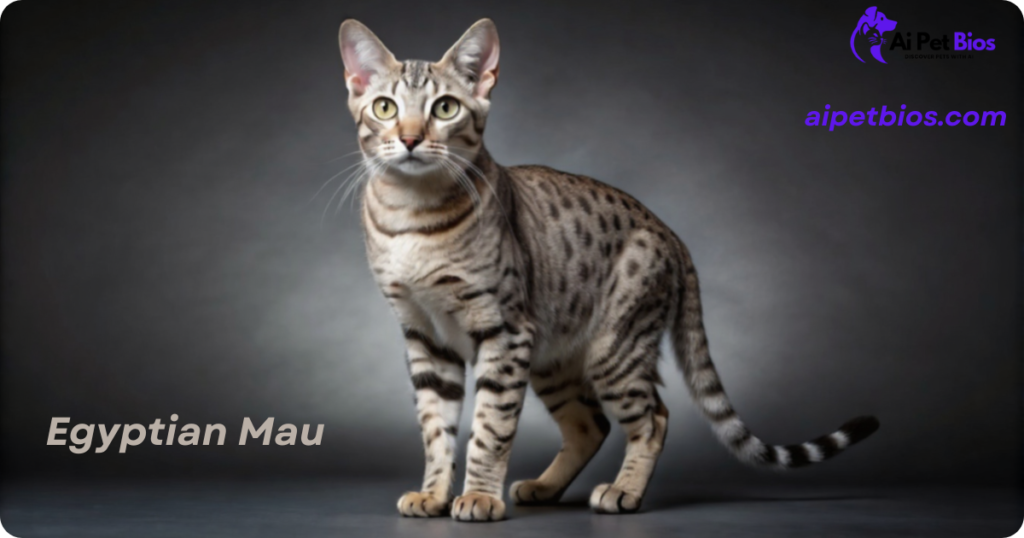
How to Find & Evaluate Reputable Egyptian Mau Cat Breeders
Finding a legitimate, ethical breeder is the most important step in Egyptian Mau cat ownership. Reputable breeders follow CFA and TICA standards and prioritize genetic health and breed integrity.
Step-by-Step Breeder Vetting Process
Follow this comprehensive evaluation checklist:
- Verify CFA/TICA Registration: Check official breeder directories and request registration numbers
- Request Health Documentation: Demand proof of HCM screening (echocardiogram results), PKD genetic testing, eye certifications
- Verify Pedigree Documentation: Request multi-generational pedigrees showing genetic diversity
- Get References: Contact 3-5 previous kitten buyers and verify experiences (not references the breeder provides)
- Review Breeder Contract: Ensure it includes health guarantees (minimum 1-2 years), return clause, spay/neuter requirements
- Assess Waiting List: Legitimate breeders maintain waiting lists; multiple immediate kittens indicate over-breeding
- Inspect Home/Facilities: Visit if possible or request video tour showing clean, spacious environments
Kitten deposits typically range $200-$500 and are non-refundable but apply toward final purchase price. Reputable breeders require deposits to secure your spot on waiting lists (often 6-12 months for availability). Payment terms usually follow this structure: deposit upon reservation, remaining balance due at pickup, and most accept multiple payment arrangements for large purchases.
Red Flags – Warning Signs of Unethical Breeders
AVOID breeders exhibiting any of these warning signs:
- Unusually low prices ($600-$800) – Below market indicates potential health shortcuts
- No health testing documentation – Legitimate breeders provide certificates
- Unwillingness to provide references – Ethical breeders welcome verification
- No written contract – Professional breeders use detailed contracts
- Multiple litters available constantly – Signs of over-breeding and profit focus
- Pressure to purchase immediately – Tactics to bypass careful evaluation
- No discussion of breed health issues – Reputable breeders are transparent about genetic concerns
Egyptian Mau vs Other Rare Spotted Breeds – Detailed Comparison
Comparing Egyptian Maus with similar rare breeds helps identify which is right for your lifestyle:
| Feature | Egyptian Mau Cat | Bengal Cat | Savannah Cat |
| Origin | Naturally occurring, Egypt | Hybrid (Asian Leopard Cat) | Hybrid (African Serval) |
| Price Range | $1,200–$2,500 | $1,500–$4,000+ | $1,500–$3,000+ |
| Size | 6–14 lbs (compact) | 8–17 lbs (medium) | 15–20+ lbs (large) |
| Speed | Up to 30 mph (fastest) | Up to 25 mph | Up to 35 mph |
| Legal Status | Fully legal everywhere | Mostly legal | Restricted in many states |
| Energy Level | Very High | Very High | Extremely High |
| Genetic Health | Excellent (naturally occurring) | Moderate (hybrid) | Moderate (hybrid) |
| Apartment Suitable | Yes (with enrichment) | Difficult (size/energy) | No (too large/wild) |
Complete Care Guide for Egyptian Mau Cats
Egyptian Maus require specialized care due to their active nature, specific dietary needs, and genetic health considerations. Proper care ensures a long, healthy, enriched life.
Daily Care Requirements
Provide high-energy interactive play sessions lasting 1-2 hours minimum daily, premium high-protein cat food formulated for active breeds, regular grooming every 3-4 days to maintain coat health, and consistent veterinary checkups including annual HCM screening. Ensure adequate vertical space for climbing (cat trees, shelves) and running areas, as this breed is the fastest domestic cat breed.
Mental enrichment through puzzle feeders, interactive toys, and window perches for bird watching keeps them psychologically engaged. Environmental enrichment is crucial—these active, intelligent cats suffer behavior problems when bored or under-stimulated.
Create a cat-safe environment free from hazards. Ensure all windows and doors have secure screens, electrical cords are covered, toxic plants are removed, and potentially dangerous items are secured. Many owners find harness training beneficial, allowing supervised outdoor exploration while protecting indoor-only cats. Provide litter training through multiple litter boxes placed throughout the home—one per cat plus one extra is recommended.
Nutrition & Dietary Needs
Egyptian Maus require premium, high-protein cat food formulated for active breeds. Quality nutrition supports their high metabolism and genetic health. Look for foods with chicken, fish, or turkey as primary ingredients, and avoid fillers. Some owners prefer raw or homemade diets under veterinary guidance.
Ensure adequate hydration—provide fresh water daily and consider cat water fountains, as many cats prefer moving water. Feed age-appropriately: kitten formula until 12 months, then adult formula. Pregnant or nursing females require special nutrition formulas.
Grooming & Hygiene
Brush Egyptian Mau Cat 2-3 times weekly to maintain coat health and reduce shedding. Regular nail trimming (every 2-3 weeks), ear cleaning, and dental care are essential. These cats typically groom themselves adequately but benefit from occasional professional grooming, particularly during shedding seasons. Regular dental checkups prevent problems—some owners implement dental care programs including brushing or veterinary dental cleanings.
Veterinary Care & Health Monitoring
Schedule annual veterinary checkups including complete physical examination and baseline bloodwork. Annual HCM screening (echocardiogram) starting at age 2-3 is recommended. Monitor for signs of illness including changes in behavior, appetite, or litter box habits. Keep detailed health records and vaccination documentation. Discuss breed-specific concerns with your veterinarian—ensure they understand Egyptian Mau cat genetics and common health issues.
Pros & Cons of Egyptian Mau Cat Ownership
| ✅ PROS | ❌ CONS |
| Unique spotted coat (only naturally spotted breed)Long lifespan (12–18 years)Loyal, devoted companions (dog-like loyalty)Fastest domestic cat breedIntelligent and trainableExcellent genetic health (naturally occurring)Fully legal in all USA states | Very expensive ($1,200–$2,500+)Extremely rare, very hard to findReserved with strangers initiallyVery vocal and talkativeHigh energy and stimulation needsPotential genetic health issues (HCM, PKD)Expensive veterinary care (genetic screening) |
Frequently Asked Questions
Are Egyptian Mau cats rare?
Yes. Egyptian Maus are considered among the rarest domestic cat breeds in the USA, with extremely limited breeder populations. This scarcity is due to strict CFA and TICA breeding standards, small average litter sizes, and limited breeding programs outside Egypt.
How much do Egyptian Mau cats cost?
Egyptian Mau kittens cost $1,200–$2,500+ from certified USA breeders. Show-quality specimens exceed $3,000. First-year ownership costs total approximately $2,700–$4,900 including supplies, veterinary care, and pet insurance. Monthly ongoing costs average $130–$230.
Why is Egyptian Mau Cat so rare?
Limited breeder numbers globally, strict CFA and TICA breeding standards requiring extensive health screening, selective breeding practices prioritizing genetic diversity and health, and high global demand create severe scarcity. Only naturally spotted domestic breed status further restricts availability.
Do Egyptian Maus talk a lot?
Absolutely. Egyptian Maus are highly vocal, communicating through distinctive chirps, trills, and unique vocalizations. This vocal nature is a defining personality trait of the breed.
Are Egyptian Maus hard to train?
No. These intelligent cats respond well to positive reinforcement and clicker training. However, their independent nature requires patient, consistent training methods rather than traditional obedience.
How to tell if my cat is an Egyptian Mau?
Look for naturally spotted coat, gooseberry-shaped green eyes, distinctive facial markings, compact muscular body, and characteristic vocalizations. Pedigree documentation or DNA testing confirms authenticity.
What are common Egyptian Mau Cat health issues?
Primary concerns include Hypertrophic Cardiomyopathy (HCM), Polycystic Kidney Disease (PKD), Progressive Retinal Atrophy (PRA), and Amyloidosis. Reputable breeders conduct genetic testing and health screening before breeding.
Explore Related Rare Cat Breeds & Resources
Interested in other rare exotic breeds? Explore our comprehensive guides:
- [Bengal Cat Complete Guide] – Compare with another spotted exotic breed featuring Asian Leopard Cat ancestry
- [Dragon Li Cat Ultimate Guide] – Discover another naturally occurring spotted breed from China with similar rarity
- [Savannah Cat Comprehensive Guide] – Learn about another active, athletic rare breed (larger and more expensive)
- [Rare Cat Breeds Comparison Chart] – Side-by-side comparison of rarest domestic cat breeds globally
Final Thoughts – Is an Egyptian Mau Cat Right for You?
The Egyptian Mau cat represents one of humanity’s oldest cat breeds, offering a rare combination of historical significance, stunning natural appearance, and profound loyalty. As the only naturally spotted domestic breed, these magnificent felines deserve dedicated, informed ownership from people committed to their physical and emotional needs.
If you’re prepared for the investment—both financial (initial $2,700-$4,900, ongoing $130-$230 monthly) and emotional (1-2 hours daily interaction, consistent veterinary care, genetic health monitoring)—an Egyptian Mau kitten can bring unparalleled joy and distinction to your home.
These remarkable cats form intense bonds with their owners and provide years of entertainment, affection, and companionship unlike any other domestic breed.
Ready to welcome this rare, extraordinary breed? Begin by contacting CFA and TICA registered breeders through official directories. Ask detailed questions about health screening, genetic testing, pedigree documentation, and breeder credentials.
Join Egyptian Mau cat enthusiast communities online to connect with owners and breed experts who can provide insights into real ownership. Take your time with the selection process—this is a long-term commitment to a unique companion. Choose a breeder who prioritizes health, breed integrity, and genetic diversity over profit. Your patience will be rewarded with a cat unlike any other.
⚠️ Disclaimer: This article is for informational purposes only and does not replace professional veterinary advice. Always consult a licensed veterinarian or reputable breeder before making decisions regarding pet care or purchase.
Courtesy: AnimalWised (Youtube)

Want Popular On Google? | Lust Quality Backlinks That Force-fed
I’m an SEO Expert, Guest Posting Specialist, and Web Developer helping websites increase rankings, traffic, and authority using clean, white-hat strategies 🚀
I focus on high-authority guest posts, safe backlinks, SEO-optimized content, and technically sound websites—so your site doesn’t just rank, it stays ranked.
What I help you with:
✅ SEO (On-page, Off-page & Technical)
✅ Guest Posts on Real, Relevant Sites
✅ High-Quality Link Building
✅ Keyword Research & Content Strategy
✅ SEO-Friendly Website Development
📈 No spam. No shortcuts. Only results.
👉 Need backlinks that actually work?
📩 Let’s connect: https://wa.me/+923006932631
1 thought on “Egyptian Mau Cat: 15 Stunning Facts, Price & Rarity Guide”
Comments are closed.