
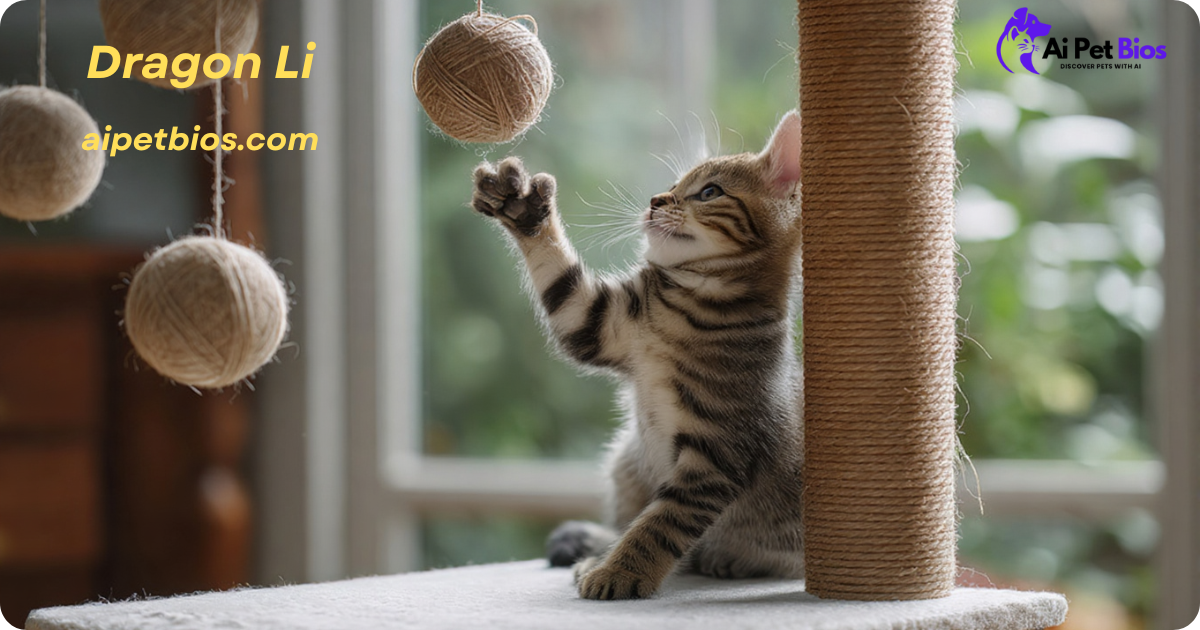
The Dragon Li cat is one of the rarest and most fascinating feline breeds in the United States, captivating enthusiasts with its stunning appearance and wild heritage. Often mistaken for a domestic tabby at first glance, this remarkable breed actually represents a distinct lineage with its own characteristics, complex history, and dedicated global following. Whether you’re curious about this rare breed, considering purchasing a kitten, or simply want to understand how the Li Hua differs from your average tabby house cat, this comprehensive guide covers everything you need to know.
📊 QUICK FACT: As of 2025, fewer than 50 registered breeders operate in North America, making this one of the scarcest cat breeds outside Asia.
Dragon Li Cat – At a Glance
| Average Weight | Lifespan | Origin | USA Rarity Level |
| 8–15 lbs | 12–15 years | China | ⭐⭐⭐⭐⭐ |
| Medium-Large | Long-lived | Naturally Occurring | Extremely Rare |
| Energy Level | Price Range (USA) | CFA Recognition | Ideal For |
| Very High | $800–$2,000+ | Pending (CCA) | Active Owners |
Pros & Cons at a Glance
Before committing to this rare breed, understand what makes these cats exceptional—and what challenges you may face.
| ✅ PROS | ❌ CONS |
| Exceptionally intelligent & trainableNaturally occurring breed (fewer genetic disorders)Athletic, sleek appearanceStrong immune system & hardy geneticsLoyal & devoted to familyRarity makes them unique & sought-after | Extremely hard to find in USAHigh cost ($800–$2,000+)Not lap cats—prefer independenceStrong prey drive (unsafe around small pets)Requires extensive enrichment & playLimited breeder network for support |
How the Dragon Li Compares to Other Rare Breeds
Considering similar exotic breeds? Here’s how the Li Hua stacks up:
Dragon Li vs Bengal Cat
Both are athletic and intelligent, but Bengals are hybrid (wild Asian Leopard Cat + domestic), while the Dragon Li is a naturally occurring purebred. Bengals cost $1,500-$4,000+ (more expensive) and require specialized permits in some states. The Li Hua is fully legal everywhere, more affordable, and genetically healthier due to natural development.
Dragon Li vs Egyptian Mau
The Egyptian Mau is the fastest domestic cat but less common than the Li Hua in North America. Both are rare and naturally patterned, but the Mau emphasizes spotted coats while this breed displays striped tabbies. The Li Hua is more social and trainable; Maus tend toward skittish personalities.
Dragon Li vs Savannah Cat
Savannahs (Serval hybrid) are larger, more expensive ($1,500-$3,000+), and often restricted legally. The Li Hua is smaller, more affordable ($800-$2,000), fully legal, and better for apartment living. Both are intelligent and energetic, but Savannahs require more specialized care.
Expert Insight: What Veterinarians & Breeders Say
Unlike many modern cat breeds developed through intensive selective breeding, the Dragon Li emerged naturally over millennia in rural China. According to veterinary genetics research and CFA breed standards documentation, naturally occurring breeds like this one often demonstrate superior genetic health compared to designer breeds, with lower incidence of hereditary conditions such as hypertrophic cardiomyopathy (HCM) or polycystic kidney disease (PKD).
The Chinese Cat Association officially recognized these cats in 2003. Reputable breeders emphasize the importance of genetic testing and health screening, particularly for emerging breeds working toward official CFA recognition. Breeders following CCA guidelines conduct regular health evaluations, genetic diversity assessments, and temperament evaluations to ensure breed quality.
Veterinarians note that owners should prioritize breeders who provide health guarantees and demonstrate transparent health testing results. This commitment to genetic health distinguishes responsible breeders from those operating outside established standards.
Breed Overview: History & Recognition
The Li Hua, also known by its formal designation, is a naturally occurring domestic breed that originated in China over 2,000 years ago. Unlike many modern breeds created through selective human breeding, these cats developed through natural selection in the Chinese countryside, making them a genuinely ancient lineage with deep historical roots.
Origin and History
This breed has been documented in Chinese literature and artwork for centuries, with references appearing in ancient manuscripts. These cats served as working animals in rural China, valued for pest control and companionship. The name ‘Dragon Li’ derives from Chinese characters for dragon (龍) and a location where the breed was particularly prevalent.
📌 HISTORICAL MILESTONE: The Chinese Cat Association officially recognized the breed in 2003, establishing formal breed standards and promoting international awareness. CFA recognition is currently pending, with provisional status in several North American registries.
Is the Li Hua a Tabby Cat?
This is one of the most common questions. The answer is no—while these felines display tabby-like markings, they are not technically tabbies. This distinction is crucial.
A tabby cat refers to any domestic feline displaying striped, spotted, or swirled coat patterns, regardless of breed. The Dragon Li is a specific purebred from China with distinctive genetic markers and characteristics extending well beyond coat patterns.
Coat Pattern & Markings
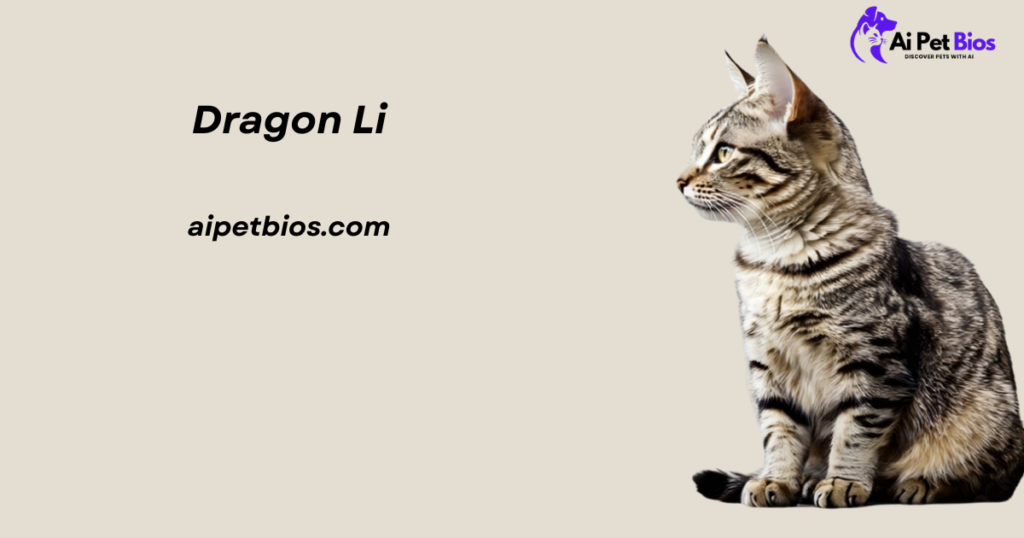
This breed displays what’s called a “striped tabby” or “mackerel tabby” pattern, featuring prominent vertical stripes and markings. The signature coat includes:
- Distinctive M-shaped marking on the forehead
- Bold stripes running from eyes to ears
- Vertical stripes along the neck and body
- Rings around the tail and legs
- Rich, warm coloring (typically brown-golden tones with darker stripes)
What distinguishes this breed from standard domestic tabbies is the intensity and specificity of these markings, combined with unique head shape, body proportions, and genetic heritage. The markings are more defined and follow stricter patterns than random domestic tabbies.
Physical Appearance & Characteristics
Understanding the physical traits is essential for identifying the breed and appreciating what makes it distinct from common domestic tabbies.
Overall Appearance
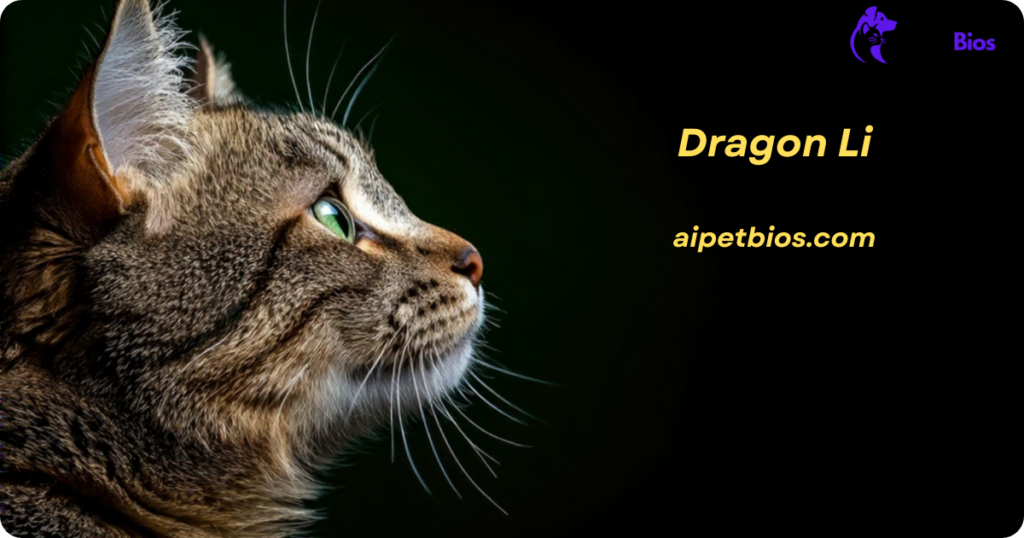
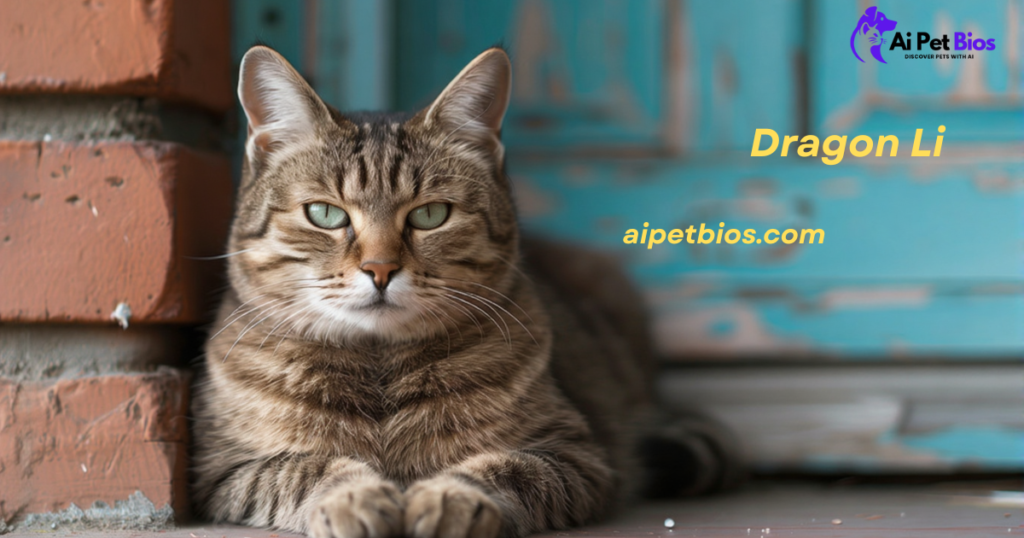
These felines are renowned for their wild, exotic appearance evoking the grace of a miniature wild cat. The breed features a muscular, athletic build with distinctly feline elegance. The head is slightly rounded with prominent cheekbones, ears are medium to large with rounded tips and tufts, and the eyes are large, almond-shaped, typically golden-yellow or amber—giving them an alert and intelligent expression.
A distinctive trait is the nose coloring: brick-red or rose-pink with a dark outline—a marker helping breeders identify authentic specimens. The chin is prominent and well-developed. Overall, the appearance conveys athleticism and alertness, quite different from softer features found in many domestic breeds.
Dragon Li Size
This breed is considered medium to large-sized. Adult males typically weigh between 10-15 pounds (4.5-7 kg), while females are generally slightly smaller, ranging from 8-12 pounds (3.6-5.4 kg). Some exceptional individuals, especially show-quality specimens, may exceed these ranges.
Key Physical Characteristics
Essential physical traits include:
- Muscular, athletic frame with long, slender legs
- Short, dense, double-layered coat
- Primary colors: brown with darker tabby stripes and golden undertones
- Medium to large ears with tufts
- Medium-length tail with distinct rings
- Large, expressive amber or golden eyes
Lifespan & Health
These cats typically enjoy a lifespan of 12-15 years with proper care, though some may live into their late teens. As a naturally occurring breed that developed in harsh outdoor environments, they tend to have strong genetic diversity and fewer hereditary issues compared to some designer breeds. Individual lifespan depends on genetics, diet, veterinary care, and living conditions.
Personality and Temperament
Beyond appearance, the personality and nature of these felines truly set the breed apart. Understanding temperament is crucial before committing to ownership.
Personality Traits
These cats are known for being exceptionally intelligent and curious—they’re thinking animals that need mental stimulation and environmental enrichment. This lineage typically includes a strong prey drive, a natural remnant of their outdoor heritage, making interactive play essential. Unlike some lap cats, they often prefer maintaining independence while still forming strong bonds with family members.
They are responsive to owners and can be trained to walk on leashes and play fetch. They tend to be vocal, communicating through meows, chirps, and trills. Many owners report their felines are protective of family and territory, displaying loyal and devoted behavior.
Temperament Profile
The temperament is best described as confident, alert, and independent. These are natural hunters with high energy levels, making them unsuitable for sedentary lifestyles or small apartments without enrichment. They thrive in environments where they can climb, explore, and engage in play.
They are typically social with family but can be reserved with strangers. Early socialization is important to ensure friendly attitudes toward visitors and other pets. The breed adapts well to multi-cat households when introduced properly, though they maintain individual territories.
Do They Like to Cuddle?
Unlike some breeds that are naturally lap cats, these felines tend to be more independent. While personalities vary, most prefer being near their owners rather than sitting directly on laps for extended periods. They may enjoy brief petting sessions but typically prefer interactive activities to passive cuddling.
If you’re seeking a breed that will constantly curl up in your lap, these cats might disappoint. However, if you prefer an interactive, engaging companion that shows affection through play and attention, the personality is ideal.
Are They Aggressive?
These cats are not inherently aggressive, though their strong prey drive and independent nature can be misunderstood. Like all cats, they can display defensive behaviors if frightened or harassed. Preventing behavioral issues requires:
- Early socialization with humans and other pets
- Adequate environmental enrichment and play opportunities
- Respect for the cat’s independent boundaries
- Proper handling and care
When properly socialized and cared for, these felines are friendly and relatively calm with families. Aggression issues typically stem from inadequate socialization or environmental stress rather than inherent breed characteristics.
Dragon Li vs Domestic Tabby – Key Differences
Many people assume the Li Hua is simply a tabby, but important distinctions exist between the breed and the tabby pattern found in domestic cats.
What’s the Difference?
The fundamental difference: “tabby” refers to a coat pattern, while “Dragon Li” refers to a specific breed. A domestic tabby could be any breed or mixed breed displaying striped, spotted, or swirled markings. The Li Hua, conversely, is specifically a Chinese breed with distinct genetic markers and breed standards.
| Feature | Dragon Li | Domestic Tabby |
| Origin | China (ancient breed) | Mixed heritage |
| Breed Status | Recognized purebred | Pattern, not breed |
| Head Shape | Slightly rounded, prominent cheekbones | Varies widely |
| Eye Color | Amber/golden yellow | Can be any color |
| Size | 8-15 lbs (medium-large) | Varies widely |
| Temperament | Independent, intelligent, high-energy | Highly variable |
How to Identify This Breed
Wondering whether your cat is a Dragon Li or simply a tabby? Here are key identifying factors:
Coat Pattern Differences
These felines display very distinct mackerel tabby patterns with bold, well-defined stripes. The stripes are symmetrical and follow consistent patterns, especially the M-marking on the forehead. Domestic tabbies may have similar patterns, but they’re often less defined or asymmetrical.
Head Shape & Eye Structure
Distinctive head characteristics include: slightly rounded skull with prominent cheekbones, medium to large ears with rounded tips and ear tufts, and large almond-shaped eyes with golden or amber hue. The face also features the characteristic brick-red nose with dark outline. A domestic tabby’s head shape and eye structure vary significantly based on genetic background.
Body Proportions
These felines have a distinctly athletic and muscular build with longer, more slender legs relative to body size. The chest is well-developed, and the overall appearance is lean and agile—very different from stockier or more robust domestic tabbies.
Genetic Lineage & Documentation
The most definitive way to confirm authenticity is through DNA testing or pedigree documentation from a breeder. A pure specimen will have documented ancestry tracing back to Chinese breeding programs. Domestic tabbies have mixed genetic backgrounds without specific breed standards.
Are Dragon Li Cats Rare?
Yes, these felines are exceptionally rare, particularly in the United States. While the breed is more common in China and gaining recognition in Europe and Asia, finding one in the USA remains a significant challenge. Several factors contribute to the rarity:
- Limited breeder population outside of China
- Lack of full CFA recognition (pending status)
- International import regulations and costs
- Limited awareness among American cat enthusiasts
📊 DATA POINT: Fewer than 50 registered breeders operate in North America as of 2025, compared to hundreds of Bengal or Maine Coon breeders.
This rarity contributes to breed appeal among enthusiasts and significantly affects pricing. As awareness grows globally, these cats may become less rare, but for now, finding a legitimate kitten requires research and patience.
Dragon Li Pricing Guide (USA 2026)
Understanding pricing is essential for potential buyers. The cost reflects rarity, breed recognition status, and breeder experience.
How Much Does a Dragon Li Cat Cost?
Prices in the USA typically range from $800 to $2,000+ per kitten, depending on several factors. Some premium bloodlines and show-quality specimens may exceed $3,000. This places them in the mid to premium range for purebred cats, comparable to Bengal or Maine Coon pricing.
Are These Cats Expensive?
Compared to standard domestic cats (which cost $50-$200), they are expensive. However, when compared to other rare exotic breeds, the pricing is relatively reasonable. The investment reflects:
- Breeder expertise and reputation
- Health screening and genetic testing
- Import costs for cats from international breeders
- Breed rarity and limited availability
Ownership Cost Breakdown (First Year)
A complete financial overview for new owners:
| Expense Category | Estimated Cost | Details |
| Kitten Purchase | $1,000–$2,500 | Pet or show quality |
| International Shipping | $500–$1,500 | From international breeders |
| Supplies (Litter, Toys, Bedding, Scratching Posts) | $300–$600 | High-quality materials for active breed |
| Veterinary Care (Exams, Vaccines, Spaying/Neutering) | $400–$800 | Initial health checkups |
| FIRST YEAR TOTAL | $2,200–$5,900+ | Varies by location & breeder |
💡 Pro Tip: Budget an additional $200–$400 annually for ongoing veterinary care, food, litter, and toys. These cats benefit from premium nutrition and enrichment due to their high energy levels.
Kitten Price Range
Kittens from established breeders typically cost between $1,000 and $2,500. Show-quality specimens may command higher prices. Retired breeding cats or adults are sometimes available at lower prices ($600-$1,200) from breeders looking to place former breeders in homes.
Factors Affecting Price
Several variables influence pricing:
Breeder Reputation
Established, well-known breeders with excellent track records charge premium prices. Newer breeders may offer lower prices as they build reputation. Always prioritize reputation over cost, as reputable breeders provide health guarantees and ongoing support.
Bloodline Quality
Kittens from championship bloodlines or with rare genetic traits command higher prices. If parents have won awards or are known for producing exceptional offspring, pricing will reflect this.
Show Quality vs Pet Quality
Show-quality specimens that meet breed standards precisely for competition are significantly more expensive than pet-quality cats. Show-quality kittens might cost $2,000-$3,000+, while pet-quality ones (equally healthy and beautiful but with minor standard deviations) might cost $800-$1,500.
Geographic Location
Breeders in high cost-of-living areas (California, New York) typically charge more than those in rural regions. International shipping from breeders outside the USA adds substantial costs ($500-$1,500+) for flights and legal documentation.
Where to Find Dragon Li Cats for Sale
Locating available specimens requires diligent research and networking within the cat enthusiast community.
Reputable Breeders
Finding legitimate breeders begins with:
- Checking the Chinese Cat Association (CCA) official breeder directory
- Researching international cat organizations that recognize the breed
- Joining breed enthusiast forums and social media communities
- Attending international cat shows where specimens are exhibited
Adoption vs Breeder
While adoption is preferable for most cat lovers, finding one in shelters is nearly impossible due to rarity. If adoption is important, connect with breed rescue organizations or breeders who occasionally have adults available.
Working with a reputable breeder ensures you receive a healthy kitten with documented lineage. Adoption gives a home to a cat in need. Consider both options and be patient—the perfect fit is worth the wait.
Red Flags When Purchasing
When searching for available cats, watch for these warning signs of unethical breeders:
- Unusually low prices (significantly below market rates of $800+)
- No health testing results or pedigree documentation available
- Unwillingness to allow visits or video calls with kittens
- No written contract or health guarantee provided
- Pressure to purchase immediately without consideration
- Multiple litters available constantly (sign of over-breeding)
- No references from previous customers or poor online reviews
Questions to Ask Breeders
Before committing to a purchase, ask these essential questions:
- What health screening has been done on the parents?
- Can you provide pedigree documentation and registration?
- What is your health guarantee period and coverage?
- Do you provide ongoing support and advice after purchase?
- What is your return policy if the kitten doesn’t work out?
- Can I speak with previous customers?
- Are there any breed-specific health concerns I should know about?
Pre-Purchase Verification Checklist
Ensure you’re fully prepared before bringing your new cat home:
- Breeder verified with CCA or recognized international organization
- Health testing documentation received and verified
- Written contract with health guarantees signed
- References from 3+ previous customers obtained and verified
- Kitten’s pedigree documentation in hand
- Veterinarian appointment scheduled for post-arrival checkup
- Home enrichment setup complete (climbing structures, toys, etc.)
Is This Breed Right for You?
Before investing, honestly assess whether this breed matches your lifestyle and expectations.
These cats are ideal for:
- Active individuals who enjoy interactive play and engagement
- Experienced cat owners familiar with independent breeds
- Homes with adequate space for an active feline to roam
- Enthusiasts interested in rare breeds and breed development
These cats may not be ideal for:
- People seeking a constant lap cat or purely affectionate companion
- First-time cat owners without prior breed experience
- Homes with small children due to their high prey drive
- Apartment living without significant enrichment options
Care Requirements Summary
Essential care guidelines for owners:
| Care Category | Requirement | Frequency/Notes |
| Interactive Play | Essential | 1–2 hours daily minimum |
| Environmental Enrichment | Essential | Cat trees, climbing posts, puzzle feeders |
| Grooming | Regular | Brush 2–3 times weekly |
| Veterinary Checkups | Annual | Annual wellness exam + vaccinations |
| Nutrition | Premium quality | High-protein diet suited for active cats |
Frequently Asked Questions
Quick answers to common questions:
Are Dragon Li cats rare?
Yes, these felines are exceptionally rare in the United States. While the breed originated in China and is more established there, finding a reputable breeder in the USA requires significant research. Their rarity contributes to higher pricing and appeal among dedicated enthusiasts.
How much does a Dragon Li cat cost?
Prices typically range from $800 to $2,000+ in the USA, with show-quality specimens potentially exceeding $3,000. The cost depends on breeder reputation, bloodline quality, whether it’s pet or show quality, and location. International shipping adds $500-$1,500 to the total expense.
Is Dragon Li a tabby cat?
No, while the breed displays tabby-like markings, it is not technically a tabby. Tabby refers to a coat pattern, while Dragon Li is a specific purebred from China. Authentic specimens have distinct breed characteristics including specific head shape, body proportions, and genetic heritage extending beyond coat patterns.
How do I tell if my cat is a Dragon Li?
Look for distinctive characteristics: slightly rounded head with prominent cheekbones, large almond-shaped amber or golden eyes, brick-red nose with dark outline, muscular athletic build, distinct mackerel tabby pattern, and medium to large ears with tufts. DNA testing or pedigree documentation from a breeder provides definitive confirmation.
Do Dragon Li cats like to cuddle?
Most prefer interactive play over prolonged cuddling. While they form strong bonds with family, they tend to be independent and may sit near you rather than on your lap. They may enjoy brief petting sessions but typically prefer interactive activities to passive cuddling.
Are Dragon Li cats aggressive?
These cats are not inherently aggressive. Their strong prey drive and independence can be misunderstood as aggression. With proper early socialization, adequate play opportunities, environmental enrichment, and respectful handling, they become friendly and well-adjusted family companions.
Explore Related Rare Cat Breeds
Interested in learning about other rare and exotic felines? Explore our comprehensive guides:
- [See our Bengal Cat Guide] – Compare with Bengal cats, another exotic breed
- [Egyptian Mau Breed Profile] – Discover another spotted rare breed
- [Savannah Cat Complete Guide] – Learn about hybrid wild-domestic breeds
Authority References & Sources
This article draws on information from these recognized authorities in feline breed standards and veterinary genetics:
- Chinese Cat Association (CCA) – Official breed recognition and standards documentation
- International Cat Association (TICA) – Breed registry and recognition status
- American Veterinary Medical Association (AVMA) – Feline health and genetics guidelines
Final Thoughts: Owning One is a Rare Privilege
This breed represents more than a beautiful and rare feline—it’s a commitment to bringing home an ancient, genetically diverse, and exceptionally intelligent companion. With origins stretching back over 2,000 years in rural China, this lineage brings a piece of history, wild elegance, and devoted companionship into the modern American home.
While the pricing and rarity require patience and investment, owners consistently report these remarkable animals reward dedication with engaging, trainable, and profoundly loyal companionship. This is not a breed for casual enthusiasts—it’s for those willing to provide the enrichment, space, and commitment these exceptional felines deserve.
Ready to Begin Your Journey?
If you’ve read this entire guide and still believe this breed is right for you, it’s time to take action. Start by connecting with CCA-registered breeders, requesting health documentation, speaking with previous customers, and joining enthusiast communities. The rarity of available kittens with health guarantees and pedigree documentation makes them worth the wait.
Remember: acquiring one isn’t an impulse decision. It’s a discovery made through patience, research, and genuine respect for one of the world’s rarest and most remarkable feline breeds.
Courtesy: Animal Verse

Want Popular On Google? | Lust Quality Backlinks That Force-fed
I’m an SEO Expert, Guest Posting Specialist, and Web Developer helping websites increase rankings, traffic, and authority using clean, white-hat strategies 🚀
I focus on high-authority guest posts, safe backlinks, SEO-optimized content, and technically sound websites—so your site doesn’t just rank, it stays ranked.
What I help you with:
✅ SEO (On-page, Off-page & Technical)
✅ Guest Posts on Real, Relevant Sites
✅ High-Quality Link Building
✅ Keyword Research & Content Strategy
✅ SEO-Friendly Website Development
📈 No spam. No shortcuts. Only results.
👉 Need backlinks that actually work?
📩 Let’s connect: https://wa.me/+923006932631
1 thought on “Dragon Li Cat – The Complete USA Guide”
Comments are closed.