
Introduction
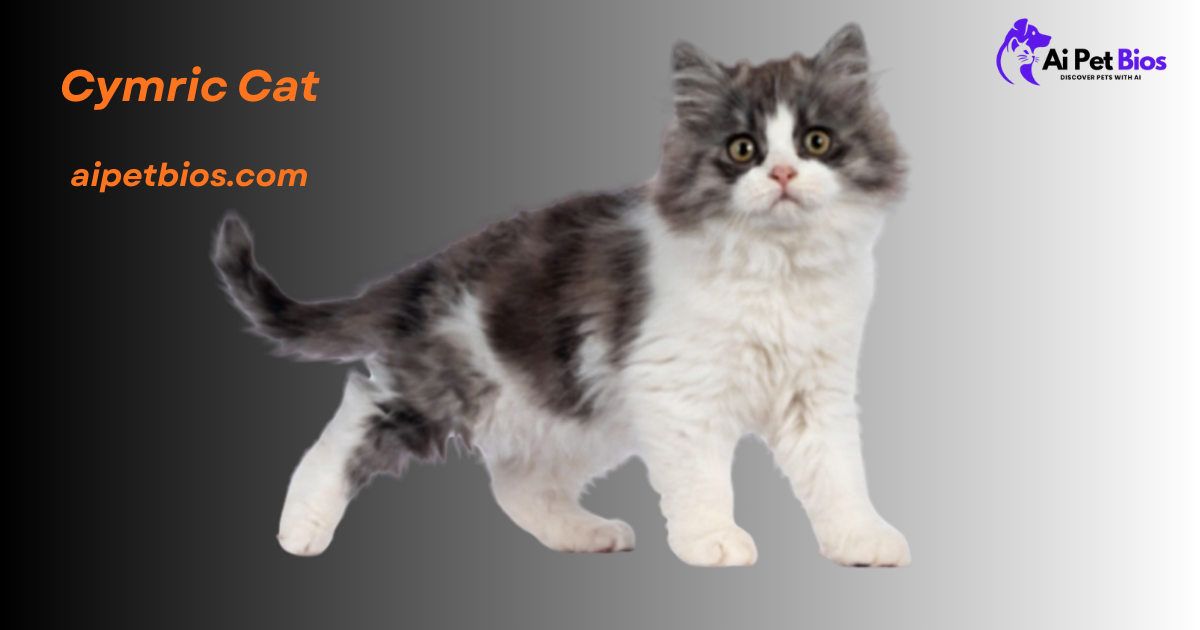
The Cymric cat is one of the most distinctive and charming feline breeds you’ll encounter in the United States today. Often described as the longhaired version of the Manx cat, the Cymric captivates cat lovers with its unique appearance, playful personality, and endearing quirks.
Whether you’re considering bringing one into your home or simply curious about this remarkable breed, understanding what makes Cymric cats special is essential for making an informed decision.
These intelligent, affectionate companions thrive in families that appreciate their energetic nature, social temperament, and need for constant engagement. Cymric cat ownership is ideal for active households but requires commitment to daily interaction, grooming, and enrichment activities.
In this comprehensive guide, we’ll explore everything potential owners and curious feline enthusiasts need to know about Cymric cat ownership—from their fascinating history and distinctive Cymric characteristics to practical care tips, realistic pricing, where to find Cymric kittens for sale, health considerations, and honest assessment of whether this breed matches your lifestyle.
Perfect for families seeking a loyal, playful companion, the Cymric represents a unique combination of the Manx breed’s iconic taillessness with the elegance and maintenance requirements of a longhaired coat. This guide serves as your complete resource for understanding, acquiring, and caring for this remarkable breed.
Cymric Cat Breed Overview
What Is a Cymric Cat?
The Cymric cat is a medium-to-large domestic cat breed recognized by major feline associations including The International Cat Association (TICA), the Cat Fanciers’ Association (CFA), and the American Cat Fanciers Association (ACFA). The name “Cymric” comes from the Welsh word “Cymru,” meaning Wales, reflecting the breed’s origins on the Isle of Man.
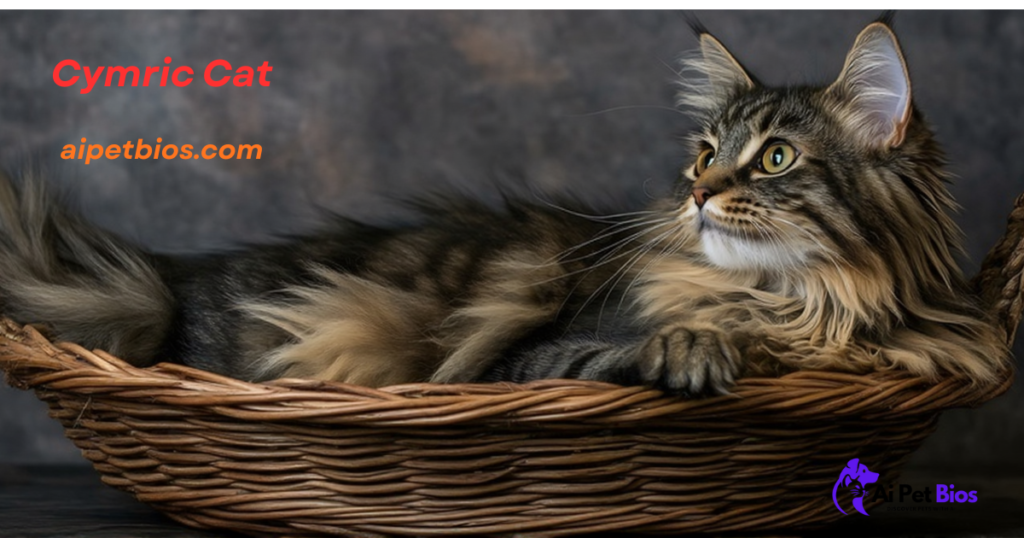
What distinguishes the Cymric from its short-haired cousin, the Manx, is its luxurious long or semi-long coat that requires dedicated grooming care and attention.
The most striking feature of the Cymric is its distinctive tail or lack thereof. While some Cymric cats are completely tailless (called “rumpies”), others have partial tails (“stumpies” or “longies”). This genetic trait, inherited from the Manx breed, has become iconic within Cymric breeding communities.
The absence or brevity of the tail is caused by a dominant genetic mutation that affects spinal development in the caudal region, making each Cymric cat uniquely adapted for its distinctive gait and movement patterns.
These cats are known for their rounded, muscular bodies, strong hind legs, and large ears that give them an alert, intelligent expression. Cymric cats are far more than just pretty faces—they’re complex, engaging companions that demand attention, interaction, and mental stimulation.
Their personality combines the athleticism of the Manx with the gentleness and social nature often associated with longhaired breeds, creating an exceptionally well-rounded companion animal.
Cymric Cat Quick Facts Table
| Feature | Details |
| Origin | Isle of Man, United Kingdom |
| Coat Type | Long or semi-long, double-layered |
| Size | Medium to large (8–12 lbs) |
| Lifespan | 12–17 years |
| Personality | Playful, affectionate, intelligent, social |
| Energy Level | High to very high |
| Good with Families | Yes, excellent |
| Good with Other Pets | Yes, typically friendly |
| Grooming Needs | Moderate to high |
| Price Range (USA) | $600–$1,200+ |
| Rarest Color | Silver/grey varieties |
Cymric Origin and History
Where the Cymric Cat Came From
The Cymric cat breed originated on the Isle of Man, a small island located between Great Britain and Ireland. The foundation of this breed traces back to the natural mutation that produced the famous tailless or short-tailed Manx cat, which has inhabited the Isle of Man for centuries.
Interestingly, the tailless trait in Cymric cats (and Manx cats) is the result of a dominant gene mutation. Legend has it that the Manx cat’s taillessness came from a cat that was the last to board Noah’s Ark—its tail got caught in the door! While charming, the true origin is genetic mutation that became established within the island’s isolated cat population.
The Cymric as a distinct breed didn’t emerge until the 1960s when breeders began selectively breeding long-haired Manx cats. Cat fanciers realized that occasionally, long-haired kittens would appear in Manx litters.
Rather than dismissing these as anomalies, breeders decided to develop them into a separate, recognized breed. The TICA officially recognized the Cymric in 1989, followed by other major cat associations.
How the Breed Became Popular in the USA
The Cymric cat gained steady popularity throughout North America during the 1980s and 1990s. American cat enthusiasts were immediately drawn to the breed’s unique combination of characteristics: the exotic appearance of the Manx with the elegance of a long coat, plus an exceptionally engaging personality.
Today, Cymric cats remain moderately popular in the USA, especially among experienced cat owners and those living in the Northeast and West Coast regions. While not as common as Maine Coons or Persians, Cymric cats have cultivated a devoted following of breeders and owners who appreciate their distinctive traits.
Cymric Cat Characteristics
Body Shape, Muscles, and Tail Types
The Cymric cat’s body structure is unmistakable. These cats have a compact, muscular frame with a distinctive rounded rump and a noticeably higher hindquarters compared to their front. This unique body configuration gives Cymrics a somewhat rabbit-like stance, which many owners find endearing.
Cymric cats possess powerful hind legs that make them exceptional jumpers and runners. Their front legs are shorter and thinner than their back legs, creating an athletic silhouette despite their stocky appearance. The head is round with prominent cheekbones, and the eyes are large and expressive, typically positioned at a slight angle.
The tail situation is where Cymrics truly stand out:
- Rumpies: Completely tailless with just a dimple where the tail would be
- Stumpies: Have a very short, stubby tail (2–3 inches)
- Longies: Have an almost normal-length tail but shorter than typical cats
Most Cymric breed standards favor rumpies for show cats, though all variations are genetically viable and equally valid as pets.
Cymric Cat Size (Weight & Growth Stages)
Cymric cats are classified as medium-to-large breeds. Adult females typically weigh between 7–10 pounds, while males generally range from 9–12 pounds. Some exceptional individuals can exceed these weights, particularly if they have larger bone structure or carry extra body fat.
Growth Timeline for Cymric Kittens:
- Weeks 1–4: Entirely dependent on mother; average weight 100–200 grams
- Weeks 4–8: Begin eating wet kitten food; weight increases to 800–1,200 grams
- Months 3–6: Rapid growth phase; weight reaches 2.5–4 kg (5.5–8.8 lbs)
- Months 6–12: Growth slows; approach adult size at 8–10 lbs
- 12–18 Months: Full maturity reached; final adult weight established
Cymric cats are relatively large cats but not as imposing as Maine Coons or Ragdolls. Their muscular build makes them feel heavier than they actually are.
Cymric Cat Lifespan and Life Stages
The Cymric cat lifespan typically ranges from 12 to 17 years, with many living well into their late teens with proper care. Some Cymric cats have been documented living into their 20s, though this is less common.
Life Stages of a Cymric Cat:
- Kitten Stage (0–1 year): Extremely playful, learning social behaviors, rapid growth
- Young Adult (1–3 years): Peak energy levels, fully mature size, most playful period
- Adult (3–7 years): Balanced energy, settled personality, prime years for breeding
- Senior (7–12 years): Slower activity, more selective play, increased need for comfort
- Geriatric (12+ years): Reduced mobility, increased vet visits, preference for quiet spaces
The quality of life during each stage depends significantly on diet, exercise, veterinary care, and environmental enrichment.
Cymric Cat Personality (Real Owner Expectations)
Family-Friendly Traits
The Cymric cat’s personality is one of the primary reasons people fall in love with this breed. Cymric cats are exceptionally social, affectionate, and loyal to their human families. Unlike some independent cat breeds, Cymrics genuinely enjoy human companionship and actively seek interaction.
These cats are known for “following” their owners from room to room, sitting on laps during relaxation time, and greeting family members at the door. Cymric cats often form strong bonds with multiple family members rather than imprinting on a single person. They typically do well with children, especially older children (ages 6+) who understand how to handle cats respectfully.
Cymric cats also demonstrate strong compatibility with other pets. They tend to be non-aggressive toward other cats and can coexist peacefully with dog-friendly household canines. However, their high prey drive means small animals like rodents or birds should be kept secure.
Energy Level, Play Style, and Daily Routine
One of the most important things to understand about the Cymric cat is their exceptional energy level. These are not lap cats that will contentedly sleep all day. Cymric cats are action-oriented, curious, and require substantial daily enrichment to prevent behavioral problems.
Daily Activity Requirements:
- Interactive play sessions: 30–45 minutes total per day (split into 2–3 sessions)
- Solo play opportunities: Access to toys, climbing structures, and puzzle feeders throughout the day
- Exploration time: Safe indoor access to multiple rooms and vertical spaces
- Mental stimulation: Window perches for bird watching, interactive games, hide-and-seek
Cymric cats excel at games like fetch—yes, they will often retrieve toys like dogs! Many owners report that their Cymrics enjoy walking on harnesses and leashes, water play (some even enjoy bathing), and playing hide-and-seek.
How Intelligent Are Cymric Cats?
How intelligent are Cymric cats? The answer is: exceptionally intelligent. Cymric cats rank among the smartest cat breeds, comparable to Bengals and Siamese in cognitive ability.
These intelligent felines demonstrate remarkable problem-solving skills, learning to open cabinets, operate light switches, and manipulate door handles. They respond well to training and can learn commands like sit, come, and stay. Some Cymric cat owners have successfully trained their pets to use toilet seats and walk on leashes.
This intelligence comes with a trade-off: Cymric cats can become destructive or develop behavioral issues if not adequately stimulated. Mental boredom leads to mischief, inappropriate scratching, and excessive vocalization. Owners must be prepared to provide constant engagement and novel experiences.
Cymric vs Manx (Key Differences That Matter)
Coat Type and Appearance
The most obvious difference between the Cymric and its closest relative, the Manx, is the coat. The Cymric cat features a long or semi-long double coat (2–3 inches in length) that requires regular grooming. The Manx, by contrast, has a short, dense double coat that needs minimal maintenance.
Both breeds share the same body structure, facial features, and tail variations. However, the Cymric’s luxurious coat adds a more glamorous appearance, while the Manx presents a sleeker, more athletic look.
Temperament Comparison
Both Cymric and Manx cats share similar personality traits: they’re playful, social, and energetic. However, subtle differences exist:
- Cymrics tend to be slightly more affectionate and “clingy” with their owners
- Manx cats are often described as more independent, though still social
- Cymrics appear to have marginally higher energy levels
- Both are equally intelligent and trainable
Which One Fits Apartments vs Houses?
For Apartments: The Manx might be a better choice. While Cymric cats can adapt to apartment living, their high energy demands are easier to manage in a house with multiple rooms and outdoor access.
For Houses: The Cymric cat is excellent for houses, especially homes with space for climbing structures, window perches, and interactive play areas. If your home has access to a secure catio (enclosed outdoor space), even better.
For Outdoor Access: Both breeds can be leash-trained and supervised outdoors, though the Cymric’s longer coat requires more post-outdoor grooming.
Cymric Cat Colors and Patterns
The Cymric breed standard recognizes virtually every color and pattern combination accepted in the Cat Fanciers’ Association (CFA) and TICA breed standards. This genetic diversity makes Cymric cats available in remarkable variety, allowing potential owners to find a color preference that speaks to them.
Cymric Cat Colors Common in the USA
The most commonly seen Cymric cat colors in American households include solid colors, tabby patterns, colorpoint patterns, and bicolor combinations. Each offers distinct visual appeal and varying grooming considerations.
Common Solid Colors:
- Black – Jet black coat from root to tip with copper, gold, or orange eyes
- White – Pure white coat (may have blue or odd eyes; deafness more common in white cats)
- Blue (Gray) – Soft, blue-gray coat throughout; one of the most elegant options
- Red (Orange/Ginger) – Warm, flame-colored coats; predominantly male due to genetics
- Cream – Pale, dilute orange color; very soft and subtle appearance
Common Tabby Patterns:
- Classic Tabby – Swirls and whorl patterns creating distinctive marble-like appearance
- Mackerel Tabby – Thin, parallel stripes running perpendicular to spine (most common)
- Spotted Tabby – Spots instead of stripes; increasingly popular in show rings
- Ticked Tabby – Individual hairs banded with color; minimal pattern visible
Other Recognized Patterns:
- Colorpoint (Siamese-type) – Color concentrated on face, ears, legs, tail
- Calico/Tricolor – Three-color combination (black, red/orange, white)
- Tortoiseshell – Blend of black and red without white
- Bicolor/Tuxedo – Two-color pattern with white and another color
- Van Pattern – Colored only on head and tail, white elsewhere
- Smoke Pattern – White undercoat with colored guard hairs
Cymric Cat Black
Cymric cat black specimens are among the most striking and popular color variants available. A true black Cymric displays a jet-black coat from root to tip—a condition called “solid black”—with no visible tabby markings. Their eye color is typically copper, golden, or orange, which creates dramatic contrast against the dark fur.
Characteristics of Black Cymric Cats:
- Coat appearance: Glossy, deep black with full pigmentation throughout
- Hidden patterns: Some black Cymrics display faint “hidden mackerel” tabby patterns visible only in direct sunlight
- Eye colors: Copper (most common), gold, orange, or rarely green
- Grooming considerations: Black fur masks dirt and shedding, but grooming is still essential; mats are less visible but still problematic
- Popularity: Consistently popular for show and pet quality; no premium pricing
Black Cymric cats require regular brushing to prevent matting and to keep their coat gleaming and healthy. Their dark coloring creates an elegant, mysterious, and sophisticated appearance, and they photograph beautifully, especially in natural light.
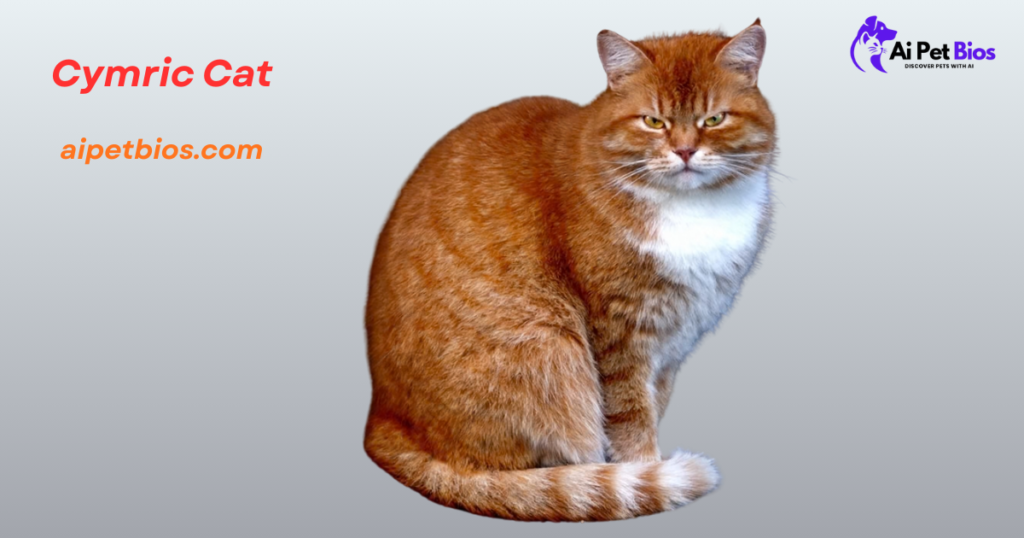
Cymric Cat Orange
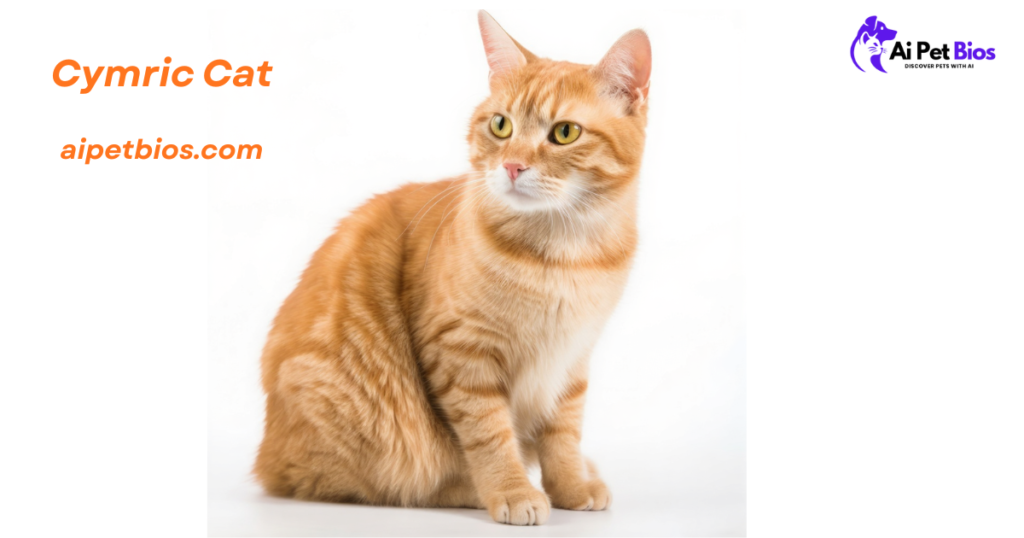
Cymric cat orange (also called red or ginger) cats are characterized by warm, flame-colored coats ranging from pale orange to deep red. These vibrant felines are predominantly male due to the X-linked genetic inheritance of the red color gene (approximately 80% of red cats are male; females require two red genes).
Characteristics of Orange Cymric Cats:
- Coat color range: Light cream-orange to deep flame red
- Pattern combinations: Often display tabby patterns overlaid on base orange color
- Eye colors: Copper, amber, or golden (complementing warm coat)
- Male dominance: Approximately 80% are male due to genetics
- Personality correlation: Many owners report orange Cymrics are particularly charming, outgoing, and affectionate
- Popularity: Very popular for pet quality; orange tabbies are iconic
- Show considerations: Some color variations may be less preferred in strict show standards
Cymric orange cats are known for their particularly engaging, outgoing, and affectionate personalities. Many cat behaviorists believe the orange coat color correlates with bold, confident temperaments, though this is anecdotal rather than scientifically proven. Regardless, orange Cymric cats often become favorite family members for their combination of striking appearance and engaging personalities.
Cymric Cat Black and White
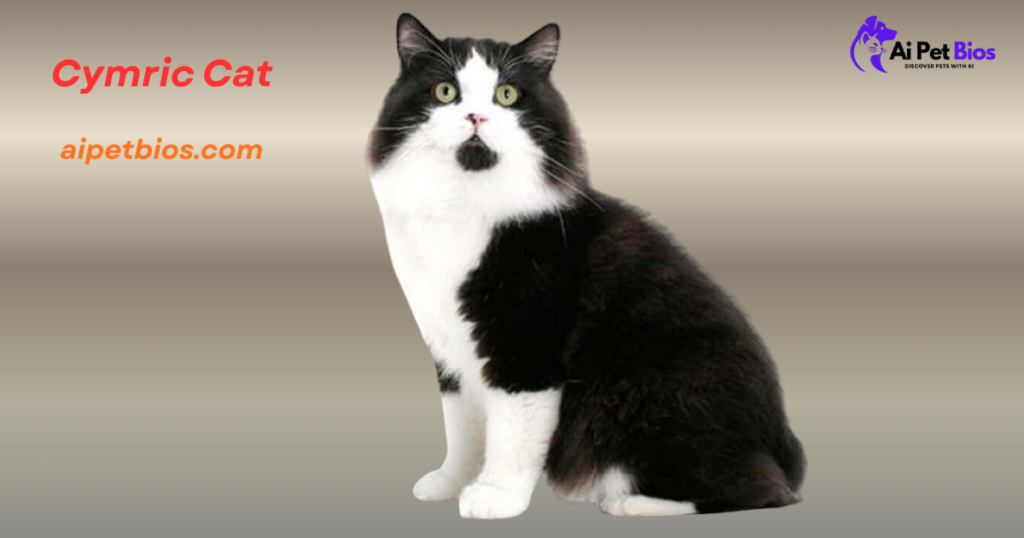
Cymric cat black and white (bicolor, tuxedo, or van pattern) specimens create a formal, distinguished appearance that many owners find irresistible. Cymric black and white cats feature black markings on a white base, often in specific, recognized patterns that breed standards specify.
Common Black and White Pattern Types:
- Tuxedo Pattern: Black body with white chest, belly, paws, and facial markings; formal “dressed up” appearance
- Van Pattern: Primarily white body with colored markings only on head and tail; creates striking contrast
- Bicolor/Harlequin: Approximately 50% white and 50% colored; more balanced distribution
- Calico Bicolor: Black and white with red/orange patches creating three-color effect
- Partial Colorpoint Bicolor: White base with darker colorpoint patterns
Characteristics of Black and White Cymric Cats:
- Visual impact: High contrast, striking appearance; very photogenic
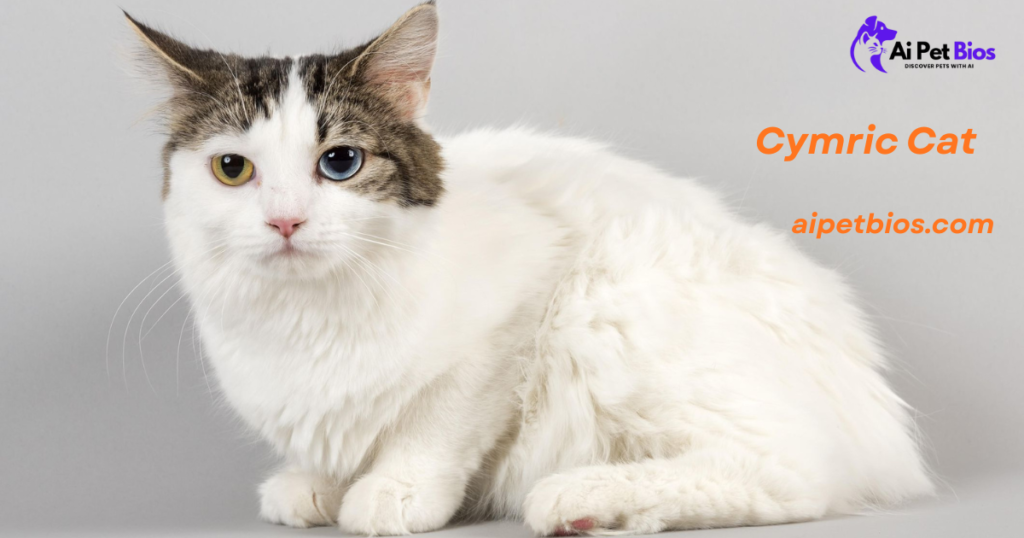
- Heterochromia: Some black and white Cymrics display heterochromia (two different-colored eyes—one amber, one blue), adding mystique
- Grooming considerations: White areas may show dirt and require attention; staining prevention important
- Popularity: Extremely popular in both pet and show categories
- Deafness correlation: White patches, especially if extensive, correlate with increased deafness risk (particularly in blue-eyed cats)
- Personality: No specific personality correlation with black and white coloring
Cymric black and white cats often have heterochromia or matching eyes depending on genetics. This coloration is relatively easy to maintain grooming-wise compared to solid colored cats, as white and black contrast makes the coat’s condition visible. Many owners find the formal “tuxedo” appearance particularly appealing, especially when combined with the Cymric’s unique tailless or short-tailed appearance.
Grooming and Maintenance Guide
Brushing Schedule for Long Coats
The Cymric cat’s long, double coat requires consistent grooming to remain healthy and mat-free. Neglecting grooming leads to painful matting, skin issues, and overall discomfort.
Recommended Brushing Schedule:
- Daily brushing: 5–10 minutes during normal shedding periods
- During heavy shedding seasons: 10–15 minutes daily (typically spring and fall)
- Brushing tools needed:
- Wide-toothed comb (for detangling)
- Slicker brush (for undercoat)
- Metal rake or deshedding tool
- Grooming gloves
Brushing technique:
- Start with the wide-toothed comb to work through tangles
- Follow with the slicker brush in the direction of hair growth
- Use the deshedding tool to remove loose undercoat
- Check ears, underarms, and belly for mats (problem areas)
Most Cymric cats tolerate and eventually enjoy brushing, especially if started young and paired with treats or praise.
Bathing, Ear Cleaning, Nails, and Teeth
Bathing: While Cymric cats don’t require frequent baths, occasional bathing (every 4–6 weeks) can help with heavy shedding. Use lukewarm water and cat-specific shampoo. Some Cymrics tolerate water remarkably well.
Ear Cleaning: Cymric cats have large, active ears that can accumulate wax and debris. Clean ears weekly using a damp cloth or veterinary ear wipes. Never insert cotton swabs into the ear canal.
Nail Trimming: Trim nails every 2–3 weeks using a cat nail clipper. The clear portion of the nail can be safely trimmed; avoid the pink quick. Provide scratching posts to reduce trimming frequency.
Teeth Brushing: Dental health is crucial. Brush teeth 3–4 times weekly using cat-specific toothpaste. This prevents tartar buildup and periodontal disease.
Seasonal Shedding Tips
Cymric cats shed heavily twice yearly during seasonal transitions (spring and fall). Managing shedding requires proactive, strategic approaches tailored to each season:
Spring Shedding (Peak Season – February to May):
- Increase brushing frequency to daily sessions (15–20 minutes)
- Use deshedding tools 4–5 times weekly to remove thick undercoat
- Bathe every 2–3 weeks using hydrating shampoo to loosen winter coat
- Consider professional grooming (de-matting and bathing service)
- Clean home air filters weekly and use HEPA vacuum 3–4 times weekly
- Add omega-3 supplements (fish oil) to support healthy coat transition
Fall Shedding (Secondary Season – August to November):
- Resume daily brushing (10–15 minutes) as winter undercoat develops
- Maintain regular slicker brush sessions to keep coat manageable
- Reduce bathing frequency to monthly (winter coat needs natural oils)
- Ensure proper indoor humidity (40–50%) to prevent dry skin and shedding
- Increase home cleaning frequency during peak fall shedding weeks
- Monitor for matting in high-friction areas (armpits, belly, neck)
Year-Round Management:
- Invest in quality grooming tools (replacement slicker brushes, metal combs)
- Use furniture-specific lint rollers and lint removal tools strategically
- Consider washable furniture covers for sofas and beds
- Maintain consistent indoor humidity between 40–50% (use humidifier if needed)
- Ensure high-quality diet rich in omega fatty acids
- Keep air purifiers running during peak shedding months
- Rotate and launder cat bedding frequently
Despite diligent grooming, expect to find Cymric cat hair on clothing and furniture during shedding seasons. This breed is decidedly not hypoallergenic, and their shedding is substantial. Many owners use rubber brooms and specialized pet hair removal tools for effective cleanup.
Diet and Feeding Guide
Best Food Types (Wet, Dry, Mixed)
Proper nutrition is essential for maintaining the Cymric cat’s health, coat quality, and energy levels. The ideal diet depends on individual preferences, health status, and lifestyle.
Dry Kibble:
- Convenient and affordable
- Helps reduce tartar buildup on teeth
- Best for dental health when high-quality
- Should be high in protein (minimum 30%)
Wet/Canned Food:
- Higher moisture content supports kidney health
- More palatable to many cats
- Can help with weight management (more satiating)
- Protein percentages vary widely (check labels)
Mixed Diet (Recommended):
- Combination of wet and dry food provides optimal benefits
- Example: dry kibble in morning, wet food in evening
- Supports both dental and urinary health
Key nutritional requirements for Cymric cats:
- High-quality animal protein (chicken, fish, turkey)
- Moderate fat content (10–15%)
- Taurine (essential amino acid)
- Low carbohydrate content
- No artificial colors, flavors, or preservatives
Feeding Chart by Age (Table Required)
| Age | Daily Calories | Feeding Frequency | Portion Size | Food Type |
| 0–4 Weeks | 50–100 | 4–6 times/day | Mother’s milk | Kitten formula (if orphaned) |
| 4–8 Weeks | 150–250 | 4 times/day | 1/4 cup | Kitten wet + kibble mix |
| 8–12 Weeks | 250–350 | 3 times/day | 1/2 cup | Kitten formula |
| 3–6 Months | 350–450 | 2–3 times/day | 3/4 cup | Kitten formula |
| 6–12 Months | 400–500 | 2 times/day | 1 cup | Kitten transitioning to adult |
| 1–7 Years (Adult) | 200–300 | 2 times/day | 1 cup total | High-protein adult formula |
| 7+ Years (Senior) | 150–250 | 2 times/day | 3/4 cup | Senior, digestive-friendly formula |
Note: Calorie requirements vary by individual metabolism, activity level, and health status. Consult your veterinarian for personalized feeding recommendations.
Treats, Hydration, and Weight Control
Treats: Limit treats to no more than 10% of daily calorie intake. Cymric cats love interactive treat-dispensing toys that provide mental stimulation while rewarding them with snacks.
Hydration: Fresh water should be available 24/7. Some Cymric cats prefer running water from fountains, which encourages drinking. Proper hydration supports kidney and urinary tract health.
Weight Management: Cymric cats are prone to weight gain if overfed or under-exercised. Maintain a healthy weight through:
- Portion control and measured meals
- Regular interactive play (30–45 minutes daily)
- Using puzzle feeders to slow eating
- Regular weigh-ins at vet appointments
Obesity in Cymric cats can exacerbate joint issues related to their unique body structure.
Training and Care Tips
Litter Training Setup
Cymric cats are naturally inclined to use litter boxes, making litter training relatively straightforward. However, proper setup ensures success:
Litter Box Essentials:
- Number: Minimum one box per cat, plus one extra (so 2 boxes for 1 cat)
- Size: Large boxes (at least 1.5x the cat’s body length)
- Type: Open boxes preferred by most Cymrics (they dislike confined spaces)
- Location: Away from food/water, in quiet, accessible areas
- Litter type: Unscented, clumping litter works best for most
- Depth: 2–3 inches of litter
- Cleaning: Scoop daily, completely change litter weekly
Training Tips:
- Place kitten in litter box immediately after meals and naps
- Reward with praise when used appropriately
- Clean accidents with enzymatic cleaners to prevent re-soiling
- Never punish accidents—this creates anxiety
Most Cymric kittens are litter box trained by 8–12 weeks of age.
Socialization Tips
Cymric kittens benefit tremendously from early, positive socialization with humans and other animals. Socialization during weeks 2–12 of life is critical for developing confident, well-adjusted adult cats.
Socialization Strategies:
- Expose to different people: Visitors, children, different ages
- Introduce varied environments: Different rooms, outdoor sounds (supervised), car rides
- Positive human contact: Gentle handling, grooming, nail trimming practice
- Other animals: Supervised meetings with other cats and cat-friendly dogs
- Environmental enrichment: New toys, textures, sounds
- Positive reinforcement: Treats and praise during all new experiences
Well-socialized Cymric cats are more adaptable, confident, and less prone to anxiety-related behaviors.
Enrichment Toys and Boredom Prevention
Given the Cymric’s exceptional intelligence and energy, constant enrichment is non-negotiable for behavioral health.
Essential Enrichment Items:
- Vertical space: Cat trees, wall-mounted shelves, window perches
- Puzzle feeders: Food-dispensing toys that engage the mind
- Interactive toys: Feather wands, laser pointers, string toys (supervised use)
- Tunnels and hideaways: Cardboard boxes, fabric tunnels
- Rotating toys: Change toys every 1–2 weeks to prevent boredom
- Window perches: “Bird TV” provides endless entertainment
- Scratching posts: Multiple posts in different textures
Rotate toys regularly and introduce new challenges to keep Cymric cats mentally stimulated and physically active.
Can Cymric Cats Be Left Alone? (Answer clearly)
Short answer: No, not for extended periods. Cymric cats are social creatures that don’t handle isolation well.
Realistic Alone Time Guidelines:
- Under 4 hours: Generally fine with water, food, and litter available
- 4–8 hours: Manageable occasionally, but not ideal
- 8+ hours: Not recommended; can lead to anxiety, destructive behavior, and accidents
- 24+ hours: Never appropriate without someone checking in (day 2+)
Solutions for Working Owners:
- Pet sitters: Visit 1–2 times daily for interaction and care
- Automatic feeders and water fountains: Reduce dependence on you
- Enrichment toys: Keep them engaged in your absence
- Companion animal: Consider a second cat for companionship
- Flexible work: Work from home occasionally
- Daycare: Some facilities offer cat daycare services
The Cymric’s social nature makes them better suited for homes with at least one household member present during much of the day, or multi-cat households where they have feline companionship.
Common Health Concerns (Informational Only)
General Issues to Watch For
While Cymric cats are generally healthy, certain health considerations are important to understand and monitor:
Tail-Related Issues: Some Cymric cats with residual tails may experience arthritis in the tail joint or base due to the genetic mutation affecting vertebral development. Symptoms include reduced tail mobility, sensitivity to touch, or behavioral changes when the tail is touched. This is typically manageable through pain management and environmental modifications, and is not life-threatening when properly monitored by a veterinarian.
Spina Bifida (Occult): A small percentage of Cymric cats may inherit spina bifida (incomplete spinal development) from the tailless gene. Responsible breeders conduct genetic screening and testing to identify and eliminate this gene from breeding lines. Affected cats may show no symptoms or may display hind limb weakness, incontinence, or mobility issues. Modern breeding practices have significantly reduced this concern.
Kidney Disease: Like all domestic cats, Cymrics are susceptible to age-related chronic kidney disease (CKD), particularly in senior years (12+). Proper hydration through wet food consumption, regular vet monitoring via bloodwork, and high-quality, kidney-supportive diets can help slow progression and maintain quality of life.
Hip Dysplasia: Due to their unique body structure and shortened hindquarter positioning, some Cymric cats may experience hip dysplasia (improper hip socket development) or osteoarthritis. Weight management, controlled exercise, and supplements like glucosamine can help prevent severity. Responsible breeders screen parents for hip issues.
Obesity-Related Issues: Cymric cats can easily become overweight if overfed or under-exercised, leading to diabetes, joint problems, mobility issues, and significantly reduced lifespan. Maintaining healthy weight through portion control, interactive play, and monitoring food intake is one of the most important preventive health measures.
Hyperthyroidism: Common in older cats (7+ years), including Cymrics, this condition accelerates metabolism, causing weight loss despite increased appetite, increased vocalization, and behavioral changes. Blood testing confirms diagnosis, and multiple treatment options exist (medication, diet, surgery, radiation therapy).
Polycystic Kidney Disease (PKD): While more common in other breeds, responsible Cymric breeders screen parent cats to rule out PKD, a hereditary condition causing kidney cyst development.
Vet Checkups and Prevention Habits
Preventive care is absolutely essential for Cymric cat longevity, quality of life, and early detection of age-related conditions.
Recommended Veterinary Schedule:
- Kittens (under 1 year): Every 3–4 weeks until 12 weeks old, then every 8 weeks until 6 months, then at 1 year for final kitten checkup
- Young adults (1–7 years): Annual checkup minimum (wellness exam, bloodwork optional but recommended)
- Senior cats (7–11 years): Twice yearly checkups recommended (early detection of aging-related conditions)
- Geriatric cats (12+ years): Every 6 months minimum, or quarterly if health concerns exist
Essential Preventive Care Components:
- Complete vaccinations (FVRCP series, rabies per local law or regulations)
- Year-round parasite prevention (fleas, ticks, intestinal parasites/worms)
- Professional dental checkups and cleanings (annually or as recommended)
- Annual bloodwork and urinalysis (especially cats 5+ years old)
- Blood pressure monitoring (annually for cats 7+ years old)
- Microchipping and ID tag registration
- Spay/neuter surgery (unless participating in ethical breeding program)
- Nutritional assessment and dietary adjustments based on age/health status
At-Home Health Monitoring Between Vet Visits:
- Monitor eating and drinking habits for changes
- Watch for weight fluctuations (especially important with overweight cats)
- Check coat quality and skin condition during grooming
- Observe litter box usage (frequency, behavior, appearance)
- Note behavioral changes, energy levels, or mobility changes
- Track vocalization patterns (excessive meowing can indicate issues)
- Maintain grooming schedule (allows detection of skin issues, lumps, etc.)
Regular veterinary care, when combined with proper nutrition, exercise, and environmental enrichment, positions your Cymric for a long, healthy, high-quality life. Many Cymric cat owners report their veterinarians are pleasantly surprised by the breed’s overall health and longevity when well-cared for.
Cymric Cat Price in the USA
Cymric Cat Price Range (Pet vs Show Quality)
Understanding the Cymric cat price range helps set realistic expectations when considering this breed.
Pet-Quality Cymric Cats ($600–$900):
- Healthy, socialized kittens
- May have minor coat or color variations from breed standard
- Not intended for breeding or showing
- Comes with spay/neuter requirement
- 1–2 year health guarantee typical
Show-Quality Cymric Cats ($900–$1,500+):
- Meets breed standard for conformation, color, and coat
- Excellent bloodlines and pedigree
- Suitable for breeding or showing
- Higher price reflects breeding potential
- May come with breeding rights (additional cost)
Rare Color/Pattern Premiums: Certain colors like silver, chocolate, or unusual patterns may command $200–$500 premium over standard pricing.
One-Time vs Monthly Costs
Beyond the initial purchase price, Cymric cat ownership involves significant ongoing expenses:
One-Time Startup Costs (First Year):
- Adoption/breeder fee: $600–$1,500
- Veterinary exam and vaccines: $150–$300
- Supplies (litter box, food bowls, toys, bed): $100–$200
- Microchip: $25–$50
- Spay/neuter (if not done by breeder): $200–$500
- Total first-year one-time: $1,075–$2,550
Monthly Ongoing Costs (Averages):
- Food (quality wet + dry): $30–$50
- Litter: $15–$25
- Toys and enrichment: $10–$20
- Grooming supplies and professional grooming: $20–$50
- Preventive medications: $10–$20
- Miscellaneous supplies: $10–$15
- Total monthly average: $95–$180
How Much Do Cymric Cats Cost Over 1 Year? (Mini Table)
| Cost Category | Minimum | Maximum | Notes |
| Initial Purchase | $600 | $1,500 | Breeder or adoption |
| Veterinary (Year 1) | $150 | $500 | Exams, vaccines, spay/neuter |
| Food (Annual) | $360 | $600 | Quality pet food |
| Litter (Annual) | $180 | $300 | High-quality clumping litter |
| Toys & Enrichment | $120 | $240 | Interactive and rotating toys |
| Grooming Supplies | $100 | $200 | Brushes, nail trimmers, etc. |
| Emergency Fund | $500 | $1,000+ | Unexpected vet costs |
| TOTAL YEAR 1 | $2,010 | $4,340 | |
| TOTAL YEAR 2+ | $1,410 | $2,840 | (Without initial purchase and spay/neuter) |
These costs can increase if health issues arise or if using professional grooming services.
Cymric Cat for Sale in the USA (Safe Buying Guide)
Where to Find Cymric Cats for Sale
Finding a reputable Cymric cat for sale requires research and caution. Multiple legitimate sources exist:
Reputable Breeders:
- Search TICA or CFA registries for certified Cymric breeders
- Verify breeder credentials and references
- Visit facilities in person if possible
- Review health guarantees and contract terms
Breed-Specific Rescues:
- Contact national Manx or Cymric breed rescue organizations
- Check Facebook groups dedicated to breed rescues
- Adoption fees typically $100–$300, lower than breeders
- Rescue cats may be older but equally loving
Adoption Shelters:
- Some shelters occasionally have Cymric cats (rare but possible)
- Adoption fees $50–$150
- May include spay/neuter and initial vet care
Online Listing Sites (Use Caution):
- Petfinder.com (vetted listings)
- Adopt-a-Pet.com (reputable rescues only)
- Local Facebook groups and Craigslist (high scam risk)
Cymric Kittens for Sale Checklist
Before committing to Cymric kittens for sale, verify these criteria:
Breeder Reputation:
- ✅ Member of TICA, CFA, or recognized cat association
- ✅ References from previous buyers available
- ✅ Health testing documentation (genetic screening)
- ✅ Contract specifying health guarantees and return policy
- ✅ Willing to answer detailed questions
- ✅ Transparent about any genetic predispositions
Kitten Health:
- ✅ Age at least 12–16 weeks before going home
- ✅ Initial veterinary exam completed and documented
- ✅ First vaccinations received
- ✅ Dewormed appropriately
- ✅ Microchipped and registered
- ✅ Spay/neuter contract signed (if not already done)
Personality & Socialization:
- ✅ Handled regularly since early weeks
- ✅ Comfortable with human interaction
- ✅ Exposed to varied household sounds and environments
- ✅ Introduced to other cats and pets if possible
Documentation Required:
- ✅ Pedigree certificate (TICA or CFA)
- ✅ Health records and vaccination documentation
- ✅ Written contract
- ✅ Microchip registration information
- ✅ Care instructions and feeding recommendations
How to Avoid Scams When Buying Online
Unfortunately, Cymric cat scams exist, particularly online. Protect yourself:
Red Flags to Avoid:
- 🚫 Breeder unwilling to video chat or phone call
- 🚫 Prices significantly below market rate ($300–$400)
- 🚫 Pushy sales tactics or pressure to pay quickly
- 🚫 Request for wire transfer, cryptocurrency, or untraceable payment
- 🚫 No physical address or visible facility
- 🚫 No health guarantees or contract
- 🚫 Cannot provide references from previous buyers
- 🚫 Stock photos instead of photos of actual kittens
- 🚫 Unwilling to speak with your veterinarian
Safe Buying Practices:
- ✅ Meet breeder in person before payment if possible
- ✅ Never send money before meeting the kitten
- ✅ Verify membership in breed associations independently
- ✅ Check veterinary references
- ✅ Use credit card for purchase (dispute protection)
- ✅ Have a pre-purchase veterinary exam included in contract
- ✅ Get everything in writing
- ✅ Trust your instincts—legitimate breeders have nothing to hide
Questions to Ask Breeders
Before purchasing Cymric kittens for sale, ask these essential questions:
- How long have you been breeding Cymric cats?
- Are you registered with TICA, CFA, or other associations?
- Can you provide references from previous kitten buyers?
- What health testing have the parents undergone?
- Do you have any genetic predispositions in your line?
- What is your kitten mortality/illness rate?
- What is your health guarantee? (Duration and what’s covered?)
- What vaccinations/deworming will the kitten have before going home?
- Is the kitten spayed/neutered, or will I be required to do so?
- Will you take the kitten back if circumstances change?
- What support/advice do you provide after adoption?
- Can I video chat or speak by phone before purchasing?
- What is your pricing breakdown? (Base + color premium?)
- Do you offer a contract? Can I review it beforehand?
Reputable breeders welcome these questions and answer thoroughly and openly.
Cymric Kitten Growth and First-Year Care
Cymric Kitten Personality by Age
Understanding Cymric kitten development helps set appropriate expectations:
Weeks 1–4 (Neonatal Stage):
- Completely dependent on mother
- Eyes open around week 2
- Begin exploring around week 3
- Personalities begin emerging (bold vs shy tendencies)
Weeks 4–8 (Socialization Window—CRITICAL):
- Rapid personality development
- Highly curious and playful
- Start eating solid food
- Most formative period for socialization
- Should be handled frequently by different people
Weeks 8–12 (Peak Playfulness):
- Extremely active and fearless
- Play-fighting with littermates and humans
- Testing boundaries and learning bite inhibition
- High energy, frequent short naps
- Ready for new homes (around week 12)
3–6 Months (Transition Stage):
- Continued rapid growth and energy
- Personality becoming stable and predictable
- Training and boundaries becoming important
- Independence increasing but still very social
- Sexual maturity approaching (spay/neuter time)
6–12 Months (Adolescent Stage):
- Nearly full adult size
- Personality fully developed
- Energy levels remain very high
- Selective about human interaction (not all people equally)
- Muscle development becoming visible
Feeding, Sleep, and Play Schedule
Sample Daily Schedule for Cymric Kitten (8 Weeks–6 Months):
- 7:00 AM: Breakfast (kitten wet food + kibble)
- 9:00 AM: Interactive play session (20–30 minutes)
- 10:00 AM–12:00 PM: Sleep
- 12:00 PM: Lunch (wet food or kibble)
- 12:30–2:00 PM: Solo play with toys
- 2:00–4:00 PM: Sleep
- 4:00 PM: Snack/treat time
- 4:30–5:30 PM: Interactive play session
- 5:30–7:00 PM: Sleep
- 7:00 PM: Dinner (kitten formula)
- 7:30–9:00 PM: Free play/exploration
- 9:00 PM onwards: Sleep (or quiet activity)
Adjust schedule based on your routine and kitten’s individual needs.
Starter Supplies Checklist
Prepare your home before bringing your Cymric kitten home:
Essential Supplies:
- Large litter box (18″+ length recommended)
- High-quality kitten food (wet and dry)
- Separate food and water bowls (stainless steel or ceramic)
- Water fountain (encourages drinking)
- Multiple scratching posts/pads
- Cat tree or wall-mounted shelves
- Kitten-safe toys (various types and textures)
- Carrier for vet visits and travel
- Grooming supplies (brush, comb, nail clippers)
- ID collar and microchip
- Bed or blanket (for comfort)
- Enzymatic cleaner (for accidents)
- First aid kit basics
- Vet contact information and appointment scheduled
Safety Considerations:
- Secure electrical cords and toxic plants
- Remove small objects that could be choking hazards
- Ensure windows/screens are secure
- Block access to dangerous spaces (dryer, washer)
- Store chemicals, medications safely
Pros and Cons of Owning a Cymric Cat
Advantages (Pros)
✅ Exceptionally affectionate and loyal – Forms deep bonds with family members
✅ Highly intelligent – Can learn commands, tricks, and even use toilets
✅ Playful and entertaining – Never boring; constantly engaging and interactive
✅ Good family pets – Excellent with children and other animals
✅ Unique appearance – Distinctive look makes them conversation starters
✅ Active and athletic – Great companions for active households
✅ Social and friendly – Enjoy human interaction and companionship
✅ Moderate size – Not as large or demanding as giant breeds
✅ Long lifespan – 12–17+ years means long-term companionship
✅ Available from ethical breeders – Can find responsible sources
Disadvantages (Cons)
❌ High grooming requirements – Daily brushing necessary; significant time commitment
❌ Heavy seasonal shedding – Copious amounts of hair on furniture and clothing
❌ Not suitable for busy people – Require extensive daily interaction and enrichment
❌ Cannot be left alone long – Not ideal for working owners or frequent travelers
❌ High energy can be exhausting – Demands constant attention and play
❌ Expensive to purchase – $600–$1,500+ from reputable breeders
❌ Ongoing care costs – Food, grooming, vet care accumulate annually
❌ Potential health issues – Genetic predispositions related to tailless gene
❌ Destructive if bored – Behavior problems develop without sufficient enrichment
❌ Not for quiet, solitary lifestyles – Need active, engaged owners
Is the Cymric Cat Right for You?
Best Match Lifestyle
The Cymric cat thrives in specific household environments:
Ideal Cymric Owners:
- Families with children (6+ years old)
- Households with multiple family members
- Active people who enjoy interactive play
- Those working from home or with flexible schedules
- Owners willing to commit 1+ hour daily to interaction
- People comfortable with regular grooming (30 minutes weekly minimum)
- Homes with space for vertical enrichment
- Those seeking a loyal, affectionate companion
- Families with other cats or cat-friendly dogs
- People looking for a long-term (12–17 year) commitment
Not Recommended If…
❌ You’re away from home 8+ hours daily without pet sitter
❌ You live in a small studio apartment with limited space
❌ You’re allergic to cats or cat hair (they shed heavily)
❌ You prefer independent, aloof cats
❌ You’re unwilling to groom regularly
❌ You want a low-maintenance pet
❌ Your household is very quiet/sedentary
❌ You travel frequently without pet coverage
❌ You have no patience for active, mischievous behavior
❌ You’re unprepared for $2,000–$3,000+ annual costs
Quick Decision Checklist (Yes/No)
Answer “Yes” to most of these = Cymric cat is likely right for you:
- ☐ Can you commit 1+ hour daily to interactive play?
- ☐ Are you home during significant parts of the day?
- ☐ Do you enjoy grooming and don’t mind shedding?
- ☐ Are you prepared for $2,000–$3,000+ annual expenses?
- ☐ Do you want an affectionate, social companion?
- ☐ Can you provide vertical space and enrichment?
- ☐ Are you prepared for a 12–17 year commitment?
- ☐ Does your household include other people/pets?
- ☐ Can you set boundaries and train a cat?
- ☐ Are you willing to groom 30+ minutes weekly?
Frequently Asked Questions about Cymric Cats
What is a Cymric?
A Cymric is a long-haired cat breed that originated on the Isle of Man. It’s essentially the long-coated version of the Manx cat, characterized by its distinctive taillessness (or short tail), muscular body, and luxurious coat. Cymrics are recognized by major cat associations and are known for their playful, intelligent, and affectionate personalities.
How much do Cymric cats cost?
Cymric cat prices in the USA range from $600–$1,200+ depending on quality (pet vs. show) and breeder reputation. Pet-quality Cymric cats typically cost $600–$900, while show-quality or rare colors may reach $1,200–$1,500+. Rare colors (silver, chocolate) command premiums. Rescue Cymric cats cost less ($100–$300) but may be harder to find.
How intelligent are Cymric cats?
Cymric cats rank among the smartest cat breeds. They demonstrate exceptional problem-solving skills, can learn commands (sit, come, stay), respond well to training, and often learn to walk on leashes. Many can be taught to use toilet seats. However, their intelligence means they require substantial mental stimulation to prevent boredom and destructive behaviors.
Are Cymric cats good family pets?
Yes, Cymric cats are excellent family pets. They’re social, affectionate, and typically enjoy interaction with multiple family members. They do well with children (especially older children, 6+) and can coexist with other cats and cat-friendly dogs. However, they require active families willing to provide interaction and enrichment daily.
Are Cymric cats rare in the USA?
Cymric cats are moderately rare in the USA compared to breeds like Maine Coons, Persians, or Siamese. They’re well-established with a devoted following but not commonly seen in average households. Finding Cymric kittens for sale may require searching across multiple states and potentially waiting on breeder waiting lists.
Cymric vs Manx: Which is better?
The Cymric vs Manx question is subjective; neither is objectively “better.” Cymric cats feature longer coats and may be slightly more affectionate, while Manx cats have shorter coats requiring less grooming. Personality-wise, they’re very similar. Choose Cymric if you prefer long coats and don’t mind grooming; choose Manx if you prefer minimal grooming and a sleeker appearance. Both are excellent cats.
Final Thoughts
The Cymric cat represents a captivating blend of physical distinctiveness and remarkable personality. These intelligent, affectionate, high-energy companions enrich the lives of families willing to meet their considerable needs for interaction, enrichment, and dedicated grooming care.
From their mysterious taillessness to their playful dog-like antics and exceptional trainability, Cymric cats defy typical feline stereotypes and forge deep, meaningful bonds with their human families.
Summary: Owning a Cymric cat is an exceptionally rewarding experience for the right household—families and individuals seeking an engaged, loyal, deeply affectionate, long-term companion. However, potential owners must realistically assess their lifestyle, daily time commitment, grooming dedication, and financial capacity before bringing a Cymric into their home.
With proper care, consistent grooming, optimal nutrition, appropriate enrichment, and regular veterinary attention, your Cymric can thrive for 12–17+ years as a beloved, cherished family member.
The breed’s unique combination of appearance, intelligence, and affectionate nature makes Cymric cats increasingly popular among discerning cat owners seeking something special. If you’re prepared for the commitment, you’ll find few companions as rewarding, entertaining, and loving as a well-cared-for Cymric cat.
Care & Nutrition Guides:
- Best Longhair Cat Grooming Guide – Comprehensive grooming techniques for maintaining luxurious, healthy coats
- Best Cat Food for Indoor Cats – Nutrition recommendations for active, high-energy breeds like Cymrics
- High-Protein Cat Foods for Active Cats – Specialized feeding guidance for energetic, athletic felines
- Cat Litter Training Tips – Behavior management and setup strategies for multiple litter boxes
- Interactive Cat Toys and Enrichment – Detailed recommendations for keeping intelligent cats mentally stimulated
Pet Adoption & Buying Resources:
- Guide to Finding Reputable Cat Breeders – Safety tips and verification strategies for ethical breeding research
- Cat Adoption from Shelters and Rescues – Consider rescue Cymrics and breed-specific rescue organizations
- What to Expect at Your First Vet Visit – Comprehensive preparation guide for new kitten owners
- Cat Micro chipping and ID Registration – Essential safety measures and registration protocols for new pets
Health & Wellness:
- Senior Cat Care (12+ Years) – Special considerations, nutrition, and enrichment for aging Cymric cats
- Common Cat Health Issues and Prevention – Age-appropriate health monitoring and preventive strategies
- Understanding Cat Behavior Changes – Recognize signs of illness, stress, or behavioral concerns
- Dental Health for Cats – Why oral care matters for long-term wellness and quality of life
Disclaimer:
This article is for informational purposes only and does not replace professional veterinary advice. Always consult a licensed veterinarian regarding your cat’s health, nutrition, medical concerns, breed-specific considerations, and individual care needs.
The pricing information reflects 2026 USA market averages; actual costs vary significantly by region, breeder reputation, and individual circumstances. Always research breeders thoroughly and support ethical breeding practices. For medical or behavioral concerns, contact your veterinarian or a certified feline behaviorist.
Courtesy : The Animal Kingdom

Want Popular On Google? | Lust Quality Backlinks That Force-fed
I’m an SEO Expert, Guest Posting Specialist, and Web Developer helping websites increase rankings, traffic, and authority using clean, white-hat strategies 🚀
I focus on high-authority guest posts, safe backlinks, SEO-optimized content, and technically sound websites—so your site doesn’t just rank, it stays ranked.
What I help you with:
✅ SEO (On-page, Off-page & Technical)
✅ Guest Posts on Real, Relevant Sites
✅ High-Quality Link Building
✅ Keyword Research & Content Strategy
✅ SEO-Friendly Website Development
📈 No spam. No shortcuts. Only results.
👉 Need backlinks that actually work?
📩 Let’s connect: https://wa.me/+923006932631