
Introduction
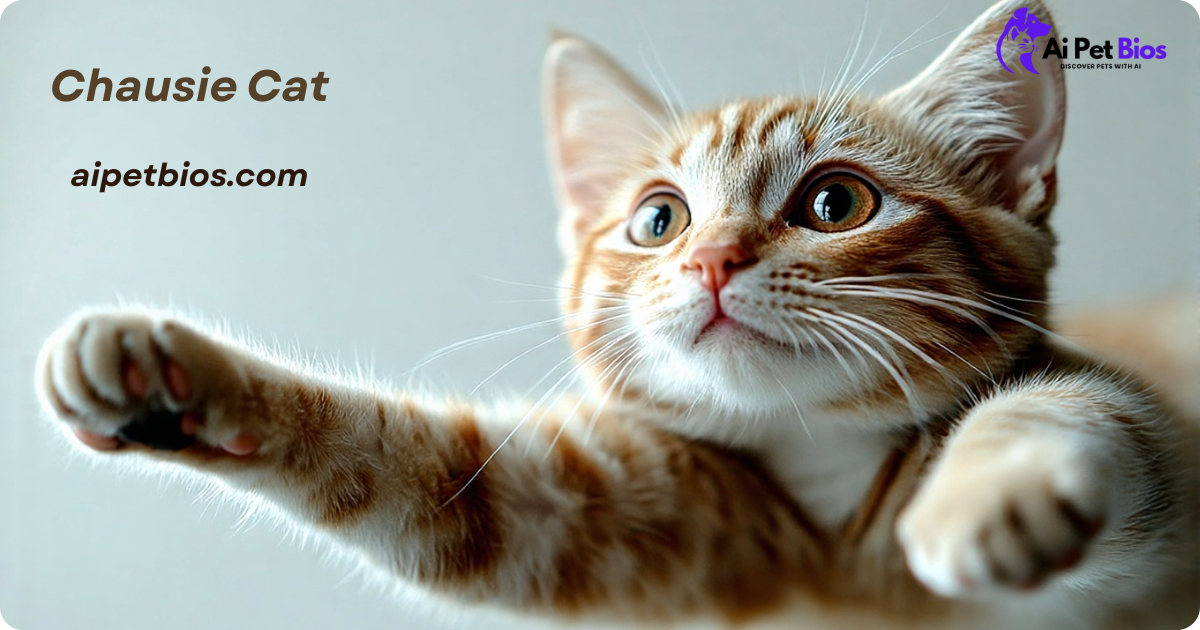
The Chausie cat is one of the most fascinating and sought-after hybrid cat breeds in North America. Born from crossing domestic cats with wild jungle cats, this breed combines the untamed spirit of its ancestry with the sociable nature of a house pet.
If you’re considering bringing a Chausie cat into your home, you’ll want to understand what makes this breed so special—and whether it’s truly the right fit for your lifestyle. This comprehensive guide covers everything from Chausie cat breed standards to pricing, lifespan, care requirements, and where to find Chausie kittens for sale safely.
Whether you’re a first-time Chausie owner or an experienced cat parent, this article will equip you with the knowledge to make an informed decision about this remarkable feline companion.
- Genetic Heritage: Chausie cats are created by crossing domestic cats with jungle cats (Felis chaus), a wild species native to Southeast Asia, the Middle East, and India.
- TICA Recognition: The breed achieved official recognition from The International Cat Association (TICA) in 1995 and earned championship status in 2013.
- Large Size: Chausie cat size ranges from 9–18 pounds, making them significantly larger than average domestic cats.
- Exceptional Height: Chausie height reaches 14–18 inches at the shoulder due to their long, athletic legs inherited from jungle cat ancestry.
- Long Lifespan: Chausie lifespan typically ranges 12–20 years, with hybrid vigor supporting longer lifespans than many domestic breeds.
- High Energy: Chausie cats require 2+ hours of daily interactive engagement and enrichment to prevent behavioral problems.
- Color Variety: Chausie cat colors include brown, black, silver, and smoke patterns reflecting their wild ancestry.
- F-Generation System: Chausie F1 cats are 50% jungle cat and 50% domestic; F2 are 75% domestic; F3+ are 87.5%+ domestic with diluted wild traits.
- Significant Investment: Chausie cat price ranges from $8,000–$30,000+ depending on generation, breeder reputation, and bloodline.
- Training Excellence: Chausie cats respond exceptionally well to positive reinforcement training and can learn commands, tricks, and harness walking.
- Intelligent Behavior: These cats display dog-like intelligence, intense curiosity, and problem-solving abilities that distinguish them from typical domestic breeds.
- Strong Prey Drive: Chausie kittens exhibit naturally strong hunting instincts requiring appropriate outlets and management to prevent household damage.
- Social Bonding: Chausie cats form deep bonds with chosen humans and often follow owners room-to-room demanding interaction and engagement.
- Vocal Communication: The breed is notably vocal, using chirps, trills, and meows to communicate needs and observations throughout the day.
- Short Coat Maintenance: Unlike long-haired breeds, Chausie cats require only weekly brushing and minimal grooming while shedding moderately year-round.
- Protein Requirements: Chausie cats require high-protein diets (40%+ crude protein) from named meat sources to support their extraordinary metabolic demands.
- Rapid Growth: Chausie kittens develop quickly, reaching half their adult weight by 6 months and full maturity by 18–24 months.
- Space Needs: Chausie cats require minimum 800–1,000 square feet of indoor space with vertical territory, climbing structures, and enrichment zones.
- Best for Experienced Owners: Chausie cats are definitively not suited for first-time cat owners or sedentary households—they demand active, engaged human companions.
- Hybrid Vigor: The crossing of distinct genetic populations produces Chausie cats with greater disease resistance and longer average lifespans compared to many domestic breeds.
- Specialty Breeding: Legitimate Chausie cat breeding requires special permits, endangered species compliance, extensive genetic health screening, and significant financial investment from ethical breeders.
Chausie Cat Breed Overview
What Makes the Chausie Cat Breed Unique?
The Chausie cat represents a deliberate blend of wild and domestic feline genetics. Unlike many hybrid cats that rely on a single wild ancestor, Chausie cats are created by breeding domestic cats with the jungle cat (Felis chaus), a wild species native to Southeast Asia, the Middle East, and parts of India.
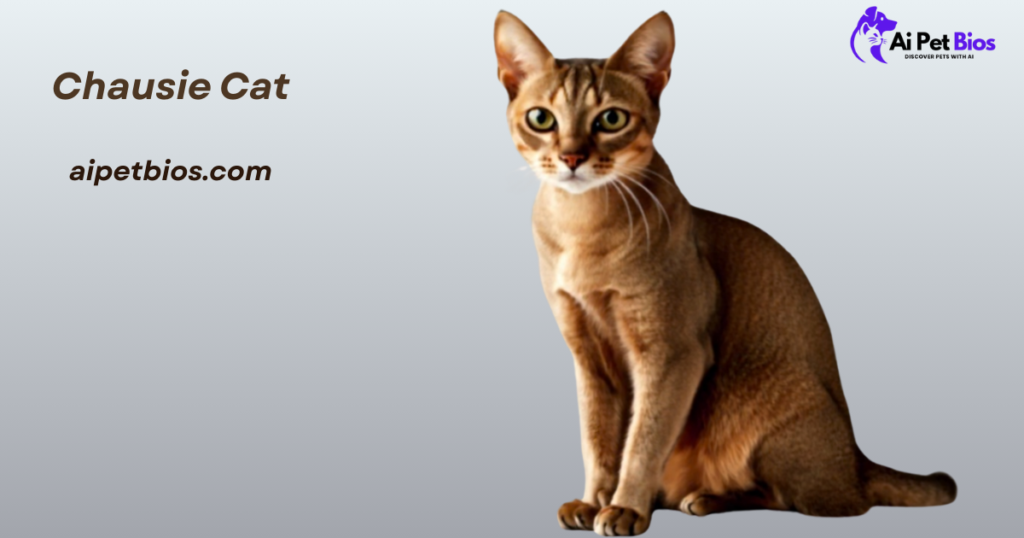
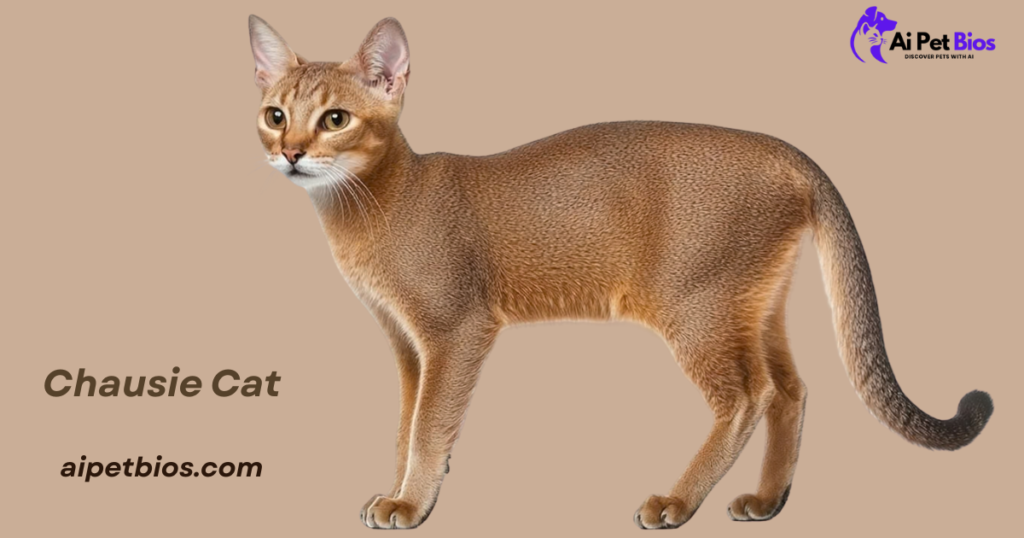
This genetic foundation gives Chausies their distinctive appearance—lean, muscular builds with long legs, alert ears, and an athletic prowl that sets them apart from typical domestic breeds.
What truly distinguishes the Chausie cat breed is the intentional focus on temperament alongside exotic appearance. Early breeders worked diligently to ensure that Chausies retained the curiosity and intelligence of wild ancestors while developing genuine affection for humans.
The result is a breed that feels like a small wild cat but behaves like a devoted companion—though with significantly more energy and intelligence than most domestic cats.
The breed was officially recognized by The International Cat Association (TICA) in 1995, gaining championship status in 2013. This recognition validated years of careful breeding and highlighted the Chausie’s unique position in the feline world: they’re rare, remarkable, and rapidly growing in popularity among serious cat enthusiasts in the USA and beyond.
Quick Facts Table (Snippet Optimized)
| Characteristic | Details |
| Scientific Origin | Felis chaus (jungle cat) × domestic cat |
| Chausie cat size | Large (9–18 lbs) |
| Chausie height | 14–18 inches tall |
| Chausie lifespan | 12–20 years |
| Chausie cat colors | Brown, black, silver, smoke; standard patterns |
| Grooming Needs | Low to moderate (short coat) |
| Energy Level | Very high; needs 2+ hours daily enrichment |
| Best Home Type | Active households with space; experienced cat owners recommended |
| **Chausie cat price Range** | $8,000–$30,000+ |
| Suitability | Better for adults; older children with supervision |
| Good With Other Pets | With socialization; prey drive variable |
Chausie Cat Size (Weight, Build & Growth)
Adult Size Expectations
The Chausie cat is significantly larger than average domestic cats. Adult Chausies typically weigh between 9 and 18 pounds, though exceptional individuals may occasionally exceed this range. Males are notably larger than females, often hitting the upper end of the weight spectrum by maturity.
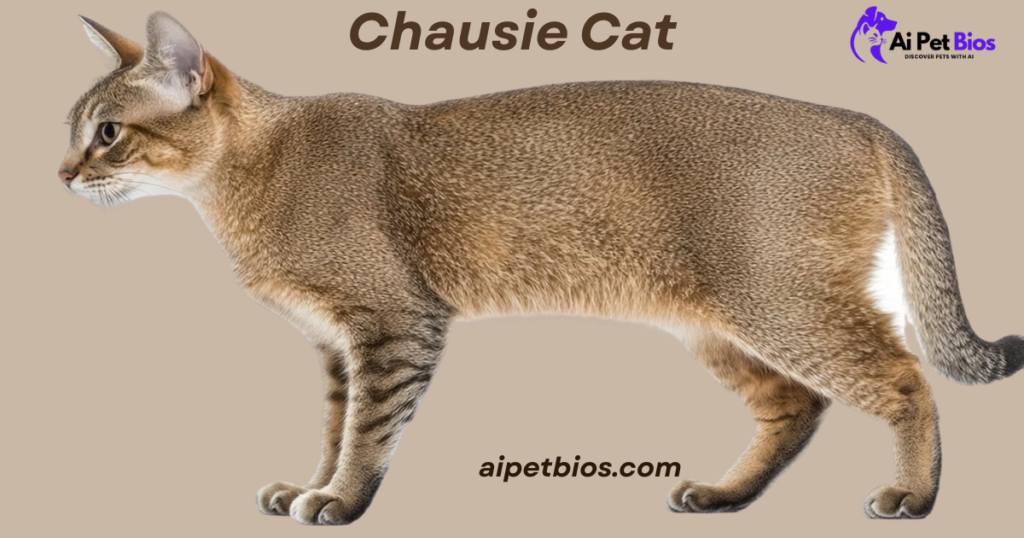
What makes Chausie size remarkable isn’t just their weight—it’s their build. These cats have an elongated, athletic frame with exceptional muscle density. Their legs are proportionally longer than domestic breeds, creating a lean, stretched-out silhouette that makes them appear even taller than their actual weight suggests.
This angular, athletic build reflects their jungle cat ancestry and contributes to their distinctive presence in any room.
Chausie Height (How Tall Do They Get?)
Chausie cats stand 14–18 inches at the shoulder when fully grown, making them considerably taller than standard domestic breeds like Maine Coons or Persians. This exceptional height comes from their long, slender legs—a trait inherited directly from the jungle cat parent. The combination of height, length, and muscular composition creates an impressive feline that commands attention.
Growth is rapid during the first 18 months. Kittens develop quickly, reaching half their adult weight by 6 months and full maturity by 18–24 months. During this growth phase, proper nutrition and appropriate play become critical for developing strong bones and optimal muscle mass.
Space Needs for Indoor Homes
Despite their jungle cat heritage, Chausies adapt well to indoor living—but with important caveats. These are not cats suited to small apartments or sedentary households. They require:
- Vertical territory: Multi-level cat trees, wall shelves, and ceiling-mounted walkways are essential
- Horizontal space: Open rooms where they can engage in sprinting and high-speed play
- Interactive zones: Puzzle feeders, climbing structures, and dedicated play areas
- Access to windows: Bird watching and outdoor observation maintain mental engagement
A minimum of 800–1,000 square feet with dedicated enrichment zones works best. Ideally, access to a secure outdoor catio (enclosed patio) gives Chausies the outdoor stimulation they crave without exposure to genuine dangers.
Chausie Kitten Guide (First Year Care)
Chausie Kitten Personality & Behavior
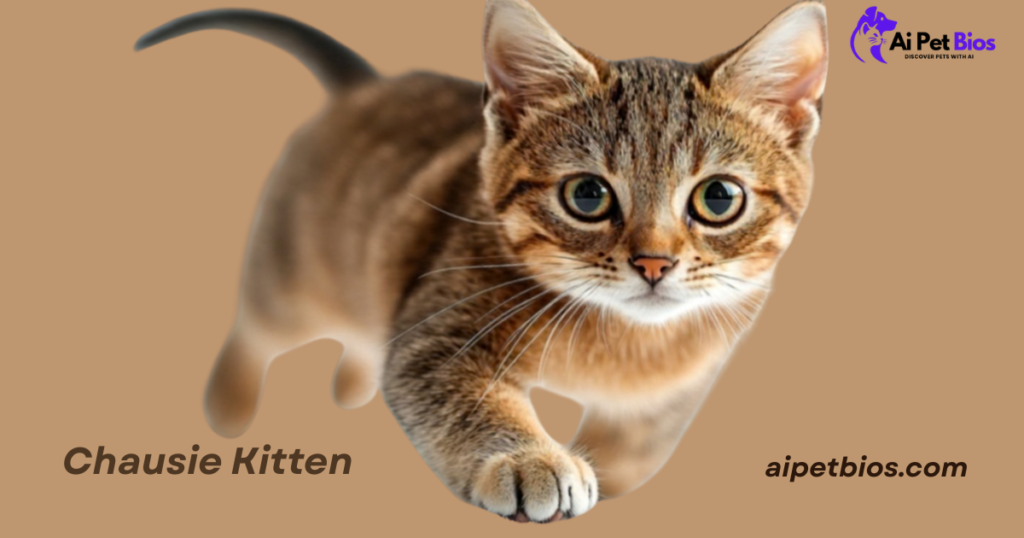
Chausie kittens are bundles of controlled chaos. From the moment they arrive home, they display boundless energy, intense curiosity, and a keen intelligence that rivals dog-like engagement levels.
Unlike typical domestic kittens, Chausies engage with their environment almost obsessively—examining every corner, testing every surface, and attempting to climb anything vertical.
Personality-wise, Chausie kittens are affectionate but on their own terms. They bond deeply with their chosen humans, often following owners room to room and demanding participation in activities.
They’re vocal communicators, using a range of chirps, trills, and meows to express needs and observations. Many owners describe the experience as living with a perpetually enthusiastic tiny leopard.
The prey drive is notably stronger in young Chausies. Fingers, toes, toys, and string-like objects become targets for pouncing practice. Channeling this natural behavior through appropriate play rather than punishing it leads to better-adjusted adults.
Feeding Routine and Sleep Schedule
Chausie kittens require high-protein, quality nutrition to support rapid growth and extraordinary energy expenditure. Feeding guidelines typically suggest:
- 8–12 weeks: 4 meals daily
- 3–6 months: 3 meals daily
- 6–12 months: 2 meals daily
- Over 12 months: 1–2 meals daily (adult schedule)
Choose high-protein foods (40%+ crude protein) with named meat sources as primary ingredients. Many Chausie owners find that premium dry foods combined with occasional raw or high-meat canned options support optimal health and coat quality.
Sleep patterns in young Chausies follow a typical kitten arc: intense activity bursts followed by deep rest. A typical day includes 2–3 hours of intensive play distributed across multiple sessions, with sleep between activities.
Establishing a nighttime routine—engaging play 1–2 hours before bed—helps prevent nighttime zoomies that can disrupt household sleep.
Socialization and Training Basics
The window for socialization is 2–16 weeks of age. Expose young Chausies to diverse stimuli: varied people, different environments, gentle handling, and positive experiences with other animals (if future multi-pet households are planned).
Unlike passive domestic kittens, Chausies respond exceptionally well to active training. These cats enjoy learning and show genuine interest in commands, tricks, and structured activities.
Positive reinforcement (treats, play, praise) yields remarkable results. Many owners successfully train Chausies to walk on harness and leash, respond to basic commands, and participate in interactive games.
Redirect hunting behaviors early. Appropriate outlets include feather toys, prey-simulation games, and interactive puzzle toys rather than string or small objects that pose swallowing risks.
Chausie Cat Colors and Coat Patterns
Most Common Chausie Cat Colors
Chausie cats display a beautiful palette inherited from both domestic and jungle cat genetics. The breed standard recognizes specific colors and patterns that define authentic Chausies:
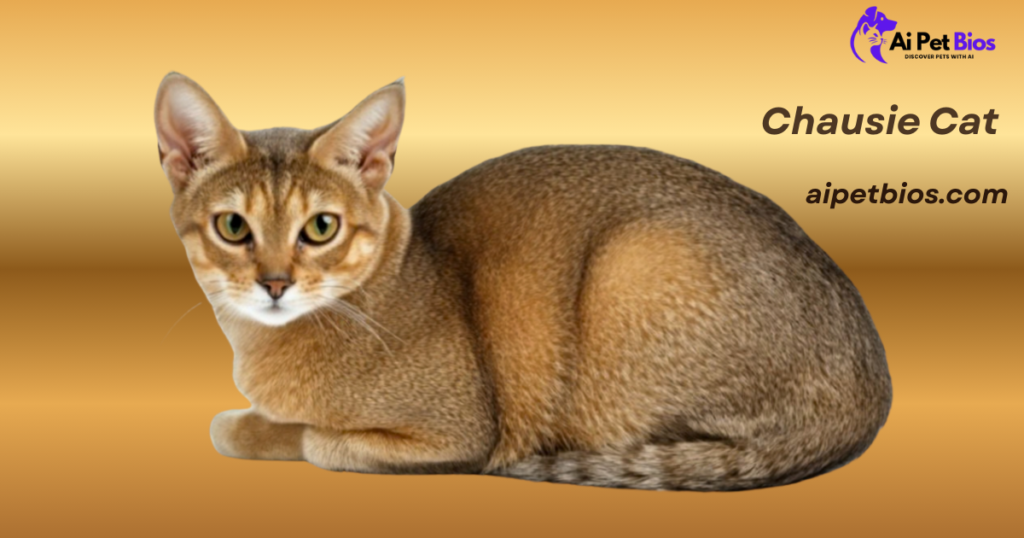
The standard colors reflect their wild ancestry—warm, earthy tones that echo jungle environments. Patterns include spotted (reminiscent of smaller wild cats), tabby variations, and solid colorations. Rarer color variations also occur but fall outside breed standards.
Chausie Black
Chausie cats with black coloration represent the dramatic end of the color spectrum. Chausie black individuals display rich, deep coloring across their entire coat. In sunlight, black Chausies often show subtle warmth or brown undertones rather than appearing jet-black. This coloration, while striking, remains less common than brown or silver variations.
Black Chausies typically develop from genetic combinations that suppress warmer tones. Their large yellow, amber, or green eyes create stunning contrast against their dark coats—a feature that photographs beautifully and commands attention in person.
Chausie Grey
Chausie grey (or silver) cats represent refined elegance. These cats display grey coloration ranging from light silver to darker charcoal tones, often with subtle pattern work that creates depth and visual interest. The Chausie breed standard sometimes refers to this coloration as “smoke” or “silver,” depending on pattern density.
Chausie grey individuals often display the strongest contrast with eye color, creating an almost ethereal appearance. The silver coloration highlights their lean musculature and athletic build, making their size and power visually apparent.
Chausie White
Chausie white cats are extraordinarily rare and typically fall outside formal breed standards, which emphasize warm, earthier tones. When white Chausies appear, they usually result from unexpected genetic combinations or are bred specifically for novelty rather than breed standards.
White Chausies, when they occur, display striking contrast with pink noses and often blue or amber eyes. However, serious breeders focused on breed standard recognition typically avoid white breeding lines, making genuinely white Chausies extremely uncommon in reputable breeding programs.
Chausie Lifespan and Long-Term Care
Lifespan Expectations
Chausie cats enjoy relatively long lifespans compared to many domestic breeds. Average Chausie lifespan ranges from 12–20 years, with many individuals thriving well into their late teens. Some documented Chausies have lived into their early twenties with excellent care.
The extended lifespan reflects hybrid vigor—a phenomenon where crossing genetically distinct populations produces offspring with greater disease resistance and longer average lifespans. This is one of the practical benefits of the Chausie’s hybrid nature.
Lifespan varies based on genetics, preventive care, diet quality, exercise consistency, and veterinary attention. Cats maintained at healthy weights with regular enrichment and professional health monitoring tend toward the upper end of the range.
Habits That Support a Longer Life
Longevity for Chausie cats stems from multiple factors within owner control:
Active engagement: Regular exercise prevents obesity and maintains muscle mass and cardiovascular health. Chausies who receive consistent mental and physical enrichment show fewer behavioral problems and maintain healthier weight ranges.
High-quality nutrition: Premium, protein-rich diets support optimal organ function and muscle maintenance. Avoiding excessive carbohydrates and feeding appropriate portion sizes prevents metabolic issues that shorten lifespan.
Preventive veterinary care: Annual wellness exams, appropriate vaccinations, dental care, and early disease detection catch problems before they become life-threatening.
Enrichment and purpose: Chausies thrive when given meaningful activities. Interactive play, puzzle toys, window observation, and catio access maintain mental sharpness and emotional contentment.
Weight management: Obesity significantly shortens lifespan and increases disease risk. Maintaining ideal weight through diet and exercise is one of the most impactful longevity factors.
Environmental safety: Indoor-only living eliminates exposure to traffic, predators, disease, and parasites that shorten outdoor cat lifespans dramatically.
Are Chausie Cats Good Pets? (Temperament & Lifestyle Match)
Best Home Types for a Chausie
Chausie cats are definitively not suited to every household. Optimal homes feature:
- Active owners or families: Sedentary households where cats are ignored or left alone for extended periods create unhappy Chausies. These cats need engagement, play, and interaction
- Adequate space: Minimum 800+ square feet with vertical territory and enrichment zones
- Comfort with high-energy pets: If you prefer calm, aloof cats, Chausies will frustrate you
- Experience with cats: First-time cat owners often struggle with Chausie needs; some cat experience helps significantly
- Commitment to enrichment: Puzzle toys, play sessions, training, and environmental variation are non-negotiable
- Financial capacity: Veterinary care, quality food, and enrichment products represent significant ongoing expenses
Chausies thrive in homes where cats are genuinely integrated into family life—not relegated to bedrooms or left alone during work hours.
Good With Kids, Dogs, and Other Pets?
Chausie temperament toward other household members depends heavily on socialization and individual personality:
Children: Chausies do best with older children (8+) who understand interactive play rules. Young children’s unpredictable movements and grabbing can trigger predatory responses or defensive reactions. Supervision is always appropriate.
Dogs: With proper introduction and socialization, many Chausies coexist peacefully with dogs. Their size and confidence mean they’re less intimidated than smaller cats. Success depends on dog breed (prey-drive intensity) and individual personalities.
Other cats: Multi-cat households work best when Chausies grow up with siblings. Adult Chausies introduced to established cats may struggle, though individual temperament varies significantly. The combination of high energy and territorial instincts can create conflict.
Small animals: Rabbits, guinea pigs, ferrets, and similar animals trigger strong predatory responses. Housing them separately with secure barriers is essential.
Pros and Cons (Bullet List)
PROS:
- Extraordinary intelligence and trainability
- Striking appearance that never fails to impress
- Deep bonding with chosen humans
- Adaptable to leash walking and outdoor activities
- Lower coat maintenance than long-haired breeds
- Exceptional athleticism and entertaining behavior
- Hybrid vigor supporting longer, healthier lifespans
- Conversation starters and unique household personality
CONS:
- Extremely high energy demands 2+ hours daily engagement
- Strong prey drive requires careful management
- Significant financial investment ($8,000–$30,000+ purchase price)
- Ongoing expenses for premium food, enrichment, and veterinary care
- Not suitable for apartment living or small spaces
- Require experienced, attentive owners
- Difficulty with being left alone for extended periods
- Potential stress in multi-pet households with small animals
- Loud vocalization can be overwhelming
Chausie F1 Explained (F1 vs F2 vs F3)
What Does Chausie F1 Mean?
The “F” designation in Chausie F1 refers to “filial generation,” indicating the genetic distance from wild ancestors. Understanding generations is crucial for choosing the right Chausie:
F1 Chausie = 50% jungle cat, 50% domestic cat. These first-generation hybrids have one purebred jungle cat parent and one domestic cat parent. F1 Chausies display the strongest wild instincts, most exotic appearance, and most unpredictable temperament. They’re the closest to their jungle cat ancestors.
F2 Chausie = 75% domestic, 25% jungle cat (F1 × F1 breeding). Second-generation Chausies show moderately diluted wild genetics while maintaining distinctive appearance.
F3 Chausie = 87.5% domestic, 12.5% jungle cat (F2 × domestic or F2 × F2). By F3 generation, cats are predominantly domestic with significant wild ancestry expressed primarily in appearance rather than behavior.
F4 and beyond = Increasingly domestic-like temperament, continuing to dilute wild traits while maintaining Chausie appearance standards.
Which Generation Is Best for Beginners?
F3 and F4 Chausies are definitively better for first-time Chausie owners. While all Chausies require experienced, active owners, F3+ generations exhibit:
- More predictable temperament
- Stronger domestic cat behavioral traits
- Less intense prey drive
- Greater sociability with multiple humans
- Better tolerance for typical household routines
F1 Chausies demand experienced exotic cat owners who understand wild instincts, require specialized care, and accept unpredictable behavior. They’re remarkable animals but genuinely challenging household companions.
F2 Chausies occupy middle ground—more exotic than F3 but more manageable than F1. Owners must evaluate their actual capacity for high-energy, potentially unpredictable companions before committing.
Does Generation Affect Price and Behavior?
Generation significantly impacts both pricing and behavioral expectations:
F1 Chausies: $20,000–$30,000+ (highest price, most exotic, most challenging) F2 Chausies: $12,000–$20,000 (moderate price, intermediate behavior) F3+ Chausies: $8,000–$15,000 (lower price, more domestic behavior, better beginner choice)
Behavior varies meaningfully across generations. F1 cats retain significant wild instincts—stronger prey drive, more territorial aggression, less predictable social responses. F3+ cats, while still substantially more energetic and wild-acting than domestic breeds, exhibit more typical feline sociability and trainability.
Reputable breeders will honestly discuss generation implications and may recommend lower generations for first-time Chausie owners.
Chausie Cat Price in the USA (Cost Breakdown)
How Much Does a Chausie Cat Cost?
Chausie cat prices represent one of the highest investments in the feline world. How much does a Chausie cat cost? depends on multiple factors—generation, breeder reputation, bloodline, and specific traits:
- F3+ Chausies: $8,000–$15,000
- F2 Chausies: $12,000–$20,000
- F1 Chausies: $20,000–$30,000+
Premium bloodlines, championship pedigrees, and kittens from renowned breeders regularly exceed standard pricing. Color and pattern also influence cost—rare colorations command premium prices.
Pricing reflects legitimate factors: extensive veterinary care during breeding, genetic health screening, socialization investment, and genuine scarcity. Chausies aren’t mass-produced; each kitten represents significant breeder investment and ethical consideration.
Beware of prices significantly below $8,000—these suggest questionable breeders or misrepresented genetics. Conversely, prices above $30,000 should include verifiable pedigree, health guarantees, and championship bloodline documentation.
One-Time Costs vs Monthly Costs (Table Required)
| Cost Category | One-Time | Monthly/Annual |
| Kitten Purchase (F3+) | $8,000–$15,000 | — |
| Initial Veterinary Exam & Vaccination | $300–$500 | — |
| Spay/Neuter Surgery | $400–$800 | — |
| Microchip & ID | $50–$100 | — |
| Initial Supplies (litter box, toys, cat tree) | $400–$800 | — |
| Premium Cat Food | — | $60–$100/month |
| Litter & Litter Box Maintenance | — | $40–$80/month |
| Toys & Enrichment Replacements | — | $30–$60/month |
| Annual Veterinary Care (wellness exams, vaccines) | — | $300–$600/year |
| Pet Insurance | — | $50–$150/month |
| Grooming Supplies (minimal for short coat) | — | $20–$40/month |
| **TOTAL FIRST YEAR | $9,550–$17,800 | + $1,680–$3,360 |
| **TOTAL ANNUAL (AFTER FIRST YEAR) | — | $2,000–$4,000+ |
Why This Breed Can Be Expensive
Chausie cat pricing reflects genuine rarity and breeding complexity. Several factors justify the investment:
Genetic rarity: Jungle cats are protected wildlife in many regions. Legitimate breeding requires special permits, compliance with endangered species regulations, and ethical sourcing. This complexity increases costs substantially.
Health screening: Responsible breeders conduct extensive genetic testing—feline leukemia (FeLV), feline immunodeficiency virus (FIV), hypertrophic cardiomyopathy (HCM) screening, and genetic diversity analysis. These tests cost hundreds per breeding animal.
Socialization investment: Unlike casual breeders, reputable Chausie breeders invest months in early socialization, enrichment, and one-on-one handling to produce well-adjusted kittens.
Small breeding population: Limited genetic diversity among Chausies requires careful lineage planning to prevent inbreeding. This restricts available breeding pairs and limits litter frequency.
Specialized veterinary care: Hybrids sometimes require exotic animal veterinarians with specialized knowledge, increasing breeding costs.
Health guarantees: Ethical breeders offer multi-year health guarantees, sometimes accepting cats back if health issues emerge. This financial commitment increases breeder costs.
Chausie Cat for Sale in the USA (Safe Buying Guide)
Where to Find a Chausie Cat for Sale
Chausie kittens for sale appear in multiple venues—not all reputable. Identify legitimate sources carefully:
Registered TICA breeders: The International Cat Association maintains a breeder directory. TICA-registered breeders meet breed standards, health requirements, and ethical guidelines. This is your most reliable starting point.
Breed-specific organizations: The Chausie Cat Association and similar breed clubs provide vetted breeder lists and resources.
Cat shows: Attending TICA or CFA cat shows allows meeting breeders, observing multiple Chausies, and evaluating breeder professionalism firsthand.
Online breeder directories: Use filtered searches on Petfinder or TICA’s official site to identify registered breeders.
Avoid: Craigslist, Facebook Marketplace, pet stores, and any sellers unwilling to provide veterinary references, health testing documentation, or allow facility visits.
Chausie Kittens for Sale Checklist
Before committing, verify:
- ✅ TICA registration and active membership status
- ✅ Health testing documentation: FeLV/FIV testing, HCM screening results (echocardiogram), genetic diversity reports
- ✅ Pedigree documentation: Multi-generation family tree showing registered ancestors
- ✅ Veterinary references: Independent veterinarian contact willing to discuss breeder reputation
- ✅ Kitten socialization record: Evidence of early human interaction, handling, environmental exposure
- ✅ Contract terms: Health guarantee duration, return policy, spay/neuter requirements
- ✅ Generation clarity: Explicit F-generation confirmation with proof
- ✅ Facility visit approval: Willingness to show breeding facility, parent cats, and kitten conditions
- ✅ Post-sale support: Willingness to advise on care, behavior, health issues throughout kitten’s life
- ✅ References from previous buyers: Contact details for other families who purchased kittens
Red Flags and Scam Avoidance
AVOID these serious warning signs:
- 🚩 Prices significantly below market rate ($5,000–$6,000)
- 🚩 Multiple litters available simultaneously (sign of kitten mills)
- 🚩 Unwillingness to show facility or meet in person
- 🚩 Pressure to purchase quickly or make deposits without verification
- 🚩 No health testing documentation or genetic screening
- 🚩 Vague generation claims or inability to provide pedigrees
- 🚩 Online-only transactions with payment by untraceable methods (wire transfer, cryptocurrency)
- 🚩 No contract or health guarantee offered
- 🚩 Unwillingness to accept return if health issues emerge
- 🚩 Refusal to provide veterinary references or previous buyer contacts
- 🚩 Sellers claiming to be “the only authentic Chausie breeder”
- 🚩 Kitten photos that appear heavily filtered or stolen from other sources
Legitimate breeders welcome scrutiny. Hesitation, vagueness, or defensive responses indicate problems.
Questions to Ask Before Buying
Prepare these questions for serious breeder conversations:
- “Can you provide three veterinary references and three previous buyer contacts?”
- “What health testing have your breeding cats undergone? Can I see results?”
- “What generation are your available kittens? Can you provide pedigree documentation?”
- “When can I visit your facility to meet parent cats and see kitten conditions?”
- “What is your spay/neuter policy, and do you require it contractually?”
- “How long is your health guarantee? What conditions does it cover?”
- “What is your return policy if a kitten develops health or behavioral issues?”
- “How do you socialize kittens? What early exposure do they receive?”
- “Will you remain available for questions throughout this cat’s life?”
- “Why did you choose these specific breeding pairs for this litter?”
- “What traits or characteristics is this breeding intended to improve or maintain?”
- “Are your cats registered with TICA? Can I verify this?”
Evasive or brief answers suggest problems. Legitimate breeders enthusiastically detail their breeding philosophy, care standards, and health commitments.
Grooming, Feeding, and Exercise Needs
Grooming and Shedding Level
Chausie cats have short, dense coats requiring minimal grooming compared to long-haired breeds. Weekly brushing removes loose hair, distributes natural oils, and prevents matting. Unlike Persian or Maine Coon breeds that demand daily grooming, Chausies adapt well to weekly sessions.
Shedding occurs year-round at moderate levels, with modest increases during seasonal transitions. Regular brushing significantly reduces loose hair on furniture and clothing. Nail trimming every 2–3 weeks prevents overgrowth and furniture damage. Ear cleaning (weekly inspection, cleaning as needed) prevents infection risk in their large, alert ears.
Dental care remains important. While Chausies don’t require daily brushing, weekly brushing or regular dental treats reduce tartar accumulation and support long-term oral health.
Best Diet for an Active Breed
Chausie cats require high-protein nutrition supporting their extraordinary metabolic demands. Target foods containing:
- 40%+ crude protein from named meat sources (chicken, turkey, beef, fish)
- Moderate fat content (10–15%) for sustained energy
- Named, identifiable ingredients avoiding “meat by-products” and ambiguous fillers
- Minimal carbohydrates (Chausies, like all cats, process carbs inefficiently)
- Appropriate taurine levels (essential amino acid for feline health)
Quality options include premium dry kibble formulas, high-meat canned foods, or raw/freeze-dried options. Many owners feed combination diets—dry kibble for convenience with occasional raw or high-meat canned supplementation. Consult your veterinarian regarding species-appropriate nutrition for your individual cat.
Portion control remains crucial despite high metabolism. Obesity develops quickly in under-exercised Chausies. Measure portions carefully and adjust based on body condition assessment.
Exercise, Enrichment, and Toys
Chausie cats require 2+ hours of interactive, engaging activity daily. This doesn’t mean passive toy access—it means active, directed play:
Interactive toys: Feather wands, laser pointers (with caution), and prey-simulation toys engage hunting instincts during 15–20 minute sessions
Climbing structures: Multi-level cat trees, wall shelves, and vertical territory provide exercise and territory dominance opportunities
Puzzle toys and food dispensers: Challenge intelligence while providing mental stimulation and calorie burn
Harness and leash training: Many Chausies adapt well to outdoor walks, providing novel environmental stimulation
Catio access: If possible, a secure enclosed outdoor space allows bird watching, climbing, and sensory exploration
Training games: Chausies excel at learning tricks and commands—use positive reinforcement to create interactive training sessions that burn mental energy
Bored Chausies develop behavioral problems—destructive scratching, inappropriate marking, aggression, and excessive vocalization. Consistent enrichment prevents these issues far more effectively than punishment.
Frequently Asked Questions About Chausie Cats
How much does a Chausie cat cost?
Chausie cat prices range from $8,000–$30,000+ depending on generation (F1 is most expensive; F3+ is more affordable), breeder reputation, and specific traits. F3+ Chausies typically cost $8,000–$15,000, making them the most accessible entry point for Chausie ownership.
Are Chausie Cats good pets?
Chausie cats make excellent pets for active, experienced cat owners in homes with adequate space and commitment to enrichment. They’re not suitable for sedentary households, apartments, or first-time cat owners. With proper care, they’re affectionate, intelligent companions that bond deeply with their humans.
What does Chausie mean?
The name “Chausie” derives from the scientific name of the jungle cat (Felis chaus)—with creative phonetic adaptation. It references their wild ancestry while creating a distinctive, memorable breed name. Some sources suggest alternative spellings (Chausies or Chaunies), though “Chausie” remains the official TICA designation.
How long do Chausie Cats live?
Chausie lifespan typically ranges 12–20 years, with many individuals thriving well into their late teens. Hybrid vigor, quality nutrition, consistent enrichment, and preventive veterinary care support longer lifespans compared to many domestic breeds.
Final Thoughts
The Chausie cat represents a remarkable fusion of wild ancestry and domestic companionship. These athletic, intelligent, deeply affectionate hybrids offer experiences unlike typical domestic cats—stunning appearance, exceptional trainability, and bonds that rival dog-like loyalty.
However, Chausie ownership demands commitment, space, financial investment, and genuine passion for feline companions.
If you’re an active, experienced cat owner seeking an exotic yet domesticated companion; if your home offers adequate space and enrichment opportunities; if you’re prepared for $8,000–$30,000 investment plus substantial ongoing expenses—a Chausie may be your perfect match.
Conversely, if you prefer calm, independent cats or live in confined spaces, other breeds will better suit your lifestyle.
Before purchasing any kitten, thoroughly research breeders, verify TICA registration, examine health documentation, and ask challenging questions.
Avoid the temptation of price-based shortcuts—reputable Chausie breeders maintain standards that justify investment, and cutting corners leads to heartbreak and expense.
Disclaimer: This article is for informational purposes only and does not replace professional veterinary advice. Consult licensed veterinarians regarding health, nutrition, and medical concerns specific to your individual cat.
Courtesy: Paws Indoors

Want Popular On Google? | Lust Quality Backlinks That Force-fed
I’m an SEO Expert, Guest Posting Specialist, and Web Developer helping websites increase rankings, traffic, and authority using clean, white-hat strategies 🚀
I focus on high-authority guest posts, safe backlinks, SEO-optimized content, and technically sound websites—so your site doesn’t just rank, it stays ranked.
What I help you with:
✅ SEO (On-page, Off-page & Technical)
✅ Guest Posts on Real, Relevant Sites
✅ High-Quality Link Building
✅ Keyword Research & Content Strategy
✅ SEO-Friendly Website Development
📈 No spam. No shortcuts. Only results.
👉 Need backlinks that actually work?
📩 Let’s connect: https://wa.me/+923006932631
1 thought on “Its Chausie Cat: Unlock 21 Massive Info”
Comments are closed.