
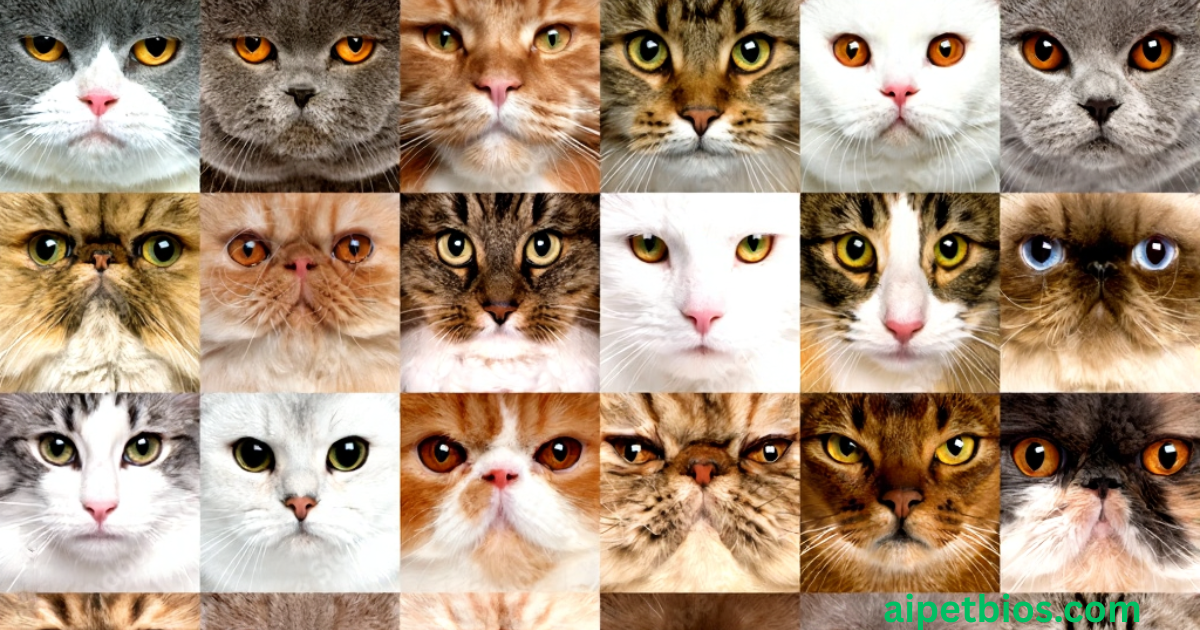
Have you ever wondered if your personality matches better with a “miniature black panther” or an elegant “temple cat” from ancient legends? Choosing from the hundreds of available cat breeds is more than just picking a pretty face; it’s about finding a soulmate that fits your lifestyle. From the hairless wonders of the Bambino to the muscular power of the Bengal, the diversity in the feline world is truly breathtaking.
Whether you are looking for a high-energy acrobat or a dignified lap warmer, this comprehensive guide explores the unique traits, histories, and quirks of 21 fascinating cat breeds to help you find your next best friend.
1. The Ancient and Intelligent Abyssinian
Believed to have walked the halls of ancient Egypt or originated from the coast of the Indian Ocean, the Abyssinian is a masterpiece of evolution. These cats are famous for their “ticked” coat, where each individual hair displays multiple bands of color, giving them a wild, glowing appearance.
If you want a companion that remains kitten-like well into adulthood, this is one of the best cat breeds for you. They are high-energy climbers who will likely watch you from the top of your refrigerator. They form incredibly strong bonds with their human families and prefer to be involved in every single household activity, often “helping” with chores or following owners from room to room to ensure they aren’t missing out on the fun. Physically, they are lithe and muscular, requiring a high-protein diet to sustain their metabolism. They are also prone to certain genetic issues like gingivitis, so regular dental checkups are a must for this active breed.
2. The Mediterranean Swimmer: The Aegean
Hailing from the Greek Cyclades, the Aegean is a rare gem among cat breeds because it actually enjoys water. These cats developed naturally over thousands of years on the Greek islands, resulting in a hardy and healthy constitution.
Aegean cats typically display bi-color or tri-color patterns with white being the predominant color. They are social butterflies that adapt seamlessly to busy family environments. Because they spent centuries living on fishing docks, they have retained a remarkable ability to swim and a keen interest in fish, making them unique interactive companions for those who live near water or enjoy aquatic hobbies. Unlike many “man-made” cat breeds, the Aegean has very few genetic health problems and is known for its loud, melodic voice that it uses to communicate its needs directly to its owners.
3. The Dog-Like American Bobtail
Don’t let the wild look fool you—the American Bobtail is often called the “Golden Retriever of the cat world.” Recognizable by their short, expressive tails that are usually one-third the length of a normal tail, these cats are remarkably adaptable.
They are one of the few feline companions that frequently enjoy walking on a leash and traveling on family road trips. Their muscular build and “hunting gaze” give them a tough exterior, but they are actually incredibly sensitive therapy animals. They are known for their high level of empathy and will often sit by a family member who is feeling unwell or stressed, providing quiet, steady comfort. This breed’s tail is a result of a dominant genetic mutation, and no two tails are exactly alike—ranging from straight to kinked or even slightly curled.
4. The Whimsical American Curl
With ears that curve backward in a permanent look of surprise, the American Curl is a conversation starter. This breed is the result of a unique genetic mutation discovered in California in 1981. Interestingly, these cats are born with straight ears that begin to curl within just a few days of birth, reaching their final permanent shape by four months of age.
They are gentle, people-oriented, and maintain a curious spirit throughout their lives. Unlike some more independent cat breeds, the American Curl is intensely devoted to its people. They are often called the “Peter Pan” of cats because they never seem to grow out of their playful, inquisitive kitten phase, making them a joy for families with children. Grooming is relatively easy as their coat is silky with little undercoat, requiring only a weekly brushing to stay in top condition.
5. The Sturdy American Shorthair
Originally brought to North America by early settlers to protect cargo from rodents on ships like the Mayflower, the American Shorthair is the quintessential working cat. They are medium-to-large, muscular, and famous for their “Silver Tabby” pattern.
This breed is perfect for owners seeking a balanced personality—affectionate but not overly demanding. They have a powerful, broad-chested build that reflects their heritage as hunters. They are exceptionally long-lived, often reaching 15 to 20 years of age, and they generally get along well with other pets, including dogs, thanks to their easy-going and confident nature. Because of their history as “mousers,” they have a strong prey drive and enjoy interactive toys that mimic the movement of small animals.
6. The Rare American Wirehair
Feeling like springy steel wool, the American Wirehair is one of the rarest cat breeds in existence. Originating from a spontaneous mutation in upstate New York in 1966, every hair on their body—including their whiskers—is crimped or hooked.
They are quiet, undemanding, and possess a sweet, open expression that melts hearts instantly. Because their coat is so unique, it requires very little grooming; in fact, over-brushing can actually damage the delicate, wiry hairs. They are generally very healthy and have a resilient, farm-cat constitution that makes them low-maintenance companions for busy professionals. Interestingly, the wiry texture of the coat is a dominant trait, meaning even a kitten with only one Wirehair parent can exhibit this fascinating physical characteristic.
7. The Graceful Balinese
If you love the Siamese look but want a “flowy” aesthetic, the Balinese is for you. Often described as longhaired Siamese, they are named after Balinese dancers for their elegance and fluid movements. Their silky, medium-length coat lies close to the body and lacks a thick undercoat, meaning they shed far less than you might expect for a longhaired cat.
They are highly vocal and social, requiring plenty of human interaction. If you enjoy “chatting” with your pets, this is one of the most talkative cat breeds you could choose. They will follow you around the house, providing a running commentary on your daily activities and demanding to be the center of attention. They are also highly intelligent and can easily learn to open cabinets or fetch toys, keeping you on your toes.
8. The Unique Bambino
A controversial newcomer in the world of feline fancy, the Bambino is a “designer” cross between the Sphynx and the Munchkin. These hairless, short-legged cats are “velcro cats” that crave warmth and physical contact. Because they lack fur, they feel like a warm suede hot water bottle to the touch.
They are extremely outgoing and sociable, but they do require a significant amount of care. Owners must provide regular baths to remove oils from their skin and protect them from both extreme cold and sunburn. Despite their short legs, they are surprisingly fast and agile, often using their intelligence to find creative ways to climb onto furniture. Because of the ethical debate surrounding their breeding, it is vital to source them from reputable breeders who prioritize the health of the cat over aesthetic traits.
9. The Wild-Looking Bengal
The Bengal brings the jungle into your living room. Created by crossing domestic cats with the Asian Leopard Cat, they feature stunning spotted or marbled coats that often have a “glitter” effect, shimmering in the sunlight.
Among all cat breeds, the Bengal is perhaps the most athletic and demanding. They need intense mental and physical stimulation, including puzzle toys and vertical climbing trees. They are also famous for their love of water—don’t be surprised if your Bengal tries to join you in the shower or “fishes” in their water bowl. To keep a Bengal happy, you must provide plenty of enrichment, as their high intelligence can lead to mischief if they become bored.
10. The Sacred Birman
Legend says the Birman gained its blue eyes and white “gloves” from a blue-eyed goddess in Myanmar. These cats are the middle ground of the feline world—not too loud, not too quiet, and exceptionally gentle with children.
They have a semi-long, silky coat that is surprisingly resistant to matting, making them easier to groom than many other longhaired varieties. Birmans are deeply social and do not like to be the “only child” if their owners are away at work all day. They thrive best in pairs or in homes where someone is usually present to offer a lap for them to curl up in. One of their most unique features is that they are born completely white, with their “point” colors developing slowly as they grow into adulthood.
11. The Miniature Panther: The Bombay
The Bombay was bred specifically to look like a black panther. From their patent-leather black fur to their copper or gold eyes, they are striking. They are incredibly affectionate and, much like dogs, will often greet you at the door when you come home.
They were developed by crossing Burmese cats with black American Shorthairs, resulting in a cat that is surprisingly heavy for its size. Bombays are heat-seekers and will often be found buried under bed covers or perched on a sunny windowsill. They are highly trainable and can often be taught to play fetch or even perform simple tricks for treats. Their coat is very low maintenance, requiring only an occasional rub with a chamois cloth to keep it gleaming and healthy.
12. The Plush British Longhair
A result of crossing British Shorthairs with Persians during the early 20th century, the British Longhair is a “teddy bear” cat. They have a dense, luxurious coat and a dignified, calm temperament.
They are ideal for owners who appreciate a cat that is affectionate but comfortable with some independent time. Their thick double coat does require regular brushing to prevent tangles, especially during shedding season. They are not known for being “lap cats” in the clingy sense, but they will happily sit nearby on the sofa, keeping you company with their quiet and steady presence. Because they are less active than many other cat breeds, owners must be careful not to overfeed them, as they are prone to obesity.
13. The Iconic British Shorthair
The “British Blue” is perhaps the most famous variation of this ancient breed, which can trace its ancestry back to the cats of the Roman Empire. With their round faces and stocky builds, the British Shorthair is the epitome of a calm, easy-going companion.
They are one of the most popular cat breeds for families because they are patient and not easily startled. While they aren’t the most active cats, they enjoy a good play session with a feather wand before returning to their favorite napping spot. They are generally very healthy but do require a controlled diet, as their sedentary nature makes them prone to weight gain. Their thick, dense coat feels like a carpet and requires weekly brushing to remove loose hair.
14. The “Brick Wrapped in Silk”: The Burmese
Don’t let their medium size fool you; the Burmese is surprisingly heavy and muscular, a trait that earned them their unique nickname. They have a satiny, short coat and a personality that thrives on human companionship.
They are known for following their owners from room to room like a shadow, often perching on shoulders to get a better view of what you’re doing. Unlike many other cat breeds, the Burmese is almost entirely dependent on human interaction for its happiness. They have a soft, sweet voice and will use it to remind you when it’s time for dinner or a much-needed petting session. They are also known for being very playful even in their senior years.
15. The Sparkling Burmilla
An accidental beauty, the Burmilla was born from a cross between a Chinchilla Persian and a Burmese in 1981. They have a sparkling silver coat with “tipping” (color at the ends of the hair) and green eyes outlined in what looks like “eyeliner.”
They strike a perfect balance between being playful and calm. They are social and friendly, usually getting along well with other cats and even cat-friendly dogs. The Burmilla is a medium-sized cat with a surprising amount of muscle, making them sturdy enough to handle the energetic play of children while remaining gentle enough for quiet evenings at home. Their coat is short and dense, making it very easy to care for with just a quick weekly brushing.
16. The Silent Chartreux
This French breed is known for its “smiling” expression and its legendary quietness. The Chartreux rarely meows, often communicating through small chirping sounds or simply by using their expressive eyes.
They are the perfect feline companions for those who prefer a peaceful, contemplative home environment. They are observant and highly intelligent, often learning how to operate door handles or switches. Despite their somewhat aloof appearance, they are deeply loyal to their primary owners and will often develop a “favorite” person in the household whom they follow with silent devotion. Their blue-gray coat is water-repellent and has a woolly texture that requires regular combing to keep it from matting.
17. The Athletic Chausie
The Chausie is a hybrid that retains much of the wild Jungle Cat’s appearance and spirit. They are large, long-legged, and extremely active, often weighing up to 20 pounds.
Because they are so high-energy, they are one of the most demanding cat breeds to keep. They require an experienced owner who can provide plenty of vertical space, such as floor-to-ceiling cat trees, and daily interactive “hunting” play. They are not suited for small apartments or for owners who are rarely home, as boredom can lead to destructive behavior in such an intelligent and powerful animal. They also have a very high metabolism and require a diet rich in meat to maintain their lean, athletic frame.
18. The Loyal Chinese Li Hua
As China’s only naturally occurring pedigreed breed, the Chinese Li Hua (or Dragon Li) is a hardy and talented hunter. They feature a distinctive brown mackerel tabby pattern that provided camouflage for their ancestors in the mountains.
They are loyal to their families but can be wary of strangers, reflecting their semi-wild origins. These cats are highly regarded in their homeland for their intelligence and were traditionally kept to protect grain stores. In a home setting, they are independent and require respect for their personal space, making them better suited for households with older children or adults. They are generally very healthy and have a strong immune system, needing very little in the way of specialized veterinary care compared to more modified cat breeds.
19. The Talkative Colorpoint Shorthair
Essentially a Siamese with a wider range of colors, the Colorpoint Shorthair is a social butterfly and a constant chatterbox. They were developed by breeders who wanted to see the Siamese body type with “non-traditional” point colors like red, cream, or lynx.
They are one of the most demanding cat breeds when it comes to attention; they do not just want to be in the same room as you—they want to be on you. They are highly intelligent and can become bored easily, so they require plenty of interactive toys and mental stimulation to stay happy and out of trouble. Their sleek, short coat requires almost no grooming, leaving more time for the games and interaction they crave so intensely.
20. The Velvety Cornish Rex
With a coat that feels like suede or crushed velvet, the Cornish Rex is a marvel of nature. They lack guard hairs, leaving only a soft, wavy undercoat that is incredibly warm to the touch.
They are acrobatic, energetic, and love to find the warmest spot in the house—which is usually your lap or the top of your electronics. They have a unique “whippet” body type with an arched back and long, slender legs that allow them to jump to incredible heights. Because their coat is so thin, they are prone to getting cold and may even appreciate wearing a cat sweater during the winter months. One interesting fact is that they lose heat quickly, which makes them feel like a living heating pad when they snuggle with you.
21. The Tailless Cymric
The Cymric is the longhaired version of the Manx. Famous for having little to no tail, they are thick-coated, rounded cats with a jumping ability that is second to none. Their powerful hind legs give them a rabbit-like gait when they run.
They are known to be very protective of their homes, often acting as “watch-cats” who will growl or alert their owners to unusual noises. They are one of the more protective cat breeds and form deep, lifelong bonds with their human families. While they are playful, they also have a calm side and will happily spend hours napping at the foot of your bed. Owners must be aware of “Manx Syndrome,” a spinal condition that can affect tailless cats, so choosing a responsible breeder is critical.
Managing Your Home for Different Cat Breeds
Creating a welcoming environment is about more than just food and water; it’s about understanding the specific instincts of the cat breeds you bring into your home. For instance, high-energy breeds like the Bengal or Abyssinian require significant vertical space. Without tall cat trees or wall-mounted shelves, these cats may take to climbing your curtains or kitchen cabinets. On the other hand, more sedentary cat breeds like the British Shorthair or the Persian (ancestor to the British Longhair) might prefer low-profile scratching posts and soft, plush beds tucked away in quiet corners.
Furthermore, the social needs of cat breeds vary wildly. If you live in a quiet household and work long hours, a vocal and needy breed like the Siamese or Balinese might suffer from separation anxiety. In contrast, independent cat breeds like the Chartreux or the American Shorthair are often perfectly content to sleep through the day while you are at the office, greeting you with calm affection upon your return.
Which Cat Breed is Right For You?
Choosing between these diverse cat breeds depends on your activity level and the time you can dedicate to grooming and play. Whether it’s the wild energy of a Bengal or the quiet dignity of a Chartreux, there is a perfect partner for every type of home.
When selecting from various cat breeds, it is essential to consider the long-term commitment. Some cat breeds live for over 20 years and require specialized diets or grooming routines. By researching different cat breeds thoroughly, you can ensure that you are providing the best possible environment for your new friend.
In the end, all cat breeds offer a unique type of love and companionship. Whether you prefer a rare wire-haired cat or a popular shorthair, the bond you form will be truly special. There are so many cat breeds to explore, and each one brings its own history and magic into our lives. By understanding the nuances of these cat breeds, we can become better guardians for our feline companions.
This article is one part of all breeds, keep reading ………….

Want Popular On Google? | Lust Quality Backlinks That Force-fed
I’m an SEO Expert, Guest Posting Specialist, and Web Developer helping websites increase rankings, traffic, and authority using clean, white-hat strategies 🚀
I focus on high-authority guest posts, safe backlinks, SEO-optimized content, and technically sound websites—so your site doesn’t just rank, it stays ranked.
What I help you with:
✅ SEO (On-page, Off-page & Technical)
✅ Guest Posts on Real, Relevant Sites
✅ High-Quality Link Building
✅ Keyword Research & Content Strategy
✅ SEO-Friendly Website Development
📈 No spam. No shortcuts. Only results.
👉 Need backlinks that actually work?
📩 Let’s connect: https://wa.me/+923006932631
“I loved how clearly this was written—learned something new about cats today!”