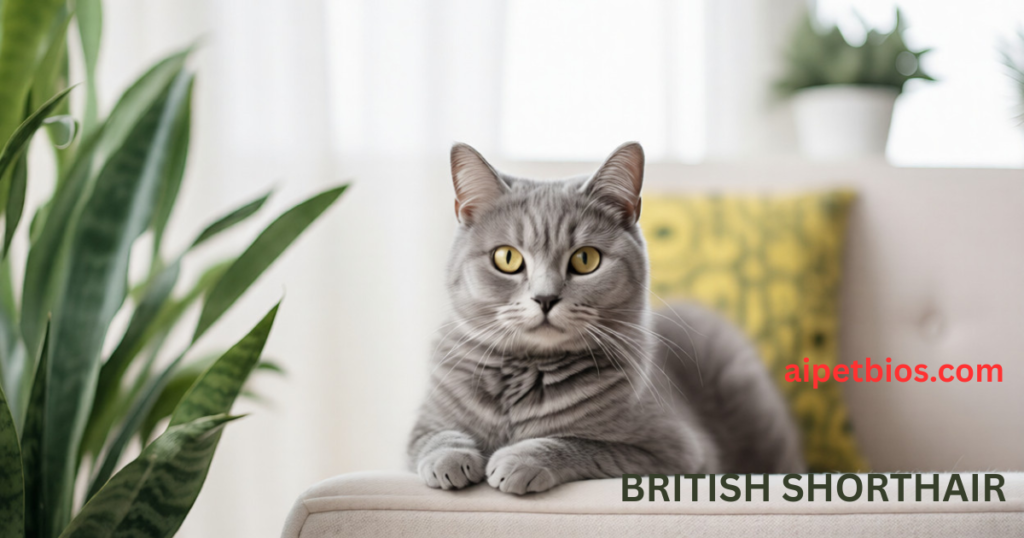
British Shorthair Cat Care Guide: Essentials for All Ages Owners
Introduction
Caring for a British Shorthair cat is both exciting and rewarding. Known for their plush coats, round faces, and calm temperament, British Shorthairs are among the most beloved cat breeds worldwide. Whether you’re researching British Shorthair prices, looking for a British Shorthair for sale, or simply curious about what is a British Shorthair cat, this guide covers everything you need to know. From feeding and grooming to understanding their unique British Shorthair behavior, we’ll help you provide the best care possible.
Quick Facts Table
| Feature | Details |
| Breed Name | British Shorthair |
| Origin | United Kingdom |
| Lifespan | 12–20 years |
| Average Price | Varies by pedigree, coat colour, and region |
| Popular Colours | British Shorthair Blue, British Shorthair Golden |
| Temperament | Calm, independent, affectionate |
| Common Searches | British Shorthair care, British Shorthair food, British Shorthair behavior |
Origin & History
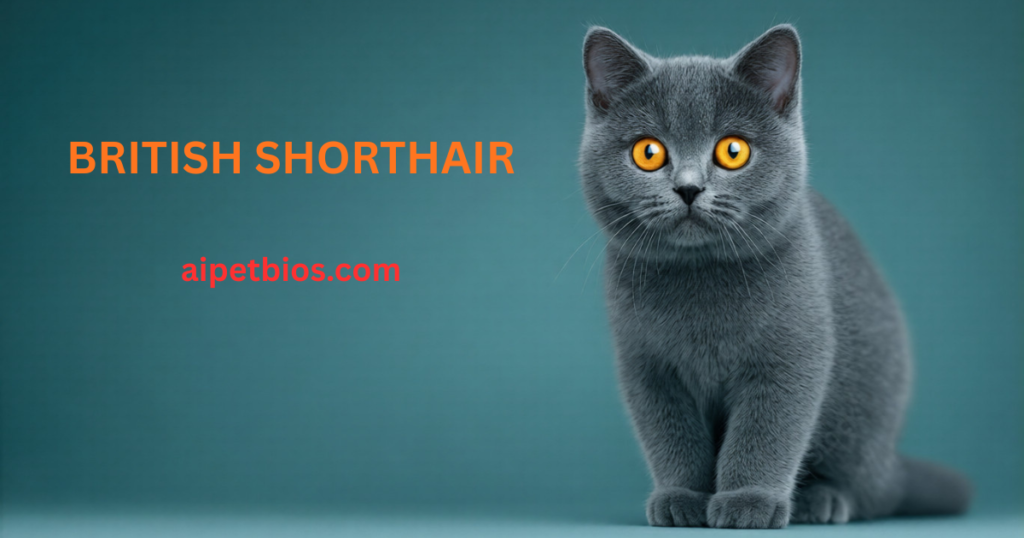
The British Shorthair cat traces its roots back to Roman times, when cats were brought to Britain to control rodents. Over centuries, selective breeding refined their plush coats and sturdy build. Today, they are celebrated as one of the oldest and most iconic breeds, with the British Shorthair Blue being the most recognised colour variant.
Physical Characteristics
- Build: Stocky, muscular, with a broad chest.
- Coat: Dense, plush, and velvety.
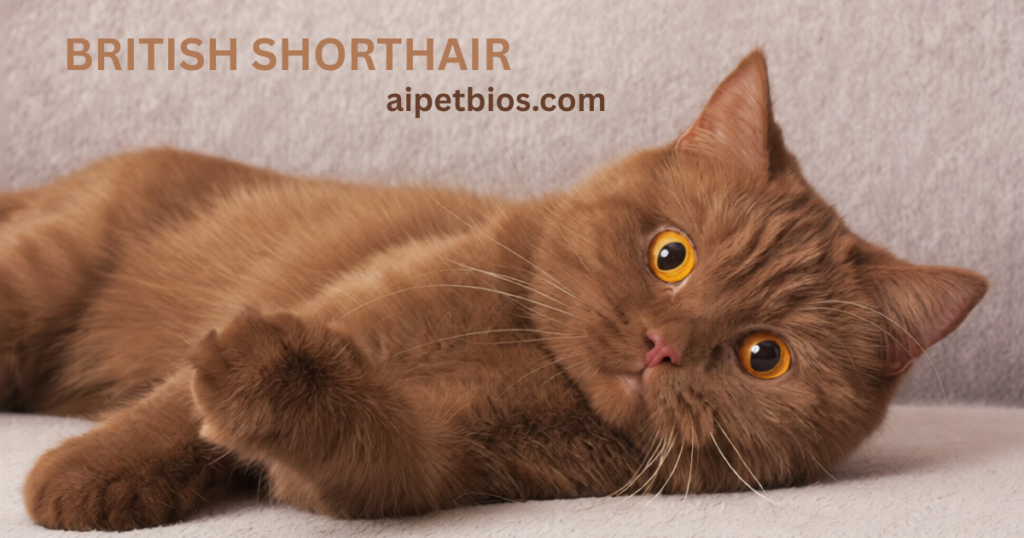
- Colours: While British Shorthair Blue is the classic, newer shades like British Shorthair Golden are gaining popularity.
- Face: Round with prominent whisker pads, often giving the appearance of a “smile.”
Personality & Temperament
British Shorthair behavior is calm, easygoing, and affectionate without being overly clingy. They are not typically lap cats but enjoy being near their owners. Their independent nature makes them ideal for families and individuals who spend time away from home.
Diet & Feeding Guide
Feeding plays a crucial role in British Shorthair care. Due to their tendency toward obesity, portion control is essential.
- Recommended Diet: High-quality protein-rich British Shorthair food.
- Feeding Frequency: 2 meals per day for adults.
- Avoid: Excessive treats and carbohydrate-heavy foods.
Grooming & Maintenance
Despite their dense coats, British Shorthairs require minimal grooming compared to long-haired breeds.
- Weekly brushing to remove loose fur.
- Regular nail trimming.
- Dental hygiene with vet-approved products.
Common Health Concerns
While generally healthy, British Shorthairs may face:
- Obesity (due to low activity levels).
- Hypertrophic cardiomyopathy (HCM).
- Dental issues if not properly cared for.
Routine vet check-ups are vital for prevention.
Training & Care Tips
- Provide scratching posts to protect furniture.
- Use positive reinforcement for litter training.
- Socialise early to prevent shyness.
- Keep play sessions short but regular to maintain fitness.
Pros and Cons
Pros:
- Calm and affectionate.
- Low grooming needs.
- Adaptable to apartment living.
Cons:
- Prone to weight gain.
- Not overly cuddly.
- Higher British Shorthair price compared to other breeds.
Is This Right for You?
If you’re seeking a loyal, low-maintenance companion, a British Shorthair may be perfect. However, consider the British Shorthair price and long-term care needs before committing. For those searching for a British Shorthair for sale, ensure you buy from reputable breeders who prioritise health and temperament.
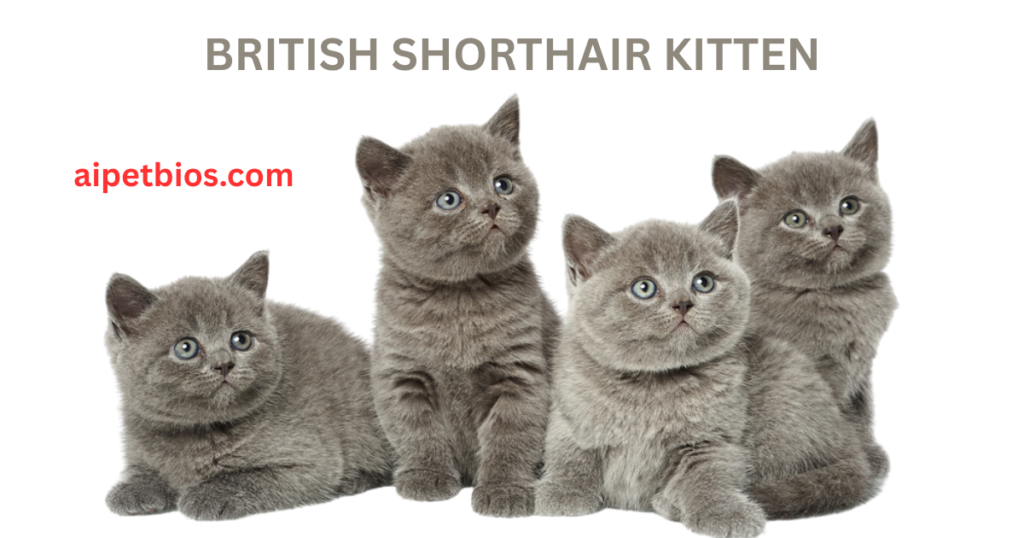
Additional Care Information for British Shorthair Cats
British Shorthairs are known for their sturdy build and dense double coat, which requires specific care routines to keep them healthy and comfortable throughout the year. While they are generally low-maintenance compared to long-haired breeds, there are important daily, weekly, and annual care tasks to consider.
Daily Care
Providing a consistent routine helps British Shorthairs thrive. Ensure fresh water is always available, and monitor their food intake to prevent obesity. These cats enjoy moderate play sessions to maintain fitness but are not overly active, so interactive toys or gentle playtime are ideal.
Weekly Care
Regular grooming is essential despite their short coat. Weekly brushing helps remove loose fur and reduces shedding around the home. It also provides an opportunity to check for skin issues or parasites. Nail trimming should be done every one to two weeks to prevent overgrowth and discomfort.
Dental Health
Dental hygiene is often overlooked but crucial for British Shorthairs. Regular brushing with vet-approved toothpaste and dental treats can prevent plaque buildup and dental diseases. Annual dental check-ups during vet visits are recommended.
Environmental Enrichment
British Shorthairs benefit from environmental enrichment to keep their minds stimulated. Providing scratching posts, climbing trees, and puzzle feeders can help prevent boredom and encourage natural behaviors.
Seasonal Coat Changes
Their dense coat may shed more heavily during seasonal changes. Increasing grooming frequency during spring and fall helps manage shedding and keeps their coat healthy.
Health Monitoring
Regular vet check-ups are vital to catch common health issues early. British Shorthairs are prone to hypertrophic cardiomyopathy (HCM), a heart condition, so cardiac screenings may be advised by your vet. Maintaining a healthy weight through diet and exercise reduces risks of obesity-related problems.
Senior Cat Care
As British Shorthairs age, their activity levels may decrease, and dietary needs change. Senior cats benefit from diets formulated for older cats, joint supplements, and more frequent health monitoring to ensure quality of life.
Expanded Care Insights for British Shorthair Owners
To provide the best care for your British Shorthair, understanding their unique needs beyond the basics is essential. This section offers deeper insights into daily routines, health maintenance, and environmental considerations.
Daily and Weekly Routines
Consistency is key for British Shorthairs. Establish a daily feeding schedule with measured portions to avoid overeating. Incorporate interactive play sessions using toys like feather wands or laser pointers to stimulate their natural hunting instincts without overexertion. Weekly grooming sessions not only maintain coat health but also strengthen the bond between you and your cat.
Dental and Oral Care
Dental health significantly impacts overall well-being. Besides regular brushing, consider dental chews and specialized diets designed to reduce tartar buildup. Watch for signs of dental discomfort such as drooling or reluctance to eat, and consult your vet promptly.
Environmental Enrichment and Mental Stimulation
British Shorthairs thrive in environments that offer mental challenges. Puzzle feeders that require problem-solving to access food can keep them engaged. Vertical spaces like cat trees or shelves provide climbing opportunities, satisfying their curiosity and need for exercise.
Managing Seasonal Changes
During spring and autumn, British Shorthairs shed more heavily. Increase grooming frequency to daily brushing during these periods to minimize loose fur and hairballs. Maintaining a clean living environment helps reduce allergens and keeps your cat comfortable.
Monitoring Health and Preventative Care
Regular veterinary visits are crucial. Early detection of conditions like hypertrophic cardiomyopathy (HCM) can improve outcomes. Keep a health journal noting any changes in appetite, behavior, or litter box habits to share with your vet.
Caring for Senior British Shorthairs
As your cat ages, adapt their care to meet changing needs. Senior diets rich in antioxidants and joint-supporting nutrients can enhance mobility and vitality. Provide comfortable resting areas and monitor for signs of cognitive decline or arthritis.
Nutrition Tips for Optimal Health
Choose high-quality cat food formulated for British Shorthairs or similar breeds. Look for balanced protein, fats, and essential vitamins. Avoid fillers and artificial additives. Fresh water should always be accessible, and wet food can help with hydration.
Socialization and Behavior Management
While British Shorthairs are generally calm, early socialization helps prevent shyness or anxiety. Introduce new people and pets gradually. Use positive reinforcement to encourage desired behaviors and reduce stress.
Frequently Asked Questions
1. Is a British Shorthair cat a good pet? Yes, they are excellent pets for families and individuals. They are easygoing, independent, and quiet.
2. Why are British Shorthairs not cuddly? They prefer companionship without constant handling. They’ll sit near you but rarely demand lap time.
3. What is so special about British Shorthairs? Their teddy bear-like appearance, plush fur, and calm temperament make them unique.
4. How much does a British Shorthair cost? Prices vary by region and pedigree. In Malaysia, expect RM 2,500–RM 8,000+ depending on coat colour and registration.
5. Do British Shorthairs have behavior problems? Generally well-behaved, but prone to obesity and shyness if not socialised properly.
Conclusion with Internal Linking Suggestions
Caring for a British Shorthair requires attention to diet, grooming, and socialisation. Their charming British Shorthair behavior, iconic British Shorthair Blue coat, and emerging British Shorthair Golden variant make them a favourite worldwide. For more insights, explore related guides on best cat foods, training tips, and choosing the right breeder.