
Introduction
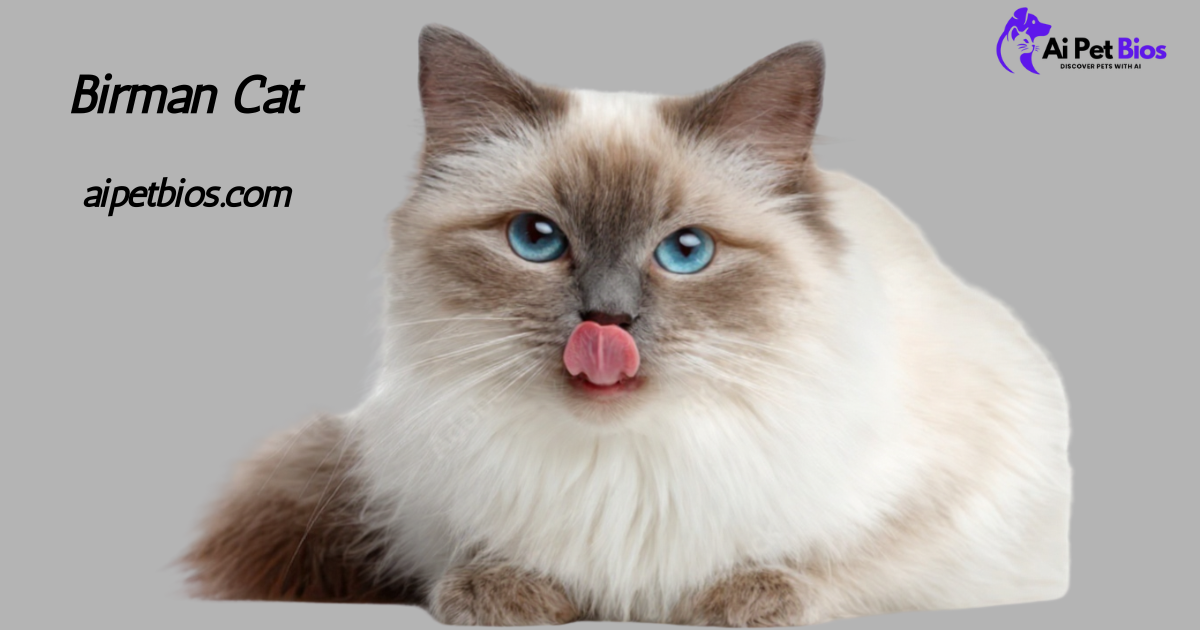
The Birman cat stands as one of the most enchanting and sought-after feline breeds in the modern pet world. With their striking sapphire-blue eyes, distinctive pointed coloring, and snow-white paws that resemble tiny mittens, these magnificent creatures have captivated cat lovers across the globe for generations.
What makes birman cats truly special is their perfect balance of elegance, intelligence, and affection, making them an increasingly popular choice for families and individuals seeking a sophisticated yet loving companion.
Whether you’re considering adding one of these felines to your home or simply curious about what makes this breed extraordinary, this comprehensive guide will walk you through everything you need to know about birman cat remarkable animals.
Understanding the needs, characteristics, and unique qualities of the Birman cat will help you determine if this premium breed aligns with your lifestyle and expectations. From their luxurious coat to their engaging personality, there’s much to appreciate about what makes this breed so special and deserving of their status as one of the world’s most beloved cat breeds.
7 Reasons Why the Birman Cat is the Perfect Feline Companion
Understanding what makes the Birman cat such an exceptional choice requires looking at seven key factors that set this breed apart. Here are the primary reasons why these felines have become one of the most sought-after companions worldwide and why they continue to win the hearts of cat enthusiasts everywhere.
1. Stunning Physical Beauty and Distinctive Appearance
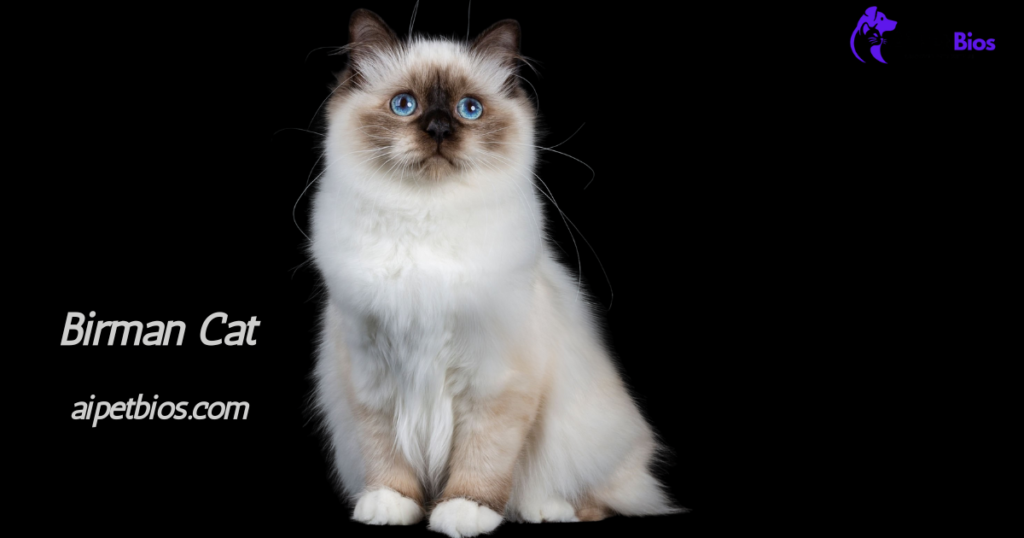
Birman cats possess one of the most captivating appearances in the feline world. With their striking sapphire-blue eyes, luxurious semi-long silky coat, and signature white paws that resemble tiny mittens, they turn heads wherever they go. The elegant color-pointed pattern combined with the distinctive “gloves” makes each specimen a living work of art that adds aesthetic beauty to any home.
The contrast between their cream or white body and their darker points creates a striking visual effect that sets them apart from other pointed breeds. This distinctive appearance makes them instantly recognizable and highly photogenic, which explains why these cats are so popular on social media and in cat shows. Their physical elegance combined with their graceful movements creates an almost regal presence in any household.
2. Perfectly Balanced Temperament
Unlike some breeds that are either aloof or overly demanding, these felines strike the ideal balance between affection and independence. They genuinely enjoy human companionship without being clingy or constantly demanding attention.
This makes them perfect for various lifestyle situations, from busy professionals to families with children who need a pet that can entertain itself but still provides meaningful interaction.
Their moderate temperament means they won’t overwhelm you with constant neediness, yet they won’t ignore you either. They’re content to spend time near you while you work or relax, offering companionship without intrusive behavior.
This balanced personality trait is one of the primary reasons why the Birman cat is considered the perfect choice for households with diverse needs and schedules.
3. Exceptional Intelligence and Trainability
Birman cats demonstrate remarkable intelligence that surpasses many other feline breeds. They can learn to walk on leashes, respond to their names, play fetch, and even perform tricks. Their cognitive abilities make training enjoyable and rewarding for both cat and owner, creating deeper bonds through interactive engagement. Many owners report being pleasantly surprised by how quickly their cats learn new behaviors and commands.
The high intelligence of these felines means they require mental stimulation to prevent boredom and behavioral issues. This trainability also makes them excellent candidates for clicker training, puzzle toys, and interactive games.
Their problem-solving abilities allow them to figure out how to open doors, activate puzzle feeders, and navigate their environment in creative ways. This mental engagement keeps them happy and enriched throughout their lives.
4. Excellent Family and Pet Compatibility
Birman cat’s gentle demeanor and social nature allow them to get along exceptionally well with children, other cats, and even dog companions. They thrive in multi-pet households and actively participate in family activities, making them ideal for dynamic home environments. Their patience with children and tolerance for other animals make them one of the most adaptable breeds for family situations.
Unlike some breeds that may be territorial or aggressive toward other animals, these felines typically display a friendly and accepting attitude toward other household pets. They often form strong bonds with their feline siblings and can even develop friendships with canine family members. This social flexibility makes them excellent choices for rescue situations where they’re being integrated into homes with existing pets.
5. Affectionate Communication and Social Engagement
Birman felines are known for being vocal communicators with soft, pleasant meows and chirping sounds. Rather than being annoying, their gentle vocalizations create engaging dialogue with their owners. They actively seek interaction and will follow family members from room to room, wanting to be involved in daily activities and creating a strong sense of companionship.
The communication style of these cats is one of their most endearing qualities. They’ll announce their presence with gentle chirps, greet you when you come home with enthusiastic meows, and engage in conversations throughout the day.
This vocal nature makes them feel more like interactive companions rather than independent creatures that merely tolerate human presence. Many owners describe their cats as “talkative” but in a pleasant and not overly demanding way.
6. Longevity and Long-Term Companionship
With a lifespan of 12-17 years, birman cats provide extended companionship that justifies the initial investment. Unlike shorter-lived pets, they offer many years of love, loyalty, and shared memories. This extended lifespan means you’re making a commitment to a long-term family member rather than a temporary addition to your household.
The longevity of these felines provides ample time to build deep, meaningful relationships with your pet. You’ll watch them grow from playful kittens to dignified adults, creating countless memories along the way.
Many owners report that their cats become irreplaceable members of the family, and the long years of companionship create bonds that last a lifetime. This extended relationship is one of the true joys of cat ownership.
7. Legendary Heritage and Sacred Significance
These felines carry a rich history dating back to ancient Burmese temples where they were revered as sacred animals. Owning one connects you to centuries of tradition and cultural significance.
The breed embodies elegance and dignity inherited from their noble origins, adding a sense of prestige and uniqueness to the ownership experience.
The legendary history of these cats adds a layer of mystique and cultural importance to the breed. Stories and legends surrounding their sacred origins make them feel special and unique compared to common household pets. This connection to ancient heritage gives owners a sense of participating in a tradition that has spanned centuries and crossed continents
Quick Facts Table
| Attribute | Details |
| Origin | Myanmar (formerly Burma) |
| Lifespan | 12-17 years |
| Weight | 3.6-6 kg (8-13 lbs) |
| Coat Type | Semi-long, silky |
| Eye Color | Sapphire blue |
| Distinctive Feature | White paws (gloves) |
| Temperament | Affectionate, intelligent, social |
| Activity Level | Moderate to high |
| Grooming Needs | Regular brushing |
| Average Price | $600-$1,200 USD |
Origin & History
The Sacred Temples of Myanmar
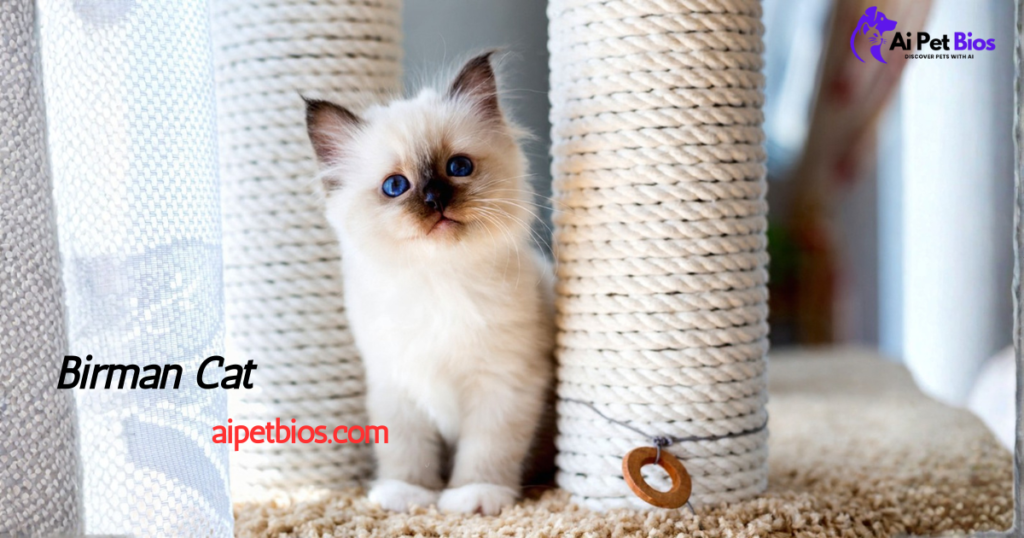
The Birman cat breed originated in the temples of Myanmar, where monks revered these felines as sacred animals deserving special care and attention. Legend tells of a goddess who blessed a temple cat, transforming its white coat into a golden hue while its paws remained pure white—a characteristic that defines the breed today and continues to make them instantly recognizable.
Historical records suggest that these cats were kept exclusively by Burmese monks and nobles, making them inaccessible to the outside world until the early 20th century.
The religious significance of these felines in Burmese culture cannot be overstated. They were believed to bring good fortune and spiritual blessings to the temples where they lived.
Monks cared for them with great reverence, treating them as honored residents rather than mere pets. This sacred status in their homeland established the foundation for the breed’s current reputation as a premium and dignified feline companion.
European Introduction and Breed Development
The first Birman cat specimens arrived in Europe around 1919, brought back by French soldiers returning from military campaigns in Southeast Asia. These cats quickly gained recognition from fanciers and enthusiasts who were impressed by their unique appearance and gentle temperament.
The arrival of these felines sparked considerable interest in cat breeding circles, leading to formal breed standards being established in France and later adopted internationally.
The development of the breed in Europe involved careful breeding programs designed to preserve the distinctive characteristics that made these cats so special. Breeders worked to maintain the striking pointed coloring, the iconic white paws, and the gentle temperament that had made these felines so beloved in their homeland.
By the 1960s, the birman cat breed had become recognized across major cat registries worldwide, solidifying their status as a premium and highly desirable feline companion that continues to captivate owners today.
Physical Characteristics
Distinctive Appearance and Features
Birman cats are immediately recognizable by their striking appearance and elegant bearing. They possess a semi-long, silky coat that feels luxurious to the touch, distinguishing them from close relatives and other similar breeds. Unlike other pointed breeds, they display a unique color pattern where the body shows a lighter shade while the face, ears, tail, and legs feature darker “points” that create a stunning visual contrast.
The overall appearance of these felines is one of refined elegance. Their body structure is neither massive nor delicate, creating a balanced silhouette that moves gracefully through space. The way they carry themselves with quiet dignity reflects their sacred heritage and royal origins. Every aspect of their physical appearance contributes to an impression of sophistication and beauty that sets them apart from other cat breeds.
The Signature White Paws
What makes birman cats truly special includes their famous white paws, which look exactly like tiny mittens or gloves covering their feet. This distinctive feature is a breed hallmark that sets them apart from similar breeds and makes them instantly identifiable to cat enthusiasts. The contrast between the white paws and the darker body creates a charming and appealing appearance that many owners find absolutely adorable.
The origin of these distinctive white paws is tied to the legendary story of their sacred beginning in Burmese temples. According to legend, a goddess blessed the temple cats, leaving their paws white as a mark of her divine touch.
Whether historical or mythical, this distinctive marking has become the signature characteristic of the breed and is prized by breeders and owners alike. Perfect “gloves” on all four paws are considered essential to breed standards and are carefully maintained through selective breeding.
Coat Colors and Patterns
These felines come in several color variations that meet breed standards and showcase the breed’s remarkable diversity. The most common colorations include seal point, which features dark brown points on a cream body, creating high contrast and striking visual appeal. Chocolate point varieties display lighter brown points that create a warmer, softer appearance than seal points.
Blue point colorations feature gray-blue points on a white body, creating an elegant and cool-toned appearance. Lilac point varieties showcase pale lavender points that create the softest and most delicate appearance of any coloration.
Red point and cream point variants round out the color options, providing choices for those seeking different aesthetic preferences. Black colorations represent another striking variation that appeals to owners seeking more dramatic appearance.
The signature white paws remain consistent across all color patterns, making this feature the breed’s most recognizable characteristic regardless of coat color. Their sapphire-blue eyes add to their ethereal beauty across all color variations, creating an almost mystical appearance that captivates observers and makes them photogenic in any lighting condition.
Body Structure and Build
These cats have a medium to semi-large frame with a sturdy, muscular build that provides both strength and grace. They weigh between 3.6 to 6 kilograms (8-13 pounds) for females, with males typically being larger and more heavily muscled.
Their body proportions create an elegant silhouette—neither as massive as Maine Coons nor as delicate as Siamese cats, achieving perfect balance.
The head is rounded and proportional to the body, with a gentle expression that reflects their sweet temperament. Ears are medium-sized and alert, positioned on the head in a way that contributes to their intelligent and attentive appearance.
The tail is plumed and graceful, often carried with an elegant curve that adds to their overall impression of refinement. Their overall posture exudes grace and poise that reflects their noble heritage and sacred origins.
Personality & Temperament
The Complete Personality Profile
The temperament of these felines is often described as the ideal middle ground between the aloof independence of typical felines and the demanding nature of more vocal breeds. They are notably affectionate without being overbearing, making them perfect for various household dynamics and lifestyles.
They form strong bonds with their human families while maintaining a dignified composure that reflects their sacred heritage and calm nature.
Unlike some breeds, these cats genuinely enjoy human company and will actively seek interaction in their own gentle way. They’re known for their gentle demeanor, making them excellent choices for families with children and other pets.
Their personality includes a playful nature that persists well into adulthood—they’re not the type to simply lounge around all day, though they do appreciate comfortable resting spots and quiet time to relax.
The emotional intelligence of these cats is remarkable. They seem to sense when family members are upset or unwell and will offer comfort through their presence and gentle touch. This empathetic quality makes them wonderful companions for people dealing with stress, anxiety, or loneliness.
Their ability to provide emotional support while respecting boundaries makes them ideal therapy companions for many households.
Social Behavior and Communication Patterns
Birman cat felines are vocal communicators, though not excessively so, striking a perfect balance between silent companions and chatty breeds. They’ll express their needs through soft meows and chirping sounds, creating an engaging dialogue with their human companions throughout the day.
They thrive on attention and interaction, and they often follow their owners from room to room, wanting to be involved in daily activities and household happenings.
The communication style of these cats is subtle and refined. Rather than demanding constant attention with loud meows, they’ll announce their presence with gentle chirps and soft vocalizations. They seem to understand the concept of conversation, responding to your speech with their own contributions. Many owners develop a genuine “language” with their cats, where they understand each other’s meanings through various vocal and non-vocal cues.
Their intelligence makes them remarkably trainable compared to other feline breeds. These cats can learn to walk on leashes, respond to their names reliably, and even play fetch like dogs. This cognitive ability, combined with their friendly nature, makes them ideal candidates for interactive play and enrichment activities that challenge their minds and keep them mentally stimulated throughout their lives.

Diet & Feeding Guide
Nutritional Requirements for Optimal Health
A healthy feline requires a well-balanced diet rich in animal proteins, essential amino acids, and vital nutrients necessary for growth and maintenance. Cats are obligate carnivores, meaning their bodies are designed to process meat-based proteins more efficiently than plant materials. High-quality commercial cat foods formulated for adult cats typically meet these nutritional requirements adequately when chosen carefully.
The protein content of their diet should ideally be at least 30-40 percent for adult cats, with animal-based proteins being significantly more beneficial than plant-based alternatives.
Essential amino acids like taurine are critical for heart health, vision, and overall wellbeing. Quality fats provide energy and support skin and coat health, contributing to the glossy, luxurious appearance that makes these cats so beautiful.
Vitamins and minerals play crucial roles in maintaining bone density, immune function, and overall health throughout their lives. Calcium and phosphorus support skeletal health, while vitamins A and E provide antioxidant protection.
Water is equally important, as cats often don’t drink as much as they should, making wet food or water fountains valuable additions to their daily routine.
Feeding Recommendations and Schedule
For Adult Birman Cats:
- Feed 1-2 meals daily, depending on age and activity level
- Portion sizes typically range from 1/3 to 1/2 cup of dry food per day
- Fresh water should always be available in multiple locations
- Avoid foods containing excessive fillers, corn, wheat, or artificial additives
- Monitor weight regularly to prevent obesity-related health issues
- Adjust portions based on individual metabolism and activity level
For Kittens and Young Birman Cats:
- Provide 3-4 meals daily until 6 months of age to support growth
- Transition gradually to adult food over a 7-10 day period
- Specialized kitten formulas support growth and development
- Ensure adequate calories for energy-intensive play and growth
- Use portion control to prevent overeating during growth phases
Dietary Considerations and Special Needs
Some individuals may have sensitive stomachs, requiring premium or limited-ingredient diets carefully selected to avoid triggers. Consulting with a veterinarian helps establish the most appropriate feeding plan for your individual cat’s specific needs and any dietary restrictions.
Obesity can become an issue if exercise levels aren’t maintained, so monitoring weight and adjusting portions accordingly proves essential for long-term health.
Wet food and dry food offer different benefits, with wet food providing hydration while dry food supports dental health. Many owners find a combination of both works best for their cats.
Always introduce any new food gradually over several days to allow the digestive system to adjust and prevent stomach upset. Fresh, clean water should be available at all times, and some cats prefer running water from fountains, which encourages better hydration.
Grooming & Maintenance
Coat Care Essentials and Benefits
The semi-long coat requires regular grooming to maintain its silky texture and prevent matting that can cause discomfort and skin issues. Brushing 3-4 times weekly with a metal comb or slicker brush removes loose fur and keeps the coat healthy, shiny, and beautiful. During shedding seasons, daily brushing becomes necessary to manage the increased hair loss and keep your home cleaner.
Regular grooming sessions provide multiple benefits beyond maintaining coat health. These sessions allow you to check for any skin abnormalities, parasites, or health issues that might need veterinary attention.
The bonding that occurs during grooming strengthens your relationship with your cat and helps them become comfortable with being handled, which is important for veterinary care and overall wellbeing.
The luxury of birman cat semi-long coat requires commitment, but the effort is rewarded with a beautiful, healthy-looking cat that feels soft and silky to the touch. Proper grooming prevents the coat from becoming matted and tangled, which can be painful for your cat and difficult to remove. Establishing a grooming routine early in your cat’s life makes the process easier as they grow accustomed to regular brushing sessions.
Complete Grooming Routine
Weekly Tasks:
- Brush coat thoroughly to prevent tangles and remove loose fur
- Check and clean ears with damp cotton balls to prevent infections
- Examine eyes for discharge, redness, or other abnormalities
- Inspect paws and check between toe pads for debris or problems
- Look over the entire body for any lumps, bumps, or skin issues
Monthly Tasks:
- Trim nails if they don’t naturally wear down through activity
- Brush teeth gently to prevent dental disease and tartar buildup
- Bath if necessary, though most resist water and bathing is rarely needed
- Check for any parasites or signs of flea infestation
- Assess overall health and note any changes in appearance or behavior
Regular Dental Care:
Dental disease affects many cats and can lead to serious health complications if left untreated. Brushing teeth daily or at least several times weekly helps prevent costly dental procedures and health issues later in life. Many veterinarians recommend professional dental cleanings annually to maintain optimal oral health. Starting dental care early helps cats become accustomed to having their teeth handled and brushed.
Common Health Concerns
Potential Health Issues (Informational Only)
While birman cats are generally robust and healthy, certain conditions appear more frequently in the breed than in general feline populations. Being aware of these doesn’t mean your cat will necessarily develop these issues, but understanding risks helps with preventive care and early detection.
Regular veterinary check-ups and responsible breeding practices significantly reduce the likelihood of serious health problems.
Hypertrophic Cardiomyopathy (HCM):
This heart condition affects some individuals and involves thickening of the heart muscle. It can develop without obvious symptoms, making regular veterinary screening important.
Reputable breeders screen breeding cats through ultrasounds to reduce the prevalence of this condition in future generations. Annual cardiac examinations can help detect this condition early when management options are available.
Polycystic Kidney Disease (PKD):
A genetic condition affecting some lines, though less common in this breed than in others. This condition involves the development of cysts in the kidneys that can eventually impair kidney function. Genetic testing can identify carriers, allowing responsible breeders to prevent transmission to offspring. Regular kidney function monitoring through blood tests helps manage affected cats.
Hyperthyroidism:
More prevalent in older cats, this metabolic disorder requires veterinary management and monitoring. Symptoms include weight loss despite increased appetite, excessive thirst, and hyperactivity. This condition is manageable through medication, dietary changes, or other treatments, and regular veterinary care helps catch it early.
Eye Issues:
Some individuals may experience cherry eye or other ophthalmic conditions, though less frequently than other breeds. Regular eye examinations can identify issues before they become serious. Most eye problems are manageable with proper veterinary care and monitoring.
Regular veterinary check-ups, genetic screening from reputable breeders, and maintaining a healthy lifestyle significantly reduce health risks. Responsible breeding practices continue improving the overall health profile of the breed with each generation. Open communication with your veterinarian about breed-specific concerns ensures your cat receives optimal preventive care throughout their life.
Training & Care Tips
Building a Strong Bond Through Training
The intelligence of birman cat felines makes them surprisingly trainable compared to other feline breeds, offering opportunities for enriching interaction. Positive reinforcement techniques work best—using treats, praise, and play rewards to encourage desired behaviors and strengthen your relationship. Training sessions should be short, fun, and reward-based to maintain your cat’s interest and enthusiasm.
Litter Box Training:
Most naturally use litter boxes with minimal training, as this behavior comes naturally to cats. Providing multiple boxes (one per cat plus one extra) in easily accessible locations prevents behavioral issues and ensures hygiene. Scoop daily and change litter weekly for optimal hygiene and to encourage consistent use. Some cats prefer certain litter types, so experimentation may be necessary to find your cat’s preference.
Claw Management:
Provide multiple scratching posts in various locations throughout your home to satisfy natural scratching behaviors. Vertical scratchers satisfy natural climbing instincts while protecting furniture from damage. Trimming nails every 2-3 weeks or as needed maintains foot health and reduces potential for accidental injury during play. Nail caps are another option for protecting furniture while allowing natural scratching.
Enrichment Activities:
Interactive toys, puzzle feeders, window perches, and climbing structures keep these cats mentally stimulated and physically active throughout the day. They benefit from dedicated playtime daily—aim for 15-30 minutes of interactive engagement using wand toys, laser pointers, or ball toys. Rotating toys regularly maintains novelty and interest, preventing boredom that can lead to behavioral issues.
Environmental Setup for Optimal Wellbeing
Create a stimulating environment with:
- Window perches for bird watching and visual enrichment
- Climbing trees or shelves that satisfy climbing instincts
- Hiding spots and enclosed spaces for security and comfort
- Varied toys for mental stimulation and play
- Comfortable resting areas where your cat can relax undisturbed
- Access to natural light and fresh air when safe
- Quiet spaces for rest away from household activity
A well-designed environment prevents boredom, reduces stress, and promotes physical activity necessary for maintaining healthy weight and muscle tone.
Birmans vs Other Breeds: Comprehensive Comparison
Birman vs Ragdoll: Understanding the Key Differences
The comparison between Birman cat vs Ragdoll cats frequently arises among potential pet owners considering premium breeds. While both breeds share similarities in appearance and both feature blue eyes and pointed coloring, distinct differences exist in temperament, size, and other characteristics.
Birman cat felines display a more balanced temperament—affectionate but maintaining independence and autonomy. Their semi-long coat requires regular grooming, and they typically weigh less than Ragdolls, making them slightly more manageable in size. The distinctive white paws and pointed coloring characterize them distinctively from Ragdolls, which typically lack the white paw markings.
Ragdolls tend to be more dependent and demanding of attention, often going limp when picked up and insisting on being held and cuddled. They’re generally larger, weighing up to 4.5-9 kg, with longer coats requiring extensive grooming similar to these felines. Ragdolls often exhibit more vocal communication patterns and may follow you around more persistently.
For those seeking an affectionate yet self-sufficient companion, Birman kittens might offer a better match than Ragdoll counterparts for independent owners. Both represent excellent breeds—the choice depends on individual preferences, lifestyle needs, and tolerance for cat attention and demands.
Cost Considerations and Investment
The Birman cat price typically ranges from $600 to $1,200 USD from reputable breeders who maintain health standards and breed responsibly. Some premium bloodlines command higher prices, especially show-quality cats with exceptional pedigrees and health clearances. Birman kittens for sale from championship breeders may exceed standard ranges significantly.
When considering Birman cat for sale options, ensure breeders provide health certifications and ethical breeding practices. Reputable breeders should offer health guarantees, genetic testing results, and ongoing support. The initial investment in a quality Birman cat from a responsible breeder is significantly higher than shelter adoption but includes the assurance of health, temperament, and breed standards.
Pros and Cons: Balanced Perspective
Advantages of Birman Cat Ownership
Personality: Affectionate without being overly demanding of constant attention
Appearance: Striking, distinctive look that turns heads and starts conversations
Intelligence: Highly trainable and responsive to human interaction and rewards
Adaptability: Adjust well to various living environments and lifestyle changes
Temperament: Excellent with families, children, and other household pets
Longevity: 12-17 year lifespan offers extended long-term companionship Social
Nature: Engaged and interactive while respecting personal boundaries
Disadvantages to Consider
Grooming Demands: Regular brushing is non-negotiable and time-consuming
Vocalization: More talkative than some cat breeds, though pleasant and not excessive
Health Screening Costs: Initial veterinary expenses for genetic health checks
Price: Higher upfront cost compared to common or mixed-breed cats
Attention Needs: Require regular interaction, play, and mental enrichment
Shedding: Significant hair loss during shedding seasons requires frequent cleaning
Veterinary Care: Premium breeds may have higher veterinary expenses throughout life
Is a Birman Cat Right for You?
Ideal Owner Profile and Lifestyle Considerations
They suit you if you:
- Appreciate an interactive, affectionate companion that wants to be involved
- Have time for regular grooming sessions and coat maintenance
- Can provide mental and physical enrichment through play and activities
- Enjoy engaging in play, training activities, and interactive bonding
- Want a distinctive, beautiful-looking feline that impresses visitors
- Can afford premium pricing for purchase and ongoing care
- Have a stable home environment suitable for a long-term pet
- Are willing to invest time in veterinary care and preventive health measures
Consider alternatives if you:
- Prefer completely independent, low-maintenance cats that require minimal interaction
- Have limited time for grooming and regular interactive play
- Are allergic to cats (though these are not truly hypoallergenic despite claims)
- Have very young children requiring an exceptionally tolerant breed
- Seek the most budget-friendly cat option available
- Cannot commit to 12-17 years of responsibility and care
- Live in environments with high stress or frequent changes
- Prefer cats that are content to be alone for extended periods
Are Birman cats hypoallergenic? While some people with mild alergies report fewer reactions to these felines, they’re not truly hypoallergenic. All cats produce allergens through dander, saliva, and urine, making no breed completely safe for allergy sufferers. However, some individuals with mild allergies may tolerate them better than other breeds.
Frequently Asked Questions
Are Birman cats expensive?
Yes, these felines command premium pricing that reflects their status as a sought-after premium breed with special characteristics. Expect to invest $600-$1,200 USD for kittens from reputable breeders who perform health screening. Additional costs include grooming supplies, quality food formulated for their needs, veterinary care including preventive screenings, and enrichment items.
The initial investment is higher than adopting domestic shorthairs, but their 12-17 year lifespan provides excellent long-term value and companionship. Many owners find that the joy and companionship provided far outweigh the financial investment required.
Is a Birman cat better than a Ragdoll?
Neither breed is objectively “better”—it depends on individual preferences and lifestyle compatibility. The Birman cat vs Ragdoll comparison reveals that these felines are generally more independent and balanced in their need for attention, while Ragdolls demand constant attention and closeness from their owners.
These cats weigh less and have distinctive white paws, while Ragdolls lack these markings. Choose based on your lifestyle, living space, available time for interaction, and desired companionship levels. Both breeds make excellent companions for the right owners.
What is special about Birman cats?
What makes birman cat felines special includes their iconic white paws contrasting beautifully with pointed coloring, sapphire-blue eyes that captivate observers, semi-long silky coat, and legendary origin in sacred Burmese temples?
Their balanced temperament—affectionate yet dignified—combined with remarkable intelligence and trainability makes them exceptional companions. The breed embodies elegance, grace, and a calm demeanor that appeals to sophisticated cat lovers seeking something special and unique.
Do Birman cats shed a lot?
Yes, these felines shed significantly, especially during seasonal changes when their coat undergoes heavy shedding. Regular brushing 3-4 times weekly reduces shedding noticeably and prevents matting that can cause discomfort.
During spring and fall shedding seasons, daily brushing becomes essential to manage the increased hair loss and keep your home cleaner. Investing in a quality de-shedding tool helps manage loose fur effectively and reduces the amount of hair shed throughout your home.
Where can I find Birman kittens for sale?
Birman kittens for sale are available through reputable breeders, breed-specific rescue organizations, and registered catteries that specialize in ethical breeding. Research breeders carefully, verifying health certifications, genetic testing, and ethical practices before making a purchase decision.
For Birman cat near me, search local breed clubs or contact The International Cat Association (TICA) for referrals to ethical breeders offering healthy, well-socialized kittens in your region. Always visit breeders in person to assess conditions and meet the parents when possible.
Conclusion
The Birman cat represents a remarkable blend of physical beauty, intelligence, and affectionate personality that justifies their status as a premium breed deserving of recognition and appreciation. From their legendary origins in sacred Burmese temples to their modern role as cherished family companions, these elegant felines continue to enchant cat lovers worldwide with their unique combination of traits.
Whether you’re contemplating Birman cat for sale options, comparing Birman cat vs Ragdoll breeds to find your perfect match, or simply learning about this breed’s distinctive characteristics and requirements, this comprehensive guide has provided detailed insights into what makes these cats extraordinary and special.
Understanding their unique personality, grooming requirements, health considerations, and emotional needs empowers you to make an informed decision about whether one aligns with your lifestyle and expectations.
The investment in birmancat felines comes with years ofcompanionship, beauty, and joy that enriches your life immeasurably. If you value elegance, intelligence, affection, and interactive engagement in a feline companion, this breed may be your perfect match.
Taking time to research breeders thoroughly, understand breed-specific requirements, and prepare your home appropriately ensures a successful and rewarding relationship with these remarkable animals.
Affiliate Product Recommendations:
- Professional grooming tools for semi-long coats
- Premium quality cat food formulations
- Interactive puzzle feeders for mental stimulation
- Vertical cat climbing structures for exercise
- Dental care products for cats
- Cat water fountains for hydration
- Interactive toy sets for playtime
Disclaimer:
This article provides informational content about this cat breed for educational purposes only. Consult with veterinarians for health concerns, breed-specific questions, or medical advice.
All breed information reflects current breed standards, though individual cats may vary in appearance and temperament. Conduct thorough research and work with ethical breeders when seeking kittens. This article should not be considered professional veterinary or behavioral advice.
😀0😍0😢0😡0👍0👎1

Want Popular On Google? | Lust Quality Backlinks That Force-fed
I’m an SEO Expert, Guest Posting Specialist, and Web Developer helping websites increase rankings, traffic, and authority using clean, white-hat strategies 🚀
I focus on high-authority guest posts, safe backlinks, SEO-optimized content, and technically sound websites—so your site doesn’t just rank, it stays ranked.
What I help you with:
✅ SEO (On-page, Off-page & Technical)
✅ Guest Posts on Real, Relevant Sites
✅ High-Quality Link Building
✅ Keyword Research & Content Strategy
✅ SEO-Friendly Website Development
📈 No spam. No shortcuts. Only results.
👉 Need backlinks that actually work?
📩 Let’s connect: https://wa.me/+923006932631
1 thought on “Birman Cat |7 Reasons | New Perfect Feline Triumph ”