
Complete Guide To Pet Birds: Frenzy Care, Species, And Breeding
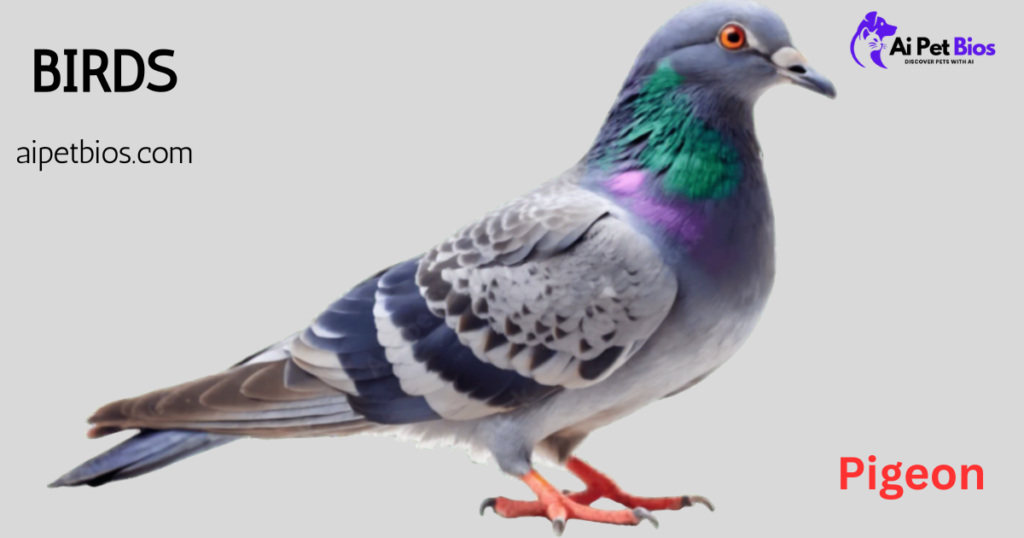
Pet birds represent some of the most rewarding and engaging animal companions available to bird enthusiasts worldwide. These remarkable creatures offer intelligence, personality, and companionship that captivates owners across all experience levels. Whether you’re considering your first feathered friend or expanding an existing aviary, understanding pet birds fundamentals ensures successful, fulfilling relationships with these remarkable animals.
Pet birds range dramatically in size, temperament, and care requirements. From tiny finches measuring just a few inches to magnificent macaws spanning three feet, pet birds display incredible diversity. Each species brings unique characteristics, dietary needs, and behavioral patterns requiring specific knowledge for optimal care and wellbeing.
The popularity of keeping pet birds has surged considerably over recent decades. Modern pet bird owners appreciate their intelligence, their capacity for bonding, and their ability to thrive in various living environments. Understanding what makes pet birds special helps prospective owners make informed decisions about species selection and long-term commitment.
Understanding Different Pet Bird Species
Pet birds encompass numerous species, each offering distinct advantages and challenges. Understanding the primary categories helps narrow selection based on your lifestyle and preferences.
Large Parrots and Macaws
Large parrot species like macaws demand significant space, attention, and specialized care. These intelligent birds live 40-80+ years, requiring lifelong commitment. Macaws display striking plumage in blues, greens, reds, and yellows, making them visually spectacular additions to homes. Their intelligence rivals young children, and they require extensive social interaction daily.
Medium-Sized Pet Birds
Cockatoos, African greys, and Amazons occupy the middle ground regarding size and care requirements. These medium-sized pet birds typically live 30-60 years. They bond intensely with owners and demonstrate remarkable problem-solving abilities. Medium pet birds require large cages, mental stimulation, and regular handling to prevent behavioral issues.
Small Pet Birds for Apartments
Parakeets, cockatiels, and lovebirds appeal to apartment dwellers and first-time bird owners. These small pet birds require less space than larger species while still offering personality and interaction. Small pet birds typically live 10-20 years, making them manageable long-term commitments.
Finches and Canaries
Finches and canaries represent the smallest pet birds suitable for homes. These species thrive in flocks and offer beautiful songs rather than interactive companionship. Finches require minimal handling and adapt well to cage life.
Essential Pet Bird Care Requirements
Proper care forms the foundation of healthy, happy pet birds. Understanding core requirements prevents common health and behavioral problems.
Housing and Cage Setup
Pet birds require appropriately sized cages preventing stress and allowing natural movement. Cage dimensions matter significantly—small pet birds need minimum 18x18x18 inches, while larger species require exponentially more space.
Cage Features for Pet Birds:
- Horizontal bar spacing preventing head entrapment
- Multiple perches varying in diameter and material
- Toys rotating weekly for mental stimulation
- Adequate ventilation and natural light access
- Easy-to-clean food and water containers
- Lined flooring for efficient waste management
Pet birds benefit from time outside cages supervised and secure. Window perches allow natural light exposure supporting vitamin D synthesis and circadian rhythms essential for pet bird health.
Nutrition and Diet
Pet birds thrive on varied, nutrient-rich diets tailored to their species. Generic bird seed proves insufficient for optimal pet bird nutrition.
Quality Diet Components for Pet Birds:
- High-quality pellet base (75% of diet)
- Fresh vegetables daily (leafy greens, carrots, peppers)
- Limited fresh fruit (2-3 times weekly)
- Nuts and seeds as treats (10-15% of diet)
- Calcium supplementation (cuttlebone or mineral block)
- Clean, fresh water replaced daily
Pet birds require species-specific dietary considerations. Macaws need high-fat nuts, while smaller pet birds require different mineral balances. Consulting avian veterinarians ensures your pet birds receive optimal nutrition.
Temperature and Environment
Pet birds are sensitive to temperature extremes. Ideal environments maintain 65-75°F consistently. Drafts, extreme heat, and cold stress pet birds significantly.
Environmental Considerations:
- Humidity levels 40-60% optimal for most pet birds
- 10-12 hours darkness daily supporting healthy sleep
- Smoke-free environments (fumes toxins pet birds severely)
- Avoid Teflon/PTFE cookware (toxic to pet birds)
- Natural light exposure (or full-spectrum lighting)
Social Interaction and Mental Stimulation
Pet birds are highly social creatures requiring daily interaction. Neglected pet birds develop behavioral problems including feather plucking, aggression, and self-injury.
Enrichment Activities for Pet Birds:
- Daily supervised out-of-cage time
- Training sessions using positive reinforcement
- Puzzle toys and foraging activities
- Music and environmental sounds
- Interaction with multiple family members
- Safe exploration of bird-proofed areas
Popular Pet Bird Species Overview
Parrots and Parakeets
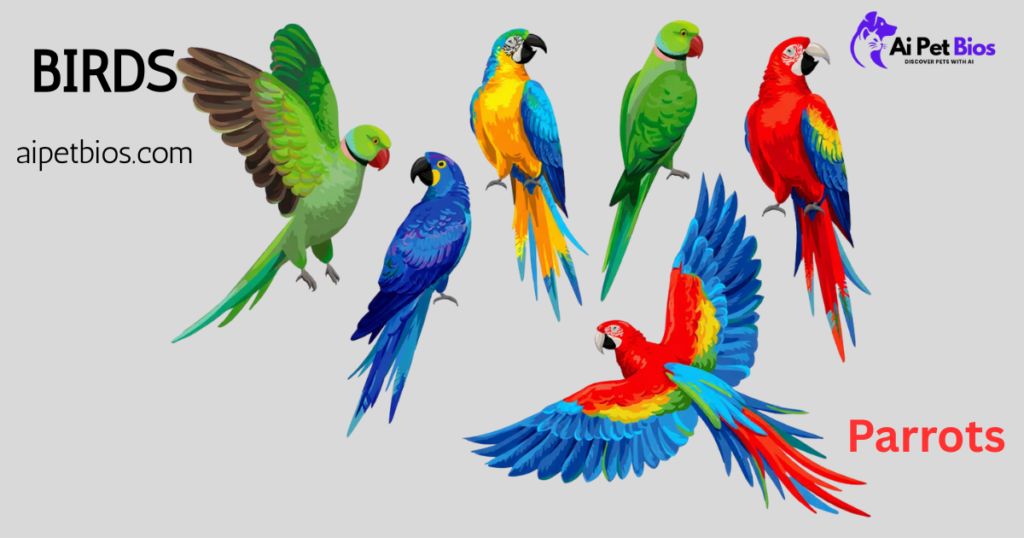
Parrots rank among the most intelligent pet birds available. These birds demonstrate remarkable memory, problem-solving, and social awareness. Parrot species vary dramatically—from small parakeets to massive macaws.
Parakeets represent the most popular entry-level pet birds. These colorful, playful birds quickly bond with owners and learn tricks. Parakeets live 8-12 years on average, providing manageable companionship periods.
Parrot Characteristics:
- High intelligence comparable to toddlers
- Potential lifelong bonding with owners
- Vocal abilities (talking, whistling)
- Demand for attention and stimulation
- Dietary flexibility
- Moderate to high noise levels
Cockatiels
Cockatiels offer wonderful middle-ground options between small parakeets and large parrots. These gentle, affectionate pet birds are more manageable than macaws while offering greater personality than finches.
Cockatiels display remarkable gentle temperaments and bond closely with patient owners. Their natural whistling ability makes them excellent for learning sounds and melodies. Cockatiels live 15-20 years typically.
Canaries
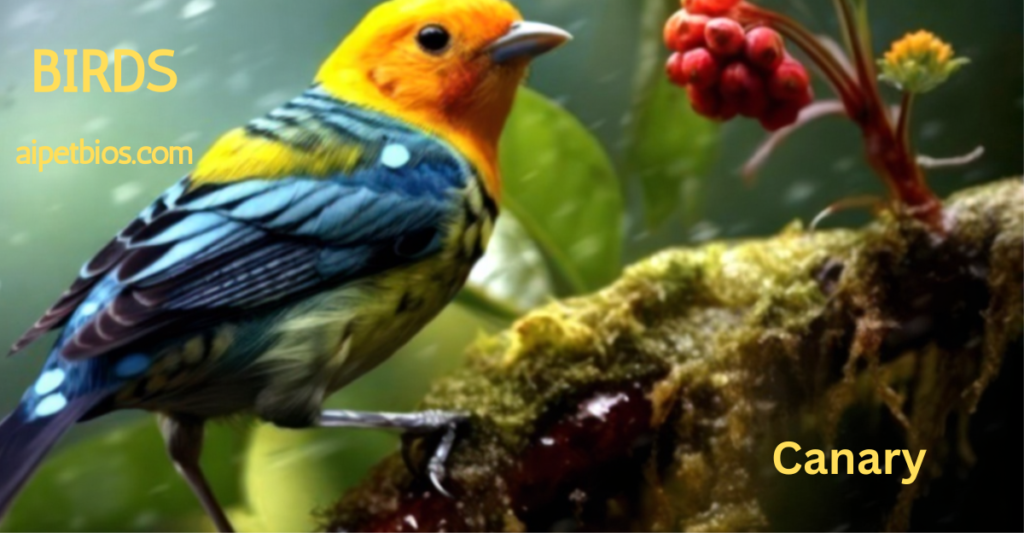
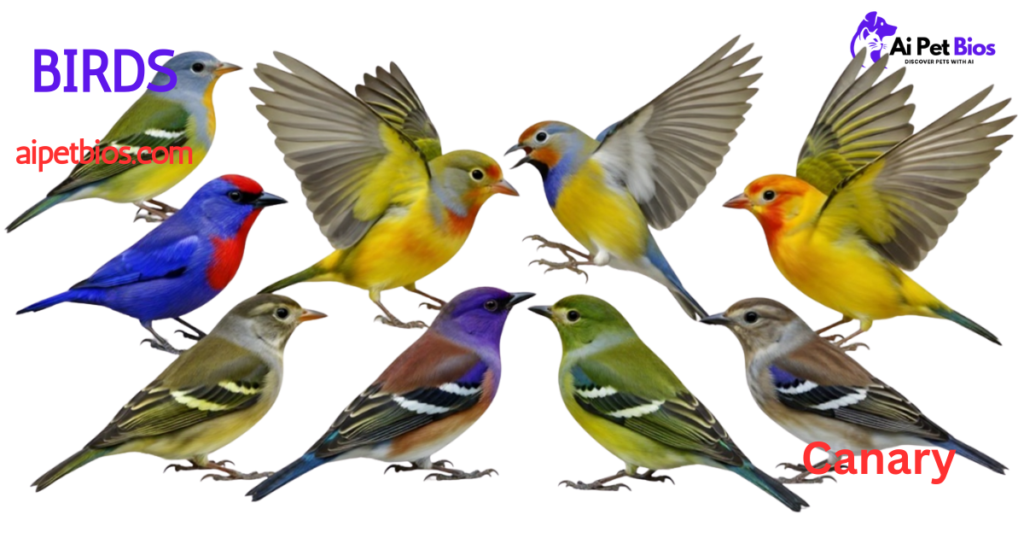
Canaries appeal to owners seeking beautiful pet birds without interactive demands. Male canaries provide stunning songs, while females remain relatively silent.
Canaries thrive individually or in small flocks. These independent pet birds require less handling than parrots. Canary lifespans reach 10-15 years with proper care.
Finches
Finches represent excellent pet birds for observation enthusiasts. Their social nature means they thrive best in pairs or small groups. Finches require less attention than parrots while displaying interesting social behaviors.
Training and Behavioral Management for Pet Birds
Pet birds demonstrate remarkable capacity for learning. Positive reinforcement training develops desirable behaviors while preventing problematic ones.
Basic Training Techniques
Step-Up Command: Teaching pet birds to perch on your finger establishes fundamental handling trust. Use treats and praise consistently.
Target Training: Encourage pet birds to touch designated objects with beaks, building confidence and obedience foundation.
Target-Based Behaviors: Advanced pet birds learn to ring bells, open doors, or perform tricks through target-based training.
Managing Screaming and Noise
Excessive screaming represents the most common pet bird behavioral complaint. Understanding triggers helps reduce unwanted vocalizations.
Screaming Prevention:
- Establish consistent daily routines (pet birds thrive on schedules)
- Provide adequate sleep (10-12 hours darkness)
- Ensure sufficient exercise and stimulation
- Avoid rewarding screaming with attention
- Create quiet spaces during designated quiet hours
Preventing Feather Plucking
Feather plucking indicates stressed, bored, or unhealthy pet birds. This destructive behavior stems from inadequate stimulation, poor diet, parasites, or health issues.
Solutions for Pet Birds:
- Veterinary health checks ruling out medical causes
- Increased social interaction and mental enrichment
- Dietary optimization
- Environmental enrichment rotation
- Reduced stress triggers
Health Concerns and Veterinary Care for Pet Birds
Regular veterinary care prevents serious health issues in pet birds. Finding avian veterinarians experienced with your species proves essential.
Common Pet Bird Health Issues
Respiratory Problems: Pet birds mask illness symptoms until conditions become severe. Labored breathing, wheezing, or nasal discharge require immediate veterinary attention.
Malnutrition: Seed-based diets lacking balanced nutrition cause numerous health problems in pet birds. Pellet-based diets provide superior nutrition.
Parasites: Internal and external parasites affect pet birds significantly. Regular fecal testing catches parasitic infections early.
Behavioral Stereotypies: Feather plucking, head swinging, and pacing indicate stressed, under-stimulated pet birds requiring intervention.
Preventive Health Measures
Annual Wellness Exams: Pet birds benefit from yearly veterinary examinations catching health issues early.
Proper Nutrition: Quality diet prevents most dietary deficiency diseases affecting pet birds.
Environmental Control: Maintaining appropriate temperature, humidity, and lighting supports pet bird immune function.
Social Engagement: Daily interaction prevents stress-related health problems in pet birds.
Setting Up Your First Pet Bird Environment
Creating appropriate environments ensures successful pet bird ownership experiences.
Cage Selection Guide
Larger cages benefit pet birds exponentially. Horizontal orientation provides better flying space than vertical configurations. Multiple perches, toys, and accessories keep pet birds mentally stimulated.
Minimum Cage Dimensions:
- Small pet birds (finches): 18x18x18 inches
- Parakeets: 24x24x24 inches minimum
- Cockatiels: 32x32x24 inches minimum
- Large parrots: 36x48x36 inches minimum (larger preferred)
Perches and Accessories
Natural wood perches of varying diameters promote foot health in pet birds. Rope perches require regular inspection preventing ingestion of fibers. Toys should rotate regularly maintaining pet birds’ interest.
Food and Water Systems
Water bottles prevent contamination but require daily inspection. Bowls offer advantages—pet birds see water clearly, and multiple birds access it easily. Replace water daily regardless of system type.
Food bowls should prevent waste and contamination. Heavy ceramic bowls work better than plastic for pet birds’ dietary safety.
Pet Bird Costs and Long-Term Commitment
Understanding pet bird ownership costs helps prospective owners plan appropriately.
Initial Investment
- Quality cage: $200-$500+
- Initial veterinary exam: $100-$300
- Food and water systems: $50-$100
- Toys and perches: $100-$200
- Bird itself: $25-$5,000+ depending on species
Ongoing Expenses
- Quality food: $30-$100 monthly
- Veterinary care: $200-$500 annually
- Cage maintenance and replacement: $100+ annually
- Toys and enrichment: $50-$100 monthly
Time Commitment
Pet birds require daily interaction, feeding, water changes, and cage cleaning. Large parrots demand 2+ hours daily commitment. Even small pet birds need minimum 30 minutes daily attention.
Choosing Your Perfect Pet Bird Match
Species selection determines whether pet bird ownership proves successful or frustrating.
For Beginners: Parakeets, cockatiels, or canaries offer manageable pet bird experiences. These species live reasonable timeframes and require moderate care.
For Experienced Owners: Large parrots provide greater intellectual challenge and deeper bonding potential. However, they demand significant expertise and lifelong commitment.
For Apartment Living: Small pet birds like parakeets, cockatiels, or finches suit limited spaces. Larger parrots’ noise levels may disturb neighbors.
For Noise-Sensitive Environments: Finches or canaries offer visual beauty without demanding vocalization. Parrots are inherently vocal creatures unsuitable for noise-sensitive situations.
For Interactive Companionship: Parrots excel at bonding, learning words, and engaging with owners. Finches and canaries offer companionship through observation rather than interaction.
Breeding Pet Birds (Intermediate to Advanced)
Responsible breeding requires substantial knowledge and commitment. Never breed pet birds without proper understanding. Successfully breeding pet birds demands decades of experience, proper facilities, and unwavering dedication to animal welfare.
Pre-Breeding Preparation for Pet Birds
Before breeding pet birds, establish proper conditions ensuring successful reproduction and healthy offspring.
Health Screening for Breeding Pet Birds:
- Veterinary health certifications confirming fitness
- Genetic testing identifying hereditary issues
- Nutritional assessments ensuring optimal body condition
- Age appropriateness (breeding pet birds should be mature but not elderly)
- Behavioral compatibility between pairs
Environmental Conditioning: Breeding pet birds require specific environmental triggers stimulating reproductive behavior. Increasing daylight hours from 10-12 hours to 14-16 hours signals breeding readiness. Temperature stability around 70-75°F supports hormone production in breeding pet birds.
Breeding Box Setup and Nesting Materials
Proper nesting environments critically impact breeding pet bird success rates.
Species-Specific Breeding Box Dimensions:
- Parakeets: 8x8x8 inches with 1.25-inch entrance hole
- Cockatiels: 12x12x16 inches with 1.5-inch entrance hole
- Large Parrots (Macaws): 18x24x36 inches with 4-5 inch entrance hole
- Canaries: 6x6x8 inches with small entrance
- Finches: 4x4x6 inches with tiny entrance holes
Natural Nesting Materials for Pet Birds:
- Untreated wood shavings (aspen, pine)
- Shredded bark and leaves
- Coconut fiber (for parrots)
- Soft grasses and palm fronds
- Paper-based bedding (avoid cedar/redwood—toxic to birds)
Breeding pet birds instinctively arrange materials, so provide generous amounts. Monitor closely—some breeding pet birds become aggressive defending nests.
Egg Laying and Incubation Process
Understanding incubation timing ensures successful breeding pet bird outcomes.
Egg Laying Timeline: Most breeding pet birds lay eggs 5-10 days after successful mating. Clutch sizes vary dramatically—finches produce 3-4 eggs, parakeets 4-6, large parrots 1-3. Breeding pet birds space eggs 24-48 hours apart.
Incubation Temperatures and Duration:
- Parrots: 99.5°F for 24-30 days
- Parakeets: 99.5°F for 18-21 days
- Cockatiels: 99.5°F for 21 days
- Canaries: 99.5°F for 13-14 days
- Finches: 99.5°F for 12-13 days
Most breeding pet birds incubate eggs naturally through parental sit-time. Artificial incubation requires specialized equipment maintaining exact temperatures and humidity (40-60%). Candling eggs at day 8-10 identifies fertile breeding pet bird eggs—fertile eggs show blood vessels and developing embryos.
Natural vs. Artificial Incubation for Breeding Pet Birds
Natural Incubation (Parent-Incubated): Breeding pet birds incubating their own eggs display better parenting instincts. Natural incubation requires minimal human intervention. However, inexperienced breeding pet birds sometimes abandon eggs or chicks. Parent-incubated eggs hatch more naturally synchronized, improving chick survival rates.
Artificial Incubation: Artificial incubation suits breeding pet birds prone to abandonment or when maximizing chick numbers. This method requires:
- Precise temperature control (±0.5°F)
- Humidity monitoring (40-60%)
- Regular egg turning (every 2-4 hours until day 18)
- Adequate ventilation preventing carbon dioxide buildup
Breeding pet birds’ chicks from artificial incubation often require hand-feeding—labor-intensive but achievable with proper knowledge.
Chick Care and Hand-Feeding Protocol
Newborn breeding pet bird chicks require intensive care and nutrition.
Brooder Setup for Breeding Pet Bird Chicks:
- Temperature: 95°F initially, decreasing 2-3°F weekly until 80°F
- Humidity: 50-60% preventing dehydration
- Bedding: Paper-based, changed frequently
- Ventilation: Adequate airflow without drafts
- Isolation: Separate from adult breeding pet birds preventing injury
Hand-Feeding Formula for Breeding Pet Bird Chicks:
Quality hand-feeding formula specifically designed for breeding pet birds ensures proper nutrition. Formulas contain proteins, fats, carbohydrates, vitamins, and minerals supporting rapid growth.
Feeding Protocol:
- Week 1-2: Feed every 2 hours, 7 days daily
- Week 3-4: Feed every 3-4 hours, 5-6 times daily
- Week 5+: Feed every 4-6 hours, 3-4 times daily
- Continue until chicks naturally wean (varies by species)
Temperature-critical: Hand-feeding formula should warm to 105-110°F. Overheating causes crop burns; underheating causes digestive problems in breeding pet bird chicks.
Feeding Technique: Use specialized feeding syringes or spoons allowing chicks to consume formula at natural pace. Never force-feed breeding pet bird chicks—they regulate consumption naturally. Aspiration (formula entering air passages) represents serious risk requiring veterinary emergency care.
Chick Development Milestones
Breeding pet bird chicks follow predictable development patterns.
Feathering Timeline:
- Days 1-3: Naked, eyes closed
- Days 4-7: Feather pins emerge
- Days 8-14: Feathers develop rapidly
- Days 15-21: Full feathering with color emerging
- Days 22+: Flight feathers grow, juvenile plumage appears
Socialization During Development: Breeding pet bird chicks require early human contact if hand-raised, developing comfort with handling. However, observe chicks carefully—excessive handling stresses developing breeding pet birds. Balance socialization with rest periods.
Weaning Breeding Pet Bird Chicks
Weaning represents critical developmental phase for breeding pet bird chicks transitioning to independence.
Weaning Timeline:
- Parrots: 8-14 weeks
- Parakeets: 4-6 weeks
- Cockatiels: 5-7 weeks
- Canaries: 3-4 weeks
- Finches: 2-3 weeks
Weaning Process: Begin offering soft foods alongside hand-feeding formula. Gradually reduce hand-feeding sessions as chicks consume more food independently. Weaning breeding pet bird chicks requires patience—some resist transitioning to solid foods.
Foods for Weaning Breeding Pet Bird Chicks:
- Moistened pellets
- Soft fruits (banana, apple pieces)
- Cooked vegetables
- Commercial soft food designed for breeding pet birds
- Eventually introduce regular diet
Never abruptly stop hand-feeding breeding pet bird chicks—this causes malnutrition and developmental problems.
Pair Bonding and Breeding Readiness
Successful breeding pet birds require compatible pairs with established bonds.
Selecting Compatible Breeding Pet Birds:
- Age appropriate (young adult to middle-aged)
- Similar size and breed
- Demonstrated courtship behaviors
- No aggression during close proximity
- Both mentally and physically healthy
Courtship and Mating Signs: Breeding pet birds display distinctive behaviors indicating readiness:
- Regurgitation (males feeding females)
- Increased vocalization and singing
- Nest box interest and exploration
- Physical closeness and preening
- Males performing dance-like behaviors
Allow 2-4 weeks for pair bonding before introducing breeding conditions. Some breeding pet birds require extended bonding periods.
Managing Breeding Pet Bird Health During Reproduction
Breeding stresses pet birds significantly, demanding heightened health management.
Nutritional Demands for Breeding Pet Birds: Breeding pet birds require increased calories, proteins, and minerals supporting egg production and chick feeding. Provide:
- Premium pellets (higher protein content)
- Daily fresh vegetables and greens
- Calcium supplements (cuttlebone or powder)
- Healthy fats (nuts, seeds)
- Additional moisture from fruits and vegetables
Breeding pet birds often neglect personal health prioritizing chicks—monitor weight and condition closely.
Common Health Issues During Breeding:
Egg Binding: Female breeding pet birds sometimes retain eggs causing life-threatening complications. Signs include straining, paralysis, or sudden death. Immediate veterinary care proves essential. Prevention through proper nutrition, adequate calcium, and appropriate environmental conditions supports healthy breeding pet bird reproduction.
Malnutrition in Chicks: Inadequate parental feeding or improper hand-feeding formula causes developmental problems in breeding pet bird chicks. Underfed chicks develop slowly, weakness, and behavioral issues persisting into adulthood.
Crop Stasis: Stalled crop movement in breeding pet bird chicks indicates hand-feeding problems or illness requiring veterinary intervention.
Behavioral Changes: Breeding pet birds sometimes become aggressive, territorial, or destructive. Provide adequate space and minimize disturbance during breeding cycles.
Species-Specific Breeding Considerations
Different breeding pet bird species require tailored approaches.
Parrot Breeding Specifics: Large parrots like macaws breed slowly—producing 1-3 chicks annually. Parrots reach sexual maturity at 4-6 years. Their extended parenting period (chicks remain dependent 3-6 months) demands patience. Parrot breeding requires substantial space and quiet environments.
Parakeet Breeding Characteristics: Parakeets breed readily, producing multiple clutches annually. They mature quickly (6-9 months) and relatively short breeding cycles. Parakeet chicks fledge within 4-6 weeks, allowing faster generational turnover.
Cockatiel Breeding Details: Cockatiels breed prolifically if allowed. Limit breeding to prevent overpopulation. Cockatiels readily abandon first clutches if disturbed—provide undisturbed breeding environments. Single clutches per season prevent breeding pet bird exhaustion.
Canary and Finch Breeding: Small breeding pet birds mature quickly and breed readily. Canaries produce 2-3 clutches seasonally. Finches breed readily in pairs or small colonies. Both species require minimal intervention—most breeding occurs naturally with proper conditions.
Record-Keeping for Breeding Pet Birds
Maintaining detailed breeding records supports long-term success and genetic health.
Essential Records:
- Breeding pair identification (names, leg bands)
- Pairing dates and timeline
- Egg-laying dates and clutch sizes
- Hatch dates and chick health observations
- Mortality and causes (if applicable)
- Weaning dates and chick outcomes
- Health issues encountered
- Genetic notes and hereditary concerns
These breeding pet bird records identify patterns, track genetic lines, and document breeding success rates. Detailed records prove invaluable for improving breeding practices and troubleshooting issues.
Genetics and Responsible Breeding Pet Bird Practices
Ethical breeding pet birds requires genetic knowledge preventing hereditary disease transmission.
Understanding Genetics: Color mutations appear frequently in breeding pet birds. However, some mutations carry genetic baggage—white cockatoos often develop deafness, lutino parakeets sometimes experience blindness. Responsible breeding pet bird breeders research mutation genetics thoroughly before breeding.
Line Breeding vs. Outbreeding: Outbreeding introduces genetic diversity, reducing inherited disease risks. Line breeding concentrates desirable traits but increases genetic problems. Balance both approaches—most responsible breeding pet bird programs use moderate line breeding with periodic outcrosses.
Health Testing Responsibility: Genetic testing identifies carrier birds before breeding. Responsible breeding pet bird breeders screen for:
- Polyomavirus
- Psittacosis
- Genetic markers for known hereditary conditions
- Behavioral genetic predispositions
Legislation and Ethical Breeding Restrictions
Many jurisdictions regulate breeding pet birds strictly.
Legal Requirements:
- Breeding permits required in many areas
- Species-specific regulations (some birds prohibited from breeding)
- Health certificates required before selling chicks
- Record-keeping mandates
- Facility inspections sometimes required
Ethical Breeding Obligations:
- Never breed solely for profit
- Ensure responsible homes for offspring
- Screen adopters thoroughly
- Provide lifetime support to breeding pet bird chicks
- Maintain health standards exceeding minimum legal requirements
- Contribute to species conservation when possible
Irresponsible breeding creates overpopulation, abandoned breeding pet birds, and genetic problems plaguing populations for generations.
Resources and Community for Pet Bird Owners
Connecting with experienced pet bird enthusiasts accelerates learning and prevents common mistakes.
Online Communities: Forums dedicated to specific pet bird species offer peer support and expertise.
Local Bird Clubs: Aviculture clubs connect owners, provide mentorship, and organize events.
Avian Veterinarians: Establish relationships with experienced avian vets familiar with your species.
Educational Resources: Books, documentaries, and veterinary guidance support informed pet bird ownership.
Frequently Asked Questions
What’s the best pet bird for beginners?
Parakeets and cockatiels offer excellent beginner-friendly pet bird options. They’re affordable, reasonably sized, and bond well with patient owners while living 10-20 years.
How long do pet birds typically live?
Lifespan varies dramatically. Small pet birds like finches live 8-12 years. Parakeets reach 15-20 years. Large parrots live 40-80+ years, requiring decades-long commitment.
Do pet birds need daily attention?
Yes. Pet birds require minimum daily interaction and care. Neglected pet birds develop behavioral and health problems quickly.
Can pet birds live in apartments?
Small pet birds like parakeets and finches adapt well to apartments. Large parrots’ noise levels make them unsuitable for noise-sensitive environments.
What do pet birds eat?
High-quality pellet-based diets form the nutritional foundation, supplemented with fresh vegetables, limited fruits, and seeds as treats. Avoid salt, chocolate, avocado, and caffeine—these harm pet birds.
Conclusion
Pet birds offer remarkable companionship, intelligence, and personality to dedicated owners. Whether selecting small finches for observation or intelligent macaws for interactive bonding, understanding species-specific needs ensures successful relationships. Start with proper research, consult experienced avian veterinarians, and connect with the passionate pet bird community.
Your pet bird journey begins with informed decision-making. Invest time understanding species requirements before bringing your feathered friend home. With proper care, nutrition, socialization, and veterinary attention, pet birds become cherished family members providing joy and companionship for years or decades to come.