
Introduction
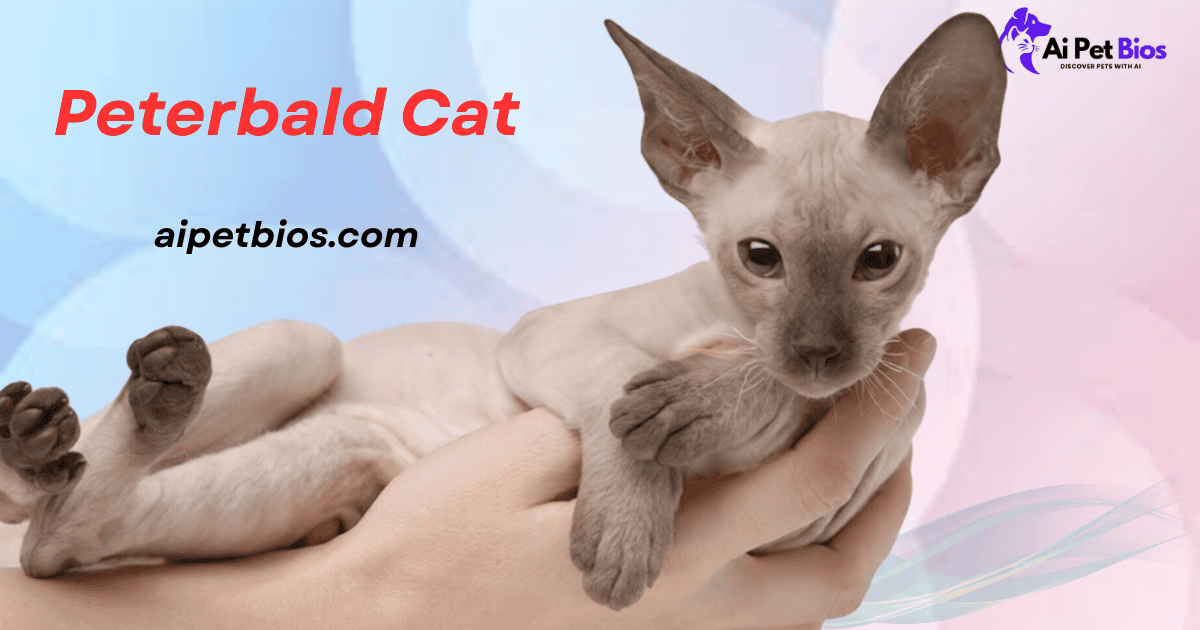
Picture a cat that combines the grace of a ballet dancer with the warmth of a devoted friend, its skin soft like suede or lightly furred, turning heads wherever it goes. The Peterbald cat is this enchanting breed, originating from Russia and cherished worldwide for its striking appearance and loving nature. Whether you’re a beginner pondering Peterbald kittens for sale or an advanced enthusiast seeking a hypoallergenic pet, this guide illuminates everything from history to daily life.
As a hairless or semi-haired marvel, the Peterbald cat offers a unique blend of exotic looks and easy companionship. We’ll delve into its origins, traits, and care, drawing on insights from cat associations and owner experiences. Discover why this breed stands out, including practical advice on costs and finding breeders. By the end, you’ll know if the Peterbald cat is the purr-fect addition to your family.
The rise of the Peterbald cat in modern times reflects humanity’s fascination with creating designer companions—cats that break conventional molds while maintaining the fundamental joy of feline friendship. Unlike mass-produced pet trends, the Peterbald represents thoughtful breeding and cultural innovation from Russia’s thriving cat community.
Quick Facts about Peterbald Cats
| Characteristic | Details |
| Origin | St. Petersburg, Russia (1994) |
| Size | Medium; 8–12 inches tall at shoulder |
| Weight | 6–10 pounds |
| Lifespan | 12–15 years with proper care |
| Coat Types | Hairless, flock, velour, brush, or straight |
| Personality | Affectionate, intelligent, playful, social, devoted |
| Grooming Needs | Low maintenance; weekly skin care |
| Family Suitability | Excellent; great with children and other pets |
| Price Range | $1,700–$3,000 (pedigreed kittens) |
| Hypoallergenic | Yes, due to minimal fur and lower dander production |
| Energy Level | Moderate to high; loves play and interaction |
| Cold Tolerance | Low; requires warmth and protection |
| Best For | Families, apartments, allergy sufferers, active households |
10 Amazing Traits That Make Peterbald Cats Perfect for Loving Owners
If you’re considering welcoming a Peterbald cat into your home, these 10 remarkable traits explain why owners fall head over heels for this extraordinary breed:
- Velcro-Level Devotion – Peterbald cats are famously “velcro cats,” following their owners from room to room, demanding laps, and refusing to let you out of their sight. This constant companionship creates unbreakable bonds that devoted owners cherish.
- Hypoallergenic Qualities – With minimal fur and reduced dander production, Peterbald cats are ideal for allergy sufferers who thought cat ownership was impossible. This trait opens doors for families previously excluded from the joy of feline companionship.
- Exceptional Intelligence – These cats rank among the smartest breeds, solving puzzles, learning tricks like fetch, and responding to commands. Their problem-solving abilities constantly amaze owners with unexpected behaviors and adaptations.
- Graceful, Elegant Appearance – The Peterbald’s slender, muscular frame combined with their unique coat variations creates a visual masterpiece. Whether completely hairless or softly furred, they turn heads wherever they go—genuine conversation starters.
- Dog-Like Loyalty and Personality – Unlike typical aloof cats, Peterbald cats exhibit canine-like devotion, greeting owners at doors, alerting to doorbells, and walking on leashes willingly. They blur the line between cat and dog companionship.
- Excellent with Families and Children – Peterbald cats possess remarkable patience and playfulness with children, making them perfect family pets. They tolerate enthusiastic play without aggression while maintaining gentleness.
- Social and Friendly Nature – They greet strangers warmly, integrate seamlessly into multi-pet households, and become the social hub around which family life organizes. Their friendly disposition eliminates typical cat aloofness.
- Low Shedding and Minimal Grooming Demands – Compared to traditional furry cats, Peterbalds shed minimally while requiring straightforward skin care. This balance offers texture and presence without excessive grooming responsibilities.
- Impressive Lifespan (12–15 Years) – Peterbald cats provide long-term companionship, growing with families through multiple life chapters. Their longevity ensures deep, meaningful relationships spanning decades.
- Adaptability to Various Lifestyles – Whether you’re in an apartment, house, busy household, or quiet home, Peterbald cats adapt remarkably well. Their indoor contentment, moderate energy, and flexible nature suit diverse living situations.
These 10 traits combine to create a breed that genuinely enriches lives in meaningful, lasting ways. For loving owners seeking a unique, affectionate, intelligent companion, the Peterbald cat represents an unmatched choice.
Origin and History: The Russian Innovation
The Peterbald cat emerged in St. Petersburg, Russia, in 1994, the result of innovative and visionary breeding by Olga S. Mironova. She had a compelling goal: create a hairless cat with the elegant, refined lines of an Oriental cat combined with the striking novelty of hairlessness. Her method involved crossing a male Don Sphynx (also known as Donskoy) with a female Oriental Shorthair, carefully selecting for temperament alongside appearance.
The first litter produced kittens with varying coat types, from completely bald to lightly furred, thanks to a dominant hair-loss gene inherited from the Don Sphynx parent. This genetic gift allows Peterbald cats to express themselves in multiple coat variations, giving breeders and owners flexibility in choosing their preferred aesthetic.
Named after the city and its distinctive bald appearance, the breed quickly gained traction among Russian cat enthusiasts and fanciers. The innovation resonated—a brand-new breed born from careful genetic planning and international breeding standards. By 1997, The International Cat Association (TICA) officially recognized the Peterbald cat as an experimental breed, a significant milestone validating the breeding program.
This recognition helped standardize traits like the elongated body, large ears, and graceful build, drawing elegantly from Oriental influences while incorporating the Don Sphynx’s hairlessness.
Globally, the Peterbald cat spread through dedicated cat fanciers and international shows, with early imports to the USA in the late 1990s gaining attention in major cat competitions. Breeders focused on health prioritization over novelty, deliberately avoiding over-breeding to prevent skin issues common in hairless cat breeds.
TICA and the World Cat Federation (WCF) govern standards, emphasizing genetic diversity through strategic outcrosses to Orientals or Siamese cats until 2015, when the breed closed to new outcrosses.
In context, the Peterbald cat represents modern feline engineering at its finest, appealing to those who love the Sphynx cat but seek more variety in coats and a refinement in body structure. Real-world stories from dedicated owners highlight its rise in popularity at international shows, where its graceful movements and elegant presence earn consistent accolades from judges and spectators alike.
Ethical breeding practices, actively promoted by major cat associations, ensure the Peterbald cat remains a healthy, vibrant option for homes across the globe. Today, catteries worldwide continue refining the breed, sharing breeding tips and health information on forums like Catster and breed-specific communities for prospective owners researching their future companion.
Physical Characteristics and Appearance
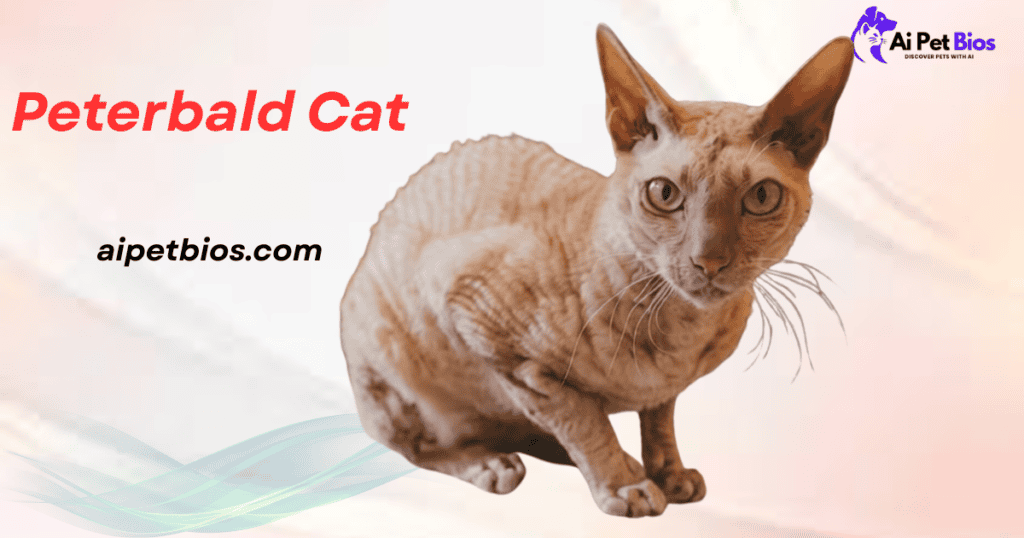
The Peterbald cat captivates with its slender, muscular frame, evoking the grace of an Oriental cat combined with the uniqueness of hairlessness or minimal fur. Medium in size, adults typically stand 8–12 inches tall at the shoulder, with a long, whip-like tail that tapers gracefully to a fine point.
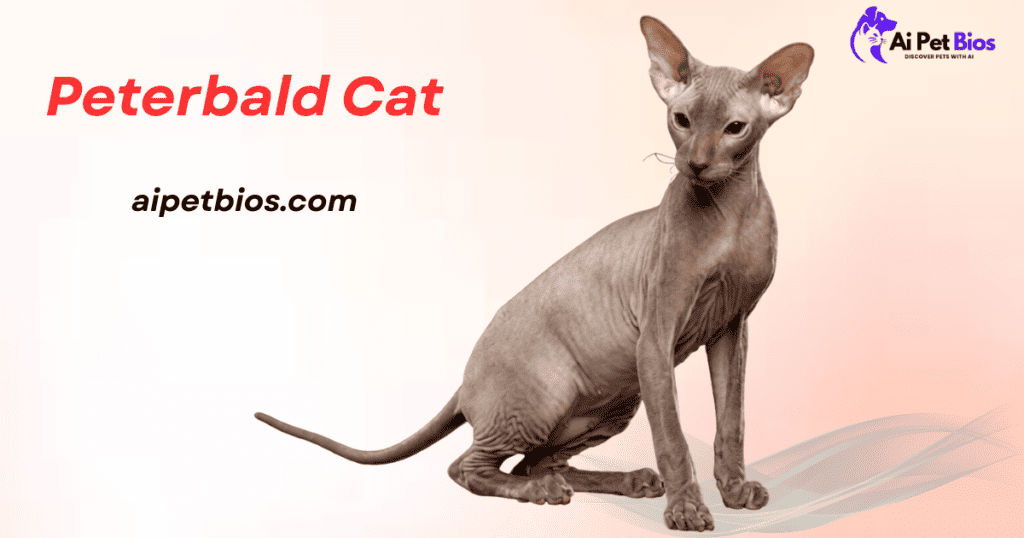
Head features are distinctly elegant: a refined wedge shape with large, bat-like ears set low and wide, almond-shaped eyes that slant slightly upward, and high cheekbones giving an exotic, almost otherworldly expression. The neck is notably long and arched, leading to a lithe body with fine boning yet surprising strength and muscularity. Observers often describe the overall impression as “feline supermodel”—lean, graceful, and undeniably striking.
Coat Variations
Coat variations are a defining hallmark of the breed—Peterbald cats express different coat types beautifully:
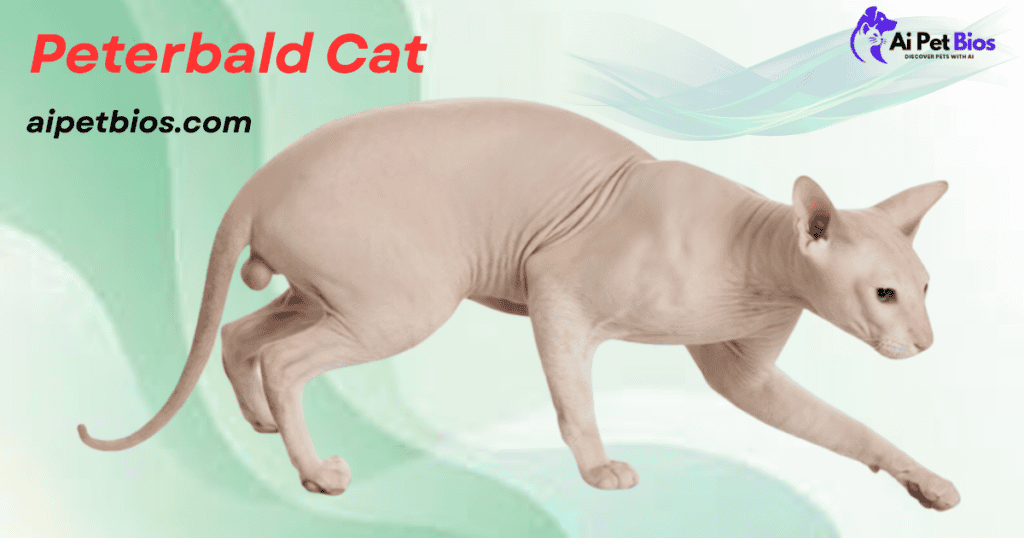
- Hairless (Rubber): Completely bald with soft, warm skin resembling fine suede
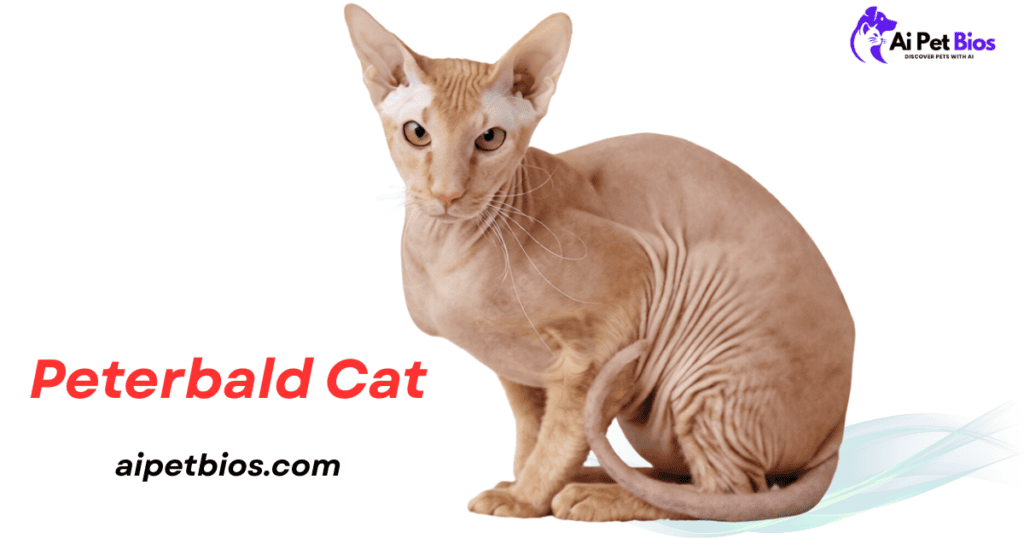
- Flock: Extremely short, velvety fuzz covering the entire body, giving a peach-skin texture
- Velour: Slightly longer, soft fuzz creating a plush appearance and feel
- Brush: Longer, wiry hairs covering the body while maintaining the breed’s elegant lines
- Straight: A full but extremely fine coat of hair, shedding minimally
Even the Peterbald cat with hair versions shed minimally compared to other breeds, appealing strongly to those wanting texture and substance without the grooming demands of traditional furry cats. Colors span all possibilities, including striking black Peterbald cats with glossy skin, creams, tabbies, and color-pointed varieties.
Physical Details
The skin is warm and supple, often wrinkled around the neck, chest, and legs—these wrinkles are natural and add to their distinctive character. Paws are distinctly oval with long, delicate toes, sometimes polydactyl (extra toes) for additional charm. Whiskers may be present or absent depending on individual genetics.
These physical features, per TICA standards, emphasize elegance and health, with disqualifications only for overly coarse builds or signs of genetic defects. Owners consistently note the cat’s velvety touch as addictive, while the variety in coat options allows for personalization—choose the exact aesthetic you prefer.
Peterbald cat size is medium and perfectly proportioned, with weights of 6–10 pounds ensuring they’re agile climbers without being fragile or delicate. In shows, judges prize the balance of Oriental refinement combined with Sphynx boldness, making the Peterbald cat a versatile standout in breed competitions.
Personality and Temperament
The Peterbald cat personality is a winning mix of curiosity, affection, and playfulness, often described as “velcro cats” for their clingy, devoted devotion to their human companions. They thrive on human interaction, following owners around the home, demanding laps during relaxation, and even learning tricks like fetch or responding to names.
Temperament and Social Nature
Are Peterbald cats friendly? Exceptionally so—they greet strangers warmly without typical feline aloofness, get along wonderfully with children, dogs, and other cats, making them ideal family pets. Their social nature means they actively participate in household activities rather than observing from corners. Many owners report their Peterbald cats “help” with tasks, batting at keyboards during work or supervising household chores with apparent oversight responsibility.
Functionally, the Peterbald cat serves as an emotional companion, their intelligence shining in puzzle-solving and adapting to household routines and schedules. Use cases abound: For apartment dwellers, their indoor contentment and low noise suit urban life perfectly; for families with children, their tolerance for play makes them kid-proof and entertaining companions. As therapy cats, their warmth and empathy aid those with anxiety, depression, or emotional challenges.
Do Peterbald cats get lonely? Yes, they distinctly dislike solitude and thrive best when paired with another pet or provided enriching toys if left alone frequently. Extended alone time can lead to destructive behavior or anxiety, so work-from-home situations or multi-pet households suit them ideally.
Real owner stories highlight their “dog-like” loyalty, with anecdotes of cats walking on leashes, alerting to doorbells, greeting returning owners at doors, or sitting attentively during phone calls. Training is remarkably easy with positive reinforcement, capitalizing on their natural intelligence and desire to please. In multi-pet households, they integrate seamlessly, often becoming the social hub around which other pets organize their days.
For seniors, their low-maintenance affection provides genuine comfort without demanding high energy expenditure, making them perfect companions for quieter lifestyles. Overall, their function as loving, engaging partners elevates everyday life, blending selective independence with deep emotional bonds.
Cost and Investment Guide
Initial Purchase Price
Investing in a Peterbald cat reflects its rarity, selective breeding care, and ethical breeding practices. The Peterbald cat price typically ranges from $1,700–$3,000 for pedigreed kittens from reputable, TICA-registered catteries.
In the USA, the Peterbald cat cost averages $2,000–$2,500, including health testing, vaccinations, and registration documentation. How much does a Peterbald cat cost? Pet-quality starts at $1,700, while show-quality specimens command up to $3,000 or more depending on individual characteristics.
Why are Peterbald cats so expensive? Several factors contribute to pricing:
- Selective breeding specifically for coat types and health
- Import costs from Russia or specialty catteries
- Limited litters (typically 3–5 kittens per breeding)
- Genetic testing and health screening
- TICA registration and breeding rights
- Breeder expertise and reputation
Ongoing Expenses
Beyond the initial purchase, budget for regular maintenance:
- Food: $30–$50/month for quality cat food
- Grooming supplies: $10–$20/month (skin care products, gentle shampoos)
- Annual veterinary: $200–$400 (checkups, vaccines, dental)
- Miscellaneous: $50–$100/month (toys, bedding, heating pads)
First-year totals typically reach $500–$1,000 beyond the purchase price, representing a genuine investment in their wellbeing.
Additional Considerations
For local purchases, Peterbald cats for sale near me vary by region—consult TICA listings and breed-specific directories for ethical sources. Adoption via Peterbald cat rescue groups offers more affordable $100–$300 options for those open to adult cats.
Transparent pricing note: Factor in shipping costs ($200–$400) if sourcing from distant catteries, plus potential travel expenses if visiting breeders in person—a practice recommended for assessing breeding conditions and health practices.
Maintenance and Care: Skin and Lifestyle
Skin Care Regimen
Maintaining a Peterbald cat focuses on skin health due to minimal or absent fur. Weekly baths with mild, pH-balanced shampoo remove oil buildup and prevent acne—dry gently afterward to avoid chills. In dry climates, apply hypoallergenic moisturizer daily, and protect from sun with cat-safe sunscreen or lightweight clothing during summer months.
Nutrition and Feeding
Diet significantly impacts skin and overall health. High-protein meals (¼–½ cup kibble daily) from specialized brands like Royal Canin formulated for hairless cats, split into two meals to maintain healthy weight. Hydration matters equally—provide water fountains to encourage consistent drinking, supporting skin moisture from within.
Exercise and Environmental Setup
Exercise: 20–30 minutes of play daily satisfies their curiosity and energy. Wand toys or laser pointers engage hunting instincts effectively. Provide scratching posts and elevated perches for climbing and surveying their domain.
Home setup is critical—maintain warm beds (75–80°F ideal), avoid drafts, and provide safe toys. Nail trims bi-weekly prevent overgrowth. Implementation for new owners includes quarantine periods, gradual introductions to household dynamics, and establishing routines before bringing kittens home.
Seasonal Considerations
Extra warmth during winter through heated beds or blankets; provide cooling solutions during summer like tile floors or cooling mats. Their care is intimate and rewarding, fostering deep bonds through regular grooming and attention rituals.
Peterbald cat hypoallergenic qualities make them suitable for those with allergies, producing less dander than traditional cats, though not 100% allergen-free—test exposure first if allergies are severe.
Health Considerations and Concerns
Concerns about the Peterbald cat often center on skin sensitivity—they’re prone to dryness or sunburn, both manageable with proper lotions and predominantly indoor living. Cold tolerance is low; they seek warmth constantly and require heated spots. Never allow outdoor exposure without supervision and protection.
Health considerations include typical issues in hairless breeds like hypertrophic cardiomyopathy (HCM); genetic testing from responsible breeders mitigates these risks significantly. Common myths persist—”Always bald” (many have fur) and “Fragile” (they’re robust, active players).
How long do Peterbald cats live? Typically 12–15 years with proper care, potentially longer with exceptional genetics and owner dedication.
Always consult veterinarians for health concerns—this guide is informational only, not medical advice.
Comparison with Similar Breeds
The Peterbald vs. Sphynx debate highlights meaningful differences: Peterbalds have coat variations (not always hairless) and a more elegant build from Oriental roots, while Sphynx are consistently hairless and wrinklier with stockier frames.
Difference between Peterbald and Sphynx: Peterbalds can grow varying hair, are slimmer and more refined; Sphynx are perpetually hairless, wrinklier, and more extroverted. Peterbald vs. Sphynx personality: Both are exceptionally affectionate, but Peterbalds tend toward more playful interaction, less neediness.
Comparisons to other breeds:
- Vs. British Shorthair: British are furry, calm-natured; Peterbalds hairless, energetic
- Vs. American Shorthair: Americans are versatile, furry; Peterbalds specialized, highly social
- Vs. Domestic Shorthair: Mixed genetic backgrounds, variable traits; Peterbalds pedigreed, consistent
- Vs. Tabby: This refers to pattern, not breed—Peterbalds represent specific established breed traits
Pet suitability: Peterbalds make excellent pets with long lifespans, friendly personalities, and remarkable intelligence that enriches family life substantially.
Pros and Cons Summary
Advantages
✓ Affectionate and deeply social with family members
✓ Hypoallergenic qualities suit allergy sufferers
✓ Intelligent and highly playful with interactive toys
✓ Unique elegant appearance turning heads
✓ Excellent with families, children, and other pets
✓ Long lifespan (12–15 years)
✓ Low shedding compared to traditional breeds
✓ Adaptable to apartment living
Disadvantages
✗ Requires consistent skin protection and care
✗ Sensitive to cold temperatures
✗ Higher grooming demands for skin maintenance
✗ Limited availability in many regions
✗ Genetic health screening necessary
✗ Cannot tolerate outdoor exposure unsupervised
✗ Higher initial purchase price
✗ Requires warm living environments
Finding Your Peterbald: Breeder Guide and Purchasing
How to Choose a Responsible Breeder
For Peterbald cats for sale, start with TICA-registered catteries—breed directories list ethical sources with documented pedigrees. Responsible breeders prioritize:
- Health testing and genetic screening
- Transparent breeding records
- Willingness to discuss breed standards
- Post-purchase support and guidance
- References from previous buyers
Peterbald kittens for sale range $1,700–$3,000; search Peterbald kittens for sale near me via forums and TICA registries for verified listings.
Regional Pricing in the USA
Peterbald kittens for sale USA average $2,000. Regional variations include:
- Florida: Peterbald kittens for sale Florida: $1,800–$2,500
- Indiana: Peterbald kittens for sale Indiana: $2,000–$2,500
- Texas: Peterbald kittens for sale Texas: $2,000–$2,800
- California: $2,200–$3,000
- New York: $2,300–$3,200
Adoption option: Peterbald cat rescue alternatives offer $100–$500 pricing for adult cats needing homes.
What to Ask Breeders
- What health screening has been performed?
- Can you provide references from previous buyers?
- What are the parents’ genetic backgrounds?
- What is your return policy if issues arise?
- Do you provide lifetime support and guidance?
- What coat type does this kitten express?
- What are the expected adult characteristics?
Is the Peterbald Right for You?
The Peterbald cat suits those seeking an affectionate, low-shed companion in warm homes. If you enjoy grooming rituals and have time for interactive play, their intelligence and devotion delight consistently.
Best for:
- Apartment dwellers: Yes, indoor-loving and quiet
- Families with children: Friendly with all, patient with play
- Those with allergies: Ideal if hypoallergenic qualities needed
- Busy professionals: Tolerate moderate alone time but prefer company
- Multi-pet households: Integrate seamlessly
Reconsider if:
- Living in cold climates without heating control
- Preferring traditional furry cats
- Unable to provide regular skin care
- Traveling frequently without companion coverage
Assess your climate, lifestyle, and commitment honestly for a happy, long-term match.
Frequently Asked Questions
How much does a Peterbald cat cost in the USA?
A Peterbald cat costs $1,700–$3,000 in the USA, varying by coat type, breeder reputation, and individual characteristics. This includes health certifications and registrations; adoption through rescues lowers costs to $100–$500.
What is the difference between a Peterbald and a Sphynx cat?
The main difference is coat expression—Peterbalds have varying hair types (completely hairless to fully furred), slimmer builds from Oriental ancestry; Sphynx are consistently hairless, wrinklier, stockier, and more extroverted in personality.
Are Peterbald cats hypoallergenic?
Yes, Peterbald cats are hypoallergenic due to minimal fur and lower dander production—ideal for allergy sufferers, though skin oils require regular cleaning; they’re not 100% allergen-free, so test exposure first with severe allergies.
How long do Peterbald cats live?
Peterbald cats typically live 12–15 years with proper care—healthy diet, consistent warmth, regular vet visits, and emotional engagement extend lifespan; genetics from robust bloodlines contribute to longevity.
Are Peterbald cats good indoor pets?
Yes, Peterbald cats make excellent indoor pets, thriving in warm homes with regular play—affectionate and adaptable, they prefer human company but handle routines well without outdoor access needs.
What coat type should I choose?
This depends on personal preference and climate. Hairless cats require more skin care; furred varieties offer less maintenance. Consider your lifestyle—busy households might prefer clothed or furred variants, while those enjoying grooming rituals prefer hairless.
Do Peterbald cats require special veterinary care?
Yes, find vets familiar with hairless breeds who understand their specific health considerations, skin care, and environmental needs—discuss breed-specific health screening and preventative care thoroughly.
Conclusion: Your Peterbald Companion Awaits
The Peterbald cat dazzles with elegance and affection, a breed for those craving a unique, loving pet that defies conventional expectations. From varying coats to playful smarts and remarkable devotion, the Peterbald enriches homes worldwide. Research responsibly, connect with reputable breeders, and commit to their specific care needs—the reward is a loving companion like no other.
Explore additional guides on Sphynx cats or Oriental Shorthairs to compare. Consider Peterbald cats for sale through TICA-registered sources. Affiliate suggestion: Stock Chewy for skin care products and heating blankets—start your Peterbald journey today with essentials prepared.
Disclaimer
This article is informational only, not veterinary or breeding advice. Consult veterinary professionals for health decisions and breeding questions. Prices and availability vary by location and time; no endorsements are implied. Always prioritize ethical breeding and animal welfare.
Courtesy: Cat Nation

Want Popular On Google? | Lust Quality Backlinks That Force-fed
I’m an SEO Expert, Guest Posting Specialist, and Web Developer helping websites increase rankings, traffic, and authority using clean, white-hat strategies 🚀
I focus on high-authority guest posts, safe backlinks, SEO-optimized content, and technically sound websites—so your site doesn’t just rank, it stays ranked.
What I help you with:
✅ SEO (On-page, Off-page & Technical)
✅ Guest Posts on Real, Relevant Sites
✅ High-Quality Link Building
✅ Keyword Research & Content Strategy
✅ SEO-Friendly Website Development
📈 No spam. No shortcuts. Only results.
👉 Need backlinks that actually work?
📩 Let’s connect: https://wa.me/+923006932631
1 thought on “Best Peterbald Cat: Tempting 10 Amazing Traits For Loving Owners”
Comments are closed.