
Introduction
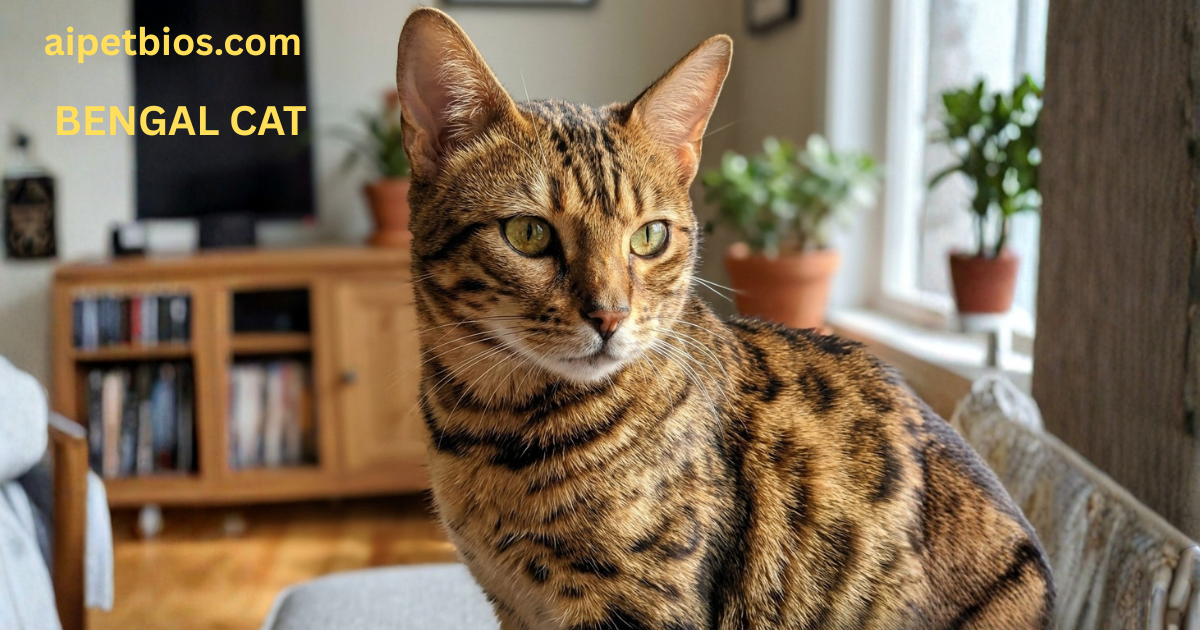
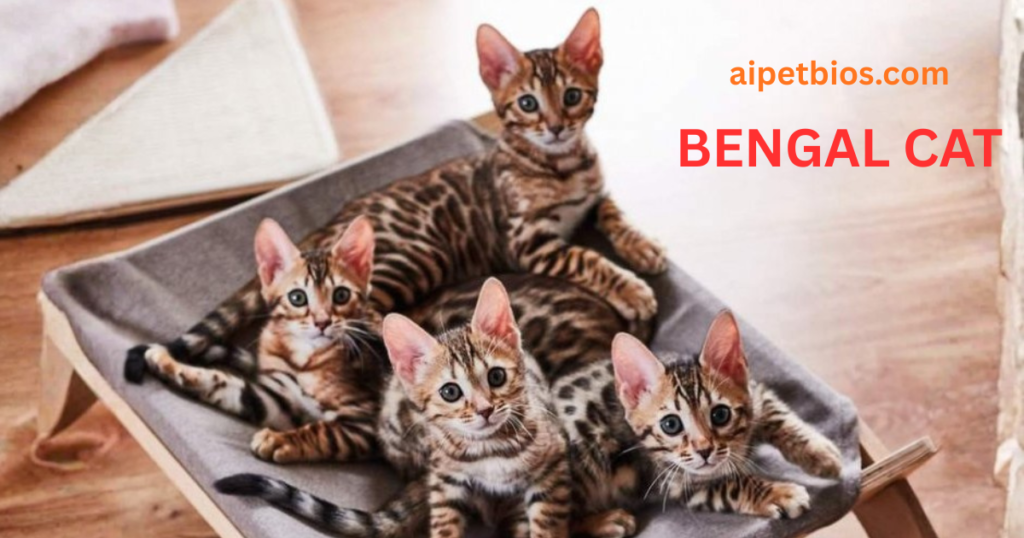
The Bengal cat is a feline like no other—a true masterpiece of selective breeding that brings the breathtaking aesthetics of the jungle into the modern home. Often described as a “living room leopard,” the Bengal cat breed is a sophisticated hybrid cross between the wild Asian Leopard Cat (Prionailurus bengalensis) and domestic shorthairs. This unique heritage results in a feline that possesses the striking, rosette-patterned coat of a jungle dweller but the affectionate, loyal heart of a household companion.
In 2026, the Bengal cat remains one of the most coveted and searched-for breeds globally. However, owning one is a significant lifestyle commitment. Understanding the Bengal cat personality, specialized Bengal cat care requirements, and their impressive Bengal cat lifespan is essential for any prospective owner. Whether you are captivated by their “glitter” coat or their high intelligence, this comprehensive guide dives deep into the world of Bengals to help you decide if this energetic “miniature leopard” is the perfect addition to your family.
Quick Facts Table: The Bengal Cat at a Glance
| Feature | Details |
| Common Name | Bengal Cat |
| Origin | USA (Hybrid cross: Asian Leopard Cat x Domestic) |
| Average Weight | 8 – 15 lbs (Males significantly more muscular) |
| Bengal Cat Lifespan | 12 – 16 years (Up to 20 with premium care) |
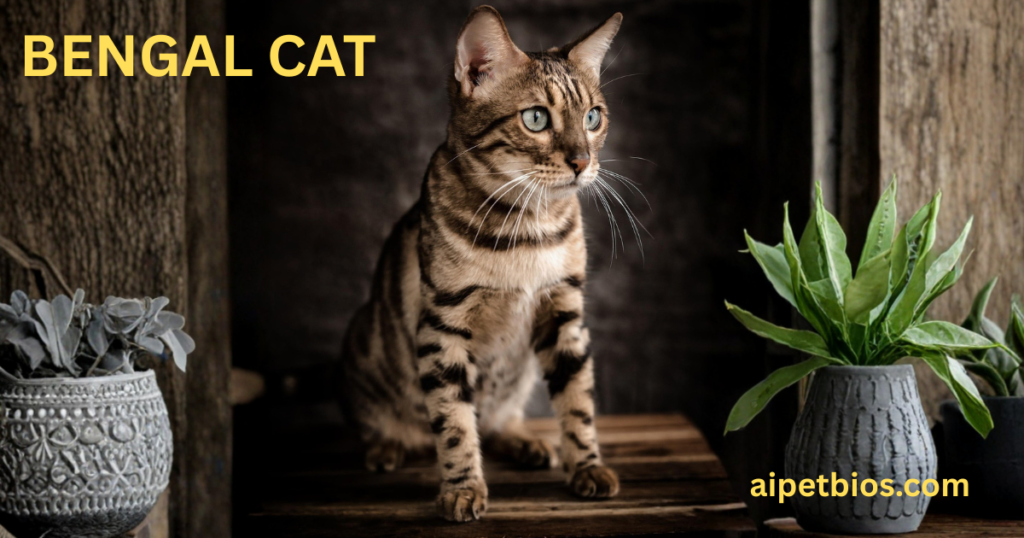
| Coat Type | Short, dense, “pelt-like” with rosettes or marbling |
| Temperament | Highly energetic, “dog-like,” vocal, water-loving |
| Hypoallergenic? | Partially (Produces less Fel d 1 protein) |
| Bengal Cat Price | $1,500 – $5,000+ (USD) depending on lineage |
| Ideal For | Active families, experienced owners, indoor-only living |
Origin & History: From the Jungle to the Sofa
The history of the Bengal cat breed is a fascinating journey of science, conservation, and passion. While sporadic mentions of hybrid wild-domestic cats appeared in the late 1800s, the modern breed owes its existence to Jean Mill in the 1960s. Mill, a breeder in California, was the first to intentionally cross an Asian Leopard Cat with a domestic black tomcat.
Her goal was noble: she believed that if people could own a domestic cat that looked like a leopard, they would be less inclined to support the trade of wild furs. By the 1980s, the breed gained official recognition from The International Cat Association (TICA).
The Generation Gap: F1 to SBT
Today’s domestic Bengals are classified by their “generation” from their wild ancestor:
- F1: First generation (one wild parent). These are rarely kept as pets and often require special state permits. They are closer to wild animals than domestic pets.
- F2 & F3: Second and third generations. These cats still retain significant wild instincts and may be more shy or wary of strangers.
- F4 (SBT): Known as “Stud Book Tradition,” these are at least four generations removed. These are the “standard” Bengals found in homes today—considered fully domestic, safe, and stable for family life.
Physical Characteristics: A Miniature Masterpiece
The first thing anyone notices about a Bengal cat is their coat. Unlike the fur of most cats, a Bengal has a “pelt” that feels like fine silk or rabbit fur.
1. The Glitter Gene
Many Bengals possess a unique trait called the “glitter gene.” This isn’t just a metaphor; the shafts of the hair are actually translucent, making the cat look as though it has been dusted with gold or silver sequins when they walk through sunlight. This “glitter” is a primary reason for the high Bengal cat price.
2. Rosettes and Marbling
The breed features two primary patterns:
- Spotted/Rosetted: The most popular pattern, mimicking a Jaguar. Rosettes can be “arrowhead,” “paw-print,” or “donut” shaped.
- Marbled: A swirling, flowing pattern that looks like liquid marble, often with horizontal streaks that prevent it from looking like a common tabby.
3. Athletic Build and “Wild” Movement
Their bodies are long, muscular, and sleek. They have high hind legs, giving them a powerful “pounce” and a low-slung gait that mimics a stalking wild cat. Their tails are typically thick and low-carried, further emphasizing their jungle-cat appearance.
Bengal Cat Personality & Temperament
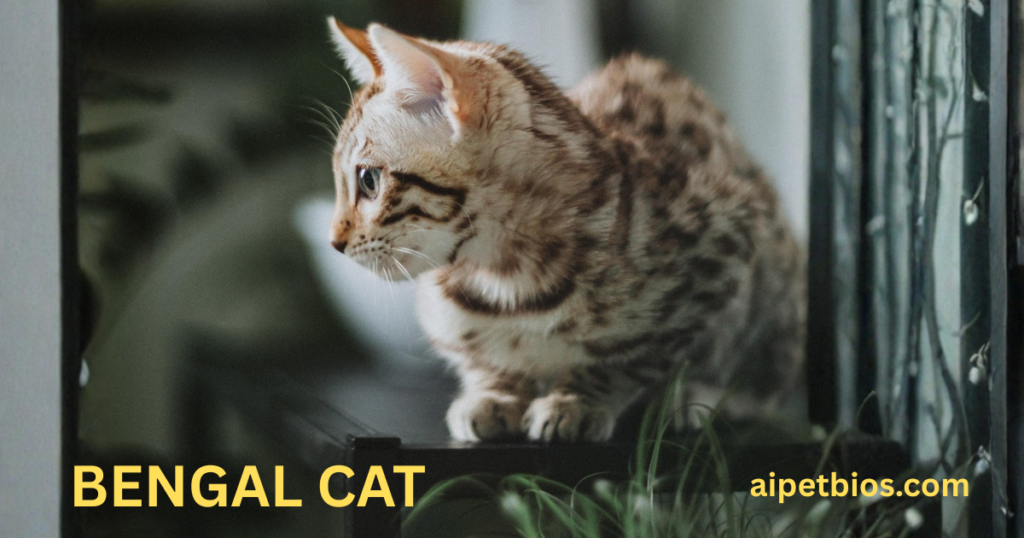
If you are looking for a quiet, sleepy lap cat, the Bengal cat personality might surprise you. These are high-octane felines that demand daily interaction and mental engagement.
Are Bengal Cats Good Pets for Families?
Generally, yes! They are incredibly social and bond deeply with their “tribe.” However, they are not “passive” pets. They want to be involved in everything you do—from watching you cook to following you into the shower. They are excellent with children who know how to play respectfully, as the cat’s high energy matches that of an active child.
Key Behavioral Traits
- The Love for Water: Unlike 99% of cat breeds, Bengals are fascinated by water. It is common for them to jump into a bathtub or “paw” at a running faucet for hours.
- Vocal Communication: They don’t just meow; they talk. Expect a range of chirps, trills, and deep yowls to tell you they are hungry, bored, or simply happy to see you.
- High Intelligence: They are often called the “dogs of the cat world.” They can learn tricks, open doors, turn on light switches, and even be trained to walk on a leash.
Bengal Cat Care and Maintenance
Proper Bengal cat care is about managing both their physical environment and their highly active minds.
1. Vertical Space and Enrichment
Because they are natural climbers, a Bengal needs vertical space. Without tall cat trees or wall-mounted shelves, they will climb your curtains or the top of your kitchen cabinets.
- Mandatory: At least one floor-to-ceiling cat tree.
- Toys: Interactive toys like electronic mice or “feather wands” are essential to prevent boredom-induced mischief.
2. Exercise Requirements
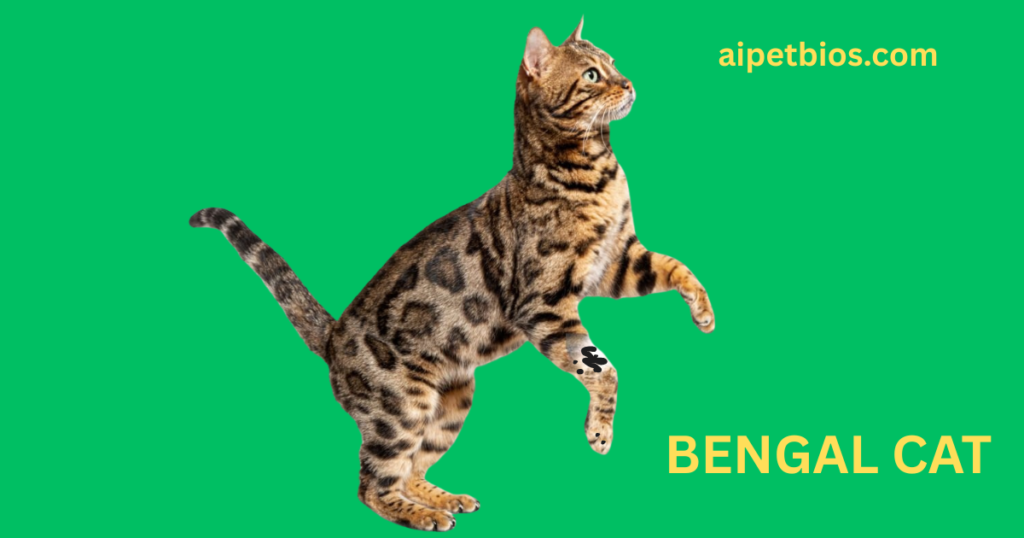
Think of a Bengal as a Border Collie in a cat’s body. They need daily play sessions to burn off energy. Many owners invest in a “cat wheel” (a large treadmill for cats) to help them sprint indoors. Without an outlet for their energy, they may resort to “redecorating” your home.
3. Diet & Feeding Guide
Bengals are obligate carnivores with high metabolic rates. Their diet should be:
- High-Protein: Prioritize foods where real meat (chicken, turkey, or salmon) is the first ingredient.
- Grain-Free: Many Bengals have sensitive stomachs; avoiding fillers like corn, wheat, and soy can prevent digestive issues and “Bengal diarrhea.”
- Hydration: Because of their activity levels, a water fountain is highly recommended to ensure they stay hydrated.
Bengal Cat Grooming: Low Maintenance, High Shine
One of the major “pros” of this breed is that Bengal cat grooming is relatively simple.
- Brushing: Their short, pelt-like coat does not mat easily. A weekly brushing with a soft rubber brush is usually enough to remove dead hair and keep the “glitter” shining.
- Shedding: They are considered “low-shedders.” While no cat is 100% hypoallergenic, the Bengal produces less of the Fel d 1 protein in their saliva, making them a better choice for some allergy sufferers.
- Bathing: While they love water, they rarely need a bath. Only bathe them if they get into something sticky or messy.
- Nail Trimming: Their nails grow fast because of their constant climbing. Trim them every 2 weeks to protect your furniture.
Bengal Cat Lifespan and Health Issues
While the Bengal cat lifespan averages 12 to 16 years, they are genetically predisposed to certain conditions. This makes choosing a reputable breeder who performs DNA testing non-negotiable.
Common Health Problems in Bengal Cats:
- Hypertrophic Cardiomyopathy (HCM): A heart condition where the heart muscle thickens. Regular vet screenings are necessary as this is common in the breed.
- Progressive Retinal Atrophy (PRA-b): A genetic eye disease that can lead to early blindness. Ensure your breeder tests for the “PRA-b” gene.
- Pyruvate Kinase Deficiency (PK-Def): A condition that causes red blood cells to break down, leading to anemia.
- Patellar Luxation: A joint issue where the kneecap slips out of place, often seen in high-jumping athletic breeds.
Bengal Cat Price and Ownership Cost (2026)
Owning a Bengal is a financial commitment. The initial Bengal cat price is just the entry fee.
Initial Costs
- Pet Quality Kitten: $1,500 – $3,000 (standard markings).
- Show/Breeder Quality: $4,000 – $6,000+ (elite rosettes and “glitter”).
- Adoption/Rescue: $150 – $500 (rare, usually requires specialized Bengal rescues).
Annual Ownership Costs
| Expense | Estimated Cost (Annual) |
| Premium High-Protein Food | $700 – $1,000 |
| Veterinary Care/Checkups | $300 – $600 |
| Pet Insurance | $400 – $700 |
| Litter & Supplies | $400 – $500 |
| Total Estimated Annual | $1,800 – $2,800 |
Training & Care Tips: The Secret to a Happy Bengal
To ensure your Bengal cat thrives, follow these expert-level tips:
- Leash Training: Start using a harness at 12 weeks old. Their confident nature makes them excellent “adventure cats” for hikes and park visits.
- Clicker Training: Use high-value treats to teach commands like “sit,” “stay,” or “high-five.”
- Safe “Catio”: If possible, build a screened-in outdoor enclosure. This allows them to watch birds and enjoy the sun without the risks of cars, dogs, or theft.
- The “Two-Cat” Rule: Bengals often do best in pairs. Another high-energy cat (Bengal or Abyssinian) can help keep them entertained while you are at work.
Pros and Cons of Owning a Bengal Cat
Pros:
- Stunning Aesthetics: They are arguably the most beautiful domestic cats in existence.
- Intelligence: More interactive and “dog-like” than almost any other breed.
- Minimal Grooming: Their coat stays healthy and shiny with very little effort.
- Hypoallergenic Qualities: Better for owners with mild cat allergies.
Cons:
- High Energy: They can become destructive or vocal if they are bored.
- Expensive: High initial cost and high ongoing food/medical costs.
- Demand Attention: They are not cats that can be ignored for long periods.
- Potential Health Risks: Prone to heart and eye issues without careful breeding.
Is This Cat Right for You?
The Bengal cat breed is not for the “passive” owner. If you want a cat that will sit quietly on a bookshelf for 20 hours a day, look elsewhere. However, if you want an active, intelligent, and fiercely loyal companion who will join you in the shower, go for walks on a leash, and keep you constantly entertained with their wild antics, the Bengal is unparalleled.
The “Wild Vitality” 7-Day Bengal Kitten Meal Plan
Bengals are prone to sensitive stomachs and require high protein to support their incredible muscle growth. This plan focuses on Rotational Feeding to prevent allergies and keep their high-intelligence minds interested in their food.
Nutritional Goals:
- Protein: 40%–50% (dry matter basis)
- Fat: 18%–22%
- Carbs: <10% (Grain-free)
| Day | Breakfast (Wet Food) | Lunch (Snack/Kibble) | Dinner (Fresh/Raw Topper) |
| Mon | Chicken & Liver Pate | High-protein Grain-free Kibble | Shredded Chicken Breast |
| Tue | Turkey & Duck Shreds | Dehydrated Minnows | Turkey Mince (Vet-approved raw) |
| Wed | Salmon & Whitefish Mousse | High-protein Grain-free Kibble | Poached Whitefish |
| Thu | Rabbit & Lamb Stew | Freeze-dried Chicken Hearts | Small portion of Beef Mince |
| Fri | Chicken & Pumpkin (for digestion) | High-protein Grain-free Kibble | Quail Egg topper |
| Sat | Tuna & Shrimp in Broth | Green-lipped Mussel treats | Sardines in Water (unsalted) |
| Sun | Mixed Game (Venison/Duck) | High-protein Grain-free Kibble | Chicken Thigh (Bone-out) |
Pro-Tip: Always provide a water fountain. Bengals are much more likely to stay hydrated if the water is moving, which protects their kidneys as they age.
Custom Bengal Kitten Training Schedule
Because Bengals are “half-wild,” they need a job to do. If you don’t give them a job, they will choose one (like unrolling all the toilet paper). Use a clicker for the best results.
Week 1: The Foundation (Acclimation & Recall)
- Goal: Establish trust and your “leadership” role.
- Exercise: Name Recognition. Say their name; when they look at you, click and give a treat.
- Activity: 5 minutes of “Target Training.” Teach them to touch their nose to a stick (or your finger) for a reward.
Week 2: Harness & Socialization
- Goal: Prepare for the “Adventure Cat” lifestyle.
- Exercise: Harness Introduction. Let them wear the harness (no leash) during meal times so they associate it with a positive experience.
- Activity: “Sit” command. Use a treat to lure their head up and back until their bottom hits the floor. Click and treat.
Week 3: Leash Walking & Agility
- Goal: Controlled movement and burning energy.
- Exercise: Indoor Leash Walking. Attach the leash and walk around the living room. Let them lead first, then gently guide them.
- Activity: The “Jump” command. Use a wand toy to lead them over a small hurdle or through a hoop.
Week 4: Advanced Tricks & Water Play
- Goal: High-level mental stimulation.
- Exercise: “High-Five” or “Fetch.” Most Bengals naturally love to carry things. Encourage them to bring a crinkle ball back to you.
- Activity: Controlled Water Play. Place a shallow tray of water with floating plastic toys. This builds confidence and satisfies their natural curiosity about water.
Frequently Asked Questions
Q1: Are Bengal cats good with dogs?
Yes! Because of their high energy and confident nature, Bengals usually get along very well with cat-friendly dogs. They often play together and may even “wrestle.”
Q2: How long do Bengal cats live?
The average Bengal cat lifespan is 12–16 years, though some reach 20 years with a grain-free diet and indoor-only living.
Q3: Do they shed a lot?
No. They have a unique “pelt” rather than a traditional coat, which means they shed significantly less than a standard tabby or long-haired breed.
Q4: Why are they so vocal?
Bengals are highly communicative. They use their voices to “hunt” for attention, express hunger, or simply talk back to you when you speak to them.
Conclusion
The Bengal cat is a true marvel of the animal kingdom. By blending the exotic aesthetics of the Asian Leopard Cat with the domesticity of a home companion, they offer a pet ownership experience that is both challenging and incredibly rewarding. From managing Bengal cat health issues to providing the right Bengal cat care, the journey requires dedication—but the reward is a bond with one of the most intelligent and beautiful creatures on Earth.

Want Popular On Google? | Lust Quality Backlinks That Force-fed
I’m an SEO Expert, Guest Posting Specialist, and Web Developer helping websites increase rankings, traffic, and authority using clean, white-hat strategies 🚀
I focus on high-authority guest posts, safe backlinks, SEO-optimized content, and technically sound websites—so your site doesn’t just rank, it stays ranked.
What I help you with:
✅ SEO (On-page, Off-page & Technical)
✅ Guest Posts on Real, Relevant Sites
✅ High-Quality Link Building
✅ Keyword Research & Content Strategy
✅ SEO-Friendly Website Development
📈 No spam. No shortcuts. Only results.
👉 Need backlinks that actually work?
📩 Let’s connect: https://wa.me/+923006932631
”This made my day! There’s truly nothing better than a cat’s purr to help you de-stress after a long day.”
Thank you!