
Introduction
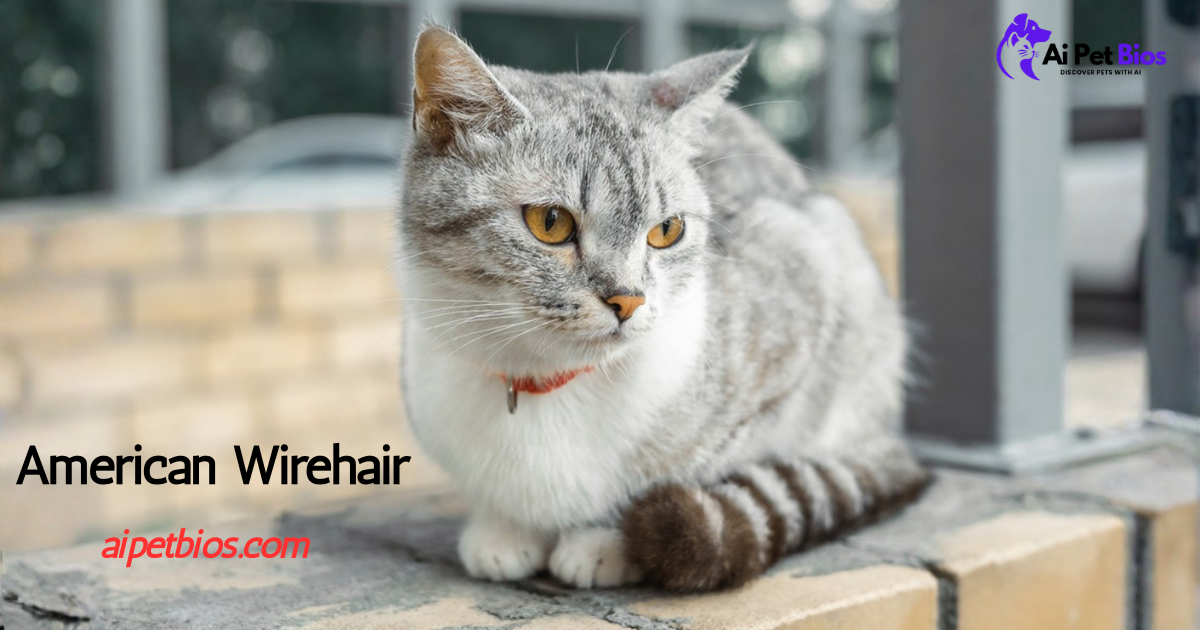
The American Wirehair represents one of the most distinctive and unusual cat breeds in existence, instantly recognizable by its unique crimped, wiry coat that feels completely unlike any other feline. Originating from a spontaneous genetic mutation in 1966, this fascinating breed has captivated cat enthusiasts worldwide with its remarkable appearance and charming temperament.
If you’re considering welcoming an American Wirehair into your home or simply curious about this extraordinary breed, this comprehensive guide covers everything you need to know—from physical characteristics and personality traits to health considerations and practical care tips.
American Wirehair cats stand apart from other breeds due to their distinctive wiry coat texture, medium build, and remarkably adaptable nature. These cats excel as family companions, making them ideal for various living situations and household types.
The 6 Exceptional Traits Every American Wirehair Owner Must Know
Before diving into comprehensive details, here are the six exceptional traits that define American Wirehair cats and what makes them special:
- Unique Wiry Coat Texture – A springy, crimped coat unlike any other cat breed
- Calm & Even-Tempered Personality – Stable dispositions that handle life changes gracefully
- Intelligent & Trainable Nature – Quick learners who respond well to positive reinforcement
- Exceptional Adaptability – Flexible cats that adjust to various living situations easily
- Long Lifespan (14-18 Years) – Robust health genetics ensure years of companionship
- Low-to-Moderate Grooming Needs – Easier maintenance compared to long-haired breeds
Understanding these six traits helps potential owners determine if an American Wirehair fits their lifestyle and expectations.
Quick Facts Table
| Attribute | Details |
| Origin | New York, United States (1966) |
| Size | Medium (8-10 lbs) |
| Lifespan | 14-18 years |
| Coat Type | Wiry, crimped, springy texture |
| Distinctive Feature | Unique crimped coat |
| Temperament | Calm, intelligent, affectionate |
| Activity Level | Moderate |
| Social Nature | Friendly, people-oriented |
| Grooming Needs | Low to moderate |
| Average Cost | $600-$1,200 |
Origin & History of the American Wirehair
The American Wirehair breed emerged through a remarkable and completely unexpected genetic occurrence. In 1966, a domestic cat litter in upstate New York produced one kitten with an unusually crimped, wiry coat. This spontaneous mutation captured the attention of breeders, who recognized the distinctive trait’s potential for developing an entirely new breed.
Unlike many cat breeds developed through centuries of selective breeding, the American Wirehair resulted from a singular, natural genetic event. The distinctive wiry coat appeared as a spontaneous dominant mutation, meaning only one parent needed to carry the gene for offspring to display the trait.
This genetic foundation ensured relatively straightforward breed development and consistent transmission of the signature characteristic.
Breeders began selective breeding to establish breed standards and stabilize the wiry coat trait across generations. The Cat Fanciers’ Association officially recognized the American Wirehair breed in 1967, just one year after its discovery.
This rapid recognition speaks to the breed’s unique appeal and the serious commitment breeders made to developing consistent breed standards.
The development of American Wirehair cats continued through careful selection of breeding cats that demonstrated consistent coat quality, good health, and stable temperament.
Early breeders sometimes outcrossed to domestic shorthairs to introduce genetic diversity while maintaining the distinctive wiry coat. This breeding approach helped prevent genetic bottlenecks and health complications.
Today, American Wirehair cats maintain a relatively small but dedicated breeding population. They remain less common than many other cat breeds, contributing to their special status among feline enthusiasts.
The breed’s authenticity—originating in America through a documented, spontaneous mutation—distinguishes it from imported or ancient breeds.
Physical Characteristics & Distinctive Coat
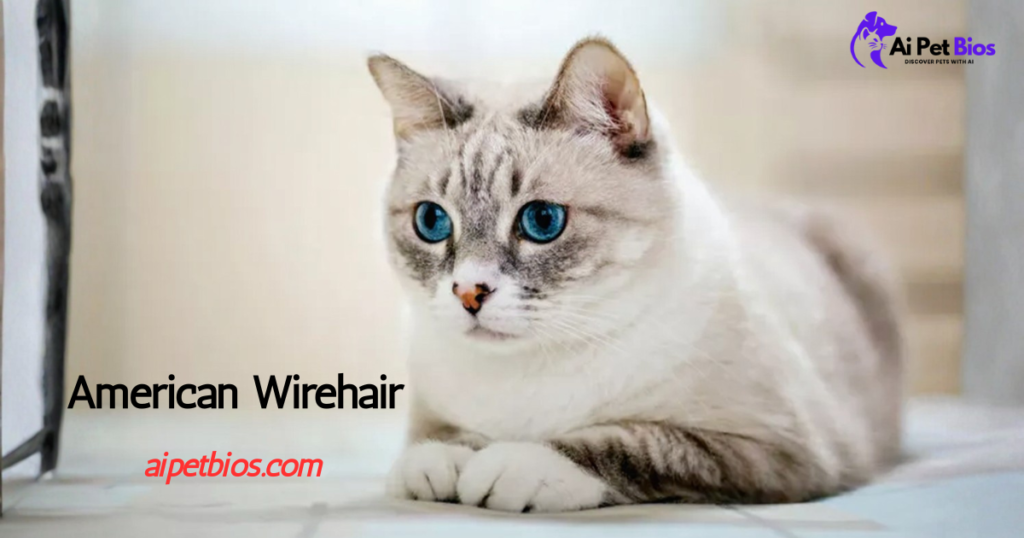
The most remarkable distinguishing feature of the American Wirehair is undoubtedly its extraordinary coat. The hair strands possess a unique crimped, wiry texture that feels springy and unusual to the touch. Each individual hair has a distinctive hook or wave formation, creating a texture completely unlike the smooth fur of typical domestic shorthairs.
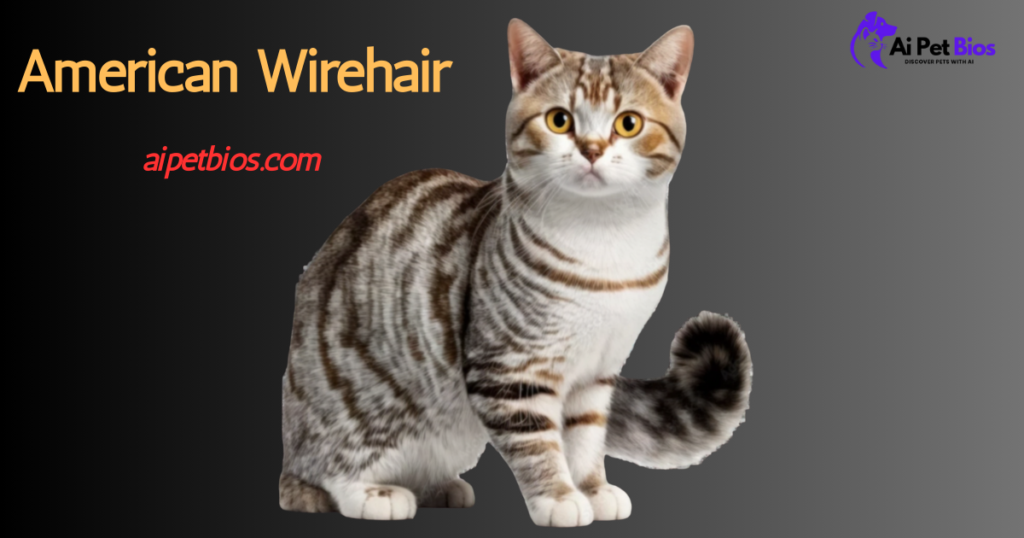
The American Wirehair coat comes in virtually every color and pattern imaginable. Solid colors include black, white, red, cream, and blue. Patterned coats feature tabby markings—classic, mackerel, spotted, or ticked varieties. American Wirehair tabby patterns appear striking against the wiry coat texture, with bold stripes and swirls creating dramatic visual effects.
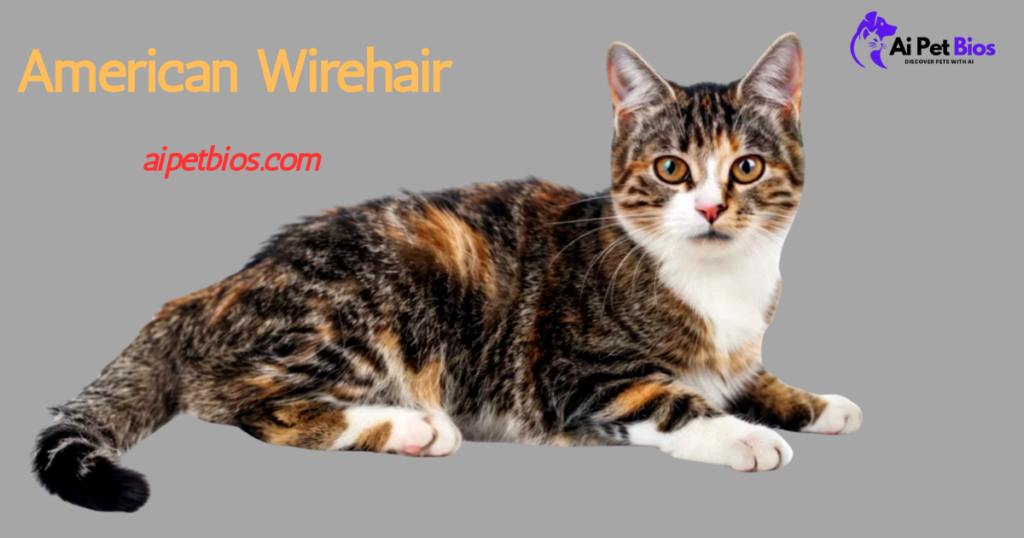
American Wirehair colors extend to calicos, tortoiseshells, and colorpoint patterns as well. The unique coat texture renders these color patterns especially eye-catching.
American Wirehair calico cats display particularly striking three-color combinations against their crimped coat background. Some individuals carry orange coloring—American Wirehair orange cats present warm red tones enhanced by their distinctive coat texture.
Beyond coat characteristics, American Wirehair cats display medium-sized, muscular builds. They typically weigh between 8 and 10 pounds when fully mature. Their bodies reflect strength and athleticism despite their moderate size. The facial structure features large, round eyes that convey alertness and intelligence, complemented by medium-sized ears set well on the head.
American Wirehair vs shorthair comparisons highlight significant differences. While American Wirehair cats possess distinctive crimped coat texture, domestic shorthairs feature smooth, sleek fur.
This fundamental coat difference distinguishes these breeds immediately. American Wirehair vs domestic shorthair cats also differ in breeding history, with American Wirehairs representing a deliberate breed with documented origins while domestic shorthairs represent mixed-background companion cats.
American Wirehair vs American Shorthair cats present another important distinction. American Shorthair cats, despite their similar names, display different body structures, temperament patterns, and breeding histories.
American Wirehair cats maintain their unique wiry coat, while American Shorthairs sport standard smooth coats. These are entirely separate breeds with distinct characteristics.
American Wirehair Kitten Development
Young American Wirehair kitten individuals display the distinctive wiry coat texture from birth. The crimped coat becomes more pronounced as kittens mature, with full coat development occurring by six months of age. American Wirehair kittens display remarkable playfulness and curiosity, requiring substantial environmental enrichment and interactive play.
Proper nutrition during kitten development ensures appropriate growth and skeletal development. American Wirehair kitten feeding should follow veterinary guidelines for growing cats, with three to four meals daily until six months of age. High-quality kitten formula contains appropriate calorie density and essential nutrients supporting rapid growth.
Early socialization proves critical for American Wirehair kittens. Exposure to various people, sounds, and environments during the critical socialization period—roughly three to twelve weeks—establishes confident, well-adjusted adult cats. Handling and gentle play during this period encourage bonding and reduce fearfulness.
Personality & Temperament
American Wirehair cat personality traits make this breed particularly appealing as family companions. These cats display calm, even-tempered dispositions that remain consistent throughout their lives. Unlike some high-strung breeds, American Wirehair cats maintain emotional equilibrium and rarely engage in dramatic mood swings.
American Wirehair personality includes remarkable intelligence combined with affectionate tendencies. These cats actively seek human interaction while respecting their owners’ boundaries. They display genuine interest in family activities without being demanding or overly dependent. This balance makes them excellent companions for various living situations.
American Wirehair cats adapt exceptionally well to different environments, living situations, and routine changes. Whether transitioning to new homes, adjusting to new family members, or adapting to schedule changes, these cats handle transitions with remarkable composure. This adaptability makes them suitable for families with varying lifestyles.
The breed’s hunting instinct remains strong despite their domestication. American Wirehair cats enjoy interactive play that mimics prey behaviors. They respond enthusiastically to toys that move unpredictably, feather wands, and small objects they can pounce on. This natural hunting drive manifests as entertaining play rather than problematic behavior.
Social flexibility characterizes the breed. American Wirehair cats typically warm to visitors and display friendly curiosity toward new people. Many become comfortable interacting with guests, though they maintain individual personalities—some remaining more reserved while others become attention-seekers.
Physical Health & The American Wirehair Lifespan
American Wirehair lifespan typically ranges from 14 to 18 years when properly cared for. This relatively long lifespan reflects the breed’s generally robust health and absence of severe genetic complications. Many American Wirehair cats live well into their late teens with appropriate veterinary care and quality nutrition.
The genetic mutation creating the wiry coat appears to carry minimal negative health consequences. Unlike some inherited traits that compromise health, the American Wirehair coat mutation occurred without introducing serious genetic diseases. This fortunate genetic circumstance contributes to the breed’s overall health stability.
Diet & Feeding Requirements
Proper nutrition forms the foundation of health and longevity for American Wirehair cats. High-quality commercial cat food—whether wet, dry, or a combination—should form the basis of their diet. Look for foods listing real meat as primary ingredients and containing appropriate taurine levels, an essential amino acid for feline health.
American Wirehair cats typically require 200-250 calories daily for adults, though individual needs vary based on age, activity level, and metabolism. Kittens require more caloric intake to support growth, while senior cats may need adjusted portions based on their activity levels and metabolism.
Feeding frequency for adult cats typically involves two meals daily, though some cats thrive on constant access to dry food supplemented with scheduled wet food meals. Kittens benefit from three to four meals daily until six months of age, then transition to adult feeding schedules.
Fresh water availability remains critical for feline health. Some cats prefer running water, making cat fountains an excellent investment. Ensure water bowls stay clean and filled throughout the day, as adequate hydration supports kidney function and overall health.
Certain foods pose risks for cats and should never be offered. Chocolate, onions, garlic, grapes, raisins, and xylitol-containing products are toxic to felines. Additionally, avoid dog food, which lacks necessary feline nutrients. Table scraps should be limited and scrutinized for harmful ingredients.
Regular veterinary check-ups help monitor weight and adjust feeding as needed. Obesity in cats increases risks for diabetes, joint problems, and other serious health conditions. Maintaining appropriate weight through proper nutrition and exercise is essential for optimal health and longevity.
Grooming & Coat Maintenance
The unique American Wirehair coat requires regular grooming to maintain optimal condition. Despite the wiry texture, these cats benefit from brushing two to three times weekly. Regular brushing removes loose hair, prevents matting, and distributes natural oils throughout the coat.
Use soft-bristled brushes or specialized slicker brushes designed for wiry coats. Avoid metal combs that may damage the delicate wiry strands. Gentle brushing sessions prevent matting and allow you to inspect the skin for abnormalities, parasites, or irritation.
Nail trimming should occur every 2-3 weeks. Use cat-specific nail clippers and trim only the clear portion of the nail, avoiding the pink quick that contains blood vessels and nerves. Many cats tolerate nail trimming better when introduced gradually as kittens.
Ear cleaning deserves regular attention. The ear canals should be gently inspected weekly and cleaned using soft, damp cloths or specialized cat ear wipes. Never insert objects deep into the ear canal, as this risks damage to sensitive internal structures. Regular ear inspection helps identify potential infections early.
Dental care remains underappreciated but critical for long-term health. Brush teeth several times weekly using cat-specific toothpaste and soft-bristled brushes. Dental disease affects many cats and can lead to serious systemic health problems if left untreated.
Bath time rarely becomes necessary for indoor American Wirehair cats, as they maintain effective self-grooming habits. However, occasional baths may address excessive shedding during seasonal transitions. Use lukewarm water, cat-specific shampoo, and patience. Most cats adjust more readily to bathing when introduced as kittens.
Eye care involves gentle wiping of any discharge with soft, damp cloths. Some cats naturally produce tear staining appearing as rusty coloration beneath eyes. If excessive tearing occurs, consult your veterinarian to rule out underlying conditions.
Common Health Concerns
American Wirehair cats generally enjoy robust health compared to many purebred cats. The genetic mutation creating their distinctive coat does not appear to carry serious health complications. However, prospective owners should understand potential health considerations that occasionally affect the breed.
Hip dysplasia, though more commonly associated with dogs, occasionally affects cats. This joint condition causes discomfort and may lead to mobility issues as cats age. Maintaining appropriate weight through proper nutrition and exercise helps reduce joint stress and discomfort.
Polycystic kidney disease (PKD) occurs in some cat breeds. This inherited condition affects kidney function and can lead to progressive kidney failure. Responsible breeders test breeding cats using ultrasound to ensure they don’t carry PKD mutations. Inquire about PKD screening when selecting a kitten from a breeder.
Hypertrophic cardiomyopathy (HCM), a heart condition, occasionally affects some cat breeds. This condition involves thickening of heart muscle walls and may lead to heart failure. Ask breeders about HCM screening and health testing when considering a kitten.
Progressive retinal atrophy (PRA) represents another inherited eye condition occasionally found in cat breeds. This progressive condition leads to vision deterioration over time. Genetic testing helps identify carriers and affected cats. Ask breeders about eye health screening.
Regular veterinary check-ups, appropriate vaccinations, and preventative care significantly reduce disease risks. Discuss any breed-specific health concerns with your veterinarian and selected breeder. Request health certificates and screening results from reputable breeders.
Training & Care Tips
American Wirehair cats respond well to training due to their intelligence and desire to interact with humans. Begin training early using positive reinforcement methods including treats, praise, and play. Short training sessions of 5-10 minutes work better than lengthy sessions, as cats have limited attention spans.
Litter box training comes naturally to most cats, though providing multiple boxes helps prevent issues. The general rule suggests one more box than the number of cats in your household. Place boxes in quiet, accessible locations away from food and water bowls.
Scratching posts and cat trees provide essential outlets for natural scratching and climbing behaviors. Multiple posts throughout the home redirect scratching away from furniture. Some cats prefer vertical spaces while others enjoy horizontal scratching surfaces. Observation helps determine individual preferences.
Interactive play sessions should occur multiple times daily. Toys that mimic prey movements—like feather wands, laser pointers, and small interactive toys—engage their hunting instincts effectively. Rotate toys regularly to maintain interest and prevent boredom. A 15-minute play session twice daily helps maintain appropriate activity levels and weight.
Environmental enrichment prevents behavioral problems and mental stagnation. Window perches allow bird watching, puzzle feeders stimulate problem-solving, and cardboard boxes provide entertainment and stress relief. The more engaging you make their environment, the happier and more well-adjusted they become.
Establish consistent routines for feeding, play, grooming, and interaction. Cats thrive with predictability, and consistent routines reduce anxiety while strengthening human-feline bonds.
Pros and Cons:
Advantages of American Wirehair Cats:
American Wirehair cats excel as family pets for multiple reasons. Their calm, even-tempered nature makes them excellent companions for families with children and other pets. They adapt well to various living situations, from apartments to houses, making them flexible companions.
Intelligence and trainability allow for enriching relationships and interactive play. Their moderate activity levels keep households engaging without being exhaustingly demanding.
The breed’s unique appearance serves as a conversation starter, and their distinctive coat makes them instantly recognizable. For those seeking an uncommon, distinctive companion, American Wirehair cats deliver remarkable aesthetic appeal. Their generally good health compared to some exotic breeds reduces long-term medical expenses.
The breed’s calm temperament and adaptability make them excellent choices for first-time cat owners. Unlike some high-strung breeds, American Wirehairs remain stable and forgiving of learning curves.
Disadvantages of American Wirehair Cats:
The primary drawback involves cost. American Wirehair kittens command premium prices, typically ranging from $600 to $1,200 from reputable breeders. This investment may exceed budgets for casual cat seekers.
Grooming demands, while less intensive than long-haired breeds, still require consistent commitment. Regular brushing and nail trimming represent ongoing responsibilities. The distinctive coat requires specialized grooming supplies and techniques.
Their moderate activity levels mean they require regular play and environmental enrichment to prevent boredom. Cats left alone for extended periods may develop behavioral issues. They’re not ideal for people with extremely busy schedules or frequent travel.
Finding reputable breeders can prove challenging due to the breed’s relative rarity. Prospective owners may need to travel or wait for available kittens, requiring patience and planning.
Is an American Wirehair Right for You?
Consider adopting an American Wirehair cat if you value calm, intelligent companions and can commit to regular grooming and playtime. These cats excel in homes where people spend considerable time, such as work-from-home situations or households with regular presence.
If you appreciate unique aesthetics and want a distinctive companion, American Wirehair cats deliver memorably.
American Wirehair cats suit families seeking a stable, adaptable pet that handles changes well. Their calm temperament makes them excellent choices for multi-pet households and families with children of various ages.
Conversely, if your lifestyle involves long work hours, frequent travel, or minimal home time, American Wirehair cats may not fit your situation. Those on tight budgets should explore rescue options, as adoption costs significantly less than purchasing from breeders.
If grooming seems burdensome, these cats require less maintenance than long-haired varieties but more than completely low-maintenance breeds.
Frequently Asked Questions
Q1: How can you tell if a cat is an American Wirehair?
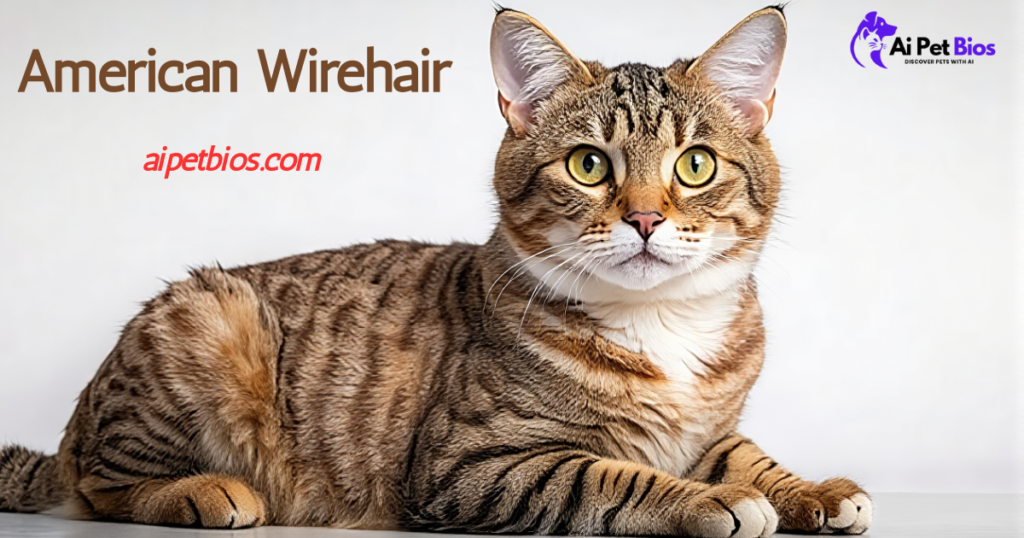
The most obvious identifying feature is the distinctive crimped, wiry coat texture. American Wirehair cats display springy, hook-shaped individual hairs that feel completely unlike smooth domestic cat fur.
When you stroke an American Wirehair, the coat feels wiry and slightly rough rather than soft and silky. Beyond coat texture, these cats display medium builds, large round eyes, and alert expressions. If in doubt, consult breed standards or ask a veterinarian familiar with the breed.
Q2: Are American Wirehair cats rare?
Yes, American Wirehair cats remain relatively rare compared to mainstream breeds like domestic shorthairs or Persians. Their recent establishment as a breed (1966) and small breeding population keep numbers limited. This rarity contributes to their premium pricing and special status among feline enthusiasts.
The rarity also means fewer rescue options, though some breed-specific rescue organizations exist. Many people have never encountered an American Wirehair, making them distinctive choices for those seeking uncommon companions.
Q3: How much does an American Wirehair cat cost?
American Wirehair kittens from reputable breeders typically cost $600 to $1,200, with show-quality individuals commanding higher prices. Factors affecting cost include bloodline, parentage health screening, coat quality, and breeder reputation.
Adoption through rescue organizations costs considerably less, usually $50-$200. Long-term ownership costs include food, veterinary care, grooming supplies, toys, and other necessities. Initial investment in the cat itself represents only a portion of lifetime ownership costs.
Q4: Why are they called American Wirehair?
The breed takes its name from two primary characteristics. “American” references their origin in the United States, specifically New York. “Wirehair” describes the distinctive wiry, crimped texture of their coat—the breed’s defining physical characteristic.
This descriptive naming convention clearly communicates both origin and primary distinguishing feature. The name accurately reflects what makes this breed unique and memorable.
Q5: What is the difference between American Wirehair and American Shorthair cats?
Despite their similar names, American Wirehair and American Shorthair cats are entirely separate breeds with distinct characteristics. American Wirehair cats display distinctive crimped, wiry coats, while American Shorthair cats feature smooth, standard fur.
American Shorthair cats possess different body structures, with longer, more athletic builds compared to American Wirehairs’ more compact frames. The breeds also differ in temperament, with American Shorthairs typically displaying more independent personalities compared to American Wirehairs’ people-oriented nature.
Breeding history differs significantly—American Shorthairs developed from domestic cats while American Wirehairs resulted from a specific genetic mutation.
Conclusion
The American Wirehair represents a remarkable modern breed that combines striking aesthetics with genuinely engaging personalities. From their distinctive wiry coat texture to their calm, affectionate temperaments, these cats offer something special to the right families and individuals. Understanding their care requirements, grooming needs, and personality traits ensures compatibility with your lifestyle.
Before bringing an American Wirehair into your home, carefully consider whether your situation aligns with their needs for interaction, enrichment, and dedicated care. Research reputable breeders thoroughly, ask about health screening and genetic testing, and don’t hesitate to request references or visit facilities. If adoption appeals to you, explore breed-specific rescue organizations that sometimes have American Wirehair cats available.
The investment in an American Wirehair cat—both financial and emotional—yields rich rewards through years of companionship with an intelligent, adaptable, and distinctive feline. These cats make lasting impressions on families fortunate enough to welcome them into their homes.
Disclaimer: This article provides informational content about American Wirehair cats and is not a substitute for professional veterinary advice. Always consult with qualified veterinarians regarding health concerns, medical treatment, or breeding decisions. Individual cats may vary significantly in personality and health. Responsible ownership requires commitment to proper nutrition, veterinary care, and environmental enrichment.

Want Popular On Google? | Lust Quality Backlinks That Force-fed
I’m an SEO Expert, Guest Posting Specialist, and Web Developer helping websites increase rankings, traffic, and authority using clean, white-hat strategies 🚀
I focus on high-authority guest posts, safe backlinks, SEO-optimized content, and technically sound websites—so your site doesn’t just rank, it stays ranked.
What I help you with:
✅ SEO (On-page, Off-page & Technical)
✅ Guest Posts on Real, Relevant Sites
✅ High-Quality Link Building
✅ Keyword Research & Content Strategy
✅ SEO-Friendly Website Development
📈 No spam. No shortcuts. Only results.
👉 Need backlinks that actually work?
📩 Let’s connect: https://wa.me/+923006932631
2 thoughts on “American Wirehair Cats: 6 New Informative Traits| Smash”