
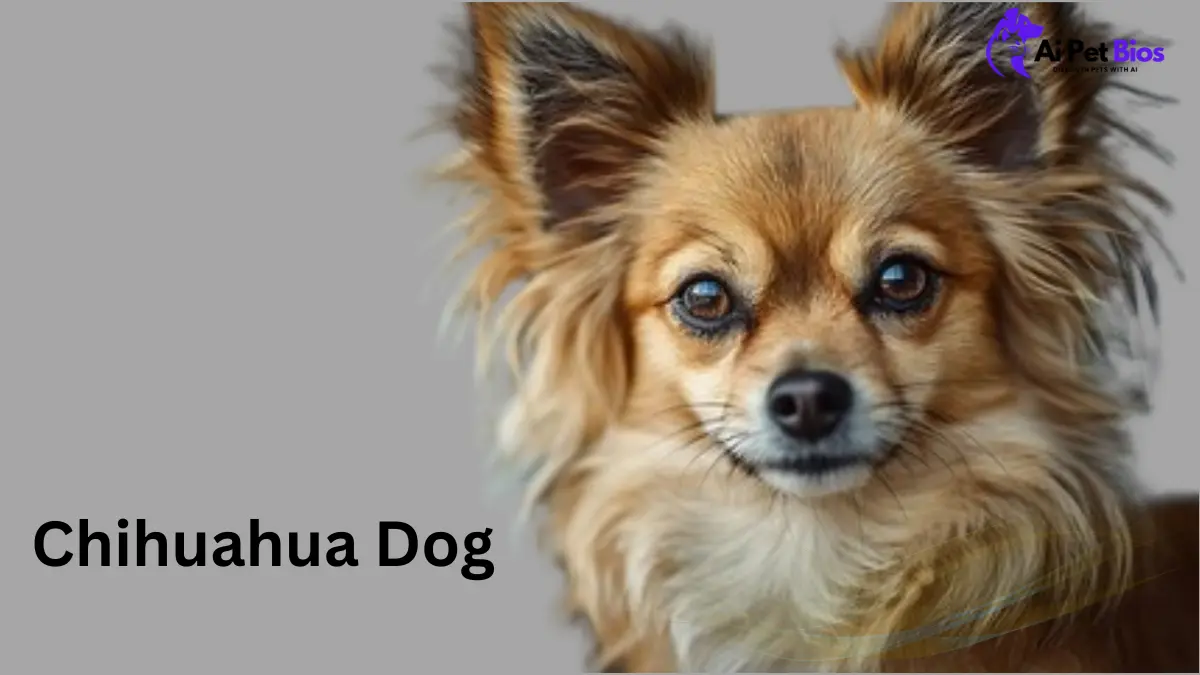
What Is a Chihuahua?
Meet the world’s smallest dog breed with the personality of a giant. The Chihuahua carries themselves with confidence, alertness, and an almost comical sense of self-importance. Despite their tiny frame—often weighing less than a bag of sugar—they are fiercely loyal, surprisingly brave, and deeply devoted to their chosen humans.
A Chihuahua is a tiny toy breed originating in Mexico, known for their apple-shaped head, large expressive eyes, and bat-like ears. Despite their small size, they are confident, alert, and deeply loyal. The AKC ranks them #34 in popularity, making them one of the most recognized small breeds worldwide, with an average lifespan of 14–16 years.
7 Reasons to Love Your Chihuahua
Still wondering if a Chihuahua is right for you? Here are seven reasons why millions of owners worldwide call this tiny breed their perfect companion.
Reason #1: They Have a Giant Personality in a Tiny Body
Chihuahuas pack the confidence and charisma of a Great Dane into a three-pound frame. They strut into any room as if they own it, greet strangers with dignified suspicion, and command attention without apology. Their larger-than-life personality makes every day entertaining.
Reason #2: They Are Fiercely Loyal to Their Chosen Human
Once a Chihuahua bonds with you, you have a shadow for life. They will follow you from room to room, sleep pressed against your side, and greet you at the door as if you’ve been gone for years. This devotion transforms a pet into a genuine soulmate.
Reason #3: They Are One of the Longest-Living Dog Breeds
With an average lifespan of 14–16 years (and many reaching 18–20), Chihuahuas offer over a decade of companionship. Unlike giant breeds that age quickly, your Chihuahua will be your loyal friend through multiple life stages—from career changes to raising children to retirement.
Reason #4: They Are the Ultimate Portable Companion
Weighing just 3–6 pounds and standing 5–8 inches tall, Chihuahuas fit in a carrier, a shoulder bag, or even a large purse. They are airline-approved for cabins, welcome in pet-friendly hotels, and small enough to accompany you almost anywhere.
Reason #5: They Are Naturally Low-Maintenance Groomers
Smooth-coat Chihuahuas need only weekly brushing and occasional baths. No professional grooming required. Even long-coat varieties need less maintenance than most breeds. Their small size means less hair, less mess, and less time spent on coat care.
Reason #6: They Thrive in Any Living Space
Apartment? Tiny house? Suburban home with a yard? The Chihuahua adapts to any space. Their moderate exercise needs (30–45 minutes daily) mean they don’t require acres of land. They are perfectly content playing indoor fetch or snuggling on the couch after a short walk.
Reason #7: They Will Protect You Like a Dog Ten Times Their Size
Chihuahuas are natural alarm systems. Their acute hearing catches sounds you miss, and their surprisingly deep bark alerts you to visitors, deliveries, or anything unusual. They may be small, but their protective instinct is genuine. You will always know when someone is at your door.
Quick Facts Table
| Attribute | Details |
| Origin | Mexico (Chihuahua state), 19th century |
| AKC Classification | Toy Group — Recognized 1904 |
| Size | 3–6 lbs (standard), up to 12 lbs (allowable) |
| Height | 5–8 inches at shoulder |
| Lifespan | 14–16 years (up to 20 with excellent care) |
| Coat Type | Smooth (short) or Long (soft, flowing) |
| Colors | Any color — fawn, black, white, chocolate, cream, merle |
| Temperament | Loyal, alert, lively, devoted, confident |
| Energy Level | Moderate |
| Best For | Singles, seniors, apartments, first-time owners |
| AKC Popularity | #34 Overall |
Want to read more about dogs? read this blog : Boxer Dog

Origin & History
Original Purpose & Heritage
The Chihuahua traces its roots to ancient Mexico, descending from the Techichi—a small, mute dog kept by the Toltec civilization as early as the 9th century. These dogs were believed to guide souls through the underworld and were often buried with their owners. The modern Chihuahua was developed in the Mexican state of Chihuahua during the 19th century.
Breed Evolution & Modern Development
American travelers visiting Mexico brought the tiny dogs back to the United States in the late 1800s. The breed captivated audiences with their size, personality, and devotion. The American Kennel Club officially recognized the Chihuahua in 1904. Two coat varieties emerged: Smooth Coat (short, glossy) and Long Coat (soft, flowing with feathering).
Modern Role & Popularity
Today, the Chihuahua is primarily a companion dog, thriving in urban apartments and quiet homes alike. Their small size, long lifespan, and portable nature have made them a favorite among city dwellers, seniors, and first-time owners. However, their bold personality and protective instincts require consistent training and socialization.
Physical Traits: Appearance, Size & Coat
Height & Weight Standards
| Aspect | Standard |
| Weight | 3–6 lbs (ideal); up to 12 lbs (allowable) |
| Height | 5–8 inches at shoulder |
| Build | Compact, slightly longer than tall, well-balanced |
| Shedding Level | Smooth: Low-Moderate |
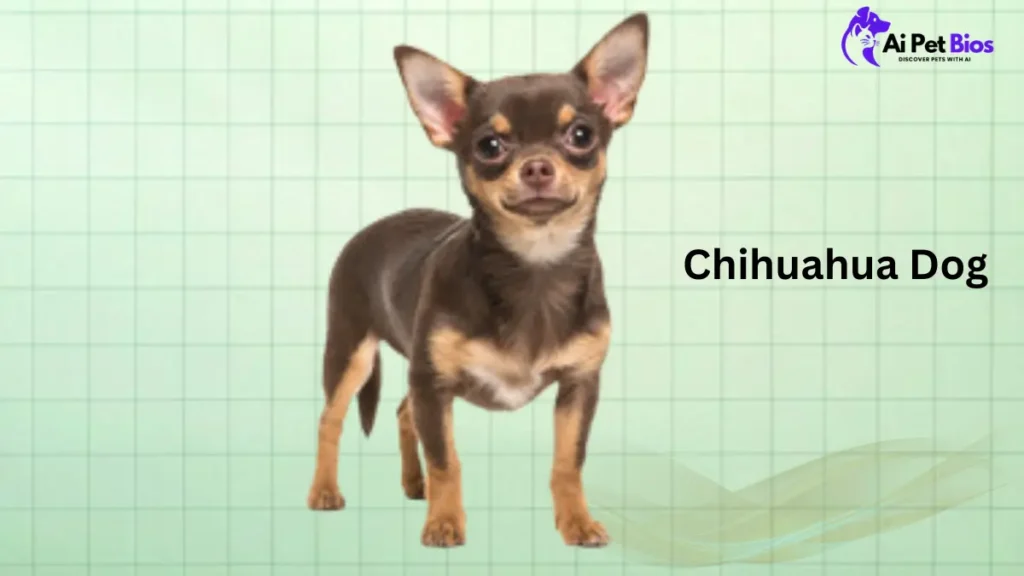
The Chihuahua is defined by their apple-shaped head (round, with a short muzzle meeting at a 90-degree angle), large, expressive eyes, and signature bat-like ears that stand erect when alert. Some Chihuahuas have a “deer head” shape (longer muzzle, less pronounced forehead)—acceptable in companionship but not preferred in show rings.
Coat Variations & Colors
| Coat Type | Description | Grooming Need |
| Smooth Coat | Short, glossy, close-lying | Minimal — weekly brushing |
| Long Coat | Soft, flat or slightly curly, feathering on ears/tail | Moderate — brushing 2–3x weekly |
| Color | Description | Rarity |
| Fawn | Light tan to deep golden | Most common |
| Black & Tan | Black with tan markings on face/legs | Common |
| White | Pure white, no markings | Common |
| Chocolate | Rich brown, often with lighter eyes | Moderate |
| Merle | Marbled pattern of dark on light | Less common (controversial) |
Personality & Temperament
The Chihuahua has been described as “tiny but mighty.” They pack the personality of a much larger dog into a three-pound frame. Their loyalty to their chosen person is legendary—they will follow you from room to room, sleep pressed against you, and alert you to any perceived threat. This devotion can tip into over-protectiveness without proper socialization.
| Trait | Rating (1–5) | Description |
| Affection with Family | 5/5 | Deeply devoted; bonds intensely with one person |
| Good with Children | 2/5 | Better with older, gentle children; can be snappy with toddlers |
| Good with Other Dogs | 2/5 | Often prefers human company; can be fearful or reactive |
| Good with Strangers | 2/5 | Naturally suspicious; warms slowly with calm introductions |
| Intelligence | 4/5 | Smart but independent; ranked #25 in obedience—by choice |
| Energy Level | 3/5 | Moderate — needs 30–45 minutes of daily activity |
| Barking Level | 4/5 | Very vocal; alerts to sounds, people, or boredom |
| Independence | 3/5 | Balanced — bonded but capable of alone time with training |
Unique Behavioral Traits:
- Trembling — Common in Chihuahuas, caused by excitement, cold, or anxiety. Not necessarily fear; they simply run hot metabolically.
- Burrowing — Instinct to nest under blankets for warmth and security. Provide soft beds and blankets.
- Sun-seeking — They love warmth and will find sunny spots indoors or out.

Health: Common Issues, Lifespan & Prevention
The Chihuahua enjoys one of the longest lifespans in the canine world—14–16 years, with many reaching 18–20 years. However, their tiny size creates specific vulnerabilities.
| Condition | Prevalence | Symptoms | Prevention |
| Patellar Luxation | High (~20%) | Skipping, hopping gait, hind leg extension | Weight management; avoid jumping |
| Dental Disease | Very High (90%+ by age 3) | Bad breath, loose teeth, gum bleeding | Daily brushing; annual dental cleanings |
| Hydrocephalus (Open Fontanel) | Moderate | Dome-shaped head, seizures, uncoordinated gait | Responsible breeding; soft head protection |
| Collapsed Trachea | Moderate | Honking cough, exercise intolerance | Harness over collar; weight management |
| Hypoglycemia (Puppies) | High in young pups | Weakness, lethargy, seizures | Small frequent meals; monitoring |
| Heart Disease (Mitral Valve) | High in seniors | Coughing, fainting, exercise intolerance | Annual cardiac screening; medication |
Recommended Health Screenings (AKC/OFA)
- Patellar Luxation Evaluation
- Cardiac Evaluation (OFA) — especially important for seniors
- Dental Assessment (annual)
- Ophthalmologist Evaluation (CAER — every 2–3 years)
Open Fontanel: What Owners Must Know
Many Chihuahuas are born with a soft spot (molera) on top of their skull where the bones haven’t fully fused. This is normal in the breed but requires protection from head trauma. Never allow rough play with larger dogs or children who might drop the dog.
Grooming & Care: Complete Maintenance Guide
Chihuahuas are relatively low-maintenance compared to long-coated breeds. However, dental care is non-negotiable—dental disease is the #1 health issue affecting their quality of life.
| Task | Frequency | Tools | Notes |
| Brushing | 2–3x weekly | Rubber curry (smooth); pin brush (long) | Reduces shedding; coat health |
| Bathing | Every 4–6 weeks | Gentle puppy shampoo | Avoid chilling; dry thoroughly |
| Ear Cleaning | Weekly | Vet-approved cleaner, cotton balls | Watch for redness or discharge |
| Nail Trimming | Every 2–3 weeks | Small dog nail clippers | Tiny nails grow quickly; affects gait |
| Dental Brushing | Daily | Small toothbrush, enzymatic paste | CRITICAL — prevents tooth loss |
| Anal Glands | As needed (if scooting) | Professional expression | Small breeds prone to impaction |
Cold Weather Care
Chihuahuas have low body fat and thin coats. In temperatures below 50°F (10°C), they need sweaters or jackets for walks. Limit outdoor time in cold weather. Provide heated beds or blankets indoors.
Exercise & Activity Needs
Despite their size, Chihuahuas need 30–45 minutes of daily activity. Two short walks (15–20 minutes each) plus indoor play typically meet their needs. They tire quickly but recover fast—short bursts of activity work better than long outings.
| Life Stage | Daily Exercise | Activity Type | Notes |
| Puppy (0–12 mo) | 15–20 min (split) | Gentle play, short walks | Protect open fontanel; no jumping |
| Adult (1–7 yrs) | 30–45 minutes | Leash walks, fetch, indoor games | Mental stimulation equally important |
| Senior (7+ yrs) | 20–30 minutes | Leisurely walks, gentle play | Watch for joint stiffness; warm up slowly |
Safety Note: Always use a harness, not a collar. Collars can collapse the trachea or put pressure on the neck. A well-fitted harness protects their delicate throat.
Diet: Nutrition, Feeding & Weight Management
Chihuahuas have fast metabolisms and small stomachs. They need high-quality, calorie-dense nutrition in small, frequent portions to prevent hypoglycemia (low blood sugar), especially as puppies.
| Life Stage | Meals/Day | Daily Calories | Portion Size |
| Puppy (2–6 mo) | 4 | 150–250 kcal | 1/4–1/3 cup total |
| Puppy (6–12 mo) | 3 | 200–300 kcal | 1/3–1/2 cup total |
| Adult (1–7 yrs) | 2 | 250–350 kcal | 1/3–2/3 cup total |
| Senior (7+ yrs) | 2 | 200–300 kcal | 1/4–1/2 cup total |
Critical Nutrition Notes
- Hypoglycemia prevention: Never skip meals. Keep honey or corn syrup on hand for puppies showing weakness.
- Obesity risk: Extra pounds are devastating on tiny joints. Measure every meal.
- Dental diet: Use kibble size appropriate for tiny mouths. Dental chews must be small breed-specific.
Foods to avoid: Chocolate, grapes, raisins, onions, garlic, xylitol, macadamia nuts, avocado.
Training & Behavior
Chihuahuas are intelligent but independent. They rank #25 in Stanley Coren’s intelligence rankings—capable learners who decide when to comply. Housetraining is often the biggest challenge due to tiny bladders and stubborn streaks.
| Age | Focus | Key Skills | Duration |
| 8–12 weeks | Foundation & bonding | Name recognition, crate training, gentle handling | 4 weeks |
| 12–16 weeks | Housetraining & basics | Potty training, sit, come | 4–8 weeks |
| 4–6 months | Socialization | People, dogs, sounds, handling | Ongoing |
| 6–12 months | Impulse control | Leave it, stay, calm greetings | 6 months |
| 1 year+ | Advanced | Tricks, agility, nose work | Ongoing |
Chihuahua-Specific Training Challenges
| Issue | Cause | Solution |
| Housetraining difficulty | Tiny bladder; stubbornness | Crate training; frequent potty breaks (every 2–3 hours) |
| Small Dog Syndrome | Lack of boundaries; over-indulgence | Treat them like a dog, not a baby; enforce rules |
| Fear-based reactivity | Lack of socialization; size vulnerability | Early exposure to people, dogs, environments |
| Separation anxiety | Intense bonding | Gradual alone-time training; calming aids |
| Excessive barking | Alertness; boredom; anxiety | Exercise before alone-time; ‘quiet’ command |
Critical Socialization: Before 16 weeks, expose your Chihuahua to 50+ people (including men with beards, children, people in hats), calm dogs, car rides, vet handling, and household noises. Failure to socialize leads to fear-based aggression.
Is a Chihuahua Right for You? Suitability Assessment
The Chihuahua is exceptional for singles, seniors, apartment dwellers, and first-time owners who understand small breed needs. They are not ideal for households with toddlers, families who are away 10+ hours daily, or owners unwilling to commit to training.
| Factor | Rating | Notes |
| Family Dogs | 2/5 | Best with older, gentle children |
| First-Time Owners | 5/5 | Forgiving size; manageable needs |
| Apartment Living | 5/5 | Perfect size for small spaces |
| Seniors | 5/5 | Portable, affectionate, lower exercise needs |
| Active Individuals | 3/5 | Enjoys walks but not long hikes |
| Time Required | 4/5 | Needs companionship; tolerates alone time with training |
| Allergy-Sensitive Homes | 2/5 | Not hypoallergenic; smooth coat sheds |
Cost of Ownership
| Expense | First Year | Annual |
| Puppy / Purchase | $500–$2,000 | — |
| Vet Care | $300–$700 | $200–$500 |
| Food | $200–$400 | $200–$400 |
| Grooming | $150–$400 | $150–$400 |
| Training & Supplies | $200–$500 | $100–$200 |
| TOTAL ESTIMATE | $1,350–$4,000 | $650–$1,500 |
International Pricing
| Region | Puppy Price Range |
| UK | £500–£1,500 |
| Australia | $800–$2,500 AUD |
| Canada | $600–$2,000 CAD |
Chihuahua vs. Similar Breeds: Key Differences
| Trait | Chihuahua | Pomeranian | Yorkshire Terrier | Papillon |
| Size | 3–6 lbs | 3–7 lbs | 4–7 lbs | 5–10 lbs |
| Coat | Smooth or long | Thick double | Long, silky | Long, silky |
| Temperament | Loyal, alert, bold | Extroverted, playful | Feisty, energetic | Friendly, intelligent |
| Energy Level | Moderate | High | Moderate | High |
| Trainability | Moderate (stubborn) | Moderate | High | High |
| Barking | Very High | High | Moderate | Moderate |
| Grooming | Low–Moderate | High | High | Moderate |
| Lifespan | 14–16 years | 12–16 years | 11–15 years | 14–16 years |
Frequently Asked Questions About Chihuahuas
Is a Chihuahua a good family dog?
Chihuahuas can be good family dogs in homes with older, respectful children. Their small size makes them vulnerable to accidental injury from toddlers. With proper socialization and supervision, they bond deeply with families. However, they often prefer one person and can be snappy if mishandled.
Are Chihuahuas smart dogs?
Yes, Chihuahuas rank #25 in canine intelligence—above average. They learn commands quickly but choose when to obey. Their independent nature means training requires patience, consistency, and high-value rewards. They excel at learning tricks and reading their owner’s emotions.
How long do Chihuahuas live?
Chihuahuas typically live 14–16 years, with many reaching 18–20 years with excellent care. This is one of the longest lifespans of any breed. Longevity is influenced by dental health, weight management, regular vet care, and prevention of injuries (falls, rough play).
Do Chihuahuas shed a lot?
Smooth-coat Chihuahuas shed minimally to moderately year-round. Long-coat Chihuahuas shed moderately and require more frequent brushing. Neither coat type is hypoallergenic. Regular brushing 2–3 times weekly significantly reduces loose hair.
What are common Chihuahua health problems?
Primary concerns include patellar luxation (kneecap dislocation), dental disease (tooth loss by age 3), hydrocephalus (fluid on the brain), collapsed trachea, hypoglycemia in puppies, and heart disease in seniors. Responsible breeders screen for these conditions. Annual vet checkups are essential.
How much does a Chihuahua cost?
From a reputable AKC breeder, expect $500–$2,000 in the USA. Show-quality or rare colors reach $3,000+. UK: £500–£1,500. Australia: $800–$2,500 AUD. Canada: $600–$2,000 CAD. Annual ownership costs run $650–$1,500. Rescue adoption: $100–$400.
Can Chihuahuas live in apartments?
Yes—Chihuahuas are excellent apartment dogs. Their small size, moderate exercise needs (30–45 minutes daily), and indoor adaptability make them ideal for small spaces. The main challenge is barking, which requires proactive training and sufficient mental stimulation.
Chihuahua vs. Pomeranian: what’s the difference?
Chihuahuas have apple-shaped heads, erect ears, and smoother coats (optionally long). Pomeranians have fox-like faces, thick double coats, and plumy tails. Chihuahuas are more likely to bond with one person; Pomeranians are more extroverted with strangers. Both are vocal small breeds.
Chihuahua Puppies: Pricing, Breeders & Adoption Options
| ✅ Green Flag | ❌ Red Flag |
| AKC-registered; breed club member | No registration; no breed affiliation |
| Patellar luxation and cardiac screening | Only ‘vet checked’ without formal testing |
| Puppies raised indoors; socialized from birth | Multiple litters available; kennel-raised |
| Clear health contract with return policy | Pressure to decide quickly; no guarantees |
| Transparent about open fontanel and health history | Unrealistically low prices — below market |
| Asks about your lifestyle and home setup | Sells to anyone without screening |
Rescue & Adoption: Chihuahua Club of America Rescue (chihuahuaclubofamerica.org) | Local shelters (Chihuahuas are commonly surrendered)
Final Thoughts: Is a Chihuahua Right for Your Family?
For the right owner, the Chihuahua is one of the most loyal, portable, and long-lived companions available. Their tiny size makes them perfect for apartments, seniors, and first-time owners. Their giant personality guarantees entertainment and devotion.
Go in informed: the barking, the housetraining challenge, the need for socialization, and the grooming commitment are real. But owners who prepare properly—with patience, training, and respect for their small size—consistently report that the Chihuahua becomes the most devoted dog they have ever owned.
Ready to take the next step? Research breeders through the Chihuahua Club of America at chihuahuaclubofamerica.org, explore rescue options, and always request full health documentation before committing.
About the Author
Dr. Maria Santos | Certified Canine Behaviorist, Small Breed Specialist
Dr. Maria Santos has spent 14+ years working with toy and small dog breeds, with a particular focus on training, socialization, and breed-specific health needs. She holds advanced certification in canine behavior consulting and has helped thousands of owners build confident, well-adjusted small dogs. Her practical, evidence-based guidance prioritizes dog welfare and owner success.
Verified by: Chihuahua Club of America Breed Health Committee | Reviewed by: Dr. Emily Wong, DVM, Small Animal Specialist
Medical Disclaimer
This article is for informational purposes only and does not constitute professional veterinary or behavioral advice. Always consult a licensed veterinarian regarding your dog’s health, medical conditions, or dietary needs. Individual animals may vary from breed generalizations described here. Neither the author nor this publication assumes liability for actions taken based on this content.

Want Popular On Google? | Lust Quality Backlinks That Force-fed
I’m an SEO Expert, Guest Posting Specialist, and Web Developer helping websites increase rankings, traffic, and authority using clean, white-hat strategies 🚀
I focus on high-authority guest posts, safe backlinks, SEO-optimized content, and technically sound websites—so your site doesn’t just rank, it stays ranked.
What I help you with:
✅ SEO (On-page, Off-page & Technical)
✅ Guest Posts on Real, Relevant Sites
✅ High-Quality Link Building
✅ Keyword Research & Content Strategy
✅ SEO-Friendly Website Development
📈 No spam. No shortcuts. Only results.
👉 Need backlinks that actually work?
📩 Let’s connect: https://wa.me/+923006932631
1 thought on “7 Reasons to Love Your Chihuahua Dog: Temperament & Care Guide”
Comments are closed.