
Introduction
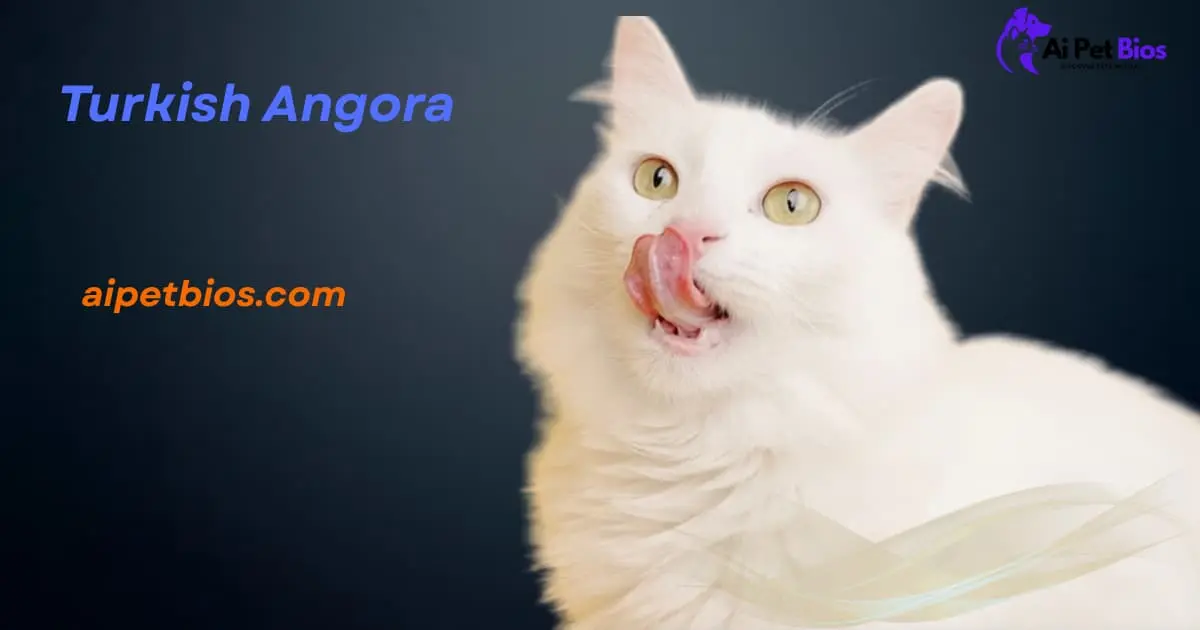
Few cat breeds carry an air of aristocracy quite like the Turkish Angora Cat. With a history that stretches back centuries-long before many modern pedigrees existed-this feline has graced the palaces of sultans and the laps of discerning owners worldwide.
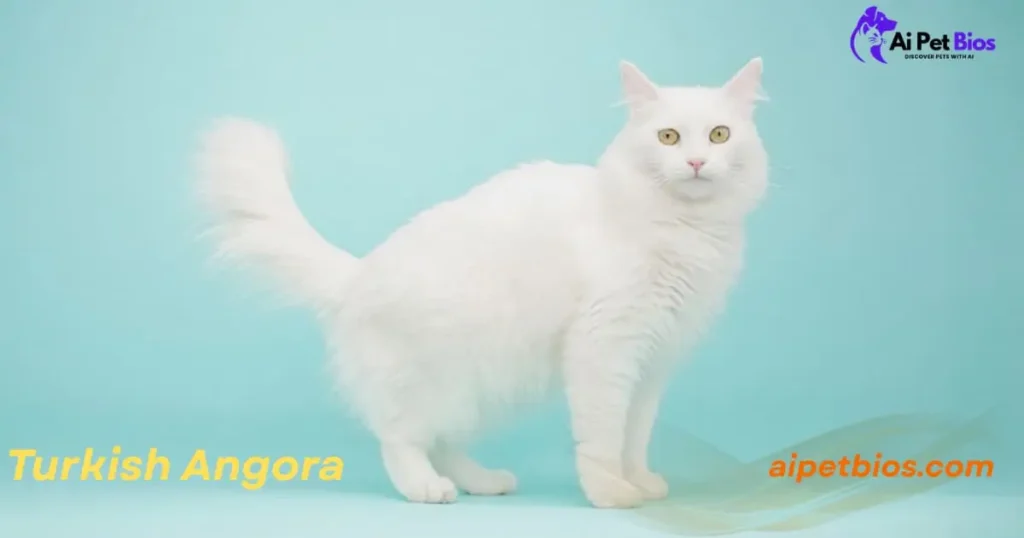
Its silky, single‑layered coat, often brilliantly white but available in a rainbow of hues, flows like liquid silk as it moves. Yet beneath the elegant exterior lies a sharp, playful, and deeply loyal companion.
If you are searching for a cat that combines ancient heritage with a modern, engaging personality, the Turkish Angora Cat may be your ideal match. This guide explores everything from its origins in Ankara, Turkey, to the practicalities of ownership-including turkish angora cat price, care requirements, and how to identify whether the cat in your home truly belongs to this distinguished breed.
Whether you are considering adoption or simply fascinated by feline history, you will find clear, research‑backed answers here.
Quick Facts Table
| Attribute | Details |
| Origin | Ankara (formerly Angora), Turkey |
| Recognition | CFA, TICA, FIFe, WCF (fully recognized) |
| Size | Medium; 5–10 pounds (females smaller) |
| Lifespan | 12–18 years |
| Temperament | Intelligent, affectionate, playful, curious |
| Coat | Single coat, silky, no undercoat |
| Activity Level | High—needs daily play and interaction |
| Best For | Active families, experienced cat owners, households that can provide attention |
| Price Range (USA) | $500–$1,500 (pet quality); show lines higher |
| Price Range (UK) | £400–£1,200 |
| Grooming Needs | Moderate (weekly brushing, more during seasonal sheds) |
Origin & History – The Cat of Ancient Ankara
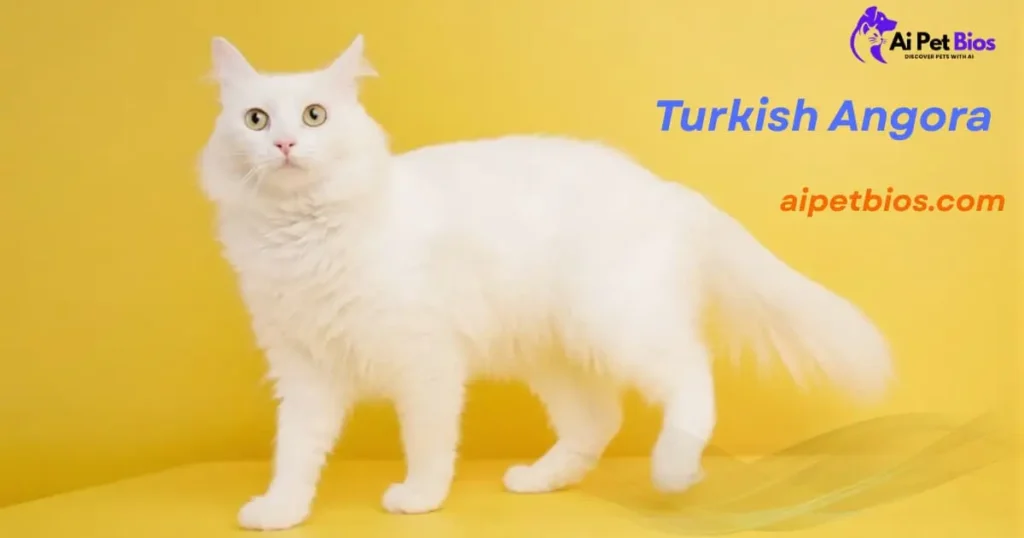
The story of the Turkish Angora Cat breed begins in the mountainous region of central Turkey, around the city of Ankara—historically known as Angora. Long before Persian cats captured European fancy, Angoras were treasured by the Ottomans.
In fact, these cats are considered a natural breed, meaning they developed through geographic isolation and natural selection rather than human‑directed crossbreeding. Their long, silky coats were prized for their beauty and practicality in the region’s harsh winters.
European travelers brought the first Angoras to the continent in the 16th century. Their elegant appearance captivated aristocrats, and for a time they were among the most prized pets in France and England.
However, as Persians rose in popularity, Angoras were pushed aside and even used extensively in Persian breeding programs, nearly diluting the pure bloodline. By the early 20th century, the original Turkish Angora was considered all but lost in Europe and North America.
Serious preservation efforts began in the early 20th century, thanks largely to the Ankara Zoo in Turkey. The Turkish government, recognizing the Angora as a national treasure, established a dedicated breeding program to protect the turkish angora, specifically favoring the traditional white cats with odd‑eyed (one blue, one amber) or blue‑eyed variants.
In the 1960s, a pair of these zoo‑bred Angoras were exported to the United States, where they became the foundation of modern breeding programs. Thanks to these efforts—and the dedication of breeders in the United States and Europe—the breed not only survived but thrived. Today, it is recognized by all major cat registries and continues to enchant owners with its combination of elegance and energy.
Core Characteristics – How to Identify a Turkish Angora
Recognizing a turkish angora cat involves more than looking for a white coat. The breed has distinct physical traits that set it apart from other longhaired cats.
Coat & Colors
The defining feature is its single coat—unlike Persians or Maine Coons, Angoras lack a thick undercoat. This means the fur lies flat against the body, feels silky rather than woolly, and is far less prone to matting. Coat colors range from pure white to black, blue, red, cream, silver, and various tabby patterns.
White remains the most iconic, but colored and patterned Angoras are equally true to the breed. turkish angora black individuals are striking with their glossy jet‑black coats, while turkish angora black and white bicolors often display charming markings. turkish angora orange (red) cats are also prized for their warm, vibrant hues.
A note on deafness: approximately 20% of white turkish angora (especially those with two blue eyes) are born deaf, though many lead perfectly normal lives with indoor care.
Build & Size
Angoras are fine‑boned and muscular. Their turkish angora cat size is medium, with females typically weighing 5–8 pounds and males 7–10 pounds. They possess a lithe, athletic frame designed for agility—expect a cat that can easily leap to high shelves. Their hind legs are slightly longer than the front, contributing to a distinctive, powerful gait.
Head & Eyes
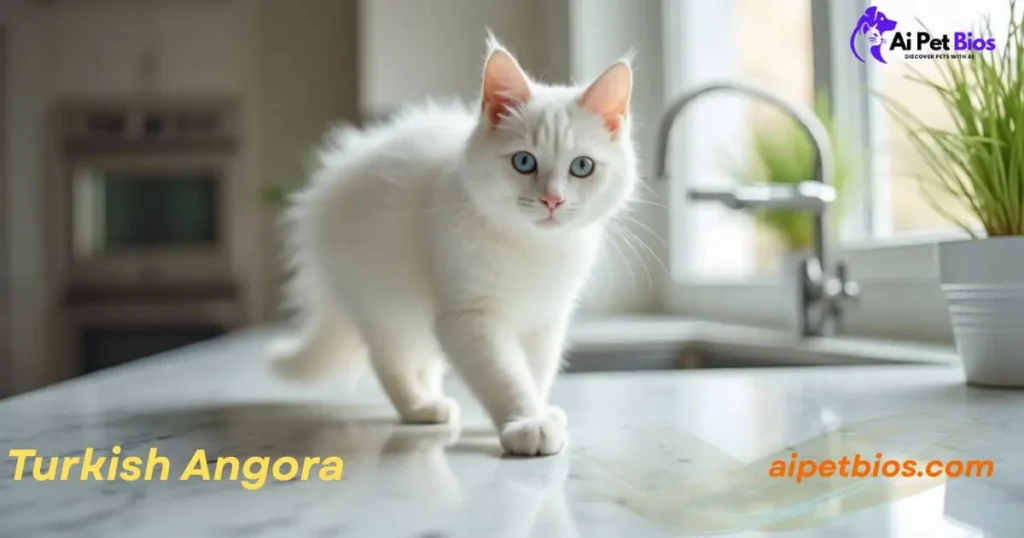
The head is a modified wedge with large, pointed ears set high. Eyes are almond‑shaped and can be blue, green, amber, or odd‑eyed. The odd‑eyed combination (one blue, one amber) is particularly prized, especially in white cats. Many potential owners ask can turkish angoras have blue eyes—yes, blue eyes are common, particularly in white Angoras.
Tail
A long, plush tail, often carried erect, completes the elegant silhouette. The tail is in proportion to the body and often tapers to a point.
Personality – The Intelligent, Social Companion
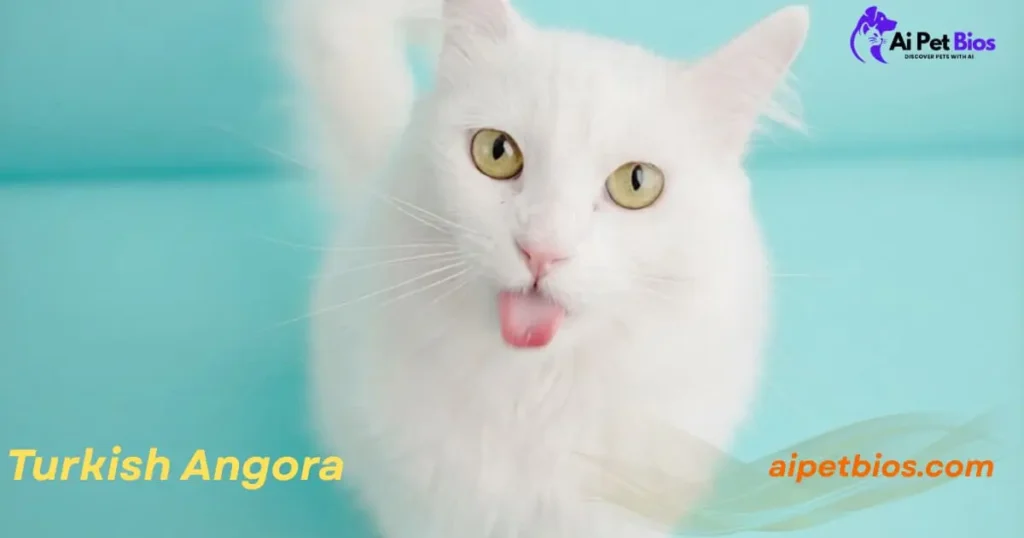
When people ask, “are turkish angora cats friendly,” experienced owners answer with a resounding yes—but with a caveat: they are friendly on their own terms. This breed forms deep bonds with its humans and often chooses one person as its special companion, though it remains sociable with the whole family.
Intelligence & Playfulness
Turkish Angora cats are problem‑solvers. They learn to open cabinets, fetch toys, and even respond to verbal commands. Without adequate stimulation, they may invent their own games—often involving knocking objects off surfaces. Interactive toys, puzzle feeders, and daily play sessions are essential.
Their intelligence makes them highly trainable; many owners successfully teach their Angoras to walk on a harness or perform simple tricks like “sit” and “high‑five.”
Vocalization
A common query is “do turkish angoras talk a lot.” The answer is yes, but not in an annoying way. They use chirps, trills, and soft meows to communicate with their owners.
If they want attention, they will let you know, often following you from room to room while carrying on a conversation. This vocal nature is one of the traits that endears them to people who enjoy interactive cats.
Social Needs
These cats dislike being left alone for extended periods. They thrive in households where someone is home often, or where they have another friendly cat as a companion. Their affectionate nature makes them excellent with gentle children and cat‑experienced dogs. However, they may become anxious in loud, chaotic environments.
Potential Challenges
While generally not aggressive, a bored or neglected Turkish Angora cat can become destructive. They also have a strong prey drive, so homes with small pocket pets require careful supervision. Owners sometimes ask are turkish angora aggressive—the answer is no; aggression is rare and usually stems from fear or lack of socialization.
Cost & Investment – Understanding Turkish Angora Price
One of the most frequent searches is “turkish angora cat price.” The cost varies widely based on location, breeder reputation, pedigree, and whether you are buying a pet‑quality or show‑quality kitten.
Price Ranges
- Pet‑quality (spayed/neutered, no breeding rights):
Turkish angora cat price usa: $500 – $1,200
Turkish angora cat price uk: £400 – £1,000 - Show‑quality / breeding rights: $1,200 – $2,500+ (or £1,000 – £2,000+)
Factors Influencing Cost
- Bloodline: Kittens from champion lines cost more.
- Color & Eye Color: Odd‑eyed white kittens often command a premium.
- Health Testing: Ethical breeders test for deafness (in whites), HCM (hypertrophic cardiomyopathy), and other genetic conditions. This adds to the price.
- Location: In areas with fewer breeders, transport costs can raise the final price.
Recurring Costs
Beyond the initial turkish angora kitten price, budget for:
- High‑quality food (wet food recommended)
- Grooming supplies
- Routine veterinary care
- Enrichment (trees, toys, puzzle feeders)
- Pet insurance (advisable due to potential deafness‑related risks)
Finding a Kitten
When searching for turkish angora kittens for sale, always prioritize registered breeders (CFA, TICA) who provide health guarantees and socialization. Alternatively, turkish angora cats for adoption can be found through breed‑specific rescues such as the Turkish Angora Rescue Alliance.
For those in the UK, turkish angora kittens uk and turkish angora cat breeders uk are listed with the Governing Council of the Cat Fancy (GCCF).
Maintenance & Care – Keeping Your Turkish Angora Healthy
Owning a Turkish Angora cat is a pleasure when you understand its unique care needs.
Grooming
Because of the single coat, grooming is easier than with other longhaired breeds. Weekly brushing with a slicker brush removes loose hair and distributes natural oils. During spring and autumn shedding seasons, increase to every other day. Occasional baths (using cat‑safe shampoo) can help keep the coat gleaming—especially for white cats. Nail trimming every two weeks, ear cleaning, and dental care round out the grooming routine.
Diet & Nutrition
Angoras are active and require high‑protein diets. Look for grain‑free, meat‑first formulations. Wet food helps maintain hydration and urinary tract health. Always provide fresh water; a cat fountain often encourages more drinking. Some owners opt for raw or home‑cooked diets under veterinary guidance.
Exercise & Enrichment
Provide tall cat trees, window perches, and a variety of toys. Rotate toys weekly to prevent boredom. Many Angoras enjoy leash walks—they can be trained to walk on a harness with patience. Interactive play that mimics hunting (e.g., feather wands) satisfies their instincts.
Health Screening
Reputable breeders screen for:
- Deafness (BAER testing in white kittens)
- Hypertrophic cardiomyopathy (HCM)
- Patellar luxation (knee issues)
If adopting, request health records and be prepared for potential deafness management if you choose a white blue‑eyed cat.
Common Concerns – Addressing Popular Questions
Are Turkish Angoras deaf?
Yes, some are. Congenital deafness is linked to the dominant white gene and blue eye color. Approximately 40–50% of white cats with two blue eyes are deaf, while only 10–20% of white cats with odd eyes or non‑blue eyes are affected. Deaf Angoras adapt well indoors and should never be allowed outdoors unsupervised. Responsible breeders BAER‑test kittens to identify deafness early.
What is the lifespan of a Turkish Angora?
With proper care, turkish angora lifespan typically ranges from 12 to 18 years. Some reach their early twenties. Routine veterinary checkups, a balanced diet, and a safe indoor environment contribute to longevity.
Are Turkish Angoras rare?
They are considered uncommon compared to Persians or Siamese, but not critically rare. The turkish angora is still less numerous than many other pedigreed breeds, partly due to careful preservation efforts. Finding a kitten may involve a waiting list, especially for specific colors.
How to identify a Turkish Angora Cat?
Look for the silky, single coat, fine bone structure, almond eyes, and active personality. If you are wondering “is my cat a turkish angora,” a DNA test or consultation with a breed expert can confirm, especially because many mixed‑breed longhair cats resemble Angoras. Key identifiers: no undercoat, wedge‑shaped head, and a tail that is often carried high.
Turkish Angora vs. Other Breeds
Because of their historical overlap, the Turkish Angora cat is often compared to the Persian. Here’s how they differ:
| Feature | Turkish Angora | Persian |
| Coat | Single coat, silky, minimal matting | Double coat, dense, prone to matting |
| Face | Wedge‑shaped, alert expression | Flat‑faced (brachycephalic) in modern show lines |
| Personality | Active, playful, interactive | Calm, reserved, less demanding |
| Grooming | Weekly brushing | Daily brushing |
| Health Issues | Deafness risk in white cats | Respiratory issues, polycystic kidney disease |
Compared to the Siamese, Turkish Angoras are similarly vocal and social but have a longer coat and a slightly more independent streak. Against the Maine Coon, Angoras are smaller, less dense‑coated, and generally more agile.
For those who love the look but are concerned about deafness or grooming, the turkish angora short hair variant (sometimes called the Ankara cat) exists, though it is less common in show rings.
Pros & Cons of Owning a Turkish Angora
| Pros | Cons |
| Stunning, silky coat with minimal matting | High energy—requires daily interaction |
| Intelligent and trainable | Can become destructive if bored |
| Loyal, affectionate, forms strong bonds | May not tolerate being left alone for long hours |
| Generally healthy with long lifespan | White cats have risk of congenital deafness |
| Good with children and cat‑friendly dogs | Strong prey drive may not suit homes with small pets |
Is This Right for You?
The Turkish Angora cat is a wonderful match if you:
- Have time to play and interact daily
- Appreciate a cat that communicates vocally and physically
- Can provide a safe indoor environment (especially for white, blue‑eyed individuals)
- Are comfortable with moderate grooming
It may not be ideal if you:
- Are away from home most of the day without another pet
- Prefer a low‑energy, independent cat
- Are not prepared for the possibility of deafness in white kittens
If you are ready to welcome a Turkish Angora, look for turkish angora cat breeders usa or turkish angora cat breeders uk listed with TICA, CFA, or GCCF. Alternatively, consider turkish angora cat rescue groups—many wonderful cats are in need of homes.
Frequently Asked Questions – Turkish Angora
Are Turkish Angora good pets?
Yes, are turkish angora cats good pets is one of the most common inquiries, and for many households the answer is a confident yes. They are affectionate, loyal, and highly intelligent, forming deep bonds with their owners. However, they thrive best in active homes where they receive plenty of attention and enrichment.
How much does a Turkish Angora cat cost?
The cost of turkish angora ranges from $500 to $1,500 in the USA and £400 to £1,200 in the UK, depending on lineage, color, and whether the cat is sold as pet‑ or show‑quality. Ethical breeders may charge more because of health testing and socialization.
Are Turkish Angoras rare?
While not on the verge of extinction, how rare are turkish angora cat is a valid question. They are considered an uncommon breed compared to popular cats like the Siamese or Maine Coon. Preservation breeders maintain careful records, so finding a purebred Angora often requires patience and contact with recognized breeders.
Are Turkish Angoras deaf?
Deafness occurs in white cats with blue eyes due to a genetic link. Not all are deaf, but it is a recognized risk. Responsible breeders test hearing in kittens using BAER testing. Deaf Angoras adapt well indoors and require a safe, enclosed environment.
What is the lifespan of a Turkish Angora?
The turkish angora lifespan averages 12–18 years, with excellent care often extending that range. Routine veterinary visits, a nutritious diet, and mental stimulation all contribute to a long, healthy life.
Do Turkish Angoras shed a lot?
Despite their silky coat, they shed moderately. Because they lack an undercoat, shedding is less voluminous than that of double‑coated breeds. Regular brushing minimizes loose hair around the home.
Are Turkish Angoras hypoallergenic?
No cat is truly hypoallergenic, but some people with allergies find they react less to Turkish Angoras because they produce less Fel d 1 protein and have no undercoat to trap dander. Individual reactions vary.
Conclusion
The Turkish Angora is a living piece of feline history wrapped in a silky, athletic body. Its combination of ancient heritage, striking appearance, and engaging personality makes it a standout breed for dedicated owners.
From understanding turkish angora price to preparing for its social needs, this guide has covered the essentials to help you decide if this elegant cat is right for your home.
If you are ready to explore ownership further, begin by visiting turkish angora cat breeders usa or turkish angora cat breeders uk registered with TICA, CFA, or GCCF.
For those interested in adoption, turkish angora cats for adoption can often be found through breed‑specific rescue organizations. Whichever path you choose, the reward is a devoted companion who will grace your home with centuries of elegance and charm.
Disclaimer This article is for informational purposes only and does not constitute veterinary or professional breeding advice. Always consult a licensed veterinarian for medical concerns and work with reputable breeders or rescue organizations when acquiring a cat.
Courtesy: Cat Nation
[instant_emoji_reactions]

Want Popular On Google? | Lust Quality Backlinks That Force-fed
I’m an SEO Expert, Guest Posting Specialist, and Web Developer helping websites increase rankings, traffic, and authority using clean, white-hat strategies 🚀
I focus on high-authority guest posts, safe backlinks, SEO-optimized content, and technically sound websites—so your site doesn’t just rank, it stays ranked.
What I help you with:
✅ SEO (On-page, Off-page & Technical)
✅ Guest Posts on Real, Relevant Sites
✅ High-Quality Link Building
✅ Keyword Research & Content Strategy
✅ SEO-Friendly Website Development
📈 No spam. No shortcuts. Only results.
👉 Need backlinks that actually work?
📩 Let’s connect: https://wa.me/+923006932631
1 thought on “Turkish Angora Cat: Complete Guide to the Elegant, Ancient Cat 2026”
Comments are closed.