
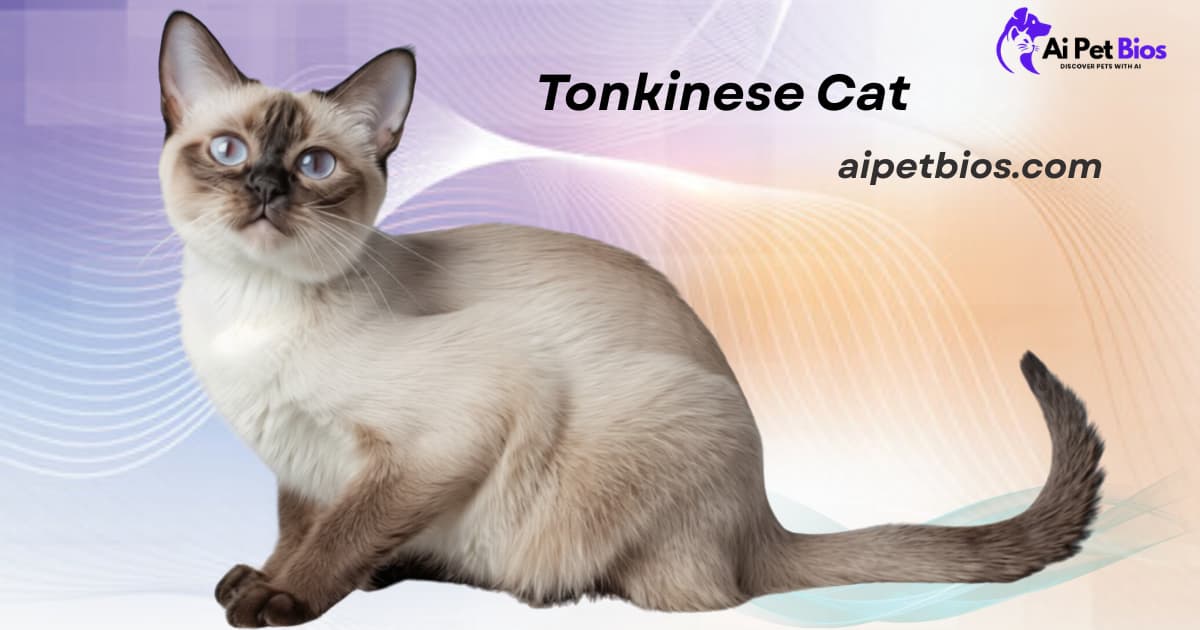
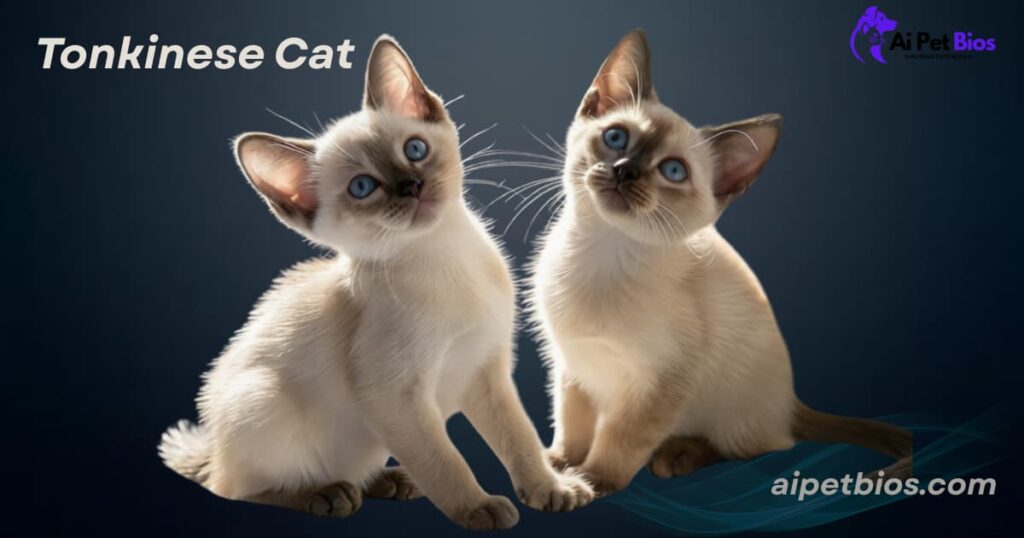
A Tonkinese cat is a hybrid breed created by crossing Siamese and Burmese cats, combining the best traits of both parents. Known for their affectionate personality, striking aqua eyes, dog-like behavior, and moderate vocalization, Tonkinese cats weigh 6–12 pounds and live 12–16 years, costing $600–$1,500 in the USA.
If you’ve ever wondered what happens when you combine the elegance of a Siamese with the charm of a Burmese, the answer is the Tonkinese cat. This stunning breed is known for its affectionate nature, striking aqua eyes, and dog-like personality that makes it one of the most interactive cats you can own.
The Tonkinese cat is not just beautiful—it’s deeply social, highly intelligent, and thrives on human companionship. Whether you’re searching for Tonkinese kittens for sale, comparing Tonkinese vs Siamese, or trying to understand if this breed fits your lifestyle, this comprehensive guide covers everything you need to know.
From Tonkinese cat personality and Tonkinese cat price to care requirements and buying tips, you’ll discover why the Tonkinese cat is one of the most rewarding companion breeds available today.
Quick Facts Table: Tonkinese Cat at a Glance
| Attribute | Details |
| Scientific Classification | Felis catus (hybrid domestic) |
| Geographic Origin | Canada and United States (1960s) |
| Parent Breeds | Siamese and Burmese |
| Recognition | TICA, CFA, and major associations |
| Physical Height | 8–10 inches at shoulder |
| Body Frame | Medium, muscular, elegant |
| Adult Weight | 6–12 pounds (females lighter) |
| Expected Lifespan | 12–16 years with proper care |
| Coat Type | Short, silky, glossy, low-shedding |
| Distinctive Coat Pattern | Mink (most popular), solid, pointed |
| Coat Colors | Natural (brown), champagne, blue, platinum |
| Eye Color | Aqua (most desirable), blue, green |
| Temperament | Affectionate, playful, social, loyal |
| Activity Level | High; requires daily interactive play |
| Vocalization Level | Moderate (softer than Siamese) |
| Rarity Status | Moderately rare; specialized breeding |
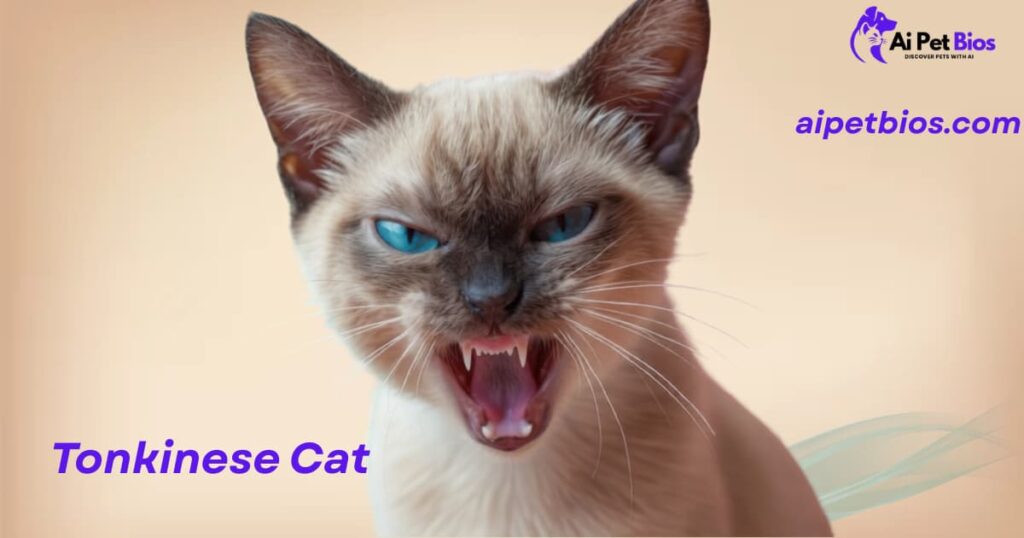
What Is a Tonkinese Cat? (Hybrid Breed Definition)
The Tonkinese cat is a hybrid breed developed by crossing Siamese and Burmese cats, combining the best traits of both parents. The breed originated in Canada and the United States during the 1960s, with formal recognition from major cat associations including TICA (The International Cat Association) and the CFA (Cat Fanciers’ Association).
Unlike some independent cat breeds, Tonkinese cats crave attention and interaction intensely. They are often described as “dog-like” because they follow their owners around, enjoy playing fetch, and love being part of daily household activities. Their intelligence and trainability exceed many other domestic cat breeds, making them responsive to commands and tricks.
The Tonkinese cat represents the perfect middle ground between Siamese intensity and Burmese calm, creating a uniquely balanced and desirable companion animal.
Tonkinese Cat Personality (10 Amazing Traits)
The Tonkinese cat personality is what truly sets this breed apart from conventional domestic cats.
Trait #1: Exceptionally Affectionate
Tonkinese cats form remarkably deep bonds with their owners. They love cuddling, sitting on laps, and being involved in everything you do throughout the day.
Trait #2: Highly Intelligent and Trainable
These cats learn tricks quickly, solve puzzles, and respond well to training. They’re among the smartest domestic cat breeds, capable of learning commands and demonstrating problem-solving abilities.
Trait #3: Playful and Energetic
Tonkinese cats remain kitten-like even in adulthood, always ready to play, explore, and engage in interactive activities. They never lose their enthusiasm for games and toys.
Trait #4: Social and People-Oriented
Tonkinese cats don’t like being alone and thrive in homes with families or other pets. They actively seek human interaction and participation in household routines.
Trait #5: Unique Aqua Eyes
One of their most striking features is their beautiful aqua-colored eyes—a rare and highly desirable characteristic among cat breeds.
Trait #6: Soft, Silky Coat
Their coat is short, smooth, and easy to maintain, requiring minimal grooming compared to long-haired breeds.
Trait #7: Moderate Vocal Nature
Are Tonkinese cats vocal? They communicate but are quieter than Siamese cats. Expect soft chirps, trills, and gentle meows rather than loud vocalizations.
Trait #8: Adaptable to Indoor Living
Tonkinese cats do very well indoors, especially in apartments, as long as they receive adequate interaction and enrichment.
Trait #9: Great with Kids and Other Pets
They are gentle, friendly, and highly tolerant—making them ideal family pets that integrate well with children and other animals.
Trait #10: Dog-Like Behavior
From following you around to playing fetch, greeting you at doors, and seeking constant companionship, Tonkinese cats behave remarkably like dogs rather than typical independent cats.
Tonkinese cats thrive with interactive puzzle toys, climbing structures, and window perches for daily enrichment and mental health development. Rotate toys weekly to maintain proper mental stimulation and prevent boredom-related behavioral issues effectively. Provide multiple vertical spaces allowing natural climbing behaviors and territorial exploration opportunities. Multi-level cat trees especially encourage physical activity essential for their high-energy personality and long-term overall well-being
Tonkinese Cat Size & Physical Appearance
Tonkinese cat builds display medium-sized, muscular yet elegant proportions. They typically stand 8–10 inches at the shoulder and weigh 6–12 pounds, with females generally lighter than males.
Their distinctive appearance includes:
- Rounded head with prominent cheekbones
- Expressive almond-shaped eyes (aqua colored in the most desirable examples)
- Medium-sized ears positioned alertly on their head
- Muscular, athletic body despite their moderate size
- Short, glossy coat with a distinctive silky texture
Tonkinese cat colors come in beautiful mink shades:
- Natural (warm brown base)
- Champagne (cream and brown blend)
- Blue (grey-blue tones)
- Platinum (light silvery-grey)
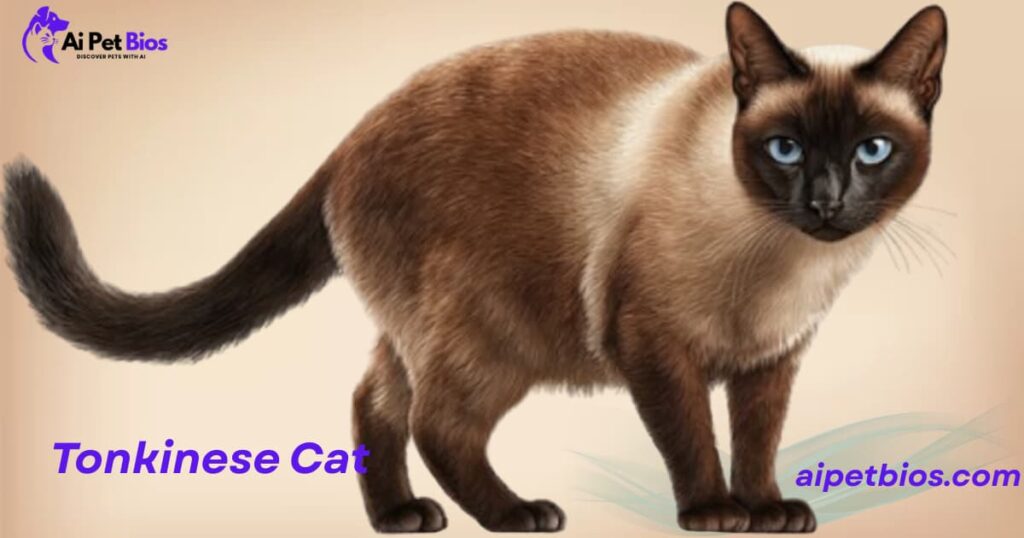
The mink pattern creates a unique gradient effect between the body color and their points (ears, face, tail, legs), distinguishing them from traditional Siamese pointed patterns.
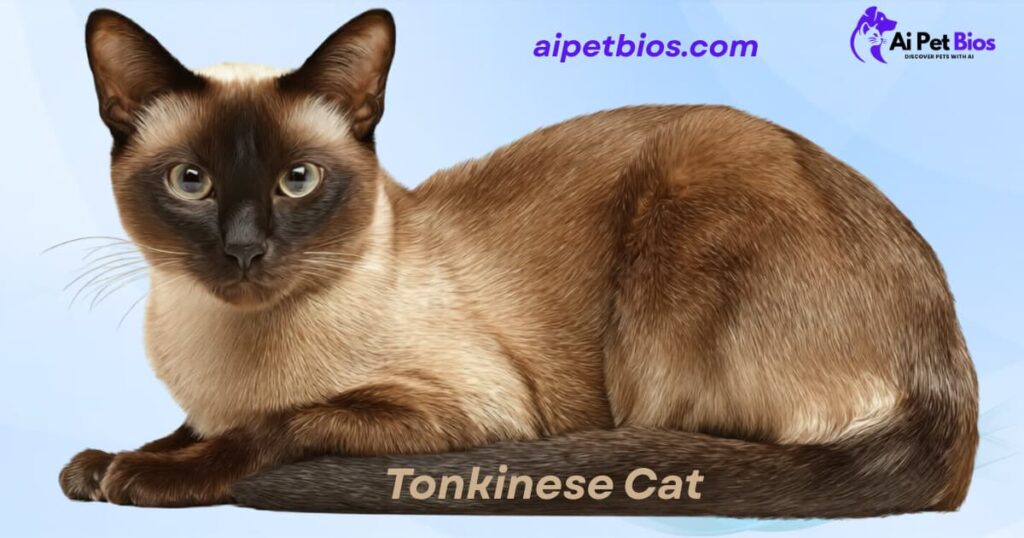
Tonkinese vs Siamese (Key Breed Differences)
Understanding the differences between Tonkinese vs Siamese helps clarify why the Tonkinese cat appeals to owners seeking a more balanced companion:
| Characteristic | Tonkinese | Siamese |
| Personality | Balanced, moderately social | Very intense, demanding |
| Vocalization | Moderate, soft | Very vocal, loud |
| Coat Pattern | Mink, solid, or pointed | Pointed only |
| Independence | Social but manageable alone | Cannot tolerate solitude |
| Playfulness | Very playful | Playful but demanding |
| Trainability | Highly trainable | Moderately trainable |
| With Other Pets | Excellent | Variable |
| Price Range | $600–$1,500 (USA) | $400–$1,000 (USA) |
Tonkinese cats are often considered the “perfect middle ground” between Siamese elegance and Burmese calm.
Tonkinese Cat Price Guide USA & UK (2026)
How much does a Tonkinese cat cost? Tonkinese cat price varies substantially based on breeder reputation, coat color, pedigree, and geographic location.
USA Pricing:
- Pet quality kittens: $600–$1,200
- Show quality kittens: $1,200–$1,500+
- Premium/championship bloodlines: $1,500–$2,000
UK Pricing:
- Pet quality: £500–£900
- Show quality: £900–£1,200
- Premium breeders: £1,200+
Adoption Alternative:
- USA rescue/adoption: $100–$300
- UK rescue/adoption: £80–£250
Price Factors:
- Breeder reputation: Established breeders charge premium prices
- Coat color: Rare colors (blue, platinum) cost more than natural
- Pedigree quality: Championship bloodlines increase price significantly
- Health certifications: Genetic testing documentation adds cost
- Geographic location: Urban areas typically cost more than rural regions
Tonkinese Cat Lifespan & Health (Complete Care Guide)
Lifespan Expectations
The Tonkinese cat lifespan typically ranges from 12 to 16 years with proper care, with many individuals living even longer with exceptional nutrition and veterinary attention.
Factors extending lifespan:
- High-quality diet (protein-rich, balanced nutrition)
- Regular veterinary visits (annual wellness exams minimum)
- Indoor lifestyle (protected from hazards and diseases)
- Daily play and mental stimulation
- Dental care and hygiene
- Weight management preventing obesity
Common Health Considerations
Tonkinese cats are generally healthy but may experience:
- Dental problems (common in domestic cats; regular cleaning important)
- Respiratory sensitivity (inherited from Siamese parent)
- Obesity (due to love of food; portion control essential)
- Genetic conditions (rare when acquired from responsible breeders)
Health Maintenance Tips
✅ Schedule annual veterinary wellness exams
✅ Maintain high-quality, protein-rich diet
✅ Provide daily interactive play (minimum 30-60 minutes)
✅ Monitor weight and prevent obesity
✅ Regular dental care and tooth brushing
✅ Keep vaccinations current
✅ Provide mental stimulation through puzzle toys
Tonkinese Cat Care Requirements & Grooming
Grooming and Coat Maintenance
The Tonkinese cat’s short, silky coat requires minimal grooming:
- Brushing: Once weekly (more during shedding seasons)
- Bathing: Monthly bathing optional but beneficial
- Nail trimming: Every 2–3 weeks
- Ear cleaning: Weekly inspection, cleaning as needed
- Dental care: Tooth brushing 3–5 times weekly
Environmental and Social Needs
Tonkinese cats require extensively enriched environments:
- Climbing structures: Multi-level cat trees and wall shelves
- Interactive toys: Puzzle feeders, feather wands, laser toys
- Window perches: For bird watching and mental stimulation
- Playtime: 4–5 hours daily interactive engagement minimum
- Social interaction: Cannot be left alone for extended periods
Nutrition Requirements
- High-protein diet: 35%+ protein content
- Balanced nutrition: Complete and balanced commercial formulas
- Meal frequency: 2–3 meals daily for adults
- Weight management: Monitor portions preventing obesity
- Fresh water: Constant availability throughout home
Tonkinese Cat Pros & Cons (Detailed Analysis)
✅ Significant Advantages
- Exceptionally Affectionate: Form profound bonds, actively seek human interaction daily
- Highly Intelligent: Learn tricks, commands, solve puzzles—among the smartest breeds
- Playful and Entertaining: Provide constant entertainment and engagement
- Great with Families: Gentle, friendly, excellent with children and other pets
- Beautiful Appearance: Striking aqua eyes and elegant mink coat
- Moderate Vocalization: Communicate expressively but quieter than Siamese
- Low Grooming Needs: Minimal brushing and shedding compared to other breeds
- Adaptable: Do well in apartments with adequate interaction
- Dog-Like Loyalty: Follow owners, play fetch, greet at doors
❌ Substantial Disadvantages
- Requires Constant Attention: Cannot thrive being left alone for long periods
- High Energy: Need extensive daily playtime and mental stimulation
- Social Demands: Dislike being ignored and can develop separation anxiety
- Not Low-Maintenance: Require significant owner interaction and engagement
- Moderate Vocalization: Still more talkative than some independent breeds
- Expensive Acquisition: $600–$1,500 initial investment from reputable breeders
- Specific Needs: Require experienced owners understanding their unique requirements
- Potential Health Issues: May inherit respiratory sensitivities from Siamese parent
Where to Find Tonkinese Kittens for Sale (Buying Guide)
Finding Quality Breeders
Tonkinese kittens for sale should only come from reputable, health-tested breeders:
- TICA-registered breeders (The International Cat Association)
- CFA-registered breeders (Cat Fanciers’ Association)
- Breed-specific rescues (Tonkinese rescue organizations)
- Local cat associations and clubs (verified breeder listings)
Regional Availability
USA: Tonkinese cat breeders exist nationwide, though concentrated in larger metropolitan areas
UK: Tonkinese cat breeders available through cat clubs and GCCF (Governing Council of the Cat Fancy) listings
Buying Tips (Critical Checklist)
✅ Always verify breeder credentials and references
✅ Ask for complete health records and genetic testing documentation
✅ Request contracts with health guarantees
✅ Avoid extremely cheap prices (usually indicate poor breeding standards)
✅ Visit facilities when possible to observe breeding conditions
✅ Ask about parent cat health and pedigrees
✅ Get vaccination records and microchip information
✅ Confirm spay/neuter agreements if purchasing pet-quality
Red Flags to Avoid
❌ Breeders unwilling to provide health documentation
❌ Multiple litters available simultaneously
❌ Prices significantly lower than market average
❌ Breeders unavailable for post-purchase support
❌ Unwillingness to take kitten back if issues arise
Is a Tonkinese Cat Right for You? (Decision Framework)
Your Household is Ideal for Tonkinese Ownership When:
✅ You want a social, affectionate, interactive companion
✅ You have time for 4–5 hours daily interaction minimum
✅ You prefer active, playful cats over independent breeds
✅ You live with family, children, or other pets
✅ You enjoy training cats and engaging in interactive play
✅ You have flexible work schedules allowing midday attention
✅ You appreciate vocal, communicative cats
✅ You value loyalty and deep bonding above independence
✅ You can provide enriched environments with climbing structures and toys
✅ You prefer social companionship in pet relationships
Your Household May Not Be Suitable When:
❌ You work full-time with minimal home availability
❌ You prefer quiet, independent cats
❌ You want low-maintenance pets requiring minimal interaction
❌ You travel frequently or maintain unpredictable schedules
❌ You lack patience for vocal, attention-seeking behavior
❌ You have limited space or apartment living without enrichment
❌ You are first-time cat owners unfamiliar with social breeds
❌ You cannot commit to 4+ hours daily interaction
❌ You prefer cats that entertain themselves independently
❌ You have budget constraints limiting veterinary care access
Frequently Asked Questions
FAQ #1: What is a Tonkinese cat?
A Tonkinese cat is a hybrid breed created by crossing Siamese and Burmese cats, combining their best characteristics. These medium-sized cats (6–12 pounds) are known for exceptional affection, striking aqua eyes, playful energy, and dog-like loyalty. Tonkinese cats typically live 12–16 years and form intense bonds with their owners, thriving on constant human interaction and social engagement.
FAQ #2: How much does a Tonkinese cat cost?
Tonkinese cat price ranges from $600–$1,500 in the USA and £500–£1,200 in the UK, depending on breeder reputation, bloodline quality, and coat color. Pet-quality kittens cost less than show-quality animals, while premium bloodlines can exceed $1,500–$2,000. Adoption alternatives cost considerably less ($100–$300 USA, £80–£250 UK) through rescue organizations.
FAQ #3: Are Tonkinese cats good pets?
Yes, Tonkinese cats are excellent pets for the right households. They’re affectionate, intelligent, great with families and children, highly trainable, and provide constant entertainment and companionship. However, they require substantial daily interaction, don’t tolerate being left alone, and need enriched environments—making them unsuitable for busy owners or those preferring independent cats.
FAQ #4: Do Tonkinese cats talk a lot?
Tonkinese cats are moderately vocal, using soft meows, chirps, and trills to communicate with owners. They’re quieter and less demanding than Siamese cats but more communicative than many independent breeds. Expect regular vocalizations expressing affection, requests for attention, and interactive engagement throughout the day.
FAQ #5: What is the lifespan of a Tonkinese cat?
The Tonkinese cat lifespan is typically 12–16 years with proper care, including high-quality nutrition, regular veterinary attention, daily exercise, and mental stimulation. Many cats exceed 16 years under exceptional care conditions. Factors extending lifespan include indoor-only lifestyle, preventive healthcare, weight management, and enriched environments.
Internal Linking Section (Related Cat Breeds & Resources)
If you’re considering a Tonkinese cat, you might also be interested in exploring related breeds:
- [Siamese Cat Complete Guide] – Parent breed with similar elegance but higher vocalization
- [Burmese Cat Care & Personality] – Other parent breed with different personality profile
- [Abyssinian Cat vs Tonkinese Comparison] – Similar energy levels and playfulness
- [Best Social Cat Breeds for Families] – Comprehensive guide to interactive, family-friendly breeds
- [Premium Cat Breed Investment Guide] – Financial planning for acquiring specialty breeds
- [Interactive Cat Enrichment & Toys] – Complete guide for keeping active cats entertained
These alternatives offer similar social characteristics while potentially different appearance, price points, or care requirements.
Conclusion: Making Your Tonkinese Cat Decision
The Tonkinese cat represents an extraordinary opportunity for dedicated owners seeking truly interactive, affectionate, and intelligent companions. Their perfect balance of Siamese elegance and Burmese warmth creates uniquely rewarding relationships for committed guardians.
With remarkable intelligence, dog-like loyalty, playful energy, and proven compatibility with families and children, Tonkinese cats stand out as exceptional choices among domestic breeds. However, they demand substantial owner commitment, constant interaction, and enriched environments—making them unsuitable for absent owners or those preferring independent pets.
If you’re ready for a cat that behaves like a loyal friend, entertains like a playful kitten, and loves like a devoted family member, the Tonkinese cat could be your perfect match. Their moderate rarity and specialized breeding requirements mean working with established breeders, but the rewards of Tonkinese cat companionship justify the investment.
Disclaimer
This article provides informational content about Tonkinese cats and should not substitute professional veterinary or behavioral guidance. Cat ownership involves individual variation; consult licensed veterinarians for specific health concerns, genetic screening, or medical treatment recommendations.
Prices and breeder availability reflect 2026 market conditions and vary by geographic location. Always verify breeder credentials, request comprehensive health documentation, and research breed knowledge thoroughly before making acquisition decisions. The CFA and TICA maintain official breed standards and certified breeder directories for verification.
Courtesy: CATS NOW
[instant_emoji_reactions]

Want Popular On Google? | Lust Quality Backlinks That Force-fed
I’m an SEO Expert, Guest Posting Specialist, and Web Developer helping websites increase rankings, traffic, and authority using clean, white-hat strategies 🚀
I focus on high-authority guest posts, safe backlinks, SEO-optimized content, and technically sound websites—so your site doesn’t just rank, it stays ranked.
What I help you with:
✅ SEO (On-page, Off-page & Technical)
✅ Guest Posts on Real, Relevant Sites
✅ High-Quality Link Building
✅ Keyword Research & Content Strategy
✅ SEO-Friendly Website Development
📈 No spam. No shortcuts. Only results.
👉 Need backlinks that actually work?
📩 Let’s connect: https://wa.me/+923006932631
1 thought on “Staggering Tonkinese Cat: its Price, Personality, Lifespan & 10 Traits”
Comments are closed.