
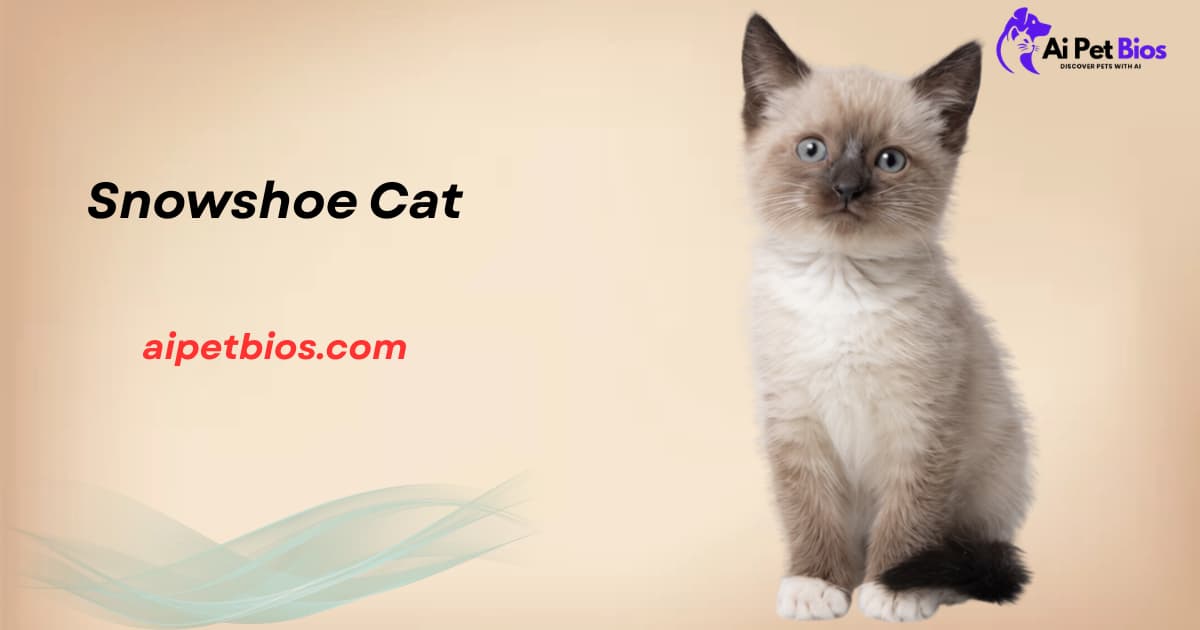
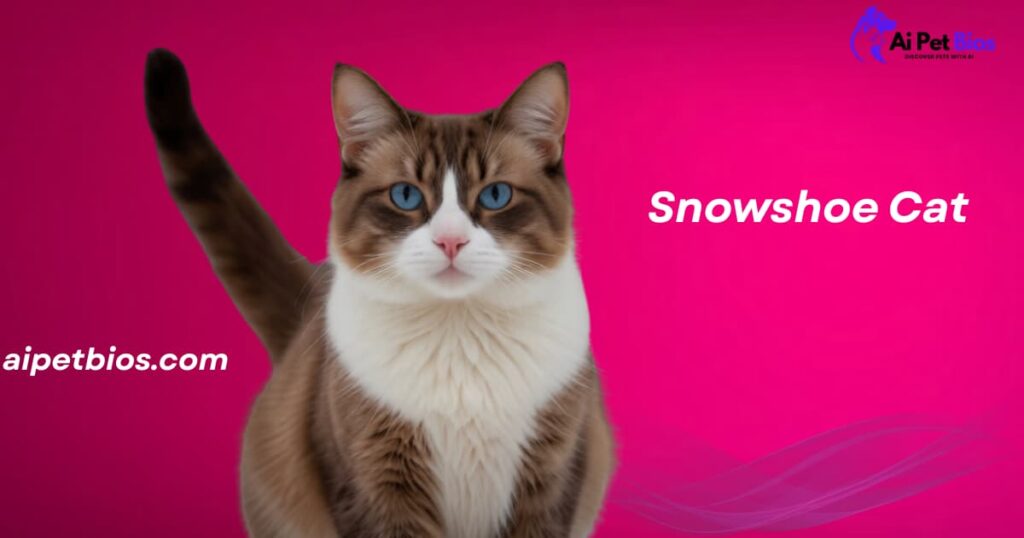
The snowshoe cat is one of the most distinctive and visually striking domestic cat breeds, instantly recognizable by its signature white paws that resemble tiny snowshoes.
When people first encounter this remarkable feline, they’re immediately captivated by the dramatic contrast between the dark colorpoint markings and pristine white feet—a combination that makes this breed absolutely unforgettable to anyone who sees it.
Developed in Philadelphia during the 1960s, this distinctive breed has grown steadily in popularity among devoted cat enthusiasts seeking a feline that combines stunning appearance with engaging, interactive personality.
If you’re considering bringing one of these remarkable companions into your home, this comprehensive guide explores everything you need to know about snowshoe kitten ownership, what makes this breed genuinely special, and whether this particular feline is the right companion for your household and lifestyle.
7 Essential Facts About the Snowshoe Cat
- Distinctive White Paws and Dark Colorpoint Markings
- Originated in Philadelphia During the 1960s
- Highly Social and Vocal Breed
- Medium-Sized Athletic Build
- Requires Significant Interactive Attention
- Variable Price Range ($600–$1,200+)
- 12–17 Year Lifespan with Active Lifestyle Needs
Quick Facts Table: The Breed at a Glance
| Attribute | Details |
| Scientific Classification | Felis catus (domestic variant) |
| Origin | Philadelphia, USA (1960s development) |
| Size | Medium (7–10 inches tall) |
| Weight Range | 7–12 pounds (females lighter than males) |
| Life Expectancy | 12–17 years with proper care |
| Coat Type | Short, dense, single-layered |
| Coat Pattern | Colorpoint with white paws (seal, chocolate, blue, lilac) |
| Eye Color | Blue (characteristic breed trait) |
| Temperament | Social, vocal, affectionate, intelligent |
| Activity Level | High; requires daily interactive play |
| Ideal Home Environment | Indoor; homes with available human interaction |
Understanding the Unique Appeal of the Snowshoe Cat
The snowshoe cat occupies a fascinating and distinctive niche in the feline world. This remarkable snowshoe cat breed skillfully combines the striking colorpoint pattern of Siamese cats with the white markings that resemble tiny snowshoes—creating an unmistakable appearance that sets the snowshoe cat apart from all other domestic breeds.
This distinctive appearance emerged somewhat accidentally during the 1960s when a breeder named Dorothy Hinds-Smith noticed something unusual occurring in her Siamese breeding program: some kittens were born with white paws instead of the typical solid-colored feet that Siamese cats normally display.
Rather than dismissing this trait as an undesirable anomaly or genetic flaw, Hinds-Smith recognized the unique beauty and appeal of these markings and made a deliberate decision to develop this characteristic trait intentionally through selective breeding.
She implemented a strategic breeding program, crossing seal-point Siamese with American Shorthairs that carried white markings, which created the foundation for what would eventually become the modern breed. The result of this careful breeding work is a remarkable feline that captures the best traits of both parent breeds: the elegant appearance and refined features of Siamese cats combined with the heartiness, friendly disposition, and robust genetics of American Shorthairs.
Unlike many modern designer cat breeds that appear and disappear from popularity, this particular breed has maintained steady recognition and continues to attract devoted enthusiasts who appreciate its distinctive characteristics, engaging temperament, and remarkable personality.
Origin and Development: From Philadelphia to Global Recognition
The Accidental Beginning That Changed Everything
The origin story of this breed is one of serendipitous discovery and creative vision. During the 1960s, Philadelphia-based breeder Dorothy Hinds-Smith noticed something unusual occurring in her Siamese breeding program: some kittens were inexplicably born with distinctive white paws instead of the typical solid-colored feet characteristic of purebred Siamese cats.
Rather than viewing this occurrence as a breeding failure or undesirable mutation, Hinds-Smith possessed the foresight and creative vision to recognize the unique aesthetic appeal of these white paw markings.
She envisioned how this distinctive trait could become a defining characteristic of an entirely new breed. This forward-thinking approach set her apart from other breeders of the era and ultimately led to the establishment of an entirely new feline variety.
Strategic Breeding Program and Development
Hinds-Smith implemented a carefully planned and methodical breeding strategy designed to reliably produce and stabilize these distinctive white paw markings. Her approach involved crossing seal-point Siamese cats with American Shorthairs that naturally carried white markings on their paws and bodies.
This deliberate cross-breeding strategy aimed specifically to preserve and enhance the elegant appearance characteristic of Siamese while simultaneously introducing several desirable traits from the American Shorthair lineage.
The goals of this strategic breeding program included:
- Establishing stable, reliable white paw markings that appeared consistently
- Improving overall health genetics through outcrossing
- Creating a slightly larger, more robust frame than typical Siamese
- Developing a friendlier, less demanding temperament than purebred Siamese cats
- Maintaining the elegant, refined appearance that Siamese are famous for
The result of Hinds-Smith’s careful work was a remarkable feline that retained the striking colorpoint beauty and refined features of Siamese while gaining the hardier constitution, better health genetics, and friendlier disposition of American Shorthairs.
Official Recognition and Modern Status
The breed achieved official recognition through The International Cat Association (TICA) in 1974, which was remarkably quick considering how relatively new the breed was at that time. This early recognition was followed by acceptance and recognition from other major cat associations, establishing the breed’s legitimacy and credibility within the global cat fancy community.
Today, while not as mainstream or commonly available as Ragdolls, Maine Coons, or Persians, this breed maintains a dedicated and passionate following among breeders and enthusiasts worldwide who deeply appreciate its distinctive characteristics, engaging personality, and remarkable physical beauty.
Core Characteristics: The Visual Signature of the Snowshoe Cat
Snowshoe Cat Size: Medium and Athletic Build
The typical size of the snowshoe cat ranges from medium to slightly large, making these felines notably bigger than many other colorpoint breeds while remaining substantially smaller than some larger breeds like Maine Coons. Adults usually measure 7–10 inches at the shoulder, with proportionally longer bodies than their Siamese ancestors.
Unlike the extremely slender, elongated frame characteristic of purebred Siamese, these felines possess a more substantial, noticeably muscular frame that reflects their American Shorthair heritage. This sturdier, more athletic build contributes directly to their reputation as hardy, energetic cats capable of sustained play, climbing, and physical activity throughout their lives.
The male members of this breed typically display larger frames and heavier musculature than females, though all individuals maintain the characteristic athletic proportions that define the breed standard. Their bodies project an impression of strength combined with grace and agility.
Snowshoe Cat Colors and Markings: The Defining Feature
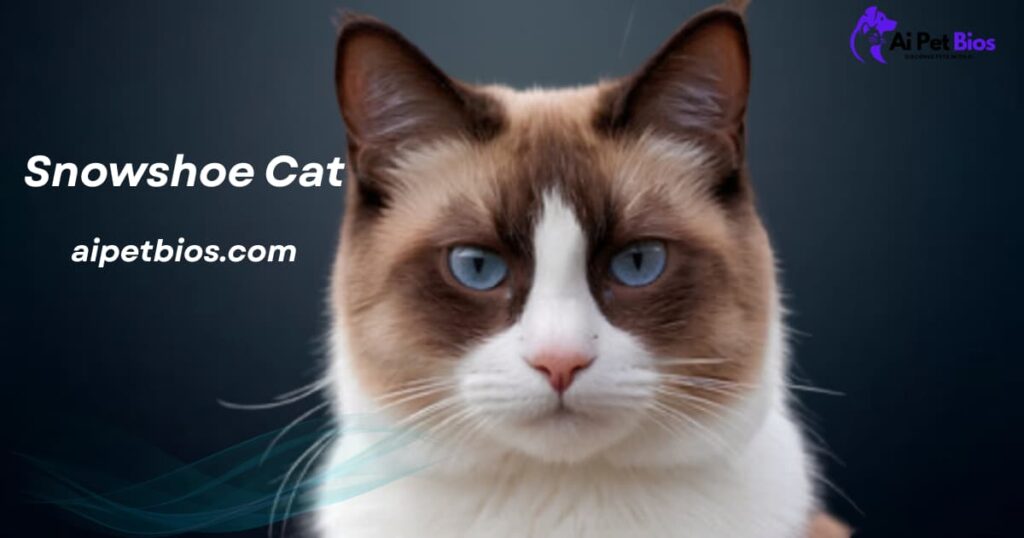
The most visually striking feature of the snowshoe cat and distinguishing feature of this breed is the dramatic, eye-catching contrast between dark colorpoint markings and pure white paws—the distinctive trait that inspired the breed’s memorable name. The available colors and patterns include multiple variations:
Standard Color Patterns:
- Seal Point (dark brown or nearly black points with cream-colored body)
- Chocolate Point (rich chocolate brown points with ivory-colored body)
- Blue Point (soft gray-blue points with white or pale gray body)
- Lilac Point (delicate pinkish-gray points with white body)
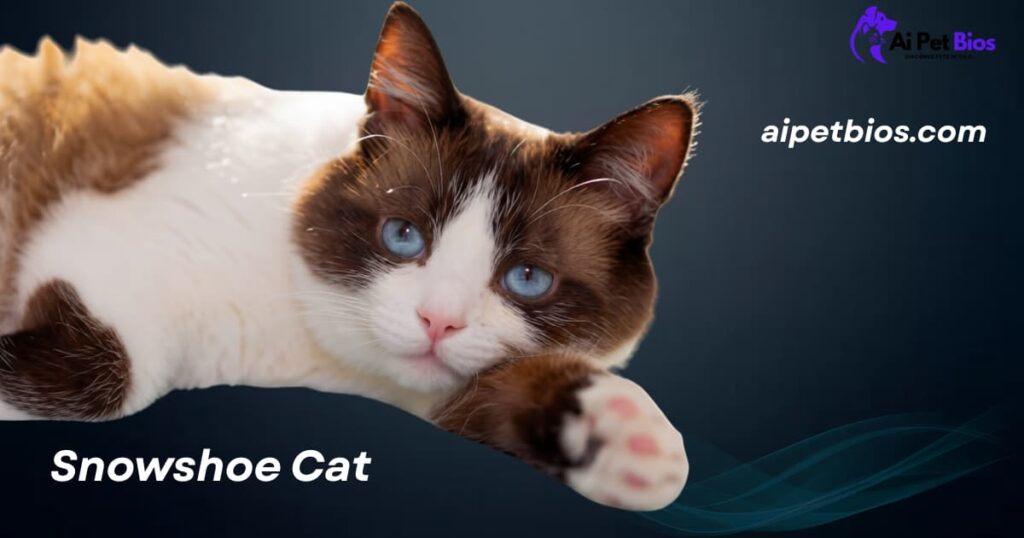
The characteristic white markings appear on all four paws, creating the appearance of tiny boots or snowshoes, which directly inspired the breed’s distinctive and memorable name. Additionally, these felines often display white facial markings that create an inverted “V” pattern on the nose area or a blaze pattern running down the center of the face.
What makes this breed genuinely special is this precise, carefully maintained balance between colorpoint patterning and white markings. This distinctive combination creates a sophisticated, understated elegance that clearly and immediately differentiates them from other colorpoint breeds like Siamese, Ragdolls, or Tonkinese cats.
Snowshoe Cat Lifespan and Longevity
The typical lifespan of the snowshoe cat ranges from 12–17 years, with many individuals reaching their late teens or even beyond that timeframe when provided with excellent veterinary care, proper nutrition, and appropriate environmental enrichment. This extended lifespan reflects the generally robust genetics inherited from American Shorthair ancestry.
Factors that contribute significantly to extended longevity include:
- Generally robust and stable genetics from American Shorthair lineage
- Absence of extreme physical traits that create health strain
- Medium size supporting efficient bodily function
- Natural inclination toward active, athletic lifestyle
- Careful breeder screening and selection for genetic health
Snowshoe Cat Personality and Temperament: Understanding the Social Nature
Snowshoe Cat Personality: Social Orientation and People Connection
The snowshoe cat is renowned for being exceptionally social, people-oriented, and deeply affectionate companions. They exhibit strong behavioral patterns demonstrating their need for human interaction and companionship.
Characteristic social behaviors include:
- Following their owners from room to room throughout the house
- Greeting visitors enthusiastically and seeking their attention
- Actively participating and engaging in household activities
- Seeking frequent physical contact, lap time, and close proximity
- Forming remarkably strong bonds with their human family members
- Displaying visible distress when separated from their people
Unlike some Siamese cats that can be intense or demanding in their attention-seeking, these felines tend toward a more balanced, moderate approach—highly social and affectionate without being overwhelmingly vocal or demanding of constant attention.
Do Snowshoe Cats Talk a Lot? Vocalization Patterns
Are snowshoe cats talkative? They’re definitely vocal communicators, regularly using meows, chirps, and distinctive trills to express themselves and interact with their humans. They’re especially vocal when greeting their owners or attempting to communicate their desires and needs.
However, they typically don’t approach the nearly-constant, demanding chatter characteristic of purebred Siamese cats. Most owners consistently describe them as appropriately communicative without being excessively loud, making them suitable for households and living situations where noise levels are a consideration.
Do Snowshoe Cats Like to Cuddle? Physical Affection
Physical affection and close contact form central components of their personality and behavioral patterns. These felines actively seek lap time, demonstrate obvious enjoyment when being held, and frequently prefer sleeping beside or directly on their owners. They genuinely thrive on close physical contact and will display obvious, unmistakable signs of distress if isolated or ignored for extended periods.
Their need for physical affection and closeness makes them exceptionally well-suited to homes where humans are present, engaged, and willing to provide regular tactile interaction and companionship.
Can Snowshoe Cats Be Left Alone? Separation Needs
The snowshoe cat is strongly companion-oriented and genuinely suffer from extended periods of isolation and loneliness. They shouldn’t be left alone for more than 24–36 hours without regular human interaction, or they may develop separation anxiety and related behavioral problems.
Best-suited homes for this breed include:
- Work-from-home situations where owners maintain regular presence
- Families with variable, flexible schedules providing frequent human contact
- Homes with multiple people ensuring regular interaction and companionship
- Owners genuinely willing to arrange professional pet sitters for necessary absences
- Households that prioritize interactive engagement with their feline companions
Aggression and Behavior Concerns
Are these felines aggressive? The answer is rarely—this breed is exceptionally gentle and non-aggressive by temperament. Even when provoked or frustrated, they typically respond by withdrawing or removing themselves from the situation rather than engaging in aggressive behavior. Their naturally gentle disposition reflects careful, deliberate breeding emphasizing friendly traits and positive temperament.
However, individual personality variations exist, and poorly socialized kittens may develop behavioral concerns. Proper early socialization, positive human interaction, and appropriate environmental enrichment prevent virtually all aggression concerns from developing in these felines.
Snowshoe Cat Price and Cost: Understanding Investment
How Much Does a Snowshoe Cat Cost? Price Variations
The typical snowshoe cat price ranges from $600–$1,200 for standard breeder kittens from established, reputable breeders. However, show-quality specimens or those from championship bloodlines frequently exceed $1,500, with some reaching $2,000 or higher depending on pedigree and breeder reputation.
Factors Influencing Purchase Price:
| Factor | Impact on Final Price |
| Breeder reputation and experience | Established, well-known breeders command premium pricing |
| Bloodline quality and pedigree | Championship ancestry significantly increases cost |
| Show potential and quality | Kittens bred specifically for showing cost substantially more |
| Geographic location | Urban metropolitan areas generally command higher prices than rural regions |
| Current availability and demand | Limited available kittens naturally increase market prices |
| Health certifications and testing | Comprehensive genetic testing and certifications add measurable value |
| Inclusions in sale agreement | Registration papers, initial vaccinations, spay/neuter significantly affect pricing |
Lifetime Ownership Costs
Annual ownership expenses typically include several recurring costs:
- Veterinary care and checkups: $300–$800 per year
- High-quality food and supplies: $400–$600 per year
- Toys, enrichment items, and accessories: $200–$400 per year
- Emergency and unexpected medical care: Budget $2,000–$5,000 reserves
Adoption as an Alternative Option
Rescue and adoption channels provide a more affordable path to bringing one of these felines into your home. Rescue organizations and breed-specific rescues occasionally have available for adoption at costs ranging from $50–$250, significantly lower than breeder kittens. Adoption provides the added benefit of supporting animal welfare organizations while providing a deserving feline with a loving home.
Snowshoe Cat Rarity, Breeding, and Availability
How Rare Are Snowshoe Cats?
In the broader cat landscape, these felines rank among the less common, more exclusive breeds compared to mainstream options like Persians, Maine Coons, or Ragdolls. The limited number of specialized breeders dedicating themselves exclusively to this breed contributes significantly to their rarity and higher market prices.
Primary factors creating rarity include:
- Very limited number of dedicated specialized breeders worldwide
- Complex genetic requirements for achieving perfect colorpoint markings with precise white paw placement
- Smaller average litter sizes compared to some other breeds
- Selective breeding standards maintained consistently by reputable breeders
Finding Available Snowshoe Kittens
Locating available snowshoe kittens for sale typically presents significant challenges for most people. Finding available specimens for purchase locally proves nearly impossible in most geographic regions. Most successful buyers must:
- Contact established breeders nationwide across the country
- Accept waiting lists extending 2–4 months before kitten availability
- Arrange transportation costs ranging from $200–$500
- Potentially travel personally to pick up their new kitten
Breeder concentration tends to occur in specific geographic regions, with particularly active breeding communities in Pennsylvania (where the breed originated), New York, California, and other major metropolitan areas. Snowshoe cat breeders uk maintain smaller but still-dedicated populations throughout the United Kingdom.
Snowshoe Cat Maintenance and Care Requirements
Nutritional Needs and Feeding
These felines thrive on high-quality, premium cat food containing:
- 30–40% protein content for optimal health
- Balanced, appropriate taurine levels
- Portion control suited to medium-sized cats
- Combination of wet and dry food for optimal nutrition and hydration
Environmental Enrichment
Despite their medium size, these felines require substantial environmental stimulation and enrichment:
- Multi-level cat trees for climbing and perching
- Interactive toys and scheduled play sessions (30+ minutes daily)
- Window perches for observing outdoor bird activity
- Puzzle feeders and treat-dispensing toys for mental engagement
- Rotating toy selections to prevent boredom and maintain interest
Health Maintenance and Preventative Care
Regular care protocols include:
- Annual veterinary check-ups (twice yearly for senior cats aged 7+)
- Professional dental care and cleaning as recommended by veterinarians
- Nail trimming every 2–3 weeks
- Regular ear cleaning and inspection
- Year-round parasite prevention (fleas, ticks, heartworms)
- Genetic screening and testing as appropriate
Common Health Considerations
While generally healthy with robust genetics, these felines can experience:
- Strabismus (crossed eyes, common in colorpoint breeds—cosmetic, not vision-affecting)
- Heart conditions (hypertrophic cardiomyopathy, rare in the breed)
- Age-related kidney disease (typical of aging cats)
- Squinting or eye deviations (cosmetic concerns, not medically serious)
Snowshoe Cat Comparison with Other Breeds
Differences from Ragdolls
| Aspect | This Breed | Ragdoll |
| Adult Size | Medium (7–10 inches) | Large (9–11 inches) |
| Adult Weight | 7–12 lbs | 10–15 lbs |
| White Markings | Primarily on paws | Throughout entire body |
| Eye Color | Blue (always) | Blue (always) |
| Personality Type | Social, moderate demands | Social, very docile |
| Vocalization Level | Moderate | Quiet |
| Average Lifespan | 12–17 years | 12–17 years |
| Typical Price Range | $600–$1,200 | $800–$1,500 |
| Breed Rarity | More rare | More commonly available |
Snowshoe Cat vs Other Breeds: Parent Breed Distinctions
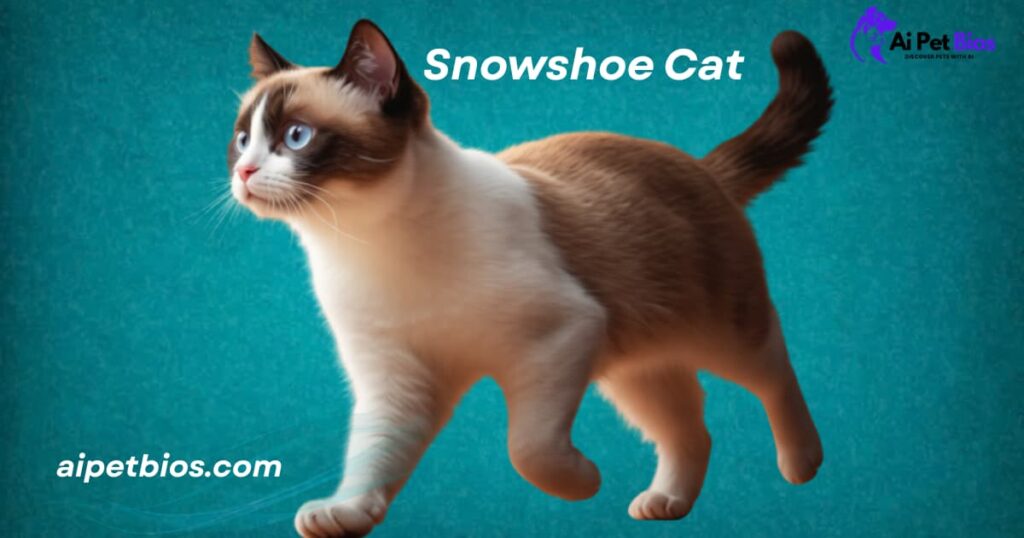
Compared to purebred Siamese, the snowshoe cat are considerably less extreme in overall appearance and temperament, exhibiting a more balanced personality. Compared to American Shorthairs, they offer distinctive colorpoint patterning and more deliberate, careful breeding standards. This breed occupies a unique middle ground between these two parent breeds, combining desirable traits from both.
Pros and Cons: Is This Breed Right for You?
| Advantages | Disadvantages |
| ✅ Stunning, distinctive appearance | ❌ Cannot be left alone for extended periods |
| ✅ Friendly, genuinely affectionate temperament | ❌ Requires significant daily interactive attention |
| ✅ Moderate vocalization levels | ❌ Expensive purchase price ($600–$1,200+) |
| ✅ Good lifespan (12–17 years) | ❌ Limited breeder availability nationwide |
| ✅ Trainable and highly intelligent | ❌ Requires substantial daily enrichment |
| ✅ Generally healthy with robust genetics | ❌ May display minor eye deviations (cosmetic) |
| ✅ Excellent companions for families | ❌ May develop separation anxiety if isolated |
| ✅ Adaptable to apartment living | ❌ Not ideal for busy working professionals |
“Is This Right for You?” Decision Framework
Your household is ideal if you:
✅ Work from home or maintain flexible schedules
✅ Seek an affectionate, people-oriented companion
✅ Enjoy interactive play, training, and engagement
✅ Have adequate space for environmental enrichment
✅ Budget $600–$1,200+ for initial adoption
✅ Can afford $1,000–$2,000 annually for complete care
✅ Want a 12–17 year commitment
✅ Appreciate distinctive, striking appearance
✅ Can provide daily interactive time (1+ hours)
Your household may not be ideal if you:
❌ Work long hours without midday breaks
❌ Travel frequently without professional pet care arrangements
❌ Want an independent, low-maintenance cat
❌ Have limited budget for premium-priced pets
❌ Prefer quiet, non-vocal feline companions
❌ Cannot provide daily enrichment and interaction
❌ Have extremely young children (supervision required)
❌ Must regularly leave cats alone for extended periods
What is a Snowshoe Cat?
A snowshoe cat is a distinctive domestic breed originating in Philadelphia during the 1960s. This remarkable feline combines striking colorpoint markings similar to Siamese cats with characteristic white paws resembling tiny snowshoes. Known for striking visual appearance and genuinely friendly temperament, these cats weigh 7–12 pounds, typically live 12–17 years, and require substantial human interaction and daily companionship to thrive emotionally and behaviorally. They represent a unique middle ground between Siamese elegance and American Shorthair heartiness.
Why Are These Felines Rare?
The rarity of this breed primarily relates to the extremely limited number of dedicated breeders specializing exclusively in this particular variety. The complex genetic requirements for achieving perfectly balanced colorpoint markings combined with precise white paw placement, coupled with naturally smaller average litter sizes, contribute significantly to scarcity.
Additionally, careful breeding standards maintained consistently by reputable breeders prevent mass production, keeping this breed exclusive and relatively uncommon compared to mainstream, easily available options.
Frequently Asked Questions
Are These Felines Good Pets for Families?
Absolutely. The snowshoe cat makes an outstanding family companion. Their gentle nature, naturally affectionate temperament, and proven tolerance for children make the snowshoe cat exceptionally well-suited to family environments.
They’re playful without being aggressive and can handle the activity levels of homes with children. However, supervision is recommended with very young children who may unintentionally handle them roughly.
What Information Should Everyone Know About the Snowshoe Cat?
Key information about the snowshoe cat includes: the breed originated in Philadelphia during the 1960s through deliberate breeding combining Siamese and American Shorthair traits. The snowshoe cat is medium-sized (7–12 pounds), lives 12–17 years, and requires substantial daily human interaction.
Their personality emphasizes friendliness and social orientation. The snowshoe cat is moderately vocal, deeply enjoys physical affection, and genuinely suffers from extended isolation. They require active owners and aren’t suitable for neglectful households.
Do These Felines Have Special Health Concerns?
The snowshoe cat is generally healthy with robust genetics from American Shorthair ancestry. However, like all colorpoint breeds, they may display strabismus (crossed eyes) and squinting, which are purely cosmetic rather than vision-affecting.
Rare cardiac conditions and age-related kidney disease require regular veterinary screening. Reputable snowshoe cat breeders conduct comprehensive genetic testing to minimize health issues.
How Do Kittens Compare to Rescue Adoption?
Breeder-sourced kittens cost $600–$1,200 and come with health guarantees and known genetic background. Rescue adoptions cost $50–$250, support animal welfare, and offer known behavioral history. Adoption provides affordability and welfare support; breeding provides genetic assurance and breed certainty.
Can These Felines Be Left Alone Safely?
These cats shouldn’t be left alone for extended periods. They can typically handle 24–36 hours alone safely, but beyond this timeframe, they develop separation anxiety. They require regular daily interaction with their human family to prevent behavioral problems and maintain emotional wellbeing.
Conclusion: Welcoming the Snowshoe Cat Into Your Home
The snowshoe cat represents a unique opportunity for dedicated cat lovers seeking a distinctive, visually striking companion with genuine personality and engaging temperament.
The snowshoe cat combines the elegant colorpoint aesthetics of Siamese cats with friendlier temperament and hardier genetics of American Shorthairs, offering an exceptional middle ground.
However, successful snowshoe cat ownership requires honest assessment of lifestyle compatibility. These are not independent, low-maintenance felines. They demand present, engaged owners willing to provide daily interaction, enrichment, and genuine affection.
For the right household—one valuing deep human-animal bonds, appreciating distinctive appearance, and committed to being regularly present—the snowshoe cat becomes far more than a pet: it becomes a cherished family member capable of providing unconditional love and entertainment for 12–17+ years.
Next Steps:
- Research established breeders through TICA-affiliated organizations
- Review breeder credentials, health testing, and references thoroughly
- Join online communities to learn from current owners
- Budget comprehensively for purchase and ongoing care
- Assess your lifestyle honestly against breed requirements
Your new feline companion is waiting—if your home and heart are ready.
Disclaimer
This article provides informational content about this breed and is not a substitute for professional veterinary or behavioral advice. Cat ownership involves individual variations; consult licensed veterinarians for specific health concerns or genetic screening.
Prices and breeder availability mentioned reflect 2026 market conditions and vary by location and individual circumstances. Always verify breeder credentials, health testing documentation, and contractual protections before purchase.
Courtesy: Animal Verse
[instant_emoji_reactions]

Want Popular On Google? | Lust Quality Backlinks That Force-fed
I’m an SEO Expert, Guest Posting Specialist, and Web Developer helping websites increase rankings, traffic, and authority using clean, white-hat strategies 🚀
I focus on high-authority guest posts, safe backlinks, SEO-optimized content, and technically sound websites—so your site doesn’t just rank, it stays ranked.
What I help you with:
✅ SEO (On-page, Off-page & Technical)
✅ Guest Posts on Real, Relevant Sites
✅ High-Quality Link Building
✅ Keyword Research & Content Strategy
✅ SEO-Friendly Website Development
📈 No spam. No shortcuts. Only results.
👉 Need backlinks that actually work?
📩 Let’s connect: https://wa.me/+923006932631
2 thoughts on “Snowshoe Cat: 7 Essential Facts About This Striking Breed”
Comments are closed.