
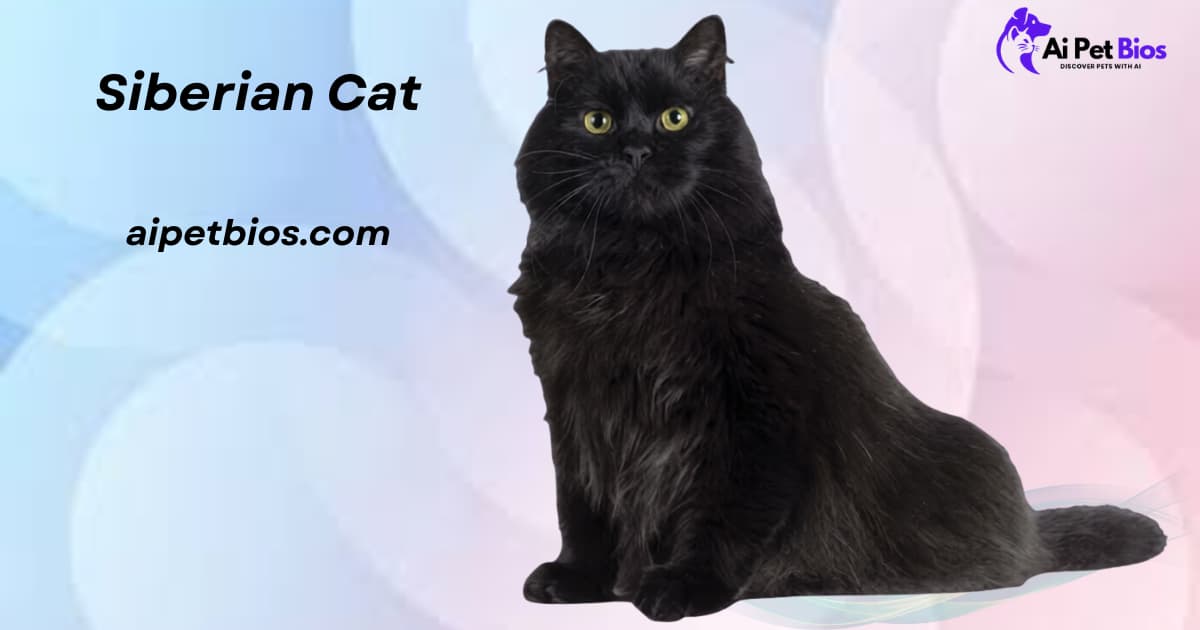
The Siberian cat represents one of the world’s most impressive and naturally occurring large cat breeds, distinguished by their commanding size, extraordinary intelligence, and genuine loyalty.
Originating from the harsh, freezing environments of Siberia, the Siberian breed evolved naturally over centuries—not through engineered breeding programs, but through genuine natural selection. These remarkable felines combine the physical presence of a miniature tiger with temperament that rivals dogs in devotion and loyalty.
What is a Siberian cat? Fundamentally, it’s a large, muscular domestic cat featuring a thick, water-resistant double coat, striking appearance, and intelligence that surprises most owners. Unlike some large breeds developed recently, Siberian kittens grow into cats with genuine ancestral heritage spanning centuries. The breed’s natural development in Siberia’s unforgiving climate created cats of remarkable resilience, strength, and adaptability.
This comprehensive guide explores everything prospective owners need to know about this magnificent breed, from their distinctive characteristics to USA pricing, health status, grooming requirements, and personality traits.
Whether you’re researching Siberian for sale USA options, considering Siberian kittens for adoption, or simply wanting to understand if this impressive breed suits your lifestyle, you’ll find detailed, authoritative information throughout this article.
Quick Facts about Siberian Cats
| Characteristic | Details |
| Breed Name | Siberian Cat |
| Origin | Siberia, Russia (ancient/natural) |
| Size Classification | Large; males 9–11 inches tall |
| Weight Range | Females 8–12 pounds; Males 12–20 pounds |
| Lifespan | 12–17 years (excellent longevity) |
| Distinctive Features | Largest naturally occurring breed, thick coat, strength |
| Coat Type | Long, thick, water-resistant double coat |
| Coat Colors | All colors and patterns accepted |
| Eye Colors | All colors; round, expressive, beautiful |
| Temperament | Intelligent, loyal, gentle, family-oriented |
| Activity Level | High energy but controllable |
| Grooming Needs | Moderate to high; seasonal shedding significant |
| Family Suitability | Excellent with families and children |
| Vocalization | Moderate; softer voice than expected for size |
| Special Trait | Pick one person for special bonding |
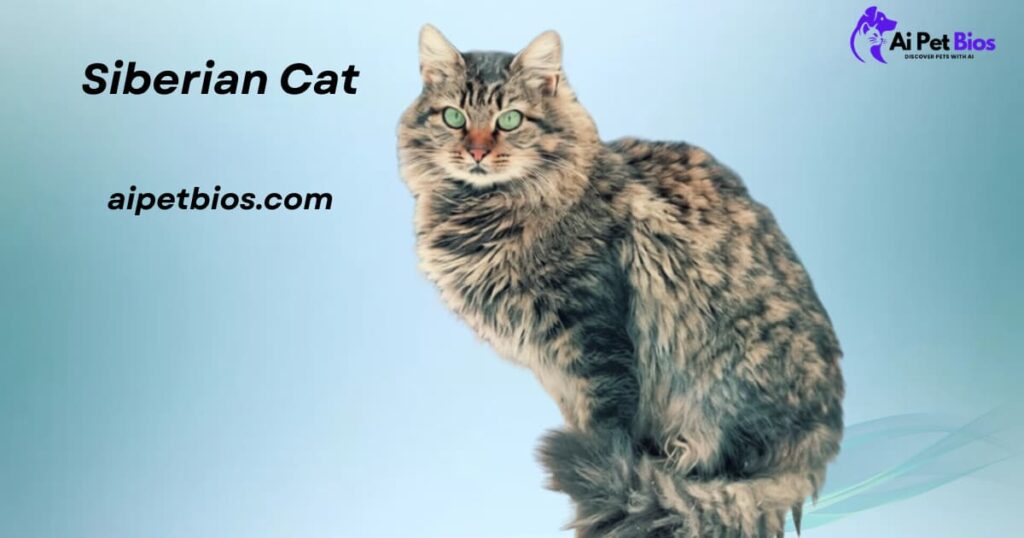
15 Essential Facts about Siberian Cats
- Naturally Evolved Giants – The cat represents the world’s largest naturally occurring cat breed, developing through genuine natural selection rather than engineered breeding programs over centuries in harsh Siberian climates
- Ancient Russian Heritage – Documented for centuries in Russian folklore and culture, these cats earned their place through survival in unforgiving environments, creating natural strength and resilience
- Remarkable Size – Mature males reach 12–20 pounds and 9–11 inches at the shoulder, making them substantially larger than average domestic cats while remaining athletic and graceful
- Intelligence Beyond Typical Cats – cat individuals demonstrate problem-solving abilities, memory, and learning capacity comparable to highly intelligent dog breeds
- Exceptional Loyalty – These cats form profound bonds with their families, often picking one person for special devotion while remaining affectionate with all household members
- Water-Resistant Coat – Their evolution in Siberia created a unique double coat structure with water-resistant properties, developed specifically for extreme cold and moisture protection
- Hypoallergenic Misconception – While sometimes marketed as hypoallergenic, Siberian cat breeds produce standard feline allergens; they may cause fewer reactions in some individuals but aren’t truly allergen-free
- Excellent Alone-Time Tolerance – Unlike many cat breeds, Siberian kittens mature into cats capable of managing solo time well, suitable for owners with work commitments
- Powerful Hunters – Despite their gentle demeanor, these cats retain impressive hunting instincts, quick reflexes, and physical power reflecting their Siberian heritage
- Moderate Vocalization – Remarkably, their voice is softer than expected for their size; Do Siberian cats meow a lot? No—they communicate relatively quietly
- Outstanding Family Pets – Is a Siberian a good pet? Absolutely—their combination of gentle temperament, intelligence, and patience makes them exceptional with children and families
- Athletic Ability – Their muscular frame and natural agility create impressive jumping capability, wall-climbing skills, and physical prowess despite substantial size
- Extended Lifespan – Siberian cat lifespan typically spans 12–17 years, reflecting their robust genetics and generally excellent health status
- All Color Variations – Available in every recognized color and pattern—Siberian cat black, Siberian cat white, Siberian cat orange, and every combination imaginable
- High Intelligence Recognition – Are Siberian cats intelligent? Definitively yes—they solve problems, understand complex patterns, learn commands, and demonstrate memory that astounds owners
Origin and History: Understanding Siberian Heritage
The Siberian breed doesn’t have a single “discovery moment” like some cultivated breeds. Instead, it represents genuine natural development across centuries in Siberia’s harsh environment. These cats evolved naturally, shaped by extreme cold, deep snow, and challenging survival conditions that eliminated the weak and refined the strong.
Historical documentation suggests Siberian cats inhabited Russian households and monasteries for centuries, valued for their hunting prowess and protective nature. Russian folklore frequently references these magnificent felines, recognizing them as uniquely Russian treasures. Unlike European and American breeds developed through deliberate selective breeding in recent decades, These earned their characteristics through genuine natural selection.
The breed’s formal recognition came relatively recently in historical terms. International cat associations began acknowledging Siberian cat breed standards in the 1990s, though Russians knew about these impressive animals for centuries. The Cat Fanciers’ Association and other international organizations established breeding standards, though these standards primarily documented characteristics that existed naturally for generations.
What is a Siberian cat fundamentally represents is ancient natural development—a cat breed that evolved in harsh conditions without human intervention, creating genuine strength, intelligence, and resilience. This natural heritage distinguishes them from engineered breeds and contributes to their exceptional health and robust genetics.
Modern Siberian cat breeders USA work to preserve these ancient characteristics while maintaining genetic health through responsible breeding practices. The breed’s recent international growth hasn’t diminished their core Russian identity and heritage.
Core Characteristics and Physical Features
Size and Build
The Siberian cat size places them firmly in the large category. Mature males typically weigh 12–20 pounds and stand 9–11 inches at the shoulder, while females average 8–12 pounds at similar height. This substantial size distinguishes them immediately, though their athletic build prevents them from appearing overweight or clumsy.
Their muscular frame supports their weight with remarkable grace. The chest is broad and deep, providing power for their impressive jumping and climbing abilities. Their legs are sturdy and substantial, yet proportionate to their body, enabling speed and agility surprising for their size.
Coat Characteristics
The Siberian cat features a long, thick double coat created specifically for extreme cold protection. The outer guard hairs are longer and stiffer, while the dense undercoat provides insulation. This structure creates water-resistant properties—the coat sheds water rather than absorbing it, a critical feature for Siberian survival.
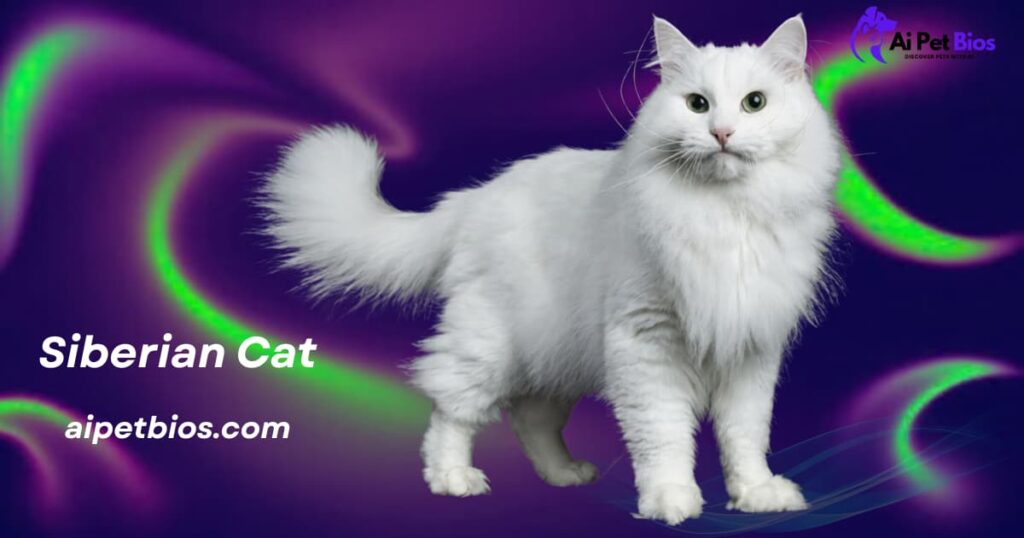
Siberian cat colors include all recognized variations. Siberian cat black, Siberian cat white, Siberian cat orange, tabby patterns, calico, tortoiseshell, pointed patterns, and every combination appears within the breed. The thick coat creates visual richness regardless of coloring.
Head and Facial Features
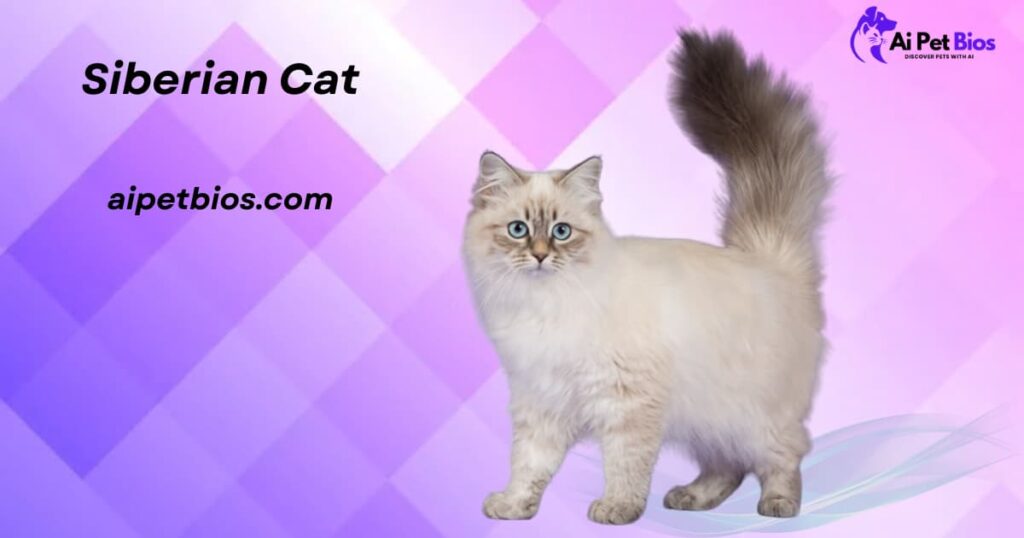
The head is medium to large with a slightly rounded appearance. Eyes are round, large, and expressive in all colors. The muzzle is slightly rounded without extreme shortness, contributing to their sweet, approachable expression despite their commanding presence.
Ears are medium-sized, set appropriately on the head, often featuring tufts that enhance their wild appearance. This ear structure, combined with their facial proportions, creates their distinctive expression.
Distinctive Physical Traits
The overall impression is of a powerful yet graceful cat—a gentle giant combining strength with elegance. Their Siberian heritage manifests in their athletic bearing, watchful eyes, and natural confidence. They move with surprising lightness despite their size.
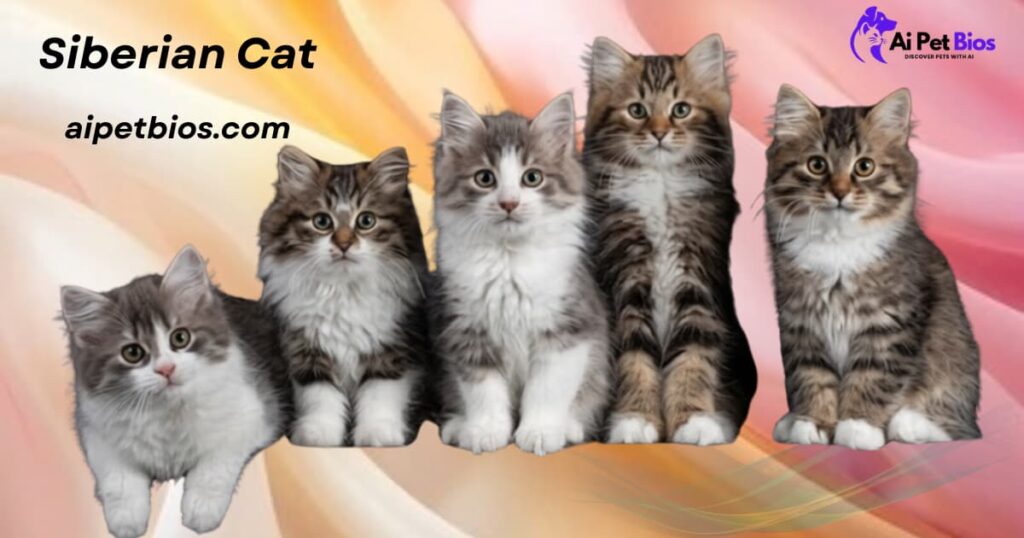
Personality and Temperament: Understanding Siberian Nature
Exceptional Intelligence
The Siberian cat personality begins with remarkable intelligence. These cats demonstrate problem-solving abilities, memory, and learning capacity that surprises most owners. Are Siberian cats intelligent? Unquestionably yes—they understand cause-and-effect relationships, learn commands, solve puzzles, and exhibit behaviors indicating complex thinking.
They quickly understand household routines, recognize individual family members, and adapt their behavior based on context. Many learn to come when called, open doors, and participate in activities requiring sophisticated understanding.
Gentle Giants with Genuine Loyalty
Despite their impressive size and hunting prowess, Siberian cat individuals are remarkably gentle. Is a Siberian cat a good pet? Absolutely—their combination of size, strength, intelligence, and genuine affection creates exceptional family companions.
These cats form deep bonds with their families, often picking one person for special devotion. This selective bonding doesn’t mean they’re unfriendly with others—they remain affectionate with all household members—but they typically develop particular attachment to one individual, following them throughout the home and seeking their attention preferentially.
Balanced Energy and Calmness
Siberian kittens grow into cats with moderate to high energy levels, yet their energy is controllable and directed. They enjoy interactive play, climbing, and exploration, but don’t possess the manic hyperactivity of some breeds. They balance activity with genuine contentment during quiet companionship.
Moderate Vocalization
Do Siberian cats meow a lot? Surprisingly, no. Their voice is softer and quieter than expected for their size. They communicate through meows, chirps, and body language but don’t engage in excessive vocalization. This characteristic makes them suitable for apartment living despite their size.
Can Siberian Cats Be Left Alone?
Can Siberian cats be left alone? Yes—they manage solo time better than many cat breeds. While they form strong bonds with their families, they don’t develop separation anxiety easily. Their intelligence allows them to entertain themselves, and their calm nature prevents destructive behavior during owner absence.
This characteristic distinguishes them from many breeds requiring constant companionship.
Health Status: Robust and Generally Healthy
Excellent Genetic Health
The Siberian cat breed benefits from their natural development and genetic diversity. Unlike some engineered breeds prone to specific health conditions, Siberians have robust genetics developed through genuine natural selection.
They’re generally healthy cats with few breed-specific genetic concerns. Their longevity—typically 12–17 years—reflects their overall health potential when provided appropriate care and nutrition.
Common Health Considerations
While generally healthy, awareness of potential concerns includes:
- Hypertrophic cardiomyopathy (HCM): Heart condition affecting some cats; responsible breeders conduct screening
- Polycystic kidney disease (PKD): Inherited kidney condition; genetic testing helps identify affected cats
- Hip dysplasia: Rare in cats but can occur; responsible breeding practices minimize risk
Preventative Care Importance
Regular veterinary monitoring, genetic testing when available, and early health screening support long-term wellness. Most Siberian cat health issues are preventable or manageable through responsible breeding and attentive care.
Grooming and Coat Care: Managing the Magnificent Coat
Is a Siberian Cat High Maintenance?
Is a Siberian cat high maintenance? Regarding grooming, yes—their thick coat requires consistent care:
Weekly Brushing: Essential minimum, typically 2–3 times weekly During Shedding: Daily brushing necessary during seasonal transitions Seasonal Undercoat Removal: Professional grooming or intensive home grooming 2–3 times yearly
Grooming Requirements
The thick double coat requires:
- High-quality slicker brush for outer coat
- Metal comb for detangling
- Undercoat rake for undercoat management
- Occasional professional grooming
- Regular nail trimming
- Ear cleaning when needed
- Dental care
Shedding Reality
Siberian cats shed moderately to heavily, particularly during seasonal transitions. The thick undercoat releases substantial fur requiring management. Without regular grooming, loose fur accumulates, creating matting and skin problems.
Cost and Investment: Siberian Cat Pricing
How Much Does a Siberian Cat Cost?
How much does a Siberian cat cost? The Siberian cat price USA varies based on breeder reputation, genetics, and kitten quality:
Pet-Quality Kittens: $600–$1,500 from established breeders Show-Quality Cats: $1,500–$2,500+ Premium/Championship Lines: $2,500–$4,000+
How much money is a Siberian cat? The investment reflects breeder dedication to health testing, genetic screening, and breed standard maintenance.
Breeder Selection
Reputable Siberian cat breeders USA conduct genetic testing, maintain health records, and provide health guarantees. Siberian cat breeders USA should be:
- CFA or TICA-registered
- Willing to discuss health testing
- Transparent about breeding practices
- Offering lifetime support
Siberian Kitten Availability
Siberian kittens for sale options in the USA remain somewhat limited due to the breed’s relative rarity outside Russia. Siberian kittens for sale near me searches may require patience or willingness to work with distant breeders.
Siberian kitten breeders maintain waiting lists, as quality breeders limit litter sizes to ensure kitten welfare.
Adoption and Rescue Options
Siberian kittens for adoption through rescue organizations offer cost-effective alternatives ($50–$300). Siberian cat adoption USA and Siberian cat rescue USA provide opportunities to help cats in need while reducing costs.
Ongoing Expenses
Beyond initial purchase, budget for:
- Food: $40–$70 monthly
- Grooming supplies: $30–$50 monthly
- Professional grooming: $100–$200 per session (2–3 times yearly)
- Veterinary care: $300–$500+ annually
- Toys/enrichment: $20–$40 monthly
- Optional pet insurance: $15–$30 monthly
Total annual costs: $1,200–$1,800+
Care and Maintenance: Practical Guidelines
Nutrition and Feeding
High-quality, protein-rich cat food supports their large frame and active lifestyle. Premium nutrition contributes to coat health and overall wellness. Portion control prevents obesity, important for maintaining healthy weight in large cats.
Exercise and Environmental Enrichment
Siberian cat individuals benefit significantly from environmental enrichment. Provide:
- Tall, sturdy climbing structures
- Interactive toys for problem-solving
- Window perches for observation
- Opportunities for hunting simulation
- Consistent interactive play
Their intelligence and activity level require mental stimulation beyond typical cat needs.
Veterinary Care
Annual examinations focusing on cardiovascular and kidney health support long-term wellness. Genetic testing when available helps identify potential issues early. Dental care prevents common feline dental disease.
Comparison Section: Siberian Cat vs. Similar Breeds
Siberian Cat vs. Maine Coon
| Feature | Siberian Cat | Maine Coon |
| Origin | Siberia, Russia (natural) | Maine, USA (developed breed) |
| Size | 12–20 lbs males | 13–18 lbs typical |
| Coat Type | Long, thick double | Shaggy, semi-long |
| Temperament | Gentle, loyal, picks one person | Friendly, social, dog-like |
| Intelligence | Exceptional | Very high |
| Grooming | Moderate-high | Moderate-high |
| Vocalization | Quiet | Moderately vocal |
| Price | $600–$2,500+ | $600–$2,000+ |
| Health | Generally robust | Generally healthy |
Siberian Cat vs. Norwegian Forest Cat
Norwegian Forest Cats feature similar size but different coat structure and origin. Siberians are more muscular; Norwegians more graceful. Both require significant grooming. Siberians are more loyal and selective in bonding; Norwegians more independent.
Siberian Cat vs. Turkish Van
Turkish Vans are smaller, more athletic swimmers, and different in temperament. Siberians are larger, more intelligent, and more family-oriented. Vans have lower grooming requirements and different personality traits.
Addressing the Hypoallergenic Myth
Siberian Cat Hypoallergenic: The Reality
Siberian cat breeds are often marketed as hypoallergenic. This claim requires clarification: while some individuals report fewer allergic reactions to Siberians compared to other cats, the breed doesn’t produce significantly fewer allergens than other cats.
What is special about Siberian cats includes many things, but true hypoallergenic status isn’t one of them. The claim likely stems from:
- Thick coat potentially trapping some allergens
- Individual variation in allergen sensitivity
- Marketing exaggeration
Reality: Individuals with cat allergies should test exposure extensively before committing to a Siberian kitten adoption.
Pros and Cons: Balanced Evaluation
Advantages
✓ Largest naturally occurring cat breed
✓ Exceptional intelligence comparable to dogs
✓ Remarkable loyalty and bonding
✓ Generally healthy with excellent genetics
✓ Excellent with families and children
✓ Can manage alone time well
✓ Beautiful, impressive appearance
✓ Moderate vocalization
✓ Long lifespan (12–17 years)
✓ Gentle giant temperament
Disadvantages
✗ Substantial grooming requirements
✗ Significant shedding
✗ Premium purchase prices
✗ Relative rarity in USA (limited breeder options)
✗ NOT truly hypoallergenic
✗ Require space for size and activity
✗ Need consistent mental enrichment
✗ Higher veterinary costs for large cat
✗ Can be stubborn/selective with people
✗ Require experienced, dedicated owners
“Is This Right for You?” Decision Framework
Siberian Cats Suit You If:
✓ You appreciate large, impressive cats
✓ You want genuine intelligence and bonding
✓ You can provide space for size and activity
✓ You’re committed to grooming requirements
✓ You value loyalty and devotion
✓ You have families with children
✓ You can budget for premium costs
✓ You’re patient with their selective nature
✓ You want a long-lived companion (12–17 years)
Seriously Reconsider If:
✗ You want a low-maintenance cat
✗ You have limited living space
✗ You cannot commit to regular grooming
✗ You’re budget-constrained
✗ You want an independent, aloof cat
✗ You’re seeking a hypoallergenic cat
✗ You prefer minimal shedding
✗ You cannot provide mental enrichment
✗ You want immediate breeder availability
Frequently Asked Questions: Siberian Cats
What is a Siberian cat?
What is a Siberian cat? A large domestic cat breed originating naturally in Siberia, Russia, featuring impressive size (12–20 pounds for males), thick water-resistant double coat, exceptional intelligence, and remarkable loyalty. Siberian cat breed represents the world’s largest naturally occurring cat breed, developed through natural selection rather than engineered breeding.
How much does a Siberian cat cost in the USA?
How much does a Siberian cat cost in the USA? Pet-quality Siberian kitten pricing ranges $600–$1,500 from established breeders; show-quality cats reach $1,500–$2,500+. Siberian cat price USA varies by breeder reputation, genetics, and region. Adoption through rescues typically costs $50–$300. Annual ownership costs run $1,200–$1,800+ including grooming and veterinary expenses.
Is a Siberian cat a good pet?
Is a Siberian cat a good pet? Absolutely yes. Their exceptional intelligence, genuine loyalty, gentle temperament despite their size, and patience with children make them outstanding family companions. They form profound bonds with their families while remaining manageable and affectionate. Their ability to handle alone time and moderate vocalization make them suitable for various living situations.
What is special about Siberian cats?
What is special about Siberian cats? Their combination of impressive size, natural development over centuries, exceptional intelligence, remarkable loyalty, water-resistant coat, ability to manage solo time, and gentle temperament. They pick one person for special bonding, demonstrate problem-solving abilities comparable to dogs, and possess athletic prowess surprising for their size. Their ancient Russian heritage and natural evolution distinguish them from engineered breeds.
Is a Siberian cat high maintenance?
Is a Siberian cat high maintenance? Regarding grooming, yes—they require 2–3 weekly brushing sessions, intensive care during shedding, and professional grooming 2–3 times yearly. However, regarding temperament and care requirements, they’re moderate maintenance. They don’t require constant attention, manage alone time well, and maintain calm demeanor. The grooming commitment is their primary maintenance factor.
Do Siberian cats pick one person?
Do Siberian cats pick one person? Yes, frequently. While friendly with all family members, Siberian cat individuals often develop special attachment to one individual, following them throughout the home and seeking their attention preferentially. This selective bonding reflects their loyalty and strong bonding capability.
Are Siberian cats intelligent?
Are Siberian cats intelligent? Definitively yes. Siberian cat intelligence is exceptional, comparable to highly intelligent dog breeds. They solve problems, understand complex patterns, learn commands, retain memory of events, and demonstrate sophisticated thinking. Their intelligence requires consistent mental stimulation and enrichment.
Conclusion: Embracing Siberian Cat Companionship
The Siberian cat represents a genuine opportunity to experience one of the world’s most impressive and naturally evolved large cat breeds. Combining ancient heritage, exceptional intelligence, genuine loyalty, and gentle temperament, these magnificent animals create household experiences that justify their premium costs and grooming commitments for dedicated owners.
Their natural development in harsh Siberian climates created robust genetics, impressive physical capabilities, and remarkable resilience. Unlike engineered breeds developed recently, Siberian cat breed characteristics evolved across centuries, producing cats of genuine strength and authenticity.
For owners willing to embrace grooming requirements and appreciate their selective bonding nature, the Siberian kitten grows into a companion of incomparable loyalty and intelligence. Their extended lifespan—12–17 years—ensures years of meaningful connection, while their gentle nature makes them suitable for families and various household situations.
When acquiring a Siberian cat for sale USA, prioritize working with reputable Siberian cat breeders USA conducting genetic testing and health screening. Verify credentials through CFA or TICA registration. Always ask about health guarantees and ongoing support.
Consider Siberian cat adoption USA and Siberian cat rescue USA alternatives—Siberian kittens for adoption offer the advantage of helping animals in need while providing homes for cats requiring second chances.
For further information: Maine Coon breed guide, Norwegian Forest Cat characteristics, or large cat breed resources.
Disclaimer
This article provides informational content about Siberian cats based on current breed information and veterinary understanding. Siberian cats are large, intelligent animals requiring substantial space, consistent grooming, and mental enrichment.
While generally healthy, prospective owners should consult with veterinarians experienced with large breeds, work with reputable breeders conducting genetic testing, and honestly evaluate grooming commitments before acquiring one of these cats. Siberian cats are not hypoallergenic despite marketing claims.
Individual cat personalities and health status vary. This article is not intended as veterinary advice; always consult qualified veterinarians for health concerns or breed-specific questions.
Courtesy: Cat Nation
[instant_emoji_reactions]

Want Popular On Google? | Lust Quality Backlinks That Force-fed
I’m an SEO Expert, Guest Posting Specialist, and Web Developer helping websites increase rankings, traffic, and authority using clean, white-hat strategies 🚀
I focus on high-authority guest posts, safe backlinks, SEO-optimized content, and technically sound websites—so your site doesn’t just rank, it stays ranked.
What I help you with:
✅ SEO (On-page, Off-page & Technical)
✅ Guest Posts on Real, Relevant Sites
✅ High-Quality Link Building
✅ Keyword Research & Content Strategy
✅ SEO-Friendly Website Development
📈 No spam. No shortcuts. Only results.
👉 Need backlinks that actually work?
📩 Let’s connect: https://wa.me/+923006932631
1 thought on “Siberian Cat: 15 Essential Facts About This Gentle Giant from Ancient Russia”
Comments are closed.