
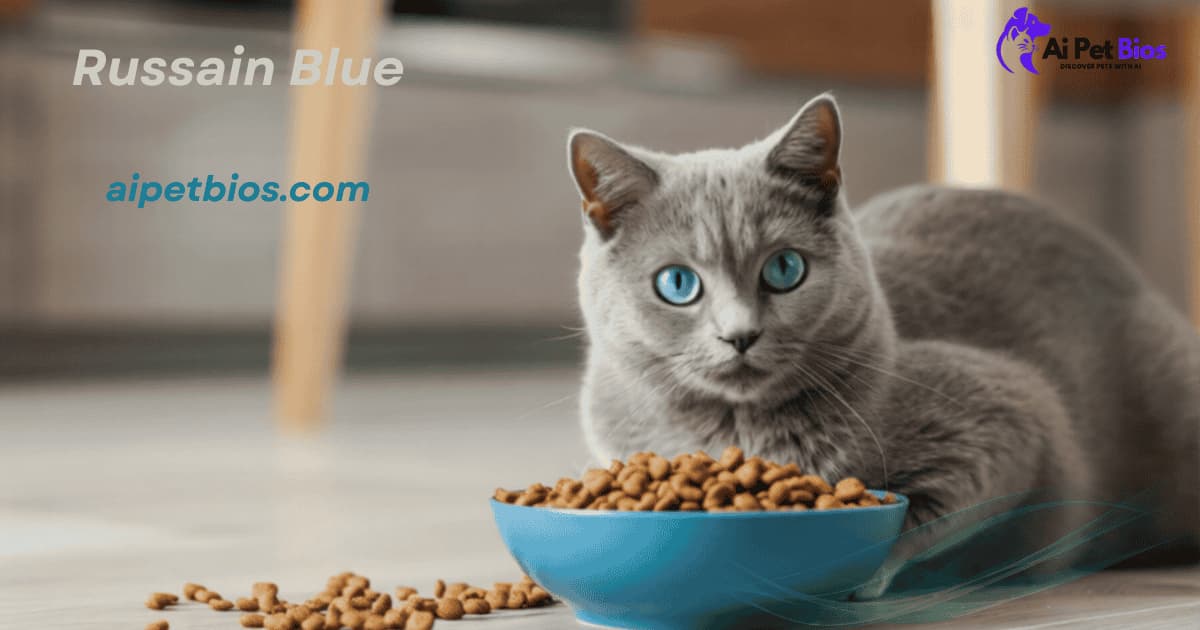
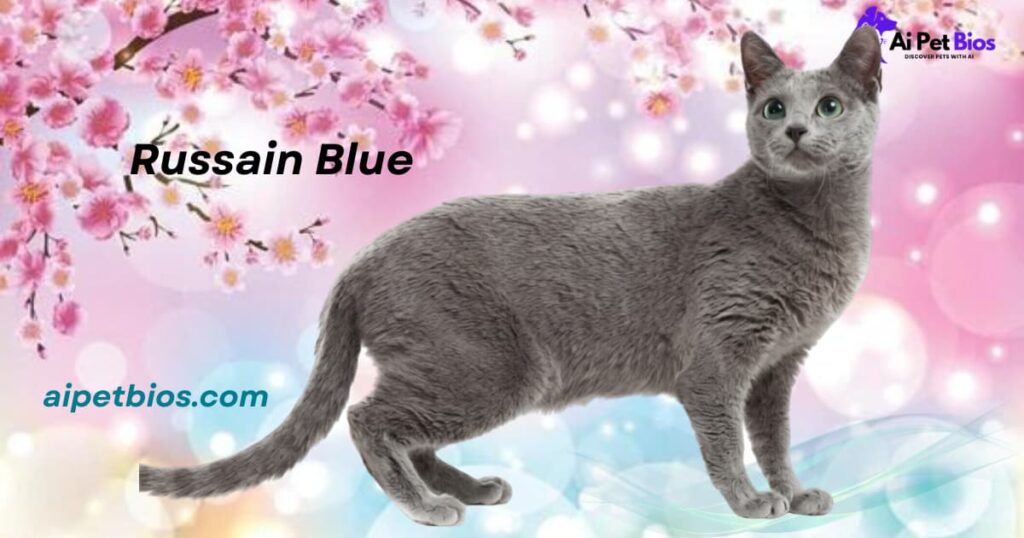
The Russian Blue cat represents one of the most sophisticated and elegant cat breeds available today. With their distinctive silver-blue coat, striking emerald eyes, and remarkably gentle disposition, these felines have captivated cat enthusiasts for centuries.
Originating from the northern regions of Russia, the Russian Blue cat breed has evolved into a globally cherished companion animal, known for combining stunning aesthetics with an exceptionally calm and affectionate temperament.
This comprehensive guide explores everything prospective and current owners need to understand about this remarkable breed. Whether you’re investigating Russian Blue cats for adoption, curious about Russian Blue cat for sale options, or simply wanting to learn whether these elegant cats suit your lifestyle, you’ll find authoritative, practical information throughout this article.
Quick Facts About Russian Blue Cats
| Characteristic | Details |
| Breed Origin | Russia (Northern regions) |
| Size | Medium; 9–10 inches tall |
| Weight Range | Females 7–9 pounds; Males 10–12 pounds |
| Lifespan | 15–20 years with proper care |
| Coat Type | Double-layered, short, plush |
| Distinctive Feature | Russian Blue blue eyes and silver-blue coat |
| Personality Traits | Quiet, gentle, intelligent, loyal |
| Grooming Needs | Minimal; weekly brushing sufficient |
| Family Suitability | Excellent with respectful families |
| Vocalization Level | Very quiet; rarely vocalize |
| Energy Level | Low to moderate; enjoys quiet activities |
| Health Status | Generally robust; few genetic issues |
| Special Traits | Russian Blue cat hypoallergenic qualities |
| Recognition | CFA, TICA, FIFé standards |
15 Remarkable Traits That Define Russian Blue Cats
- Distinctive Blue-Grey Coat – Their signature silver-blue fur is instantly recognizable and luxuriously plush, requiring minimal grooming despite its density
- Striking Emerald Eyes – Russian Blue blue eyes feature a unique rounded almond shape with luminous emerald-green coloring that deepens with age
- Exceptional Intelligence – These cats demonstrate remarkable problem-solving abilities and quickly understand household routines and expectations
- Quiet Nature – They’re among the quietest cat breeds, communicating through soft chirps and body language rather than excessive vocalization
- Loyal Devotion – Russian Blues form deep attachments to their chosen humans, often following them throughout the home
- Gentle Temperament – Their calm, non-aggressive nature makes them ideal for peaceful households and families with respectful children
- Privacy Appreciation – They respect personal boundaries and don’t demand constant attention, making them excellent for introverted owners
- Hypoallergenic Qualities – Russian Blue cat hypoallergenic characteristics mean reduced allergen production compared to many other breeds
- Playful Intelligence – They enjoy interactive play that stimulates their minds, particularly puzzle toys and hunting-simulation games
- Athletic Agility – Despite their quiet nature, they’re surprisingly athletic and enjoy vertical spaces and climbing opportunities
- Sensitive Nature – They’re emotionally aware and respond to household tension, requiring stable, calm environments
- Long Lifespan – Typically living 15–20 years, they provide extended companionship and family memories
- Selective Affection – They choose specific family members for closer bonding, creating special individual relationships
- Excellent Health – Their genetic diversity contributes to fewer breed-specific health issues compared to many purebreds
- Timeless Elegance – Their sophisticated appearance and refined demeanor represent a timeless beauty that never feels dated or trendy
Origin and History: The Russian Blue Legacy
The Russian Blue cat has an intriguing history that extends back centuries. These distinctive felines originated in the Archangel Isles of Northern Russia, where they evolved in the harsh, cold climate of Russian winters. Historical accounts suggest that Russian nobility and upper classes valued these cats for their striking appearance and gentle temperament, keeping them as treasured companions in royal households.
The breed gained international attention during the 19th century when British traders and explorers encountered these cats during business ventures in Russia. European cat enthusiasts became captivated by their unusual coloring and refined nature, leading to their introduction to Britain and subsequent development of formal breeding standards.
During the early 20th century, Russian Blue cat breed development became formalized through selective breeding programs in Europe and North America.
Breeders focused on maintaining the distinctive blue-grey coat, the striking Russian Blue blue eyes, and most importantly, the temperament that made these cats so special. The breed standard emphasized their quiet nature, intelligence, and gentle disposition—characteristics that distinguished them from more demanding breeds.
The formal recognition came through major cat associations. The Cat Fanciers’ Association (CFA) and The International Cat Association (TICA) established detailed breed standards, ensuring consistent characteristics across breeding lines. These standards protect breed integrity while maintaining the health and welfare standards essential for responsible breeding.
Core Characteristics and Physical Features
Coat and Color
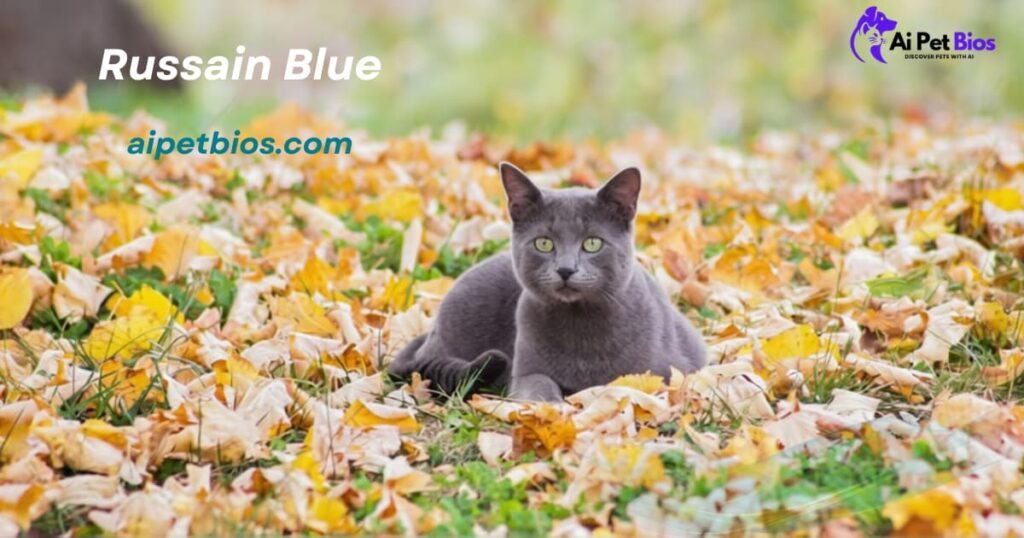
The Russian Blue cat features a double-layered, short coat with a distinctively plush texture. The outer guard hairs are tipped with silver, creating a shimmering, frosted appearance that develops with maturity. Kittens may appear darker, with the characteristic silver developing as they mature. The undercoat is dense and soft, contributing to the coat’s luxurious feel and appearance.
The color is consistently described as blue-grey, ranging from pale silver to deeper slate tones depending on individual genetics and breeding lines. The coat gleams under light, often described as having a silvery frost or platinum appearance. Russian Blue cat long hair variants are extremely rare and not recognized in standard breed classifications—the breed maintains the distinctive short, dense coat as its defining characteristic.
Eyes and Facial Structure
The Russian Blue blue eyes represent one of the breed’s most striking features. These luminous emerald-green eyes are large, rounded, and set wide apart on the head. The distinctive eye shape and placement contribute significantly to their intelligent, gentle expression. Eye color typically deepens and becomes more vivid as cats mature, reaching their most beautiful appearance in adulthood.
The head is wedge-shaped with a flat forehead and straight nose profile. Ears are large, thin, and set vertically on the head, creating an alert, intelligent appearance. The muzzle is gently rounded without exaggeration, contributing to their sweet expression rather than appearing severe or angular.
Size and Build
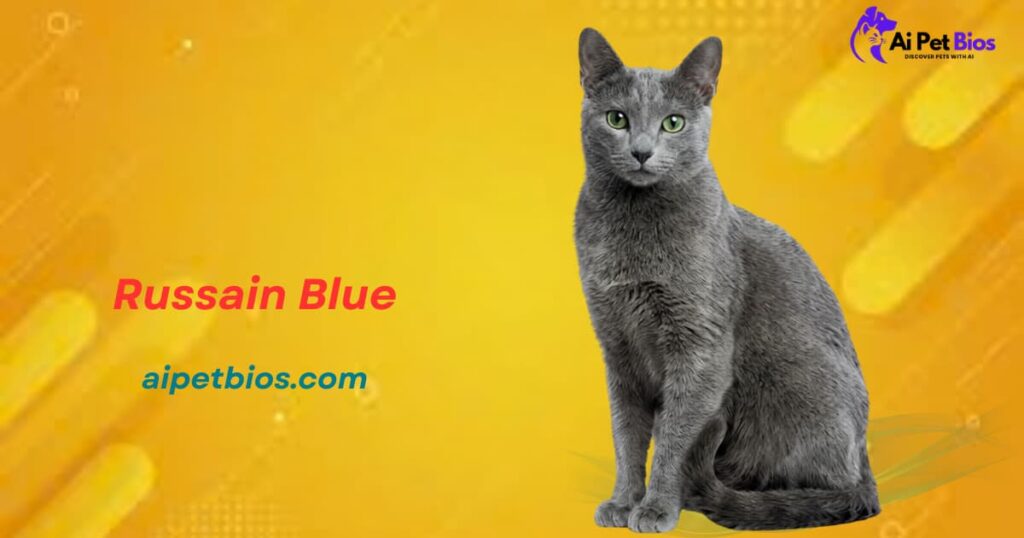
The Russian Blue cat size falls into the medium category, though their slim build and long legs make them appear more delicate than they actually are. Females typically weigh 7–9 pounds and stand 9–10 inches at the shoulder, while males average 10–12 pounds at similar height. Their slender musculature and elegant carriage create an impression of graceful refinement.
The body is long and lithe, with a fine bone structure supporting lean musculature. The legs are long and straight, ending in small, delicate-appearing paws. This overall proportioning contributes to their aristocratic appearance and graceful movement.
Personality and Temperament: Understanding Russian Blues
Quiet and Gentle Nature
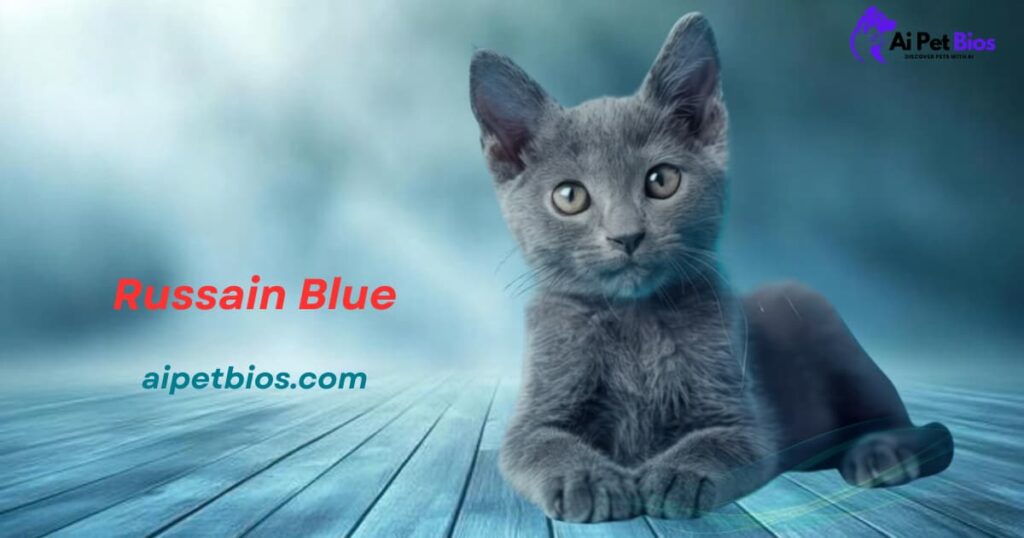
The Russian Blue cat personality is defined by exceptional gentleness and a remarkable quiet nature. These cats communicate primarily through body language, soft chirps, and head bunts rather than extensive vocalization. Owners often describe them as nearly silent companions, creating peaceful household environments without excessive meowing or noise.
Their gentle disposition extends to interactions with people and other animals. They’re naturally non-aggressive, making them suitable for households with children, other cats, and even dogs when properly introduced. However, their sensitivity means they thrive in calm environments rather than chaotic households.
Intelligence and Responsiveness
What is a Russian Blue cat intellectually? These are highly intelligent animals capable of understanding complex household patterns and routines. They quickly learn where they’re allowed, what activities are permitted, and even recognize individual family members’ schedules and preferences.
Russian Blues respond well to positive reinforcement training and can learn commands, understand their names, and participate in interactive play that challenges their minds. Their intelligence, combined with their calm nature, makes them excellent problem-solvers who enjoy puzzle toys and enrichment activities.
Loyalty and Bonding
Russian Blue kitten development includes forming strong attachments to their chosen humans. While they’re friendly with all family members, Russian Blues often develop particularly close bonds with specific individuals. These relationships deepen over time, creating deeply loyal companions who provide consistent affection and presence throughout their owners’ lives.
Can Russian Blue Cats Be Left Alone?
Can Russian Blue cats be left alone? Yes—they’re more independent than some breeds, managing solo time better than highly dependent cats. However, they still require regular interaction and mental stimulation. Leaving them alone for extended periods (more than 24–48 hours) can cause stress and behavioral issues.
Cost and Investment: Russian Blue Cat Pricing
Initial Purchase Price
Are Russian Blue cats expensive? The answer is yes—they represent a significant investment compared to domestic shorthairs. The Russian Blue cat price reflects their rarity, selective breeding, and the dedication required for responsible breeding programs.
How much is a Russian Blue cat? The Russian Blue kitten price typically ranges from $600–$1,200 from reputable, registered breeders. Russian Blue cat cost USA varies by region, breeder reputation, and individual kitten characteristics. Show-quality individuals command premium pricing—up to $2,000 or more—while pet-quality kittens typically fall within the $600–$1,200 range.
Why are Russian Blue cats so special (and costly)? Several factors contribute to their pricing:
- Selective breeding for specific traits and health
- Genetic testing and health screening
- Limited litters (typically 3–5 kittens)
- Registration with major cat associations
- Breeder expertise and reputation
- Import costs from international breeders
Regional Pricing Variations
Russian Blue cat for sale USA pricing varies significantly by region. Russian Blue cat for sale near me searches typically reveal that:
- Major metropolitan areas command premium pricing
- Breeders with championship bloodlines charge higher rates
- Russian Blue cat for sale USA generally averages $800–$1,500
- Shipping from distant breeders adds $200–$400
Ongoing Expenses
Beyond initial purchase, budget for:
- Food: $30–$50 monthly for quality nutrition
- Grooming supplies: $10–$15 monthly
- Veterinary care: $200–$400 annually
- Toys and enrichment: $30–$50 monthly
- Optional pet insurance: $15–$30 monthly
Adoption and Rescue Options
Russian Blue kitten adoption through rescue organizations offers significantly reduced costs—typically $100–$300, including spay/neuter and initial health checks. While rescue Russian Blues are less common than other breeds, breed-specific rescues occasionally have animals available.
Care and Maintenance: Keeping Russian Blues Healthy
Grooming and Coat Care
Despite their plush appearance, Russian Blue cat grooming needs are minimal:
- Weekly brushing: Maintains coat health and removes loose fur
- Occasional bathing: Only needed if coat becomes soiled
- Nail trimming: Bi-weekly maintenance
- Ear cleaning: Weekly inspection for cleanliness
- Dental care: Regular tooth brushing prevents dental disease
Nutrition and Feeding
High-quality nutrition supports their health and coat condition:
- Premium cat food: High-protein, complete formulas
- Portion control: Prevent obesity through careful monitoring
- Hydration: Fresh water consistently available
- Age-appropriate nutrition: Kitten, adult, and senior formulas as needed
Environmental Enrichment
Russian Blues thrive with appropriate environmental stimulation:
- Interactive toys: Puzzle feeders and hunting-simulation games
- Climbing structures: Cat trees and vertical spaces
- Window perches: Opportunities for environmental observation
- Quiet spaces: Safe retreats for their more introverted nature
Veterinary Care
Regular professional care ensures long-term health:
- Annual examinations: Baseline health assessments
- Genetic testing: Screen for inherited conditions
- Spay/neuter: Early sterilization preventing reproduction
- Vaccinations: Current protection against feline diseases
Health Considerations and Common Concerns
General Health Status
Russian Blue cat individuals generally enjoy excellent health compared to many purebred cats. Their genetic diversity, resulting from their ancient origins and international breeding, contributes to hybrid vigor and fewer inherited conditions.
Potential Health Issues
While generally healthy, awareness of potential concerns includes:
- Hypertrophic cardiomyopathy (HCM): Heart condition affecting some cats; genetic testing helps identify risk
- Progressive retinal atrophy (PRA): Rare eye condition; genetic testing available
- Urinary tract issues: Common in cats generally; proper nutrition and hydration help prevent
Longevity and Quality of Life
Russian Blues typically live 15–20 years with proper care, some reaching their early twenties. This extended lifespan reflects their generally robust genetics and responsiveness to good nutrition and veterinary care.
Comparison Section: Russian Blue Versus Other Breeds
Russian Blue vs. British Shorthair
Russian Blue vs British Shorthair represents a common comparison among potential owners:
| Feature | Russian Blue | British Shorthair |
| Coat Color | Silver-blue only | Multiple colors allowed |
| Eye Color | Emerald green | Varies (gold, copper, blue) |
| Temperament | Quiet, gentle, reserved | Calm, independent |
| Vocalization | Very quiet | Moderate meowing |
| Size | Medium, slender | Medium-large, stockier |
| Energy | Low-moderate | Low |
| Price | $600–$1,200 | $400–$900 |
Russian Blue vs. Domestic Shorthair
Russian Blues are pedigreed, selective-bred cats with consistent characteristics, while domestic shorthairs are mixed-breed, variable cats. Russian Blues offer predictable personality traits and appearance but at significantly higher cost.
Russian Blue vs. Korat
Russian Blues and Korats both feature blue-grey coats and quiet natures, but differ in body structure (Russian Blues are slender; Korats are more muscular) and eye color (Russian Blues have green eyes; Korats have amber eyes).
Pros and Cons: Making Your Decision
Advantages
✓ Exceptionally quiet and peaceful companions
✓ Highly intelligent and trainable
✓ Strikingly beautiful appearance
✓ Gentle temperament ideal for calm households
✓ Long lifespan (15–20 years)
✓ Minimal grooming requirements
✓ Relatively healthy breed
✓ Russian Blue cat hypoallergenic qualities
✓ Loyal and devoted when bonded
✓ Excellent for introverted owners
Disadvantages
✗ Higher purchase price than many breeds
✗ Sensitive to household stress and noise
✗ Require calm, stable environments
✗ Can develop anxiety if left alone extensively
✗ Limited color options (blue-grey only)
✗ Less common than other breeds
✗ Selective affection (not equally friendly with all people)
✗ Require consistent, gentle handling
✗ May be shy with strangers
✗ Need regular veterinary care from knowledgeable vets
Buying Guide: Finding Your Russian Blue
How to Get a Russian Blue Cat
How to get a Russian Blue cat involves several approaches:
1. Reputable Breeders:
- Contact CFA or TICA-registered breeders
- Request references and health testing documentation
- Verify registration and breeding credentials
- Ensure ethical breeding practices
2. Breed-Specific Rescues:
- Russian Blue kitten near me searches through rescue organizations
- Russian Blue kittens USA adoption resources
- Potentially lower costs and pre-socialized animals
3. Adoption Events:
- Russian Blue cats for adoption through adoption agencies
- Contact breed clubs for rescue recommendations
- Support animals needing loving homes
Regional Availability
Russian Blue kittens for sale near me and Russian Blue cat breeders USA availability varies by location. Major metropolitan areas typically have more options, while rural areas may require travel or shipping arrangements.
“Is This Right for You?” Decision Framework
Russian Blues Suit You If:
✓ You prefer quiet, peaceful households
✓ You have time for regular interaction and play
✓ You appreciate independent yet devoted companions
✓ You can provide a calm, stable environment
✓ You enjoy the aesthetic appreciation of their beauty
✓ You want a long-term companion (15–20 years)
✓ You’re willing to invest in quality nutrition and care
Reconsider If:
✗ You’re seeking a highly interactive, attention-demanding cat
✗ You travel frequently for extended periods
✗ You have noisy, chaotic household environments
✗ You’re working with a tight budget
✗ You want a cat equally affectionate with all people
✗ You prefer low-maintenance, independent cats
✗ You’re unable to provide regular veterinary care
Frequently Asked Questions: Russian Blue Cats
How much does a Russian Blue cat cost in the USA?
Russian Blue kitten price typically ranges $600–$1,200 from reputable breeders in the USA. Show-quality individuals cost $1,200–$2,000+. Russian Blue kitten adoption through rescues costs significantly less—$100–$300.
Are Russian Blue cats good pets for families?
Yes, Russian Blues make excellent family pets when families are calm and respectful. Their gentle temperament and patient nature suit families with older children. They require gentle handling and stable environments.
Why are Russian Blue cats so special?
Why are Russian Blue cats so special encompasses their striking appearance, exceptional intelligence, loyalty, and remarkable quiet nature. Their rarity, combined with their sophisticated elegance and gentle disposition, makes them uniquely appealing to discerning cat lovers.
Are Russian Blue cats hypoallergenic?
Russian Blue cat hypoallergenic qualities are often discussed. While not truly hypoallergenic, they produce less dander and allergens compared to many breeds, potentially better tolerating allergy sufferers. Test exposure before committing.
How long do Russian Blue cats live?
Russian Blue cats typically live 15–20 years with proper care, with some reaching their early twenties. Their longevity reflects their generally robust genetics and responsiveness to quality care.
Is a Russian Blue cat rare?
Yes, Russian Blues are moderately rare compared to common domestic shorthairs and mainstream breeds. Limited breeders and selective breeding practices contribute to their relative scarcity, making them more exclusive and less readily available.
Is the Russian Blue a friendly cat?
Russian Blues are friendly but selective about affection. They’re warm and devoted to their chosen humans but may be reserved with strangers. Their friendliness is genuine but expressed quietly and selectively rather than through overt attention-seeking.
Are Russian Blue cats aggressive?
No, Russian Blues are exceptionally non-aggressive. Their gentle temperament is a defining breed characteristic. They’re unlikely to scratch, bite, or show aggression even when frustrated or startled.
Do Russian Blue cats like kisses?
Some Russian Blues enjoy physical affection like kisses, while others prefer gentle petting and proximity. Individual preferences vary, but their sensitive nature means they respond better to gentle, respectful affection than assertive handling.
Conclusion: Embracing Russian Blue Companionship
The Russian Blue cat represents an exceptional choice for people seeking elegant, intelligent, and genuinely devoted companions. These remarkable felines combine stunning visual beauty with remarkable temperament, creating household experiences that extend far beyond typical cat ownership.
Whether you’re drawn to their striking appearance, their peaceful nature, their remarkable intelligence, or their genuine loyalty, Russian Blues offer unmatched rewards for owners willing to provide appropriate environments and care. Their 15–20 year lifespan ensures extended companionship through multiple life chapters.
As you consider whether a Russian Blue cat breed suits your home, prioritize finding reputable breeders or rescue organizations that prioritize health and temperament. Commit to the gentle handling and calm environment these sensitive cats thrive within.
Explore additional resources: Persian cat care guide, British Shorthair breed information, or adoption resources for alternative options.
Disclaimer
This article is informational only and not intended as veterinary, medical, or professional breeding advice. Always consult qualified veterinarians for health concerns, genetic screening questions, or breed-specific medical issues. Prices and availability vary by location and time; no endorsements of specific breeders are implied. Individual cat personalities vary regardless of breed. Always prioritize animal welfare and ethical breeding practices when acquiring any pet
Coutesy: Facts about Cats
[instant_emoji_reactions]

Want Popular On Google? | Lust Quality Backlinks That Force-fed
I’m an SEO Expert, Guest Posting Specialist, and Web Developer helping websites increase rankings, traffic, and authority using clean, white-hat strategies 🚀
I focus on high-authority guest posts, safe backlinks, SEO-optimized content, and technically sound websites—so your site doesn’t just rank, it stays ranked.
What I help you with:
✅ SEO (On-page, Off-page & Technical)
✅ Guest Posts on Real, Relevant Sites
✅ High-Quality Link Building
✅ Keyword Research & Content Strategy
✅ SEO-Friendly Website Development
📈 No spam. No shortcuts. Only results.
👉 Need backlinks that actually work?
📩 Let’s connect: https://wa.me/+923006932631
1 thought on “Russian Blue Cat: 15 Remarkable Traits Every Owner Should Know”
Comments are closed.