
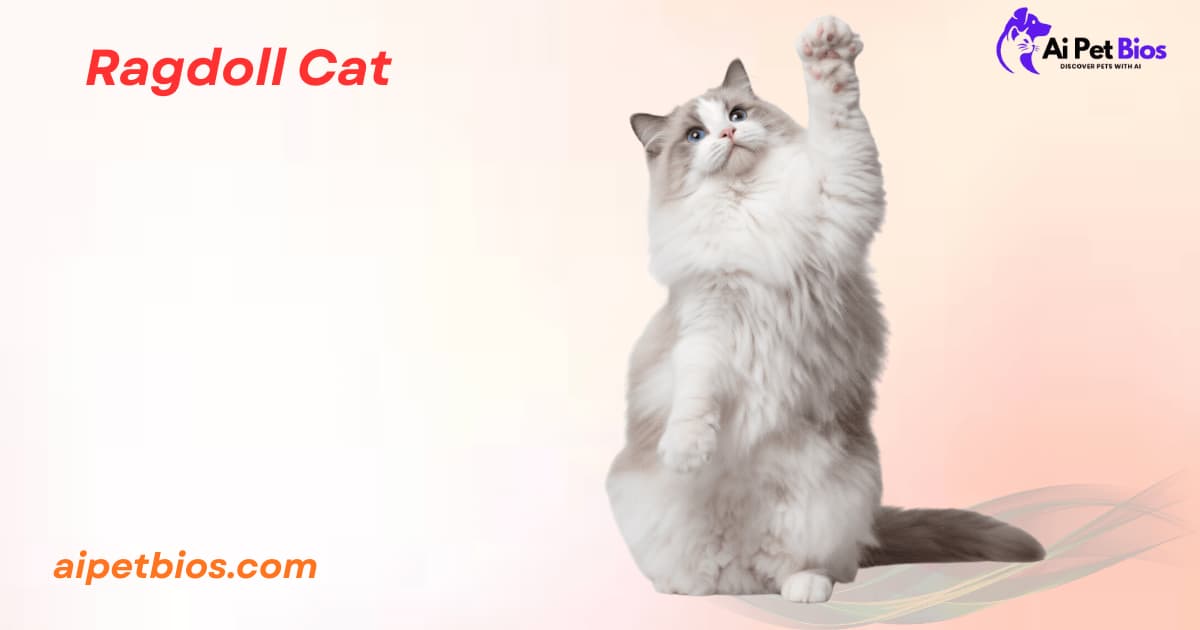
The ragdoll cat represents one of the most captivating and beloved feline breeds in the world today. Imagine a cat with striking blue eyes, silky semi-long fur, and a temperament so gentle and affectionate that it seems almost dog-like in its devotion.
This remarkable breed combines breathtaking beauty with an exceptionally calm and loving personality, making these magnificent creatures highly sought after by families, seniors, and cat enthusiasts worldwide.
Named for their tendency to go limp and relaxed when picked up—much like a child’s soft doll—these felines are known for their striking color-pointed appearance, large size, and most importantly, their remarkable gentleness. Whether you’re researching ragdoll cats for sale, wondering about pricing, or simply curious if this stunning breed suits your lifestyle, this comprehensive guide provides everything you need to know about these extraordinary feline companions.
From their fascinating origins in California to their current status as one of the world’s most popular cat breeds, discover why kitten owners consistently describe their experiences as transformative and deeply rewarding.
Quick Facts About These Stunning Felines
| Characteristic | Details |
| Breed Origin | California, USA (1960s) |
| Size Classification | Large; 9–11 inches tall |
| Weight Range | Females 8–12 lbs; Males 12–20 lbs |
| Lifespan | 12–17 years with excellent care |
| Eye Color | Striking blue (breed standard) |
| Coat Type | Semi-long, silky, plush texture |
| Color Pattern | Color-pointed (darker ears, face, paws, tail) |
| Personality | Gentle, affectionate, intelligent, patient |
| Vocalization | Soft, melodic; moderate chattiness |
| Grooming Needs | Moderate to high; 3–4 times weekly |
| Family Compatibility | Excellent; ideal with children and pets |
| Activity Level | Low to moderate; lap cat preference |
| Special Traits | Go limp when held; dog-like loyalty |
| Health Status | Generally healthy; some genetic screening needed |
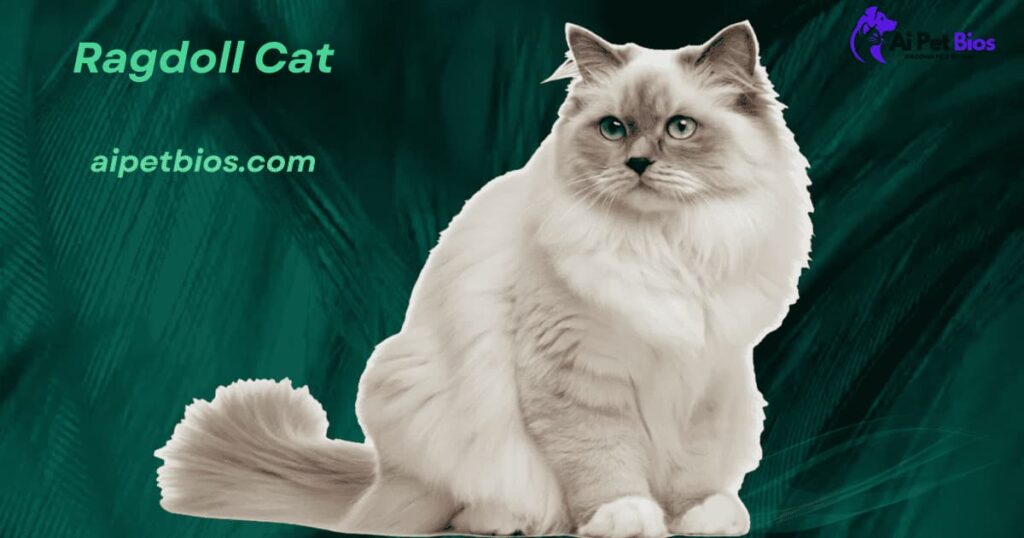
15 Stunning Traits That Define These Felines
- Striking Blue Eyes – Their most recognizable feature; piercing blue eyes convey intelligence and create an almost hypnotic appearance that captivates everyone
- Semi-Long Silky Coat – Luxurious fur texture that feels incredibly soft and requires regular maintenance but rewards grooming efforts with radiant beauty
- Color-Pointed Pattern – Darker coloration on ears, face, paws, and tail creates a naturally elegant and distinctive appearance
- Gentle Temperament – Extraordinarily calm and patient, rarely aggressive, making them supremely safe for families with children
- Dog-Like Loyalty – Follow owners around, greet them at doors, and form deep attachments like canine companions
- Large Size with Grace – Substantial body weight combined with elegant movements creates an impressive yet refined presence
- Exceptional Patience with Handling – Tolerate extensive petting, holding, and grooming without irritation or resistance
- Intelligence and Trainability – Quick learners capable of understanding commands, learning tricks, and adapting to household rules
- Low Aggression Drive – Almost completely non-aggressive toward people and other pets; virtually never scratch or bite in anger
- Relaxation Response – Unique tendency to go completely limp and relaxed when picked up, creating an endearing and distinctive behavior
- Moderate Energy Levels – Content with indoor living, enjoying play but equally appreciating rest and quiet companionship
- Social and Affectionate – Actively seek human interaction, preferring company over solitude and participating in family activities
- Good Multi-Pet Integration – Coexist peacefully with other cats, dogs, and even small animals; often become social hub in multi-pet homes
- Beautiful Diverse Coloration Options – While color-pointed is standard, variations include seal, chocolate, blue, and lilac point options
- Long Lifespan Companions – 12–17 year lifespan allows for long-term companionship and deep family bonds
Origin and History: Understanding the Legacy
The ragdoll cat breed traces back to 1960s California, where a woman named Ann Baker began developing this remarkable breed. Baker’s journey started when she encountered a domestic cat named Josephine, a semi-long-haired cat with an exceptionally calm temperament. Recognizing the potential for selective breeding toward gentleness and specific appearance traits, she began a carefully planned breeding program.
Baker crossed Josephine with other cats possessing desirable traits—particularly the striking blue eyes and color-pointed patterns reminiscent of Siamese genetics, combined with larger size and gentler dispositions. Why are ragdoll cats called “Ragdoll”? The name came directly from their unique behavior: when picked up or handled, these felines completely relax their muscles, going limp like a child’s rag doll. This distinctive response became a hallmark of the breed.
The breed received official recognition during the 1960s and 1970s, though not without initial skepticism from traditional cat fanciers. Ann Baker established the International Ragdoll Cat Association (IRCA) to maintain breed standards and control breeding practices. Other breed organizations, including TICA and CFA, eventually granted recognition and championship status.
What makes a ragdoll cat distinct involves both physical characteristics and behavioral traits deliberately bred into the lines. The emphasis on temperament over purely physical appearance distinguishes them from other color-pointed breeds like Siamese, which tend toward higher energy and vocalization levels. Breeders have consistently prioritized creating cats with gentle, patient dispositions suitable for families.
The breed has experienced tremendous global popularity since the 1980s, with breeders becoming among the most sought-after purebred cats worldwide. This popularity led to expanded breeding, both responsible and unfortunately sometimes problematic, making breeder selection critical for prospective owners.
Core Characteristics and Physical Features
Size and Body Structure
Ragdoll cat size places them among the larger domestic cat breeds. Females typically weigh 8–12 pounds and stand 9–11 inches tall at the shoulder, while males commonly reach 12–20 pounds with similar height. Their substantial size contributes to their impressive presence, though their gentle disposition makes them approachable and affectionate rather than intimidating.
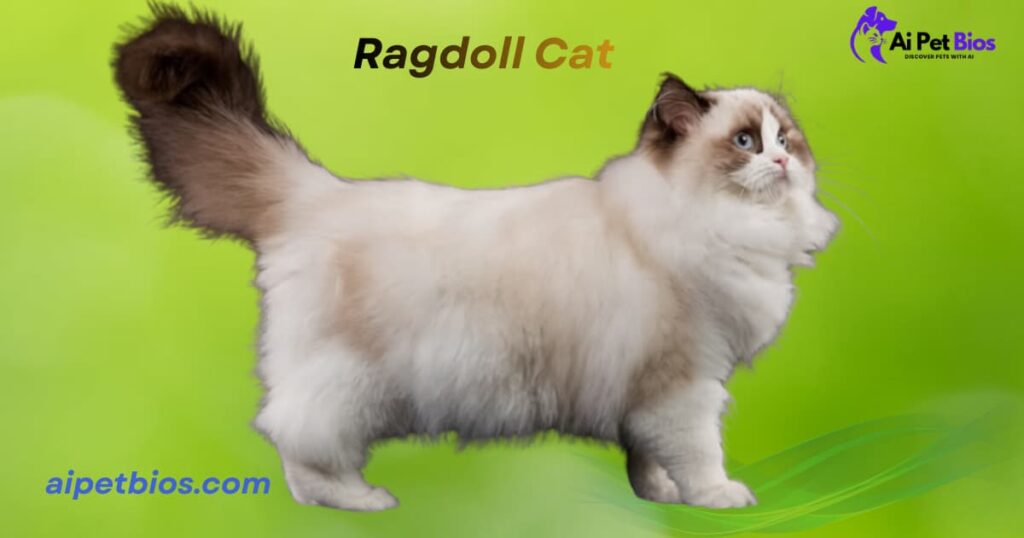
The body structure features a muscular, well-proportioned frame with a strong chest and sturdy legs. Despite their size, they move gracefully and elegantly, never appearing clumsy or ungainly. The tail is medium-length, plumed, and proportionate to their body, often held with characteristic elegance.
Head and Eye Features
The head is proportionate to body size, featuring a broad skull and strong chin. The nose is moderately sized and slightly concave in profile. Ears are medium-sized, slightly rounded, and set toward the outer edges of the head.
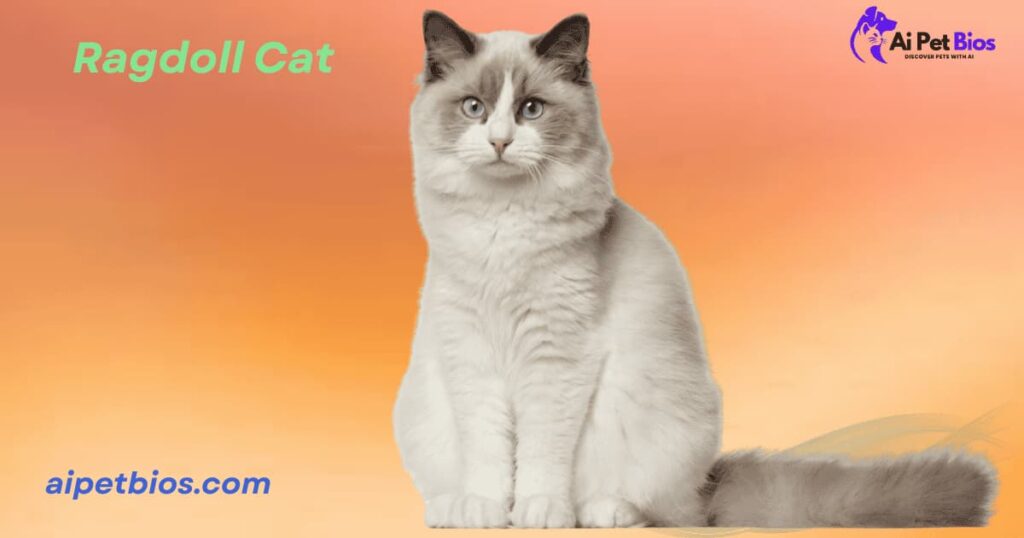
The most striking feature is undoubtedly their eyes. These felines display large, oval-shaped, notably vivid blue color. This blue eye coloration is essential to breed standards; cats with non-blue eyes are typically excluded from breeding programs or show competition. The eye placement and size contribute significantly to their sweet, expressive appearance.
Coat and Color Characteristics
The coat is semi-long, silky, and plush to the touch. Unlike some long-haired breeds with dense undercoats, they have a softer texture that’s exceptionally pleasant to pet. The coat lies close to the body while maintaining volume and presence.
These felines follow a distinctive color-pointed pattern, similar to Siamese genetics but with unique variations. The body is typically lighter in color, with darker “points” on the ears, face, legs, and tail. Common color variations include seal point, chocolate point, blue point, lilac point, flame point, and cream point. Additionally, ragdoll cat white, ragdoll cat orange, and ragdoll cat black variations exist through outcrossing or pattern variations within established colors.
Personality and Temperament: What Makes Them Special
Exceptional Gentleness
Why are ragdoll cats so special? The defining characteristic is their extraordinary gentleness and calm demeanor. These cats possess an inherent patience and softness that influences all interactions. Unlike many cat breeds maintaining independence or occasional aloofness, they actively seek human connection and physical affection.
They tolerate handling extensively—grooming sessions, nail trims, and even bathing with remarkable composure. This gentle nature extends to interactions with children, allowing for handling and play that would irritate other cat breeds.
Unique Relaxation Response
One particularly distinctive trait is their tendency to go completely limp when picked up or held. This characteristic—going literally floppy like a stuffed toy—stems from their extraordinarily relaxed temperament. They don’t struggle or resist; instead, they fully relax their bodies and settle into the holder’s arms with complete trust.
Dog-Like Behavior and Companionship
Is a ragdoll cat a good pet? For most households, decidedly yes. These felines demonstrate remarkable dog-like loyalty and attachment. They follow owners throughout the home, greet arriving family members at doors, and settle nearby during work sessions. Many learn to come when called, walk on leashes, or even play fetch—behavior far more typical of dogs than traditional cats.
Intelligence and Trainability
They demonstrate significant intelligence and responsiveness to training. They quickly learn household routines, understand the meaning of “no,” and respond to their names. Their desire to please their owners makes them remarkably trainable compared to many cat breeds.
Social Nature and Multi-Pet Integration
These felines thrive in social environments and actively seek interaction. Can ragdoll cats be left alone? While they adapt to moderate alone time, they genuinely prefer company and can experience separation anxiety if left alone for extended periods. They integrate beautifully into multi-pet households, often becoming social hubs that other pets gravitate toward.
Cost and Investment: Understanding Pricing
Initial Purchase Price
How much is a ragdoll cat? This is the most commonly asked question by prospective owners. Ragdoll cat price reflects multiple factors including breeder reputation, genetic testing, health guarantees, and market demand.
Ragdoll cat price USA typically ranges:
- Pet-quality kittens: $400–$1,200
- Show-quality specimens: $1,200–$2,000+
- Breeding-rights cats: $2,000–$3,500+
How much does a ragdoll cat cost varies significantly by region. California and major metropolitan areas typically command premium pricing due to higher demand and transportation costs.
Factors Influencing Pricing
Several factors affect ragdoll kitten price:
- Breeder reputation and experience
- Health testing and genetic screening
- Quality level (pet vs. show-quality)
- Color point rarity (some command higher prices)
- Pedigree and championship lineage
- Health guarantees and support provided
- Location and availability
Ongoing Investment Costs
Beyond initial purchase, budget for:
- Premium food: $40–$70 monthly
- Grooming supplies: $15–$30 monthly
- Annual veterinary care: $300–$500
- Miscellaneous supplies: $50–$100 monthly
Adoption Alternatives
Ragdoll cats for adoption and ragdoll kittens for adoption through rescue organizations typically cost $100–$400, providing more affordable options while saving lives. This represents an excellent alternative for those unable to afford breeder pricing.
Maintenance and Care: Keeping Them Healthy
Grooming Requirements
The semi-long coat requires consistent maintenance:
- Brushing: 3–4 times weekly with slicker brush or metal comb
- Bathing: Monthly or as needed
- Nail trimming: Bi-weekly
- Ear cleaning: Weekly inspection
- Dental care: Regular tooth brushing
Nutrition and Feeding
High-quality nutrition supports their size and long lifespan:
- Premium kitten food for growing cats
- High-protein adult formulas
- Portion control to prevent obesity
- Consistent fresh water availability
Exercise and Environmental Enrichment
Do ragdoll cats require a lot of grooming? Yes, their coat demands regular maintenance. Beyond grooming:
- Interactive play: 20–30 minutes daily
- Climbing structures: Sturdy cat trees for their size
- Window perches: Opportunities for environmental observation
- Puzzle feeders: Mental stimulation
Veterinary Care
Regular professional monitoring ensures long-term health:
- Annual comprehensive examinations
- Genetic screening (especially for heart conditions)
- Current vaccinations
- Early spay/neuter
- Dental health monitoring
Health Considerations and Common Concerns
General Health Status
These felines generally enjoy good health when sourced from responsible breeders. Their genetic diversity contributes to hybrid vigor compared to some more restricted breeds.
Known Health Issues
Prospective owners should be aware of:
- Hypertrophic cardiomyopathy (HCM): Heart condition; genetic testing helps identify carriers
- Polycystic kidney disease (PKD): Genetic kidney condition; responsible breeders screen breeding animals
- Progressive retinal atrophy: Eye condition potentially affecting vision; genetic testing available
Prevention and Early Detection
Responsible breeding practices and veterinary monitoring significantly reduce disease impact. Selecting breeders who perform genetic testing on breeding animals provides important health assurance.
Comparison Section: How They Compare to Other Breeds
Versus Siamese
| Feature | These Cats | Siamese |
| Personality | Gentle, calm, patient | Vocal, energetic, demanding |
| Size | Large (12–20 lbs) | Medium (6–10 lbs) |
| Vocalization | Soft, moderate | Loud, constant |
| Grooming | Semi-long coat, regular | Short coat, low |
| Temperament | Dog-like, relaxed | Independent, active |
Versus Maine Coon
| Feature | These Cats | Maine Coon |
| Eye Color | Blue (standard) | All colors allowed |
| Personality | Affectionate, calm | Affectionate, playful |
| Size | Large | Very large |
| Grooming | Moderate-high | High |
| Relaxation Response | Yes (goes limp) | No |
Versus British Shorthair
| Feature | These Cats | British Shorthair |
| Affection Level | Highly affectionate | More independent |
| Grooming | Regular brushing needed | Minimal grooming |
| Vocalization | Soft, gentle | Quiet, reserved |
| Relaxation Response | Yes (unique trait) | No |
| Coat Type | Semi-long | Short, dense |
Pros and Cons: Making Your Decision
Advantages
✓ Extraordinarily gentle and patient with children
✓ Dog-like loyalty and affectionate companionship
✓ Stunning appearance with striking blue eyes
✓ Intelligent and trainable
✓ Excellent in multi-pet households
✓ Long lifespan (12–17 years) for extended companionship
✓ Relatively quiet compared to Siamese
✓ Safe for vulnerable family members
✓ Beautiful semi-long coat (when well-maintained)
Disadvantages
✗ Significant grooming commitment (3–4 times weekly)
✗ Higher initial purchase cost ($400–$2,000+)
✗ Ongoing veterinary costs and health screening
✗ Cannot tolerate extended alone time
✗ Require veterinary health clearances from breeders
✗ Limited availability in some regions
✗ Can be prone to overeating/weight gain
✗ Higher food costs due to size
✗ What are the disadvantages of a ragdoll cat? May struggle in very active households
Buyers Guide: Finding Your Feline
Finding Reputable Breeders
Ragdoll cat breeders USA can be located through:
- TICA and CFA breed registries
- Ragdoll cat breeders USA directories with verified credentials
- Breed clubs and breed-specific associations
- Websites featuring health testing documentation
Regional Availability
Ragdoll cats for sale availability varies by region. Ragdoll kittens for sale through established breeders often involve waitlists, especially for popular color points. Ragdoll kittens USA availability differs by state, with California (the breed’s origin) and major metropolitan areas offering more options.
Adoption Options
Ragdoll cat rescue USA organizations and ragdoll cats for adoption through breed rescues provide affordable alternatives. Many rescue cats require homes due to owner changes, relocations, or family circumstances—providing wonderful companionship at reduced cost.
What to Look For in a Breeder
Responsible breeders provide:
- Documentation of genetic health testing
- Written health guarantees
- References from previous buyers
- Transparent breeding practices
- Post-purchase support and guidance
- Contracts protecting both parties
“Is This Right for You?” Decision Framework
Ideal for These Felines
You’re perfect if:
- You have time for regular grooming (3–4 times weekly)
- You want a deeply affectionate, devoted companion
- You have children who will respect the cat’s needs
- You can afford premium food and veterinary care
- You spend substantial time at home
- You appreciate quiet companionship over independence
- You’re willing to provide consistent attention
Reconsider if:
You might prefer another breed if:
- You travel extensively or work long hours
- You lack patience for regular grooming
- You want a low-interaction, independent cat
- You cannot afford premium care costs
- You live in a very active, chaotic household
- You prefer short-haired cats
- You want a cat that tolerates extended alone time
Frequently Asked Questions
How much does a ragdoll cat cost in the USA?
Ragdoll cat price USA ranges $400–$1,200 for pet-quality cats, $1,200–$2,000 for show-quality. How much does a ragdoll cat cost varies by breeder reputation, genetic testing, and location. Adoption costs significantly less: $100–$400.
Are ragdoll cats good pets for families?
Absolutely. Their exceptional gentleness, patience with children, and dog-like loyalty make them outstanding family pets. They adapt beautifully to busy households and integrate well with other pets and children of various ages.
Why are ragdoll cats called “Ragdoll”?
They’re named for their distinctive behavioral trait: complete muscle relaxation when picked up or handled. Why are ragdoll cats so special? This unique tendency to go limp like a stuffed toy, combined with their calm temperament, created the breed’s distinctive name and identity.
Do ragdoll cats require a lot of grooming?
Yes, do ragdoll cats require a lot of grooming? Their semi-long coat demands 3–4 weekly brushing sessions to prevent matting and maintain coat health. This grooming commitment is essential and requires genuine dedication.
How long do ragdoll cats live?
How long do ragdoll cats live? With proper care, 12–17 years is typical, with some reaching their late teens or early twenties. This extended lifespan allows for long-term companionship and deep family bonds.
Is a ragdoll cat hypoallergenic?
Ragdoll cat hypoallergenic is a common question. While not truly hypoallergenic, their shedding is moderate compared to short-haired breeds. Allergy sufferers should spend time with the breed before committing.
How to identify a ragdoll cat?
How to identify a ragdoll cat involves looking for: striking blue eyes, semi-long silky coat, color-pointed pattern, large size, and characteristic gentle expression. These features distinguish them from other breeds.
Conclusion: Embracing the Experience
The ragdoll cat represents an extraordinary choice for individuals and families seeking genuine companionship combined with stunning beauty. These remarkable creatures bridge the gap between feline independence and dog-like devotion, creating unique household dynamics that enhance daily life for years.
From their fascinating California origins to their current status as beloved global companions, these felines continue proving that selective breeding for temperament creates remarkable life experiences. Whether you’re drawn to their striking blue eyes, gentle nature, or remarkable patience, these cats offer unmatched rewards for committed owners.
Explore additional breed guides: Maine Coon cats, Siamese cat alternatives, or adoption resources for similar breeds.
Disclaimer
This article is informational only and not intended as veterinary or professional breeding advice. Always consult qualified veterinarians for health concerns or genetic screening questions.
Prices and availability vary by location; no endorsements of specific breeders are implied. Individual cat personalities vary regardless of breed. Always prioritize animal welfare and ethical breeding practices when acquiring any pet.
Courtesy: Facts about Cats
[instant_emoji_reactions]

Want Popular On Google? | Lust Quality Backlinks That Force-fed
I’m an SEO Expert, Guest Posting Specialist, and Web Developer helping websites increase rankings, traffic, and authority using clean, white-hat strategies 🚀
I focus on high-authority guest posts, safe backlinks, SEO-optimized content, and technically sound websites—so your site doesn’t just rank, it stays ranked.
What I help you with:
✅ SEO (On-page, Off-page & Technical)
✅ Guest Posts on Real, Relevant Sites
✅ High-Quality Link Building
✅ Keyword Research & Content Strategy
✅ SEO-Friendly Website Development
📈 No spam. No shortcuts. Only results.
👉 Need backlinks that actually work?
📩 Let’s connect: https://wa.me/+923006932631
2 thoughts on “Here Ragdoll Cat: 15 Stunning Secrets That Define Breed”
Comments are closed.