
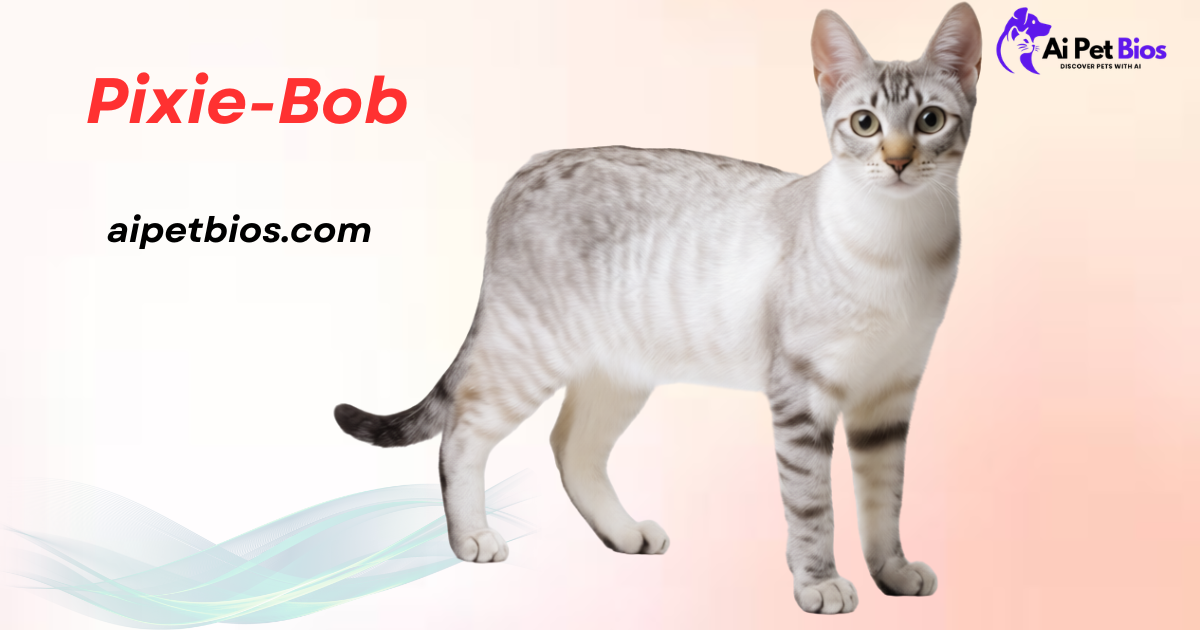
Imagine stumbling upon a cat that looks like it wandered straight out of the wild forests, with a bobbed tail, spotted coat, and lynx-tipped ears, yet greets you with the loyalty of a devoted dog. The Pixie-Bob cat is exactly that—a captivating breed born in the USA’s Pacific Northwest, blending untamed aesthetics with a gentle, family-loving heart. Whether you’re a novice pet owner eyeing Pixie-Bob kittens for sale or a seasoned cat enthusiast curious about this rare gem, this guide uncovers all you need.
From its legendary origins to everyday care, we’ll explore the Pixie-Bob cat breed‘s unique charm, including practical tips on finding breeders and managing costs. With a focus on real-world insights and expert-backed facts, you’ll see why this intelligent, affectionate feline stands out. Dive in to decide if the Pixie-Bob cat is your next adventure.
Quick Facts Table
| Fact | Details |
| Origin | USA (Washington State) |
| Size | Medium to large; 9–13 inches tall |
| Weight | Females: 8–12 lbs; Males: 12–22 lbs |
| Lifespan | 12–15 years |
| Coat | Short or long; spotted tabby patterns |
| Personality | Affectionate, intelligent, playful, dog-like |
| Grooming | Low to moderate |
| Family Suitability | Excellent with kids and pets |
| Price Range | $500–$2,000+ |
| Rarity | Moderately rare |
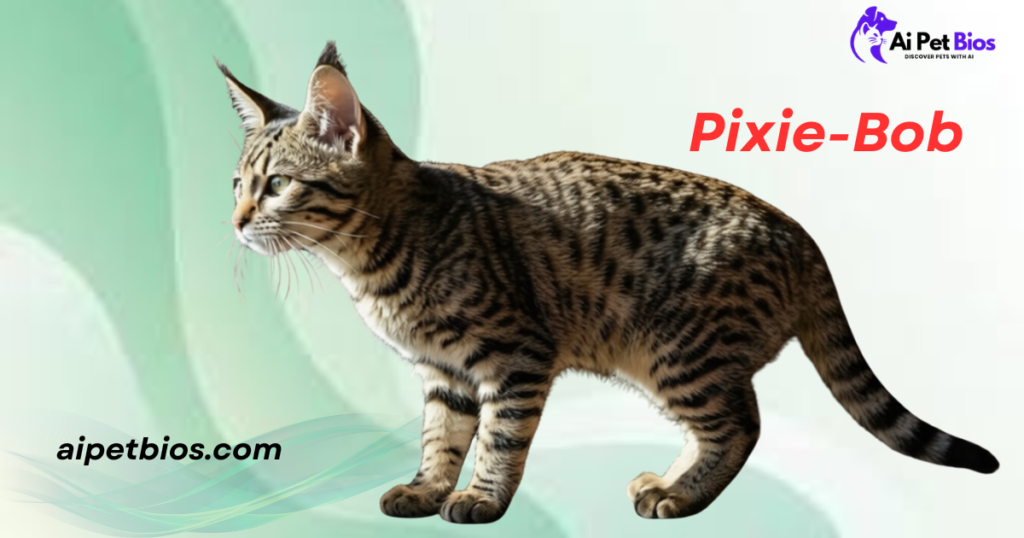
10 Wild-Like Traits of the Pixie-Bob Cat
The Pixie-Bob cat captivates with traits that mimic wild bobcats while remaining fully domestic. Here are 10 standout features owners adore, based on breed standards and real experiences.
- Bobbed Tail for Balance: Short and expressive, it wags like a dog’s, aiding agility in play—surprising how it enhances their hunting mimicry without length.
- Spotted Tabby Coat: Weather-resistant fur with random spots evokes forest camouflage, low-shed in shorts, fluffy in longs for versatile appeal.
- Polydactyl Paws: Extra toes (up to 7) boost grip for climbing, a practical wild trait that amuses owners during toy chases.
- Lynx-Tipped Ears: Tufted tips add feral charm, improving hearing for subtle sounds like rustling leaves or owner calls.
- Muscular Build: Sturdy yet graceful, supporting leaps and pounces—ideal for active homes where they “patrol” like mini guardians.
- Almond-Shaped Eyes: Piercing gaze in gold or green conveys intelligence, helping them read human cues for deeper bonds.
- Rolling Gait: A wildcat stride that’s smooth and powerful, making walks on leashes feel natural and adventurous.
- Whisker Pads: Prominent for sensory prowess, aiding navigation in low light—practical for indoor explorers.
- Dense Undercoat: Provides insulation, mimicking survival in nature, but easy to maintain for modern living.
- Facial Masking: Dark outlines around eyes and muzzle create a masked look, enhancing expressiveness during affectionate moments.
These traits make the Pixie-Bob cat a beloved blend of wild and tame.
Origin / Background / Context
The Pixie-Bob cat traces its roots to the misty forests of Washington State in the 1980s, where breeder Carol Ann Brewer pioneered this distinctive feline. Legend has it that the breed began when a large, bobcat-like stray mated with a barn cat, producing kittens with wild features like short tails and spotted coats. Brewer named one standout female “Pixie,” and from there, she selectively bred to refine the look while ensuring a domestic temperament.
Brewer’s early work involved crossing these offspring with other barn cats to stabilize traits, focusing on the bobbed tail and polydactyly. By the early 1990s, the breed caught attention for its resemblance to the North American bobcat, leading to formal recognition efforts. The International Cat Association (TICA) granted experimental status in 1994, advancing to championship in 1998 after rigorous genetic testing confirmed no wild DNA—debunking myths of hybrid origins.
This context is crucial: Unlike true hybrids like Bengals, the Pixie-Bob cat is purely domestic, derived from accidental matings and selective breeding. TICA standards, updated regularly, emphasize health, with outcrossing to unpedigreed cats allowed until 2010 to boost diversity. Globally, the breed spread through dedicated fanciers; in Europe, clubs adapted standards for local shows, while Asian breeders emphasized the long-haired variant.
In the USA, key regions like Pixie-Bob kittens for sale Washington State remain hubs, where founders like Brewer influenced lines. Pennsylvania and California followed, with Pixie-Bob kittens for sale California and Pixie-Bob kittens for sale Pennsylvania offering diverse options. Ethical breeding focuses on temperament testing and health screenings, addressing early concerns about variability.
Real-world background: Owners in rural areas appreciate the breed’s “wild” adaptability, while urban dwellers note their indoor contentment. Associations like the Pixie-Bob Club promote education, hosting events to showcase the breed’s evolution. This history underscores the Pixie-Bob cat as an American innovation, symbolizing creative breeding without compromising welfare.
What is a Pixie-Bob cat? The Pixie-Bob cat is a domestic breed designed to mimic the bobcat’s appearance, featuring a short tail, muscular build, and spotted coat, but with a loving, house-cat personality originating from USA barn cat lines.
Core Characteristics / Features
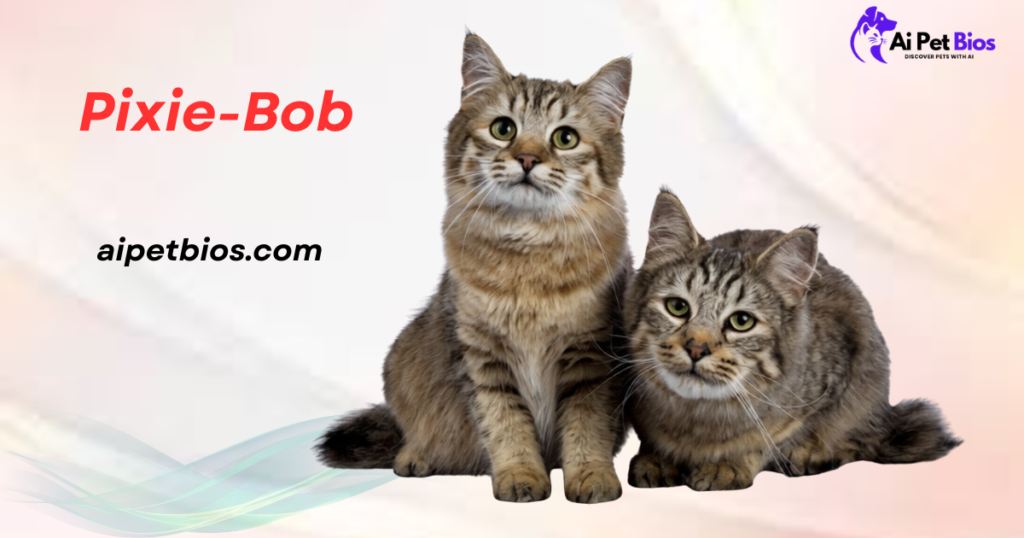
The Pixie-Bob cat boasts a rugged, wild-inspired physique that’s both striking and functional. Medium to large in build, these cats have a broad chest, strong legs, and a rolling gait that echoes their bobcat muse. Their head is pear-shaped with a strong muzzle, prominent whisker pads, and medium-sized ears often tipped like a lynx for that untamed flair.
A hallmark is the tail: naturally bobbed, ranging from 2–4 inches, sometimes with kinks or full length in rare cases—like the Pixie-Bob cat with long tail variation allowed in standards. This tail is flexible, aiding balance during play or climbs, and its expressiveness adds to communication.
Paws are large and rounded, frequently polydactyl with up to seven toes per foot, enhancing grip and adding to their distinctive look. Polydactyly, a genetic trait, improves dexterity, making them adept at manipulating toys or doors—a feature owners find both practical and endearing.
Eyes are almond-shaped, set wide apart, in gold, green, or hazel hues that convey intelligence and curiosity. This eye placement gives them a watchful expression, perfect for “hunting” laser pointers.
Coat-wise, the Pixie-Bob cat comes in short or long varieties, always in brown spotted tabby patterns with random spots and ticking for camouflage-like appeal. The short coat is dense, woolly, and stands off the body for weather resistance, ideal for outdoor-supervised adventures. Long coats are softer, with belly ruffs and leg furnishings, requiring slightly more grooming but offering a luxurious feel.
Fur colors range from tawny to reddish-brown, with black outlining on spots for high contrast. Belly fur is lighter, often white with spots, and the texture minimizes matting. TICA disqualifies non-tabby patterns to preserve the wild aesthetic.
Overall, these features create a cat that’s visually bold yet perfectly suited for indoor life, meeting TICA standards for proportion and athleticism. Breeders select for robustness, ensuring the Pixie-Bob cat thrives in various environments.
Owners appreciate how these traits translate to practicality: Polydactyly aids in climbing cat trees, while the sturdy build supports playful roughhousing without fragility. In shows, judges score on “wildness” balance, highlighting ears and tail.
Personality / Function / Use Case
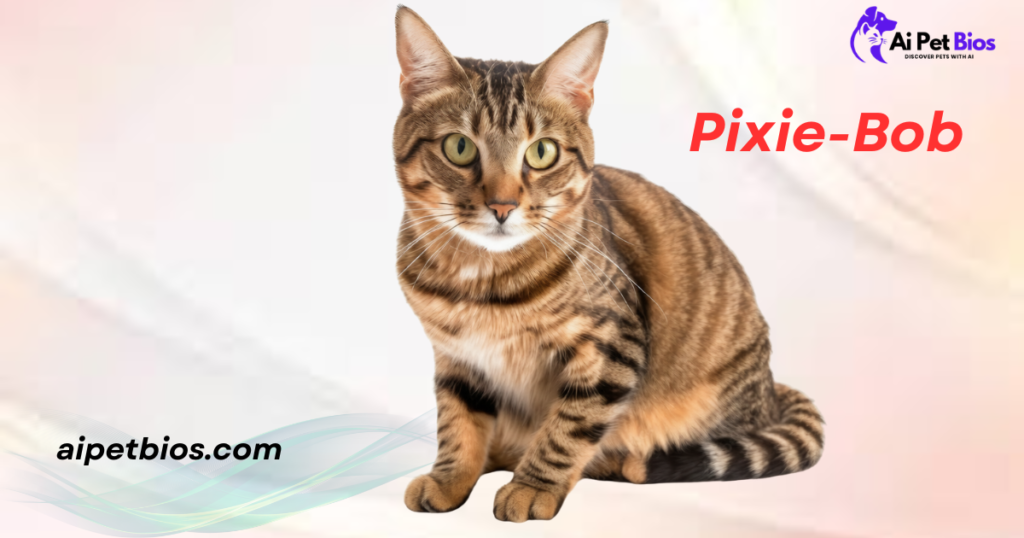
The Pixie-Bob cat personality shines as dog-like loyalty meets feline grace—affectionate, intelligent, and eager to please. These cats form deep bonds, often following owners like shadows, greeting at the door, or even learning tricks such as fetch or walking on a leash. Their playful side emerges in interactive games, chasing toys or pouncing with enthusiasm, yet they know when to settle for cuddles on the couch.
How intelligent are Pixie-Bob cats? Highly so—these quick learners solve puzzles, open doors, and adapt to routines, making them standouts in agility training or household harmony. Owners report teaching them commands like “sit” or “come,” rivaling canine smarts.
In function, the Pixie-Bob cat excels as a family companion, tolerant of children and other pets. They supervise play gently, enduring tail pulls from toddlers or romping with dogs. For singles, their devotion combats loneliness, acting as emotional anchors.
Real-world use cases: In apartments, they adapt with vertical spaces like shelves, turning walls into playgrounds. In houses with yards, harness walks satisfy exploration urges without risks. As therapy animals, their calm intuition aids anxiety relief—certify through programs if needed.
Do Pixie-Bob cats meow a lot? Not typically—they chirp, chitter, or trill softly, communicating without excess noise, a surprise for those expecting vocal cats like Siamese.
Versatile for beginners or experts, their function as low-drama, high-joy pets makes them ideal for diverse lifestyles. Breeders socialize kittens early, ensuring adaptability. Owners share anecdotes of Pixie-Bobs “herding” family members or alerting to visitors, blending utility with charm.
For special needs, their patience suits seniors, while energy matches active households. Overall, their personality enhances daily life, from quiet evenings to lively play.
Cost / Investment / Pricing
Acquiring a Pixie-Bob cat involves thoughtful investment, reflecting its unique traits and ethical breeding. From reputable breeders, expect the Pixie-Bob cat price to range from $500–$2,000, influenced by pedigree, coat type, and location.
In the USA, the Pixie-Bob cat price USA averages $800–$1,500 for pet-quality kittens, with show-quality reaching $2,000+. Factors like polydactyly or rare patterns add $200–$500. Deposits typically run $200–$400 to secure from litters of 3–5 kittens.
The Pixie-Bob kitten price starts at $600 for basics, including health checks, vaccinations, deworming, and spay/neuter contracts. Regional variations: In high-demand areas, Pixie-Bob cat price near me might climb $200.
Ongoing costs are manageable: Premium food $30–$60/month for high-protein needs; toys, litter, and scratching posts $20–$40/month. Annual vet visits $200–$400, including dental checks. Insurance $15–$30/month covers unexpected issues.
For local searches, Pixie-Bob cat for sale California averages $1,000–$1,800 due to popularity. Adoption through rescues offers savings: $100–$300, covering basics like microchipping.
Transparent breakdown: Initial purchase 60% of first-year costs, supplies/vet 40%. Long-term, their robust health minimizes expenses, with lifespan extending value.
Affiliate suggestion: Check Chewy for breed-specific toys or food (affiliate link)—soft-push CTA: Explore options to prepare your home affordably while supporting quality care.
Budget tips: Save by adopting or choosing pet-quality; factor in travel for breeders in states like Washington or Pennsylvania.
Maintenance / Care / Implementation
Caring for a Pixie-Bob cat is straightforward, blending ease with attentiveness to their active nature. Start with diet: High-protein kibble (1/3–1/2 cup daily) from brands like Blue Buffalo or Orijen, split into two meals to prevent overeating and maintain weight. Supplement with wet food 2–3 times weekly for hydration and variety, adjusting for activity—kittens require three meals with higher calories, seniors lighter portions to avoid joint strain.
Grooming: Short coats need weekly brushing with a rubber curry brush to remove loose fur and stimulate skin; long coats twice weekly with a slicker to prevent mats around the neck, belly, and tail. Bathe every 2–3 months if needed, using cat-safe shampoo. Ear cleaning monthly with cotton and vet solution prevents wax buildup.
Exercise: 30–45 minutes daily interactive play—feather wands, balls, or laser pointers channel their playful energy and mimic hunting. Provide sturdy scratching posts and multi-level cat trees for climbing; rotate toys weekly to keep interest.
Health implementation: Schedule annual checkups for vaccines (FVRCP, rabies), flea/tick prevention (monthly), and heartworm if regional. Dental care: Brush teeth weekly with enzymatic paste or offer treats like Greenies. Spay/neuter at 4–6 months promotes longevity. Monitor Pixie-Bob cat weight—females 8–12 lbs, males 12–22 lbs—to avoid obesity; weigh monthly.
Home setup: Use covered litter boxes in quiet corners, scooped daily with clumping litter changed weekly. Safe environment: Remove toxins like lilies, secure windows, and provide hiding spots for stress relief.
For implementation in multi-pet homes, introduce slowly with supervised sessions; their tolerant nature helps. Travel: Use carriers for vet trips; some enjoy car rides.
Practical tips: Use puzzle feeders for mental stimulation, reducing boredom behaviors. Affiliate rec: Amazon’s automatic feeders (link) simplify routines for busy owners. Seasonal care: In cold climates, provide heated beds; in hot, ensure fresh water and shaded spots.
Troubleshooting: If shedding increases, boost omega-3s; for lethargy, check diet or vet. Overall, their care is rewarding, cost-effective, and adaptable, yielding years of companionship.
Common Concerns (Informational Only)
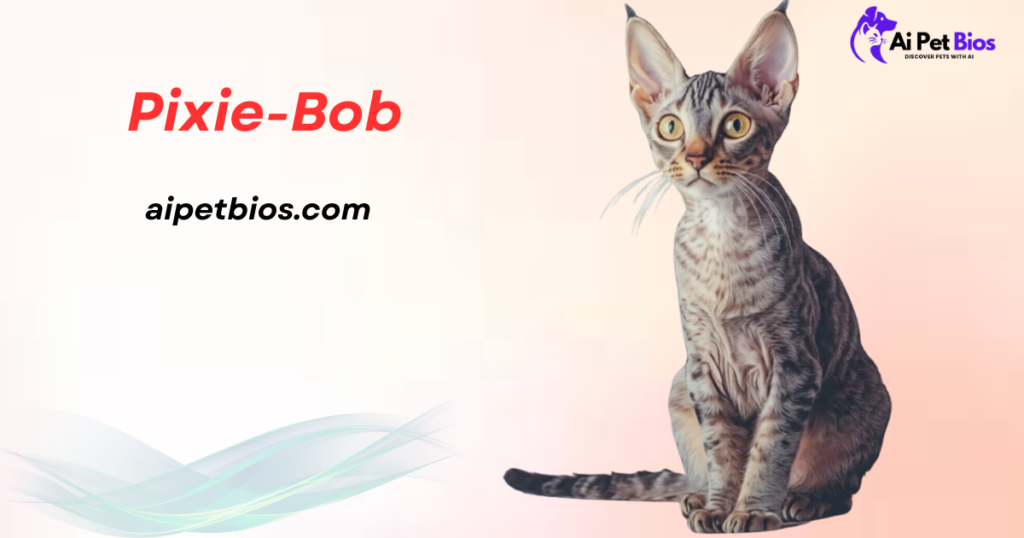
New owners often worry about the Pixie-Bob cat‘s wild look signaling danger, but are Pixie-Bob cats dangerous? No—their gentle nature debunks this myth; they’re affectionate, family-safe domestics with no wild ancestry, confirmed by DNA.
Health concerns: Typical feline risks like obesity from overfeeding or dental issues from poor hygiene, but their diverse genetics lower breed-specific problems. Informational: Balanced diets prevent urinary tract concerns; regular brushing avoids gingivitis.
Shedding: Moderate and seasonal, managed with grooming tools—no excessive fur like long-haired Persians.
Allergies: Not hypoallergenic, but short coats produce less dander; vacuum frequently for sensitive households.
Behavior: High energy requires outlets; without play, they might scratch furniture—solved with toys and training.
Is a Pixie-Bob cat rare? Yes, limited breeders and selective programs make them uncommon, leading to waitlists but ensuring quality.
Availability: More in USA origin states, but global interest grows slowly.
Always consult a licensed vet for health questions—this is general info only, not diagnosis or treatment.
Comparison Section (vs Similar Alternatives)
Comparing the Pixie-Bob cat clarifies choices. Vs. British Shorthair: British are plush, calm lap cats with dense coats needing more grooming; Pixie-Bobs are energetic, dog-like with wild features, suiting active families over quiet ones.
Vs. American Shorthair: Americans are hardy all-rounders with variable patterns; Pixie-Bobs offer specific spotted tabby and intelligence, more playful but similar in health robustness.
Vs. Domestic Shorthair: Mixed domestics are affordable rescues with unpredictable traits; Pixie-Bobs provide consistent wild aesthetics, loyalty, and pedigree health guarantees.
Vs. Tabby: Tabbies are coat patterns across breeds; Pixie-Bobs are dedicated breeds with bobbed tails and muscular builds, distinguishing from generic tabbies.
Pet suitability: Superb good pets with 12–15 year lifespan and engaging personality—outshining in affection but requiring more interaction than mellow alternatives.
Deeper: Energy—Pixie-Bobs 8/10 vs. British 5/10; Cost—similar initial, but Pixie-Bobs rarer; Grooming—both moderate, but Pixie-Bobs adapt better to climates.
Pros & Cons Table
| Pros | Cons |
| Loyal and affectionate | Moderate shedding |
| Intelligent and trainable | Needs daily play |
| Family-friendly | Rare, longer waits |
| Unique wild appearance | Potential weight gain |
| Low grooming for shorts | Not hypoallergenic |
| Adaptable to indoors | Energy may overwhelm quiet homes |
| Long lifespan | Limited breeders globally |
Buyers Guide: Price, For Sale, Kitten
Seeking a Pixie-Bob cat for sale? Start with TICA or ACFA directories for verified breeders—prioritize those with health testing and socialization programs. Pixie-Bob breeders USA are concentrated in origin areas, offering nationwide shipping.
Pixie-Bob kittens for sale typically list at $600–$1,500; search Pixie-Bob kittens for sale near me via online platforms like GoKitty or Petfinder for local options.
Regionally: In California, Pixie-Bob cat for sale California or Pixie-Bob kittens for sale California range $1,000–$1,800 due to demand and transport. Washington: Pixie-Bob kittens for sale Washington State $800–$1,200, closer to founders. Pennsylvania: Pixie-Bob kittens for sale Pennsylvania similar, with east coast access.
Confused owners: Vs. domestic shorthair (mixed, cheaper, variable) or tabby (pattern only), Pixie-Bobs have pedigreed wild traits, bobbed tails, and consistent temperament.
Comparison researchers: More interactive than British (calm) or American shorthairs (versatile), with unique loyalty.
Pet suitability: Excellent good pets with long lifespan, playful personality—great for families seeking engagement.
Step-by-step buying: 1. Research TICA standards. 2. Contact breeders, ask about litters and visits. 3. Verify health docs (eyes, heart). 4. Prepare home with supplies. 5. Budget extras like travel ($100–$300).
Avoid scams: Insist on contracts, avoid wire transfers. Adoption: Rescues occasionally have, lowering costs.
CTA: Explore affiliate breeder sites like TICA referrals for listings—find your match responsibly.
“Is This Right for You?” Section
If you crave a cat with dog-like devotion and wild charm, the Pixie-Bob cat fits active families or singles with time for play. Are Pixie-Bobs good indoor cats? Absolutely—they adapt indoors with enrichment like trees and toys, ideal for apartments without yards.
First-timers: Easy with their forgiving, trainable nature; start with kitten classes. Allergies: Test visits first, as dander varies. Sedentary lifestyles: Opt for calmer breeds if low energy.
Busy professionals: Suits if home often or with sitters—their independence balances affection. Multi-pet homes: Thrives with intros, tolerant of dogs/cats.
Scenarios: Urban—harness walks; Rural—supervised outdoors. Reflect: Match your activity to theirs; if seeking quiet, consider Persians.
Overall, if loyalty and play appeal, yes—evaluate space, time, and commitment.
Frequently Asked Questions Pixie-Bob Cat
Are Pixie-Bob cats dangerous?
No, Pixie-Bob cats are gentle domestics despite wild looks—myths of aggression stem from appearance, but they’re affectionate, family-safe pets with no wild ancestry, ideal for homes with kids.
Are Pixie-Bob cats good indoor pets?
Yes, Pixie-Bob cats excel as indoor pets, adapting to apartments with play structures; their playful yet calm demeanor thrives inside, provided daily interaction and enrichment to mimic natural behaviors.
How big do Pixie-Bob cats get fully grown?
Pixie-Bob cats grow to medium-large, females 8–12 lbs and 9–11 inches tall, males 12–22 lbs and 11–13 inches—how big does a Pixie-Bob cat get varies by gender, with muscular builds.
How much does a Pixie-Bob kitten cost in the USA?
A Pixie-Bob kitten costs $500–$2,000 in the USA, depending on breeder and quality—how much do Pixie-Bob cats cost includes tests; adoption $100–$300 lowers entry for basics.
Do Pixie-Bob cats act like dogs?
Yes, Pixie-Bob cats act dog-like with loyalty, trainability, and affection—fetching, leashing, and greeting like canines, their intelligent, playful nature makes them “feline dogs” for interactive owners.
Are Pixie-Bob cats related to bobcats?
No, Pixie-Bob cats are fully domestic despite resemblance—DNA proves no wild relation; bred from barn cats for bobcat looks, they’re safe, loving house pets without hybrid ethics issues.
Conclusion
The Pixie-Bob cat offers a perfect fusion of wild allure and domestic bliss, ideal for those seeking an intelligent, loyal companion. From its spotted coat to playful spirit, this breed enriches lives with minimal fuss. Ready? Research Pixie-Bob cat breeders ethically, considering your lifestyle for the best fit.
Link to American Shorthair or British Shorthair guides for comparisons. Affiliate: Chewy for supplies like toys—enhance your setup today.
Disclaimer
This article is informational only, not veterinary or breeding advice. Consult professionals for health/purchase decisions. Prices/availability vary; no endorsements implied.
Courtesy: All Cats
[instant_emoji_reactions]

Want Popular On Google? | Lust Quality Backlinks That Force-fed
I’m an SEO Expert, Guest Posting Specialist, and Web Developer helping websites increase rankings, traffic, and authority using clean, white-hat strategies 🚀
I focus on high-authority guest posts, safe backlinks, SEO-optimized content, and technically sound websites—so your site doesn’t just rank, it stays ranked.
What I help you with:
✅ SEO (On-page, Off-page & Technical)
✅ Guest Posts on Real, Relevant Sites
✅ High-Quality Link Building
✅ Keyword Research & Content Strategy
✅ SEO-Friendly Website Development
📈 No spam. No shortcuts. Only results.
👉 Need backlinks that actually work?
📩 Let’s connect: https://wa.me/+923006932631
2 thoughts on “Pixie-Bob Cat: 10 Wild-Like Traits Every Owner Loves”
Comments are closed.