
Introduction
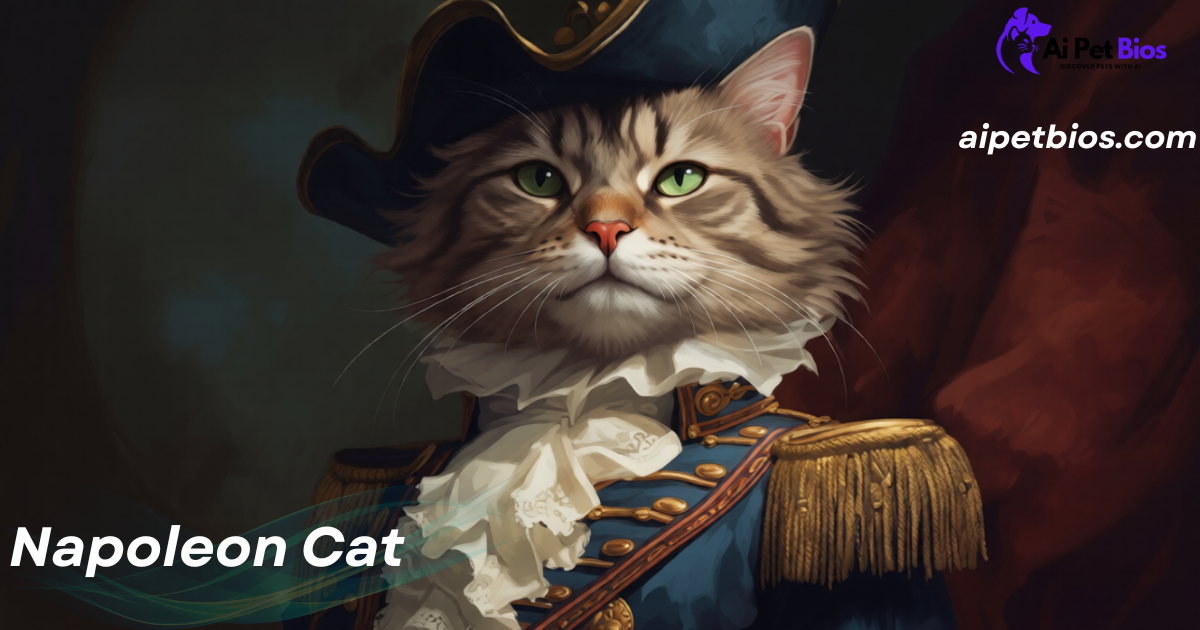
The Napoleon cat, officially recognized as the Minuet, represents one of the most distinctive and charming additions to the feline world. Born from an intentional breeding program in the early 2000s, this compact cat combines the short legs of a Munchkin with the elegant features of a Persian, creating a breed that turns heads and captures hearts wherever it goes.
Imagine walking into a pet show and noticing something unusual—a cat no bigger than a kitten but with a fully mature presence, round face, and personality that matches larger felines. That’s the Napoleon. These cats don’t just sit on laps; they integrate themselves into your daily life, following you room to room with genuine curiosity about what you’re doing.
Whether you’re a seasoned cat enthusiast or considering your first feline companion, understanding what makes this breed special is essential. These adorable, proportionally unique cats offer personality, charm, and companionship in a small package. But before you fall head over heels for their distinctive appearance, you should know everything about their care requirements, temperament, health considerations, and whether they truly fit your lifestyle.
This comprehensive guide covers everything prospective owners and curious cat lovers need to know about the breed—from origin stories to practical ownership insights.
Quick Facts About Napoleon Cats
| Characteristic | Details |
| Other Names | Minuet, Napoleon Minuet |
| Origin Country | United States |
| Breed Development | Early 2000s (Joe Smith breeder) |
| Weight Range | 4–6 lbs (average) |
| Height | 6–9 inches at shoulders |
| Coat Length | Short or long-haired variants |
| Coat Colors | All colors and patterns accepted |
| Temperament | Affectionate, playful, intelligent |
| Energy Level | Moderate to high |
| Lifespan | 12–15 years |
| Good with Children | Yes |
| Good with Other Pets | Yes (with proper introduction) |
| Grooming Needs | Moderate to high |
| Shedding | Moderate |
15 Essential Facts About Napoleon Cats at a Glance
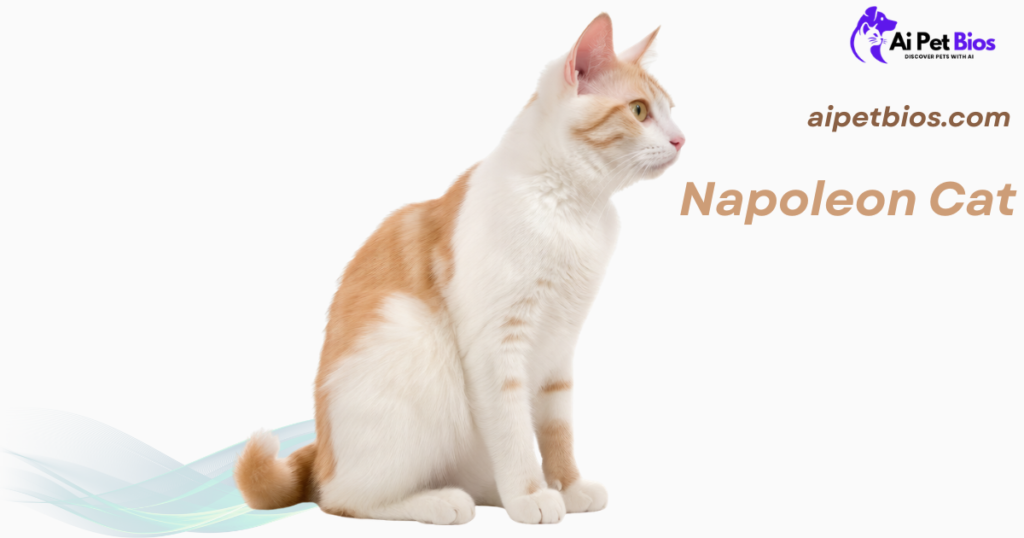
- Official Name: The breed is officially called “Minuet” by TICA (The International Cat Association), though “Napoleon cat” remains the colloquial name.
- Weight Range: Napoleon cats typically weigh 4–6 pounds, making them one of the smallest domestic cat breeds.
- Origin: Developed in the early 2000s by breeder Joe Smith by crossing Munchkins with Persians.
- Unique Appearance: They combine Persian facial features (round face, short muzzle) with Munchkin short legs for an distinctively adorable look.
- Available Coat Types: Offered in both short-haired and long-haired varieties in all colors and patterns.
- Lifespan: Expected to live 12–15 years with proper care, some living into their late teens.
- Personality: Exceptionally affectionate, people-oriented cats that actively seek human companionship and struggle when alone.
- Intelligence Level: Highly intelligent and trainable, they enjoy interactive play and puzzle toys to prevent boredom.
- Family Compatibility: Generally excellent with children and other pets when properly socialized, though supervision with very young children is important.
- USA Pricing: Pet-quality kittens cost $500–$1,500; show-quality range from $1,500–$3,000+; breeding-rights cats cost $2,500–$4,000+.
- Health Screening: Responsible breeders provide HCM (heart) screening, genetic testing, and health guarantees—critical for avoiding inherited issues.
- Breathing: Unlike extreme Persians, Napoleons have better-structured faces with adequate breathing due to intentional breed development.
- Annual Care Costs: Budget $1,000–$2,000 annually for food, veterinary care, grooming, and supplies.
- Grooming Needs: Short-haired varieties require 2–3 weekly brushings; long-haired varieties need daily maintenance and professional grooming every 6–8 weeks.
- Rarity Status: Increasingly available through responsible breeders but less common than mainstream breeds; availability varies significantly by geographic region.
The Origin Story: How the Napoleon Cat Was Created
The napoleon munchkin breed emerged in the early 2000s through deliberate selective breeding. Joe Smith, a cat breeder, sought to combine two distinct breeds: the Munchkin (known for disproportionately short legs) and the Persian (celebrated for facial structure and elegance). The goal was to create a cat with the charming short-legged appearance of a Munchkin but with improved health, structure, and a less extreme appearance.
The name “Napoleon” references the French military leader, humorously alluding to the breed’s compact, commanding presence despite its small stature. The breed was initially called “Napoleon,” but according to The International Cat Association (TICA), the official breed standard adopted the name “Minuet” in 2015.
This distinction matters: while “Napoleon cat” remains the colloquial name among breeders and enthusiasts, the official breed recognition uses “Minuet.” The transition reflects the breed’s evolution from a novelty concept to a legitimately recognized feline breed with defined standards, health protocols, and breeding ethics.
What Defines a Napoleon Cat: Physical Characteristics
Size and Body Structure
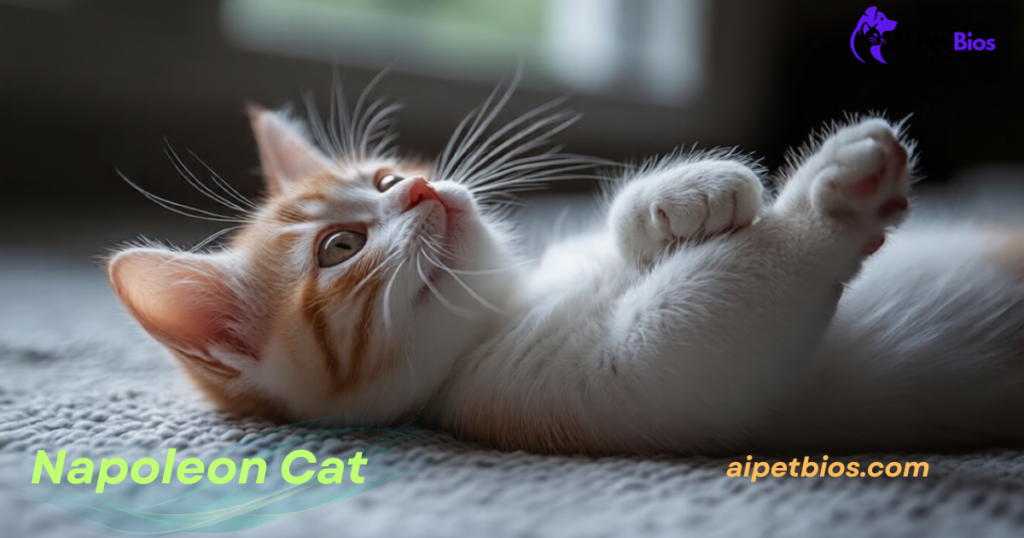
The most striking feature is their diminutive stature. Napoleons typically weigh 4–6 pounds with height ranging from 6–9 inches at the shoulder. Critically, properly bred cats should never appear deformed or unhealthy; responsible breeders ensure proportionate, muscular frames rather than fragile bodies.
Facial Features and Coat Traits
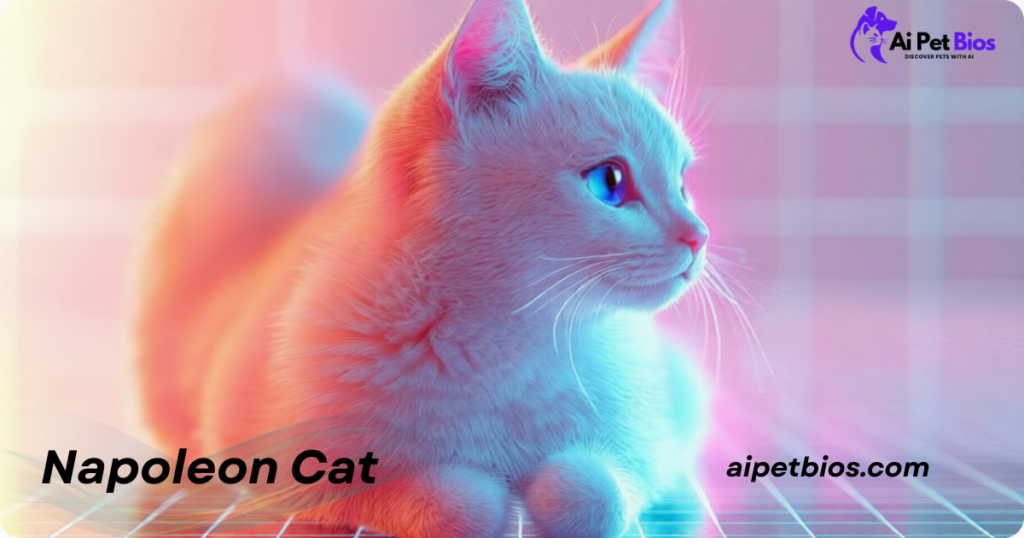
Napoleons inherit Persian facial characteristics: rounded head with sweet expression, large expressive eyes, small rounded ears, and short muzzle with adequate breathing (unlike extreme Persians).
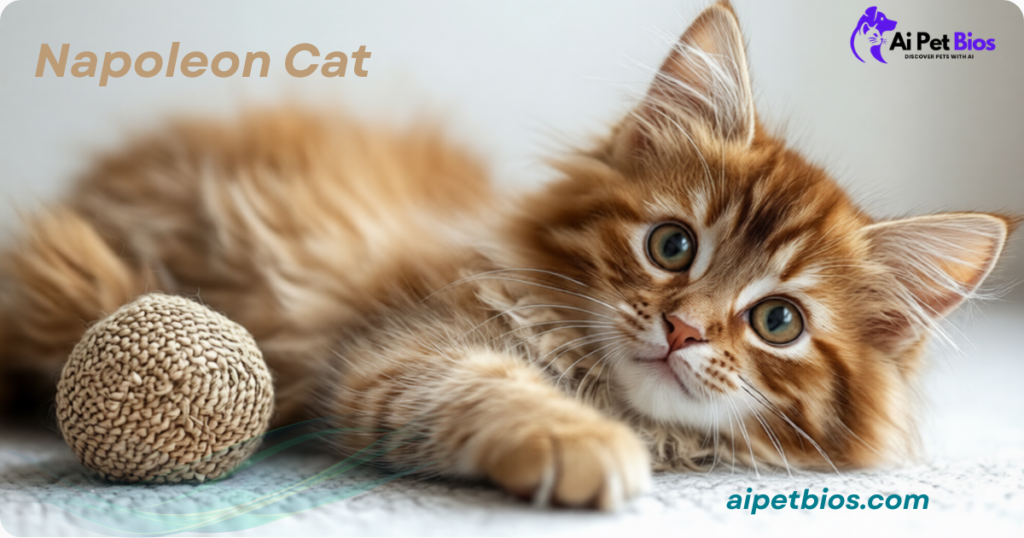
Coats come in short or long-haired varieties in all colors and patterns. Popular varieties include the minuet napoleon tuxedo cat (classic black-and-white). Coat quality should be silky and well-maintained, though grooming needs vary by length.
Leg Structure and Movement
Short legs come from Munchkin genetics but quality breeding ensures straight, muscular legs, flexible spine, natural unrestricted movement, and no excessive joint strain. Well-bred Napoleons move and play normally.
Personality and Temperament: Life with a Napoleon Cat
Beyond appearance, the napoleon cat personality is what makes these cats exceptional companions. Understanding their behavioral traits helps determine compatibility with your lifestyle.
Affectionate and Social Nature
Napoleon cats are famously people-oriented, thriving on human interaction. They follow owners throughout the home, greet you at doors, enjoy lap time, and form strong bonds with caregivers. Unlike aloof breeds, they actively seek your company and vocalize moderate amounts to communicate.
Playfulness and Intelligence
These clever felines demonstrate quick learning ability, enjoy interactive play, and show problem-solving tendencies. Boredom triggers destructive behavior, so engagement through play, climbing structures, and puzzle toys is essential.
Compatibility with Families
Napoleons tolerate handling better than many breeds and show patience with gentle, respectful children. Supervision with very young children (under 5) is important given their fragile size. They coexist peacefully with other cats and dog-friendly pets when properly introduced.
Napoleon Cat Price: Investment and Cost Considerations
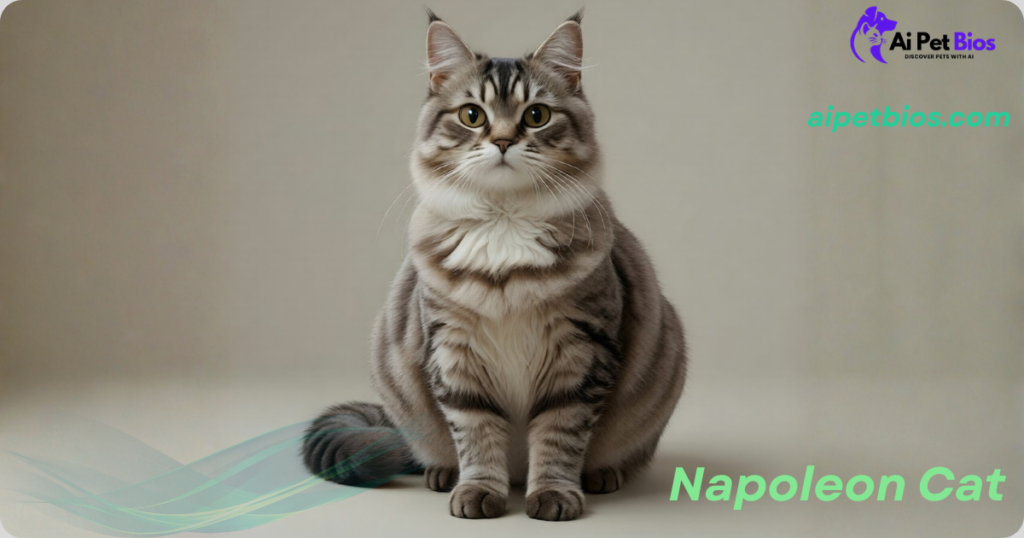
The napoleon cat price varies based on breeder reputation, kitten quality (pet vs. show), health testing, pedigree, and location:
- Pet-quality: $500–$1,500
- Show-quality: $1,500–$3,000+
- Breeding-rights: $2,500–$4,000+
Napoleon Cat Price in USA (2025 Updated Guide)
American pricing varies significantly by region and breeder establishment:
Regional Price Variations:
- California & New York: $1,200–$3,000+ (highest demand, established breeder base)
- Texas & Florida: $800–$2,000 (moderate availability)
- Midwest States: $600–$1,500 (limited breeders, lower regional demand)
- Rural Areas: $500–$1,200 (scarcest availability, often require shipping)
Why USA prices fluctuate:
- State breeding regulations vary (some states have stricter cattery licensing)
- Local demand affects supply and pricing
- Transportation costs increase for out-of-state purchases
- Breeder reputation and TICA registration status
Recommended USA Breeder Resources:
- The International Cat Association (TICA) breed registry and member breeder directory
- Local breed clubs in major metropolitan areas
- Verified Facebook breed communities with member vetting
- Cat show attendance in your state (direct breeder contact)
Finding Legitimate Sources: Napoleon Kittens for Sale Near Me
Important guidance: When searching for napoleon kittens for sale, prioritize TICA-registered breeders who provide health testing documentation (HCM screening, genetic testing). Request references, visit facilities in person, and insist on written contracts with health guarantees. Avoid online-only breeders without verifiable credentials, extremely low prices, and sellers unwilling to provide medical records.
Warning signs of poor breeders: Pressure to purchase quickly, multiple litters available simultaneously, reluctance to discuss hereditary health screening, and no contract terms.
Ongoing Costs Beyond Purchase Price
The initial napoleon cat price in USA is only part of the investment. Annual expenses typically include:
- Food: $200–$400 (quality cat food)
- Veterinary care: $300–$600 (annual checkups, vaccinations)
- Grooming (long-haired varieties): $200–$400
- Litter and supplies: $100–$200
- Toys and enrichment: $100–$200
- Insurance (optional): $100–$300
Total annual cost estimate: $1,000–$2,000+ for responsible care
Napoleon Cats vs. Shelter Adoption: USA Availability
An honest reality: True Napoleons in USA shelters are extremely rare. Most shelter short-legged cats are Munchkins or mixed breeds. However:
Adoption route considerations:
- Cost: $50–$200 (shelter fees)
- Health history: Often unknown
- Personality: May vary from breed standard
- Support: Limited breeder follow-up
Breeder route considerations:
- Cost: $500–$3,000+ (higher investment)
- Health screening: Documented and guaranteed
- Personality: Predictable based on selective breeding
- Support: Responsible breeders offer lifetime guidance
Best practice: If set on the Napoleon cat breed specifically, breeder selection from TICA-registered sources remains your most viable USA option. If you’re flexible on breed traits, adoption from shelters offers tremendous value and fulfills rescue needs.
Grooming and Coat Maintenance
Short-haired varieties: Brush 2–3 times weekly to reduce shedding and matting. Trim nails every 2–3 weeks and clean eyes daily (Persian tendency toward tear staining).
Long-haired varieties: Require daily brushing, professional grooming every 6–8 weeks, and monthly baths—significantly more demanding.
Nutrition and Diet
Feed high-quality, meat-based cat food with portion control. These tiny cats eat less but need premium nutrition. Avoid toxic foods: chocolate, grapes, onions, garlic, and xylitol.
Veterinary Care and Health Monitoring
Schedule annual exams for young adults and twice-yearly for seniors (7+). Request HCM (heart) screening given Persian heritage. Budget $1,000–$2,000 annually for comprehensive care including food, veterinary visits, grooming, and supplies.
Environmental Enrichment
Provide cat trees, interactive toys, puzzle feeders, window perches, and 15–30 minutes of daily play. Mental stimulation prevents destructive behaviors from boredom.
Health Considerations: What You Should Know
While Napoleon cats are generally healthy when responsibly bred, understanding potential health concerns is important. According to veterinary consensus within feline genetics research, the following factors warrant attention.
Breed-Specific Health Concerns
Responsibly bred Napoleons rarely experience issues, but awareness matters:
- Skeletal concerns: Lordosis (spine curvature) is rare in well-bred cats; ensure breeders screen for genetic predispositions
- Heart health: HCM (inherited from Persian lineage) is less common than in Persians but screening is recommended
- Respiratory: Better-structured faces than extreme Persians reduce issues; still monitor breathing
- Eye health: Tear staining (Persian trait) is manageable with regular cleaning
Napoleon Cat vs. Similar Breeds: Comparison Guide
Understanding how the napoleon cat compares to related breeds helps clarify its unique position in the feline world.
Napoleon vs. Munchkin: Key Differences
| Aspect | Napoleon (Minuet) | Standard Munchkin |
| Face Structure | Persian-influenced (round, flat) | Standard cat face (varied) |
| Size | 4–6 lbs | 4–8 lbs |
| Appearance | Deliberately “cute” factor | Short legs primary trait |
| Temperament | Affectionate, moderate social drive | Variable, breed dependent |
| Health Focus | Emphasis on structure and health | Less standardized |
| Recognized Association | TICA (Minuet) | TICA, CFA |
The distinction: A napoleon munchkin isn’t the same as a standard Munchkin. Napoleons have intentional facial structure and body proportions, while Munchkins may simply have short legs on otherwise typical cat bodies.
Napoleon vs. Domestic Shorthair: When to Choose Each
| Factor | Napoleon Cat | Domestic Shorthair |
| Predictability | High (standardized traits) | Variable |
| Appearance | Distinctive, unique | Diverse |
| Cost | $500–$3,000+ | $0–$200 (adoption) |
| Health screening | Often comprehensive | Unknown history |
| Sociability | Bred for it | Varies individually |
| Allergen production | Standard cat levels | Standard cat levels |
Value consideration: While Napoleon cats cost more, you’re paying for predictable traits, health screening, and breeder accountability.
Napoleon vs. Persian: The Relationship
The napoleon minuet shares Persian ancestry but represents a deliberate improvement:
- Better breathing (less flat-faced than traditional Persians)
- Smaller size (more manageable than standard Persians)
- Robust build (better structure than some Persians)
- Reduced grooming (short-haired varieties available)
Persians can be excellent cats, but Napoleons offer a more practical variation for many households.
Pros and Cons: Is a Napoleon Cat Right for You?
Advantages
✓ Exceptional companionship and people-oriented nature
✓ Manageable size for apartments
✓ Playful, entertaining personality with 12–15 year lifespan
✓ Family-friendly when raised with children
✓ Health screening availability from reputable breeders
✓ Intelligent and trainable
Disadvantages
✗ High purchase cost ($500–$3,000+)
✗ Grooming requirements (time-intensive)
✗ Social dependency (don’t thrive alone)
✗ Limited breeder availability in some regions
✗ Require consistent enrichment and play
✗ Ongoing veterinary costs and careful breeding selection
Best suited for: Families and individuals who want an affectionate, interactive pet and have time for grooming, veterinary care, and daily engagement. Less ideal for busy professionals, those on strict budgets, or people seeking low-maintenance, independent cats.
Common Concerns: Addressing Misconceptions
Are Napoleon Cats Rare?
Relatively, yes. While increasingly available through responsible breeders, they’re less common than mainstream breeds. Availability varies geographically—more established in urban areas, scarcer rurally. This limited supply contributes to their pricing.
Do They Have Leg Problems?
This depends entirely on breeder responsibility. Poorly bred cats may experience joint stress, arthritis, and mobility issues. Responsibly bred Napoleons maintain healthy, functional legs and normal movement. Buy from health-tested breeders, not irresponsible sources.
Respiratory Issues Like Extreme Persians?
No. The Napoleon was intentionally bred to avoid extreme features causing Persian respiratory problems. Their muzzle is shorter but not shortened to dangerous levels. Still avoid extreme heat exposure and monitor for unusual breathing.
Are They Just “Designer Cats”?
This is fair critique, but incomplete. Intentional breeding created most cat breeds (Persians, Siamese, Bengals). Responsible breeders with health screening contribute positively to feline diversity. If specific trait combinations appeal to you, breeders serve genuine need.
Best Nutrition for Napoleon Cats: Top Feeding Options
Since Napoleon cats are prone to obesity due to their small frame, quality nutrition makes a measurable difference.
Top-Rated Foods for Short-Legged Breeds:
- Royal Canin Feline Health Nutrition – Specially formulated portions for small cats
- Hill’s Science Diet Perfect Weight – Portion-controlled, veterinarian-recommended
- Purina Pro Plan Focus – High protein, lower calories
- Wellness CORE Grain-Free – Natural ingredients, weight management
- Iams Proactive Health Indoor Weight Control – Budget-friendly, effective
Feeding tip: Portion control is critical—consult your vet for daily calorie recommendations based on your individual cat’s weight.
Best Pet Insurance for Napoleon Cats (USA Guide)
Given their inherited Persian traits and potential health screening needs, insurance provides peace of mind for unexpected veterinary costs.
Top USA Options for Short-Legged Breeds:
| Insurance | Coverage | USA Regions | Estimated Cost |
| Petplan | Comprehensive, hereditary conditions | All states | $30–$50/month |
| Nationwide | Wellness + accident/illness | All states | $25–$45/month |
| Trupanion | High reimbursement, HCM coverage | All states | $35–$60/month |
| ASPCA Pet Health Insurance | Breed-specific options | Most states | $20–$40/month |
| Embrace | Customizable deductibles | Most states | $25–$55/month |
Insurance advantage: A single HCM screening or cardiac issue can cost $500–$2,000. Monthly premiums often prove worthwhile over a 12–15 year lifespan.
Best Grooming Supplies for Napoleon Cats
Essential tools: Slicker brush, metal comb, nail clippers, pet ear cleaner, and lint roller. Popular quality brands include Furminator, Chris Christensen, Andis, and Safari—preferred by breeders and groomers.
For long-haired varieties, professional grooming shears are recommended.
Frequently Asked Questions: Napoleon Cat
How Much Is a Napoleon Cat in the USA?
Expect $500–$3,000 depending on breeder reputation and kitten quality. Pet-quality cats cost less; show-quality and breeding-rights individuals cost more. Regional variation exists—California and New York tend toward $1,200–$3,000, while Midwest breeders typically charge $600–$1,500. Always prioritize breeder health credentials over price.
Are Napoleon Cats Rare?
Relatively yes. While increasingly available through responsible breeders, they remain less common than mainstream breeds. Availability varies geographically—more established in urban areas, scarcer in rural regions. This controlled supply contributes to their higher pricing compared to standard domestic cats.
What Is the Personality of a Napoleon Cat?
Napoleon cats are exceptionally affectionate and people-oriented. They actively seek human companionship, enjoy interactive play, and demonstrate intelligence and trainability. They’re compatible with families and other pets but require consistent interaction and mental stimulation. Boredom can lead to destructive behavior.
What Is the Difference Between a Napoleon Cat and a Munchkin?
Napoleons have intentional Persian facial features (round head, flat face, sweet expression) plus short legs. Standard Munchkins simply have short legs on otherwise typical cat bodies. The napoleon munchkin term applies to Napoleons; not all short-legged cats are Napoleons. Breed recognition and body proportions differ significantly.
How Long Do Napoleon Cats Live?
The napoleon cat lifespan ranges from 12 to 15 years, with some reaching their late teens. Longevity depends on genetics, veterinary care quality, nutrition, and lifestyle. Responsibly bred cats from health-tested lines typically live longer than those from unknown origins.
Conclusion: Making Your Napoleon Cat Decision
The napoleon cat or minuet breed offers distinctive appearance, genuine companionship, and interesting personality traits for the right owner.
Key takeaways:
- Expect investment—$500–$3,000+ purchase plus $1,000–$2,000 annual care
- Breeder selection is critical—Choose TICA-registered, health-tested sources only
- They need active engagement—Social cats requiring daily interaction
- Health screening matters—Ensure genetic testing documentation
- Long-term commitment—Plan for 12–15 years
If you’re seeking an affectionate, distinctive companion for a stable household, Napoleon cats might be your match. For low-maintenance pets or strict budgets, other breeds or adoption may suit you better.
For further research: Explore TICA breed standards, connect with breed communities, and thoroughly vet breeders before committing.
Disclaimer
This article provides informational content about Napoleon cats and the Minuet breed. It is not intended as veterinary, medical, or breeding advice. Always consult qualified veterinarians for health concerns, consult breed associations for official standards, and conduct thorough research when selecting breeders.
Prices and availability vary by location and time. Individual cat temperament and health vary regardless of breed.
Courtesy: Kitten Life
[instant_emoji_reactions]

Want Popular On Google? | Lust Quality Backlinks That Force-fed
I’m an SEO Expert, Guest Posting Specialist, and Web Developer helping websites increase rankings, traffic, and authority using clean, white-hat strategies 🚀
I focus on high-authority guest posts, safe backlinks, SEO-optimized content, and technically sound websites—so your site doesn’t just rank, it stays ranked.
What I help you with:
✅ SEO (On-page, Off-page & Technical)
✅ Guest Posts on Real, Relevant Sites
✅ High-Quality Link Building
✅ Keyword Research & Content Strategy
✅ SEO-Friendly Website Development
📈 No spam. No shortcuts. Only results.
👉 Need backlinks that actually work?
📩 Let’s connect: https://wa.me/+923006932631
1 thought on “Provocative Napoleon Cat: See Everything about the Minuet Breed Simplified 2026”
Comments are closed.