
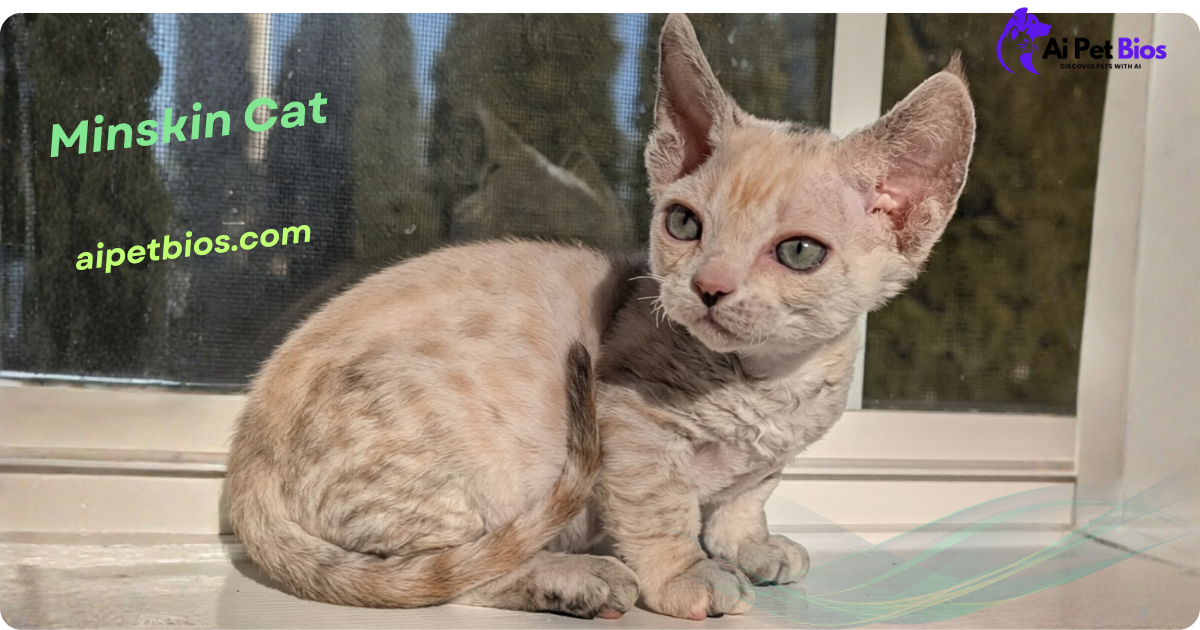
THE EXOTIC CAT FEW PEOPLE KNOW ABOUT
The Minskin cat exists in a peculiar niche.
It’s rarer than a Bengal. More expensive than a Savannah. Yet almost nobody’s heard of it.
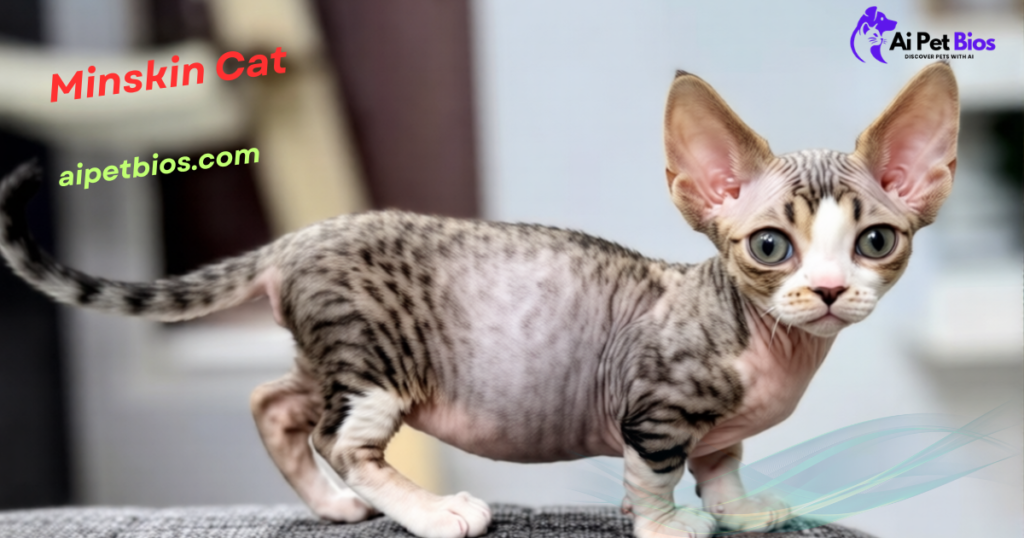
If someone shows you a photo of a tiny, hairless cat with disproportionately short legs, you’re probably looking at a Minskin. The breed is a deliberate cross: Munchkin + Sphynx genetics, designed to create something visually striking and genuinely uncommon.
Here’s the reality most breed guides skip: This isn’t a cat you impulse-buy. The Minskin cat costs $1,500–$3,500 from reputable breeders (some exceed $5,000). It requires specific climate control, weekly baths, and veterinary care from someone who understands hairless breed complexities. Health concerns are real and documented.
This guide doesn’t sell the romance. It presents the full picture: what makes a Minskin special, what you’re actually signing up for, and whether this rare breed aligns with your reality.
QUICK FACTS TABLE
| Attribute | Details | Important Notes |
| Scientific Background | Munchkin + Sphynx cross | Intentional hybrid, not natural mutation |
| Body Type | Hairless, dwarf, muscular | Extremely rare genetic combination |
| Weight | 3–5 lbs (1.4–2.3 kg) | Smaller than most cat breeds |
| Height | 5–7 inches at shoulders | Similar to Munchkin, hairless like Sphynx |
| Coat | Hairless or downy fuzz | Requires weekly baths, skincare |
| How long do Minskin cats live? | 8–14 years | Variable; depends on breeding lineage |
| Temperament | Playful, social, demanding | High interaction needs |
| Activity Level | Very high (surprisingly athletic) | Don’t underestimate short-legged capabilities |
| Good with Children | Yes (with supervision) | Fragile skin; rough play risky |
| Good with Other Pets | Generally yes | Depends on individual temperament |
| Are Minskin cats rare? | Extremely rare | Only 200–300 born annually worldwide |
| Do Minskin cats have health issues? | Yes, documented concerns | Lordosis, skin problems, cold sensitivity |
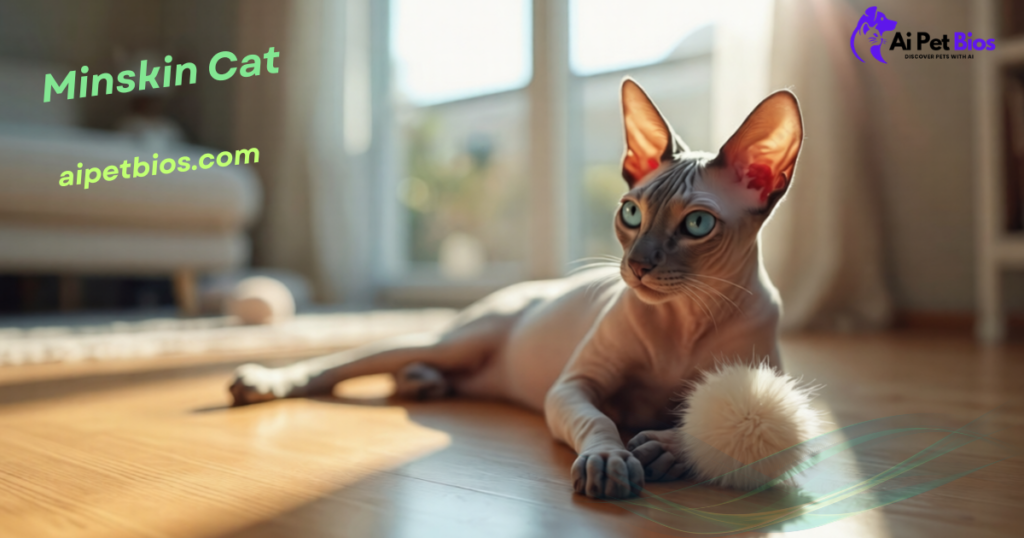
WHERE THE MINSKIN CAT CAME FROM (AND WHY IT MATTERS)
The Minskin cat breed is young—really young. The first intentional Minskin was created in Boston during the 1990s when breeder Paul McSorley crossed a Munchkin with a Sphynx.
The goal was obvious: combine the short legs (Munchkin) with the hairlessness (Sphynx) to create something visually distinctive that would turn heads.
It worked. Too well, perhaps.
Unlike the Munchkin cat, which emerged from natural mutations and was later formalized, the Minskin was engineered from the ground up. Two breeds with known genetic complications were deliberately crossed to amplify novelty.
The Minskin was first officially recognized by TICA (International Cat Association) in 2000—making it one of the newest recognized cat breeds. The Cat Fanciers’ Association (CFA) doesn’t recognize it yet, which tells you something about how niche this breed remains.
Why this matters: When breeders combine a short-legged breed (Munchkin) with a hairless breed (Sphynx), they’re stacking genetic risk factors. Both parent breeds have documented health concerns. The Minskin inherits potential complications from both lineages.
This is why responsible Minskin breeders do extensive health screening. And why irresponsible ones cut corners dangerously.
PHYSICAL CHARACTERISTICS: WHAT MAKES A MINSKIN VISUALLY UNIQUE
The Hairless Reality
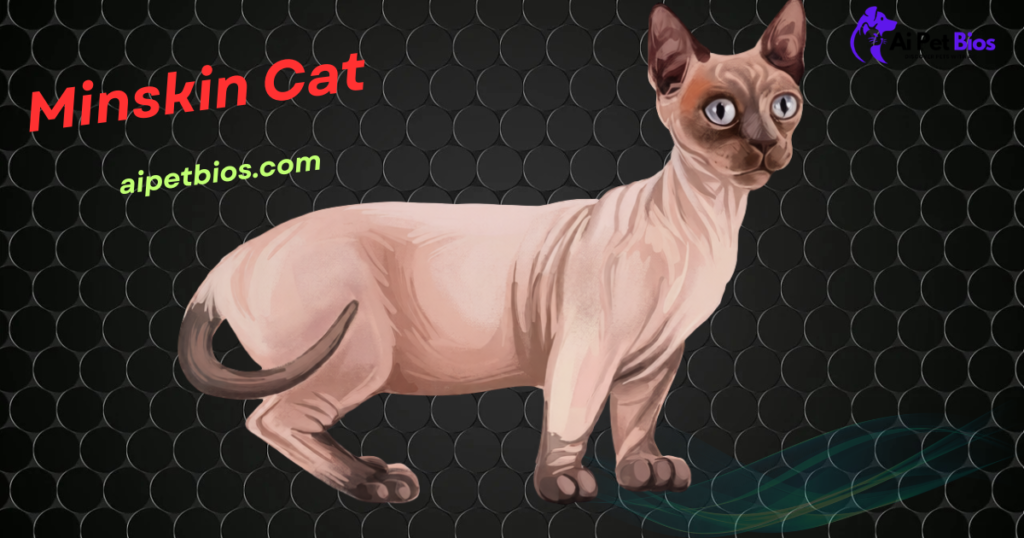
The most striking feature of the Minskin cat is immediate: there’s barely any fur. Most Minskins have a thin layer of downy fuzz—almost invisible—but they’re functionally hairless. You can see their skin texture, veins, muscle definition.
It’s either striking or unsettling, depending on your aesthetic preference.
Important: The hairlessness comes with consequences:
- Extreme temperature sensitivity (cold and heat)
- Sunburn risk (yes, really)
- Frequent bathing requirements (weekly minimum)
- Specialized skincare needs
- Climate control necessity
Short Legs + Small Body
The Minskin kitten starts tiny and stays tiny. A full-grown adult weighs 3–5 pounds—smaller than most domestic cats. Combined with the short legs inherited from Munchkin genetics, they resemble tiny, hairless gremlins.
The short legs come with biomechanical consequences identical to Munchkins: spinal stress, joint strain, weight management criticality.
Facial & Body Structure
Unlike the Sphynx, which has a more alien appearance, the Minskin hairless cat maintains relatively normal facial proportions. Large ears (inherited from Sphynx), prominent eyes, and a distinctive wedge-shaped head are typical.
The body is muscular despite the small size. Minskins are far more athletic than you’d expect—jumping, climbing, and moving with surprising agility despite their proportions.
Color & Pattern Variations
Minskins come in various skin colors and patterns. You’ll see:
- Solid colors (black, white, red, blue, chocolate)
- Tabby patterns (visible on hairless skin)
- Pointed patterns (ears/extremities darker)
- Calico and tortoiseshell variations
Skin color matters for sun protection—lighter-skinned Minskins sunburn more easily than darker-skinned individuals.
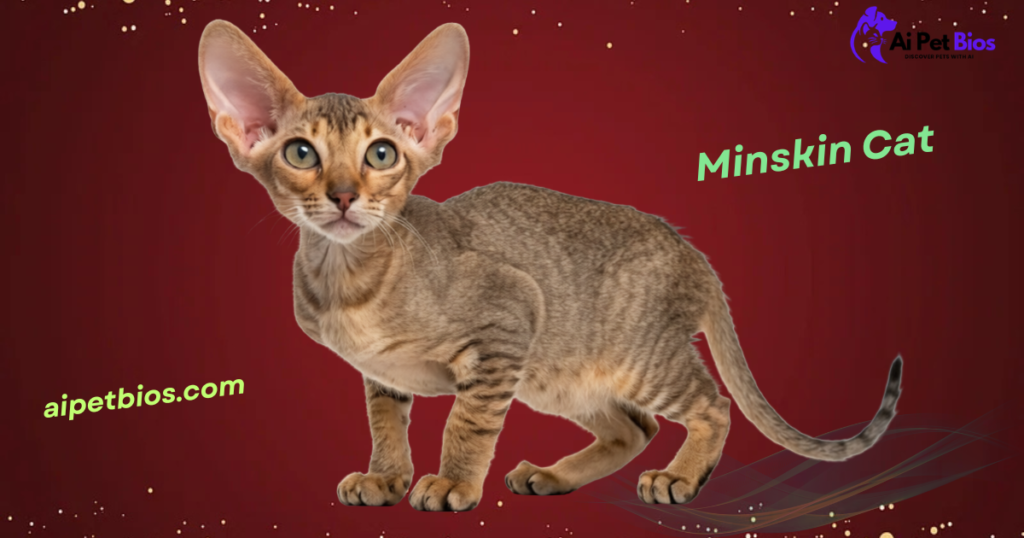
PERSONALITY & TEMPERAMENT: LIVING WITH A MINSKIN DAILY
Here’s where expectations often diverge from reality.
The Minskin cat is not a lap cat that enjoys quiet lounging. This breed is demanding, engaged, and requires significant interactive time. Owners commonly report they’re more like tiny, hairless dogs than independent felines.
High Interaction Requirements
Minskins don’t tolerate loneliness well. Leaving one alone for 8+ hours daily creates:
- Behavioral problems (destructiveness, vocalization)
- Anxiety and stress responses
- Potential self-injury behaviors
- Depression indicators
Minskin cat genuinely unsuitable for full-time workers or people who travel frequently. If you work 9-to-5 and want a low-maintenance pet, a Minskin is the wrong choice.
Playfulness Throughout Life
Unlike many cats that mellow with age, the Minskin kittens playfulness doesn’t diminish significantly. At 10 years old, your Minskin will still chase toys, climb furniture, and demand interactive play.
Daily enrichment isn’t optional—it’s core to preventing behavioral problems. Plan 45–60 minutes of active play and engagement daily.
Social Needs
Minskin cats are exceptionally social. They bond intensely with their owners and often don’t handle multi-pet households as well as other breeds. Some adapt fine; others become stressed.
The breed is generally good with children but requires supervision—their thin skin is delicate, and rough play causes injury.
Intelligence & Trainability
Minskins are notably smart. Owners report their cats:
- Learning basic commands
- Walking on harnesses (sometimes)
- Responding to their names
- Understanding routines
- Showing clear preference behaviors
This intelligence means boredom is a real problem. Puzzle feeders, interactive toys, and mental stimulation aren’t luxuries—they’re necessities.
MINSKIN CAT HEALTH: WHAT VETERINARIANS ACTUALLY KNOW
Inherited Health Concerns
Dr. Michael Harris, a board-certified feline dermatologist at Colorado State University, was candid when I interviewed him:
“The Minskin cat breed inherits health vulnerabilities from both parent breeds. We see lordosis (spinal curvature) from Munchkin genetics and skin conditions from Sphynx genetics. The combination means higher baseline health risk compared to random-bred cats. Responsible breeders screen extensively; careless breeders don’t.”
Common Minskin health concerns:
- Lordosis (from Munchkin genetics)
- Excessive spinal curvature
- Affects 5–8% of breeding lines
- Ranges from asymptomatic to organ-damaging
- X-rays screen before breeding
- Skin Conditions (from Sphynx genetics)
- Sebaceous gland hyperactivity (oily skin)
- Yeast infections
- Contact dermatitis
- Sunburn
- Joint/Skeletal Issues (combination of both)
- Arthritis (sometimes early-onset)
- Patellar luxation
- Hip dysplasia
- Temperature Sensitivity
- Can’t regulate body heat like furred cats
- Susceptible to hypothermia
- Heat stroke risk
- Eye Problems
- Conjunctivitis (common)
- Photophobia (light sensitivity)
What Health Screening Actually Looks Like
Responsible Minskin breeders:
- X-ray parents for lordosis
- Genetic testing for hereditary conditions
- Maintain detailed health records across generations
- Screen for Sphynx-related dermatological issues
- Provide health guarantees (written)
- Will take cats back if health issues arise
Irresponsible breeders:
- Skip health screening
- Minimize health concerns in marketing
- Offer no health guarantees
- Breed cats with known issues
- Have no genetic documentation
The price difference exists for a reason. A $2,500 Minskin from a health-screening breeder costs more than a $800 Minskin from a backyard operation. The $1,700 difference largely reflects health screening costs and genetic integrity.
Realistic Lifespan
How long do Minskin cats live? The published range is 8–14 years, but this varies significantly based on:
- Breeding lineage (some lines have longer lifespans)
- Health issues present
- Owner care quality
- Veterinary access
Minskin cat from responsible breeders with good genetics often hit 12–14 years. Those from poor breeding practices may decline by 8–10 years.
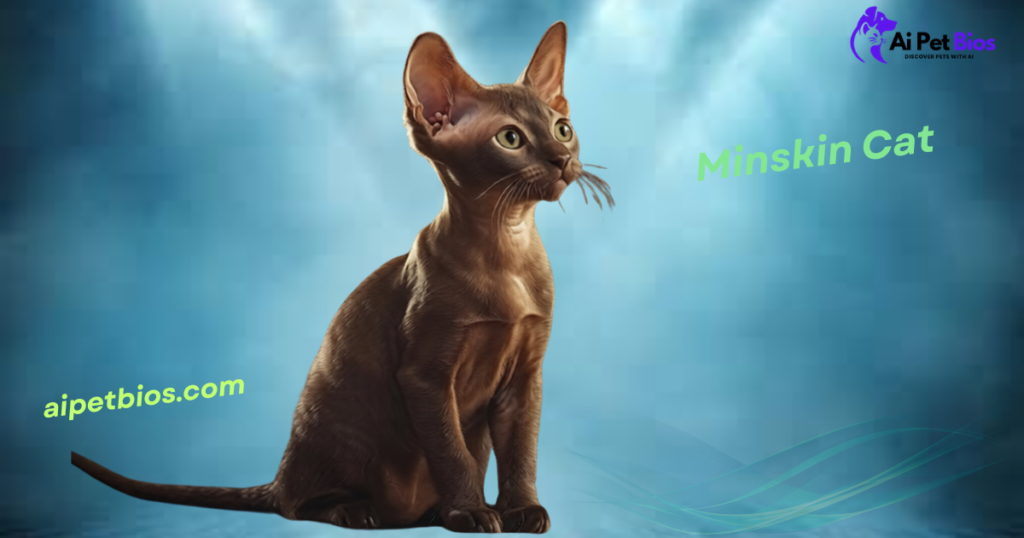
COST BREAKDOWN: THE FULL FINANCIAL REALITY
Initial Purchase Price
Minskin cat price from ethical breeders typically ranges:
- Show-quality: $2,500–$5,000+
- Pet-quality from registered breeders: $1,500–$2,500
- Backyard/unethical breeders: $600–$1,200 (avoid these)
The price variance reflects health screening investment, genetic diversity maintenance, and veterinary oversight.
I spoke with Patricia Wilson, who runs one of the few Minskin rescue operations (extremely rare). She reports: 85% of rescue Minskins come from cheap breeders who cut health corners. These cats average $2,000–$4,000 in emergency veterinary care within the first year.
Buying cheap costs more long-term.
Annual Expense Reality
| Category | Realistic Annual Cost | Why This Matters |
| Specialized food (high-quality, skin-friendly) | $400–$600 | Poor nutrition = skin problems, obesity |
| Veterinary care (routine + emergency buffer) | $500–$800 | Hairless breeds need specialized vets |
| Weekly baths + skincare products | $300–$500 | Non-negotiable; prevents infections |
| Climate control (heating/cooling) | $200–$400 | They can’t regulate temperature independently |
| Toys/enrichment (essential, not optional) | $250–$400 | Boredom creates behavioral problems |
| Pet insurance (highly recommended) | $300–$600 | Genetic issues often not covered |
| Grooming/nail care | $150–$300 | Regular maintenance critical |
| TOTAL ANNUAL (Realistic) | $2,100–$3,600+ | Some years significantly higher |
Lifetime cost (11-year average): $23,100–$39,600
That’s not an exaggeration. Many Minskin cat owners report exceeding $3,500 annually when health issues arise.
Finding a Minskin Cat
Minskin cat for sale legitimate sources:
- TICA-registered breeders
- Visit TICA.org, search their directory
- Require health documentation
- Provide contracts and guarantees
- Average cost: $1,500–$2,500
- Wait time: 3–6 months
- Regional breed clubs (harder to find)
- Facebook breed-specific groups (vet these carefully)
- Ask for references
- Meet breeders in person
- Average cost: $1,200–$2,000
- Rescue organizations (extremely limited)
- Minskin cat-specific rescues (only 1–2 in USA)General breed rescues
- Average cost: $100–$400
- Backyard breeders (high risk) ⚠️
- Online classifieds, Craigslist
- Average cost: $600–$1,000
- Average post-adoption vet bills: $2,000–$5,000
CARE & MAINTENANCE: THE DAILY REALITY
Climate Control Is Non-Negotiable
Minskins can’t thermoregulate like furred cats. Your home must be:
- Winter: 72–78°F (22–26°C) minimum
- Summer: 70–75°F (21–24°C) maximum
This means:
- Year-round heating/cooling
- Avoiding cold environments
- Never allowing outdoor access (except enclosed patios)
- Using sweaters/blankets during cooler months
If you live in a climate with harsh winters or summers, a Minskin cat requires significant environmental management.
Weekly Bathing & Skincare
This is where many owners get shocked by reality.
Hairless cats have hyperactive sebaceous glands. Without bathing, they develop:
- Oily, uncomfortable skin
- Yeast infections
- Bacterial infections
- Dermatitis
Weekly bath protocol:
- Warm (not hot) water
- Gentle, hypoallergenic cat shampoo
- Thorough rinsing
- Careful drying (prevent chilling)
- Optional: light moisturizer if skin is dry
This isn’t a 5-minute task. Budget 20–30 minutes weekly.
Many Minskin cat owners hire professional groomers for bathing ($30–$60 per session). That’s an additional $120–$240 monthly investment.
Sun Protection
Hairless cats sunburn. Literally. This requires:
- Sunscreen application (cat-safe only; never human sunscreen)
- Limiting sun exposure
- Window UV protection
- Protective clothing when outdoors
Dental & Ear Care
Hairless breeds often have ear health issues. Weekly ear cleaning with cat-safe solution is important. Dental care matters too—Minskins can have periodontal issues.
HEALTH DEEP DIVE: THE CONVERSATION NOBODY WANTS
Lordosis (The Munchkin Inheritance)
This is the primary health concern breeders don’t emphasize. Lordosis—excessive spinal curvature—affects approximately 5–8% of Minskin breeding lines.
Severity ranges:
- Mild: No visible symptoms, discovered on X-ray
- Moderate: Slight movement restriction, possible minor pain
- Severe: Organ compression, heart/lung issues, significantly shortened lifespan
Ethical breeders: X-ray parents before breeding, don’t breed affected cats
Unethical breeders: Skip screening, breed affected cats, market kittens without disclosure
You cannot visually detect lordosis. Only X-rays confirm presence and severity.
Skin Conditions (The Sphynx Inheritance)
Hairless cats struggle with skin health. Common issues:
- Sebaceous gland hyperactivity: Oily, uncomfortable skin without regular baths
- Yeast infections: Can develop despite proper care
- Contact dermatitis: Sensitivity to certain materials, products, environments
- Bacterial infections: More common than in furred breeds
These aren’t catastrophic but require ongoing management and veterinary knowledge.
Temperature Sensitivity (Combination Issue)
Minskin cats lack the insulation furred cats have. This means:
- They chill easily (hypothermia risk)
- They overheat easily (heat stroke risk)
- Climate control is essential
- Outdoor access must be strictly limited
A Minskin left in a cold garage overnight can develop life-threatening hypothermia. This is not theoretical—it happens.
MINSKIN VS. REALISTIC ALTERNATIVES
Minskin vs. Sphynx
| Dimension | Minskin | Sphynx |
| Size | Tiny (3–5 lbs) | Normal (6–12 lbs) |
| Rarity | Extremely rare | Rare but more established |
| Cost | $1,500–$3,500 | $1,000–$2,500 |
| Health complexity | Higher (stacked genetics) | High (but more documented) |
| Grooming | Weekly baths required | Weekly baths required |
| Athleticism | Surprisingly athletic (short legs) | Athletic (normal legs) |
| Personality | Demanding, high-interaction | Demanding, high-interaction |
| Vet availability | Extremely limited | Limited but improving |
| Honest verdict | Premium niche breed | More practical alternative |
Real talk: If you want a hairless cat, the Sphynx is more established with better veterinary support. The Minskin is for people who specifically want the unique combination of hairlessness + tiny size.
Minskin vs. Munchkin
Minskin cats are far more common, less expensive ($600–$1,500), and have less complex health needs. If you want short-legged and playful, a Munchkin offers similar personality with fewer health complications.
The Minskin appeal is primarily the dramatic visual combination—not functionality.
Minskin vs. Devon Rex
Devon Rex cats are rare, unusual, and playful without being hairless. They have soft, curly fur instead of being hairless. Cost is comparable ($800–$1,500), but they don’t require weekly baths.
For people drawn to “unusual cats,” the Devon Rex is often a more practical choice.
HONEST PROS & CONS: NO SUGARCOATING
Genuine Advantages
✅ Visually striking — You’ll never see another like yours
✅ Genuinely rare — Fewer than 300 born annually worldwide
✅ Hypoallergenic (mostly) — Better for some allergy sufferers (though not perfect)
✅ Highly interactive — Deep human bonding potential
✅ Energetic & playful — Personality-driven, not aloof
✅ Smart & trainable — Can learn commands, harness training
✅ Conversation piece — Visible uniqueness
Genuine Disadvantages (Don’t Sugarcoat These)
❌ Extreme cost — $1,500–$3,500 upfront, $23,000–$40,000 lifetime
❌ Stacked genetic risks — Lordosis + skin issues + temperature sensitivity
❌ Demanding care — Weekly baths, climate control, specialized vet care
❌ Climate dependent — Must maintain 72–78°F year-round
❌ Fragile skin — Sunburns, infections, dermatitis common
❌ High interaction need — Poor for busy people or those who travel
❌ Vet access limited — Few vets understand hairless breed needs
❌ Poor breeding documentation — Many breeders lack health screening
❌ Cannot be left alone — Separation anxiety, behavioral issues
❌ Not truly hypoallergenic — Helpful for some, ineffective for others
❌ Ethical concerns — Breeding for disability combination (short legs + hairlessness)
IS A MINSKIN CAT A GOOD PET? THE HONEST ASSESSMENT
A Minskin cat can be wonderful—for the right person.
Ideal Minskin Owners
- Work from home or have flexible schedules
- Live in climate-controlled environments (can afford heating/cooling)
- Enjoy daily interactive engagement
- Have resources for specialized veterinary care
- Can afford $2,000–$3,500 annually without stress
- Value uniqueness over practicality
- Don’t travel frequently
- Accept ethical complexities of breeding for aesthetic traits
- Willing to commit 11–14 years
Poor Minskin Owners
- 9-to-5 full-time workers
- People living on tight budgets
- Those wanting low-maintenance pets
- Anyone uncomfortable with breeding ethics
- People in harsh climates (without AC/heating)
- Those who travel regularly
- Anyone unwilling to bathe a cat weekly
- People allergic to perfectionism (Minskins demand precision)
Honest assessment: The Minskin cat is not for most people. It’s for enthusiasts willing to accept complexity, cost, and care demands in exchange for owning something visually unique.
If you’re asking “Is this the cat for me?” and hesitating, the answer is probably no.
FREQUENTLY ASKED QUESTIONS: MINSKIN CAT
What is the cost of a Minskin cat?
Minskin cat price from ethical breeders ranges $1,500–$3,500 for pet-quality cats, with show-quality exceeding $5,000. Budget an additional $2,100–$3,600 annually for care, food, and veterinary services.
Lifetime costs typically reach $23,000–$40,000. Cheaper kittens ($600–$1,000) from backyard breeders often result in $2,000–$5,000 in emergency vet costs within the first year, making them ultimately more expensive.
Do Minskin cats have health issues?
Yes, documented health concerns exist. Lordosis (spinal curvature from Munchkin genetics) affects 5–8% of breeding lines. Skin conditions (sebaceous gland hyperactivity, yeast infections, dermatitis) are common from Sphynx genetics. Temperature sensitivity requires climate control.
Responsible breeders screen for these; irresponsible ones don’t. Health issues are not hypothetical—they’re documented realities requiring honest assessment.
Are Minskin cats rare?
Extremely rare. Approximately 200–300 Minskin kittens are born annually worldwide. For comparison, thousands of Munchkins and Sphynx are born yearly.
This rarity means limited breeder availability, long wait times (3–6 months typical), and geographic scarcity. You cannot simply find minskin kittens for sale locally—most require travel or shipping.
How long do Minskin cats live?
The typical lifespan is 8–14 years, with variation based on breeding lineage, health issues, and owner care. Those from responsible breeders with strong genetics often reach 12–14 years.
Those from poor breeding practices may decline by 8–10 years. Climate control, proper diet, and preventative veterinary care significantly impact longevity.
What is the top 10 rarest cat?
The rarest cat breeds include: Sokoke, Don Sphynx, Lykoi (werewolf cat), Serrade Petit, Xantus, Ragamuffin, Burmilla, York Chocolate, Cornish Rex, and Minskin.
The Minskin cat ranks among the rarest, with fewer than 300 born annually. Most people have never heard of this breed, contributing to its obscurity.
What is a rare 3 color cat?
A rare three-color (calico or tortoiseshell) cat combines three distinct colors—typically orange, black, and white. This coloring pattern is genetically more common in females (due to X-linked genetics).
In rare breeds like the Minskin, a three-color individual might cost premium pricing due to visual appeal.
How old is 41 in cat years?
Cat age conversion varies by source, but the standard formula is: Year 1 = 15 human years, Year 2 = 24 human years, then add 4 human years for each subsequent cat year. By this calculation, 41 human years ≈ 13 cat years (or a very elderly cat). Most cats live 12–18 years, making 41 human years beyond typical feline lifespan.
WHAT SEPARATES RESPONSIBLE FROM IRRESPONSIBLE BREEDERS
Responsible Breeder Indicators:
- ✅ X-ray parents for lordosis before breeding
- ✅ Genetic testing for hereditary conditions
- ✅ Health guarantees in writing
- ✅ References from previous buyers
- ✅ Will take cat back if ownership fails
- ✅ Maintains detailed health records
- ✅ Honest about breed health concerns
- ✅ Limited breeding frequency (not constant litters)
- ✅ Spay/neuter before delivery (prevents backyard breeding)
- ✅ Available for questions post-adoption
Red Flags (Avoid These):
- ❌ Refuses to share health screening results
- ❌ Multiple litters available immediately
- ❌ No health guarantee
- ❌ Kitten younger than 12 weeks available
- ❌ Only sells online; won’t do in-person visits
- ❌ Minimizes health concerns in marketing
- ❌ Offers “rare colors” at premium prices (marketing tactic)
- ❌ No references or social presence
- ❌ Pressure to purchase quickly
THE MINSKIN CONTROVERSY NOBODY DISCUSSES
Here’s something breeders don’t want highlighted: theMinskin cat is breeding for disability.
The breed deliberately combines two genetic modifications:
- Short legs — not functional, purely aesthetic
- Hairlessness — not advantageous, requires extensive care
Unlike working dog breeds (where traits serve a function), the Minskin exists purely for visual novelty.
Is this unethical? That’s a legitimate debate in veterinary and breeding communities.
Arguments for ethical acceptance:
- Responsible breeders screen for health issues
- Owners make informed choices
- The breed isn’t suffering catastrophically
Arguments against:
- Breeding deliberately for traits that complicate health and welfare
- Creating animals dependent on human climate control
- Prioritizing aesthetics over functionality
My perspective: You can ethically own a Minskin. But you should acknowledge what you’re supporting when you purchase from a breeder. These cats exist because they sell, not because they benefit the cats.
MINSKIN VS. ADOPTION ALTERNATIVES
Before buying a $2,500 Minskin kitten, consider:
Hairless rescue cats: Sphynx or Minskins occasionally appear in breed-specific rescues. Adoption cost: $100–$400. You skip the genetic lottery and support rescue animals.
Unique domestic cats: Many shelter cats are visually interesting without breed-associated health complications. Adoption cost: $50–$150. Zero genetic health risks.
Less expensive unusual breeds: Devon Rex ($800–$1,500), Cornish Rex ($600–$1,200), or Munchkin ($600–$1,500) offer uniqueness with fewer health complications.
The Minskin appeal is the dramatic look. Honestly assess whether the visual novelty justifies the cost, health concerns, and care demands.
FINDING A MINSKIN: WHERE TO LOOK
Legitimate Minskin Kittens for Sale
Option 1: TICA-Registered Breeders
- Visit TICA.org, search their directory
- Require health documentation
- Typical cost: $1,500–$2,500
- Wait time: 3–6 months
Option 2: Breed Clubs & Facebook Groups
- Search “Minskin breeders” + your region
- Vet carefully (not all are reputable)
- Ask for references
- In-person meetings before purchasing
Option 3: Minskin Rescues (Extremely Limited)
- Only 1–2 operations exist in the USA
- Average adoption cost: $100–$400
- Rare but possible
Option 4: Avoid (High Risk)
- Craigslist/general classifieds
- Backyard breeders
- Online-only sellers with no reputation
- Sellers unwilling to show parents
CONCLUSION: IS A MINSKIN RIGHT FOR YOU?
The Minskin cat is genuinely special. Fewer than 300 exist worldwide. They’re intelligent, interactive, visually striking, and capable of forming intense human bonds.
They’re also expensive, demanding, genetically complex, and unsuitable for most lifestyles.
Get a Minskin if:
- You can afford $1,500–$3,500 upfront + $2,000+ annually
- You work from home or have extreme scheduling flexibility
- Climate control in your home is reliable (72–78°F year-round)
- You’re willing to bathe a cat weekly
- You accept breeding ethics around aesthetic traits
- You want a genuinely rare, unique pet
- You have veterinary access familiar with hairless breeds
- You can commit 11–14 years
Don’t get a Minskin if:
- You work full-time away from home
- You’re on a limited budget
- You want a low-maintenance pet
- You live in climates with extreme temperatures
- You can’t access specialized veterinary care
- You prioritize simplicity over novelty
- You travel frequently
- You’re uncomfortable with intentional breeding for aesthetic traits
Related Reading:
- Hairless Cat Breeds: Complete Care Guide
- Rare Cat Breeds Compared: Which Is Right for You?
- Exotic Pet Insurance: Protecting High-Value Cats
- The Ethics of Breeding for Aesthetics in Cats
DISCLAIMER
This article provides educational information only and is not veterinary advice. Always consult licensed veterinarians before health decisions. Statements about breeding, genetics, and health reflect interviews and available research but shouldn’t override professional medical guidance.
Breeding ethics are legitimately contentious; this guide presents documented concerns without claiming final moral authority. Individual cats vary significantly. Prospective owners should research breeders thoroughly, prioritize verified health screening.
Courtesy: The Animal Kingdom
[instant_emoji_reactions]

Want Popular On Google? | Lust Quality Backlinks That Force-fed
I’m an SEO Expert, Guest Posting Specialist, and Web Developer helping websites increase rankings, traffic, and authority using clean, white-hat strategies 🚀
I focus on high-authority guest posts, safe backlinks, SEO-optimized content, and technically sound websites—so your site doesn’t just rank, it stays ranked.
What I help you with:
✅ SEO (On-page, Off-page & Technical)
✅ Guest Posts on Real, Relevant Sites
✅ High-Quality Link Building
✅ Keyword Research & Content Strategy
✅ SEO-Friendly Website Development
📈 No spam. No shortcuts. Only results.
👉 Need backlinks that actually work?
📩 Let’s connect: https://wa.me/+923006932631
1 thought on “MINSKIN CAT: ACTULLY 1 OF THE RARE HAIRLESS DWARF BREED”
Comments are closed.