
Introduction
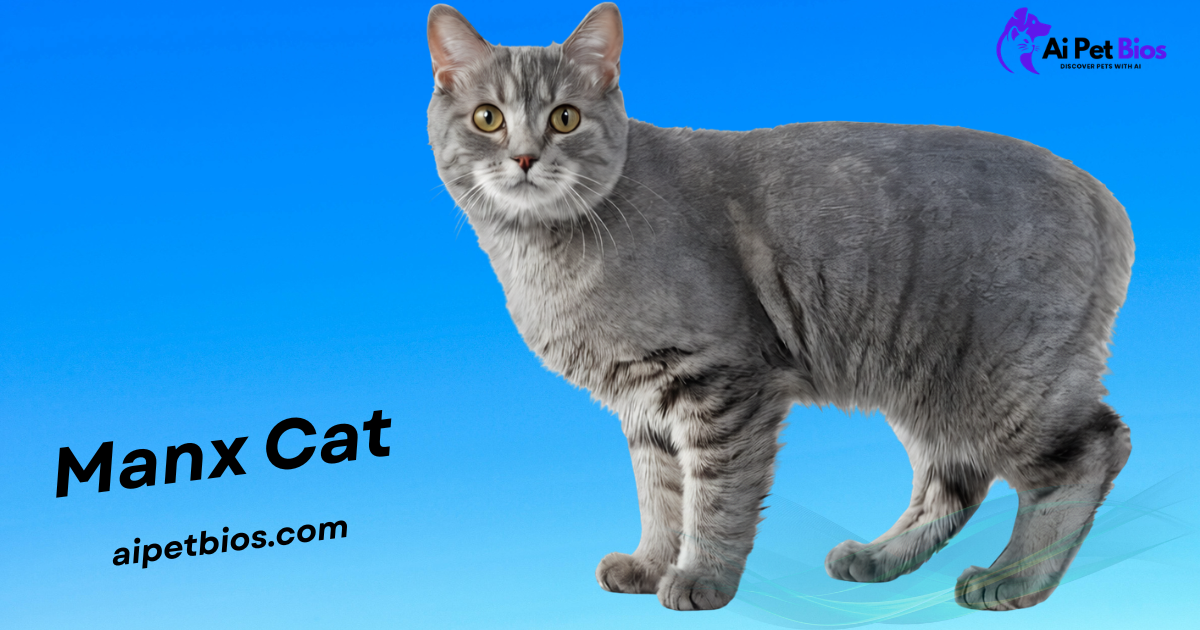
The Manx cat is one of the most distinctive and recognizable cat breeds in the world—and for one unmistakable reason: they lack a tail. But there’s far more to this remarkable feline than meets the eye. Originating from the Isle of Man, a small island in the Irish Sea, the Manx cat breed has captivated cat enthusiasts for centuries with their quirky physiology, charming personality, and surprising athleticism.
Whether you’re considering bringing a Manx into your home or simply curious about what makes them so special, this comprehensive guide covers everything from their unique genetics to their care requirements, health considerations, and whether they’re the right fit for your family.
Quick Facts Table
| Attribute | Details |
| Origin | Isle of Man, UK |
| Size | Medium (8–12 lbs) |
| Lifespan | 8–14 years |
| Coat Type | Short or long, double-layered |
| Color Varieties | All colors; popular: Orange, Black, Black & White |
| Personality | Intelligent, affectionate, playful |
| Good with Children? | Yes, excellent |
| Good with Other Pets? | Generally yes, with socialization |
| Indoor/Outdoor | Primarily indoor |
| Average Price | $600–$1,200 |
7 Essential Facts About Manx Cats
Understanding these seven core facts about Manx cats will give you a complete foundation for deciding if this breed is right for you.
Fact 1: Manx Cats Are Naturally Tailless Due to a Genetic Mutation
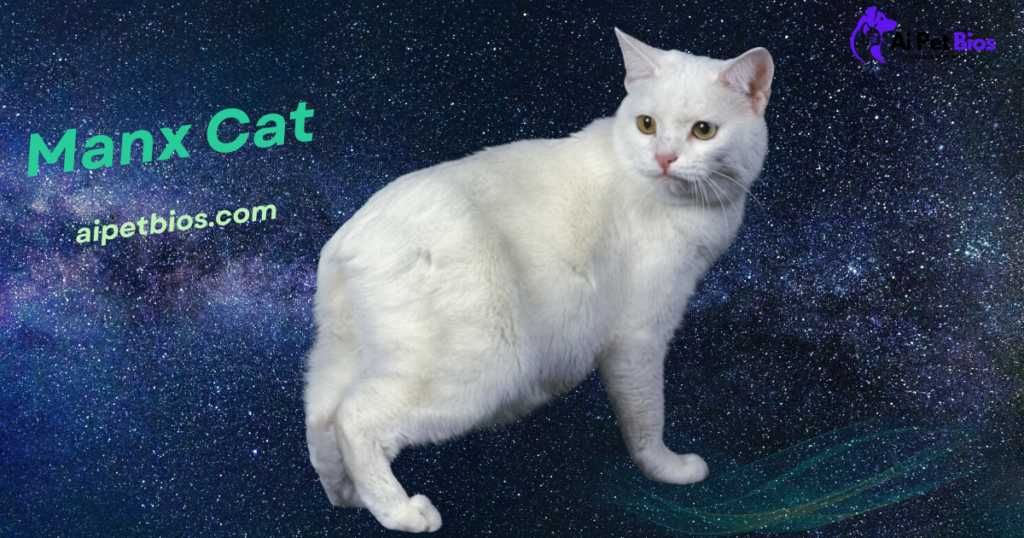
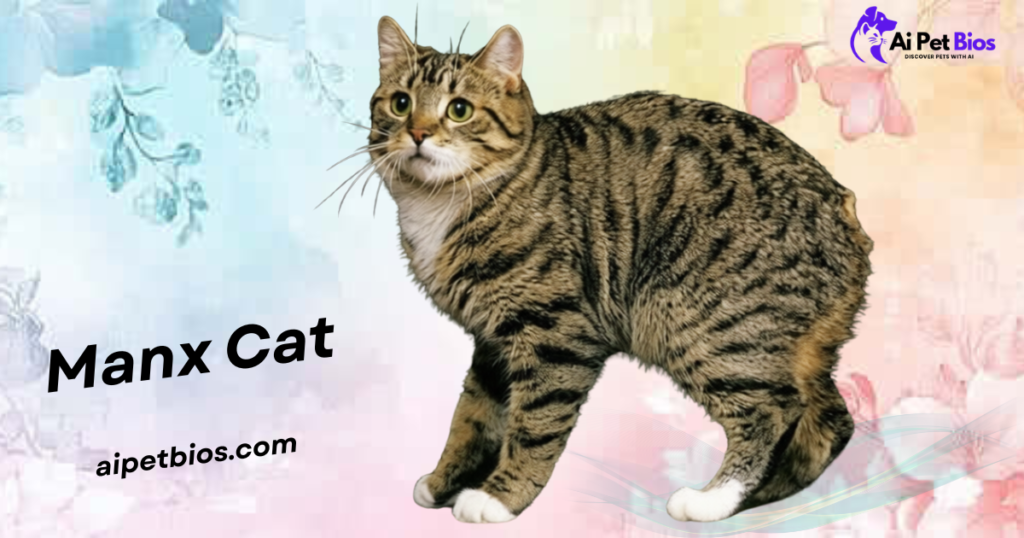
The defining characteristic of a Manx cat is their absent or significantly shortened tail—the result of a natural genetic mutation that became dominant in the Isle of Man’s isolated cat population centuries ago. This isn’t a surgical modification or a breeding accident; it’s a genetic trait passed through generations.
Interestingly, not all Manx cats are completely tailless. The breed standard recognizes four distinct tail variations:
- Rumpy: Completely tailless with a dimple or cavity where the tail would begin (the show-ring ideal)
- Rumpy Riser: A small nub of bone covered by fur, typically less than 1 inch in length
- Stumpy: A partial tail, usually 2–3 inches long, slightly mobile
- Longy: An almost-normal tail, though typically shorter than standard cats
The taillessness is caused by a dominant gene mutation affecting the development of the caudal vertebrae (tail bones). When a kitten inherits one copy of this gene from either parent, they’ll exhibit tail reduction. This genetic dominance is crucial to understanding Manx cat characteristics and breeding implications.
Fact 2: Manx Cat Syndrome Is a Serious Health Risk That Can’t Be Ignored
Perhaps the most critical fact prospective cat owners must understand is Manx cat syndrome—a hereditary spinal condition directly linked to the tailless gene mutation. This isn’t a minor concern; it’s a potentially life-altering condition that responsible Manx breeders USA screen for rigorously.
What is Manx cat syndrome? It’s a congenital neurological and structural disorder affecting the spine, hind limbs, and bowel/bladder function. The severity varies dramatically:
Mild Cases:
- Occasional constipation or litter box issues
- Slight hind leg weakness
- No pain or functional impairment
Moderate Cases:
- Regular digestive problems requiring special diets or medications
- Reduced hind leg mobility
- Occasional incontinence
- Spinal curvature or fusion issues visible on X-rays
Severe Cases:
- Hind leg paralysis or partial paralysis
- Complete incontinence or fecal retention
- Severe pain
- Spinal cord compression
- Euthanasia may be necessary in worst-case scenarios
Important Statistics: Studies estimate that 10–30% of cats show some symptoms of Manx syndrome, though many are asymptomatic or mildly affected. Interestingly, “Longy” and “Stumpy” cats have significantly lower incidence rates than rumpy cats.
Responsible Manx cat breeders USA now prioritize breeding cats with longer tails specifically to reduce syndrome prevalence in offspring. When searching for Manx kittens for sale, always ask breeders about their genetic testing protocols and whether they prioritize longer-tailed lines.
Fact 3: Manx Cats Are Exceptionally Loyal and Form Deep Bonds with Their Owners
Beyond their physical appearance, the Manx cat personality is what truly sets them apart. These cats are renowned for their dog-like devotion—a trait that consistently surprises new owners accustomed to the typical feline aloofness.
Key Personality Characteristics:
Unwavering Loyalty: These cats typically bond intensely with one primary caregiver, though they’re affectionate with the entire family. They often greet owners at the door, follow them from room to room, and demand attention in ways more typical of dogs than cats. Many owners describe their Manx as a “velcro cat”—they simply want to be near you.
Playful and Energetic: Despite their stocky build, Manx are remarkably athletic and playful. They enjoy:
- Interactive wand toys
- Fetch games
- Hunting simulations
- Climbing and vertical exploration
- Daily play sessions of 20–30 minutes
Highly Intelligent: Manx are problem-solvers who readily learn:
- Their names and respond reliably to calls
- Basic commands (sit, come, high-five)
- How to open certain doors and cabinets
- Trick training with positive reinforcement
- The difference between appropriate and off-limit areas
Vocal and Communicative: Unlike the quiet purr of many breeds, Manx cats are chattier. They:
- “Chirp” and “chitter” at birds (the classic bird-hunting vocalization)
- Meow to communicate needs and greetings
- Develop unique vocalizations with their owners
- Use body language extensively to express emotions
Are Manx Cats Good with Children? Absolutely. Their robust, playful nature, combined with patience and tolerance, makes them excellent family pets. Their stocky frame and powerful hind legs mean they’re less fragile than some delicate breeds—they can handle the rougher play children often initiate. Supervised interaction is always recommended, as with any cat.
Fact 4: The Manx Cat Lifespan Is 8–14 Years, Comparable to Other Domestic Cats
The Manx cat lifespan typically ranges from 8–14 years, making them average in terms of longevity compared to other domestic cat breeds. However, this statistic requires important context.
Factors Affecting Lifespan:
Genetic Health: Man with Manx syndrome symptoms or other genetic predispositions may have shorter lifespans. Cats requiring ongoing medication for digestive or neurological issues may experience quality-of-life challenges that impact longevity.
Spinal Health: The unique spinal structure of cats can predispose them to arthritis and degenerative disc disease as they age. Senior Manx (age 10+) often require special accommodations like low-entry litter boxes and accessible resting areas.
Proper Nutrition: A high-quality diet supporting spinal and joint health can extend lifespan. Some Manx cats benefit from supplements like glucosamine or omega-3 fatty acids.
Regular Veterinary Care: Annual check-ups, dental care, and prompt treatment of health issues contribute significantly to longevity. Cats with Manx syndrome benefit from more frequent veterinary monitoring.
Environmental Factors: Indoor cats typically live longer than outdoor cats. Are Manx cats indoor cats? Primarily yes—their unique spinal structure and reduced tail for balance make outdoor navigation more challenging. Indoor living typically adds 2–4 years to their lifespan.
Quality of Life in Senior Years: Many owners find their Manx cats remain playful and engaged well into their later years. Providing appropriate litter box access, comfortable bedding, and pain management ensures comfortable aging.
Fact 5: Manx Cat Size Is Moderate, But Their Muscular Build Is Deceptively Powerful
A Manx cat size is medium, but they often weigh more than their appearance suggests—their compact, muscular frame is denser than it looks.
Physical Dimensions:
- Weight: 8–12 pounds (females typically 8–10 lbs; males 10–12 lbs)
- Length: Compact body, typically 7–8 inches of body length
- Height: 8–10 inches at the shoulder
- Build: Sturdy, muscular, well-proportioned
Distinctive Physical Features:
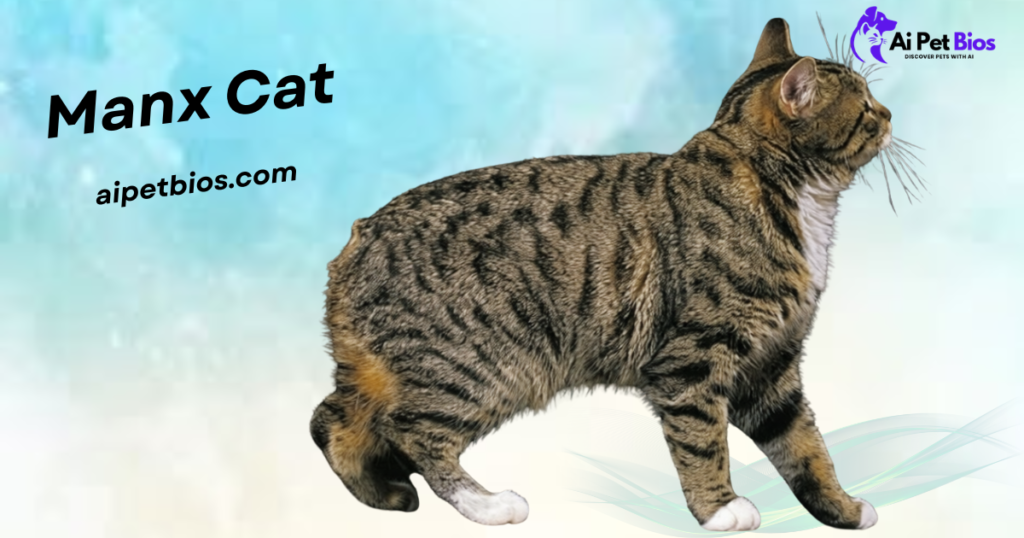
Powerful Hindquarters: The most striking physical characteristic after their lack of tail is their extraordinarily powerful hind legs and rear end. Their hindquarters are noticeably more muscular than their front, creating a distinctive silhouette. This gives them a characteristic hopping gait, similar to a rabbit, particularly when they run at full speed.
Rounded Head and Face: Manx cats have round skulls, round eye shapes, and rounded ear bases—everything curves rather than angles. This roundness contributes to their cute, distinctive appearance.
Double-Layered Coat: Their coat is plush and dense, consisting of a soft undercoat and longer guard hairs. This double-layer sheds noticeably, particularly during seasonal coat blows.
Stocky, Compact Frame: Unlike the elongated bodies of breeds like Siamese cats, Manx cats are compact and robust. They give the impression of strength and solidity.
Color Variations: All colors and patterns are acceptable in Manx cats. Popular variations include:
- Orange Manx cat: Warm red or cream coloring (often male due to genetic inheritance)
- Black Manx cat: Solid black or black with subtle tabby markings
- Black and white Manx cat: Bicolor patterns, often with high white spotting
- Gray/blue, calico, tortoiseshell, tabby patterns
Space and Exercise Needs:
While Manx cats don’t require a mansion, they do benefit from:
- Vertical territory (cat trees, wall shelves, climbing structures)
- Interactive play areas with toys and hunting simulations
- Daily play sessions of 20–30 minutes
- Puzzle feeders and enrichment toys
- Window access for bird watching
Their moderate size makes them suitable for apartments, condos, or larger homes—the key is engagement and enrichment, not square footage.
Fact 6: Manx Cat Price Ranges From $600–$1,200 From Reputable Breeders, But Costs Extend Far Beyond Initial Purchase
Understanding the true Manx cat price requires looking beyond the initial purchase cost to lifetime ownership expenses.
Purchase Price Breakdown:
| Source Type | Price Range | Notes |
| Reputable Registered Breeders | $800–$1,200 | Health-tested, genetic screening, socialized |
| Established Local Breeders | $600–$900 | Varies; ask about health guarantees |
| Pet Store Kittens | $300–$700 | Higher risk; poor breeding practices common |
| Rescue Organizations | $50–$250 | Manx cats for adoption or Manx kittens for adoption |
Why the Price Variation?
Reputable Manx cat breeders USA invest heavily in:
- Genetic health testing (spinal X-rays, genetic panels)
- Veterinary screening of breeding cats
- Comprehensive socialization of kittens
- Health guarantees (typically 1–2 years)
- Continued support after adoption
- Selective breeding to reduce Manx syndrome
Lower-cost breeders often skip these critical steps, meaning you may inherit expensive veterinary problems.
Finding Quality Sources:
Manx kittens for sale from quality sources include:
- TICA and CFA registered breeders
- Breed-specific rescues (search “Manx rescue near me”)
- Local breed clubs with breeder referrals
- Manx breeders USA with published health guarantees
Long-Term Cost Estimates:
| Expense Category | Annual Cost | 10-Year Cost |
| Food (high-quality) | $300–$500 | $3,000–$5,000 |
| Routine Veterinary Care | $400–$800 | $4,000–$8,000 |
| Supplies (litter, toys, grooming) | $300–$500 | $3,000–$5,000 |
| Emergency/Specialty Vet Care | $500–$1,500 (variable) | $5,000–$15,000+ |
| TOTAL | $1,500–$3,300 | $15,000–$33,000 |
Tip: Consider pet insurance early. A Manx cat with pre-existing conditions may face high premiums or coverage exclusions, making early enrollment crucial.
Fact 7: Manx Cats Require Specialized Care and Environmental Accommodations
Owning a Manx cat isn’t as simple as owning a standard domestic cat. Their unique physiology and health considerations demand specialized care and thoughtful home modifications.
Litter Box Considerations:
Standard litter boxes—particularly high-sided or covered models—can be problematic for Manx cats:
- The Problem: Jumping in and out of high-sided boxes strains their unique spinal structure and reduced tail balance
- The Solution: Provide low-entry litter boxes (2–3 inches high)
- Examples: Storage container boxes, large ceramic trays, or specialized low-entry boxes
- Best Practice: Multiple boxes throughout the home (rule: number of cats + 1) to prevent access issues
- Extra Tip: Some Manx cats with digestive sensitivities benefit from scoopable, low-dust, or specialized litter formulas
Grooming Requirements:
- Short-haired Manx cats: Brush 2–3 times weekly to manage shedding
- Long-haired Manx cats: Daily brushing essential to prevent matting
- Nail Trimming: Every 2–3 weeks (more frequent than some breeds)
- Ear Cleaning: Weekly inspections; clean as needed (they’re prone to ear wax accumulation)
- Dental Care: Daily brushing or dental treats recommended (dental disease is common in cats)
- Tail Area Hygiene: If they have a tail or stump, keep the area clean and dry to prevent irritation
Nutrition and Digestive Considerations:
Some Manx cats, particularly those with mild Manx syndrome symptoms, experience digestive challenges:
- Constipation: High-fiber diets, adequate hydration, stool softeners may help
- Loose Stools: Limited-ingredient or novel protein diets sometimes resolve issues
- Portion Control: Manx cats have a tendency toward obesity due to their stocky build and food motivation; carefully measure portions
- Feeding Schedule: Feeding 2–3 small meals daily (rather than free-feeding) helps with weight management and digestion
Environmental Modifications:
- Accessible Resting Areas: Multiple comfortable beds at varying heights; easy-access perches
- Ramp or Step Access: For older cats or those with hind leg weakness, ramps to favorite climbing areas
- Temperature Control: Manx cats are sensitive to cold; keep your home warm (68–72°F ideal)
- Stress Reduction: Their alert, intelligent nature means they benefit from puzzle toys, window perches, and quiet zones
- Safe Outdoor Access: If providing outdoor time, create a catio (enclosed patio) rather than allowing free roaming
Veterinary Care Beyond Standard:
Manx cats benefit from:
- Annual spinal X-rays to monitor for degenerative changes
- Genetic testing if breeding
- More frequent wellness exams (every 6 months for senior cats)
- Specialist referral readiness (orthopedic or neurology specialists if issues develop)
- Open dialogue with your vet about Manx cat syndrome warning signs
Origin & History: How the Manx Cat Became Tailless
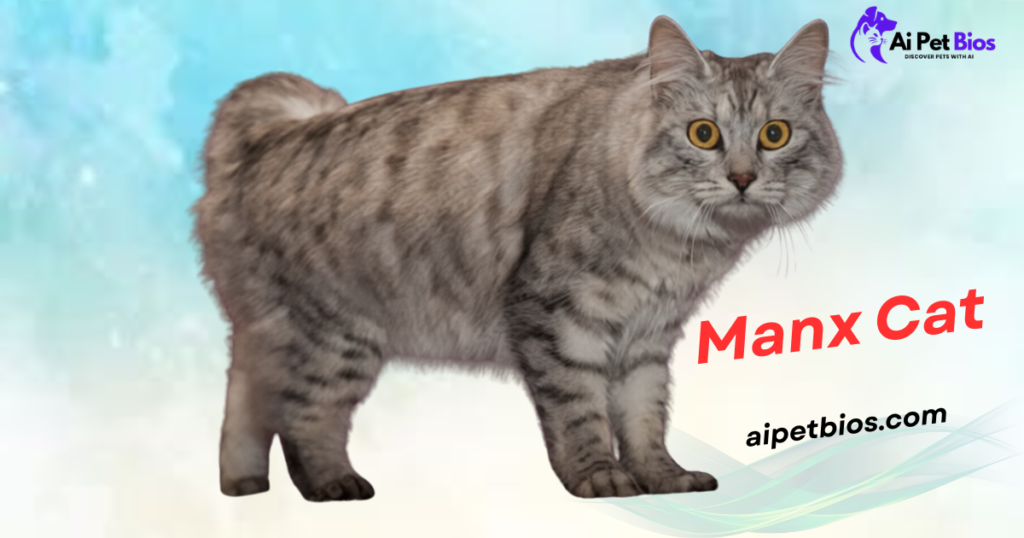
The Manx cat has a history as intriguing as its appearance. Legend has it that the breed originated on the Isle of Man, where a female cat mated with a rabbit, producing the first tailless offspring. While this charming tale lacks scientific basis, the truth is equally fascinating: the distinctive taillessness results from a natural genetic mutation that became dominant in the island’s isolated feline population over centuries.
First documented in the 18th century, Manx cats were selectively bred by island residents who valued their unique appearance and hunting prowess. The breed was formally recognized by cat associations in the late 1800s, with the first Manx cat breeders USA operations beginning in the early 1900s. Today, Manx cat breed standards are maintained by major feline registries worldwide, including The International Cat Association (TICA) and the Cat Fanciers’ Association (CFA).
The breed’s journey from isolated island population to international recognition represents a fascinating study in selective breeding, genetic inheritance, and the balance between preserving unique traits and maintaining genetic health.
Core Characteristics: What Defines a Manx Cat Beyond the Missing Tail
Body Structure & Tail Variations (Detailed)
The defining feature of a Manx cat is, of course, their unusual tail—or lack thereof. However, not all Manx cats are completely tailless. The breed standard recognizes four tail types:
- Rumpy: Completely tailless with a dimple where the tail would begin (show-ring preferred)
- Rumpy Riser: A small nub of bone covered by fur (less than 1 inch), sometimes called a “button tail”
- Stumpy: A partial tail, typically 2–3 inches long with slight mobility
- Longy: A nearly normal tail, though typically shorter than standard cats
A Manx cat with long tail is considered a “Longy” and may not meet show standards, though they’re equally valid as companions. The genetic mutation responsible for taillessness is dominant, meaning only one copy is needed to express the trait.
Physical Appearance & Color Patterns
Beyond their missing or abbreviated tails, Manx cat characteristics include:
- Body Shape: Compact, muscular, and well-proportioned with a rounded head
- Hindquarters: Notably powerful and high, giving them a distinctive hopping gait
- Coat: Double-layered, available in both short and long varieties
- Size: Medium-sized, typically weighing 8–12 pounds
- Coloration: All colors and patterns are acceptable. Popular variations include:
- Orange Manx cat: Warm red, cream, or ginger colorations
- Black Manx cat: Solid black or black with tabby markings
- Black and white Manx cat: Bicolor patterns, often striking and high-contrast
Manx Cat Personality & Temperament: Understanding Your Companion
Understanding a Manx cat personality is essential before committing to ownership. These cats are far from aloof; they’re known for being exceptionally affectionate, intelligent, and deeply loyal to their human companions.
Key Personality Traits
- Loyal & Bonded: Manx cats often form strong bonds with one primary caregiver, though they’re generally social with all family members. They’re intensely people-oriented.
- Playful & Energetic: Despite their stocky build, they’re surprisingly athletic and enjoy interactive play and hunting games throughout the day.
- Intelligent & Curious: They readily learn commands, respond to their names, and enjoy puzzle toys and mental stimulation. Many can be leash-trained.
- Vocal: Manx cats are more talkative than many breeds, “chittering” at birds and communicating with distinctive vocalizations.
- Dog-Like Loyalty: Many owners describe their Manx cat as dog-like in their eagerness to greet them at the door and follow them around the home. Some even enjoy playing fetch.
Socialization & Family Compatibility
Are Manx Cats Good with Children?
Yes, Manx cats are generally excellent with children. Their robust, playful nature and patience make them well-suited to family environments. However, like all cats, they require respectful interaction and supervised play with young children. Their stocky build and powerful back legs mean they can hold their own during play without being fragile. Key recommendations:
- Teach children gentle handling
- Supervise play sessions
- Provide escape routes so cats can retreat when overwhelmed
- Respect the cat’s body language and boundaries
Compatibility with Other Pets:
Manx cats generally coexist well with other cats and dogs when:
- Introduced gradually and properly
- Socialized early with multiple species
- Given individual space and resources
Their hunting drive may make them incompatible with small rodents or birds kept as pets.
Are Manx Cats Indoor Cats? Environmental Needs
Are Manx cats indoor cats? Primarily yes. While Manx cats retain strong hunting instincts and would enjoy outdoor access, their distinctive appearance and reduced mobility (due to their unique skeletal structure) make them better suited to indoor or controlled outdoor environments.
Risks of outdoor access include:
- Predation (due to reduced tail balance)
- Injury from vehicles or other hazards
- Getting lost or stolen (they’re recognizable and valuable)
- Exposure to diseases and parasites
Safe Outdoor Solutions:
- Enclosed “catio” (patio enclosure)
- Harness and leash training for supervised walks
- Window perches for bird watching indoors
- Indoor climbing structures for enrichment
Manx Cat Health: Understanding Manx Syndrome and Other Concerns
While generally healthy, prospective owners must understand a critical health consideration: Manx cat syndrome.
Manx Cat Syndrome: Comprehensive Overview
Manx cat syndrome is a congenital condition resulting from the same genetic mutation that causes taillessness. It affects the spine, hind limbs, and bowel/bladder function. Severity ranges from asymptomatic to severely debilitating.
Symptoms Include:
- Hind leg weakness or paralysis (ranging from subtle to complete)
- Incontinence or difficult defecation/constipation
- Spinal issues (curvature, fusion, or degeneration)
- Nerve damage or pain
- Loss of bladder or bowel control
- Gait abnormalities or hopping behavior
- Pain or difficulty moving
Important Note: Not all Manx cats develop syndrome symptoms. Cats with longer tails (“Stumpies” and “Longies”) have significantly lower incidence rates. Responsible Manx cat breeders USA screen breeding stock through veterinary examination and genetic testing to minimize affected offspring.
Screening & Prevention:
When purchasing Manx kittens for sale, ask breeders:
- Do they health-test breeding cats with spinal X-rays?
- What percentage of their litters show Manx syndrome symptoms?
- Do they prioritize longer-tailed lines in breeding programs?
- What health guarantee do they provide?
- Are they willing to take the cat back if serious health issues emerge?
Other Health Concerns
Beyond Manx syndrome, Manx cats are prone to:
- Digestive Issues: Some experience constipation, diarrhea, or irritable bowel-like symptoms, requiring specialized diets or medications
- Arthritis & Joint Problems: Spinal structure variations can contribute to joint problems, especially in senior cats (age 10+)
- Obesity: Their stocky build and food motivation mean weight management is crucial—obesity exacerbates spinal and joint issues
- Ear Infections: Some lines show increased susceptibility to ear infections due to ear canal shape
- Dental Disease: Like all cats, they’re prone to gingivitis and tooth decay without proper dental care
- Urinary Issues: Some cats experience recurrent urinary tract infections or blockages
Care & Maintenance: Keeping Your Manx Healthy and Happy
Grooming Needs & Coat Maintenance
Manx cat coat care depends on hair length:
- Short-haired: Brush 2–3 times weekly to reduce shedding and keep coat healthy
- Long-haired: Daily brushing to prevent matting and excessive shedding
- Nail Trimming: Every 2–3 weeks (check for overgrowth, especially in senior cats)
- Ear Cleaning: Weekly checks; clean gently with pet-safe solution as needed
- Dental Care: Daily brushing with pet toothpaste or dental treats recommended; annual professional cleaning
Nutrition & Feeding Guidelines
Feed high-quality cat food (wet, dry, or mixed):
- Portion Control: Typically 1 cup per day (split into 2 meals), though this varies by individual metabolism
- Protein Focus: Minimum 30% crude protein for muscle maintenance
- Special Consideration: Some Manx cats with digestive issues benefit from high-fiber diets, limited-ingredient formulas, or prescription gastroenterology diets
- Weight Management: Monitor weight monthly; adjust portions if overweight (obesity is common in the breed)
- Hydration: Wet food or water fountains encourage adequate fluid intake
- Feeding Schedule: Regular meal times (rather than free-feeding) support better digestion and weight control
Litter Box Considerations
Some Manx cats, particularly those with spinal variations, may have trouble accessing high-sided litter boxes. Provide:
- Low-entry boxes (2–3 inches high)
- Multiple boxes throughout the home (rule: number of cats + 1)
- Easy access without steep inclines or ramps
- Scoopable, low-dust litter (some Manx cats have sensitive respiratory systems)
- Regular cleaning to prevent deterrence
Environmental Enrichment
Manx cats are intelligent, playful cats requiring mental and physical stimulation:
- Interactive wand toys (20–30 minutes daily)
- Puzzle feeders and treat-dispensing toys
- Vertical territory (cat trees, wall shelves)
- Window perches for bird watching
- Rotating toy selection to maintain interest
- Clicker training for mental engagement
Common Concerns & Health Risks: What You Need to Know
Beyond Manx Syndrome: Other Health & Behavioral Considerations
While Manx cat syndrome is the primary genetic concern, Manx cats are also prone to:
- Digestive Issues: Some experience constipation or irritable bowel-like symptoms requiring dietary adjustments or medications
- Arthritis: Spinal structure variations can contribute to joint problems, especially in senior cats
- Obesity: Their stocky build and appetite mean weight management is crucial
- Ear Infections: Some lines show increased susceptibility
- Behavioral Challenges: Their intelligence and energy can lead to destructive behavior if under-stimulated
Behavioral Considerations
- High Energy: They require daily engagement; boredom can lead to destructive behavior
- Demanding Attention: Their loyalty means they may become anxious if left alone for extended periods
- Prey Drive: Strong hunting instincts mean small pets require careful management
- Vocalization: Their chattiness isn’t for everyone; consider if you prefer quieter cats
Important Disclaimer About Health
CRITICAL DISCLAIMER: This article is for informational purposes only and does not constitute professional veterinary, medical, or legal advice. While we’ve made every effort to ensure accuracy, Manx cat syndrome and other health conditions mentioned require evaluation by a licensed veterinarian.
Always consult with a qualified veterinary professional before:
- Making health decisions for your cat
- Starting any dietary or supplement regimen
- Interpreting any symptoms or behavioral changes
- Considering breeding decisions
Do not attempt to diagnose or treat medical conditions without professional guidance. The author and publisher assume no liability for decisions made based on this content.
Comparison: How Does the Manx Cat Stack Up?
Manx vs. Other Tailless/Short-Tailed Breeds
| Breed | Tail | Personality | Price | Health Risk |
| Manx | Absent/Short | Loyal, playful, vocal | $600–$1,200 | Manx Syndrome |
| Japanese Bobtail | Pom-pom tail | Highly social, dog-like | $500–$1,200 | Low |
| Pixie-Bob | Stubby (inherited) | Wild appearance, friendly | $400–$900 | Low |
| Khao Manee | Normal | Vocal, affectionate | $700–$1,500 | Low |
Manx vs. Domestic Shorthair
Domestic shorthairs lack the distinctive appearance and breed-specific traits of Manx cats, but they typically have:
- Lower health risks
- Significantly lower cost ($0–$50 adoption)
- Equally loving personalities
- Longer average lifespan
- More genetic diversity
Manx vs. Related Breeds: Key Differentiators
What is the calmest cat breed? Manx cats are moderately active; Persian and Ragdoll breeds are typically calmer choices if you prefer a sedate companion.
Are Manx cats good with children? Yes, Manx cats are excellent with children—better than many breeds due to their robust, playful nature.
Are Manx cats indoor cats? Primarily yes, due to their unique physiology and reduced tail balance.
Pros & Cons Summary
Advantages of Owning a Manx Cat
| Pros | Details |
| Distinctive Appearance | Unmistakable, conversation-starting look |
| Loyal & Affectionate | Strong bonds with owners; dog-like devotion |
| Playful & Intelligent | Interactive, responsive to training |
| Good Family Pets | Excellent with children when socialized |
| Moderate Shedding | Less than some long-haired breeds (depending on coat length) |
| Social & Adaptable | Generally good with other pets and people |
| Unique Personality | Memorable, engaging companion |
Disadvantages of Owning a Manx Cat
| Cons | Details |
| Manx Syndrome Risk | Genetic spinal condition; potential severe consequences |
| Higher Cost | Expensive initial purchase ($600–$1,200) |
| Specialized Breeding Needs | Limited availability in some regions |
| Litter Box Challenges | May struggle with standard boxes; require modifications |
| Veterinary Costs | Higher than average due to spinal/health-related potential issues |
| Grooming Demands | Regular brushing required; significant shedding |
| Energy Requirements | Need significant daily engagement |
| Digestive Sensitivities | Some require specialized diets |
Finding Your Manx Cat: Where to Look
Reputable Sources for Purchase or Adoption
Manx cats for sale from responsible sources include:
- Registered Breeders: Search TICA or CFA registries for Manx breeders USA with genetic health testing documentation
- Breed Rescue Organizations: Specialized Manx rescues exist nationwide (search “Manx rescue” + your state)
- General Cat Rescues: Many shelters have Manx cats for adoption and Manx kittens for adoption
- Local Breed Clubs: Often maintain breeder referral lists with vetted, responsible breeders
Geographic Availability & Search Terms
Depending on your location, search using:
- Manx cats for sale (general search)
- Manx cat for sale near me (location-based)
- Manx kittens for sale (age-specific)
- Manx kittens for sale near me (location + age)
- Manx kittens for sale in Washington (state-specific)
- Manx kittens for sale in BC (British Columbia, Canada)
- Manx cats for adoption near me (rescue-focused)
- Manx kittens for adoption (younger cats)
Breeder Evaluation Questions
When contacting Manx cat breeders USA, ask these critical questions:
- Health Screening: Do they health-test for spinal issues? (Ask for X-ray results)
- Genetic Testing: Do they perform genetic panels? What’s their testing protocol?
- Tail-Type Policy: Do they prioritize longer-tailed lines to reduce Manx syndrome?
- Health Guarantee: What’s their health guarantee? (Length, what’s covered, buyback clause)
- References: Can they provide references from previous buyers?
- Support: Do they offer continued support and advice after adoption?
- Breeding Goals: What’s their philosophy on breed health vs. appearance standards?
- Lineage: Can they provide pedigree information for both parents?
Red Flags: Breeders to Avoid
- No health testing documentation
- Unwilling to discuss Manx syndrome
- Multiple litters per year (indicates breeding for profit, not health)
- No health guarantee
- Unwilling to take cat back if issues arise
- Prices significantly below or above market ($<$400 or >$2,000 without justification)
- No references or testimonials available
Is a Manx Cat Right for You? Suitability Assessment
Best-Suited Owners
A Manx cat is ideal if you:
- Want a distinctive, recognizable breed
- Have time for interactive play and engagement (20–30 minutes daily minimum)
- Are prepared for potential health issues and associated costs
- Have a family-friendly, patient home environment
- Can provide indoor or controlled outdoor access
- Live in a moderate climate (they’re sensitive to cold)
- Appreciate vocal, communicative cats
- Enjoy an intensely loyal companion
- Have the financial means for higher-than-average veterinary costs
May NOT Be Ideal If You:
- Prefer a low-maintenance, aloof cat
- Are on a tight budget
- Cannot accommodate potential medical needs
- Live in a very active household with rough handling
- Are unprepared for a vocal, demanding companion
- Travel frequently or leave cats alone for long periods
- Have very young children (under 5) without supervision ability
- Have incompatible small pets (rodents, birds)
- Live in a very cold climate
Frequently Asked Questions About Manx Cats
Why Are Manx Cats Special?
Manx cats are special because of their unique genetic mutation that produces taillessness, combined with their distinctive body structure, loyal personality, and island heritage. They’re one of the few naturally tailless cat breeds and have been valued for centuries. Their dog-like devotion and playfulness make them stand out among cat breeds. The combination of physical uniqueness and exceptional personality makes them memorable companions.
How Much Does a Manx Cat Cost?
A Manx cat price typically ranges from $600–$1,200 when purchased from reputable Manx cat breeders USA. Manx kittens for sale from registered breeders with health testing may cost toward the higher end. Adoption fees for Manx cats for adoption or Manx kittens for adoption are typically much lower ($50–$250). Long-term ownership costs, including food, veterinary care, and supplies, average $1,500–$3,000 annually.
Why Do Manx Cats Not Have Tails?
Manx cats lack tails due to a natural genetic mutation that became dominant in the Isle of Man’s isolated cat population. The mutation affects the development of the caudal (tail) vertebrae, causing them to be absent or severely shortened. Interestingly, not all Manx cats are completely tailless; some possess shortened tails or nubs depending on genetic inheritance. The trait is inherited as a dominant gene.
Is a Manx Cat a Good Pet?
Yes, a Manx cat can be an excellent pet for the right owner. They’re affectionate, intelligent, playful, and often form deep bonds with their humans. They’re generally good with children when properly socialized.
However, potential owners should understand Manx cat syndrome risks and be prepared for higher-than-average veterinary costs and specialized care requirements. They’re ideal for owners who value personality and uniqueness over low-maintenance simplicity.
Are Manx Cats Rare?
Manx cats are moderately rare compared to common domestic shorthairs or popular breeds like Siamese cats. Manx kittens for sale may require travel or waiting lists depending on your location. However, breed-specific rescues and adoption centers sometimes have them available, making adoption a viable and often more affordable option than purchasing from breeders.
What Is Manx Cat Syndrome?
Manx cat syndrome is a hereditary spinal condition caused by the same tailless gene mutation. Symptoms range from asymptomatic to severe and include hind leg paralysis, incontinence, constipation, and spinal problems.
Severity varies dramatically—some cats show no symptoms while others face life-altering challenges. Responsible Manx breeders USA screen for the condition and prioritize longer-tailed lines to reduce affected offspring. Always verify health screening before purchasing Manx kittens for sale.
Conclusion: Is the Manx Cat Your Perfect Companion?
The Manx cat is undeniably one of the most distinctive and charming feline breeds available today. From their striking tailless appearance to their loyal, playful personality, they offer a unique pet ownership experience that appeals to dedicated cat lovers worldwide. However, potential owners must approach the breed with open eyes, understanding both the joys they bring and the health considerations they require.
Key Takeaways:
- Manx cats are intelligent, affectionate, and excellent family companions with dog-like loyalty
- Manx cat syndrome is a legitimate health concern—choose breeders who prioritize health screening and longer-tailed lines
- Initial costs are higher than average ($600–$1,200), and lifetime costs average $1,500–$3,000 annually
- They require socialization, space, interactive engagement, and specialized environmental accommodations
- Manx cats for adoption may be available through rescue organizations at significantly lower costs
- Their unique personalities make them memorable, engaging companions for the right family
- Health and happiness depend on finding a responsible breeder or rescue organization
Before committing to a Manx cat, thoroughly research reputable Manx cat breeders USA, visit local Manx cats for adoption organizations, and ensure this distinctive breed aligns with your lifestyle, values, and financial capacity. The reward of a loyal, playful, unique companion may well justify the investment.
DISCLAIMER
This article is for informational purposes only and does not constitute professional veterinary, medical, or legal advice. While we’ve made every effort to ensure accuracy, Manx cat syndrome and other health conditions mentioned require evaluation by a licensed veterinarian.
Always consult with a qualified veterinary professional before making health decisions for your cat. Breeding and adoption recommendations reflect general industry standards; individual circumstances may vary.
The author and publisher assume no liability for decisions made based on this content. Prospective buyers and adopters are responsible for conducting their own due diligence when selecting breeders or adoption sources.
Courtesy: CATS NOW
[instant_emoji_reactions]

Want Popular On Google? | Lust Quality Backlinks That Force-fed
I’m an SEO Expert, Guest Posting Specialist, and Web Developer helping websites increase rankings, traffic, and authority using clean, white-hat strategies 🚀
I focus on high-authority guest posts, safe backlinks, SEO-optimized content, and technically sound websites—so your site doesn’t just rank, it stays ranked.
What I help you with:
✅ SEO (On-page, Off-page & Technical)
✅ Guest Posts on Real, Relevant Sites
✅ High-Quality Link Building
✅ Keyword Research & Content Strategy
✅ SEO-Friendly Website Development
📈 No spam. No shortcuts. Only results.
👉 Need backlinks that actually work?
📩 Let’s connect: https://wa.me/+923006932631
1 thought on “Manx Cat: 7 Essential Facts | Joy of Tailless Breed”
Comments are closed.