
Introduction
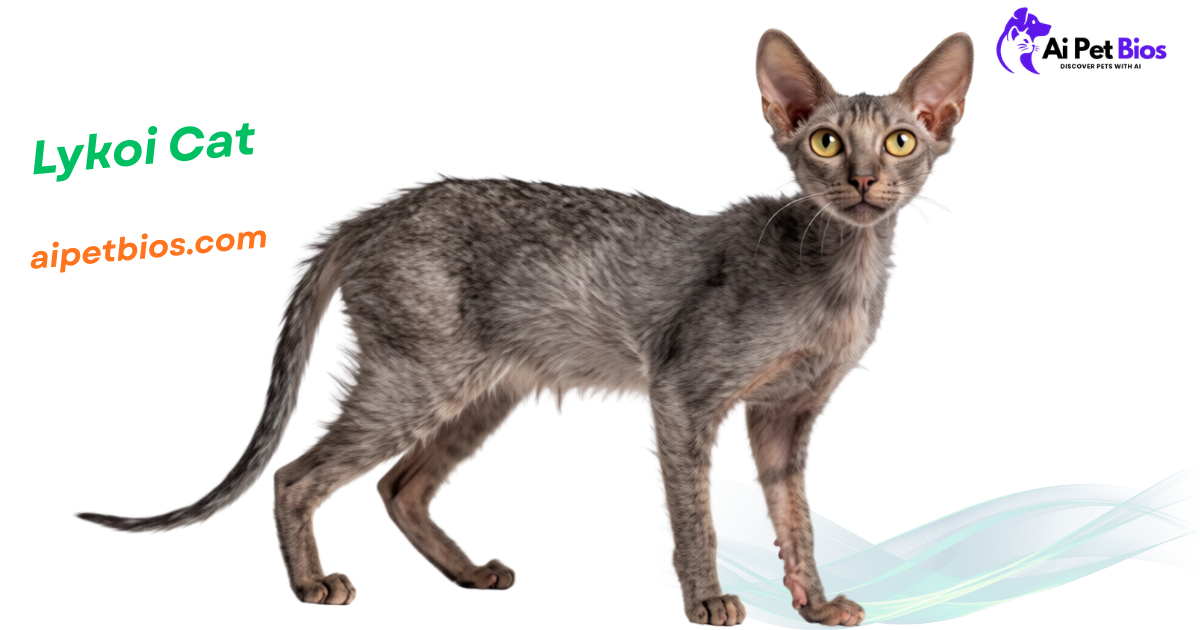
The Lykoi cat is one of the most distinctive and unusual cat breeds in the world. Often described as a “werewolf cat” due to its striking appearance—featuring sparse, patchy fur, prominent ears, and intense eyes—this breed emerged from a natural genetic mutation in domestic cat populations.
First recognized in 2011 and gaining championship status through major registries, the Lykoi breed represents a fascinating intersection of genetics, selective breeding, and modern feline appreciation.
Characterized by partial hairlessness, muscular build, and deeply expressive features, these cats have an almost mythical appearance. Unlike many experimental breeds developed through extreme breeding practices, they are highly social, intelligent, and affectionate companions that defy their dramatic looks.
They’re increasingly sought after by enthusiasts willing to invest in a truly one-of-a-kind pet. Whether you’re curious about the breed or seriously considering adoption, this comprehensive guide covers everything potential owners need to know.
Quick Facts Table
| Attribute | Details |
| Origin | North Carolina, USA (2011) |
| Registry Recognition | TICA (2012), CFA (2016), LOOF (International) |
| Breed Type | Natural genetic mutation (partial hairlessness) |
| Size | Small to medium |
| Weight | 6–10 pounds |
| Lifespan | 12–15 years |
| Coat Type | Partial/patchy hairlessness (roan pattern) |
| Temperament | Intelligent, social, affectionate, curious |
| Energy Level | High |
| Grooming Needs | Moderate (sensitive skin care required) |
| Health Concerns | Hypertrophic cardiomyopathy (rare), skin sensitivity |
| Average Price (USA) | $1,500–$4,000 USD |
| Rarity Level | Very rare (limited global breeder population) |
| Hypoallergenic | No (allergens come from skin, saliva, and glands—not hair) |
What is a Lykoi Cat? Definition & Origin
The Lykoi cat is a rare domestic breed characterized by a distinctive natural genetic variation that produces partial hairlessness, creating a unique roan or patchy coat pattern. The breed name derives from the Greek word “lycos,” meaning wolf, referencing their striking, predatory appearance.
This breed originated in North Carolina in 2011 when a spontaneous mutation appeared in domestic cat litters. Rather than occurring through deliberate human breeding, the variation emerged naturally—similar to how the Devon Rex and Cornish Rex breeds originated. Breeders carefully selected and cross-bred cats carrying this recessive trait to establish consistent type while maintaining genetic health.
The International Cat Association (TICA) granted the breed experimental status in 2012, advancing to championship status in 2017. The Cat Fanciers’ Association (CFA) recognized these cats in 2016, though initially placing them in a provisional category before full championship recognition.
Today, they remain among the rarest registered cat breeds, with a limited breeder population compared to established breeds like Bengals or Sphynx cats.
The mutation causing the distinctive coat pattern is recessive, meaning both parents must carry the gene for a kitten to express the Lykoi phenotype. Early breeding efforts focused on maintaining genetic diversity while establishing recognizable breed standards.
Registry Status Timeline:
- 2012: TICA granted experimental status
- 2013: Breed definition and standards finalized
- 2016: CFA provisional recognition granted
- 2017: TICA championship status achieved
- 2018+: CFA continued evaluation for championship status
Physical Characteristics & Appearance
Distinctive Coat Pattern
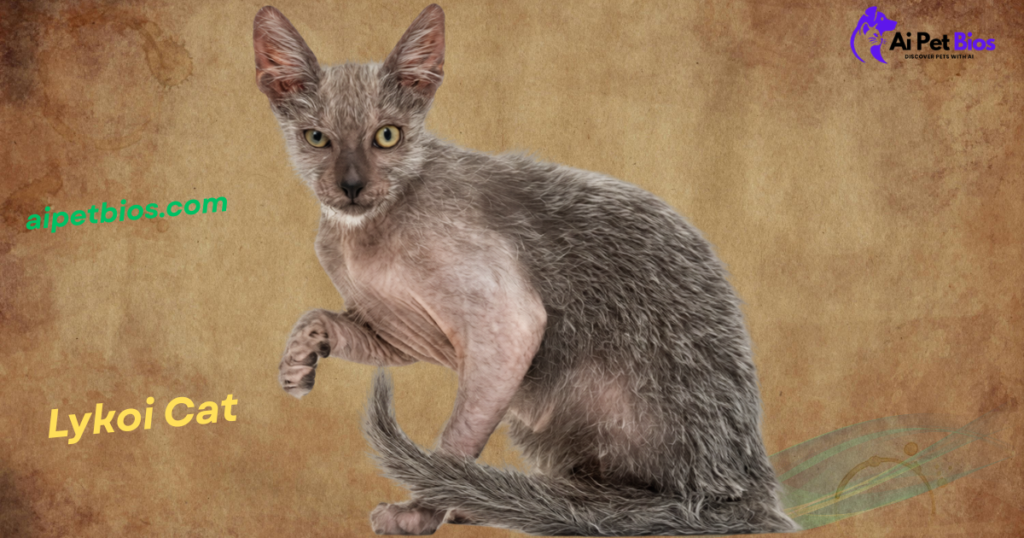
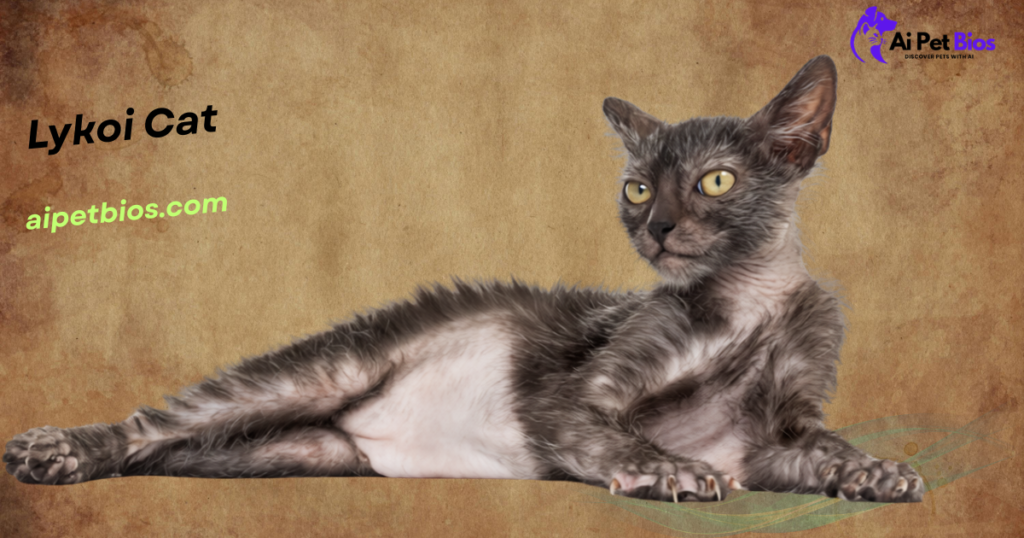
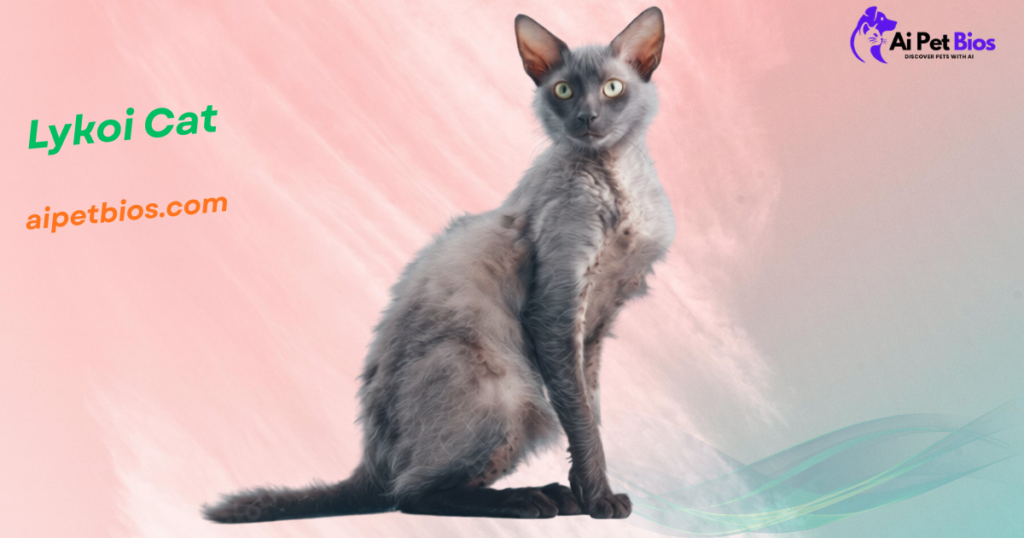
The most striking feature is the unusual coat. Rather than complete hairlessness (like Sphynx cats), these cats display a roan or patchy coat pattern—where hair grows unevenly across the body, creating distinctive bare patches particularly on the face, ears, and legs. This creates an intentionally “incomplete” or werewolf-like appearance that defines the breed.
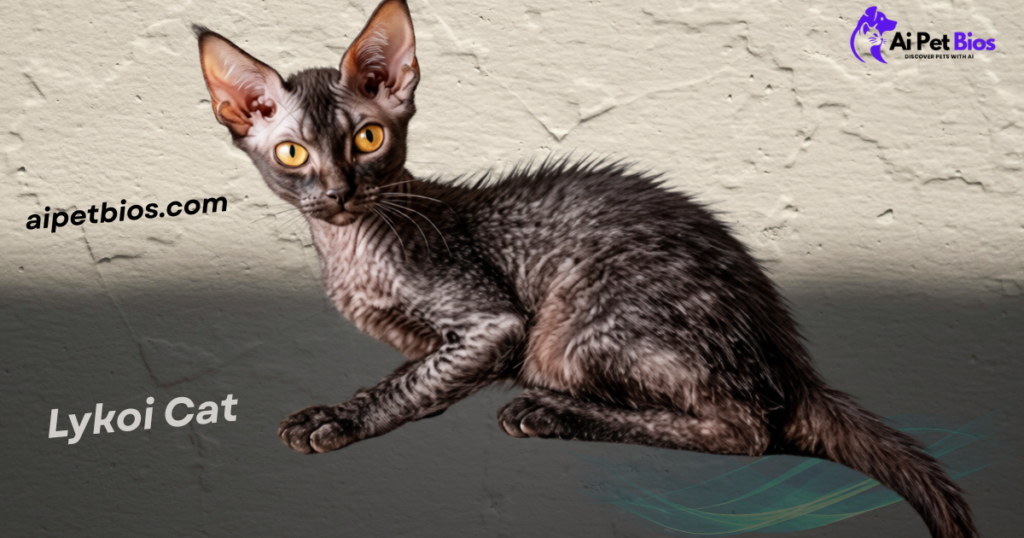
The coat consists of coarse, wiry guard hairs and minimal undercoat. Kittens are sometimes born completely hairless and gradually develop their distinctive patchy pattern as they mature. Each cat has a unique coat pattern—no two are identical, similar to human fingerprints.
Head, Eyes & Ears
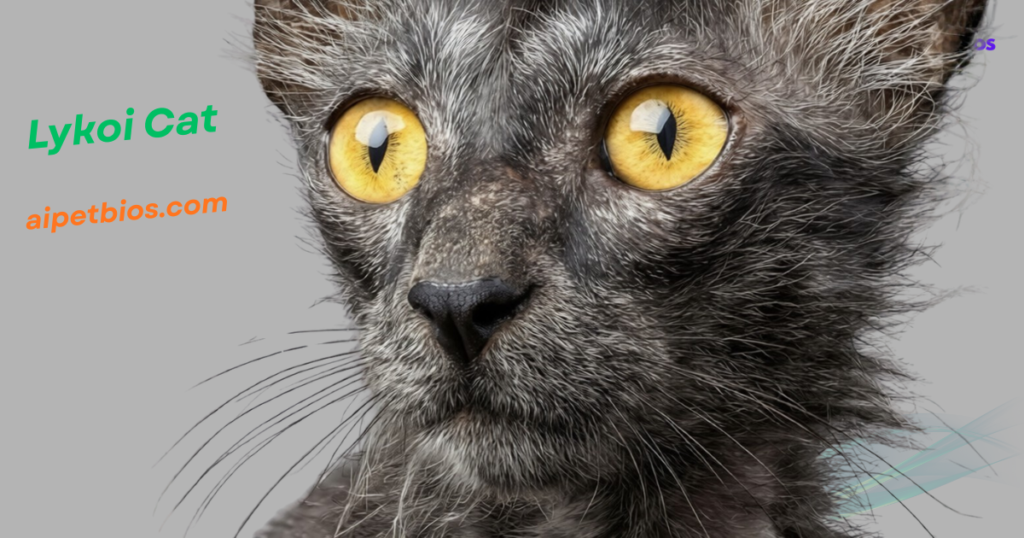
Lykoi cats have elongated, angular faces with exceptionally large ears—often hairless or sparsely furred, creating a dramatic bat-like silhouette. The eye shape is large and round, typically amber or yellow, giving them an alert, intense gaze that many owners describe as “predatory” or “focused.”
The muzzle is distinctly feline but with stronger jawline definition than most domestic cats. The nose leather is typically flesh-colored or pigmented. Whiskers are present but sparse, and the characteristic bare or sparsely furred face is a breed hallmark.
Body Structure
The Lykoi cat has a muscular, athletic build despite its small to medium size (6–10 pounds). Males typically weigh 8–10 pounds, while females range from 6–8 pounds. The body is lean and defined, with long limbs that enhance the breed’s predatory appearance. Movement is graceful and deliberate, and many owners note that their cats seem constantly alert or in a “ready” posture.
The tail is hairless or very sparsely furred, resembling a rat’s tail or whip. Paws are fine-boned but muscular, with visible digits that seem almost human-like—a distinguishing visual feature.
Color Variations
This breed occurs primarily in black, black smoke, and blue variations. The roan pattern (mixed pigmented and non-pigmented hairs) creates a mottled, salt-and-pepper appearance. No other colors are currently accepted in breed standards, making these cats far more monochromatic than most cat breeds.
Personality, Temperament & Behavior
Social & Affectionate Nature
Despite their fearsome appearance, Lykoi cats are among the most affectionate and people-oriented cat breeds. They’re highly social animals that actively seek human interaction and typically follow their owners from room to room. Many owners report that their cats are “velcro cats”—constantly wanting to be near or on their owners.
These cats are playful and curious, displaying an almost dog-like attachment to their human companions. They rarely display the aloofness associated with many cat breeds. This stark contrast between appearance and personality is one of the breed’s most endearing qualities.
Intelligence & Trainability
Lykoi cats are notably intelligent and respond well to training. Many can learn to walk on harnesses, play fetch, and respond to their names with consistent reinforcement. They enjoy puzzle feeders and interactive play and often engage in complex problem-solving behaviors.
Their high intelligence means they require significant environmental enrichment. Boredom can lead to destructive behavior or obsessive habits. Interactive toys, climbing structures, and regular human engagement are essential for mental health.
With Families & Other Pets
Lykoi cats are generally excellent with children, displaying patience and playfulness rather than aggression. Their high energy level makes them suitable for active families. However, their intense appearance can startle young children initially—exposure and education help.
They typically coexist well with other cats if properly socialized, though individual personality variation exists. With dogs, these cats often do surprisingly well—their confidence and lack of skittishness mean they’re less likely to trigger chase behavior. Many households successfully keep them alongside other pets.
Vocalization & Communication
Lykoi cats are moderately vocal, using meows, chirps, and trills to communicate with their owners. They seem to “talk” about their day and express their needs clearly. While not as chatty as Siamese breeds, they’re definitely communicative.
Activity & Play Drive
The breed has a high energy level, requiring substantial daily play and engagement. They’re not lap cats in the traditional sense—they’re active, curious explorers that enjoy interactive games. Many owners compare their energy to that of Abyssinian cats or Bengals.
Health, Lifespan & Genetic Concerns
Average Lifespan
Lykoi cats typically live 12–15 years with proper care, nutrition, and veterinary attention. This lifespan is consistent with other domestic cat breeds and reflects relatively good genetic health for such a young breed.
Known Health Concerns
Because Lykoi cats are a newly recognized breed with limited genetic diversity, responsible breeders prioritize health screening to prevent hereditary conditions from becoming established.
Documented health considerations:
Hypertrophic Cardiomyopathy (HCM): The most important health concern in Lykoi cats is HCM, a form of heart disease where the heart muscle becomes abnormally thick. Reputable breeders conduct echocardiograms on breeding stock to screen for this condition. While not unique to Lykoi cats, it’s present at slightly elevated rates compared to domestic shorthairs.
Skin Sensitivity: The partial hairlessness means exposed skin requires protection from sunburn and temperature extremes. Some cats develop mild dermatitis or require gentle skin care routines.
Genetic Limitations: The recessive nature of the coat mutation means breeding two Lykoi cats together can occasionally result in homozygous individuals with more extreme hairlessness or potential health complications. Responsible breeders outcross to domestic shorthairs periodically to maintain genetic diversity.
Veterinary Care Recommendations
- Annual wellness exams throughout the cat’s life
- Echocardiogram screening at 1–2 years of age (recommended for breeding stock; consult your veterinarian about your pet’s individual needs)
- Regular dental care and professional cleanings as recommended by your veterinarian
- Weight monitoring to maintain healthy body condition
- Semi-annual exams for senior cats (age 11+) to monitor age-related changes
- Health documentation review from breeders before purchase
Cost, Pricing & Investment
How Much Does a Lykoi Cat Cost?
Lykoi cat price in the USA ranges from $1,500 to $4,000, with significant variation based on breeder reputation, genetic testing, pedigree, and geographic location. Kittens from established, health-tested breeders typically cost $2,000–$3,500.
Factors affecting price:
- Breeder experience & reputation: Established breeders with show records and health testing command premium prices
- Health testing: Echocardiogram results, genetic screening documentation increase cost
- Pedigree: Champion bloodlines cost more than non-show lines
- Coat quality: Exceptional pattern or coloration may increase price
- Geographic location: Regional availability affects pricing; areas with no local breeders see higher prices due to transport costs
Lykoi Breeders USA & Where to Find Them
Finding a Lykoi cat requires careful research. Most cats for sale come through registered, health-tested breeders affiliated with TICA or CFA. Online registries maintained by these organizations provide breeder directories.
These cats are very rare, with a limited breeder population compared to Bengals or Sphynx cats. Finding a breeder may require patience and willingness to travel or arrange transportation.
Red flags when evaluating breeders:
- No health testing documentation
- No registry affiliation
- Unwillingness to discuss breeding practices
- Pressure to purchase immediately
- No contract or health guarantee
- Multiple litters available simultaneously
First-Year Costs
Beyond the kitten purchase price, budget for:
- Veterinary care (exams, vaccinations, spay/neuter, echocardiogram): $1,000–$1,500
- Specialized grooming supplies (gentle skin care products): $200–$300
- Food (high-quality diet): $300–$500
- Sunscreen & protective clothing: $100–$200
- Environmental enrichment (climbing structures, toys): $300–$400
- Pet insurance or emergency fund: $300–$500
First-year total estimate: $3,500–$5,000
Ongoing Annual Costs
- Veterinary care (annual exams, vaccines): $300–$500
- Food & water: $300–$500
- Grooming & skin care supplies: $150–$250
- Toys & enrichment: $100–$200
- Pet insurance or emergency reserve: $300–$500
Annual estimate: $1,150–$1,950
Grooming, Care & Maintenance
Coat Care & Bathing
Despite the patchy hairlessness, these cats do require grooming. The sparse, wiry coat should be gently brushed 1–2 times per week to remove loose hairs and reduce matting in areas with denser growth.
Many cats benefit from monthly warm baths using gentle, feline-specific shampoo. The exposed skin is prone to oil buildup and debris accumulation. Some owners use unscented baby wipes between baths for maintenance.
Skin & Sun Protection
Exposed areas require protection from sunburn, particularly the ears, face, and tail. Consider:
- Sunscreen: Pet-safe, non-toxic sunscreen applied to exposed skin before outdoor time
- Protective clothing: Lightweight shirts or wraps for outdoor harness walks
- Shaded spaces: Ensure access to shaded indoor areas throughout the day
- Temperature control: Avoid extreme heat or cold; maintain indoor temperatures 65–75°F
Nail Care
Trim nails every 2–3 weeks. Their active nature and visible claws make regular trimming essential for comfort and furniture protection.
Dental Health
Daily tooth brushing with feline-specific toothpaste is ideal. Professional cleanings, as recommended by your veterinarian, help prevent periodontal disease.
Ear Care
Large, often hairless ears require gentle weekly inspection and cleaning with vet-approved solutions. Debris accumulation is more likely due to lack of protective fur.
Exercise & Environmental Enrichment
Lykoi cats have high energy requirements. Provide:
- Vertical climbing spaces: Cat trees, wall-mounted shelves, catwalks
- Interactive toys: Wand toys, laser pointers, balls
- Puzzle feeders: Mental stimulation through food-based play
- Window perches: Bird watching for enrichment
- Harness walks: Many cats adapt well to harness training
- Playtime: Minimum 30–60 minutes of interactive play daily
Comparison with Similar Breeds
Lykoi vs. Sphynx Cat
| Aspect | Lykoi | Sphynx |
| Coat | Patchy/roan (partial hair) | Completely hairless |
| Appearance | Werewolf-like | Alien-like |
| Rarity | Very rare (limited breeder population) | Rare but more available |
| Price | $1,500–$4,000 | $1,200–$3,500 |
| Skin Care | Moderate (spot cleaning) | Extensive (weekly baths) |
| Personality | Highly social, energetic | Social, warm-seeking |
| Lifespan | 12–15 years | 8–14 years |
Lykoi vs. Cornish Rex
| Aspect | Lykoi | Cornish Rex |
| Coat | Patchy, sparse | Curly, full coverage |
| Appearance | Wild, predatory | Elfin, delicate |
| Price | $1,500–$4,000 | $600–$2,000 |
| Grooming | Low-moderate | Low |
| Energy | High | Very high |
| Affection Level | Very high | Extremely high |
Lykoi vs. Bengal Cat
| Aspect | Lykoi | Bengal |
| Coat Type | Hairless/sparse | Spotted/marbled, full |
| Appearance | Wild, predatory | Exotic, athletic |
| Price | $1,500–$4,000 | $1,000–$3,000 |
| Size | 6–10 lbs | 8–17 lbs |
| Trainability | Responds well to training | Highly trainable; independent streak |
| Energy Level | High | Very high |
| Wildness Factor | Appearance only | Partly genetic (Asian Leopard Cat ancestry) |
Pros & Cons Summary
Pros
✓ Exceptionally unique appearance — Truly one-of-a-kind; no other breed looks similar
✓ Highly social & affectionate — Genuinely people-oriented, follow owners around
✓ Intelligent & trainable — Can learn commands, harness walk, play fetch
✓ Lower shedding — Sparse coat means less fur around the home
✓ Excellent with families — Patient with children, playful, energetic
✓ Growing breed community — Supportive, engaged breeder network
✓ Good lifespan — 12–15 years with proper care
Cons
✗ Extremely rare — Difficult to find; limited breeder options
✗ High cost — $1,500–$4,000 purchase price plus ongoing care expenses
✗ Special skin care needs — Sunscreen, protective clothing, regular bathing required
✗ Temperature sensitivity — Cannot tolerate extreme heat or cold
✗ High energy requirements — Demands significant daily play & engagement
✗ Genetic health screening imperative — Need confirmed HCM testing before purchase
✗ Specialized veterinary care — Regular cardiac screening necessary
✗ Not suitable for outdoor cats — Temperature sensitivity demands indoor-only lifestyle
✗ Appearance not for everyone — “Scary” or “werewolf-like” appearance can be polarizing
Is the Lykoi Cat Right for You?
Ideal Owner Profile
Lykoi cats are best suited for:
- Active individuals or families wanting a highly interactive pet
- Cat enthusiasts willing to invest significant time and money in an unusual breed
- People with indoor-only lifestyles or commitment to controlled outdoor access (harness walks)
- Health-conscious pet owners comfortable with regular veterinary care
- Owners appreciating uniqueness and willing to educate others about the breed
- Patient people comfortable with specialized care requirements
Not Ideal For:
✗ Budget-conscious pet seekers
✗ People wanting a low-maintenance, independent cat
✗ Families unable to provide regular interaction or enrichment
✗ Homeowners with very hot or cold climates
✗ Those uncomfortable with unconventional appearances
✗ Individuals unable to commit to annual veterinary visits
Common Concerns Addressed
Are Lykoi Cats Ethical?
A common question: Are Lykoi cats ethical to breed and own? The answer is nuanced.
This breed originated from a natural genetic mutation—not artificial manipulation. The mutation occurs spontaneously in domestic cat populations worldwide. Unlike some breeds created through extreme breeding (Munchkins, Sphynx), the mutation doesn’t inherently cause suffering or pain.
However, ethical concerns include:
- Limited gene pool: Genetic diversity is constrained, increasing hereditary disease risk
- Health screening imperative: Responsible breeding requires rigorous health testing; unethical breeders may skip this
- Survival of extreme phenotypes: Some breeders push for more extreme hairlessness, potentially compromising health
- Welfare of breeding cats: Poor breeding conditions can negatively impact parent cats’ wellbeing
Ethical conclusion: Lykoi cats are ethical if sourced from responsible, health-testing breeders affiliated with TICA or CFA. Supporting breeders prioritizing genetic diversity and transparent health documentation promotes breed longevity and welfare.
Down Syndrome in Lykoi Cats?
Some internet sources claim these cats have “down syndrome” due to their appearance. This is false. The distinctive facial features result from selective breeding for specific traits—not genetic disability. They are cognitively normal, intelligent, and responsive.
Lykoi Cat Adoption
Adoption is rare due to the breed’s newness and rarity. Most cats are bred intentionally rather than surrendered. Organizations like Specialty Purebred Cat Rescue occasionally receive them, but availability is unpredictable.
Frequently Asked Questions
How much does a Lykoi cat cost?
Lykoi cat price in the USA ranges from $1,500 to $4,000, depending on breeder reputation, health testing, pedigree, and location. First-year costs including veterinary care, supplies, and food typically total $3,500–$5,000. Ongoing annual care costs approximately $1,150–$1,950.
Are Lykoi cats rare?
Yes, these are among the rarest cat breeds globally, with a limited breeder population compared to Bengals or Sphynx cats. Finding a breeder requires research and patience, with some regions having no available breeders.
What is a Lykoi cat?
This breed is a rare domestic cat characterized by partial hairlessness creating a roan or patchy coat pattern, large ears, and striking appearance. Originating from a natural genetic mutation in North Carolina (2011), they are highly social, intelligent, and affectionate despite their werewolf-like looks. The breed is recognized by TICA (2017) and CFA (2016).
How long do Lykoi cats live?
Lykoi cat lifespan is typically 12–15 years with proper care, nutrition, and veterinary attention. Some individuals live longer with excellent preventive health care. The relatively young breed status means long-term lifespan data is still being collected, but current evidence suggests lifespans consistent with other domestic cat breeds.
Are Lykoi cats good pets?
Yes, they are excellent pets for the right owners. They’re highly social, affectionate, intelligent, and family-friendly. However, they require significant daily engagement, specialized care (skin protection, temperature control), and financial investment. Their high energy and need for enrichment make them unsuitable for low-interaction households.
Are Lykoi cats hypoallergenic?
No, Lykoi cats are not hypoallergenic. Fel d1 protein—the primary cat allergen—is produced in sebaceous glands, salivary glands, and skin cells, not hair. While reduced fur may collect fewer hairs around the home, it does not reduce allergen production.
People with cat allergies should spend extended time with a specific cat before adoption to assess their personal allergic response. Allergy severity varies significantly between individuals and between different cats.
Conclusion
The Lykoi cat represents a modern marvel of feline genetics—a breed that emerged naturally yet has been carefully refined into a recognized, championship-status feline. Their dramatic appearance contrasts beautifully with their genuinely affectionate, social personalities, creating a pet experience unlike any other cat breed.
Are you considering a Lykoi cat? According to breed registry data from TICA or CFA-registered breeder with documented health testing. Ask detailed questions about genetic diversity, breeding practices, and long-term breeder support.
udget not just for the kitten purchase—$1,500–$4,000—but for specialized care, veterinary monitoring, and environmental enrichment that these intelligent, energetic cats require.
Related reads: If you’re interested in unique cat breeds, explore guides on Bengal cats, Sphynx cats, Cornish Rex cats, and Devon Rex cats. Each offers a distinct personality and aesthetic for discerning cat enthusiasts.
For those willing to embrace the investment of time, resources, and care, these cats offer something truly special: a rare, striking, deeply affectionate companion that turns heads while stealing hearts.
Disclaimer
This guide is informational and educational. It does not replace veterinary advice. Always consult a licensed veterinarian regarding your cat’s health, nutrition, medical concerns, or breed-specific care.
When selecting a breeder, prioritize those registered with TICA or CFA with documented health testing. Individual cats vary in health, temperament, and care needs. This article makes no medical claims and is not a substitute for professional veterinary guidance.
Courtesy: The Cat Butler
[instant_emoji_reactions]

Want Popular On Google? | Lust Quality Backlinks That Force-fed
I’m an SEO Expert, Guest Posting Specialist, and Web Developer helping websites increase rankings, traffic, and authority using clean, white-hat strategies 🚀
I focus on high-authority guest posts, safe backlinks, SEO-optimized content, and technically sound websites—so your site doesn’t just rank, it stays ranked.
What I help you with:
✅ SEO (On-page, Off-page & Technical)
✅ Guest Posts on Real, Relevant Sites
✅ High-Quality Link Building
✅ Keyword Research & Content Strategy
✅ SEO-Friendly Website Development
📈 No spam. No shortcuts. Only results.
👉 Need backlinks that actually work?
📩 Let’s connect: https://wa.me/+923006932631
1 thought on “Lykoi Cat: Complete Breed, Personality, Care & Cost | 2026”
Comments are closed.