

Introduction
The LaPerm cat is a distinctive domestic cat breed instantly recognizable by its soft, curly or wavy coat—a feature that sets it apart from nearly every other cat breed. Originating from Oregon in the 1980s, this medium-sized cat emerged from a natural genetic mutation that breeders have since developed into a consistent, recognized breed.
LaPerms are now recognized by both The International Cat Association (TICA) and the Cat Fanciers’ Association (CFA), establishing them as legitimate pedigreed breeds with official breed standards.
LaPerms are known for their outgoing, affectionate personalities and their unusual appearance that sometimes draws comparisons to a living teddy bear or a lamb-like feline. These cats are ideal for families and individuals who appreciate a social, interactive pet and don’t mind regular grooming commitments. Unlike some breeds that remain aloof or independent, LaPerms tend to be devoted companions that enjoy human interaction.
They’re a relatively rare breed in the United States, making them a choice for people seeking something less common. Whether you’re considering one as your next pet or simply curious about the breed, this guide covers everything you need to know about LaPerm cats.
Breed Overview
The LaPerm Cat: Understanding Its Unique Traits
| Characteristic | Details |
| Registry Recognition | TICA (Championship status, 2002) / CFA (Championship status, 2015) |
| Origin | La Pine, Oregon, United States (1982) |
| Size | Small to medium |
| Weight | 6–10 pounds (females typically smaller) |
| Lifespan | 12–16 years (with proper care) |
| Coat Type | Curly or wavy (all coat lengths available) |
| Temperament | Affectionate, social, playful, intelligent |
| Energy Level | Moderate to high |
| Shedding Level | Moderate (less than straight-coated breeds) |
| Hypoallergenic | No (but lower-shedding coats may produce fewer allergens) |
| Average Price (USA) | $1,000–$3,000 from reputable TICA/CFA-affiliated breeders |
History and Origin of LaPerm Cat
The LaPerm breed has one of the more fascinating origin stories in feline genetics. In 1982, a natural genetic mutation appeared spontaneously in a barn cat population on a farm in La Pine, Oregon. A domestic shorthair female cat gave birth to a hairless kitten with curly whiskers and a curly coat that eventually grew in.
Rather than being considered a defect, breeder Linda Koehl recognized the potential of this mutation and selectively bred cats carrying the trait.
This natural mutation—autosomal dominant—means only one parent needs to carry the gene for offspring to display the curly coat. As the breed developed throughout the 1980s and 1990s, breeders worked to establish consistent type while maintaining genetic diversity and health standards that would eventually be recognized by major registries.
Registry Recognition and Breed Standards
Understanding the LaPerm Cat’s Unique Traits
The International Cat Association (TICA) granted LaPerm cats championship status in 2002, a significant milestone reflecting years of breed development and adherence to established type and health standards. This recognition legitimized the breed within the international cat fancy and established formal TICA breed standards defining acceptable physical characteristics, coat quality, and temperament traits.
The Cat Fanciers’ Association (CFA) followed with championship status recognition in 2015, further solidifying the breed’s standing within North American cat registries. CFA recognition required the breed to meet rigorous standards for consistency, health, and temperament across a wide population of cats.
Today, both TICA and CFA maintain official breed standards that guide breeders and judges in evaluating LaPerms for show competition and breeding merit.
This dual recognition by two of the most respected feline registries underscores the breed’s legitimacy and consistency. When selecting a LaPerm breeder, prioritizing TICA-registered or CFA-registered breeders ensures you’re working with someone who adheres to established breed standards and ethical breeding practices.
Appearance and Physical Characteristics
Coat and Body Structure
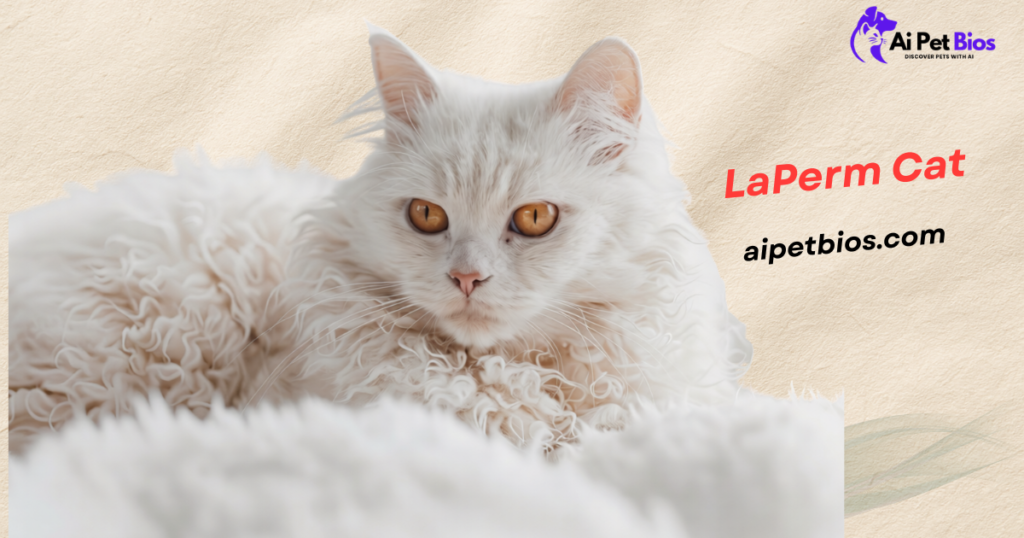
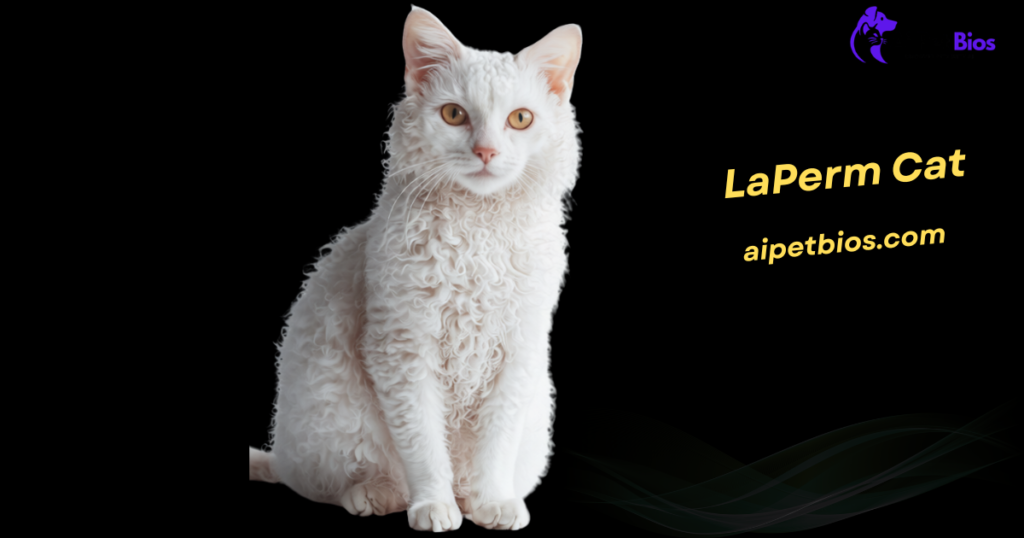
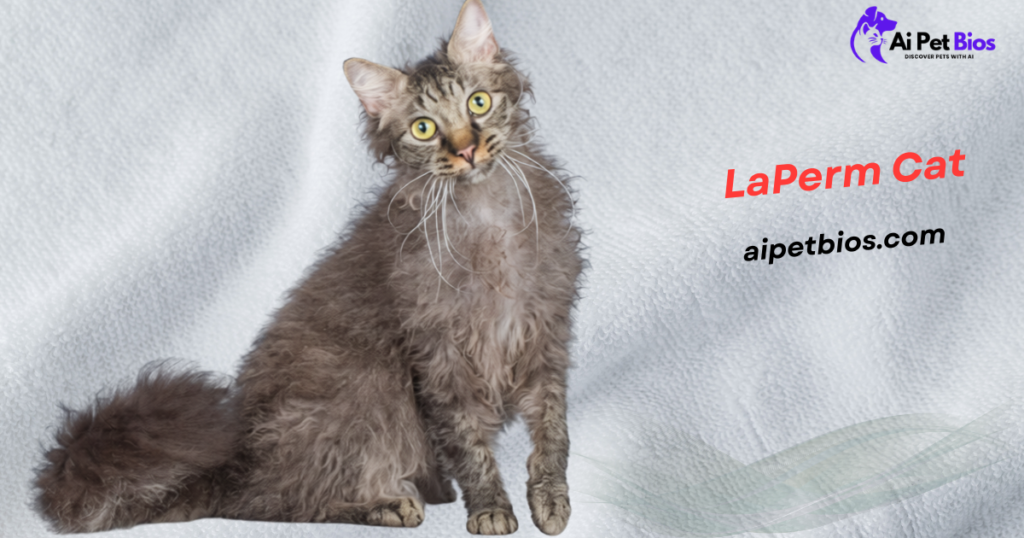
The LaPerm’s most striking feature is undoubtedly its coat, as defined by both TICA and CFA breed standards. The curly or wavy texture occurs in both short and long coat varieties, with both recognized in official championship standards. The curls range from loose waves to tight, distinct ringlets, and each cat’s individual curl pattern is unique. Unlike some curly-coated cat breeds, the LaPerm coat should be soft and silky rather than wiry or harsh—a quality explicitly emphasized in CFA and TICA standards.
According to TICA breed standards, the LaPerm should have a well-muscled, medium-boned body with an overall balanced appearance. Males typically weigh 8–10 pounds, while females range from 6–8 pounds. Despite their relatively small size, LaPerms are sturdy and surprisingly solid cats that display athletic movement.
Head, Eyes, and Ears
Per CFA breed standards, LaPerms have distinctive large ears—often quite prominent on their heads—that contribute to their alert, intelligent expression. Breed standards specify that ears should be set high and wide, with curly hair inside the ear leather being a desirable trait. The ears’ distinctive appearance is central to breed type as defined by both registries.
TICA standards call for almond-shaped eyes set wide apart, giving them an open, friendly expression. All eye colors are permissible within both CFA and TICA standards, including amber, green, blue, and copper.
The head structure, as outlined in both breed standards, should be somewhat angular with prominent cheekbones and a moderately rounded muzzle. Many owners note that LaPerms have expressive faces that seem to reflect their curious, engaged personalities.
Tail
According to official breed standards, the LaPerm tail is an extension of the body curling pattern. Long-haired varieties should have distinctly plumed tails with visible ringlets, while short-haired varieties should display curly tails resembling bottle brushes or ostrich plumes when pleased or aroused. Tail carriage and curl quality are evaluated by show judges and serve as indicators of overall breed type.
Color Variations
Both TICA and CFA breed standards accept LaPerms in virtually all colors and patterns: solids (black, white, blue, red, cream), tabbies, tortoiseshells, colorpoints, and calicos. There are no breed-specific color restrictions within either registry, making it possible to find a LaPerm in nearly any coat color you prefer.
Personality and Temperament
Social and Affectionate Nature
One defining characteristic of the LaPerm, as emphasized in both TICA and CFA breed standards, is its social, people-oriented personality. Breed standards explicitly describe LaPerms as affectionate and outgoing cats that genuinely enjoy human company.
These cats often follow their owners from room to room, interested in whatever activity is happening. Unlike more aloof breeds, LaPerms tend to be active participants in family life rather than observers.
Many owners describe their LaPerms as “velcro cats” because of their tendency to stick close to their human companions—a trait consistent with the breed standard temperament profile. They typically enjoy sitting on laps, following you around the home, and being involved in daily routines. This trait makes them particularly well-suited to people who want an engaged, interactive pet.
With Families and Children
According to breed characteristics outlined in both CFA and TICA standards, LaPerms are known for their gentle, playful disposition with families. These cats generally do well in family environments with their patient, adaptable nature.
Their moderate energy level means they can keep up with active kids without being overly boisterous. As with any cat, supervised interactions with young children are important, and teaching children to handle cats gently and respectfully is essential.
Their intelligence and responsiveness—traits highlighted in official breed standards—mean LaPerms often adapt well to the varying energy levels within families, settling down when the household is quiet and engaging during active playtime.
With Other Cats and Dogs
TICA and CFA breed standards describe LaPerms as sociable cats with good feline temperament. Socialization plays a role, but LaPerms are generally curious and social with other cats. Their outgoing nature typically translates to interest in new feline companions rather than territorial aggression. Many households successfully keep multiple LaPerms or combinations of LaPerms with other cat breeds.
With dogs, LaPerms often do well, particularly if they’ve been exposed to canine companions from a young age. Their confidence and lack of skittishness—consistent with breed standard temperament descriptions—mean they’re less likely to trigger chase behavior from dogs, and many LaPerms seem unbothered by canine household mates.
Vocalization
LaPerms are moderately vocal cats, a trait that varies individually but is noted in breed profiles. While not as chatty as Siamese or Bengals, they do communicate with their owners through meows, chirps, and trills. Many owners find their vocalizations endearing rather than excessive—they seem to “talk” to their people about their day and their needs.
Intelligence and Playfulness
According to breed characteristics maintained by TICA and CFA, LaPerms are notably intelligent cats capable of learning and responding to training. They can be trained to walk on harnesses, play fetch, and respond to basic commands.
They enjoy interactive play and benefit from puzzle feeders and stimulating toys. Boredom can lead to destructive behavior, so engaging toys and regular play sessions are important for mental enrichment.
LaPerms retain a kitten-like playfulness throughout their lives—a characteristic valued in the breed—making them entertaining companions that enjoy games and interactive engagement with their owners.
Health and Lifespan
Typical Lifespan
With appropriate care, nutrition, and veterinary attention, LaPerms typically live 12–16 years. Some individuals live into their late teens. This lifespan range is comparable to most domestic cat breeds and reflects the breed’s overall good health genetics.
Known Health Considerations
LaPerms are generally a healthy breed without widespread genetic health issues documented in the breed population. However, because the breed originated from a single mutation and has a relatively limited gene pool compared to long-established breeds, responsible breeders—particularly those affiliated with TICA and CFA—prioritize genetic diversity and health testing to prevent hereditary conditions from becoming established.
The most important health consideration with any LaPerm is choosing a breeder registered with TICA or CFA who conducts genetic health screening and maintains detailed pedigree records. These registries require breeders to follow ethical breeding guidelines, which include genetic health testing.
Reputable TICA and CFA-affiliated breeders screen for common feline health conditions, including hypertrophic cardiomyopathy (heart disease), polycystic kidney disease, and progressive retinal atrophy, even if these conditions haven’t been frequently documented in the breed.
When evaluating breeders, ask for documentation of health testing completed on parent cats. TICA and CFA breeders are more likely to maintain transparent health records and be willing to discuss their screening protocols.
Veterinary Care Recommendations
Annual wellness examinations are standard for all cats, and LaPerms should follow the same preventive care protocols as any other breed: vaccinations, parasite prevention, dental care, and weight management. Senior cats (ages 11 and older) benefit from twice-yearly veterinary visits to catch age-related conditions early.
Maintaining healthy weight is particularly important, as obesity can exacerbate joint stress and other health conditions. LaPerms aren’t particularly prone to obesity, but individual variation exists, and consistent monitoring helps catch weight gain early.
Grooming and Care Requirements
Coat Maintenance
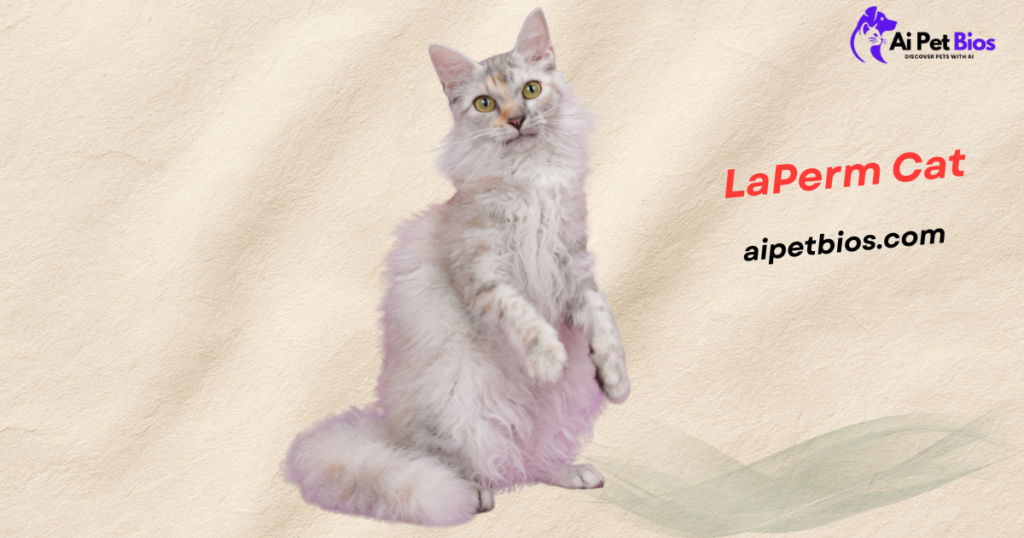
The LaPerm’s curly coat requires regular grooming to maintain its texture and prevent matting. According to breed club recommendations affiliated with TICA and CFA, the distinctive curly texture demands consistent maintenance. Unlike straight-coated cats, the curly coat is more prone to tangles, particularly in long-haired varieties.
Brushing Schedule per Breed Standards:
- Long-haired LaPerms: 3–4 times per week
- Short-haired LaPerms: 1–2 times per week
Use a soft slicker brush or metal comb specifically designed for curly coats, working gently through the curls to prevent breaking the hair. Many owners find that regular grooming actually strengthens the bond with their LaPerm and prevents the frustration of serious matting. CFA and TICA breed documentation emphasizes that coat quality directly reflects the owner’s grooming commitment.
Interestingly, because LaPerms shed less heavily than many straight-coated breeds, their curly coats trap loose fur rather than dispersing it throughout the home. This can actually mean less vacuuming, though regular grooming removes this trapped loose hair.
Nail Trimming and Paw Care
Trim nails every 2–3 weeks or as needed. LaPerms aren’t particularly different from other cats in their nail care needs. Regular nail trimming prevents overgrowth that can affect walking and causes discomfort.
Dental Care
Dental health is important for all cats. Daily tooth brushing with feline-specific toothpaste is ideal, though several times per week is beneficial if daily brushing isn’t feasible. Many dental problems develop silently, so professional cleanings as recommended by your veterinarian are important preventive care.
Exercise and Enrichment
LaPerms are moderately active cats that benefit from environmental enrichment and interactive play. According to breed characteristics, they have a moderate to high energy level requiring engagement. Vertical spaces like cat trees, window perches for bird watching, and interactive toys like wand toys or laser pointers keep them mentally and physically stimulated.
Many LaPerms enjoy playing fetch, making them responsive to toy balls or small toys thrown across the room—a behavior consistent with breed intelligence. Some owners harness-train their LaPerms for outdoor walks, though this requires patience and positive reinforcement training.
Diet and Nutrition
General Feeding Guidelines
LaPerms thrive on high-quality, complete and balanced feline diets. As obligate carnivores, cats require diets rich in high-quality animal protein. Whether you choose commercial dry food, wet food, or a combination, look for formulas listing named meat sources as primary ingredients.
Most adult LaPerms do well with measured portions of 200–300 calories per day, though individual needs vary based on activity level, age, and metabolism. Your veterinarian can assess whether your specific cat’s weight and body condition are appropriate.
Life Stage Considerations
Kittens and young LaPerms have higher caloric and nutritional needs to support growth and development. Senior cats (ages 11 and older) often benefit from slightly modified nutrition focusing on joint support and maintaining lean muscle mass while managing weight.
Weight Management
While LaPerms aren’t as prone to obesity as some breeds, individual cats vary. Regular monitoring of body condition and portion control help prevent excessive weight gain. Obesity can exacerbate health issues and reduce quality of life, making weight management a key wellness tool.
How Much Does a LaPerm Cat Cost in the USA?
Kitten Pricing
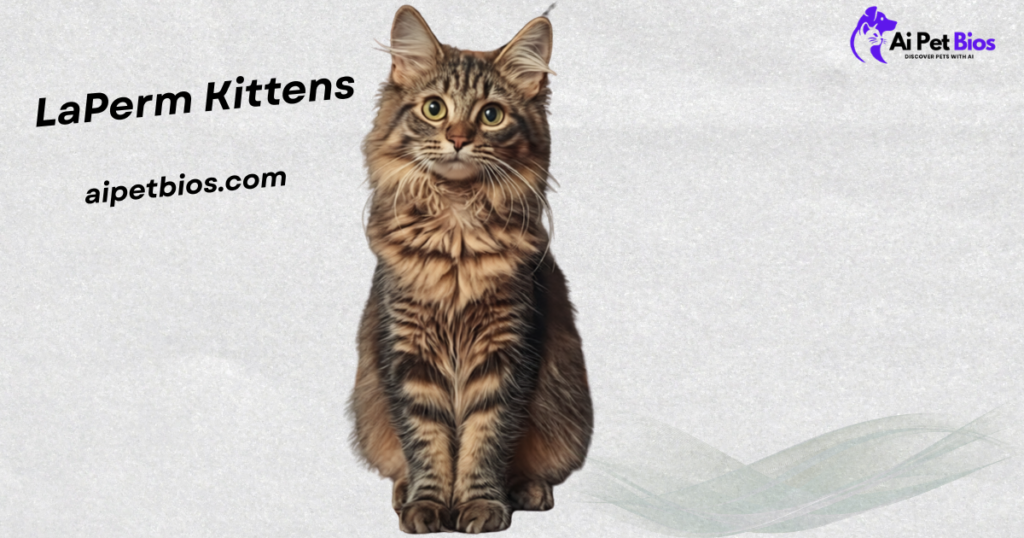
LaPerm kittens from reputable breeders registered with TICA or CFA typically cost between $1,000 and $3,000, with some variation based on geographic location, breeder reputation and registry affiliation, and individual kitten characteristics (coat quality, color, pedigree). LaPerms are considerably rarer than mainstream breeds like Maine Coons or Bengals, which contributes to higher pricing.
Kittens from show-quality pedigrees or rare color combinations may cost on the higher end of this range, while pet-quality kittens (healthy and well-socialized but without championship pedigree lines) may be on the lower end. TICA-registered and CFA-registered breeders often command higher prices due to their adherence to breed standards and health testing protocols, which benefit the buyer through reduced genetic disease risk.
What Affects Price
Several factors influence LaPerm pricing:
- Registry affiliation: TICA-registered and CFA-registered breeders typically charge more due to adherence to official breed standards and ethical breeding guidelines.
- Genetic testing: Breeders conducting thorough health screening justify higher costs through reduced genetic disease risk.
- Availability: Because LaPerms are rare, limited availability in your region may increase pricing.
- Pedigree: Show-quality lines with champion ancestry cost more than pet-quality cats.
- Color and coat characteristics: Rare color combinations or exceptionally high-quality coats may command premium pricing.
First-Year Costs
Beyond the kitten purchase price, budget for first-year expenses:
- Veterinary care (initial exams, vaccinations, spay/neuter): $300–$600
- Grooming supplies and initial professional grooming: $150–$300
- Food and litter (annual): $400–$600
- Toys, scratching posts, and enrichment items: $200–$400
- Microchipping and ID tags: $50–$100
First-year total estimate: $2,100–$4,000 including kitten price
Ongoing Annual Costs
Annual expenses for an established LaPerm typically include:
- Veterinary care (annual wellness exam, vaccines if needed): $200–$400
- Quality food and litter: $400–$600
- Grooming supplies: $100–$200
- Toys and enrichment replacements: $50–$150
Annual estimate: $750–$1,350 (excluding emergencies or unexpected health issues)
Pet health insurance can help offset unexpected veterinary costs and is worth considering for a breed that may live 15+ years.
Is the LaPerm Right for You?
Ideal Owner Profile
LaPerms are best suited to people who:
- Enjoy interactive, social cats that want to be involved in daily life
- Are willing to commit to regular grooming schedules (as outlined in TICA and CFA breed guidance)
- Live in homes where the cat can be an indoor companion (outdoor access or supervised harness walks are possible but not essential)
- Appreciate a less common breed and understand the higher initial purchase price associated with registry-affiliated breeders
- Have time for play and engagement rather than wanting a low-maintenance pet
- Are patient with cats that may be moderately vocal
Pros of LaPerm Ownership
- Affectionate, devoted companion cats with temperaments valued by both TICA and CFA breed standards
- Unique, striking appearance that makes them conversation pieces
- Moderate shedding compared to straight-coated breeds
- Intelligent and trainable (characteristics highlighted in official breed standards)
- Good with children and sociable with other pets when properly socialized
- Long lifespan (12–16 years) means long-term companionship
- Engaging personalities that keep life interesting
Considerations
- Regular grooming is non-negotiable; this isn’t a low-maintenance breed (per TICA and CFA breed documentation)
- Higher initial purchase price compared to common domestic shorthairs
- Less common in the United States; finding a reputable TICA or CFA-affiliated breeder requires research
- Moderate to high energy level requires environmental enrichment
- Some cats are moderately vocal, which may not suit everyone
- Veterinary care from practitioners familiar with the breed is beneficial, though standard feline care applies
Lifestyle Match
LaPerms do well in various living situations: apartments, houses, urban and rural settings. What matters more than square footage is the quality of your interaction and the enrichment you provide. A LaPerm in a small apartment with an engaged owner will thrive better than a LaPerm in a spacious house with minimal human interaction.
Frequently Asked Questions
How much does a LaPerm cat cost?
LaPerm kittens from reputable breeders registered with The International Cat Association (TICA) or the Cat Fanciers’ Association (CFA) typically range from $1,000 to $3,000 in the United States. Pricing depends on the breeder’s registry affiliation and experience, health testing practices, the kitten’s pedigree, and regional availability.
TICA and CFA-affiliated breeders typically charge more due to their commitment to breed standards and genetic health screening, which benefits long-term kitten health. Rescue or adoption of adult LaPerms occasionally occurs but is less common given the breed’s rarity.
Are LaPerms rare in the United States?
Yes, LaPerms are a relatively rare breed in the U.S. compared to established breeds like Maine Coons, Bengals, or Ragdolls. This rarity is due to the breed’s recent development (1982 origin) and limited number of active breeders.
The International Cat Association (TICA) recognized LaPerms in 2002, and the Cat Fanciers’ Association (CFA) followed in 2015, but the breed remains uncommon in most regions. Finding a LaPerm may require patience and research to locate a reputable TICA or CFA-registered breeder in your area.
Are LaPerm cats hypoallergenic?
No, LaPerms are not hypoallergenic. However, because their curly coats shed less visibly than straight-coated cats (loose fur gets trapped in the curls rather than dispersed), some people with mild allergies report fewer symptoms around them. Individual responses vary, and anyone with significant cat allergies should spend time with the specific cat before adoption to assess their personal allergic reaction.
Are LaPerms good family pets?
Yes, LaPerms are excellent family pets. According to both TICA and CFA breed standards, these cats are known for their affectionate, playful nature. Their gentle temperament and social disposition make them well-suited to families with children. They’re patient, enjoy being part of family activities, and adapt well to varying household dynamics. Like any cat, they benefit from supervised interactions with young children and a calm household environment.
How long do LaPerm cats live?
LaPerms typically live 12–16 years with proper care, nutrition, and veterinary attention. This lifespan is comparable to most domestic cat breeds and reflects the breed’s generally good health genetics.
Some individuals live longer, particularly if they maintain healthy weight and receive preventive health care. Choosing a kitten from a TICA or CFA-affiliated breeder who conducts health screening can improve the likelihood of good long-term health outcomes.
Do LaPerm cats require a lot of grooming?
Yes, regular grooming is essential and is a key requirement outlined in both TICA and CFA breed standards. Long-haired LaPerms need brushing 3–4 times weekly, while short-haired varieties need brushing 1–2 times weekly.
The curly coat is prone to matting, and consistent maintenance keeps the coat healthy and reduces tangles. For people unwilling to commit to regular grooming according to breed standards, this breed may not be suitable.
Can LaPerms live outdoors?
LaPerms can live indoors with outdoor access (via screened patios or harness walks), but they’re best kept as fully indoor cats. Their curly coats require protection from extreme weather, and indoor living reduces risks of injury, disease, and predation.
Some owners successfully leash-train their LaPerms for supervised outdoor exploration, a possibility consistent with their intelligent, trainable nature highlighted in breed standards.
Conclusion
The LaPerm represents a fascinating example of how a spontaneous genetic mutation can develop into a recognized, legitimate cat breed. Now recognized by both The International Cat Association (TICA) and the Cat Fanciers’ Association (CFA), these cats have earned their place among recognized pedigreed breeds.
Their distinctive curly coats, combined with affectionate, social personalities valued in official breed standards, make them compelling companions for the right owners.
While they require more grooming commitment than many cats and represent a significant financial investment, they reward their people with years of engagement, entertainment, and devoted companionship.
When selecting a LaPerm, prioritizing TICA-registered or CFA-registered breeders ensures you’re working with someone who adheres to established breed standards, maintains health records, and follows ethical breeding practices.
If you’re considering a LaPerm, invest time in researching reputable TICA or CFA-affiliated breeders who prioritize health and temperament. Visit cats in person if possible, ask detailed questions about breed standard compliance, health testing, and breeding practices, and honestly assess whether your lifestyle supports the grooming requirements and social needs these cats bring.
For those who embrace their unique qualities, LaPerms offer something special: a cat that actively wants to be part of your life, with a striking appearance that turns heads and a personality that endears them to everyone they meet.
Disclaimer
This guide is intended for educational and informational purposes and reflects information consistent with breed standards maintained by The International Cat Association (TICA) and the Cat Fanciers’ Association (CFA). Individual cats vary in health, temperament, and care needs.
Always consult with a qualified veterinarian regarding your cat’s health, nutrition, and medical concerns. When selecting a breeder, prioritize those registered with TICA or CFA to ensure adherence to official breed standards and ethical breeding practices. Responsible ownership includes regular veterinary care, appropriate nutrition, and environmental enrichment. This article doesn’t constitute professional veterinary or medical advice.
Courtesy: CATS NOW
[instant_emoji_reactions]

Want Popular On Google? | Lust Quality Backlinks That Force-fed
I’m an SEO Expert, Guest Posting Specialist, and Web Developer helping websites increase rankings, traffic, and authority using clean, white-hat strategies 🚀
I focus on high-authority guest posts, safe backlinks, SEO-optimized content, and technically sound websites—so your site doesn’t just rank, it stays ranked.
What I help you with:
✅ SEO (On-page, Off-page & Technical)
✅ Guest Posts on Real, Relevant Sites
✅ High-Quality Link Building
✅ Keyword Research & Content Strategy
✅ SEO-Friendly Website Development
📈 No spam. No shortcuts. Only results.
👉 Need backlinks that actually work?
📩 Let’s connect: https://wa.me/+923006932631
1 thought on “LaPerm Cat: Complete Guide to Personality, Care, Lifespan & Cost 2026”
Comments are closed.