
Introduction
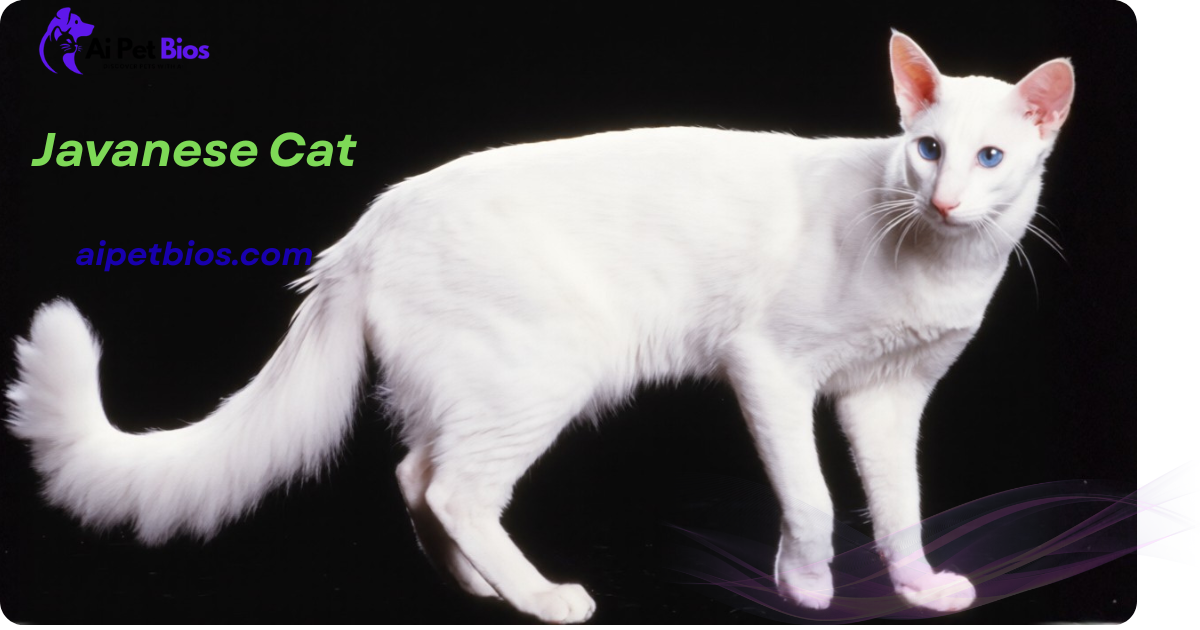
If you have ever wanted a cat that converses with you, shadows your every move, and turns heads with a silk-like coat that flows like a runway look — the Javanese cat may be your perfect companion. Despite the exotic name, this breed was developed entirely in North America.
It combines the elegance of the Balinese with a broader palette of coat colors, resulting in one of the most striking, sociable, and intelligent cat breeds in existence. Whether you are a first-time cat owner or a seasoned breeder, this guide covers everything you need to make a confident, informed decision about the Javanese cat breed.
Color range is genuinely unique. No other breed combines the Siamese body type, the Balinese silky longhair coat, and a color palette that spans red, cream, tortoiseshell, and all lynx point variations under one registry identity.
📌 Quick DefinitionThe Javanese cat is a longhaired, colorpoint domestic cat developed in North America as an extension of the Balinese breed. Known for its slender, muscular body, silky single-layer coat, and highly vocal personality, the Javanese cat is celebrated for intelligence, affection, and a people-first temperament that makes it an outstanding family companion.
13 Stunning Facts about the Javanese Cat Every Owner Must Know
Not actually from Java. Despite the name, the Javanese cat was developed entirely in the United States. The name is a playful nod to the island of Java, neighboring Bali — just as the Balinese breed was named after Bali despite being an American creation.
It is an extended Balinese. The Javanese was created by crossing Balinese cats with Colorpoint Shorthairs to unlock coat colors beyond the four traditional Siamese points — red, cream, tortoiseshell, and lynx patterns are all Javanese exclusives.
One coat layer only. The Javanese has a single-layer silky coat with no dense undercoat, which means far less shedding and matting than most longhaired breeds.
Lower allergen output. The breed produces reduced levels of the Fel d 1 protein — the primary cat allergen — making it one of the more tolerable choices for mild allergy sufferers.
Blue eyes, always. Every Javanese cat has vivid, deep blue almond-shaped eyes — a fixed trait of the colorpoint gene, regardless of coat color.
Exceptional talkers. The Javanese inherited the Siamese “meezer” voice — a loud, melodic, and persistent call used to express opinions, demand attention, and greet their humans daily.
Ranked among the most intelligent cat breeds. Javanese cats can learn their name, fetch toys, open cabinet doors, and solve puzzle feeders with ease. They respond well to clicker training and enjoy learning new tricks.
Deeply emotionally sensitive. Many owners report that their Javanese responds differently when their owner is upset or unwell — seeking out closeness and increasing vocalizations in a way that reads as genuinely empathetic.
Registered under the Balinese in CFA since 2008. The Cat Fanciers’ Association merged the Javanese into the Balinese breed division, though TICA and many breeders still celebrate it as a distinct breed.
Long lifespan for a pedigreed cat. With proper care, a Javanese cat regularly lives 12–16 years, and some reach 18 or beyond — exceptional even among longevity-oriented breeds.
Strongly people-dependent. This is not a cat that tolerates solitude well. Javanese cats form intense bonds and can develop anxiety if left alone for extended periods — pairing them with another social pet is widely recommended.
Relatively rare in shelters. Because they are a specialty pedigreed breed with a small but dedicated breeder community, Javanese cats almost never appear in general rescue shelters, making a reputable breeder the primary route to ownership.
Quick Facts: Javanese Cat at a Glance
| Attribute | Detail |
| Origin | United States (developed from Balinese & Colorpoint Shorthair) |
| Size | Medium — 5 to 10 lbs |
| Coat | Long, silky, single-layer — no undercoat |
| Colors | Red, cream, tortoiseshell, lynx (tabby) points & more |
| Javanese cat lifespan | 12–16 years (some reach 18+) |
| Temperament | Vocal, affectionate, intelligent, social |
| Hypoallergenic | Considered low-allergen (no undercoat, lower Fel d 1) |
| Grooming | Moderate — weekly brushing sufficient |
| Good With Children | Yes |
| Good With Dogs | Yes, when properly introduced |
| Javanese cat price | $800–$2,000+ (varies by breeder & pedigree) |
| CFA / TICA Recognition | Recognized (now classified under Balinese in some registries) |
Origin & Background of the Javanese Cat
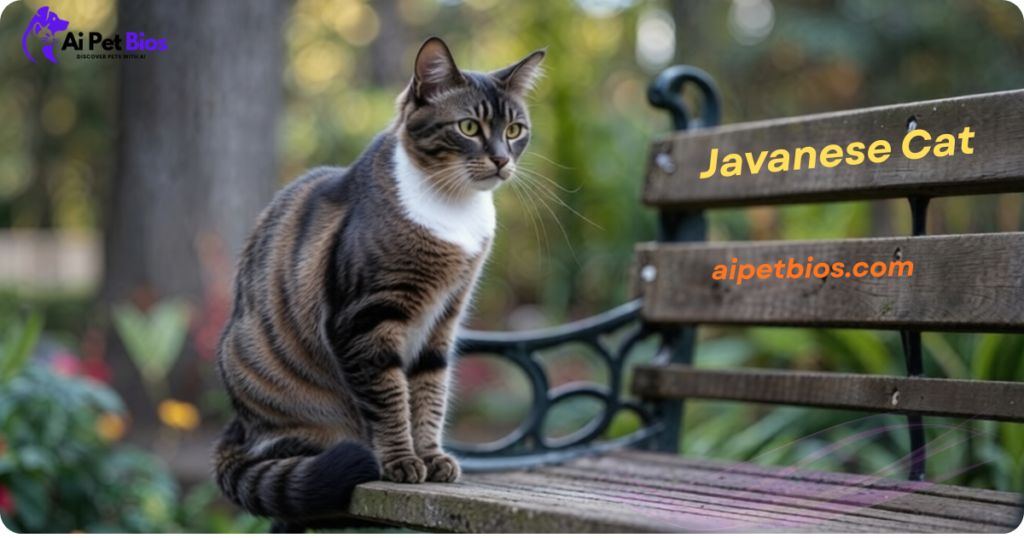
The name sounds like it should come from the Indonesian island of Java — but the truth is far more creative. American breeders in the 1950s and 1960s began crossing Balinese Javanese cat lineages to expand the Balinese breed’s color range beyond the four traditional Siamese colorpoints.
The resulting cats, which displayed red, cream, tortoiseshell, and lynx point patterns, were registered separately as the “Javanese” — a whimsical nod to the neighboring island of Bali (where the Balinese breed got its name), continuing the Southeast Asian theme.
By 2008, the Cat Fanciers’ Association (CFA) merged the Javanese into the Balinese breed division, meaning the two share registry standards today. However, The International Cat Association (TICA) and many breeders still celebrate the Javanese as a distinct breed identity, particularly for its expanded color palette.
This rich heritage means that owning a Javanese cat breed is not just about having a beautiful pet — it is participating in a carefully cultivated chapter of feline history.
Breed historian Helen Smith is often credited as one of the first to intentionally develop the Javanese line. By selectively crossing Balinese cats with Colorpoint Shorthairs — themselves a Siamese hybrid — breeders unlocked an entirely new spectrum of coat patterns while retaining the Balinese temperament and silky single-layer coat.
The result was a cat with the same graceful conformation and vocal personality as its ancestors, but dressed in colors that the purebred Balinese registry simply could not accommodate at the time.
Today, breed enthusiasts continue to advocate for the Javanese as its own identity, even as registries have consolidated. If you attend a TICA-sanctioned cat show, you may still see Javanese competing under their own name — a testament to how passionately this community protects the breed’s unique legacy.
Core Characteristics: What Does a Javanese Cat Look Like?
Body & Build
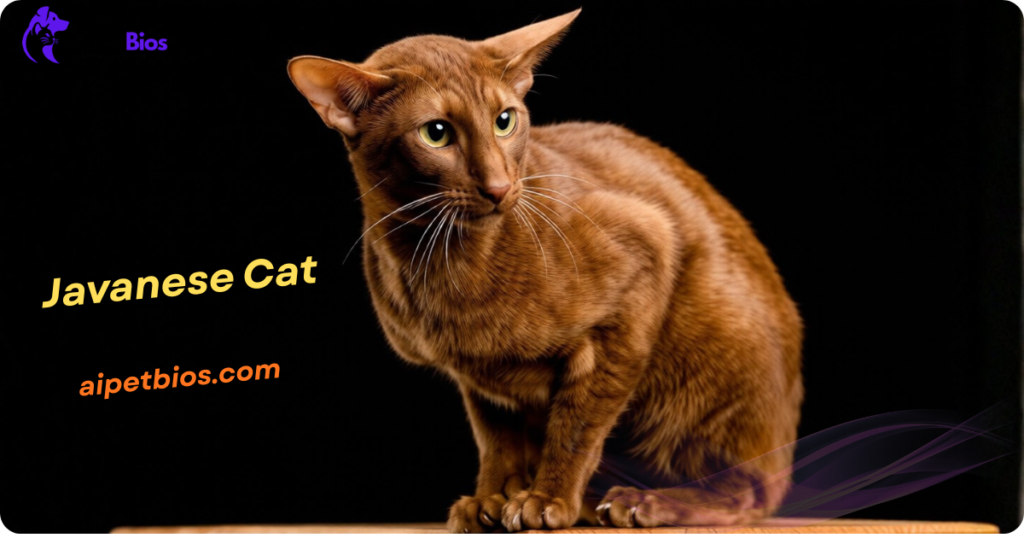
The Javanese carries a classic Oriental silhouette: long, tubular body, fine-boned but surprisingly muscular, with long tapering legs and a whip-like tail. The head is a long wedge shape, with large ears that continue the wedge’s line. The eyes are a vivid, deep blue — always blue — and almond-shaped, contributing to the breed’s perpetually expressive look.
The Javanese Cat Long Hair Coat
Perhaps the most visually arresting feature is the Javanese cat long hair coat. Unlike the Persian or Maine Coon, the Javanese has a single-layer coat — meaning no dense, matting undercoat.
The fur is fine and silky, lying close to the body and flowing into a beautiful plume on the tail. This single-layer structure is also a key reason why the Javanese is considered more manageable for allergy-sensitive households.
Color Varieties
This is where the Javanese truly shines. While the Balinese is restricted to four traditional points (seal, blue, chocolate, lilac), the Javanese expands into the full colorpoint spectrum:
- Red point and cream point
- Tortoiseshell (tortie) points in all base colors
- Lynx (tabby) points — including seal, blue, chocolate, lilac, red, and cream
- Javanese cat black — specifically seal lynx point and seal tortie point which appear very dark, near-black on the points
- Javanese cat white — the body coat is typically pale ivory to white on lighter point cats
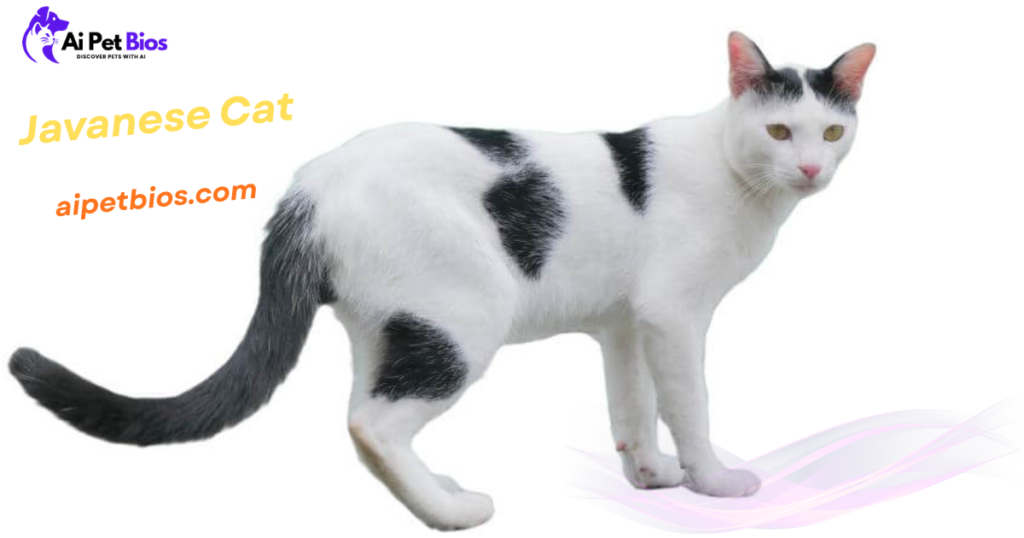
- Javanese cat black and white — the classic contrast of dark points on a white/ivory body
- Javanese cat orange — red and flame point variants display warm orange-red coloring on the face, ears, and tail
Javanese Cat Personality: What to Expect Every Day
Ask any Javanese owner and the first word out of their mouth is almost always “talkative.” The Javanese cat personality is a direct inheritance from its Siamese ancestry: vocal, opinionated, emotionally invested in your day, and utterly devoted to human company. This is not a cat that retreats under the bed. This is a cat that greets you at the door, narrates your cooking, and insists on being under the covers at night.
Key Personality Traits
- Highly vocal — possesses a melodic, persistent “meezer” voice used to communicate needs, opinions, and affection
- Extremely intelligent — learns tricks, opens doors, and solves puzzle feeders with ease
- People-dependent — does not do well with long periods of solitude; thrives in active households
- Playful into adulthood — retains a kitten-like energy and curiosity well past middle age
- Is a Javanese cat cuddly? — absolutely, and emphatically so. The Javanese is among the most Javanese cat cuddly breeds in existence, frequently seeking lap time, shoulder perches, and sleeping pressed against its owners
- Emotionally sensitive — picks up on your moods and responds accordingly, making it an excellent emotional support companion
Living With a Javanese: The Daily Reality
It is worth being honest here: the Javanese is not a “set it and forget it” cat. This breed will follow you from room to room, position itself between you and your laptop, and vocalize its displeasure if dinner is five minutes late. For people who want a deep, reciprocal bond with their pet, this is a dream. For those seeking a low-maintenance companion content to entertain itself for hours, it can feel overwhelming.
That said, the Javanese has an uncanny emotional intelligence. Many owners report that their Javanese seems to sense when they are stressed, anxious, or unwell — responding with increased closeness and gentle vocalizations that feel genuinely comforting. This quality has made the breed popular among people who live alone, remote workers, and individuals who benefit from animal-assisted emotional support in their daily lives.
Children tend to adore Javanese cats, and the feeling is typically mutual. The breed’s playful energy and tolerance for handling — when socialized from kittenhood — makes it an excellent family cat. Introductions to dogs should be gradual and supervised, but most Javanese adapt well to canine housemates, particularly those with calm temperaments.
💡 Owner TipBecause of their strong social drive, Javanese cats do best in pairs — or in households with another social pet. A bored, lonely Javanese can become anxious or develop destructive habits. If you are away for more than 8 hours daily, consider adopting two.
Javanese Cat Price & Cost: What to Budget in the USA
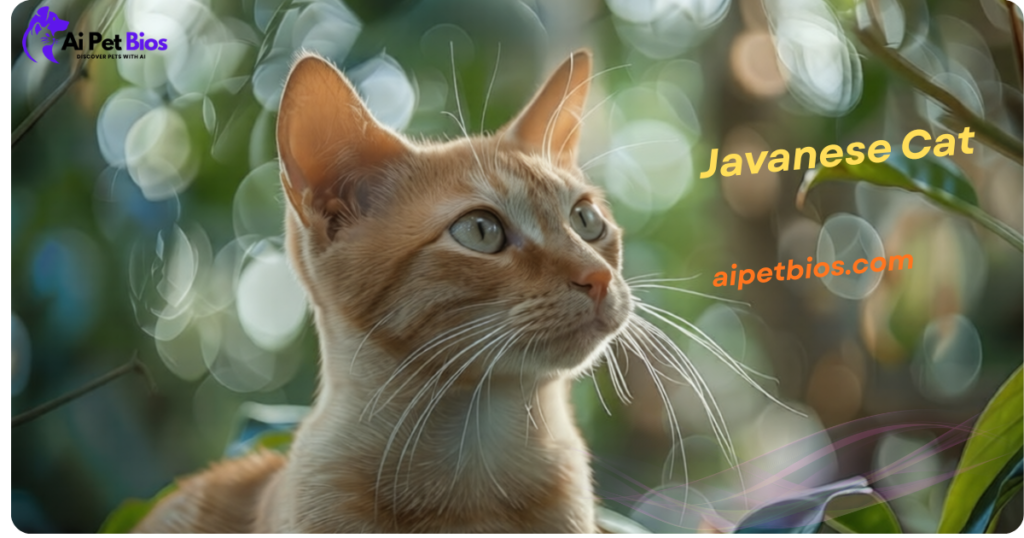
Owning a Javanese is an investment, and pricing reflects the breed’s rarity, pedigree quality, and breeder reputation. Here is a realistic breakdown of Javanese cat cost USA:
| Category | Estimated Cost (USD) |
| Pet-quality kitten (from reputable breeder) | $800 – $1,200 |
| Show-quality / breeding-rights kitten | $1,500 – $2,500+ |
| Rescue / adoption | $75 – $250 |
| Initial vet visit + vaccinations | $150 – $300 |
| Spay / neuter | $200 – $500 |
| Annual food cost (quality diet) | $600 – $1,000 |
| Annual vet care (routine) | $200 – $400 |
| Grooming tools & supplies | $50 – $120/year |
| Toys, trees, enrichment | $100 – $250/year |
Javanese cat for sale listings vary widely by region. Urban areas and specialized breeders in the Northeast and West Coast typically command higher prices. If you are searching for a Javanese cat for sale near me, always verify the breeder’s credentials, request health certificates, and ask to video-call or visit the cattery before committing.
Looking for a Javanese Kitten?
Always purchase from a TICA- or CFA-registered breeder. Use the official breeder directories to find ethical sources near you.
Finding a Javanese Cat Breeder USA
A reputable Javanese cat breeder USA will health-test breeding cats for heritable conditions, provide a health guarantee with each Javanese cat kitten, offer lifetime support, and never sell kittens before 12 weeks of age.
Red flags include breeders who ship kittens without in-person visits, advertise Javanese cat kittens for sale at suspiciously low prices, or cannot provide veterinary records. The TICA and CFA websites maintain searchable breeder directories — always your safest starting point.
Javanese Cat Care: Grooming, Diet & Daily Needs
Grooming the Silky Coat
Thanks to the absence of a dense undercoat, the Javanese coat does not mat or tangle nearly as easily as other longhaired breeds. Weekly brushing with a fine-toothed metal comb or a slicker brush is typically sufficient to keep the coat gleaming. During seasonal shedding periods, increase to twice a week. Bathe every 4–6 weeks if desired, though most Javanese are fastidious self-groomers.
Diet & Nutrition
Feed a high-protein, low-carbohydrate diet to mirror the cat’s natural nutritional needs. Wet food as the dietary base is recommended by most feline nutritionists. The Javanese is prone to dental issues (inherited from Siamese lineage), so dental treats, water additives, or tooth brushing should be incorporated from kittenhood.
Exercise & Mental Stimulation
- Provide tall cat trees — the Javanese is an avid climber
- Interactive puzzle feeders engage their high intelligence
- Daily interactive play sessions of 15–20 minutes are essential
- Leash training is possible and enjoyed by many Javanese cats
- Rotate toys frequently to prevent boredom
Litter Box & Home Environment
The Javanese is a fastidiously clean cat with high standards for its litter box. Provide one box per cat plus one extra, scoop at least once daily, and perform a full clean weekly. Covered boxes are generally tolerated, but many Javanese prefer open trays where they can survey their surroundings. Place litter boxes in quiet, low-traffic areas — this breed is sensitive to noise and sudden disruptions during private moments.
As an indoor-only breed, the Javanese thrives in a cat-proofed home environment with access to window perches, bird feeders outside the window, and vertical space. A catio (an enclosed outdoor enclosure) is an excellent compromise if you want to give your cat fresh air without the risks of free roaming. The Javanese is too trusting and sociable to be a safe outdoor cat — it would simply approach strangers without hesitation.
Socializing Your Javanese Cat Kitten
The window between 3 and 14 weeks of age is critical for feline socialization. A well-socialized Javanese cat kitten should be gently exposed to different people, sounds, handling, and environments during this period.
Reputable breeders do much of this work before the kitten comes home, but new owners should continue the process — introducing the kitten to children, other pets, car rides, and grooming routines in a calm, positive way.
Kittens that are handled confidently during this period typically grow into the warm, adaptable adults the breed is known for.
Javanese Cat Health Issues: What Owners Should Know
The Javanese is generally a robust breed, but its Siamese heritage brings certain inherited predispositions. This section is informational only — always consult a licensed veterinarian for diagnosis and treatment of any Javanese cat health issues.
- Progressive Retinal Atrophy (PRA-rdAc) — a genetic eye condition that can cause vision loss; responsible breeders test for this
- Hypertrophic Cardiomyopathy (HCM) — a form of heart disease seen across many breeds; annual cardiac screening is recommended
- Amyloidosis — rare, but seen in Siamese-derived breeds; involves abnormal protein deposits in organs
- Dental disease — a common issue in this lineage; early preventive dental care is vital
- Respiratory sensitivity — the long nose can make them more sensitive to airborne irritants
With responsible breeding and proactive veterinary care, the Javanese cat lifespan of 12–16 years is very achievable — and many live well beyond that with excellent care.
Is the Javanese Cat Hypoallergenic?
The term “hypoallergenic” is frequently misunderstood. No cat is 100% allergen-free. However, the Javanese cat hypoallergenic reputation is well-founded for several reasons. The breed produces lower levels of the Fel d 1 protein — the primary feline allergen — compared to many other breeds.
Its single-layer coat also sheds less and traps fewer dander particles than double-coated cats. Many allergy sufferers report significantly reduced reactions around Javanese cats versus other breeds. If you have cat allergies, spending time with an individual Javanese before committing is strongly recommended.
Javanese Cat vs. Similar Breeds: Comparison Guide
| Feature | Javanese | Balinese | Siamese | Oriental LH |
| Coat Length | Long, silky | Long, silky | Short | Long |
| Color Range | Broad (incl. lynx, tortie, red) | 4 traditional points | 4 traditional points | All non-pointed colors |
| Vocality | High | High | Very High | Moderate–High |
| Low-allergen | Yes | Yes | Moderate | Moderate |
| Good with kids | Yes | Yes | Yes | Yes |
| Grooming needs | Moderate | Moderate | Low | Moderate |
| Price range | $800–$2,000 | $800–$1,800 | $400–$1,200 | $600–$1,500 |
Pros & Cons of Owning a Javanese Cat
✔ Pros
- Deeply affectionate and bonded to family
- Highly intelligent and trainable
- Lower-shedding than most longhaired breeds
- Considered low-allergen
- Long lifespan with good care
- Good with children and other pets
- Striking, unique appearance
- Playful and entertaining companion
✘ Cons
- Very vocal — can feel overwhelming in quiet households
- Separation-sensitive; does not thrive alone
- Higher purchase price than common breeds
- Requires daily mental stimulation
- Some hereditary health risks (cardiac, eye)
- Limited breeder availability in some regions
- Can be demanding of attention
Is the Javanese Cat Right for You?
The Javanese cat is an exceptional companion — but it is not for everyone. Consider these scenarios:
✅ The Javanese Is a Great Fit If You…
- Want a deeply interactive, relationship-driven cat
- Are home frequently or work from home
- Have children or other social pets
- Prefer a lower-shedding longhaired breed
- Have mild cat allergies and seek a lower-allergen option
- Enjoy training and enrichment activities with your pet
⚠️ Think Twice If You…
- Are away from home most of the day
- Prefer a quiet, independent cat
- Live in a noise-sensitive environment (apartments with thin walls)
- Have severe cat allergies (consult an allergist before adopting)
- Are on a tight budget and cannot account for health care costs
Frequently Asked Questions: Javanese Cat
Are Javanese cats cuddly?
Yes — the Javanese cat cuddly nature is one of the breed’s most celebrated traits. Javanese cats actively seek physical contact with their owners, frequently curling up on laps, sleeping in beds, and pressing against their humans. Their deep social bonds make them one of the most affectionate cat breeds you can own.
How much does a Javanese cat cost?
The typical Javanese cat price ranges from $800 to $2,000+ depending on pedigree, breeder reputation, and location. Show-quality cats or those with breeding rights can exceed $2,500. Adoption from a rescue organization is possible at $75–$250, though Javanese cats are rare in shelters.
Are Javanese cats hypoallergenic?
The Javanese cat hypoallergenic label is not absolute — no cat produces zero allergens. However, Javanese cats produce lower levels of Fel d 1 protein and have a single-layer coat that sheds less than most breeds. Many allergy sufferers tolerate Javanese cats significantly better than other breeds, but individual reactions vary.
Are Javanese cats rare?
Yes, Javanese cats are relatively rare, particularly outside of the United States. The breed is not as widely produced as Siamese or Balinese cats, and finding a reputable Javanese cat breeder USA may require a waiting list and travel. Their rarity contributes to their higher price point and dedicated following among breed enthusiasts.
What is the lifespan of a Javanese cat?
The average Javanese cat lifespan is 12 to 16 years, with many well-cared-for individuals living into their late teens. Providing a high-quality diet, regular veterinary care, mental stimulation, and a stress-free indoor environment are the most reliable factors in supporting a long and healthy life.
Conclusion: Is the Javanese Cat the Breed of a Lifetime?
For the right owner, absolutely. The Javanese cat is a rare combination of beauty, brains, and boundless affection. It brings the elegance of a longhaired Oriental cat together with a personality so warm and communicative that many owners describe it as “having a conversation partner that happens to have four paws.”
From its silk-like, low-maintenance coat and broad spectrum of stunning colors to its low-allergen profile and record-breaking capacity for love, the Javanese earns its devoted following.
If you are ready to welcome one into your home, begin by identifying a reputable Javanese cat breeder USA through TICA or CFA directories. Budget thoughtfully, prepare your home with enrichment, and be ready for a cat that will talk back, follow you everywhere, and become the undeniable center of your household.
Disclaimer: This article is intended for general informational and educational purposes only. It does not constitute veterinary, medical, or legal advice. All health-related information regarding the Javanese cat should be verified with a licensed veterinarian. Pricing information is approximate and subject to change based on region, breeder, and market conditions.
Courtesy: Cats Wiz
[instant_emoji_reactions]

Want Popular On Google? | Lust Quality Backlinks That Force-fed
I’m an SEO Expert, Guest Posting Specialist, and Web Developer helping websites increase rankings, traffic, and authority using clean, white-hat strategies 🚀
I focus on high-authority guest posts, safe backlinks, SEO-optimized content, and technically sound websites—so your site doesn’t just rank, it stays ranked.
What I help you with:
✅ SEO (On-page, Off-page & Technical)
✅ Guest Posts on Real, Relevant Sites
✅ High-Quality Link Building
✅ Keyword Research & Content Strategy
✅ SEO-Friendly Website Development
📈 No spam. No shortcuts. Only results.
👉 Need backlinks that actually work?
📩 Let’s connect: https://wa.me/+923006932631
1 thought on “Javanese Cat: 13 Stunning Facts | Owner Must Know | 2026”
Comments are closed.