
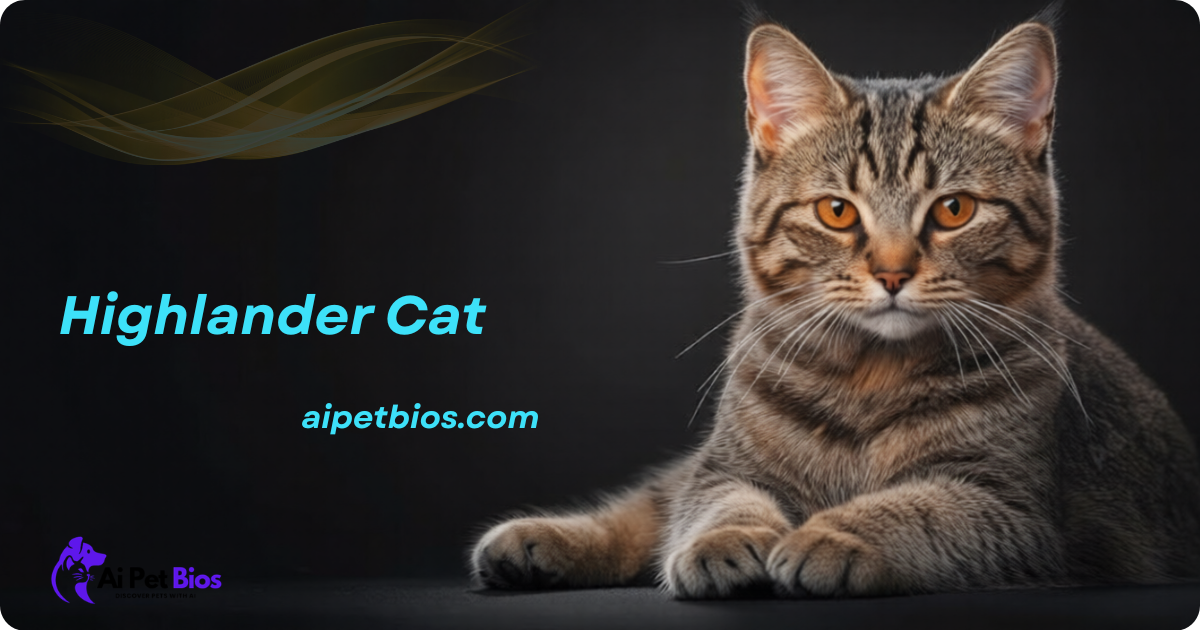
Imagine a cat that looks like a miniature lynx, complete with curled ears and extra toes, yet curls up on your lap like the sweetest domestic pet. The Highlander cat is that captivating breed, blending exotic wild aesthetics with a heartwarming, family-friendly vibe.
Developed in the early 2000s as a hybrid of Desert Lynx and Jungle Curl cats, this medium-to-large feline has quickly gained fans worldwide for its unique features and engaging nature. Whether you’re a first-time cat owner curious about Highlander kittens or an experienced enthusiast eyeing a Highlander cat for sale, this guide dives deep into everything you need to know.
From origins to daily care, we’ll cover practical insights drawn from breed standards and real owner experiences. Expect balanced advice on costs, comparisons, and if this breed fits your lifestyle— all optimized for those searching for an extraordinary yet approachable pet. Let’s explore why the Highlander cat might just be your next furry adventure.
Quick Facts Table
| Fact | Details |
| Size | Medium to large; 10-20 pounds |
| Lifespan | 12-15 years |
| Coat | Short or long; various colors and patterns |
| Energy Level | High; playful and active |
| Grooming Needs | Low to moderate |
| Family-Friendly | Yes; great with kids and dogs |
| Rarity | Moderately rare; newer breed |
| Price Range | $800-$2,000 from breeders |
10 Surprising Traits of the Highlander Cat
The Highlander cat is full of unexpected qualities that make it a standout breed. Here’s a list of 10 surprising traits, drawn from owner experiences and breed standards, that highlight why this cat captivates so many.
- Wild Lynx-Like Appearance Without Wild Genes: Despite resembling a lynx with curled ears and spotted coats, the Highlander cat is 100% domestic—no actual wild cat DNA involved, making it safe and legal everywhere.
- Polydactyl Paws for Extra Grip: Many are born with extra toes (up to 7 per paw), a trait that surprises owners by improving their climbing and toy-grabbing skills, like built-in mittens.
- Bobbed or Curled Tails That Wag Like Dogs: Their short, expressive tails often wag when happy, a dog-like behavior that’s unexpectedly endearing during greetings.
- High Intelligence with Trainable Tricks: These cats learn commands like “sit” or fetch easily, surprising skeptics who think cats can’t be trained—perfect for interactive play.
- Affectionate “Velcro” Bonding: They follow owners room-to-room, offering constant companionship that’s more intense than typical cats, yet never clingy.
- Playful Energy That Lasts Into Adulthood: Unlike breeds that mellow early, Highlander cats stay kitten-like playful for years, leaping and pouncing well into their teens.
- Gentle Giant Temperament: Despite their muscular build, they’re surprisingly gentle with kids and other pets, debunking the myth of “wild-looking” meaning aggressive.
- Minimal Vocalization with Chirpy Chats: Not big meowers, but they surprise with soft trills and chirps during play, like a subtle conversation.
- Adaptable Coat Variations: From short-haired low-shedders to fluffy long-haired versions, the diversity surprises buyers who expect uniformity in hybrids.
- Robust Health from Diverse Origins: With fewer genetic issues than purebreds, their hybrid vigor leads to longer, healthier lives— a pleasant surprise for vet bills.
These traits blend exotic flair with everyday ease, setting the Highlander cat apart.
Origin / Background / Context
The Highlander cat traces its roots to the United States, where breeders in the early 2000s aimed to create a domestic feline with the majestic look of wild big cats like the lynx.
This breed emerged from careful crossings between the Desert Lynx—a bobtailed, polydactyl cat—and the Jungle Curl, known for its distinctive curled ears. The goal was not to incorporate wild bloodlines but to select traits from domestic cats that evoke a powerful, primal appearance while maintaining a gentle, house-pet temperament.
In 2004, the breed’s development began in earnest, and by 2005, it was named the Highlander cat to honor its “highland” wildcat inspiration. Breeders focused on refining features like the short tail, curled ears, and muscular build through selective domestic breeding programs.
The International Cat Association (TICA) recognized the Highlander cat for competition in the Preliminary New Breed class starting in 2008, advancing to Advanced New Breed status later. This recognition helped standardize the breed globally, with enthusiasts in Europe, Australia, and beyond appreciating its unique hybrid origins.
Unlike older breeds with ancient histories, the Highlander cat represents modern feline innovation, appealing to those who want a cat that stands out without the ethical concerns of true wild hybrids. Its background emphasizes ethical breeding practices, avoiding outcrosses to wild species to ensure health and domestication.
Today, TICA-registered breeders worldwide continue to promote the breed, sharing stories of how these cats bring a touch of wilderness into everyday homes.
To understand the context further, consider the Desert Lynx’s influence: this parent breed was itself a hybrid of Bobcat-like domestics, but without actual Bobcat genes, focusing on bobbed tails and spotted coats.
The Jungle Curl contributed the ear curl from Highland Lynx lines, creating a synergy that breeders like Joe Childers and Tim Reed championed. Early challenges included stabilizing the ear curl consistency, which varied in litters, leading to selective pairing to meet TICA standards.
Over time, the breed’s context evolved with global interest. In Asia and Europe, fanciers imported lines to diversify gene pools, preventing inbreeding. Real-world examples include international cat shows where Highlander cats have won awards for their striking presence.
Ethical debates in the cat community highlight the breed’s domestic purity, distinguishing it from controversial hybrids like Bengals with Asian Leopard Cat ancestry. This context underscores the Highlander cat‘s appeal as a “wild lookalike” for responsible owners.
What is the origin of the Highlander cat? The Highlander cat originated in the USA from crosses between Desert Lynx and Jungle Curl cats in the early 2000s, designed to mimic wild looks in a fully domestic package.
Core Characteristics / Features
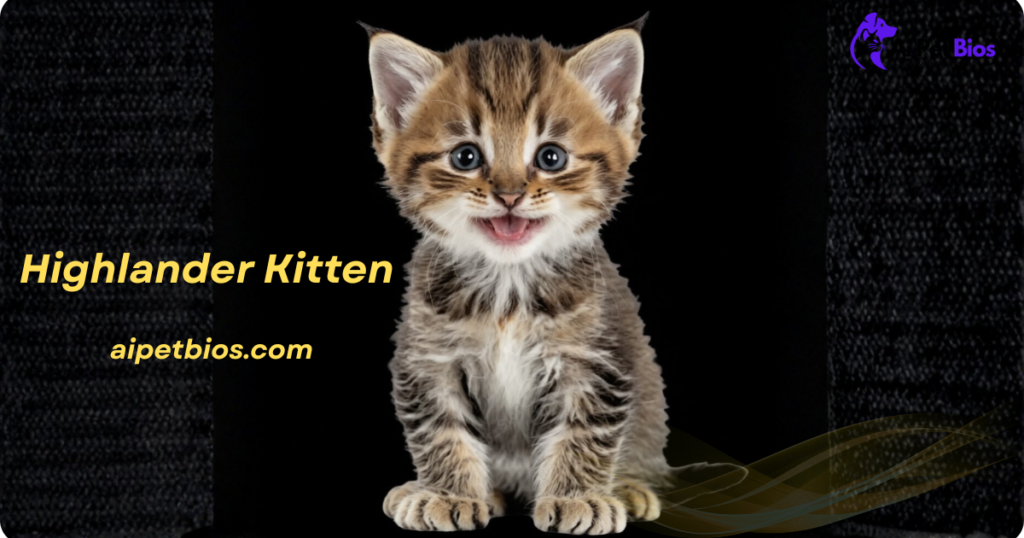
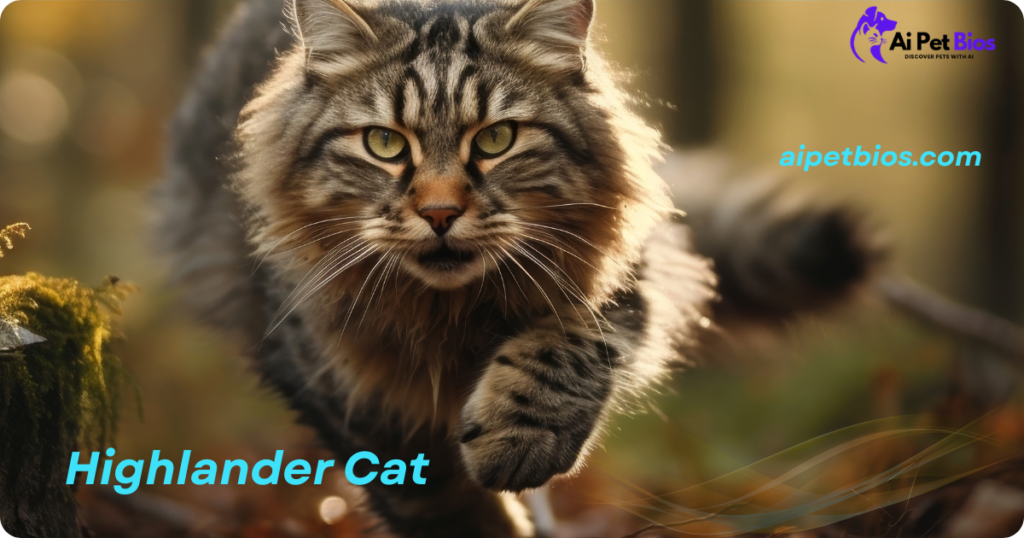
The Highlander cat stands out with its athletic, muscular build that gives it a “big cat” presence in a domestic size. Typically medium to large, adults weigh 10-20 pounds, with males often larger than females. Their body is powerful yet flexible, with long hind legs that enable impressive leaps and playful pounces.
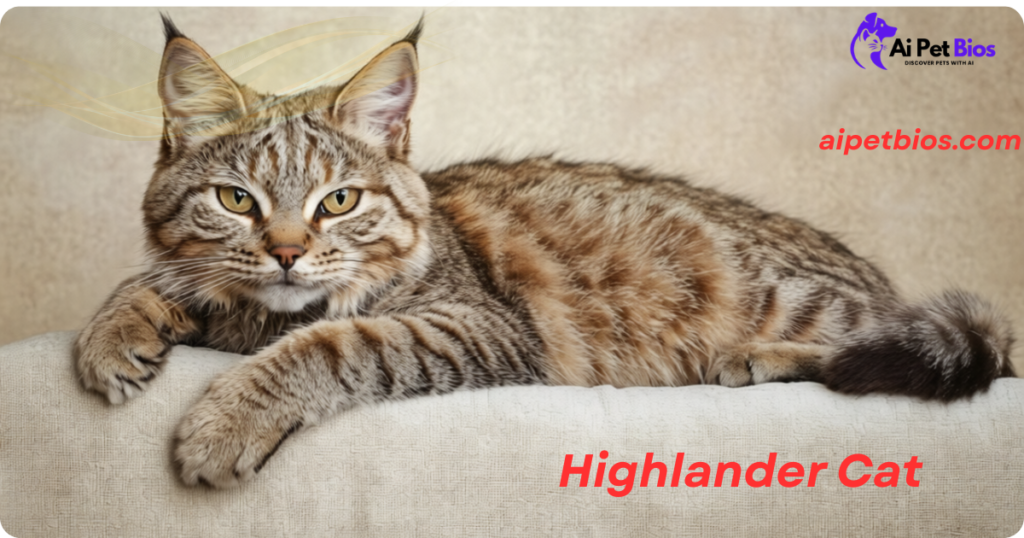
One defining feature is the ears: loosely curled backward in the top third, set high and wide for an alert, expressive look. Highlander cat ears add to their lynx-like charm, though not all individuals have the curl—straight-eared variants exist but are less common in show lines. The curl develops over weeks in kittens, starting straight and curving by maturity, a fascinating process for owners to watch.
The eyes are medium to large, oval-shaped, and set at a slight angle, often in striking colors like gold, green, or blue that intensify their gaze. Eye color can complement coat patterns, such as gold eyes popping against tabby stripes.
The tail is naturally short, ranging from 1 inch to hock length, thick and articulated with possible kinks or curls. Some Highlander cat with long tail variations occur, but the bobbed tail is iconic, providing balance during jumps without the length of standard tails. This feature reduces furniture knocking incidents, a practical perk.
Feet are large with prominent knuckles, and many are Highlander cat polydactyl, boasting extra toes that enhance their grip and add to the wild aesthetic. Polydactyly, inherited from Ernest Hemingway’s famous cats, can result in “thumbs” that aid in grasping toys or food.
Coat options include short or long hair, in a variety of colors and patterns—tabby, solid, spotted, or even Highlander cat white. The Highlander cat Lynx point patterns mimic wild lynx markings, with darker tips on ears, tail, and paws. Short coats are dense and glossy, requiring minimal care, while long coats flow elegantly, offering a luxurious feel. Patterns like marbled or classic tabby add visual depth, and solids range from black to cream. White versions may have color points, creating a Siamese-like contrast.
Overall, these features create a cat that’s visually stunning yet fully adapted to home life. Breed standards from TICA emphasize proportion, with faults for overly long tails or weak curls, ensuring consistency. Owners often note how these characteristics make the Highlander cat a conversation starter at vet visits or parks.
Personality / Function / Use Case
The Highlander cat personality is a delightful mix of playfulness, affection, and intelligence, making them ideal companions for active households. These cats are social butterflies, thriving on human interaction and often greeting guests at the door or showing off with acrobatic tricks. Their clown-like antics—chasing toys or leaping high—keep owners entertained, but they balance this energy with cuddly downtime.
What is the personality of a Highlander cat? Energetic yet gentle, the Highlander cat is affectionate, intelligent, and family-oriented, excelling as a playful pet that bonds deeply with its people.
Are Highlander cats talkative? While not overly vocal, they communicate with soft chirps and trills, especially during play, adding charm without constant meowing. This subtle vocalization surprises owners used to silent breeds.
In use cases, the Highlander cat shines in family settings, getting along with children and dogs due to their tolerant nature. They’re patient with toddlers’ tugs and enjoy romping with canine siblings, making them versatile for multi-pet homes. For single owners, their “velcro” attachment provides emotional support, reducing loneliness.
As therapy or emotional support animals, their loving demeanor supports mental well-being, though always check local regulations and certify through professionals. In apartments, they function well with vertical spaces like shelves, turning small areas into playgrounds.
From personal owner accounts, Highlander cats adapt well to routines, learning to walk on leashes for outdoor adventures or performing tricks for treats. Training tips include positive reinforcement with clickers, capitalizing on their intelligence.
Functionally, they’re low-destructive despite energy, preferring toys over furniture scratching when enriched. Use cases extend to farms or large homes where their hunting instincts (chasing bugs) add utility without aggression.
Overall, their personality makes them functional for diverse lifestyles, from urban to rural.
Cost / Investment / Pricing
Investing in a Highlander cat involves upfront costs that reflect its unique traits and breeding standards. From reputable Highlander cat breeders, expect to pay $800-$2,000 for a kitten, depending on factors like pedigree, coat length, and features like polydactyly or curled ears. Show-quality specimens can reach $2,500+, while pet-quality ones start lower, often with spay/neuter contracts.
The Highlander cat price includes health testing for genetic issues, initial vaccinations, deworming, and sometimes microchipping, ensuring a sound investment. Highlander kitten price for Highlander kittens for sale averages $1,000-$1,500, with deposits around $200-$500 to reserve from litters, which typically have 3-5 kittens.
Factors affecting pricing: Location—urban areas like New York or London may add $200 for shipping; rare colors like Highlander cat white or lynx points command premiums; TICA registration boosts value by $300. Breeders often offer payment plans or discounts for multiple adoptions.
Adoption offers a budget-friendly alternative: Highlander kittens for adoption through rescues or shelters might cost $100-$300, covering spaying/neutering, basic vet care, and sometimes behavioral assessments. Rescues like specialty cat groups partner with breeders for retired show cats at lower prices.
Ongoing investments are moderate: High-quality food runs $20-$50/month, depending on premium brands; toys and scratching posts $50/year; litter $10/month. Annual vet visits average $200-$500, including checkups and vaccines. Unexpected costs like dental cleanings ($300) or emergencies highlight the need for pet insurance ($20-$40/month).
Long-term, the breed’s health reduces bills, but factor in grooming tools for long-haired types ($50 initial). For monetization, consider affiliate links to trusted Highlander cat breeder directories like TICA’s referral list, or products from sites like Chewy for breed-specific toys (affiliate disclosure: links may earn commission). Budget wisely for a rewarding return in companionship.
Maintenance / Care / Implementation
Maintaining a Highlander cat is straightforward, thanks to their robust health and adaptable nature. Are Highlander cats high maintenance? No, they’re low to moderate; short-haired versions need weekly brushing with a rubber mitt to remove loose fur and distribute oils, reducing shedding. Long-haired ones benefit from bi-weekly combing with a wide-tooth comb to prevent mats, especially around the neck and tail.
Daily care includes a high-protein diet tailored to their active lifestyle—feed 1/4 to 1/2 cup of dry kibble twice a day from brands like Royal Canin or Blue Buffalo, supplemented with wet food for hydration and variety. Monitor portions to avoid obesity; use measuring cups and adjust for age—kittens need three meals, seniors two lighter ones.
Provide scratching posts (sisal or cardboard) and interactive toys like feather wands or laser pointers to channel energy; aim for 30-45 minutes of play daily, split into sessions to mimic hunting. Puzzle feeders slow eating and stimulate minds.
Implement routine vet checkups every 6-12 months, including vaccinations (rabies, FVRCP), flea/tick prevention (monthly topicals), and heartworm meds in endemic areas. Dental care: Brush teeth weekly with enzymatic paste or offer dental treats. Nail trims every 2-3 weeks are easy due to their polydactyl paws—use clippers designed for cats.
Indoor living is recommended to protect their curious nature from outdoor hazards like cars or predators; enrich with cat trees, window perches, and safe plants. Litter box maintenance: Scoop daily, change weekly with clumping litter.
For new owners, start with a kitten-proofed space: Secure cords, remove toxic plants (lilies, pothos), and introduce gradually to family members. Socialization from 8 weeks helps. Affiliate suggestion: Try puzzle feeders from Amazon (affiliate link) to keep them mentally stimulated. Seasonal care: In winter, provide heated beds; in summer, ensure cool spots.
Troubleshooting: If shedding increases, check diet; for boredom, rotate toys. Overall, their care is rewarding and cost-effective.
Common Concerns (Informational Only)
Potential owners often worry about the Highlander cat‘s wild appearance implying aggression, but this is a myth—their temperament is gentle and domesticated, rooted in domestic lines. Health concerns include typical feline issues like dental problems (tartar buildup) or obesity if overfed, but breed-specific risks are low due to diverse genetics from hybrid origins.
Common myths: “They’re part wild”—false, no wild DNA; “High energy means destructive”—manageable with toys; “Polydactyly causes issues”—actually beneficial, no health drawbacks. Allergies? Their coats shed moderately, so not ideal for severe sufferers; regular grooming helps.
Are Highlander cats rare? Yes, as a newer breed, they’re less common, leading to waitlists from breeders and higher demand in cat shows. Availability varies by region, with more in the US than abroad.
Behavioral concerns: Curiosity can lead to escapes, so secure doors; energy might overwhelm elderly owners, but training curbs jumping on counters. Lifespan concerns: 12-15 years is average, extended with good care—no breed-wide shortened life.
Informational health tips: Monitor for urinary issues in males (common in cats); feed wet food for prevention. Dental hygiene prevents gingivitis; annual bloodwork catches early problems. Always consult a vet for personalized advice—no substitutes for professional care. Ethical breeding addresses concerns like inbreeding, with TICA guidelines ensuring quality.
Comparison Section (vs Similar Alternatives)
Comparing the Highlander cat to alternatives helps clarify choices. Vs. American Shorthair: The Highlander cat is more energetic and exotic-looking with curled ears and polydactyly, while American Shorthairs are calmer, everyday companions with similar size but plainer features—better for low-activity homes.
Vs. British Shorthair: British cats are stockier, round-faced, and less playful, ideal for quiet, lap-cat seekers with dense coats needing more grooming. The Highlander cat demands interaction but offers more affection and agility, suiting dynamic families over sedentary ones.
Vs. Domestic Shorthair: Often mistaken for tabbies, domestic shorthairs are mixed breeds with variable traits, health, and personalities—affordable rescues but unpredictable. The Highlander cat provides predictable wild features like Highlander cat polydactyl toes, curled ears, and consistent temperament from pedigreed lines.
Vs. Tabby (pattern, not breed): Tabbies can be any breed with striped coats, but the Highlander cat‘s lynx-like build, short tail, and muscular frame set it apart from standard tabby cats, which lack the hybrid’s unique curls and points.
For pet suitability, the Highlander cat excels as a good pet with a 12-15 year lifespan and outgoing Highlander cat personality, outperforming in playfulness but requiring more engagement than mellow breeds.
Deeper analysis: Energy vs. British—Highlanders score 8/10 for activity, British 4/10; Grooming—both moderate, but Highlanders adapt better to climates. Cost: Highlanders higher initial but similar ongoing to Americans. Suitability for allergies: Neither hypoallergenic, but short-haired Highlanders shed less than fluffy British.
Pros & Cons Table
| Pros | Cons |
| Affectionate and social | High energy requires playtime |
| Unique wild look | Moderately rare, higher wait times |
| Good with families and pets | Potential for shedding in long-haired types |
| Intelligent and trainable | Not hypoallergenic |
| Low grooming needs | May be too active for small spaces |
| Robust health | Waitlists for breeders |
| Adaptable to routines | Curiosity needs supervision |
Buyers Guide: Price, For Sale, Kitten
For buyers, start with Highlander kittens near me by checking TICA directories, Facebook groups, or local cat shows—search “TICA Highlander breeders” online. Highlander kitten costs align with breed quality—pet versions $800-$1,200, show cats $1,500-$2,000+.
Seek TICA-registered breeders for health guarantees, genetic testing, and contracts. Visit facilities to see parents; ask about socialization, diet, and references. Highlander kittens for sale often include vet checks, first shots, and deworming; avoid online scams by verifying with video calls or in-person visits—red flags include low prices or no paperwork.
Confused owners: Unlike domestic shorthairs or tabbies (mixed, variable), Highlander cats have specific traits like curled ears and bobbed tails from controlled breeding.
Comparison researchers: Superior to British (more playful) or American shorthairs (more exotic) for families wanting interaction.
Pet suitability: Excellent good pets with long lifespan and vibrant personality—ideal for active, affectionate owners.
Step-by-step: 1. Research TICA standards. 2. Contact 2-3 breeders. 3. Ask questions (health history, return policy). 4. Prepare home (toys, litter). 5. Budget for initial supplies ($200). Adoption: Check Petfinder or breed rescues for lower costs.
CTA: Explore affiliate-linked breeder lists for your next Highlander cat; sites like GoKitty (affiliate) list verified options.
“Is This Right for You?” Section
Deciding if a Highlander cat fits your life boils down to lifestyle match. If you’re an active family with space for play, their energetic, affectionate nature will thrive—perfect for homes with kids or dogs, where they join games and provide endless entertainment.
Apartment dwellers? Yes, if you provide vertical space like cat trees and daily play; their adaptability shines in small spaces with enrichment, but avoid if you’re away long hours—they crave company.
First-timers appreciate their trainability and forgiving temperament, but commit to daily interaction to avoid boredom behaviors like scratching. Seniors might find their energy overwhelming unless paired with calmer routines.
Allergy sufferers: Test visits, as moderate shedding varies by coat. Busy professionals: Ideal if work-from-home, or hire sitters; their intelligence suits auto-feeders.
Scenarios: Urban explorer—leash-train for walks; Rural owner—let them “hunt” safely indoors. If you prefer independent cats, opt for Persians; for wild looks without energy, Bengals.
Overall, the Highlander cat suits adventurous owners seeking a loyal, fun companion—reflect on your routine, energy levels, and commitment before adopting.
Frequently Asked Questions Highlander Cat
How much does a Highlander cat cost?
A Highlander cat typically costs $800-$2,000 from breeders, with Highlander kitten price varying by features. Adoption fees range $100-$300, including basics like spaying. Factors like location and pedigree influence the total investment.
Are Highlander cats rare?
Yes, Highlander cats are moderately rare due to their recent development and limited breeding programs. This scarcity can lead to waitlists, but TICA recognition is growing their global availability.
What is the personality of a Highlander cat?
The Highlander cat boasts a playful, affectionate personality, loving attention and games. They’re gentle clowns at heart, bonding deeply with families while staying relatively quiet.
How big do Highlander cats get?
Highlander cat size reaches medium to large, with adults 10-20 pounds and 10-16 inches tall. How big can a Highlander cat get? Males top 20 pounds, showcasing muscular builds for agility.
Where can I buy a Highlander kitten near me?
Search TICA or local cat associations for Highlander cat breeders offering Highlander kittens near me. Online directories and shows connect buyers; always verify ethics and health tests.
Conclusion
The Highlander cat combines exotic allure with everyday companionship, making it a standout choice for cat enthusiasts worldwide. From its curled Highlander cat ears to polydactyl paws and lynx-like patterns, this breed delivers joy without high demands. If you’re ready for an active, loving pet, explore Highlander kittens for adoption or breeders responsibly—consider factors like energy match and care needs for a happy match.
For more, check our guides on American Shorthair or British Shorthair. Internal links boost navigation—consider affiliate partnerships for cat supplies like toys or food from Chewy.
Disclaimer
This article provides general information on the Highlander cat and is not a substitute for professional veterinary or breeding advice. Always consult experts for health, purchase, or care decisions. No guarantees are made regarding breed availability or costs.
Courtesy: The Animal Kingdom
[instant_emoji_reactions]

Want Popular On Google? | Lust Quality Backlinks That Force-fed
I’m an SEO Expert, Guest Posting Specialist, and Web Developer helping websites increase rankings, traffic, and authority using clean, white-hat strategies 🚀
I focus on high-authority guest posts, safe backlinks, SEO-optimized content, and technically sound websites—so your site doesn’t just rank, it stays ranked.
What I help you with:
✅ SEO (On-page, Off-page & Technical)
✅ Guest Posts on Real, Relevant Sites
✅ High-Quality Link Building
✅ Keyword Research & Content Strategy
✅ SEO-Friendly Website Development
📈 No spam. No shortcuts. Only results.
👉 Need backlinks that actually work?
📩 Let’s connect: https://wa.me/+923006932631
1 thought on “Highlander Cat: 10 Surprising Traits You Must Know”
Comments are closed.