
Introduction
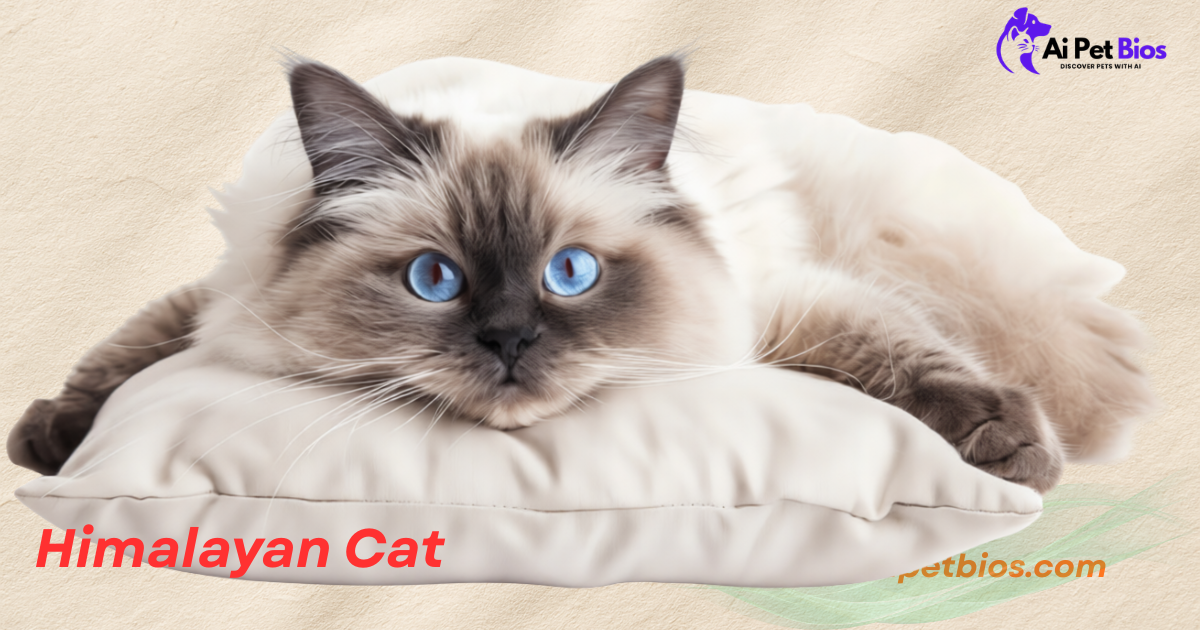
The Himalayan cat represents one of the most visually striking and emotionally rewarding cat breeds available today—a remarkable fusion of the Persian’s luxurious coat with vibrant colorpoint markings reminiscent of Siamese heritage. With their striking blue eyes, silky long coat, and gentle temperament, These capture hearts instantly and reward their owners with unwavering loyalty and affectionate companionship.
Unlike many designer breeds created through trendy crossbreeding, the Himalayan breed emerged through deliberate, intentional selection focused on combining the best physical and behavioral traits of two distinct breeds. The result is a cat that transcends simple breed classification—it’s a sophisticated companion for discerning owners seeking elegance, intelligence, and devotion in a single magnificent package.
This comprehensive guide explores everything prospective and current Himalayan owners need to know—from detailed care requirements and health considerations to understanding personality traits, realistic pricing structures, and whether this extraordinary breed aligns with your lifestyle and expectations.
Quick Facts Table
| Aspect | Details |
| Origin | United States (1950s-1960s) |
| Size | Medium to large (7–12 lbs) |
| Coat Type | Long, thick, silky double coat |
| Lifespan | 9–15 years (sometimes longer) |
| Temperament | Gentle, intelligent, affectionate, calm |
| Activity Level | Low to moderate |
| Grooming Needs | High (daily brushing essential) |
| Health Issues | Respiratory concerns; kidney disease risk |
| Eye Color | Predominantly blue (breed standard) |
| Coat Pattern | Colorpoint (Siamese-style markings) |
| Price Range | $600–$1,500 (adoption); $1,200–$3,000+ (breeders) |
| Best For | Families, quiet households, dedicated groomers |
8 Essential Facts About Himalayan Cats
- Deliberate breed creation – The Himalayan emerged in the 1950s through intentional crossing of Persian and Siamese breeds, specifically designed to combine Persian coat magnificence with Siamese colorpoint markings. Unlike random hybrids, Himalayan cats were developed with precise genetic goals, requiring decades of selective breeding to establish consistent breed characteristics recognized by TICA and CFA.
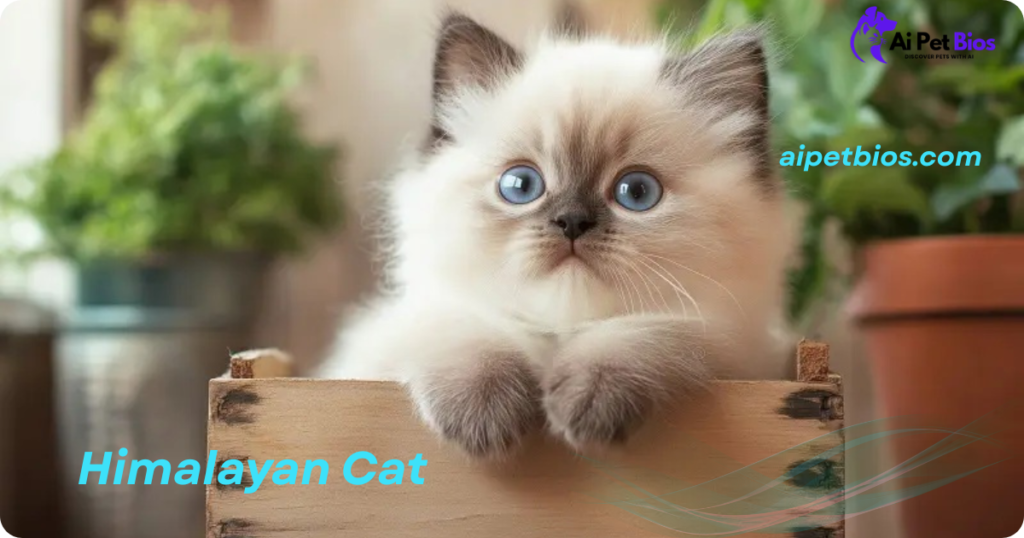
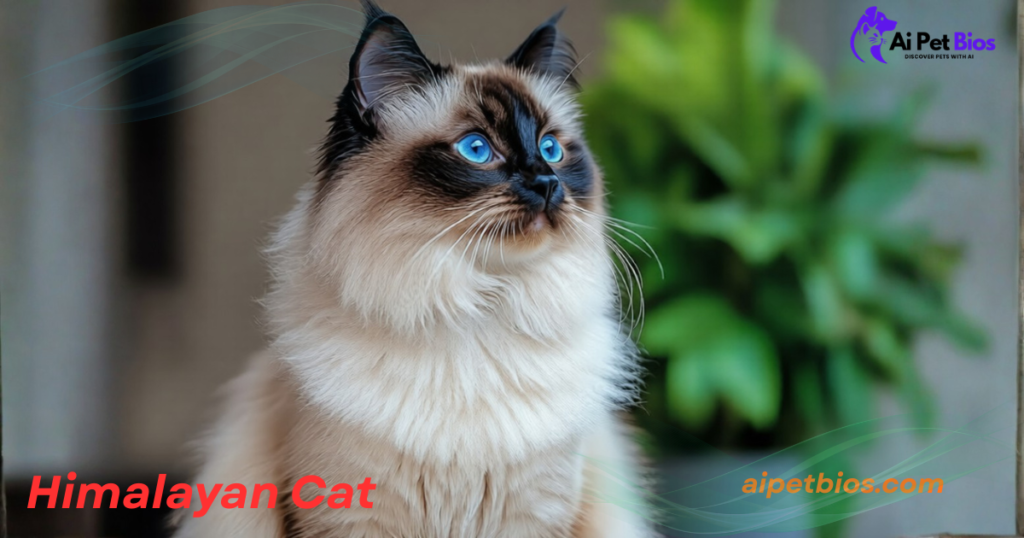
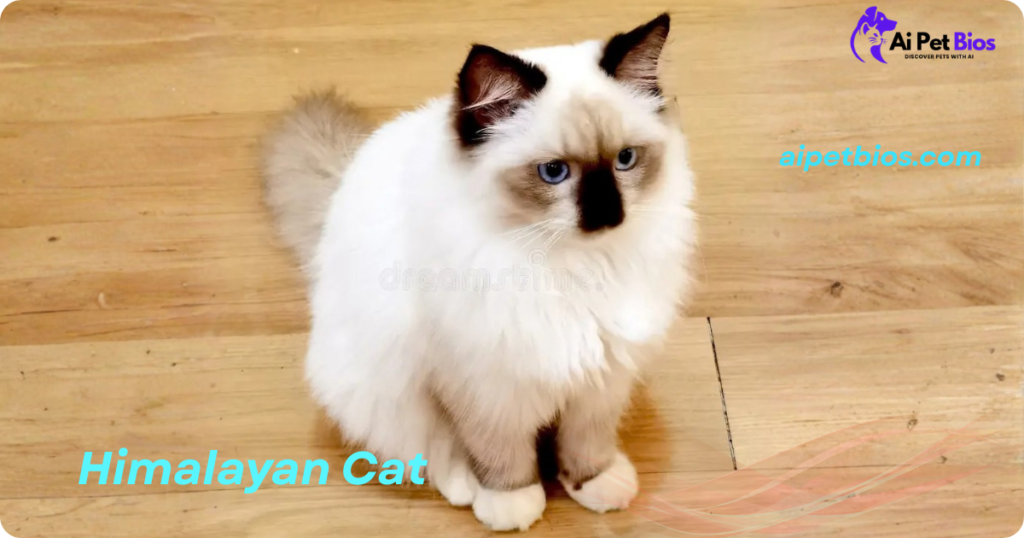
- Distinctive colorpoint pattern – The hallmark feature is striking colorpoint markings (dark ears, face, paws, and tail) contrasting sharply with cream or white body coloring. This pattern results from a temperature-sensitive enzyme affecting melanin production—the same genetic mechanism as in Siamese cats—making Himalayan instantly recognizable.
- Luxurious long coat – The Himalayan possesses an exceptionally dense, silky double coat requiring daily brushing (1–2 hours) to prevent matting and maintain health. The coat isn’t merely aesthetic—it provides insulation, supports skin health, and contributes to the breed’s distinctive elegant appearance, but demands significant owner commitment.
- Predominantly blue eyes – Nearly all Himalayan possess striking sapphire-blue eyes that rarely appear in other breeds. This eye color, inherited from Siamese ancestry, is virtually universal in the breed and contributes significantly to their distinctive, memorable appearance.
- Gentle, calm temperament – Unlike the vocal, demanding nature of Siamese cats, Himalayan cats inherit the Persian’s gentle disposition—quiet, content, and deeply affectionate without excessive neediness. They enjoy human companionship but respect personal boundaries, making them ideal for families seeking affectionate-yet-independent companions.
- Health challenges requiring attention – Himalayan cats face breed-specific health concerns including respiratory difficulties (flat-face structure), polycystic kidney disease (PKD) affecting 30–40% of the breed, and prone to eye issues. These health realities demand careful breeder selection and proactive veterinary care.
- High maintenance grooming commitment – The luxurious coat demands daily brushing, regular bathing, and professional grooming every 4–6 weeks. Neglecting grooming leads to painful matting, skin infections, and behavioral issues—making Himalayan cat ownership unsuitable for individuals unwilling to invest 1–2 hours daily in coat care.
- Moderate activity and spatial needs – Himalayan thrive in calm, climate-controlled environments with moderate enrichment. Unlike high-energy breeds requiring extensive play, Himalayan cats appreciate quiet spaces, soft furnishings, and gentle interaction—making them perfect for seniors, quiet professionals, and families prioritizing peace over chaos.
What Is a Himalayan Cat? Breed Definition and Origin
What Is a Himalayan Cat? Complete Breed Overview
A Himalayan cat is a semi-longhair cat breed developed through deliberate crossing of Persian and Siamese breeds, specifically designed to combine the Persian’s luxurious coat with the Siamese’s striking colorpoint markings. Recognized by major cat associations (TICA, CFA), the Himalayan cat represents a sophisticated designer breed created through genetic intentionality rather than accidental hybridization.
The Himalayan cat breed emerged in the United States during the 1950s-1960s when breeders sought to create a cat combining Persian elegance with Siamese visual drama. After decades of selective breeding and genetic refinement, the breed was formally recognized, establishing consistent physical and behavioral standards that distinguish Himalayan cats from both parent breeds.
Himalayan Cat vs. Persian Cat: Understanding Breed Differences
The relationship between Himalayan and Persian cat breeds frequently confuses new owners and casual observers. While Himalayan are descended from Persians, key distinctions separate them:
Persian cats:
- Solid coat colors (no colorpoint pattern)
- Less stringent eye color requirements
- Broader head structure
- Slightly different body proportion standards
- Considered the original foundation breed
Himalayan cats:
- Colorpoint pattern (mandatory breed characteristic)
- Blue eyes required by breed standard
- Slightly more refined head structure
- Specific body proportions optimized for balanced colorpoint display
- Developed breed using Persian genetics
Many breeders now recognize Persian Himalayan terminology describing cats that bridge both breed standards—particularly cats possessing solid coloring but Himalayan body structure.
Origin and Development of Himalayan Cats
The Himalayan cat breed’s development began when breeders sought to challenge conventional breed limitations. In the 1950s, North American and British breeders independently initiated programs crossing Persian cats with Siamese, aiming to create offspring combining Persian coat beauty with Siamese colorpoint elegance.
Early breeding efforts faced significant challenges. The first crosses produced unpredictable results—some kittens inherited thick Persian coats but lacked colorpoint markings; others possessed Siamese coloring but inadequate coat length. Breeders persisted, implementing selective breeding over multiple generations to stabilize genetics and establish consistent traits.
By the 1960s, recognizable Himalayan emerged with reliable breed characteristics. The breed gained provisional recognition, then full status from major cat associations. Today, Himalayan cat breeding follows strict genetic guidelines ensuring breed integrity while minimizing health complications.
Himalayan Cat Core Characteristics: Physical Features
What Is the Difference Between a Himalayan Cat and a Persian Cat? Physical Comparison
While Himalayan and Persian cat breeds share ancestry, physical differences distinguish them clearly:
| Feature | Himalayan Cat | Persian Cat |
| Coat color | Colorpoint (mandatory) | Solid colors standard |
| Eye color | Blue (breed standard) | Any color acceptable |
| Face structure | Flat, distinctive | Flat, but less refined |
| Body size | 7–12 lbs | 7–12 lbs |
| Coat length | Long (5–7 inches) | Long (4–6 inches) |
| Ear position | Small, set low | Small, set low |
| Temperament | Calm, gentle | Calm, independent |
| Grooming needs | High (daily) | High (daily) |
| Breeding focus | Colorpoint pattern | Solid coloring |
Himalayan Cat Size and Physical Build
Himalayan display moderate to large frames despite appearing delicate due to their flowing coats. Understanding actual size versus perceived size prevents adoption surprises:
Physical dimensions:
- Weight: 7–12 lbs (females typically 7–9 lbs; males 9–12 lbs)
- Body length: 15–18 inches (head to base of tail)
- Height at shoulder: 8–10 inches
- Coat thickness: Dense double coat adding visual bulk (2–3 inches of apparent size beyond actual body)
Structural features:
- Head: Round, broad, flat between ears; powerful jaw
- Nose: Short, broad, positioned between eye level (extreme flat-face phenotype)
- Eyes: Large, round, set wide apart; blue color mandatory for breed standard
- Ears: Small, rounded, set low on head; heavily furred
- Body: Sturdy, muscular despite appearing delicate
- Legs: Short, thick, muscular; supporting substantial coat weight
- Paws: Large, round, tufted; providing stability
- Tail: Long, plumed, matching body coat color and pattern
Himalayan Cat Colors: Colorpoint Variations Explained
The Himalayan cat colorpoint pattern defines the breed, with specific recognized color variations:
Common colorpoint patterns:
- Seal point Himalayan cat: Dark brown (seal) points with cream body
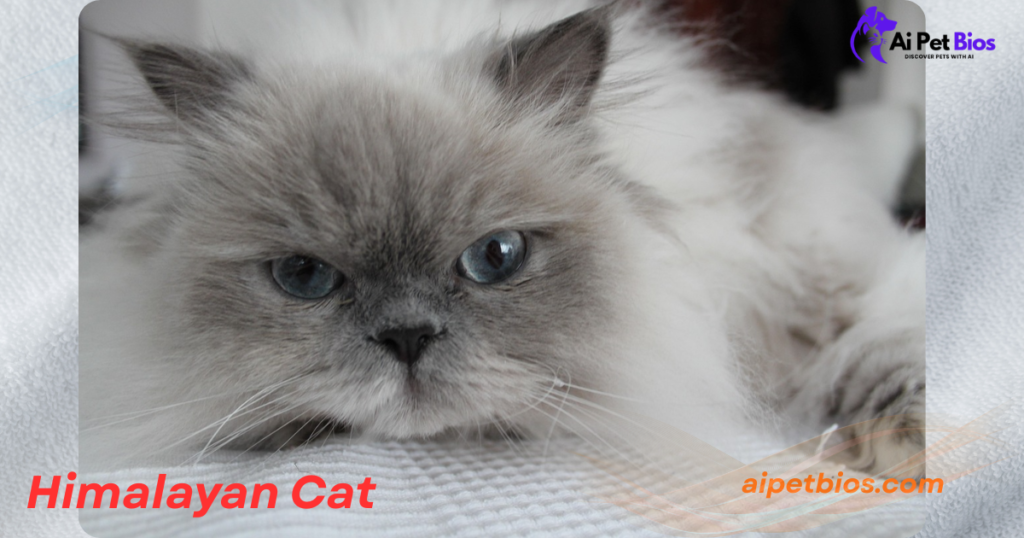
- Blue point Himalayan cat: Slate-blue points with white/cream body
- Chocolate point: Brown points with ivory body
- Lilac point: Pinkish-gray points with white body
- Flame point: Red/orange points with cream body
- Cream point: Cream-colored points with white body
Additional recognized colors:
- Himalayan cat white (lynx point variations with tabby striping)
- Himalayan cat black (seal point variant with deepest coloring)
- Tortoiseshell point (multiple colors combined in point coloring)
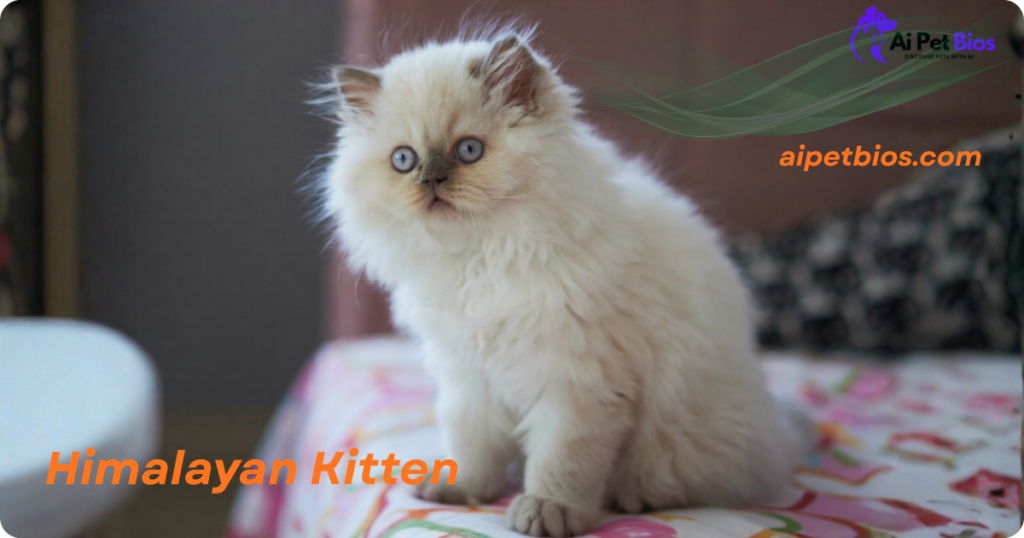
Color intensity develops gradually—kittens are born nearly white, with point coloring darkening over weeks and months. Temperature influences point darkness; cooler body regions develop darker pigmentation, while warmer areas remain lighter.
Himalayan Cat Personality: Temperament and Behavioral Traits
Are Himalayan Cats Friendly? Understanding Personality Traits
Are Himalayan cats friendly? Absolutely—with important nuance. Himalayan are exceptionally friendly, but their friendliness expresses differently than some breeds.
Friendship characteristics:
- Affectionate without neediness: Himalayan cats bond deeply with owners, enjoying physical proximity and gentle interaction without demanding constant attention
- Quiet companionship: Unlike vocal breeds, Himalayan communicate through subtle body language—slow blinks, head bunts, and soft chirps—requiring owners to develop awareness of feline communication nuances
- Selective sociability: While friendly toward family, Himalayan cats often remain reserved with strangers, preferring to observe before engaging
- Gradual trust building: These cats require time to warm up to new people, developing trust incrementally rather than immediately
- Sensitive to mood: Himalayan detect owner emotional states, often providing comfort during stress or sadness through physical proximity
Important distinction: Friendliness doesn’t mean constant engagement. Himalayan appreciate human presence but don’t require interaction every moment—they’re content observing owners while maintaining personal space.
Himalayan Cat Personality: Intelligence and Behavioral Complexity
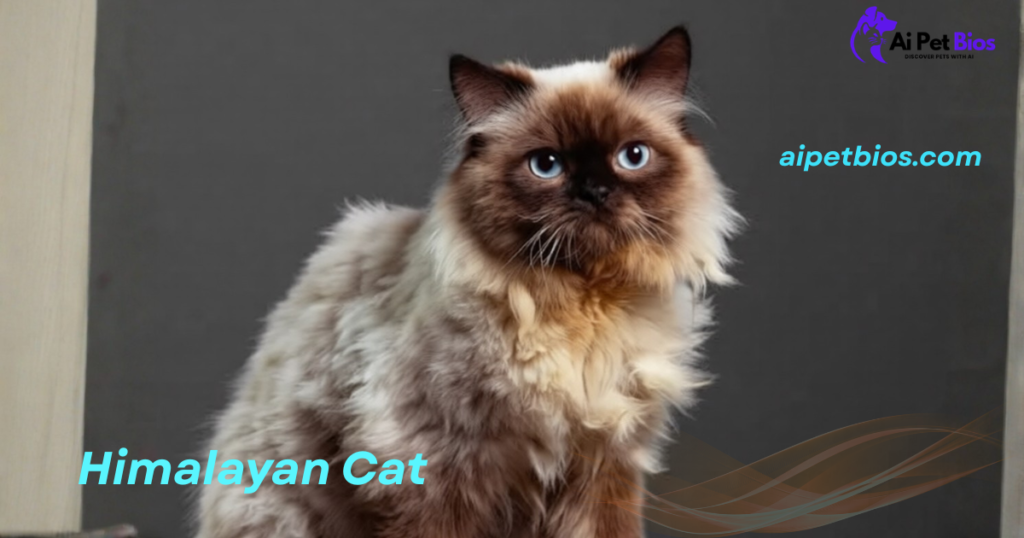
Himalayan personality encompasses surprising intelligence and behavioral complexity often underestimated by casual observers.
Intelligence indicators:
- Problem-solving ability: Learn puzzle feeders, navigate household mechanisms, manipulate objects strategically
- Communication mastery: Develop individual vocalizations, understand human routines, anticipate feeding times
- Training receptiveness: Respond to commands, walk on harnesses, use toilet training systems (though less reliably than some breeds)
- Environmental awareness: Remember room layouts, identify food locations, recognize household members
Behavioral traits:
- Playfulness: Maintain kitten-like interest in toys and interactive play throughout lives, though less frantically than high-energy breeds
- Independence: Enjoy solo activities, entertainment, and rest periods without requiring human engagement
- Territorial nature: Establish favorite spots, defend perceived territories, resist disruption of established routines
- Gentle nature: Rarely display aggression; interactions typically involve soft paws and restrained play
Himalayan Cat Price: Complete Cost Guide
How Much Does a Himalayan Cat Cost? Comprehensive Pricing Breakdown
The Himalayan cat price varies significantly based on multiple factors. Understanding cost ranges prevents sticker shock and enables informed purchasing decisions.
From established breeders:
- Standard quality kitten: $1,200–$1,800
- Show-quality kitten: $1,800–$3,000
- Breeding-rights kitten: $2,500–$4,000+
- Adult retired breeding cat: $400–$800
From shelters and rescues:
- Adoption fee: $50–$300
- Often includes: Spay/neuter, vaccinations, health screening
Factors affecting Himalayan cat price:
- Breeder reputation and experience
- Bloodline quality and genetics
- Color pattern (rare colors command premiums)
- Show potential assessment
- Health guarantees provided
- Geographic location (urban areas typically higher)
- Individual cat’s pedigree depth
Himalayan Cat for Sale: Where to Find Ethical Sources
Reputable sources for Himalayan cat for sale:
- TICA/CFA-registered Himalayan cat breeders with verifiable credentials
- Breed-specific rescue organizations
- General cat shelters and adoption centers
- Breed club referrals and directories
Where to avoid:
- Kitten mills prioritizing profit over health
- Online classifieds without verification
- Breeders unable to provide health testing documentation
- Sellers offering unrealistic prices (too cheap often indicates poor breeding practices)
Himalayan Cat Kitten: Selecting Quality Kittens
When seeking Himalayan cat kitten for sale, prioritize:
Health indicators:
- Clear eyes with appropriate blue coloring
- Clean ears and nose
- Healthy weight for age
- Current vaccinations and deworming
- Health testing documentation (PKD ultrasound results)
Behavioral assessment:
- Sociable, curious interaction with humans
- Playful engagement with littermates
- Responsive to handling and touch
- No signs of excessive shyness or aggression
Breeder credibility:
- TICA/CFA registration
- Health guarantee documentation
- References from previous buyers
- Visible breeding facility or video documentation
- Spay/neuter requirements for pet-quality kittens
First-Year Costs for Himalayan Cat Ownership
| Expense | Low | Mid-Range | High |
| Kitten/adoption | $50 | $1,500 | $3,000 |
| Veterinary (exams, vaccines, spay/neuter) | $300 | $500 | $800 |
| Food and nutrition | $400 | $600 | $1,000 |
| Grooming supplies and equipment | $200 | $400 | $800 |
| Litter, toys, and accessories | $200 | $300 | $500 |
| Professional grooming sessions | $200 | $400 | $600 |
| Pet insurance (optional) | $0 | $200 | $400 |
| TOTAL FIRST YEAR | $1,350 | $3,900 | $7,100 |
| Annual ongoing (years 2+) | $1,200–$2,000 | $2,000–$3,500 | $3,500–$5,000 |
Himalayan Cat Care: Complete Maintenance Guide
Are Himalayan Cats High Maintenance? Grooming Reality
Are Himalayan cats high maintenance? Absolutely—and potential owners must honestly assess whether they can commit to daily grooming. Neglecting this responsibility causes serious problems.
Daily grooming requirements:
- Brushing: 1–2 hours daily minimum with slicker brush and comb
- Mat removal: Immediate attention to emerging mats (prevent painful tangling)
- Eye care: Daily wiping of eye discharge (flat-face structure causes excessive tearing)
- Ear cleaning: Weekly inspection and cleaning (floppy ears trap moisture and debris)
- Hygiene maintenance: Regular wiping of genital area (long coat creates sanitation challenges)
Consequences of inadequate grooming:
- Painful matting requiring professional de-matting or shaving
- Skin infections from trapped moisture
- Behavioral changes from physical discomfort
- Increased veterinary costs for grooming-related issues
- Reduced quality of life and stress for the cat
Professional grooming:
- Frequency: Every 4–6 weeks minimum
- Cost: $50–$150 per session depending on coat condition
- Services: Full bath, dry, brush-out, nail trim, sanitary trim
What Do Himalayan Cats Eat? Nutritional Requirements
Himalayan thrive on high-quality, protein-rich diets supporting their moderate activity levels and long coat health.
Recommended nutrition profile:
- Protein: 28–30% (supporting muscle maintenance)
- Fat: 10–15% (essential for coat quality and skin health)
- Carbohydrates: 0–10% (cats are obligate carnivores; minimal carbs optimal)
- Fiber: 1–3% (digestive health)
- Specialized nutrients: Omega-3 and omega-6 fatty acids support coat luster
Feeding frequency:
- Kittens (under 1 year): 3–4 meals daily
- Adults (1–7 years): 2 meals daily
- Seniors (7+ years): 2–3 smaller meals
Food type considerations:
- Wet food: 70–80 calories per 100g; higher moisture supports hydration
- Dry kibble: 350–450 calories per 100g; dental benefits through chewing
- Raw/fresh diets: Requires veterinary nutritionist oversight for completeness
- Home-cooked meals: Must be formulated by nutritionists to prevent deficiencies
Weight management: Himalayan tend toward obesity (sedentary lifestyle + rich diet = weight gain). Monitor weight carefully; obesity increases respiratory problems and kidney disease risk.
Himalayan Cat Lifespan: How Long Do They Live?
What is the lifespan of a Himalayan cat? Himalayan typically live 9–15 years, with some reaching 17+ years with exceptional care. Several factors influence lifespan:
Lifespan extension factors:
- High-quality nutrition and weight management
- Regular veterinary care and preventive screening
- Daily grooming and hygiene maintenance
- Environmental climate control (avoid overheating)
- Stress reduction and stable home environments
- Early detection and management of health issues
Health screening timeline:
- Kittens: Baseline health assessment, genetic testing for PKD
- Young adults (1–7): Annual wellness exams, dental assessment
- Mature (7–10): Twice-yearly exams, bloodwork screening
- Seniors (10+): Quarterly exams, regular kidney function monitoring
Himalayan Cat Health: Common Concerns and Prevention
Why Are Himalayan Cats So Special? And What Health Challenges Do They Face?
Why are Himalayan cats so special? Their combination of striking appearance, gentle temperament, and loyal companionship creates an emotionally compelling breed. However, this specialness comes with health responsibilities.
Breed-specific health challenges:
Respiratory difficulties: The flat-face (brachycephalic) structure causes breathing problems affecting 40–60% of the breed. Symptoms include snoring, wheezing, and exercise intolerance. Management requires climate control, weight management, and veterinary monitoring.
Polycystic kidney disease (PKD): Affects 30–40% of Himalayan cats. This genetic condition causes kidney degeneration. Early detection through ultrasound screening (at 8–10 weeks) enables management through specialized diet and medication.
Eye issues: Excessive tearing, corneal ulcers, and progressive retinal atrophy occur more frequently. Daily eye care and veterinary monitoring are essential.
Dental disease: Flat face creates crowded teeth predisposing to tartar accumulation and periodontal disease. Regular brushing and professional cleanings are necessary.
Hypertrophic cardiomyopathy: Heart disease affecting some bloodlines. Screening through echocardiography should be part of breeding decisions.
Heat sensitivity: Flat faces reduce cooling efficiency. Himalayan are prone to heat stress and heat stroke, requiring temperature control (65–72°F optimal).
Himalayan Cat vs. Siamese Cat: Key Differences
Himalayan Cat vs. Siamese: Complete Comparison
| Aspect | Himalayan Cat | Siamese Cat |
| Coat | Long, thick, silky | Short, sleek |
| Grooming | High (daily 1–2 hours) | Minimal (weekly) |
| Activity level | Low-moderate | Very high |
| Temperament | Calm, gentle | Vocal, demanding |
| Sociability | Friendly but reserved | Extremely social, attention-seeking |
| Vocalization | Quiet, soft chirps | Very vocal, loud meows |
| Eye color | Blue (mandatory) | Blue (common but not required) |
| Colorpoint pattern | Yes (mandatory) | Yes (common) |
| Independence | Moderate | Low (highly dependent) |
| Best for | Calm households | Active, interactive owners |
| Price | $1,200–$3,000 | $600–$1,500 |
| Health concerns | Respiratory, PKD | Generally healthy |
Himalayan Cat vs. Ragdoll: Comprehensive Comparison
| Aspect | Himalayan Cat | Ragdoll Cat |
| Coat | Long, dense, double coat | Semi-long, silky coat |
| Grooming needs | High (daily 1–2 hours) | Moderate-high (3–4x weekly) |
| Size | 7–12 lbs | 10–15 lbs |
| Eye color | Blue (mandatory) | Blue (characteristic) |
| Temperament | Calm, gentle, independent | Docile, dependent, “floppy” |
| Activity level | Low-moderate | Moderate |
| Vocalization | Quiet | Quiet to moderate |
| Sociability | Selective, independent | Extremely social, clingy |
| Health concerns | Respiratory, PKD | HCM (heart disease) |
| Lifespan | 9–15 years | 12–17 years |
| Price | $1,200–$3,000 | $800–$2,000 |
| Best for | Independent-minded owners | People-focused owners |
Pros and Cons: Is a Himalayan Cat Right for You?
| Pros | Cons |
| ✅ Extraordinarily beautiful and striking appearance | ❌ Requires 1–2 hours daily grooming commitment |
| ✅ Gentle, calm, affectionate temperament | ❌ Prone to respiratory and kidney health issues |
| ✅ Intelligent and responsive to training | ❌ High grooming costs ($50–$150 per session) |
| ✅ Excellent for quiet, stable home environments | ❌ Sensitive to heat and environmental changes |
| ✅ Loyal, devoted companions | ❌ Not suitable for extremely busy lifestyles |
| ✅ Moderate activity requirements (perfect for indoors) | ❌ Excessive tearing requires daily eye care |
| ✅ Long lifespan (9–15+ years) | ❌ Expensive veterinary care for breed-specific issues |
| ✅ Suitable for families and seniors | ❌ Matting can be painful if neglected |
| ✅ Striking blue eyes distinctive and memorable | ❌ Heat sensitivity requires climate control |
Is a Himalayan Cat Right for You? Self-Assessment Questionnaire
Consider a Himalayan cat if you:
✅ Can commit to 1–2 hours daily grooming
✅ Have a calm, quiet home environment
✅ Appreciate investment in beauty and appearance
✅ Have moderate time availability for interaction
✅ Can afford specialized veterinary care
✅ Live in climate-controlled spaces (65–72°F ideal)
✅ Are prepared for potential health management
✅ Prefer gentle, affectionate cats over high-energy breeds
✅ Can budget $2,000–$3,500+ annually
Score: 7+ “Yes” answers = Excellent fit for Himalayan cat
Reconsider a Himalayan cat if you:
❌ Have limited time for grooming (less than 1 hour daily)
❌ Prefer low-maintenance coat care
❌ Live in hot climates (above 75°F regularly)
❌ Have very young children (cats can be overwhelmed)
❌ Seek extremely active, playful breed
❌ Cannot afford specialized veterinary care
❌ Are unwilling to manage chronic health issues
❌ Prefer independent cats requiring minimal attention
Score: 3+ “Yes” answers = Explore other breeds
Himalayan Cat Kitten Adoption: Real-World Stories
Case Study 1: Margaret (Retired Teacher) – Finding Companionship
Margaret, 68, adopted a Himalayan cat kitten named “Duchess” after her husband’s passing. “I needed a companion but wasn’t sure about commitment. Duchess has been transformative. She sits beside me while reading, doesn’t demand constant attention, but provides emotional connection.
The grooming routine actually became therapeutic—it gives me purpose and routine. Yes, it’s time-consuming, but those grooming sessions became my meditation. The vet bills were higher than expected (her PKD required management), but her presence made every cost worthwhile.”
Key takeaway: Himalayan cats provide emotional support and purpose, particularly for individuals in life transitions.
Case Study 2: The Rodriguez Family – Managing Multiple Demands
The Rodriguez family (working parents, three kids, ages 6-12) adopted a rescue Himalayan cat named “Princess.” “We knew the grooming would be challenging with our busy schedules. We hired a professional groomer—cost about $100 every 6 weeks. Best money we’ve spent. Princess is patient with the kids, teaches them about gentleness, and somehow commands respect without aggression.
Our youngest has learned responsibility; our oldest discovered genuine compassion. The breed’s calm temperament actually helped our chaotic household find moments of peace.”
Key takeaway: Himalayan cats can fit busy families willing to invest professional grooming support.
Case Study 3: David (Artist/Writer) – Creative Companion
David, 45, works from home as a novelist and selected a Himalayan cat kitten for companionship while writing. “I needed a presence that was calming but not intrusive. Himalayan cats are perfect for creative work—they’re content sitting nearby, occasionally requesting attention, but generally supportive of quiet focus.
Her grooming became part of my daily routine, almost meditative. People ask if she’s high maintenance—I say she’s high-commitment, which is different. The commitment deepens our relationship.”
Key takeaway: Himalayan cats suit contemplative, detail-oriented owners who view grooming as relationship-building rather than burden.
Frequently Asked Questions: Himalayan Cat
What is a Himalayan Cat? Complete Breed Definition
A Himalayan cat is a semi-longhair breed developed by crossing Persian and Siamese cats, specifically designed to combine Persian coat luxuriousness with Siamese colorpoint markings. Recognized by TICA and CFA, Himalayan cats are characterized by striking blue eyes, colorpoint coat patterns, flat faces, and gentle temperaments.
The breed represents intentional genetic design rather than accidental hybridization, requiring consistent selective breeding to maintain breed standards and minimize health complications.
Are Himalayan Cats Friendly? Understanding Their Social Nature
Are Himalayan cats friendly? Yes, exceptionally—but with breed-specific nuance. Himalayan cats are affectionate, bond deeply with owners, and enjoy human companionship. However, their friendliness differs from extremely social breeds like Siamese. They’re friendly without being demanding, offering quiet companionship and gentle interaction.
They’re often reserved with strangers and require time to warm up to new people. This balance of friendliness and independence appeals to owners seeking devoted companions without constant attention demands.
Are Himalayan Cats High Maintenance? Honest Assessment
Are Himalayan cats high maintenance? Absolutely yes. Daily brushing (1–2 hours minimum), regular professional grooming, eye care, and specialized veterinary attention make Himalayan cats among the highest-maintenance breeds. Their flat-face structure and long coat create continuous grooming needs.
Prospective owners must honestly assess whether they can commit to this level of care—neglecting grooming causes serious physical and behavioral problems. However, for dedicated owners, this maintenance becomes relationship-deepening rather than burdensome.
What is the Lifespan of a Himalayan Cat? How Long Will They Live?
What is the lifespan of a Himalayan cat? Himalayan cats typically live 9–15 years, with exceptional care sometimes extending to 17+ years. Lifespan depends significantly on owner commitment to grooming, nutrition, veterinary care, and health management.
Cats with PKD managed early through diet and medication often live fuller lifespans. Climate control, stress reduction, and weight management significantly influence longevity. Early detection of health issues through regular screening extends life expectancy considerably.
What is the Difference Between a Himalayan Cat and a Persian Cat? Complete Explanation
The primary difference between Himalayan and Persian cats is colorpoint pattern. Himalayan cats must have colorpoint markings (dark ears, face, paws, tail with contrasting body color) and blue eyes per breed standard.
Persian cats appear in solid colors and may have any eye color. While Himalayan cats descended from Persian breeding stock, they represent a distinct breed with specific genetic selection for colorpoint appearance. Both breeds require similar grooming but differ in appearance and breeding focus.
How Much Does a Himalayan Cat Cost? Complete Pricing Guide
Himalayan cat price ranges from $1,200–$3,000+ from established breeders, with show-quality kittens commanding higher prices. Adoption from shelters costs $50–$300 significantly less but finds Himalayan cats less frequently.
First-year costs (including kitten, vet care, grooming, food) total $3,900–$7,100. Annual ongoing expenses range $1,200–$5,000 depending on professional grooming frequency and health management. Premium pricing reflects breeding costs, health screening, and genetic preservation efforts.
Conclusion: Is the Himalayan Cat Your Ideal Companion?
The Himalayan cat represents a remarkable balance—combining extraordinary physical beauty with gentle, affectionate temperament, creating companions that inspire genuine devotion. For owners willing to commit to daily grooming, specialized veterinary care, and climate-controlled environments, Himalayan cats reward with unwavering loyalty, quiet companionship, and remarkable emotional connection.
This breed isn’t for everyone. Prospective owners must honestly assess grooming commitment, health management capability, and lifestyle alignment before adopting. However, for the right owner—someone who views grooming as relationship-building rather than chore, who prioritizes cat welfare over convenience, and who appreciates gentle, steady companionship—Himalayan cats offer unparalleled rewards.
The investment of time, resources, and emotional energy yields a companion that influences owners’ lives profoundly, often becoming less a pet and more a cherished family member shaping daily routines, providing comfort during difficult times, and enriching quiet moments with their mysterious, beautiful presence.
Next Steps for Prospective Himalayan Cat Owners
- Spend time with adult Himalayan cats before committing—observe grooming reality firsthand
- Contact TICA/CFA-registered breeders with verifiable credentials and health testing documentation
- Request references from previous buyers and speak with them honestly about breed reality
- Arrange veterinary consultation discussing PKD screening and breed-specific health management
- Invest in grooming tools (quality slicker brush, metal comb, grooming table)
- Budget for professional grooming ($50–$150 every 4–6 weeks)
- Prepare climate-controlled space (65–72°F, moderate humidity)
- Commit to daily interaction and grooming as relationship-building, not obligation
Resources for Himalayan Cat Ownership
- The International Cat Association (TICA): Breed standards and registered breeder directory
- Cat Fanciers’ Association (CFA): Breed information and breeder referrals
- Himalayan Cat Breed Clubs: Specialized organizations providing education and support
- Veterinary resources: Search for veterinarians specializing in flat-faced breed care
- Grooming education: Professional groomer courses and tutorials
Disclaimer
This article provides informational content about Himalayan cat breed characteristics, care requirements, and ownership considerations. It is not a substitute for professional veterinary advice. Always consult qualified veterinarians for health concerns, dietary questions, genetic screening recommendations, or medical conditions affecting your Himalayan cat. Breed-specific health challenges require proactive veterinary partnership. Adoption decisions should involve honest self-assessment of grooming capability, financial commitment, and lifestyle alignment. Not all individuals are suitable for Himalayan cat ownership; responsible ownership requires realistic expectations and genuine commitment.
Courtesy: The ideal Cat
[instant_emoji_reactions]

Want Popular On Google? | Lust Quality Backlinks That Force-fed
I’m an SEO Expert, Guest Posting Specialist, and Web Developer helping websites increase rankings, traffic, and authority using clean, white-hat strategies 🚀
I focus on high-authority guest posts, safe backlinks, SEO-optimized content, and technically sound websites—so your site doesn’t just rank, it stays ranked.
What I help you with:
✅ SEO (On-page, Off-page & Technical)
✅ Guest Posts on Real, Relevant Sites
✅ High-Quality Link Building
✅ Keyword Research & Content Strategy
✅ SEO-Friendly Website Development
📈 No spam. No shortcuts. Only results.
👉 Need backlinks that actually work?
📩 Let’s connect: https://wa.me/+923006932631
1 thought on “Himalayan Cat: Here’re 8 Useful Truths about Thrilled Breed”
Comments are closed.